REVIEW · KATHMANDU
Multi-Day Sites of Nepal Tour from Kathmandu with Poon Hill Trek- 9 Days
Book on Viator →Operated by Alpine Club of Himalaya · Bookable on Viator
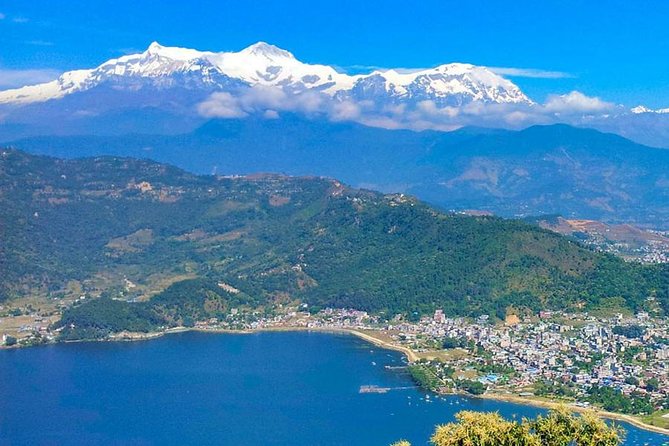
Poon Hill sunrise is the payoff. This 9-day trek pairs that iconic early-morning viewpoint with village walking through Gurung and Magar communities, plus long stretches in rhododendron forests where you’ll hear birds before you see them. I like how the route keeps you close to real local life while still delivering big Himalayan moments, especially with Machhapuchhare (Fishtail Peak) looking down on you from the trails.
I also like the practical side: airport transfers, AC tourist buses between Kathmandu and Pokhara, and a licensed English-speaking guide, plus a porter for every two trekkers so you’re not white-knuckling a full pack all day. The main tradeoff is the timing and effort: you’ll start early (including the Poon Hill sunrise push) and some days include several hours of steady uphill, so this is best if you’re comfortable walking daily at altitude.
In This Review
- Key things to love about this Poon Hill trek
- Kathmandu to Pokhara: the easy start before the mountains
- Nayapul to Ulleri: meeting Machhapuchhare early
- Ulleri to Ghorepani: rhododendron forests and bird-song time
- Ghorepani sunrise: the Poon Hill moment that makes the trip
- Tadapani to Ghandruk: steeper climbing and classic village scenes
- Ghandruk to New Bridge, then back to Pokhara
- Pokhara to Kathmandu and your last day in Nepal
- Price and value: what $0.00 doesn’t tell you
- Who this trek suits best (and who should think twice)
- A note on the guide and how you’ll feel on the trail
- Should you book this Poon Hill tour?
- FAQ
- What time does the tour start?
- How do I get from Kathmandu to Pokhara?
- Where does the trek begin and how do you reach it from Pokhara?
- What kind of accommodation do you get on the trek?
- Are meals included while trekking?
- Do you get porter support?
- Is the Nepal visa fee included?
Key things to love about this Poon Hill trek
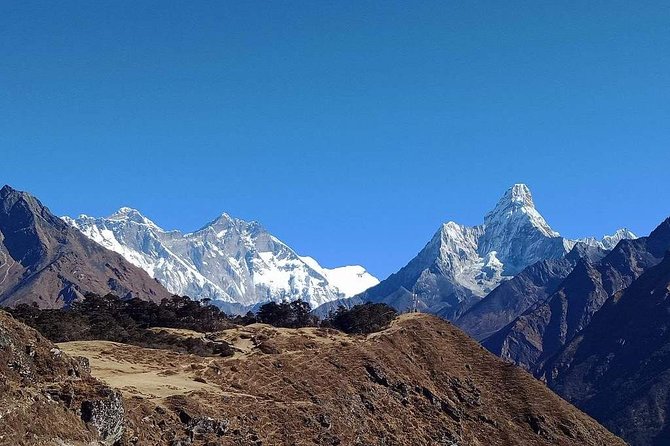
- Sunrise views at Poon Hill at 3,232m, aimed at Dhaulagiri and Annapurna
- Teahouse trek comfort with breakfasts, lunches, and dinners included while hiking
- Village-focused route through places like Ulleri and Ghandruk, home to Gurung and Magar communities
- Bird-and-forest walking in dense rhododendron, oak, and sal forests
- Support built in with an experienced licensed guide and porter service (2 trekkers: 1 porter)
Kathmandu to Pokhara: the easy start before the mountains
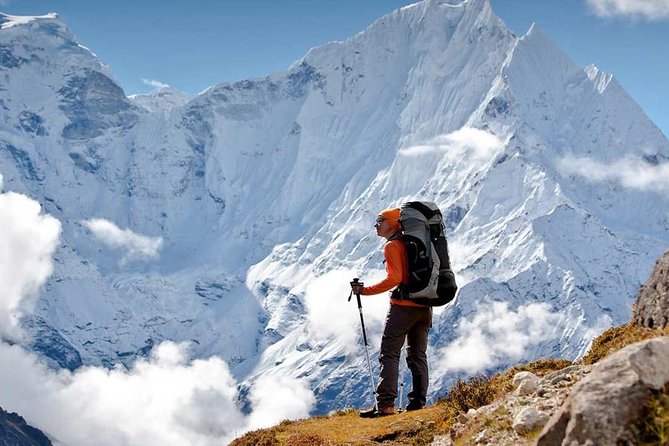
This trip starts the way you want it to: no guessing, no scrambling. After you land at Tribhuvan Airport, a representative meets you and handles a private transfer to your hotel in Kathmandu. It’s a small thing, but it sets the tone—after a long flight, you get a bed and a plan, not a spreadsheet.
The next morning you head to Pokhara by AC tourist bus. The drive is about six hours, and it’s long enough that you’ll appreciate having air-conditioning after Kathmandu traffic. Pokhara is also your gear-and-body warmup. You’re not hiking yet, but you’re already settling into the rhythm: early wake-ups, simple meals, and quiet nights.
What I find valuable here is how the schedule gives you a clean buffer. You arrive, sleep, then start trekking from the next day’s early drive toward Nayapul. If you’re the type who likes things organized (I am), this matters.
You can also read our reviews of more tours and experiences in Kathmandu.

Nayapul to Ulleri: meeting Machhapuchhare early
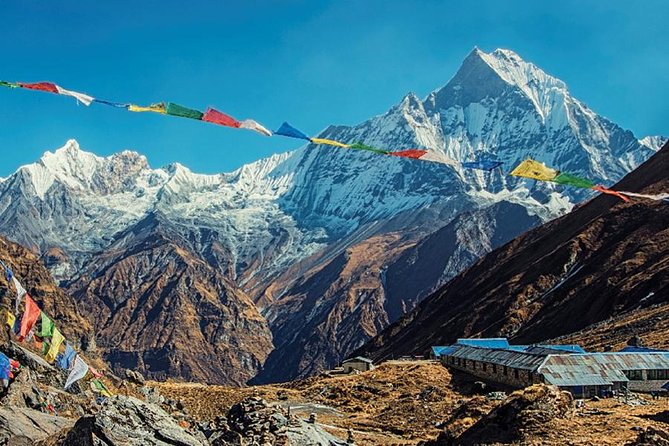
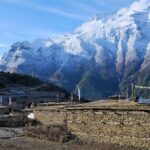
On day three, you drive from Pokhara to Nayapul, the trek start point. The car ride is about 45 minutes, and the payoff is immediate: Machhapuchhare (Fishtail Peak) stays in your sight line for long stretches as you begin.
From Nayapul you trek to Ulleri, where you sleep for the night. The route here is a warm-up in the best sense—enough walking to get your legs working, but not so much that you feel destroyed before the main trekking days.
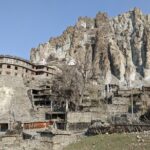
Ulleri is also where you start noticing the human scale of the Annapurna region. You’re not just walking through nature; you’re passing through communities, guesthouses, and trail life. This trek’s big selling point isn’t only the views. It’s the way the walking threads through villages inhabited by Gurungs and Magars, with day-to-day rhythms that feel real.
Ulleri to Ghorepani: rhododendron forests and bird-song time
The next day is your first longer trekking day: roughly six hours of gentle hiking to reach Ghorepani (2,874m). The emphasis on “gentle” matters. It doesn’t mean flat—you’ll still climb—but the trail is designed so you can move steadily without sprinting uphill.
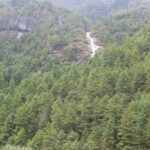
This is also your first deep hit of the forest vibe. Expect dense rhododendron and shaded stretches with birdsong that you catch more often than you’d expect. You’ll hear calls, then spot movement above the trail. It’s one of those quiet rewards that doesn’t show up in a photo.
If you have time and weather cooperates, you can also catch sunset from the Poon Hill area on the way. Not every day offers the light-perfect conditions, but when it works, it helps you understand what you’ll be chasing at sunrise later.
Teahouse stays keep things simple. You’ll sleep inside the trekking network—basic and practical, with meals organized for you. That means you can focus on walking and not on hunting for dinner reservations.
Ghorepani sunrise: the Poon Hill moment that makes the trip
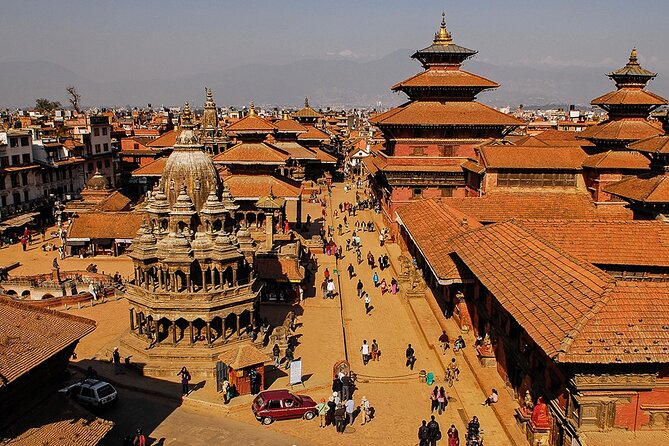
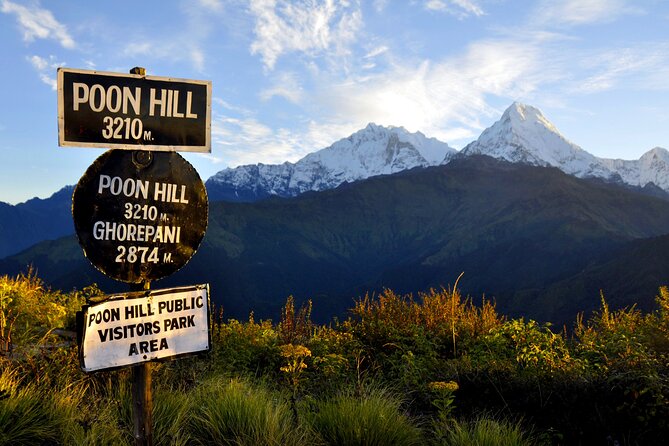
This is the highlight day, and it starts early. Before breakfast, you head to the top of Poon Hill (3,232m) for sunrise. The description is not exaggeration territory—it’s the kind of moment where the mountain lighting changes so fast your camera won’t keep up.
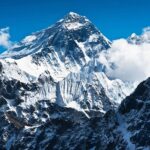
From Poon Hill, you’re aiming at a view that includes Dhaulagiri (8,167m) and Annapurna (8,091m), with a maze of other peaks appearing as the sun lifts. The key here is timing: you’re not waiting for an hour-long view. You’re catching the transition as the snowfields turn bright and the ridgelines sharpen.
After the sunrise and mountain views, you descend back to Ghorepani and then trek toward Tadapani (2,650m) for an overnight. This day is a two-part workout: early hike up, then later-day walking to the next village. If you’re the kind of person who wakes up slowly, plan to treat the morning like a mission. Once you’re on the trail, you’ll feel the energy shift.
One more practical note: the sunrise hike often happens when it’s cold. Even if the daytime forecast sounds mild, bring layers you can adjust quickly.
Tadapani to Ghandruk: steeper climbing and classic village scenes
After breakfast, you walk from Tadapani toward Ghandruk. The route passes through dense rhododendron, oak, and sal forests, again following the Kimrung Khola along the way. This is a nice stretch because it blends scenery with movement—you keep walking, but the trail never feels monotonous.
Then comes the steeper part: the ascent toward Ghandruk village. You’ll feel it more on this segment than on the earlier days. The reward is a village setting where you can slow down. Ghandruk is the kind of place where teahouses and trail life gather, so it feels like you’ve arrived somewhere bigger than a single overnight stop.
If you like a trekking pace that includes both effort and a place to breathe, this is a good day. And if you prefer a more cultural atmosphere, Ghandruk typically hits that note better than the smallest settlements.
Ghandruk to New Bridge, then back to Pokhara
On day seven, the trek ends with a gentler walk toward New Bridge, where you switch from hiking to driving back to Pokhara. The transfer matters because it makes the end of the mountains feel manageable. You’ve done the hard work—now you’re back to hot showers and soft chairs (or at least the closest available substitute).
This is the day to keep your legs steady but not overthink it. The “gentle” part here is real in the sense that you’re not climbing your way into another high point. It’s a winding out.
Back in Pokhara, you get the comfort buffer before heading to Kathmandu the following day. This reduces the chance you’ll feel rushed after your final trek.
Pokhara to Kathmandu and your last day in Nepal
Next morning, you drive back to Kathmandu by AC tourist bus. It’s another full day of travel, so I recommend packing like a minimalist: keep what you need accessible so you’re not digging for items while you’re tired.
On the final day in Nepal, you transfer to the airport for your departure. The whole point of structuring the last two days this way is that you’re not trying to squeeze in last-minute sightseeing or extra treks while your body is still recovering from altitude.
Price and value: what $0.00 doesn’t tell you
The listed price shows $0.00 per person, so I can’t judge cost versus cost the way I normally would. What I can do is tell you what you’re getting for the package type: transport, guide, meals, and support.
This tour includes:
- Airport pickups and drops in a private vehicle
- 2 nights Kathmandu and 2 nights Pokhara with breakfast
- Teahouse accommodation during the trek
- All meals (breakfast, lunch, dinner) during the trek, plus tea/coffee
- A welcome or farewell dinner
- Kathmandu–Pokhara round trip by tourist bus, plus Pokhara–Nayapul–Pokhara by private vehicle
- Licensed, English-speaking guide
- Porter service (2 trekkers: 1 porter)
- Taxes and staff costs
What’s not included:
- Nepalese visa fee, international flights
- Travel and rescue insurance
- Meals in Kathmandu or Pokhara beyond what’s in the package
- Personal expenses and tips
For most walkers, the real value isn’t just the itinerary—it’s the reduction of decisions. You don’t have to negotiate porters, plan meal timing, or arrange transfers. You can focus on walking, sunrise, and village nights.
Who this trek suits best (and who should think twice)
This works well if you:
- Want a classic Poon Hill experience without heavy logistical stress
- Prefer a balance of big views and village walking
- Are comfortable with moderate physical fitness and early mornings
- Like the idea of a small-group / private style trek where your walking rhythm matters
It may not be ideal if you:
- Want a totally relaxed trek with no early sunrise effort
- Need long daily rests or very short walking days
- Struggle with altitude and steep sections—especially on the climb toward Ghandruk
A note on the guide and how you’ll feel on the trail
You’ll travel with an experienced English-speaking, government-licensed guide. One detail I’m glad is included is that you’re not on your own with a phone map. A guide helps with pacing, trail clarity, and making sure you’re in the right place at the right time—especially for sunrise.
If you get a guide like Sujan (mentioned in one of the experiences), you’ll likely feel that mix of friendliness and competence. The trekking network runs on timing, and good guidance reduces the usual “are we sure we’re going the right way?” stress.
Should you book this Poon Hill tour?
I’d book this if you want a dependable, well-supported Poon Hill trek that hits the essentials: sunrise views, rhododendron forest walking, Gurung/Magar village culture, and a guided plan that handles the transport and meals. The porter support plus teahouse meals make it feel like a trekking package rather than a DIY project.
I wouldn’t book it if you’re looking for something slow, late-start friendly, or ultra-flexible. The early morning sunrise push is the whole point of Poon Hill, and the walking days have a steady rhythm.
If you’re fit enough and you enjoy planning your days around the mountains, this is a very solid way to experience the Annapurna foothills.
FAQ
What time does the tour start?
The experience start time is 6:15 am.
How do I get from Kathmandu to Pokhara?
You travel by AC tourist bus, and the drive is described as about six hours.
Where does the trek begin and how do you reach it from Pokhara?
You drive from Pokhara to Nayapul (about 45 minutes by private car). Nayapul is the trek’s starting point.
What kind of accommodation do you get on the trek?
You stay in teahouses during the trek.
Are meals included while trekking?
Yes. The trip includes breakfast, lunch, and dinner during the trek, plus coffee and/or tea.
Do you get porter support?
Yes. There is porter service with a stated ratio of 2 trekkers: 1 porter.
Is the Nepal visa fee included?
No. The Nepalese visa fee is not included, and travel and rescue insurance is also not included.