REVIEW · SICILY
Etna North: Guided trekking to Summit volcano craters
Book on Viator →Operated by Ashàra Etna & Stromboli Guides · Bookable on Viator
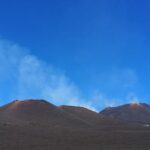
Etna’s crater rim feels like another planet. This guided Etna North hike takes you to the upper crater area you usually only see from far away, with an expert volcanology guide watching your footing and your pace. I love how close you get to the action—on the crater edge—without turning the day into a white-knuckle scramble.
What really won me over is the full safety setup. You get hiking boots, a helmet, and walking sticks, so you can focus on the experience instead of hunting gear before you arrive. I also like the small size limit: up to 20 people means the guide can keep a steady eye on everyone.
One thing to consider: the route can shift with conditions, and that can affect how much summit access you get and how long the day feels. Also, the 4×4 ride tickets are extra and paid on the spot in cash.
In This Review
- Key highlights you should know
- Etna North summit craters: a practical look at what you’re actually signing up for
- The 8:00 am start at Piano Provenzana and the 4×4 jump to 2,825 m
- The hike up to the crater rim: 2 hours of real volcanic terrain
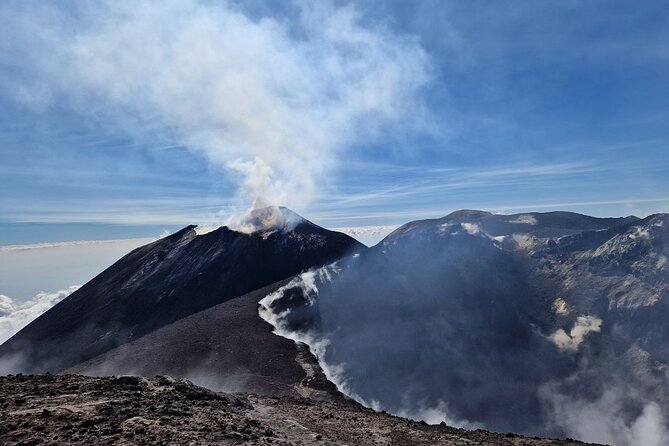
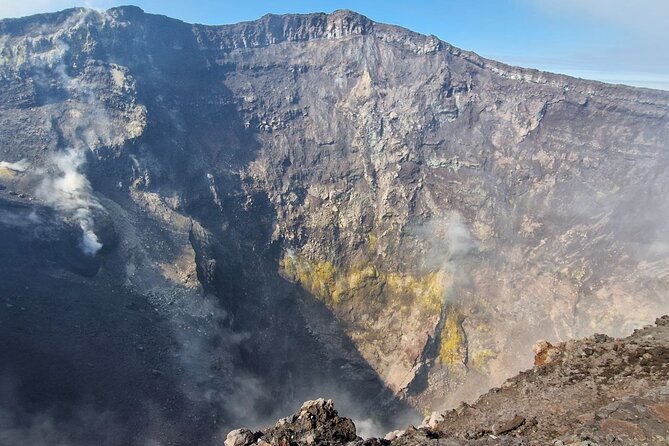
- What you’re seeing up close: steam vents, lava fields, and sulfur colors
- Walking the crater edge, facing Northeast, watching Southeast
- The descent back through fine ash and slag, plus coast views
- Guides and safety: boots, helmet, poles, and a volcanology mindset
- Price and value: $78.10 plus the 4×4 cash add-on
- When Etna won’t cooperate: weather, gas emissions, and route changes
- Who this Etna North summit crater trek is best for
- Should you book it?
- FAQ
- What time does the Etna North summit trek start?
- How long is the trek?
- Where does the tour start and end?
- Is the tour offered in English?
- What gear is included?
- Do I need to pay for the 4×4 ride?
- What altitude does the hike reach?
- Is the summit always guaranteed?
- Who should not book this trek?
- What’s the cancellation rule if weather is poor?
Key highlights you should know
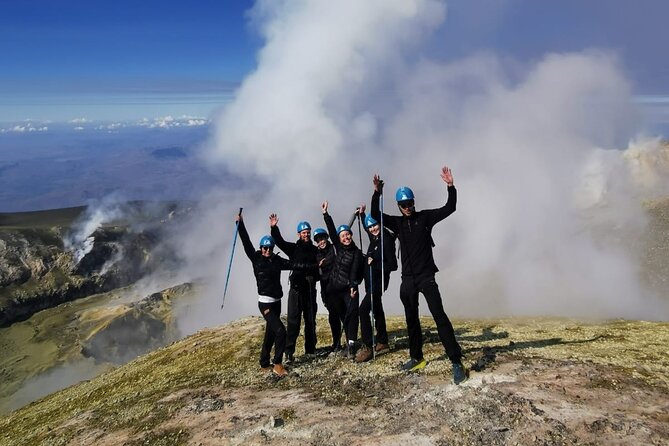
- Crater rim walking: You reach about 3,320 masl and walk near the main crater edge.
- North-side access that feels safer: The route uses a slope considered suitable for climbing on that day.
- Safety gear provided: Boots, helmet, and poles are included with insurance and a volcanological/alpine guide.
- Real geology along the way: You’ll see geothermal steam, lava fields, and ground color changes linked to sulfur.
- You face two crater stories at once: Central crater edge walking plus views of the Northeast and Southeast craters.
- Day length can flex: Transfers and conditions can change timing, so stay mentally flexible.
Etna North summit craters: a practical look at what you’re actually signing up for
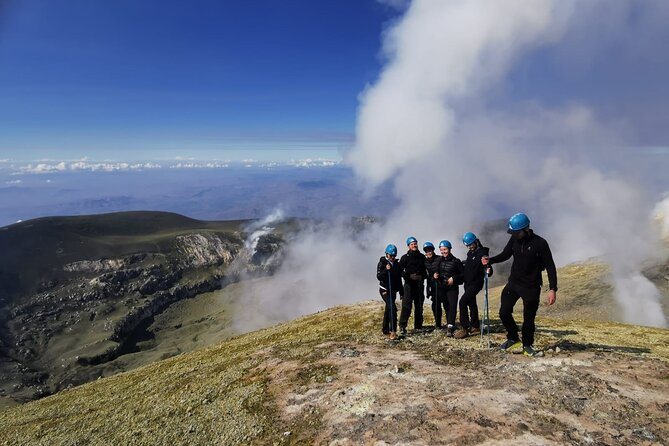
This is a guided trek on the north side of Mount Etna, aimed at getting you to the upper crater zone—where the volcano looks active in the most direct way possible. The big idea is simple: you start in the Piano Provenzana area, use a 4×4 ride to reduce the steepest slog, then hike up to the crater rim and walk along the upper section before descending back.
The day is built for people who want more than a sightseeing bus stop. You’re not just looking at Etna; you’re moving through it—over ash and slag, past gas emissions, and into the kind of terrain where proper guidance matters. The best part is the crater-edge feeling: you’re close enough to see scale and texture, not just silhouettes.
Because this is a volcano environment, you should also think of the hike as weather- and activity-dependent. When conditions don’t match safe access, the plan can change. That’s not a flaw; it’s how real volcanology tourism works.
You can also read our reviews of more tours and experiences in Sicily.
The 8:00 am start at Piano Provenzana and the 4×4 jump to 2,825 m
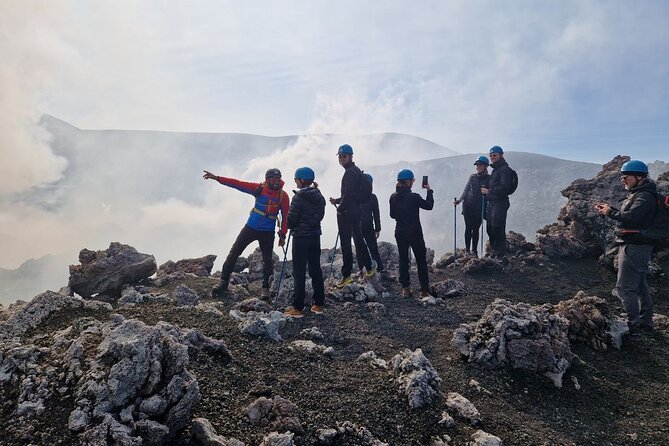
Your morning begins at Piano Provenzana (Etna Nord) around 8:00 am, with the activity ending back at the same meeting point. The first step is a special 4×4 transfer that carries you from about 1,800 masl up to 2,825 masl.
Two practical notes here. First, this ride matters because it positions you for the summit approach. Second, it also affects your total time: the 4×4 segment is about 40 minutes, and on the day, timing can stretch if other groups are delayed.
Cost-wise, the 4×4 tickets are not included in the listed price. You’ll pay 60€ per person in cash on the spot. So your true all-in budget is the tour price plus that additional 4×4 cost. Plan for that cash.
The hike up to the crater rim: 2 hours of real volcanic terrain
From the 2,825 m area, the climb starts via the slope the operator describes as currently suitable for safe ascent under the day’s conditions. This isn’t a long cross-country hike. It’s more like a focused climb with a goal: the main crater rim at roughly 3,320 masl.
You’ll hike for about 2 hours to reach that rim, and your route includes walking on the edge of the Central Crater. That edge walking is the headline moment—because it’s where Etna stops being a distant mountain and becomes a close-up system. From there, you’ll face the Northeast Crater and look alongside at the Southeast Crater, known for recent and impressive eruptions.
What you’ll feel in your body is altitude and effort. In one account, a guide worked with the group pace so people could adjust after altitude. That’s a good sign: the hike is challenging enough that your pace adjustments matter. If you tend to push too hard early, save that energy for later. The guides are there to keep you safe and moving in a way the terrain supports.
What you’re seeing up close: steam vents, lava fields, and sulfur colors
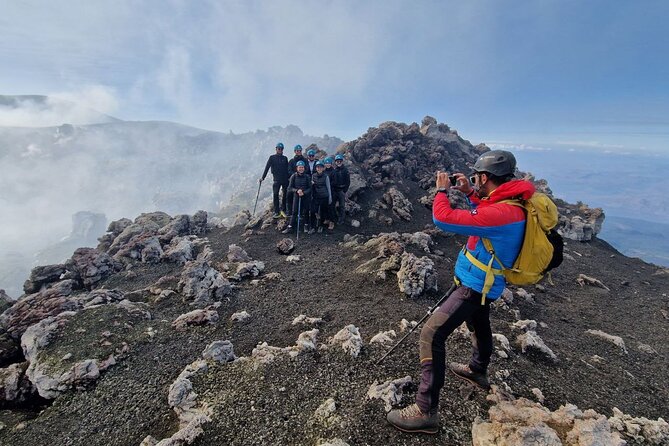
This isn’t just a summit hike with a view. You’ll get a volcanology-led walkthrough of what’s around you, with breaks built in so the guide can explain what you’re looking at.
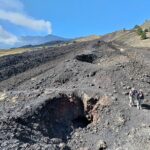
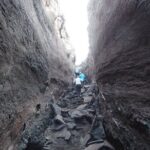
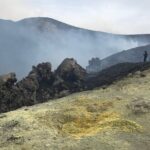
As you climb, expect to spot geothermal features like steam vents and lava fields. The terrain can also show the effects of volcanic activity in detail: gas emissions and even volcanic bombs may be visible depending on what the guide points out and what’s present in that specific route.
One detail I found especially interesting is how the ground can sparkle with color changes due to sublimation of elements, including sulfur. That means you’re not just seeing gray rock and ash. You’re seeing chemistry made visible. When the guide ties that to Etna’s behavior over time, it turns random rocks into a story you can actually follow.
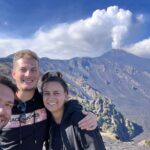
Also, at the top and on the way back down, you’ll get panoramic views toward the Sicilian coast. The guide should also connect those big-picture vistas to what you’re seeing close-up. That balance—macro views and micro details—is where the experience becomes memorable.
Walking the crater edge, facing Northeast, watching Southeast
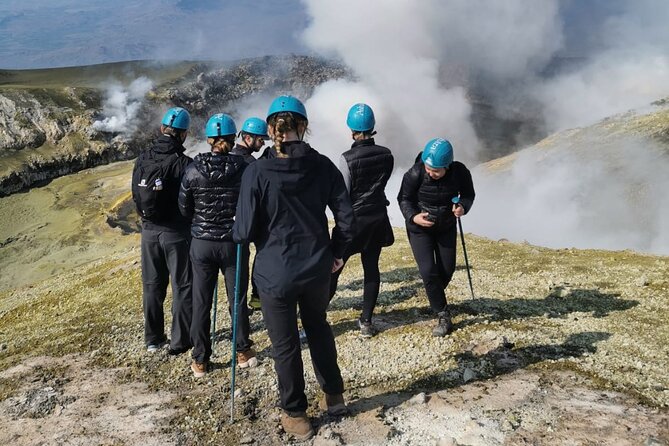
The moment you’re near the crater rim is where this tour earns its reputation. You’re walking on the edge of the Central Crater, and the guide helps orient you so you understand what you’re looking at—especially between the Northeast Crater and the Southeast Crater.
Here’s the key value: the operator’s north-side approach aims to get you to heights and angles most casual visitors don’t see. One highlight description even notes that the route skirts the highest crater, which implies a deliberate safety and access design.
You should also know what kind of experience it is psychologically. It’s vertiginous in a literal sense—there’s height and exposure. The safety gear helps, but your head needs time to adjust too. If you get anxious near drop-offs, tell yourself you’re doing this with an expert guide—then focus on the next step, not the far horizon.
The descent back through fine ash and slag, plus coast views
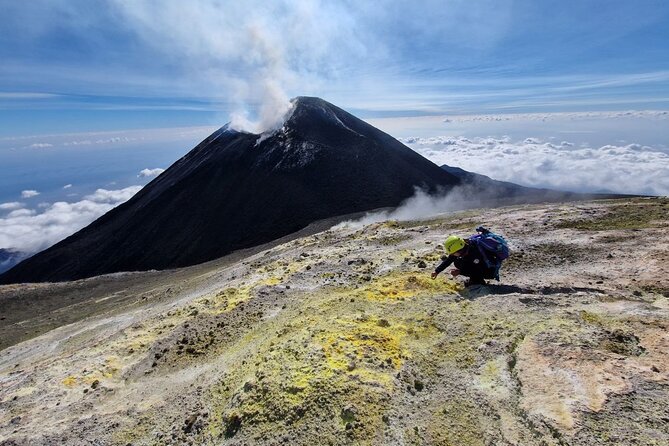
After the top visit, you start back down. The return hike takes around 2 hours, moving from the 3,320 m rim area back to the 2,825 m zone. The description is clear that the descent includes walking on fine volcanic ash and slag.
That matters because ash can feel unstable underfoot compared to packed trails. This is exactly where walking sticks and boots do their job. Even when the guide keeps the pacing steady, your footing still needs your attention.
One of the better parts of the descent is the scenery. The path is described as very panoramic thanks to views of the Sicilian coast. Plus, breaks are part of the plan, and the guide continues explaining Etna’s formation and behavior while you move.
When you’re back at 2,825 m, you re-board the 4×4 and return to Piano Provenzana to end the experience.
Guides and safety: boots, helmet, poles, and a volcanology mindset
Safety gear is included: hiking boots, a helmet, and walking sticks, plus insurance and a volcanological/alpine guide. That’s not fluff. With ash, uneven ground, and exposure near crater edges, this kind of gear helps you move more confidently.
Guide quality shows up in the small things: pacing checks, humor that keeps stress down, and explanations that actually help you understand what you’re seeing. Names that came up in accounts include Antonio, Massimo, and Giuseppe—and they’re described as attentive, knowledgeable, and focused on safety.
One day-to-day reality: different guides may manage the pace differently, especially in changing conditions. In a negative experience, the guide did not slow enough for snowy terrain, and one participant had to stop due to slipping. I’d treat that as a reminder to come prepared for variable conditions, and to communicate honestly about your limits.
Also, this tour caps at 20 travelers, which supports that close guidance feel.
Price and value: $78.10 plus the 4×4 cash add-on
The listed price is $78.10 per person, and it’s billed with the hiking portion. But the practical total includes the 4×4 transfer ticket cost of 60€ per person in cash on the spot.
Is it worth it? For me, the value comes from the combo of access plus guidance plus gear. Many Etna experiences either:
- stay at lower viewpoints, or
- make you rent gear, or
- skip real crater-edge navigation with volcanology context.
Here, you get included footwear, helmet, and poles, and the guide team brings volcanology explanations into the hike itself. That’s the kind of value that pays off when you’re actually on the slopes, not just reading facts on a phone.
If you’re traveling as a group, remember you’ll also multiply the 4×4 cash add-on by number of people. Budget accordingly.
When Etna won’t cooperate: weather, gas emissions, and route changes
This kind of trek depends on conditions, and the operator is upfront that the experience requires good weather. If it’s canceled due to poor weather, you’ll get a different date or a full refund.
You should also expect that volcanic activity can affect what’s allowed. Some accounts describe days when summit access wasn’t possible due to high gas emissions or legal restrictions linked to volcanic activity. In at least one case, the team provided an alternative plan so the outing still delivered value instead of feeling like a wasted booking.
So, go in with the right mindset: you’re buying a guided attempt with safety rules, not a guaranteed video-game map of fixed coordinates.
Who this Etna North summit crater trek is best for
This tour is for you if you want:
- a guided crater-edge experience rather than a viewpoint walk,
- included hiking gear that’s suited to rough terrain,
- and real explanations about Etna’s active geology.
The tour asks for moderate physical fitness. It is also described as not recommended for people with asthma or heart problems. If you fall into that category, you should skip this one.
If you’re a confident hiker, the 5-hour timing makes sense. If you’re new to altitude, take it seriously and go slow early. The guide will set the pace, and your job is to adjust without forcing yourself to prove anything.
Should you book it?
Yes—if you’re ready for a guided hike in an active volcano setting and you want the closer, more intense Etna experience. The biggest strengths are the crater rim walking goal, the included boots/helmet/poles, and the fact that the guides bring enough knowledge to make every stop feel meaningful.
Book this trek if:
- you like walking with a purpose,
- you want to see Central, Northeast, and Southeast crater viewpoints from near the rim,
- and you don’t mind that conditions can change how far you get.
Skip it if:
- you have asthma or heart issues,
- you need a super-flexible, low-effort outing,
- or you don’t handle exposure well near vertiginous terrain.
FAQ
What time does the Etna North summit trek start?
The tour starts at 8:00 am.
How long is the trek?
It runs about 5 hours (approx.).
Where does the tour start and end?
It starts at Piano Provenzana – Etna nord, via Provenzana, 95015 Linguaglossa CT, Italy, and it ends back at the same meeting point.
Is the tour offered in English?
Yes, it is offered in English.
What gear is included?
You receive hiking boots, a helmet, and walking sticks, plus insurance and a volcanological/alpine guide.
Do I need to pay for the 4×4 ride?
Yes. The 4×4 tickets cost 60€ per person and are paid in cash on the spot.
What altitude does the hike reach?
You go up to about 3,320 masl near the main crater rim.
Is the summit always guaranteed?
Access can depend on conditions. The day requires good weather, and on some days high volcanic activity or gas emissions can affect whether the summit craters route is possible.
Who should not book this trek?
It’s not recommended for people with asthma or heart problems, and it requires a moderate level of physical fitness.
What’s the cancellation rule if weather is poor?
Cancellation is free up to 24 hours in advance for a full refund, and if the experience is canceled due to poor weather, you’ll be offered a different date or a full refund.