REVIEW · SA PA
Sapa: Trekking Sapa One Day With Group Tour
Book on GetYourGuide →Operated by Sapa Trekking Hiking Tours · Bookable on GetYourGuide
This one-day trek in Sapa feels longer than five hours. You walk through bamboo forests and along rice terraces, then meet Black Hmong communities in places like Y Linh Ho and Lao Chai. I especially liked the way the English-speaking local guides turn the countryside walk into real cultural context, with time for questions and photos. The food stop at village lunch hits the spot after the steeper, sometimes slippery start. One drawback: the trail can be muddy and wet early on, so you’ll want proper shoes and patience with the pace.
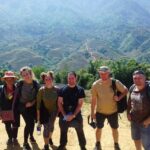
Even with foggy or rainy days, the route still delivers big Sapa views and village moments. Guides such as May Sieu, May Pham, Du, Chi, and Zu show up with calm confidence and clear English, and several people mention how personal the day feels because the guides truly come from (or closely connect to) the communities you visit. If you want a totally flat walk, this isn’t it—this trek has a few punchy sections.
In This Review
- Key highlights to know before you go
- A morning that starts easy: Sapa Cathedral meetup and safety briefing
- Muong Hoa Valley on foot: bamboo forest, rice terraces, and a slow build
- What to watch for on the trail
- Y Linh Ho village: Black Hmong homes, handwoven textiles, and real daily life
- A note on shopping moments
- Lao Chai village + lunch: the break that turns the trek from tiring to enjoyable
- Village lunch at about 12:30 PM
- Ta Van at 1:30 PM: Giay stilt houses and a gentler pace into the afternoon
- The return to Sapa: private comfort after a real hillside day
- Guide quality is the real upgrade: May Pham, Du, Chi, and more
- Value check: what $26 buys you in Sapa (and what it doesn’t)
- Pace, weather, and what to pack for a muddy-but-beautiful day
- What to bring
- What not to wear or bring
- Who this Sapa trek is perfect for
- Should you book this trek?
- FAQ
- What’s the meeting point for the tour?
- What time does the tour start?
- How long is the experience?
- What’s included in the price?
- What should I bring with me?
- Are there any important restrictions?
- What if there are only 2–3 people in my booking?
Key highlights to know before you go
- Bamboo + rice terraces: a classic Sapa mix, with plenty of photo stops built in
- Black Hmong villages (Y Linh Ho, Lao Chai): homes, customs, and handwoven textiles
- Village lunch with views: a real break in the middle of walking time
- Ta Van for the Giay people: stilt houses and everyday rural life
- Guides like May Pham and Du: locals with storytelling and good English
- Mud-proof reality: expect slippery ground at the start, especially after rain
A morning that starts easy: Sapa Cathedral meetup and safety briefing
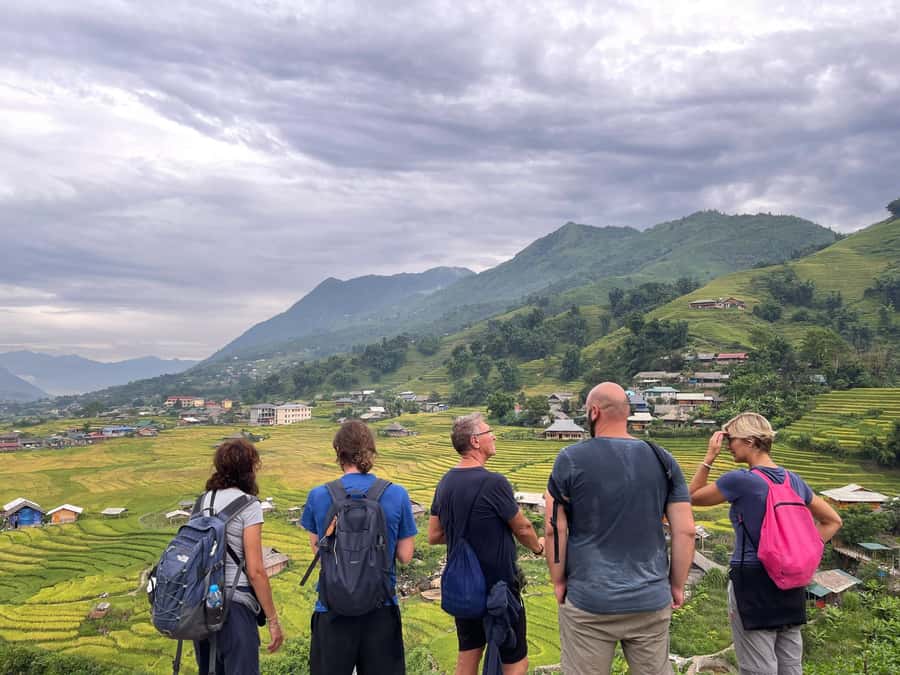
Your day begins at Nhà Thờ Đá Sapa (Sapa’s Notre Dame Cathedral) with a pick-up right in front. The official start is 9:30 AM, so get there 10 to 15 minutes early to keep the morning stress-free.
From there, the group gets a short 15-minute safety briefing. It’s not a lecture. It’s the practical stuff: how the path works, where to watch your footing, and how the walk will feel as the terrain changes. This matters on this trek because several guides manage the same truth all across Sapa trails: the first stretch can be steep and muddy if the weather has been damp.
If you’ve ever done a “quick hike” that turned into a slippery slog, you’ll appreciate the early heads-up. It sets expectations without killing the fun.
You can also read our reviews of more tours and experiences in Sa Pa.
Muong Hoa Valley on foot: bamboo forest, rice terraces, and a slow build
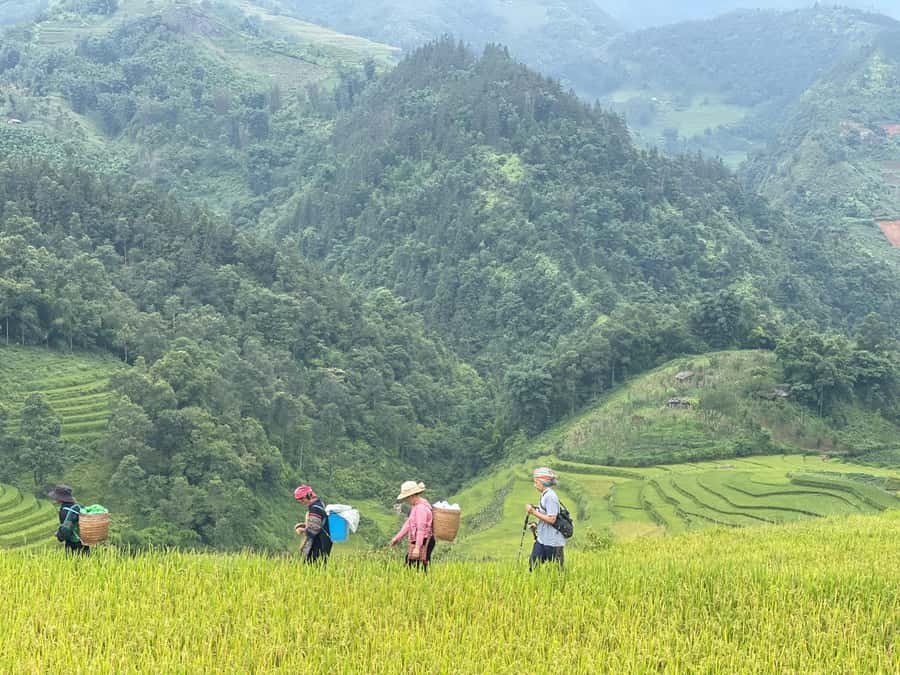
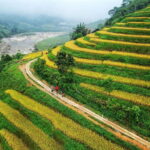
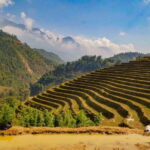
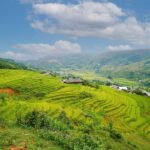
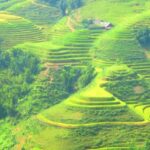
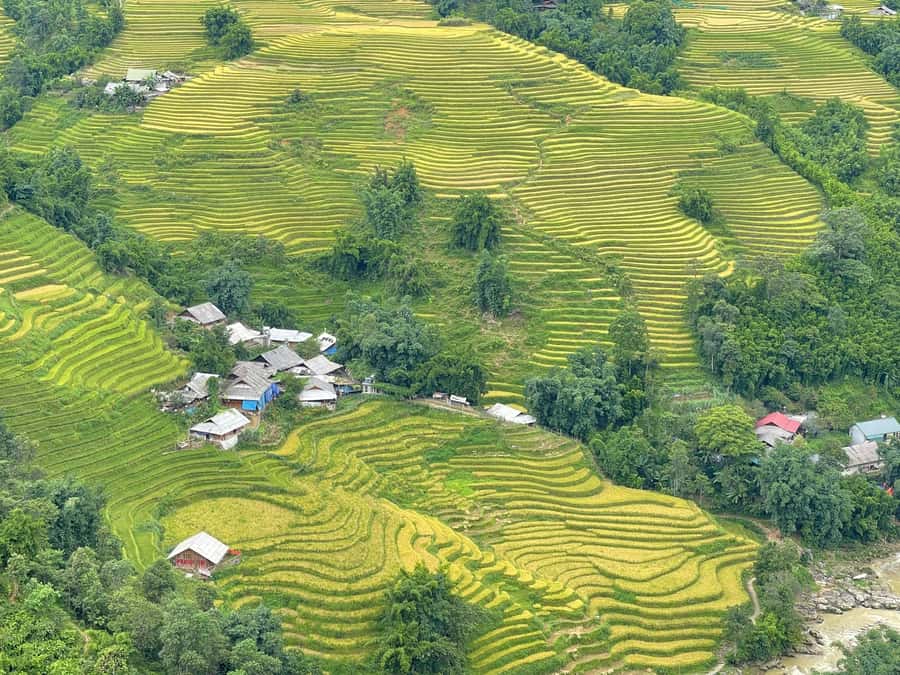
Once you start walking (around 9:45 AM), the trail takes you into a Sapa rhythm that builds rather than rushes. You move through bamboo forests, then toward the Muong Hoa Valley rice terraces, where the scenery opens and your photo roll suddenly gets used a lot more.
This middle stretch is where the trek earns its keep. You’re not just passing by views—you’re walking alongside them. That changes how the day feels. A rice terrace doesn’t look the same from a bus window, and it definitely doesn’t feel the same when you’re stepping through the same paths that local families use to move through the hills.
What to watch for on the trail
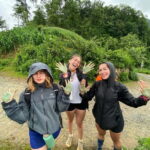
- The ground can be muddy and slick early. Reviews mention slippery spots and steep bits, and guides handle it with care.
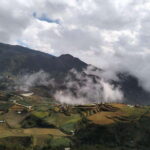
- If it’s foggy, you still get the feel of the valley, but you should temper expectations for long-distance panoramas.
- Some guides offer choices for the difficulty of certain segments, including a harder route with better views versus an easier option with less dramatic scenery.
Bring the right mindset: this is a countryside walk that sometimes asks for a bit of effort, especially right at the beginning.
Y Linh Ho village: Black Hmong homes, handwoven textiles, and real daily life
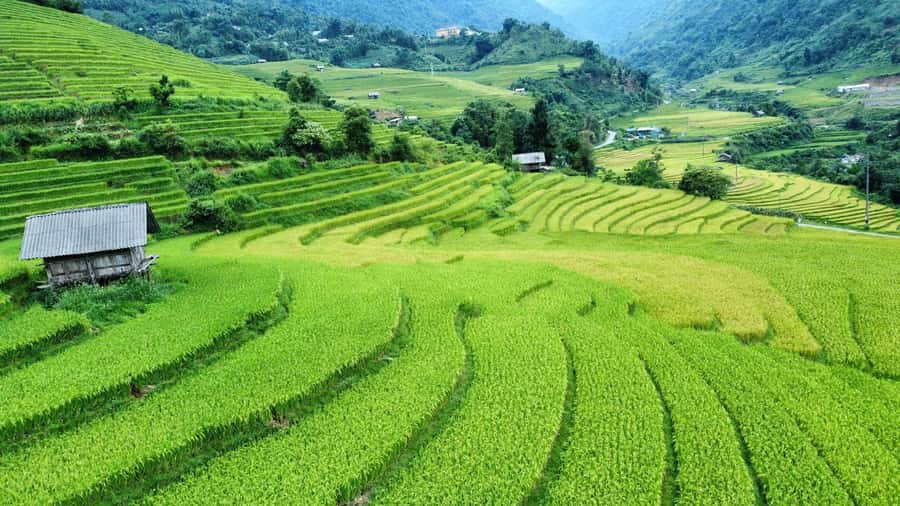
Around 11:00 AM, you reach Y Linh Ho, a quieter Black Hmong village. This is a strong stop because it’s not just a photo op. You get time to see how people live, what their homes look like, and how culture shows up in everyday objects.
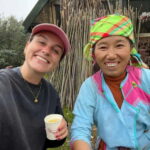
Black Hmong culture is closely tied to textiles and traditional house styles. You’ll have chances to admire handwoven textiles and learn about customs and daily routines. The best part is the human tone of the interaction. Guides like May Sieu and May Pham have been praised for speaking with pride and honesty, including personal family stories tied to the land.
A note on shopping moments
You might also notice other locals interacting with the group. One review described Black Hmong women not officially part of the tour who stayed nearby and may ask if you’d like to buy textiles. It’s always your call, but it helps to carry small cash just in case you want to support a craftsperson.
Lao Chai village + lunch: the break that turns the trek from tiring to enjoyable
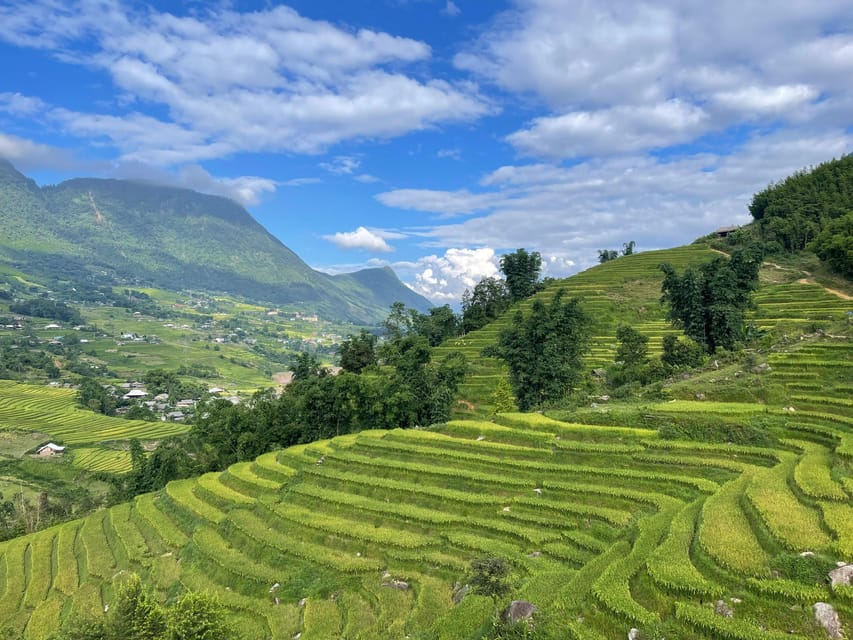
After Y Linh Ho, you continue to Lao Chai, typically the stop around 12:00 PM. This is described as the largest Hmong village in the area, so it feels busier and more active than the smaller, tucked-away village scenes.
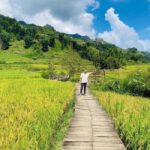
Here, you’ll walk among rice fields and visit authentic homes, with time to learn how the community lives and how craft and custom fit into everyday life. This is also where the trek tends to become more than scenery. The cultural explanations start to feel like a map for what you’re seeing: why buildings look the way they do, why certain routines matter, and how the valley supports life.
Village lunch at about 12:30 PM
Then comes lunch, around 12:30 PM, at a village restaurant. This is included, and it’s one of the best “value” points in the day because you’re not left hunting for food while sore and tired.
In addition to the meal itself, you eat with views of the terraced countryside—so lunch feels like a reset, not a compromise. One review specifically mentions a vegetarian lunch option, so if you eat vegetarian or have dietary limits, ask ahead when you book.
Also, don’t expect a long restaurant meal. This is a guided day with a walking schedule, so think of lunch as a satisfying pause that keeps the momentum without dragging.
Ta Van at 1:30 PM: Giay stilt houses and a gentler pace into the afternoon
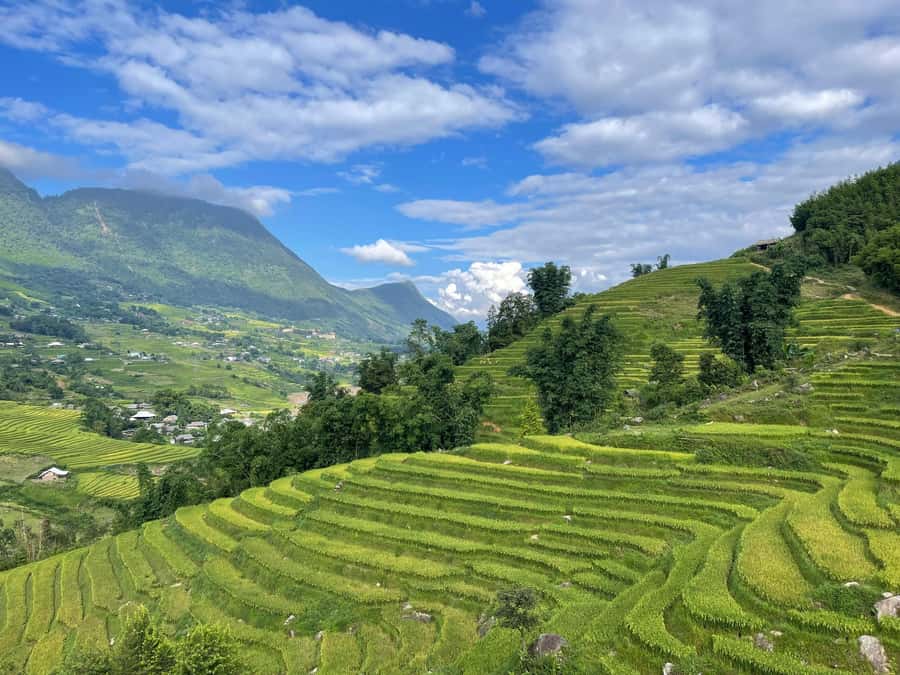
Around 1:30 PM, you move on to Ta Van, home to the Giay people. Ta Van is a great shift in tone after Lao Chai. It’s described as peaceful, and you’ll see stilt houses and a more relaxed rural rhythm.
This stop works because it shows that Sapa isn’t one single culture in one single village. Instead, you’re watching different ethnic communities share the same dramatic terrain, each with their own way of living and building. It’s the kind of cultural contrast you can’t get from just sitting in town.
Expect a mix of gentle walking, photo stops, and guided conversation. Then you wrap up and head back toward Sapa.
The return to Sapa: private comfort after a real hillside day
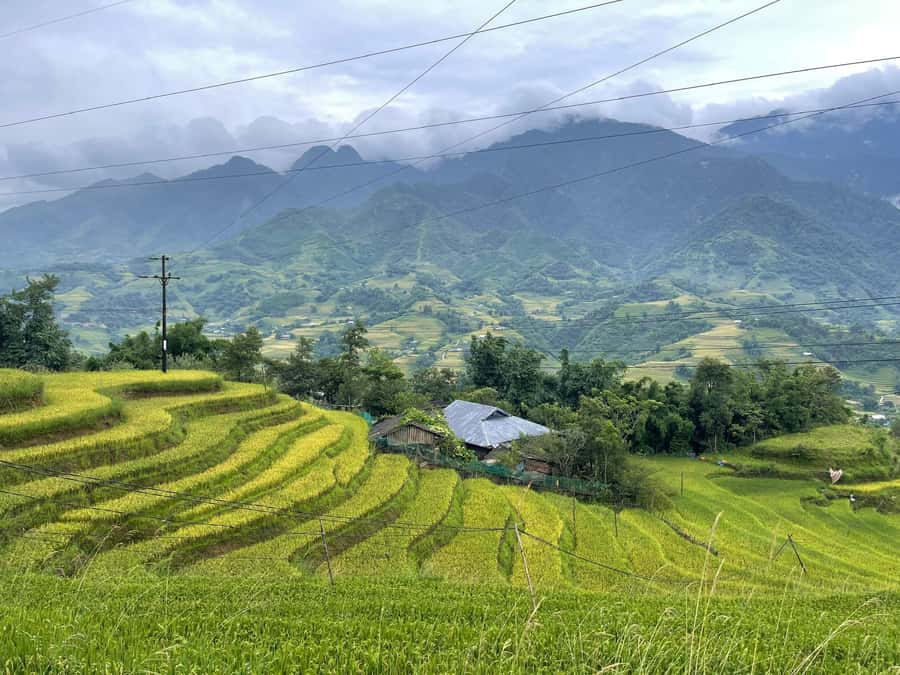
You finish the trek and head back around 2:30 PM, with a comfortable ride in a car. There’s mention of a bus/coach segment (around 30 minutes) as part of the return flow, and the day ends with drop-off at Sapa Cathedral around 3:30 PM.
This timing is why the one-day format works. You get enough walking to feel like you did something meaningful, but you’re not stuck returning late at night. You can still use your afternoon to explore Sapa town—grab a drink, visit the market area, or just enjoy a slower pace.
Guide quality is the real upgrade: May Pham, Du, Chi, and more
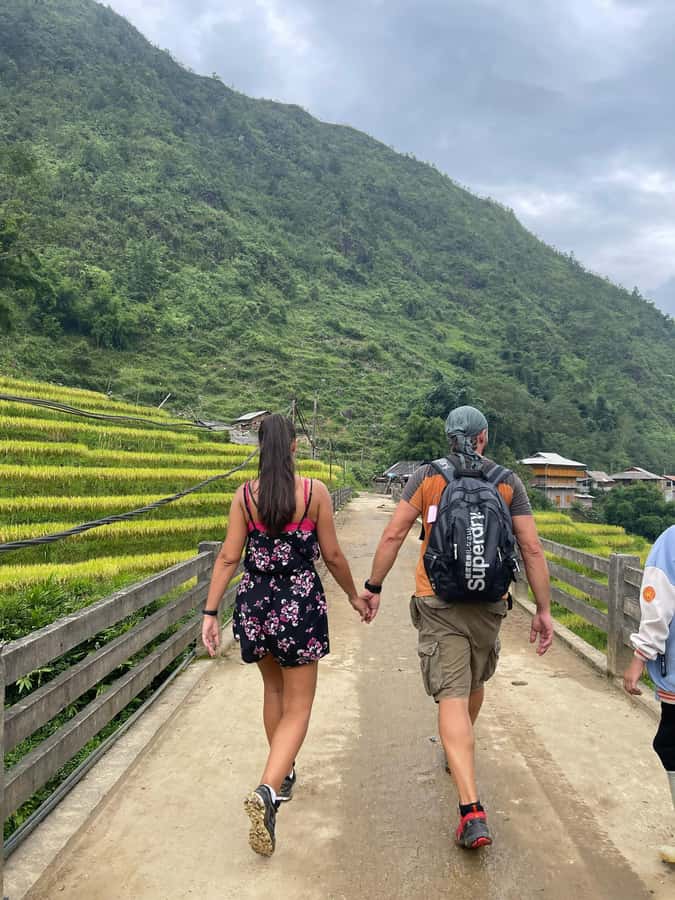
At $26, you’re not paying for a fancy vehicle or a luxury lunch spread. You’re paying for the thing that turns a route into a story: a good guide.
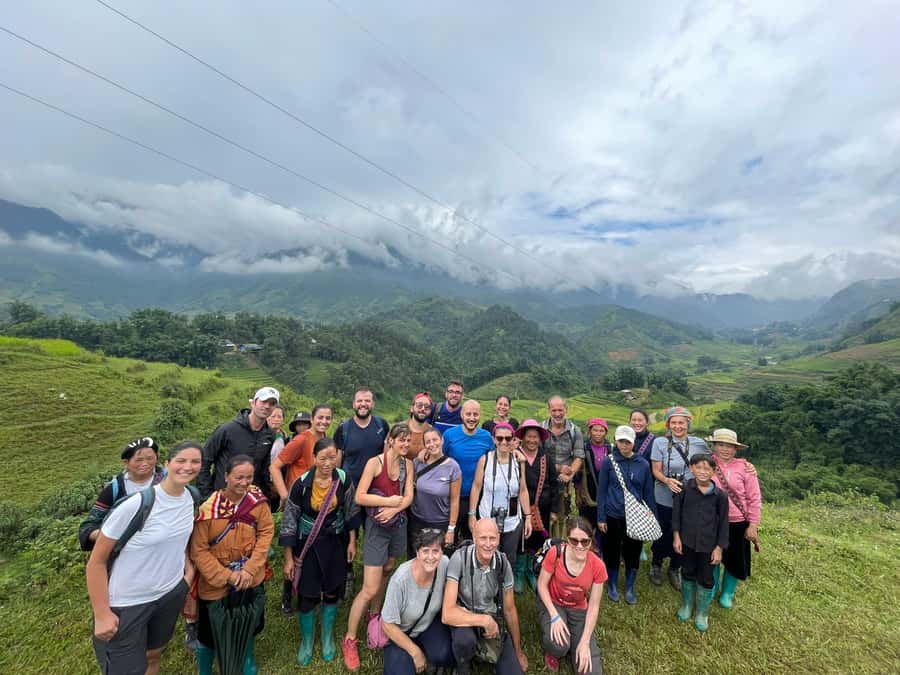
Across the guide names mentioned—May Sieu, May Pham, Du, Chi, Zu, and Pang Chau—the common thread is clear English plus real connection to the villages. Several reviews point out that guides weren’t just reciting facts. They shared personal context: family history, village routines, and why certain practices exist. That makes questions feel natural instead of forced.
You’ll also see practical care in how guides manage the trail. People describe guides being patient during photo stops, helping when the start is muddy, and offering route choices when someone wants a tougher view chase.
If you care about cultural interaction more than just checking boxes, the guide is what you should be hunting for—and this tour consistently earns praise there.
Value check: what $26 buys you in Sapa (and what it doesn’t)
Price: $26 per person for about a half-day trekking circuit that includes:
- An English speaking local guide
- Village entrance fees
- Lunch in the village
- Water (one big bottle per person)
- A raincoat if weather turns
- Transportation back to Sapa from the last village
At this price, you’re getting the hidden costs covered. Village entrance fees and lunch usually add up quickly if you try to do it on your own. And the guide reduces the guesswork about what you’re looking at when you enter Black Hmong and Giay villages.
What’s not included is also straightforward: tips for guide and driver, extra drinks, personal expenses, and travel insurance. If you drink more than just water, budget a little. And keep cash on you for any craft purchases you might choose to make.
Pace, weather, and what to pack for a muddy-but-beautiful day
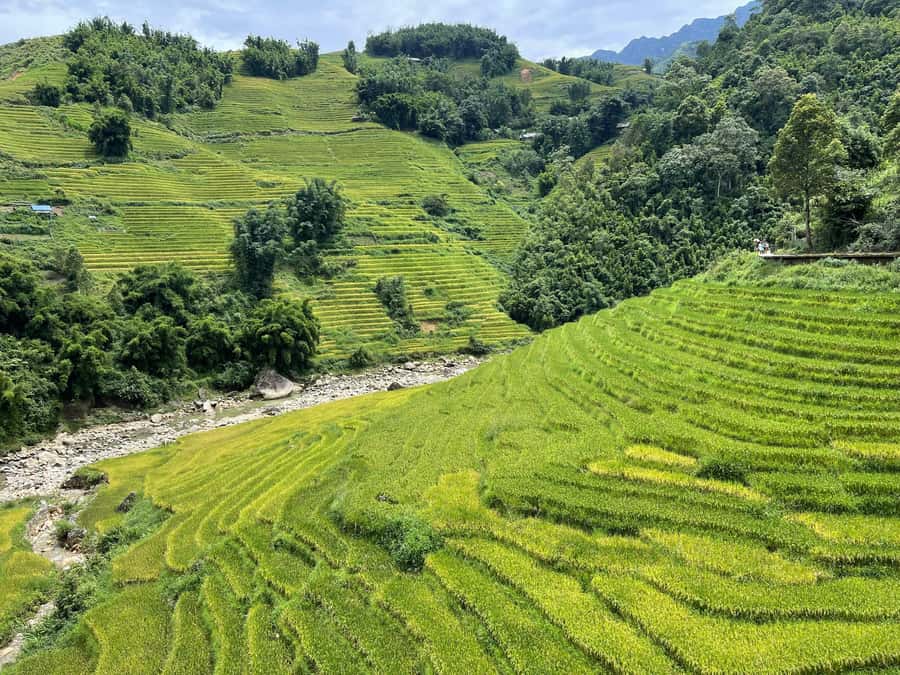
This isn’t a sit-on-the-bus-and-photo mode. Even though the total duration is listed as about 5 hours, you’re doing a real walking day—often described as around 3 to 4 hours of hiking depending on pacing and stops.
What to bring
- Hat
- Sunscreen
- Comfortable clothes
- Cash
- Good shoes (especially if it’s wet)
The tour provides a raincoat, but it can’t fix slippery soles. Reviews mention mud and slipperiness at the start, so treat sturdy footwear as mandatory, not optional. One review also recommends an umbrella in rainy conditions, and that’s a smart add if the forecast looks damp.
What not to wear or bring
- Short skirts are not allowed.
- Electric wheelchairs are not allowed.
- People with heart problems shouldn’t join.
- Wheelchair users aren’t suitable.
- People over 70 aren’t suited for this trek.
If you’re on the fence, think about your stability on wet ground and how long you can comfortably walk uphill.
Who this Sapa trek is perfect for
This one-day group trek is a strong fit if you want:
- A guided introduction to Sapa’s village culture in a short time
- A walking day that mixes nature (bamboo and rice terraces) with human storytelling
- An English guide who can answer questions and keep the experience flowing
- A comfortable return to Sapa town by mid-afternoon
It’s also a good match for travelers who like small-group energy. A review specifically mentions a small group making the trek feel more personal.
If you want a super gentle stroll with no steep parts, or you’re dealing with mobility constraints, you’ll probably want a different format.
Should you book this trek?
Yes, if you’re aiming for a day that feels authentic and human—not just a scenic drive. For the money, it’s hard to beat the mix of rice terraces, bamboo forest, and village visits, plus lunch and water handled for you.
Before booking, double-check two things: your comfort with muddy, slippery early trails, and your interest in cultural stops that require respectful attention (and sometimes optional craft shopping with cash in hand).
If those fit your trip style, this is the kind of Sapa day you’ll remember when you’re back in town, looking at photos and realizing you didn’t just see the hills—you walked through them.
FAQ
What’s the meeting point for the tour?
The tour meets in front of Sapa Cathedral (Notre Dame Cathedral) at Nhà Thờ Đá Sapa.
What time does the tour start?
Pick-up is at 9:30 AM, so you should arrive 10 to 15 minutes early.
How long is the experience?
The duration is listed as about 5 hours.
What’s included in the price?
Included are an English-speaking local guide, village entrance fees, lunch in the village, water (one big bottle per person), a raincoat, and transportation back to Sapa from the last village.
What should I bring with me?
Bring a hat, sunscreen, comfortable clothes, and cash.
Are there any important restrictions?
Short skirts are not allowed, electric wheelchairs are not allowed, and the tour is not suitable for people with heart problems, wheelchair users, or people over 70.
What if there are only 2–3 people in my booking?
If you book with 2–3 people and nobody joins on the same day, there is an extra charge of $5 USD per person.