REVIEW · KAMPALA
4 Days Gorilla and Chimps trek safari
Book on Viator →Operated by Kaara Adventures · Bookable on Viator
Gorillas and chimps in four days. What makes this Uganda trek really interesting is the mix of Bwindi gorilla tracking rules, long forest walks led by guides, and a second primate day in Kibale that keeps the whole trip moving. I especially like that it’s built around timed briefings and clear expectations before you head into the thick forest.
I also like how the days don’t stop at primates. In Kibale, you get a Bigodi swamp eco-tourism walk where your guide points out wildlife and birds such as the Great Blue Turacco and Narina Trogon. One real consideration: the trekking requires moderate physical fitness, and in Bwindi you can be walking for anywhere from 1 to 8 hours depending on where the gorillas are.
In This Review
- Key things I’d clock before you go
- From Kampala to Bwindi: the drive that sets the tone
- Day 2 Gorilla trek in Bwindi: rules, timing, and the one-hour magic
- Lake Bunyonyi after the forest: a calmer reset day
- Kibale National Park and Bigodi Swamp: birds, plants, and primate territory
- Day 4 chimpanzee trek: briefings at 8:00 am and lots of other monkeys
- What you’re paying for: is $2,470 per person good value?
- Lodges and comfort: Broadbill Forest Camp and the pacing of sleep
- Practical tips so you enjoy the trek (not just endure it)
- Should you book this 4-day gorilla and chimps trek?
- FAQ
- What time does this safari start?
- How long is the tour?
- Is pickup from Kampala included?
- What meals are included?
- What fitness level do I need?
- What happens if weather is poor?
- Can I cancel for a full refund?
Key things I’d clock before you go
- Gorilla trek briefing at 7:45 am so you start with the rules fresh and don’t waste time
- A full one-hour gorilla viewing window once the trackers find a troop
- Bigodi swamp walk in Kibale with bird and plant spotting (Great Blue Turacco, Rwenzori Turaco, Narina Trogon)
- A half-day chimpanzee trek with a briefing at 8:00 am and lots of monkey sightings along the way
- Hotel pickup and drop-off in Kampala, plus transport and accommodation handled for you
- Broadbill Forest Camp is used for the first night, after a long drive from the city
From Kampala to Bwindi: the drive that sets the tone
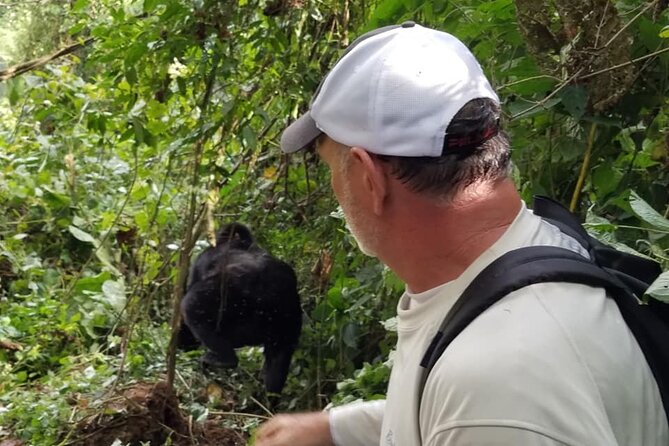
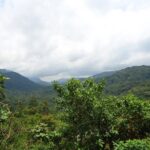
This safari is long-distance Uganda travel in a good way. You leave Kampala after breakfast and head west to Bwindi Impenetrable National Park, a trip that takes about 9 to 10 hours. Along the way, you get a quick stop at the Equator for photos and the fun moment of standing in both hemispheres. Then you roll through countryside and hills, with a lunch break in Mbarara before continuing to Bwindi.
Why this matters for you: that day is basically your warm-up. Gorilla trekking is intense, and you’ll feel it even if you’re fit. Having a structured travel day first means you’re not trying to solve logistics while you’re mentally gearing up for the forest.
The itinerary also points out that Bwindi is home to more than half of the world’s remaining gorillas. That’s the big draw, but the smaller draw is how the route builds anticipation. You see the country shift from city to farmland to dense forest long before the trackers start searching.
Drawback to consider: 9 to 10 hours of road time is a lot. If you’re the type who gets stiff or cranky on long drives, pack comfort items and plan to be patient.
You can also read our reviews of more tours and experiences in Kampala.
Day 2 Gorilla trek in Bwindi: rules, timing, and the one-hour magic
Day 2 is the main event. You’ll have an early breakfast, then move to the park headquarters to join other trackers for a gorilla trek briefing at 7:45 am. This is where the ground rules get explained. It’s not just “be quiet and be respectful.” The briefing is there to protect both you and the gorillas, and it helps you know how to move once you’re in the search phase.
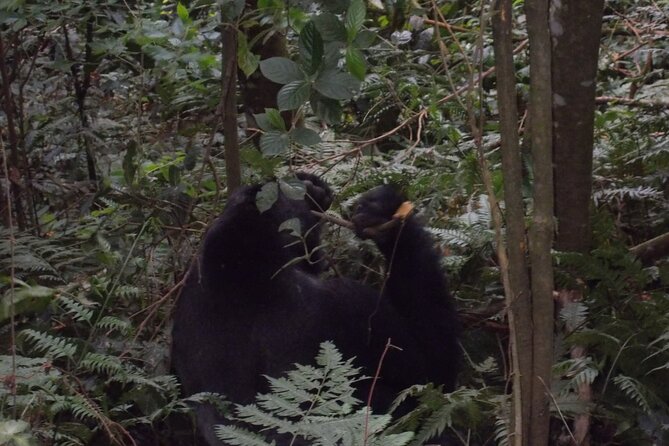
Then you trek into thick vegetation with your guides. Based on the plan, the hunt for the gorillas can take 1 to 8 hours depending on where the troop is. Expect dense undergrowth, steep spots, and the kind of walking that uses your calves and lungs.
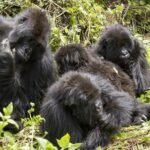
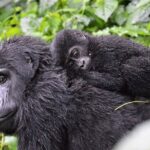
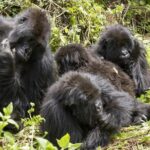
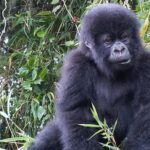
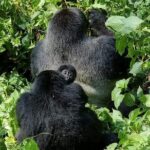
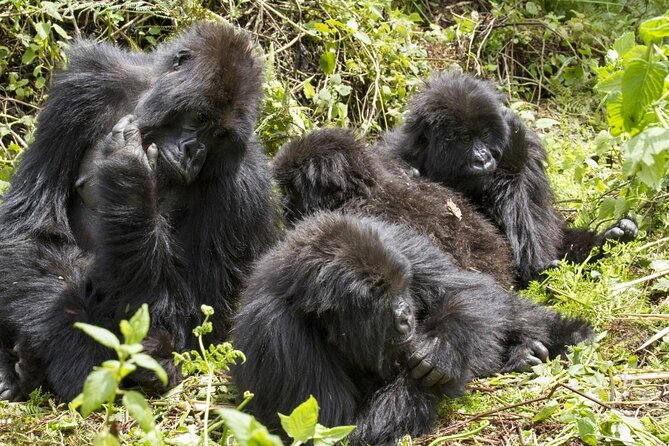
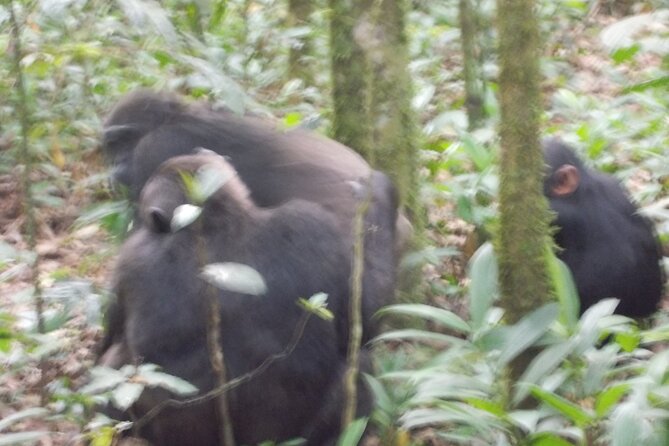
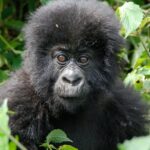
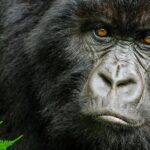
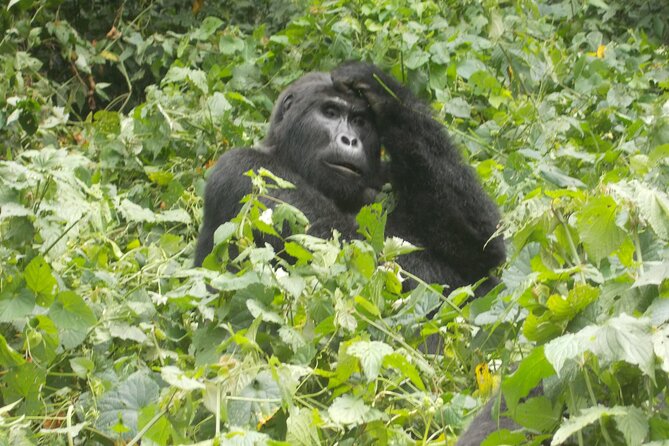
Once you locate the gorillas, you get one hour with them. That hour is the reason this trip works. You’re not rushing from one animal to the next. You’re there for real behavior—feeding, movement, and social interaction—while your guides manage distance and safety.
One thing I like in the way this tour is described: it’s honest about timing variability. Longer searches happen. That means you should plan for the day to feel physically demanding, even though the final viewing time stays fixed at one hour.
If you want a bonus layer, lean into your guide’s explanations. The tour description stresses learning how primates are tracked and what you’re looking for in the wild. In the feedback for this safari, guides such as Tomson, Gerard, and Farouk get called out for being friendly and answering questions, which helps you make sense of what you’re seeing instead of just watching quietly.
Lake Bunyonyi after the forest: a calmer reset day
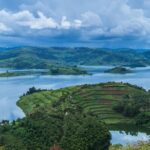
After the gorilla experience, the tour shifts gears. You travel from Bwindi toward Lake Bunyonyi, described as cool and scenic—often compared to the Switzerland of Africa because of the weather around there.
What you get from this stop is recovery. Gorilla trekking is both physical and emotional. Even if the morning was amazing, you’ll likely feel it in your legs and your focus. A route that takes you to a more relaxed setting makes the next day easier to enjoy.
Practically, Day 2 also includes dinner and an overnight stay near Lake Bunyonyi. Your exact lodge for this night isn’t spelled out in the provided plan, but the structure is clear: you finish early enough to sleep well and be ready for Kibale.
Small drawback: the drive time details from gorilla trekking to Bunyonyi aren’t fully laid out, but this day is positioned as your transition. If you hate sitting in a vehicle after a hike, you’ll want to manage expectations. Put your feet up once you’re checked in and don’t rush the evening.
Kibale National Park and Bigodi Swamp: birds, plants, and primate territory
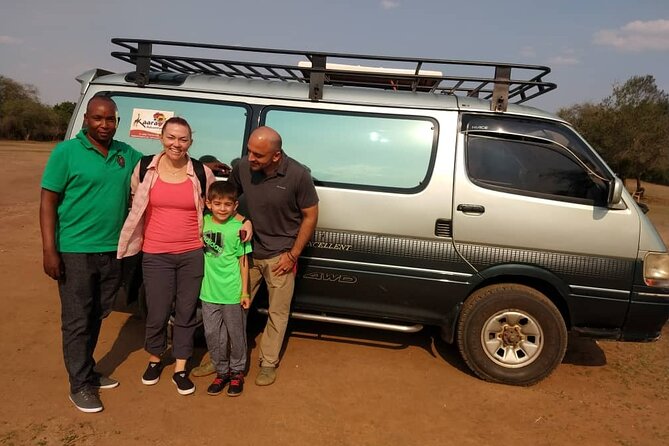
Day 3 heads toward Kibale Forest National Park in the early afternoon. On the drive, you’ll have a chance to see the “Mountains of the Moon” on the road to Fort Portal. There’s lunch in Fort Portal before you continue to the park area.
Then comes a highlight that’s easy to miss if you only care about chimps. You visit the Bigodi swamp eco-tourism site for a nature walk. This is where the tour leans into variety: uncommon plants and rare bird species. The plan calls out birds like:
- Great Blue Turacco
- Rwenzori Turaco
- Narina Trogon
- Little Bulbul
Even if you’re not a dedicated birder, this matters. It changes the tempo of the safari. Between heavy trekking days, it gives you smaller moments—calls in the trees, color flashes, and guide-led spotting.
Why I’d recommend this for you: Kibale isn’t just a “chimp stop.” It’s a primate and rainforest system, and Bigodi is one way to understand that without the full intensity of a long trek. It also helps you practice the skill you’ll use on the chimp day: reading movement in the canopy and noticing what your guide points out.
One more note from the tour style: your day is structured with lunch and a planned activity, so you’re not guessing what’s next. That’s a quality-of-life win when you’re traveling across Uganda.
Day 4 chimpanzee trek: briefings at 8:00 am and lots of other monkeys
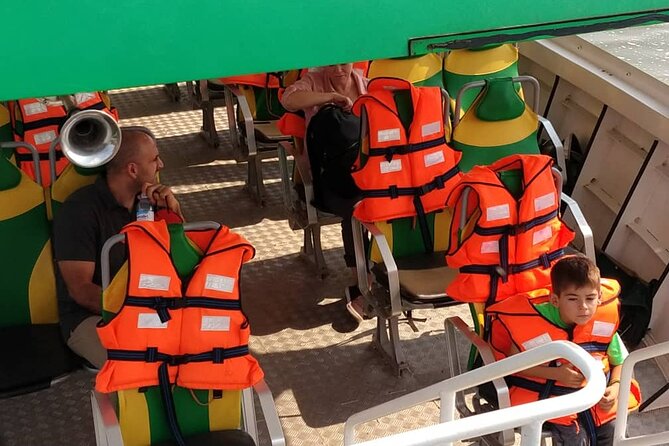
Day 4 is chimp tracking, with a slow start that makes the forest feel manageable. After breakfast, you head to Kibale Forest for primate viewing. The chimpanzee activity begins at 8:00 am with a briefing of the trekking rules. Then you set out to search.
The trek is described as taking half a day. That’s a different pace than Bwindi’s gorilla day. Instead of waiting potentially up to hours for the gorillas, you’re moving with the goal of finding chimpanzees within a more time-bounded session.
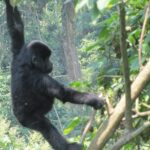
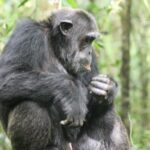
As you trek, your guide points out other primates you might see, including:
- Grey-cheeked Mangabeys
- Phoestes
- Red-Colobus
- Blue-tailed monkeys
- Red-tailed monkeys
I like this added layer because it reduces the fear of disappointment. Chimps are the headline, but the forest has plenty of backup drama. Even if chimp sightings are brief, you’ll still come away with a stronger sense of the primate community in Kibale.
In the feedback tied to this kind of trip, guides like Apollo and Tomson get credit for keeping people safe and explaining what they’re looking at. Safety is a big deal in forest trekking, and the tour’s emphasis on rules and guide briefing is exactly what you want on a day where visibility and footing can be challenging.
You’ll return to your lodge for lunch, then drive back to Kampala late in the afternoon. That means this tour doesn’t end with you lingering in the bush. It hands you a finished feeling and gets you back to civilization.
What you’re paying for: is $2,470 per person good value?
At $2,470 per person, this is not a budget safari. But it’s also not just a “ticket to a park.” This is a guided, multi-day program with transport and accommodation included, plus Kampala hotel pickup and drop-off. The private, customizable setup matters too. Even if you’re traveling in a group, the plan describes it as private, meaning your group participates and you’re not mixed into a random crowd in a way that ruins pacing.
Here’s what the package explicitly lists as included:
- Transportation and accommodation
- Hotel pickup and drop off
- Lunch (2) and Dinner (2)
- Mobile ticket
- Group discounts
What’s not included:
- Alcohol
One more clue is the itinerary note that marks admission as ticket free on the days listed for key activities. That suggests the permit-style costs for the scheduled primate activities are handled within the tour rather than tacked on last-minute.
So, is it value? For me, the value comes from three places:
- Your time is protected. You get timed briefings, planned meals, and no guesswork about how to connect the parks.
- You’re paying for guidance. Gorilla and chimp tracking isn’t a casual walk. It’s a skill-heavy operation led by people who know how to locate primates and manage the rules.
- You’re getting two primate days. The trip isn’t only gorillas. The Kibale chimp trek and Bigodi swamp walk broaden the experience.
Potential mismatch: if you’re cost-sensitive, you’ll want to compare against shorter itineraries. This one is designed for quality and reduced friction. If you’re hoping for a simple “see animals and leave,” you might feel the price is heavy.
Lodges and comfort: Broadbill Forest Camp and the pacing of sleep
The plan names Broadbill Forest Camp for the first night after arriving late in the afternoon at Bwindi. That’s a good sign because you’re not just driving through the park area with no base. You settle in and get dinner and a proper night’s rest.
For the remaining nights, the lodge names aren’t fully listed in the provided schedule. Still, the structure is clear: you have dinner and overnight each day after your main activity, which matters because trekking days can drain you fast.
Comfort tip: pack for layers. Uganda forests can get cool early, and vehicles can feel warm. Bring a light jacket even if it looks sunny when you leave Kampala.
Another practical point: trekking days make you sweat and then cool off in the shade. Your best friend is breathable clothing plus a dry layer for after.
Practical tips so you enjoy the trek (not just endure it)
This is a safari, but it’s also a fitness test and a patience test. Here’s how to set yourself up.
- Bring sun protection and rain protection. The experience requires good weather, but conditions can still shift once you’re in the forest or on the drive.
- Plan for long walking variability. Bwindi gorilla tracking can take 1 to 8 hours before you’re sited. That means you should expect time on your feet, not just a short hike.
- Use the guide’s explanations. Guides in this trip style often make the difference between seeing wildlife and understanding what you’re seeing. In the feedback you’ll see names like Ronnie, Gerard, Farouk, and Tomson credited for knowledge and good communication.
- Don’t overpack with fragile stuff. You’re in and out of vehicle seats and walking on uneven ground. Keep valuables secure and easy to access for photos.
Also, expect a long program. The meeting time is 8:00 am in the schedule, and you’ll be busy each day. Build in mental energy for the second primate day after gorillas. Kibale will feel different, and that’s part of the fun.
Should you book this 4-day gorilla and chimps trek?
I’d book this if you want a tightly organized primate safari with real structure: gorillas in Bwindi, chimpanzees in Kibale, plus Bigodi swamp wildlife spotting. The guided briefings at 7:45 am and 8:00 am, the included transport and accommodation, and the fact that admission is marked ticket-free on the key activity days all point to fewer surprises.
I’d think twice if:
- you have trouble with moderate trekking and uneven footing, because Bwindi can mean hours of walking, and
- you’re looking for a low-cost option, because $2,470 is premium pricing.
One final nudge: if you can, match yourself to the kind of guide you want. The strongest praise in the feedback centers on guides like Tomson, Ronnie, Gerard, Apollo, and Farouk, plus strong trip management by Jovia Kaara. A good guide makes forest time far more understandable and far less stressful.
If your goal is a once-in-a-lifetime primate experience with smart pacing, this 4-day program is a very solid bet.
FAQ
What time does this safari start?
The scheduled start time is 8:00 am.
How long is the tour?
It’s listed as 4 days (approximately).
Is pickup from Kampala included?
Yes. Hotel pickup and drop-off in Kampala are included.
What meals are included?
The tour includes lunch (2) and dinner (2). Alcohol is not included.
What fitness level do I need?
The tour requires a moderate physical fitness level.
What happens if weather is poor?
The experience requires good weather. If it’s canceled due to poor weather, you’ll be offered a different date or a full refund.
Can I cancel for a full refund?
Yes, you can cancel up to 24 hours in advance for a full refund. Canceling less than 24 hours before the start time isn’t refunded.