REVIEW · KATHMANDU
Everest Base Camp Trek with Island Peak Climbing
Book on Viator →Operated by Ace the Himalaya · Bookable on Viator
Your legs will earn Everest. This trek-and-climb combo is interesting because it pairs classic Everest Base Camp scenery with a front-row Island Peak summit experience. You’re not left to figure out the logistics, either; the route is planned around how your body handles altitude.
I love two things right away: the trip is run as a tight small-group adventure, and the package covers the heavy lift items you’d otherwise fight with—guides, porters, permits, and even key logistics like the Lukla flights. On top of that, you get practical support like filtered water on the trail with a Katadyn Pocket Water Filter, which matters more than you think at altitude.
One possible drawback is the obvious one: this is physical work. If you aren’t in solid hiking shape (and comfortable moving at thin air), you’ll feel it.
In This Review
- Key things to know before you go
- Kathmandu orientation: where the trip starts feeling real
- The Lukla jump: short flight, big mood shift
- Phakding to Namche: bridges, Sagarmatha National Park, and the gateway feeling
- Namche acclimatization: don’t rush altitude, use it
- Tengboche and the gompa moment: culture in the middle of climbing
- Dingboche: views, patience, and a planned altitude hike
- Lobuche and the long glacier approach to Everest Base Camp
- Kala Patthar: the sunrise-style panorama day (and sore legs)
- Chukhung and Imja Valley: building toward Island Peak
- Island Peak climb day: training plus a real summit push
- The spare day logic: why weather changes your schedule
- Downhill to Lukla: less drama, more satisfaction
- Price and value: why $3,300 feels more reasonable than it looks
- Small details that make a difference at high altitude
- Who should book this Everest Base Camp plus Island Peak route
- Should you book this tour?
- FAQ
- How long is the Everest Base Camp trek with Island Peak included?
- What is the starting point and start time?
- What is the group size limit?
- What travel parts are included from Kathmandu to Lukla and back?
- Are permits included?
- What kind of accommodations should you expect?
- Is climbing equipment provided for Island Peak?
- Are meals included?
- Is travel insurance included?
- Is free cancellation available?
Key things to know before you go
- Max 15 people: you get small-group pacing and more hands-on guidance when the altitude gets real.
- Acclimatization days are scheduled: Namche and Dingboche are not just “rest days.” They’re altitude training wheels.
- Everest Base Camp plus Island Peak: you’ll do the glacier day, then shift into an ice-and-snow climbing rhythm with training.
- Gear and permits are included: park fees, TIMS, and Island Peak climbing documents are part of the deal.
- Lukla flights are booked: Kathmandu–Lukla–Kathmandu airfare is included, but mountain weather can still affect timing.
Kathmandu orientation: where the trip starts feeling real
Your journey kicks off in Kathmandu with airport pick-up, then a private vehicle transfer to your hotel. There’s also a pre-trek meeting angle built in: if you arrive after 4 pm, you’ll get a briefing that day so you can ask questions before the trek really starts.
Before you head up to the mountains, you’ll also have Kathmandu sightseeing included. That matters because it gives you a buffer day to adjust to Nepal’s pace and culture, not just a rush to the airport. I like that the plan doesn’t ignore your human side.
The company package covers your Kathmandu lodging with twin-sharing rooms in a three-star hotel for four nights, including breakfast. That is one less thing for you to organize while you’re mentally preparing for high-altitude hiking.
You can also read our reviews of more tours and experiences in Kathmandu.
The Lukla jump: short flight, big mood shift
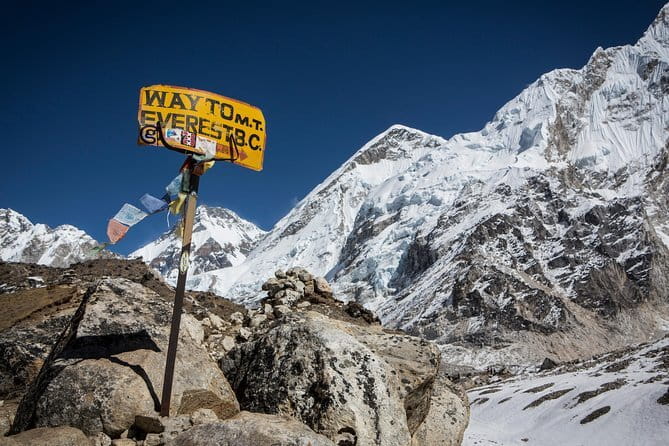
Day two begins with the scenic flight from Kathmandu to Lukla (35 minutes). Lukla sits at 2,804 m, and landing there is the start of that step-by-step altitude conversion from normal life into mountain life.
From Lukla, the trek begins with a walk toward Phakding (2,610 m). This early section is set up to feel manageable, with an easy walking start while your Sherpa team sorts and loads trekking equipment. You’ll descend toward the Dudh Kosi River and then join the main trail, crossing plenty of suspension bridges with prayer flags—small details, but they keep the day moving and give you a visual map of the valley.
Practical tip: even on an easier day, keep your effort steady. This trek rewards calm consistency more than hero pace.
Phakding to Namche: bridges, Sagarmatha National Park, and the gateway feeling
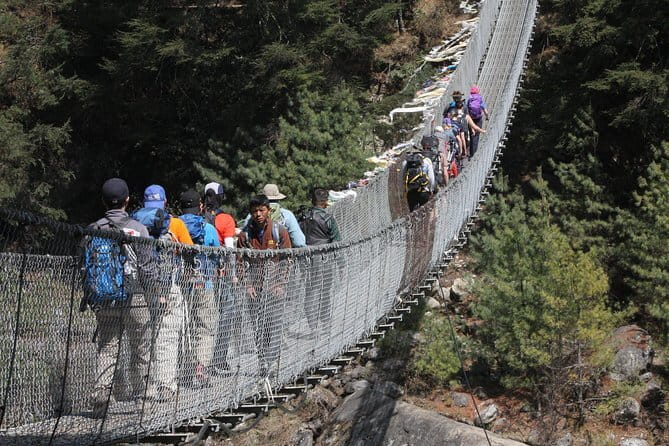
As you move toward Namche Bazaar, you’ll trek along the Dudh Kosi banks and cross multiple suspension bridges. You’ll also enter Sagarmatha National Park, which is part of what makes this trek feel like more than just hiking through scenery. Namche is often called the gateway to Everest, and you feel that the moment you arrive—services, lodges, shops, and plenty of trail energy.
On the way up, the trail gets steeper in spots with “save your breath” climbs. Namche itself sits above Chaunrikharka (2,713 m), and it’s the first real “town at altitude” experience: restaurants, bakeries, money exchange, and places to adjust boots, socks, and expectations.
Namche acclimatization: don’t rush altitude, use it
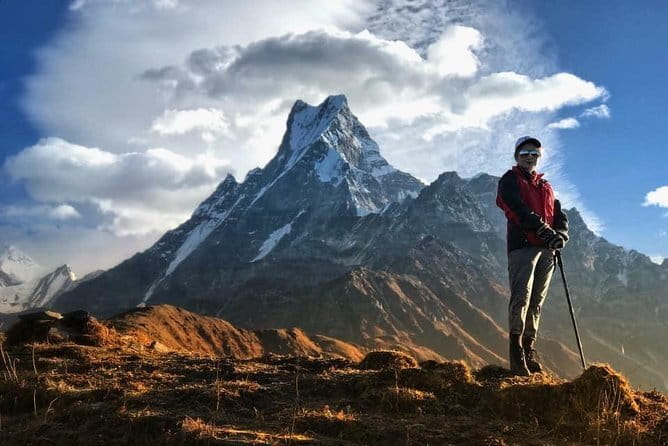
One of the smartest parts of this route is the dedicated acclimatization day in Namche. You’re not meant to treat altitude like a treadmill. Instead, you’ll trek a shorter distance and build tolerance.
You’ll also visit a museum that highlights Sherpa customs, then hike up toward Syangboche Airport and the Everest View Hotel area. If the weather behaves, you get rewarding views of Everest from one of the highest-placed hotels in the world—often the exact kind of payoff your body needs after you’ve climbed without sprinting.
What I like: the day isn’t only about checking boxes. It helps you learn the rhythm—walk, rest, take in the air, repeat.
Tengboche and the gompa moment: culture in the middle of climbing
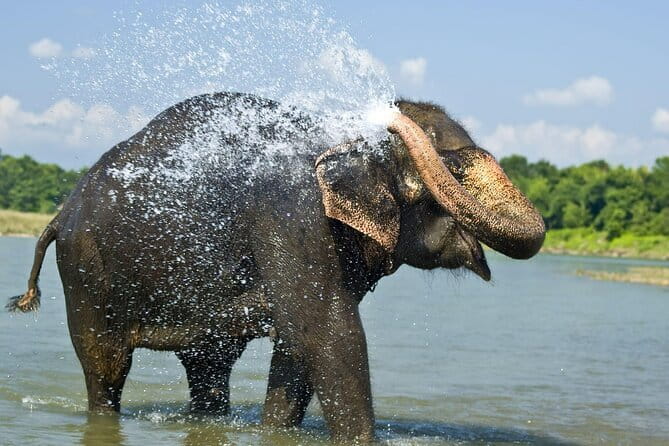
From Namche, the route takes you onward to Tengboche (3,860 m). You’ll move alongside the rushing glacial waters of the Dudh Kosi and keep getting mountain views that make you stop without meaning to.
Tengboche is about two things: altitude and the gompa. Inside the monastery, there are ornate wall hangings, a huge Buddha sculpture, and the instruments and robes of the lamas. The group will observe a prayer ceremony either in the morning or evening depending on how the day unfolds.
This is one of those stops where the trek feels human and not just athletic. In a journey like this, those moments are good for morale.
Dingboche: views, patience, and a planned altitude hike
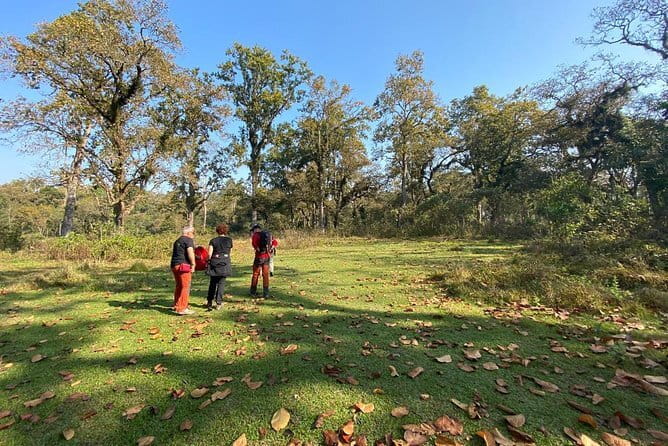
Next you reach Dingboche after trekking through Debuche and Pangboche among mani stones. Dingboche is one of the places where you can feel how close Island Peak is in the bigger picture—you’ll see it alongside Lhotse and Ama Dablam.
Then comes another acclimatization day. You won’t push forward toward Everest Base Camp on this day. Instead, you’ll hike to Nangkartshang peak just above Dingboche for a viewpoint, especially for Ama Dablam views. Weather decides whether the summit view is as dramatic as you imagined, but the effort is clearly aimed at helping your body adapt.
Dingboche is also a great place to slow down your thinking: pace yourself, watch your breathing, and pay attention to how you sleep. It’s the kind of day that makes the later big glacier push safer.
Lobuche and the long glacier approach to Everest Base Camp
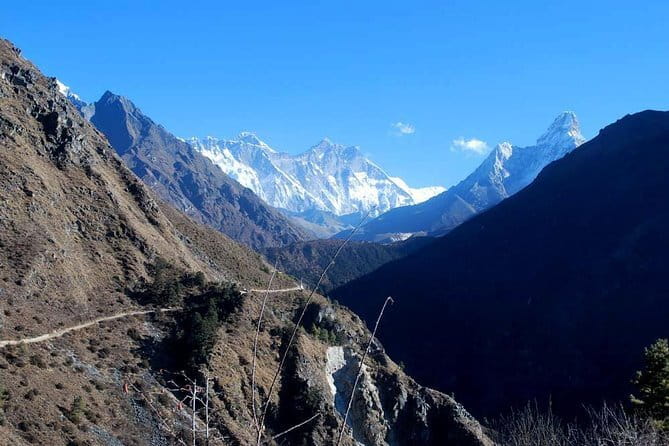
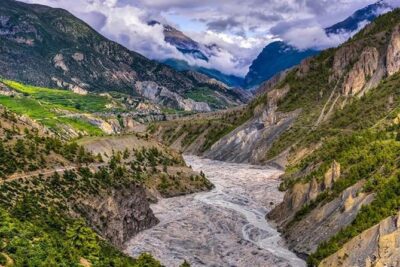
From Dingboche, the trail continues toward Lobuche, climbing and adjusting as you track along the lateral moraine of the Khumbu Glacier. The memorial stones for climbers who have perished on nearby summits show up on this stretch, and they add weight to what is still a trekking day.
You’ll reach Lobuche at the foot of giant Lobuche peak. The altitude may make breathing feel harder, and that’s part of why the earlier acclimatization days matter.
Then comes the big day: Everest Base Camp at 5,365 m. This is a big and difficult walk along the Khumbu Glacier up to Base Camp. During spring, you’ll likely see expedition teams preparing for summit bids, which gives the whole area a sense of motion and ambition.
After spending time at Base Camp and taking in the Khumbu Icefall views, you return to Gorak Shep for the night. Keep your expectations realistic: this day is about effort and payoff, not comfort.
Kala Patthar: the sunrise-style panorama day (and sore legs)
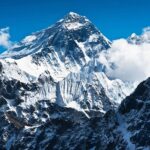
The next major highlight is Kala Patthar. Most mornings are spent climbing up to 5,555 m. The ascent is demanding, but the payoff is the view: Everest at 8,848 m towers directly ahead, while giants like Nuptse, Pumori, Chagatse, and Lhotse fill your field of vision.
Then you descend back toward Gorak Shep and grab hot breakfast before trekking down to Pheriche. This is one of those “reward pain” days. You’ll be tired, but it’s the kind of tired that feels good.
Practical consideration: bring clothes you can layer fast. Weather changes quickly, and you’ll be moving from high-exertion cold to calmer cold.
Chukhung and Imja Valley: building toward Island Peak
From Pheriche, you head toward Chukhung, climbing into the valley. This is a route that gives you time to adjust while you work your way higher. You’ll then follow the Imja Valley, with Ama Dablam dominating the skyline.
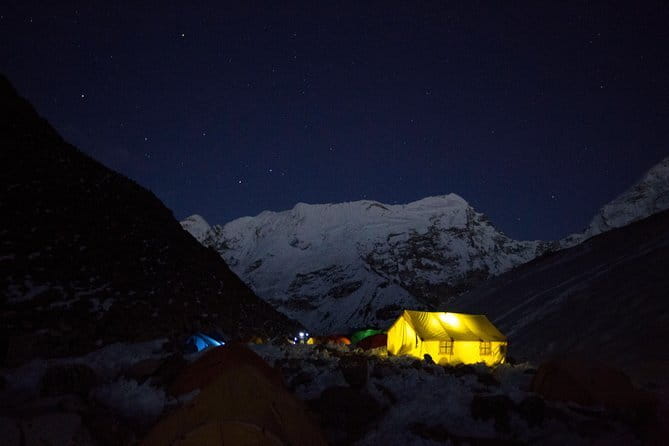
In this zone, you’re not just hiking. You’re preparing for climbing. You’ll reach the Base Camp area at Imja Tse and sleep in a tented camp, with camp food cooked by a professional camping team. That tented camp setup is a shift from the guesthouse rhythm earlier in the trek, and it helps you settle into the Island Peak phase.
Island Peak climb day: training plus a real summit push
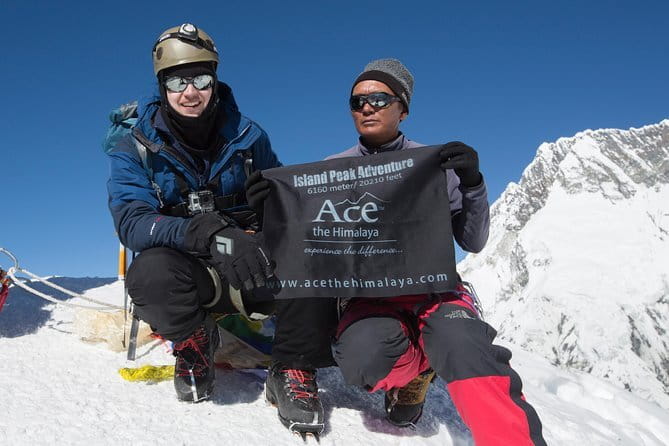
You’re given two days to climb Island Peak so weather and conditions don’t bully the plan. The climbing Sherpa leader decides the strategy based on group acclimatization, weather, and snow conditions. That’s exactly what you want when the mountains decide to be moody.
Before the final climb, you’ll get ice climbing training. You’ll practice using climbing gears such as ropes, ice screws, harness, and crampons. Even if the technical difficulty isn’t described as extreme, you’ll still face snow slopes with crevasses and a reasonably steep headwall. A head for heights helps, and willpower plus stamina are not optional.
The final push often takes around 4–6 hours, and the summit is described as requiring strong effort rather than advanced technical gymnastics. After that, you’re dealing with fatigue, cold, and the reality that the mountain is still the mountain even when you’ve reached your goal.
The spare day logic: why weather changes your schedule
Day 14 is handled as a spare day, built in because mountain weather can change fast. If conditions are extremely bad, you can use this day for the summit attempt. If weather is better than expected, you keep trekking and use the spare time to rest and relax until you reach Lukla.
This is one of those operational details that’s worth appreciating. You don’t want your climb treated like a rigid checklist.
Downhill to Lukla: less drama, more satisfaction
After the peak, you head back down through Tengboche, Namche, and Lukla. The itinerary includes a return route that passes through forests of juniper, rhododendron, and fir as you drop toward Phunki Tenga and then cross the Dudh Kosi River again to reach Trashinga.
You even get optional village time around Kunde and Khumjung before returning to Namche. That kind of optional choice helps you feel less like a passenger.
Finally you reach Lukla, where the trek ends. You’ll have time in the afternoon to relax, wander a bit, and even enjoy a hot shower. Then in the evening, there’s time to celebrate with your trekking crew.
And yes, the scenic flight back to Kathmandu is included. Your last day is basically letting your mind catch up with what your body already did.
Price and value: why $3,300 feels more reasonable than it looks
This trip is priced at $3,300 per person, and it is not just paying for walking. The big value pieces are built in:
- Flights in and out via Lukla (Kathmandu–Lukla–Kathmandu) are included
- Permits are included: Everest National Park permits and TIMS for trekking, plus Island Peak permits and documents
- Guides and porters are included, with porters assigned as one porter per two guests
- Island Peak climbing support is included, including a climbing Sherpa and group climbing equipment
- Most meals and lodging are included on the trek, plus tented camp accommodation and meals around the Island Peak Base Camp phase
- You also get filtered water support with a Katadyn Pocket Water Filter, plus seasonal fruits during the trek
- Kathmandu hotel nights and airport transfers are handled too
What’s not included is equally important: you’ll still need travel insurance that covers emergency high-altitude rescue and evacuation, and you’ll want to budget for tips. Also, lunch and dinner in Kathmandu aren’t included, and personal trekking gear is on you.
So the real question isn’t whether you’re paying a lot. It’s whether you’re paying for planning, permits, and safety structure. In this case, you are.
Small details that make a difference at high altitude
A few practical touches are clearly designed for how hard this route is:
- Tight group size (max 15): the guide can actually manage pacing and check in, especially when altitude affects people differently.
- Twin sharing rooms and attached toilets in the trek’s key guesthouse stops: it helps you recover without constant logistics.
- Group climbing gear: you’re not hunting for crampons, harness, or rope support in a hurry.
- Staff support and medicine/equipment for the team: you’re still responsible for yourself, but the operation isn’t flying blind.
- Water filtering: at altitude, you want safe hydration without turning every stop into a water gamble.
From past experiences listed with this operator, I also see names of guides and climbing staff like Sandip, Milan, Deepak, Ram, and climbing leaders such as Pemba Sherpa, along with porters named Bikas, Sher Bahadur, and Nijesh. That kind of continuity tends to matter on a route where weather and altitude can force quick changes.
Who should book this Everest Base Camp plus Island Peak route
This is best for people who are active, comfortable with long trekking days, and willing to take altitude seriously. You should plan for cold mornings, slow movement when you need it, and the mental patience that comes with acclimatization.
You’ll probably love it if you want one trip that does two big things: Everest Base Camp in the classic way, then Island Peak with training and a guided summit push.
Should you book this tour?
Book it if you want an all-in-one, supported route where logistics, permits, flights, and climbing guidance are handled for you, and you’re genuinely ready to work for the altitude payoff. The itinerary is built around acclimatization, and the spare day for summit conditions is the kind of safety-minded flexibility you want.
Skip it if you’re looking for a casual vacation trek. This is a physical challenge, and your comfort level with cold, exertion, and thin air will make or break the experience.
If you’re fit, organized, and ready for the climb-your-way-into-Everest feeling, this one is a strong bet.
FAQ
How long is the Everest Base Camp trek with Island Peak included?
The experience is listed as about 19 days.
What is the starting point and start time?
It starts back at Tribhuvan International Airport in Kathmandu, with a start time of 8:00 am.
What is the group size limit?
The maximum group size is 15 travelers.
What travel parts are included from Kathmandu to Lukla and back?
Airfare from Kathmandu–Lukla–Kathmandu is included, and there are airport transfer services by private tourist vehicle in Kathmandu.
Are permits included?
Yes. The trek includes Everest National Park permits and TIMS, and Island Peak climbing permits/documents are also included.
What kind of accommodations should you expect?
In Kathmandu you get twin-sharing three-star hotel accommodation for 4 nights with breakfast. During the trek you get twin-sharing guesthouse accommodation in Lukla, Phakding, and Namche (with attached toilets), and tented camp accommodation during the Island Peak Base Camp phase.
Is climbing equipment provided for Island Peak?
Group climbing equipment is included, such as climbing rope, ice screw, snow bar, and ice hammer. Personal trekking equipment is not included.
Are meals included?
All standard meals during the trek are included (breakfast, lunch, dinner), plus meals for the Island Peak Base Camp tented stay. Lunch and dinner in Kathmandu are not included.
Is travel insurance included?
No. Travel insurance is not included, and it should cover emergency high-altitude rescue and evacuation. Tips for staff are also expected.
Is free cancellation available?
Yes, free cancellation is offered up to 24 hours in advance for a full refund.