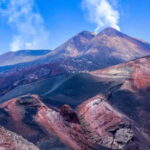
REVIEW · NICOLOSI
Catania, Etna trekking with guide and cable car at 3000 meters + transfer available
Book on GetYourGuide →Operated by Etna Grimper · Bookable on GetYourGuide
Etna feels personal up close, yet you’re kept in control with a volcanological guide and regulated access. The combo of cable car and trekking means you spend your time on the ground where things happened, not stuck commuting.
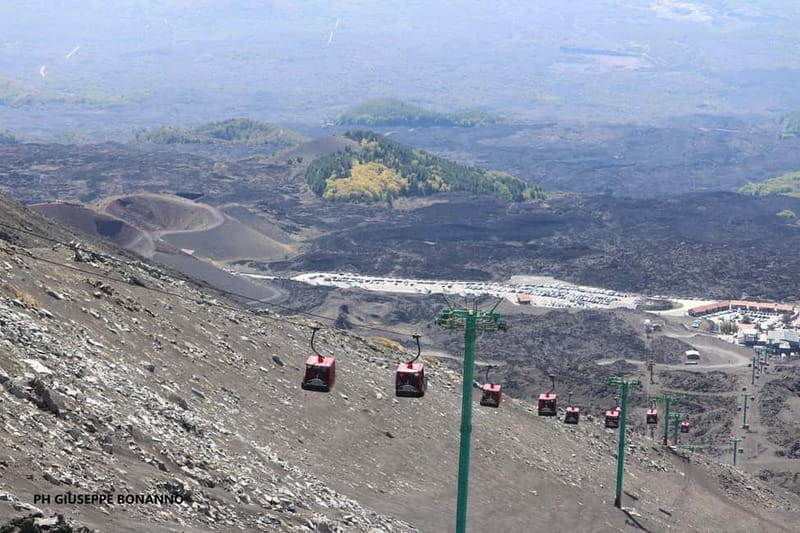
Two things I especially like are the cable car lift (you start high at Rifugio Sapienza and rise to about 2,500 meters) and the focus on what the landscape is telling you—recent eruption sites, the Barbagallo craters, and the Valle del Bove. You also get gear that makes the hike easier: a helmet, insurance, and walking sticks on request.
One drawback to plan for: this isn’t for everyone medically or physically. It’s not suitable for people with heart problems, respiratory issues, vertigo, motion sickness, or certain pre-existing conditions, and it’s not for kids under 10.
In This Review
- Key highlights you should care about
- Etna trekking from Rifugio Sapienza: why this route works
- Cable car lift and the volcanological guide: the safety-first part
- The trek to the authorized high point: where the science meets the view
- Barbagallo craters (2002/03): the walk gets more dramatic
- Valle del Bove: the ancient caldera you’ll understand on foot
- The crater from the 2001 eruption: finishing the volcanic timeline
- Timing, pacing, and what 5.5–6 hours really means
- What you actually pay: the value behind the €52 cable car ticket
- What to bring (and what to leave at home)
- Who this Etna trek is best for
- Real guide energy: explanations that stick
- Should you book the Etna trek with cable car?
Key highlights you should care about
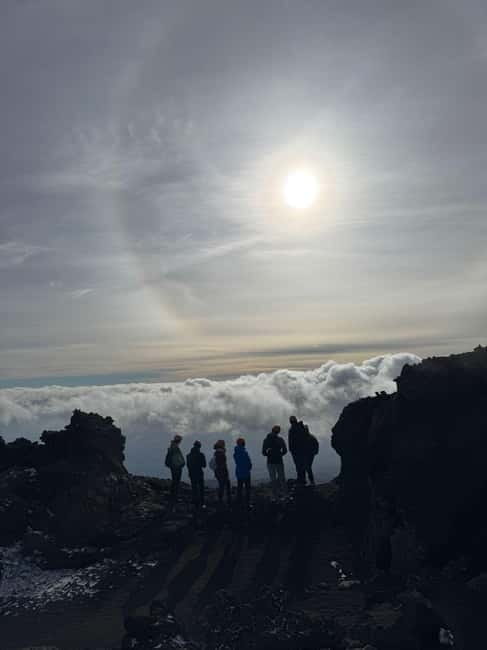
- Authorized trekking limits that shift based on volcanic risk levels, so your route follows safety rules
- Cable car to roughly 2,500 meters, which helps you spend more time actually walking on Etna
- Real volcanology explanations from a trained, multilingual volcanological guide (English, Italian, French)
- Barbagallo craters (2002/03) plus a descent toward the Valle del Bove caldera area
- Etna storytelling built into the walk, from ~9,000-year-old caldera formation to the crater base from the 2001 eruption
- Small group feel, with time for photos and a short food break
Etna trekking from Rifugio Sapienza: why this route works
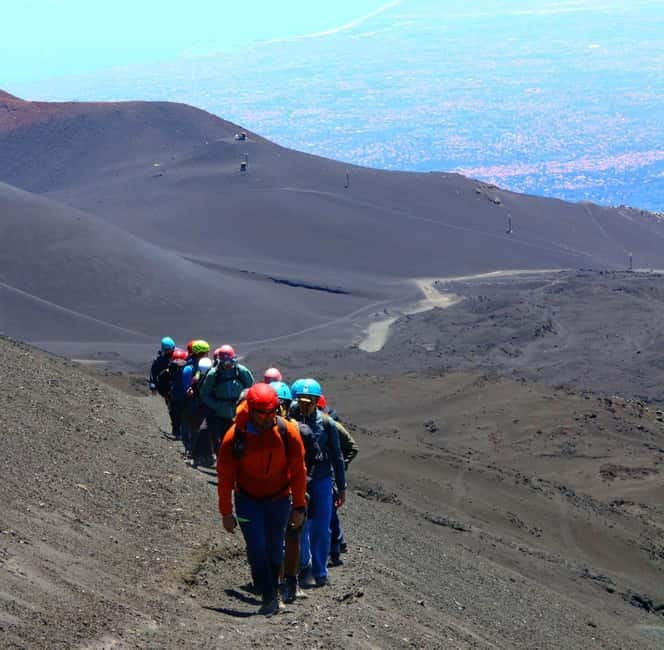
If Etna is on your Sicily list, you’ll quickly see two types of experiences: either you get a bus-and-look option, or you get a full-on hiking day. This one sits in a smart middle ground: you’re still walking, but the cable car gets you up high enough to make the day feel efficient.
Starting around Rifugio Sapienza (about 1,900 meters) also changes the whole vibe. You’re not just climbing into scenery; you’re entering a volcanic zone. The air is usually cooler up there, and the ground is different—rock textures, ash, and the way the slopes open up toward valleys. You’ll appreciate the chance to move under a guide who understands what you’re seeing and why it matters.
The tour is designed around a practical promise: observe volcanic activity and walk on Europe’s highest active volcano in complete safety. That matters more than the marketing wording. Etna can be dramatic, and the big advantage here is that the route is guided by current regulations, which are issued based on volcanic risk levels and can change.
You can also read our reviews of more tours and experiences in Nicolosi.
Cable car lift and the volcanological guide: the safety-first part
The day begins with getting to the Rifugio Sapienza square. You’ll spot promoters wearing fuchsia jackets with orange flags opposite the Rifugio Sapienza chalet. It’s a small detail, but it’s a big help when you’re arriving and it’s cold or windy.
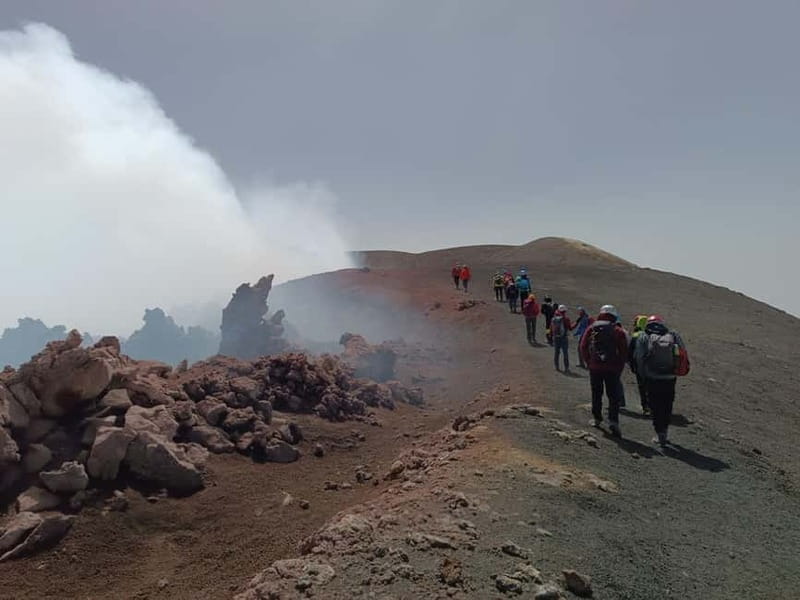
From there, you take the cable car up to about 2,500 meters. The experience is paced so you’re not exhausted before you begin trekking. Then the volcanological guide becomes your translator—turning a landscape that looks like lava fields and craters into a readable map of events.
You’ll also get helmet, insurance, and walking sticks if you request them. Even if you’ve hiked before, these little items reduce stress. On steep volcanic ground, stability is everything, and walking sticks can take pressure off your knees.
Language support matters too. The guide can work in English, Italian, and French, which makes the explanations easier to follow if you’re not fluent in Italian.
The trek to the authorized high point: where the science meets the view
After the cable car, the walking starts with crossing sites linked to the most recent and important eruptions. This is where a guided format is worth it. Without context, volcanic terrain can feel like repeating patterns. With a guide, it becomes a timeline—layers, flow directions, and why certain areas are safer or restricted right now.
A key part of the experience is that you climb only to the highest point allowed by current regulations. That limit depends on volcanic risk levels and can change. It’s not just a rule for paperwork. It means your day is actively managed, which is one reason the experience is described as safe.
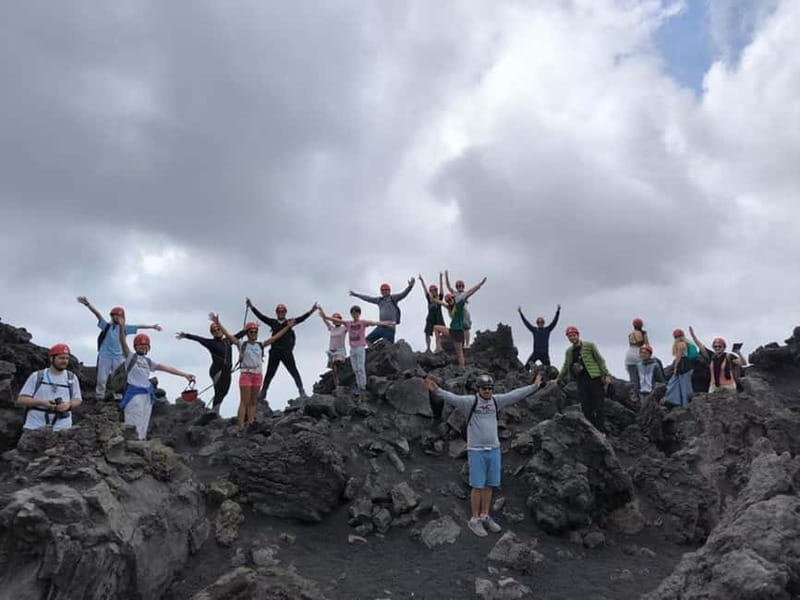
You’ll get time for photos and a breather too. There’s a 30-minute break to eat something, then you continue with the kind of slow looking that only happens when you’re outside and actually moving across the volcanic ground.
If you’re worried the hike will be too intense, the practical tone from real-world experiences is reassuring: the walking is described as doable for people in an okay fitness level, and the route isn’t portrayed as extreme. Still, don’t treat that as a pass for everyone—this trip isn’t suitable for people with vertigo, for those with motion sickness, or for anyone who can’t handle sustained walking at altitude.
Barbagallo craters (2002/03): the walk gets more dramatic
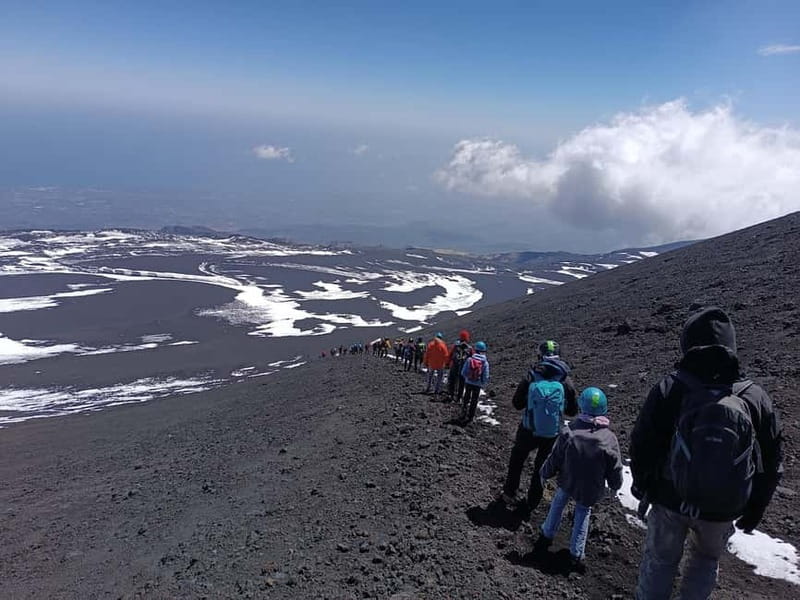
Next comes the climb to the Barbagallo craters, which erupted in 2002/03. This segment tends to be where Etna starts feeling less like scenery and more like a direct contact with a recent geological event.
Craters aren’t just dramatic. They give you shape—edges, dips, and the way water or ash might have collected in the past. Standing near or moving around them helps you understand why the guide makes certain choices about where you go and how close you approach.
After reaching this crater area, you descend on its eastern side. Descents are often where fatigue sneaks in. The volcanic ground can be uneven, and that’s exactly where helmet + walking sticks + a guide’s pacing help you keep control.
Valle del Bove: the ancient caldera you’ll understand on foot
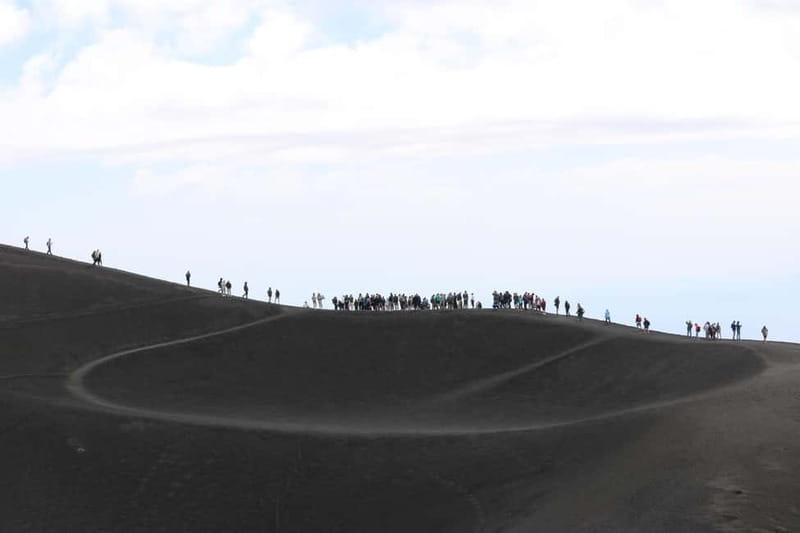
Then the tour heads toward the Valle del Bove, an ancient caldera. Recent studies have shown it formed about 9,000 years ago through the collapse of Etna’s older eruptive centers. On a map, a caldera might look like a shaded shape. On foot, it becomes a huge bowl-like form that you can feel when you look across the slopes.
This is one of those places where a guided explanation changes everything. You’re not just viewing a valley; you’re seeing evidence of a major structural shift. Even if you’ve never heard of Valle del Bove before, the walk helps you connect the physical form to the volcanic story.
You’ll also notice how the terrain opens up. That shift—from smaller crater detail to big landscape perspective—usually makes the day feel rewarding instead of repetitive.
The crater from the 2001 eruption: finishing the volcanic timeline
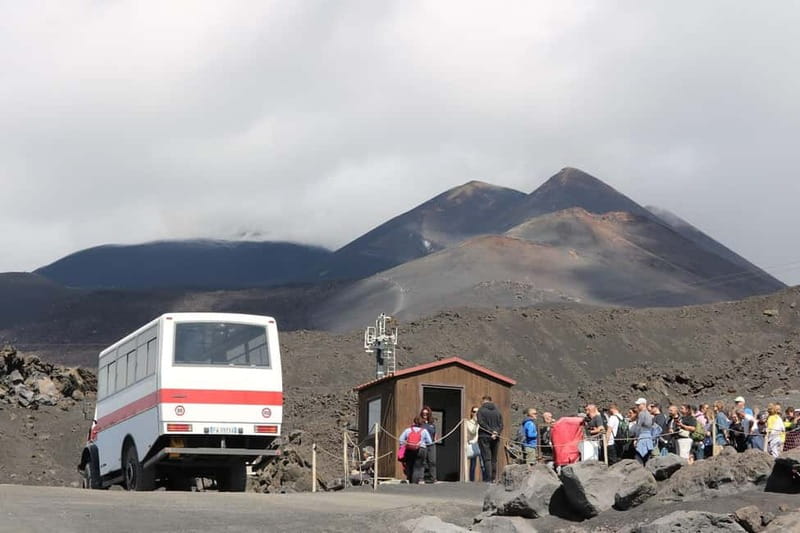
The route continues south until you reach the base of the crater formed during the great eruption of 2001. Crossing what’s described as this area helps complete the arc of the trek: recent eruptions, early structural collapse history, and then the 2001 event.
This portion is less about a single dramatic view and more about understanding how volcanic activity reshapes terrain over time. You’re moving across areas that reflect different moments, and the guide’s narration helps you keep those moments straight.
Once you’ve crossed into this final stage, you head back toward the cable car that returns you to the starting point.
Timing, pacing, and what 5.5–6 hours really means
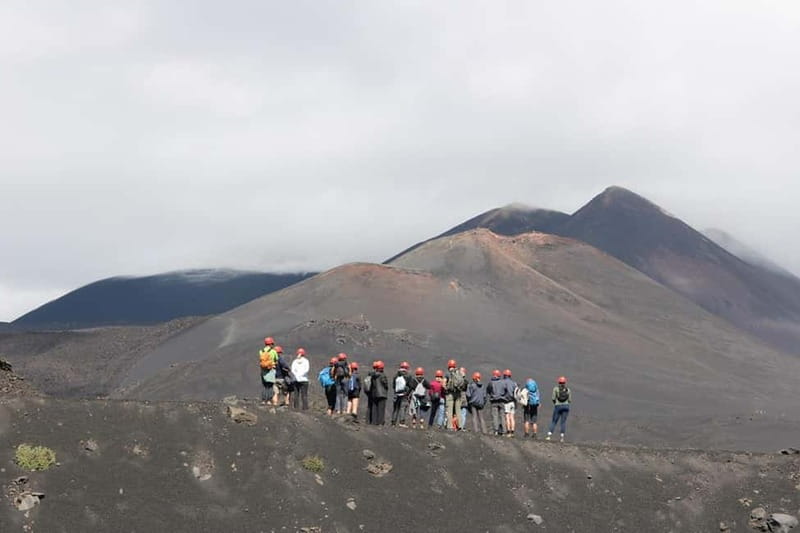
The total experience runs about 5.5 to 6 hours. That’s long enough to feel like a full outing, but short enough that most of the day isn’t spent in transit.
In practical terms, you’re spending time on:
- the cable car ascent and descent
- walking through eruption zones and crater terrain
- a short food break and photo stops
- the longer landscape segments like the Valle del Bove approach
The route can also vary depending on volcanic risk levels, because the highest allowed point isn’t fixed. Some days you’ll go a bit higher within the authorized limit; some days you’ll focus on other safe areas. That’s a feature, not a bug, because it keeps your day aligned with current conditions.
Weather can be a factor. One real experience shared that conditions were cold even with decent weather. So pack for cold—even if Catania feels warm.
What you actually pay: the value behind the €52 cable car ticket
Your price is listed as about $76.47 per person, but there’s an important detail: the cable car ticket cost is €52 per person (and €30 for children up to 10), paid directly to the guide for the cable car purchase.
What does that mean for value?
- The base price you book covers the guided volcanological experience plus extras like helmet and insurance.
- The €52 is a separate add-on for the cable car itself, which is a major part of getting up high and making the trek efficient.
If you’re doing Etna as a day trip, the cable car is effectively part of the core logistics. Paying it directly to the guide doesn’t feel annoying because it’s integrated into the flow: meet at Rifugio Sapienza, get on the cable car, then hike with the guide.
So, if you’re comparing options, don’t just compare sticker prices. Compare the total day cost and how much walking time you’ll get for it.
What to bring (and what to leave at home)
This trip asks you to come ready to walk and refuel.
Bring:
- Food and drinks
- comfortable clothes suited for cold or changing weather
The tour also explicitly does not allow:
- red wine
- alcohol and drugs
- alcoholic drinks in the vehicle
- nudity
Also, even though shoes are listed under included items, you should still think about footwear comfort. Volcanic surfaces can be hard on ankles and knees.
If you get cold easily, plan like it’s cooler than you think. Altitude plus wind can turn a short break into an uncomfortable one if you don’t dress for it.
Who this Etna trek is best for
This is best for you if:
- you want a guided, science-led experience on Etna—not just a viewpoint
- you like structured hiking with time for photos and a short snack break
- you’re comfortable walking for a few hours at altitude
- you want small group attention and a guide who can answer questions in your language
You should reconsider if:
- you have vertigo, motion sickness, heart problems, respiratory issues, or other pre-existing medical conditions
- you need a low-effort activity (this is still a trekking day, not a gentle stroll)
- you’re bringing kids under 10 (it’s not suitable)
Age limits are also noted for older participants, with the tour not suitable for people over 80, and also a ceiling for over 95.
That might sound strict, but it’s consistent with the safety-first approach: terrain, altitude, and changes in authorized limits all require careful screening.
Real guide energy: explanations that stick
A big reason people enjoy this trip is that the guide can translate Etna into something you understand. One experience mentioned Giuseppe as particularly strong at teaching about Etna and volcanoes, with clear answers to questions. That kind of guide talent is what makes the day feel more than just walking around rocks.
You’ll likely find that the science gets practical fast. Instead of reciting facts, the guide points to what you’re looking at: crater shapes, eruption timing connected to places, and why certain areas are included in the hike while others are not.
It’s the difference between seeing Etna and reading Etna.
Should you book the Etna trek with cable car?
Book this trek if you want a guided, safety-managed way to hike Europe’s highest active volcano, with a cable car that gets you up high fast and explanations that help you understand what you’re stepping on.
Skip it (or choose another Etna option) if any medical or mobility limits apply to you, or if you’re prone to vertigo or motion sickness. Also, if you hate cold weather, plan carefully—altitude days can feel sharp even when the skies cooperate.
If you like hikes that combine big landscapes with a clear volcanic storyline, this is a strong choice for Catania’s “one real volcano day.”