REVIEW · KATHMANDU
Everest Base Camp Trek with Helicopter Return from Gorakshep to Lukla
Book on Viator →Operated by Ace the Himalaya · Bookable on Viator
Everest hits different when you fly home. This Everest Base Camp trek with helicopter return from Gorakshep to Lukla mixes classic Khumbu walking with a ~20-minute ride that cuts down on the long return scramble, so your energy stays focused where it counts.
I also like the Ace the Himalaya support model. You get airport-to-hotel pickup in Kathmandu, a licensed English-speaking guide, and a porter setup of one porter for every two guests, plus filtered-water support using a Katadyn Pocket Water Filter and an Oxymeter included in the first-aid kit.
The one drawback to weigh is weather risk. This experience requires good conditions for the helicopter flight; if poor weather cancels it, you’re offered a different date or a full refund.
In This Review
- Key things I’d actually plan around
- First, know what this trek is really selling
- Kathmandu setup: transfers and a real start at 8:00 am
- The Lukla flight: where altitude and weather both show up
- Phakding: the first valley day that sets your pace
- Namche Bazaar: suspension bridge miles and the acclimatization mindset
- Everest Viewpoint day: the smart way to adjust
- Tengboche: monastery stop plus altitude at 3,860 m
- Dingboche and the acclimatization climb toward Nangkartshang Peak
- Lobuche: glacier side walking and memorial stones
- Everest Base Camp day at 5,365 m: big effort, no mountaineering required
- Kala Pattar day: the toughest reward on your feet
- Gorakshep to Lukla by helicopter: the part that changes the ending
- What’s included in the $3,000 price: value check, not just sticker shock
- Who this trek fits best (and who should reconsider)
- Should you book this Everest Base Camp trek with heli return?
- FAQ
- How long is the Everest Base Camp trek with helicopter return?
- Where does the trek start and when?
- Do I fly to Lukla before trekking?
- How does the helicopter return work?
- What are the key high-altitude stops on the trek?
- What’s included for lodging during the trek?
- Are meals included?
- Are permits included?
- What happens if weather cancels the helicopter?
Key things I’d actually plan around
- A ~20-minute helicopter ride from Gorakshep to Lukla saves serious time and reduces backtracking stress.
- Licensed guide + porter ratio (1 porter per 2 guests) keeps your pack lighter and your pace steadier.
- Built-in acclimatization rhythm, including an Everest Viewpoint day and a climb to Nangkartshang Peak without pushing toward Base Camp.
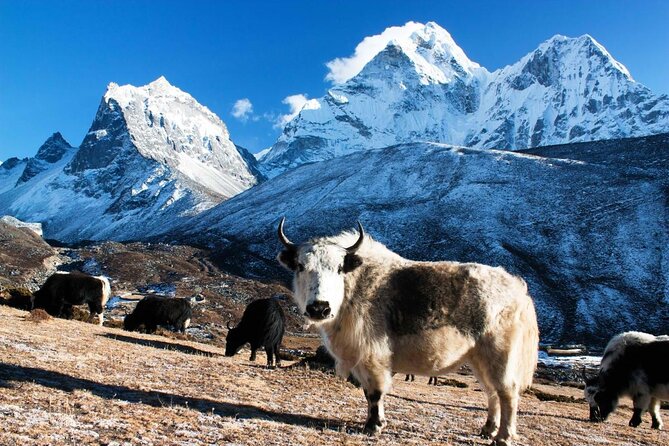
- High-altitude hits without mountaineering gear, including Everest Base Camp at 5,365 m and Kala Pattar at 5,555 m.
- Practical safety extras, like an emergency first-aid kit and an Oxymeter, plus filtered water on the trail.
- Small group size (up to 14) means less chaos on busy tea houses and in photo lines.
First, know what this trek is really selling
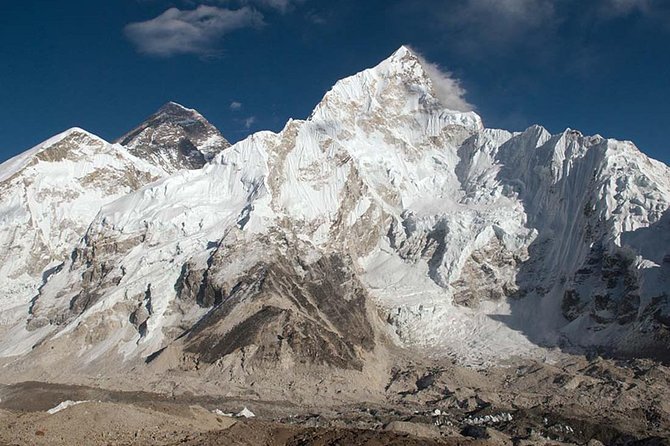
This trek sells two things at once: the famous Everest Base Camp journey, and a helicopter return that brings you back to Lukla from Gorakshep. That combo changes the feel of the trip.
On a normal EBC plan, the last days can feel like pure mileage recovery—grind uphill, then reverse the route. Here, you still do the hard parts (Base Camp and Kala Pattar), but you don’t have to spend extra days slogging back down just to get back to Lukla.
You’ll also get a very structured experience. You start with Kathmandu airport pickup and a pre-trip meeting, then you move through the Khumbu with meals and lodging handled, plus permits (Everest National Park + TIMS). That’s not glam travel. It’s just less decision fatigue when you’re already dealing with thin air.
You can also read our reviews of more tours and experiences in Kathmandu.
Kathmandu setup: transfers and a real start at 8:00 am
Your trip starts in Kathmandu with an official greeting you at Tribhuvan International Airport. You’ll transfer to a hotel by private tourist vehicle, then you’ll have a pre-trip meeting with your guide.
That early organization matters. Kathmandu can feel hectic if you’re trying to solve logistics while jet-lagged. With this plan, you’re basically set up for success before you ever see the Himalayas.
You’ll stay in a three-star Kathmandu hotel on a twin-sharing basis, with breakfast included for two nights. You’re also given small but useful items like a duffel/kit bag, a trekking map, and a sun hat—things you’ll be glad you don’t have to buy last minute.
One small practical note: meals are not included in Kathmandu outside the trek meals, so budget for lunch/dinner on your own while you’re in the city.
The Lukla flight: where altitude and weather both show up
Getting into the Khumbu usually starts with Lukla. You’ll take a scenic domestic flight from Kathmandu to Tenzing and Hillary Airport at Lukla (about 35 minutes), landing at 2,804 m.
This is one of those moments where it hits you that Everest is not a day trip. Even before trekking, your body is already working at altitude.
You also need to accept how aviation works here. Flight timing can be weather-sensitive. In your case, helicopter timing matters too later on, so think of weather as a theme of the whole trip, not a side issue.
Phakding: the first valley day that sets your pace
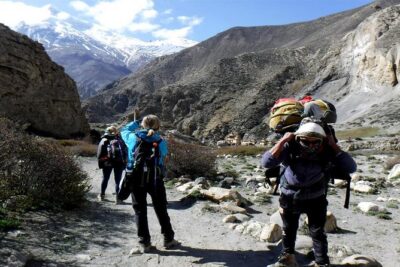
The trek proper starts with hiking from Lukla toward Phakding. Expect days that mix trail time with suspension bridges—crossings lined with prayer flags and a lot of river energy from the Dudh Koshi corridor.
Phakding is a good first gear day. You’re not immediately wrestling the highest passes. You’re getting used to walking on uneven ground and staying steady with your breathing.
Lodging here is in guesthouses, twin-sharing, with attached toilets (a nice comfort detail for a route like this). You’ll also be eating trekking meals, so you don’t have to hunt for options on the trail.
Namche Bazaar: suspension bridge miles and the acclimatization mindset
From Phakding to Namche Bazaar takes about 6 hours of hiking (in total). This is a big step up in both elevation and intensity.
The route weaves along the banks of the Dudh Koshi, crossing suspension bridges repeatedly. It’s beautiful, yes—but more importantly, it’s a training day. You’re learning how long you can walk before you start to feel the altitude creeping in.
Namche Bazaar becomes your staging point. This is where you slow down on purpose.
Everest Viewpoint day: the smart way to adjust
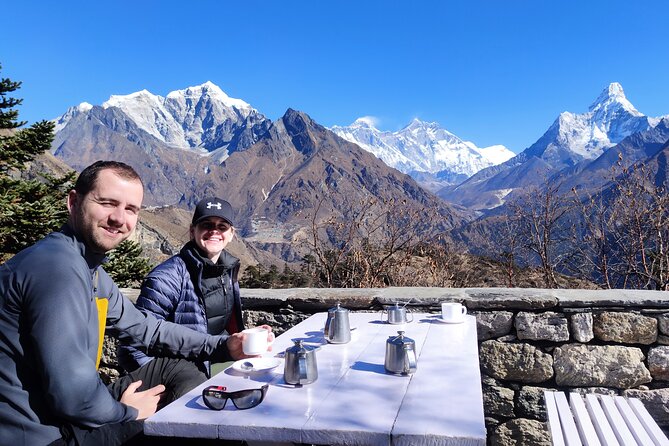
You’ll spend a day around Everest Viewpoint as an acclimatization stop. The schedule includes a short trek near Namche and rewarding Himalayan views, designed specifically to help you adjust to thinning air pressure.
This is the kind of day that can feel like a break, but it’s actually work. You’re giving your body time to adapt so later days don’t turn into a constant struggle.
If you’re tempted to treat acclimatization as optional, don’t. It’s the difference between walking with your head up and walking like you’re trying to outrun your own breath.
Tengboche: monastery stop plus altitude at 3,860 m
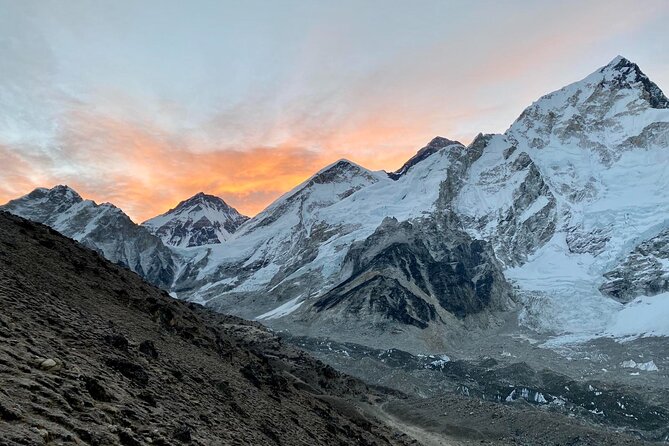
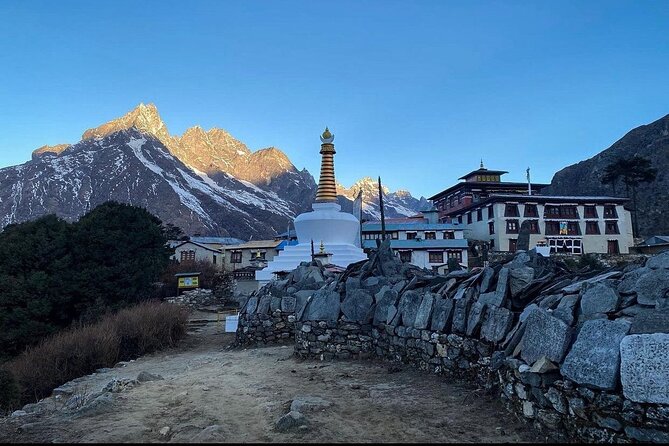
The trek continues along glacial waters with mountain views, heading to Tengboche, where you reach 3,860 m.
Tengboche is a classic Khumbu stop with a monastery visit included. It’s one of those places that helps break the rhythm of just walking uphill. Even if you’re not religious, it’s a cultural pause with a view that makes your brain go quiet for a minute.
The drawback: by now, you’re feeling altitude more clearly. Expect the physical demand to be real, even when the day includes scenic moments and a monastery stop.
Dingboche and the acclimatization climb toward Nangkartshang Peak
Next comes Dingboche. The route includes drops and climbs, with another suspension bridge crossing over the Imja Khola, and stops through areas like Pangboche with many mani stones along the way.
You’ll also have a scheduled acclimatization day where you do not head to Everest Base Camp yet. Instead, you hike up near Dingboche to Nangkartshang Peak for views.
That plan matters. It keeps you from treating every day like a finish line. You’ll be learning the value of going higher without pushing your ultimate target that day.
This is the day you’ll probably remember later when you realize how much harder the Base Camp day would have felt if you’d rushed it.
Lobuche: glacier side walking and memorial stones
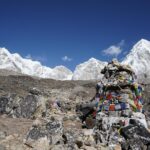
From Dingboche to Lobuche, the trail follows the lateral moraine of the Khumbu Glacier. It’s serious trekking terrain, and you’ll pass stone memorials for climbers who perished on nearby summits.
That kind of passing moment changes how you experience the trek. It reminds you that this is not a casual walk, even when tea house life feels cozy.
You’ll continue climbing toward the village area and sleep in another guesthouse with twin-sharing lodging and attached toilets included on this route’s key stops.
Everest Base Camp day at 5,365 m: big effort, no mountaineering required
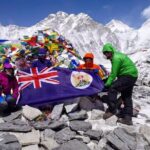
The most iconic day is the walk to Everest Base Camp at 5,365 m. This day is described as big and difficult, with walking along the Khumbu Glacier and up to Base Camp.
A big point here: you’re not doing mountaineering. You’re going as a trekker to the closest you can get without specialist climbing gear. That makes it more accessible than the summit dream, but it still demands strength and grit.
You’ll likely feel the altitude in a practical way: slower steps, heavier breathing, and longer pauses just to reset your body. Build in breaks without guilt. You’re at altitude; your job is steady progress.
Also, if you care about scenery, the glacier walking gives you that raw, close-to-the-ice feeling that’s hard to replicate elsewhere.
Kala Pattar day: the toughest reward on your feet
After Base Camp comes Kala Pattar at 5,555 m—often the hardest but most rewarding day.
The ascent is demanding, and it’s planned as a major climb. You spend morning climbing Kala Patthar, and the payoff is the views from one of the route’s most sought-after viewpoints.
This is where your earlier acclimatization pays you back. If your body adapted well, you’ll still suffer a bit. But you’ll suffer with better control and less panic.
Practical advice: keep moving, don’t sprint. Altitude doesn’t reward ego.
Gorakshep to Lukla by helicopter: the part that changes the ending
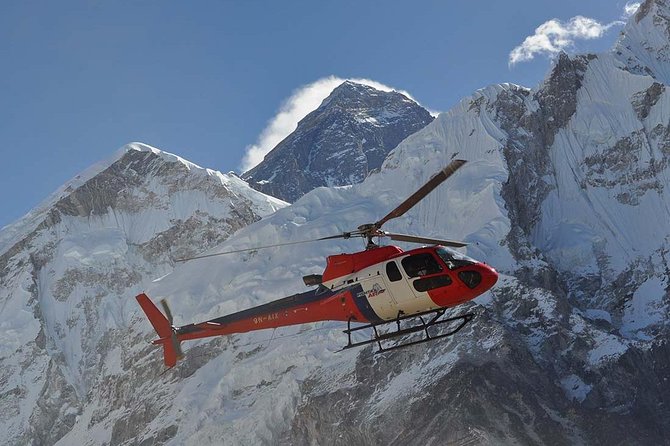
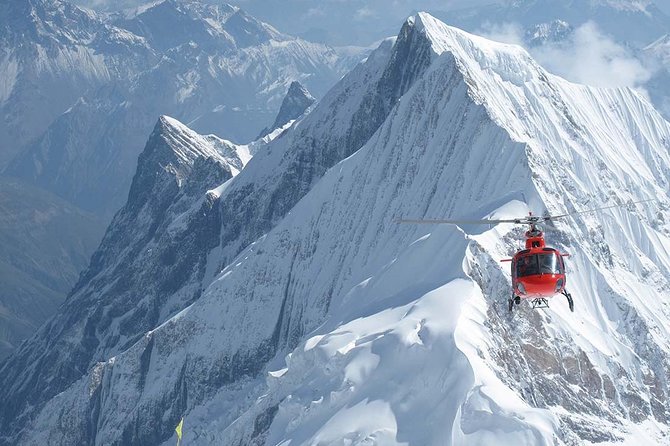
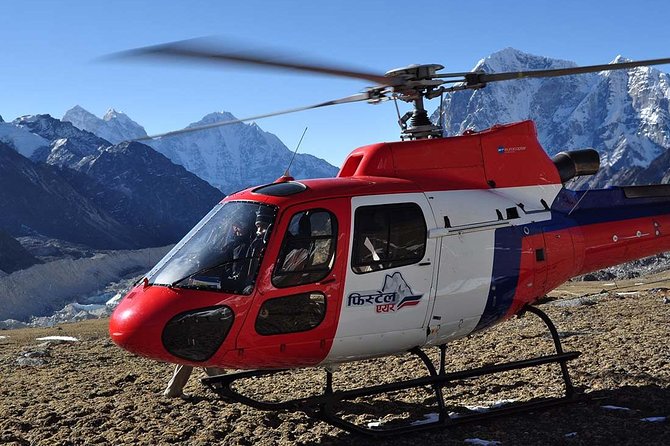
After your high point(s), you’re getting a shared helicopter ride from Gorakshep to Lukla, around 20 minutes.
This is not just about convenience. It changes the emotional arc of the trek. Instead of turning your legs into a post-peak recovery project, you get a fast return and more time to process what you just did.
You’ll then take the scenic flight back to Kathmandu (about 35 minutes) and transfer to your hotel.
Since the itinerary is weather-dependent for the helicopter, you should treat the heli day as a day where you stay flexible in mindset. If you get the flight, you’ll feel like the mountain lets you off easy.
What’s included in the $3,000 price: value check, not just sticker shock
At $3,000 per person for about 12 days, you’re paying for more than guiding. Here’s what’s covered based on the package details:
- Airport/hotel/airport transfers in Kathmandu by private tourist vehicle
- Twin-sharing hotel in Kathmandu (three-star) with breakfast for two nights
- Twin-sharing guesthouse stays during the trek, with attached toilets in Lukla, Phakding, and Namche
- A licensed English-speaking guide (plus first-aid trained)
- Porters for luggage (one porter per two guests)
- Everest National Park permits and TIMS
- Flights: Kathmandu–Lukla–Kathmandu
- Shared helicopter Gorakshep to Lukla
- Trek meals: breakfast, lunch, dinner during the trek, plus a farewell dinner on the last night
- Filtered water support via Katadyn Pocket Water Filter
- First-aid kit plus Oxymeter to measure oxygen saturation
- Seasonal fruits and standard trekking support items like the bag, map, and sun hat
What you should expect to pay separately:
- Travel insurance that covers emergency rescue/evacuation
- Nepal entry visa
- International flights
- Personal trekking equipment
- Alcohol and other drinks
- Tips for guide/driver/trek staff (tipping is expected)
- Lunch and dinner in Kathmandu (beyond what’s included)
So is it “worth it”? For EBC treks, the helicopter and domestic flights are usually the parts that can balloon if you try to piece them together. Here, they’re bundled, plus permits and much of the day-to-day logistics. That’s why the cost feels high on paper but can feel reasonable once you see what’s actually included.
Who this trek fits best (and who should reconsider)
This plan is built for people with moderate physical fitness who want a guided EBC trek without the chaos of figuring out permits, lodging, meals, and logistics. If you want clear pacing, a strong acclimatization routine, and lightening of your pack through porter support, you’ll like this.
It also makes sense if you value efficiency at the end. The helicopter return is the kind of feature that helps if you’re finishing your trip with legs that are tired but not destroyed.
You might want to reconsider if:
- You’re very risk-averse about weather logistics (because helicopter timing depends on good conditions).
- You’re not comfortable with strenuous days at altitude, especially Everest Base Camp and Kala Pattar.
- You haven’t lined up travel insurance that covers emergency rescue/evacuation, since that’s explicitly not included.
Should you book this Everest Base Camp trek with heli return?
If you’re choosing between an all-foot return and a heli-assisted finish, this is the more modern, time-respecting option. You still get the classic Khumbu experience: Namche, Tengboche, glacier-side trekking, Everest Base Camp, and Kala Pattar. Then you get a faster, smoother exit via the Gorakshep to Lukla helicopter.
I’d book it if you want:
- A structured acclimatization plan
- Porter help (one porter per two guests)
- Meals and filtered water handled
- The helicopter feature as part of the official plan, not an afterthought
I wouldn’t book it if your schedule can’t handle weather changes or you’re planning to skip travel insurance. For this route, thin air doesn’t care about good intentions.
If you go with the right gear, show up with solid fitness, and keep your expectations realistic about altitude, this one is a strong bet.
FAQ
How long is the Everest Base Camp trek with helicopter return?
It’s listed as 12 days approximately.
Where does the trek start and when?
The meeting start time is 8:00 am, with pickup in Kathmandu after you arrive at Tribhuvan International Airport.
Do I fly to Lukla before trekking?
Yes. You take a scenic domestic flight from Kathmandu to Tenzing and Hillary Airport in Lukla (about 35 minutes).
How does the helicopter return work?
After reaching Gorakshep, you take a shared helicopter ride back to Lukla. The ride is about 20 minutes.
What are the key high-altitude stops on the trek?
You’ll go to Everest Base Camp at 5,365 m and climb to Kala Pattar at 5,555 m.
What’s included for lodging during the trek?
You get twin-sharing guesthouse accommodations with attached toilets in Lukla, Phakding, and Namche (and twin-sharing stays on the trek route).
Are meals included?
Yes. The standard trek package includes meals during the trek (breakfast, lunch, and dinner), plus a farewell dinner on the last night. Meals in Kathmandu are not included.
Are permits included?
Yes. Everest National Park permits and TIMS permit for trekking are included.
What happens if weather cancels the helicopter?
The experience requires good weather. If it’s canceled due to poor weather, you’ll be offered a different date or a full refund.