REVIEW · MARRAKECH
3 Days Merzouga Sahara Tour & Camel Trek
Book on Viator →Operated by KARMA DIR TRAVEL · Bookable on Viator
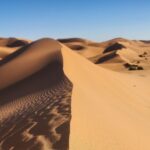
Sahara magic starts with one long drive. This 3-day small-group trip from Marrakech to Merzouga keeps things practical with hotel pickup and air-conditioned transport, while Morocco’s scenery changes fast. I like the two-part sleep setup most: a kasbah-style stay in Dades Gorges, then the desert camp in Merzouga with evening entertainment and a proper desert feel. The main drawback is the pace—day 3 is a long return to Marrakech, so don’t plan anything else that night.
You also get more than just sand. The route threads together mountain passes, UNESCO heritage, and dramatic canyons, so the desert doesn’t feel like it appears out of nowhere. One more thing to consider: lunches aren’t included, so you’ll want a small daily budget for food between meals.
In This Review
- Key Things I’d Focus on Before You Book
- Why This 3-Day Marrakech to Merzouga Plan Feels Efficient
- Day 1: High Atlas Pass Views, UNESCO Ait Benhaddou, and Dades Gorges Night
- Tizi n Tichka: the first big “wow” of the trip
- Ait Benhaddou Ksar: UNESCO kasbah energy
- Ouarzazate: door of the desert, Hollywood of Africa
- Dades Gorges: the monkey toes moment
- Day 2: Tinghir Oasis, Todra Gorge, then Sunset Camels to Merzouga
- Tinghir Oasis with a local guide
- Todra Gorge: canyon time and lunch nearby
- The long push to Merzouga (with Saharan towns along the way)
- The first camel ride: sunset into the dunes
- Day 3: Sunrise Camel Light, Sand Walk, and 12-Hour Return to Marrakech
- The High Atlas viewpoint stop on the way back
- The Marrakech arrival window
- What the Sleeping Setup Really Means (Kasbah Hotel + Berber Camp)
- Photography and Camel Trek Tips That Actually Help
- Use the camel rides for action shots
- Bring something for desert wind and morning chill
- Plan your phone battery like a grown-up
- Price and Logistics: What You Pay For, What You Still Need to Budget
- Included (the stuff that saves money and stress)
- Not included (your likely add-ons)
- Group size and meeting point reality
- Safety and communication (based on the operator style)
- Who This Tour Fits Best (And Who Might Feel It’s Too Much)
- Should You Book the 3 Days Merzouga Sahara Tour & Camel Trek?
- FAQ
- How long is the 3 Days Merzouga Sahara Tour & Camel Trek?
- What is the price per person?
- Is pickup available in Marrakech?
- How big is the group?
- What accommodation do we get during the tour?
- How long are the camel rides?
- What meals are included?
- What are the main sights included beyond the desert?
- What if the weather is poor?
- What cancellation window is allowed?
Key Things I’d Focus on Before You Book
- Small group size (up to 15) means the road stays calm and communication is easier.
- Overnight flow: kasbah hotel in Dades Gorges, then Berber tents in Merzouga, so you don’t waste time switching plans.
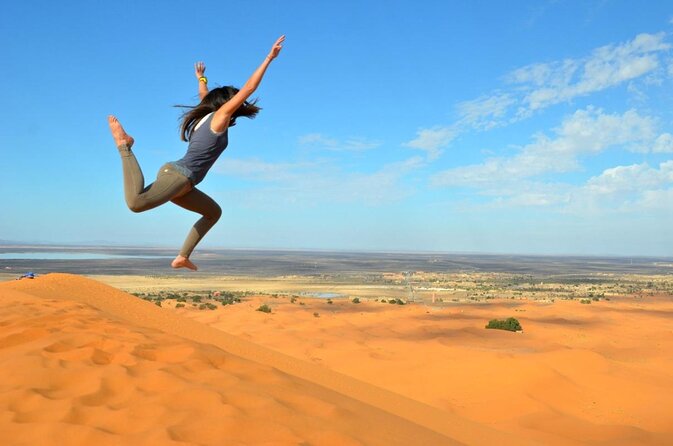
- Two camel moments: 45 minutes at sunset and another 45 minutes at sunrise (plus time for photos).
- Big visual stops en route: Tizi n Tichka, Ait Benhaddou, Ouarzazate, Dades, Todra, and Tinghir.
- Meals included, not all meals: breakfasts (2) and dinners (2) are covered, but lunches are on your own.
- Driver-led logistics with safe, professional driving is a repeated highlight in the feedback.
Why This 3-Day Marrakech to Merzouga Plan Feels Efficient
If you’re short on time, this tour makes sense. You’re covering serious distance, yet you’re not doing the stressful part—planning routes, booking transfers, and coordinating lodging—because the driver handles logistics.
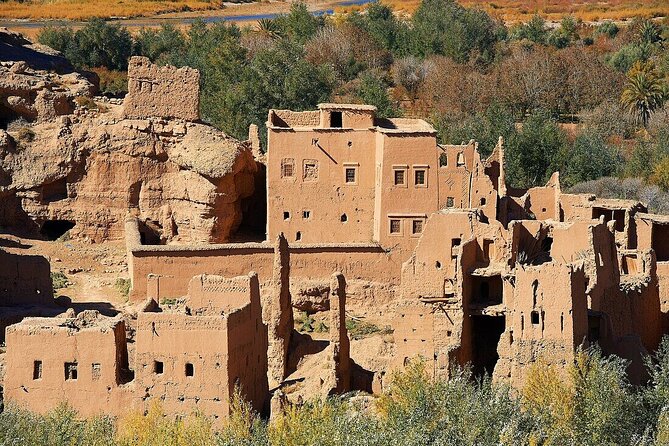
The value isn’t just the camel ride. It’s that you get a full visual arc: High Atlas roads up and over, UNESCO kasbah architecture, canyon scenery in Dades and Todra, then the big Sahara payoff at Merzouga. You’re seeing how Morocco’s landscapes and cultures shift as altitude changes—fast.
The price point (about $186.10 per person) also lands in the “good deal” zone when you compare what’s included: 2 nights (kasbah hotel plus desert camp), camel trek, 2 breakfasts, and 2 dinners, with transport by air-conditioned vehicle. Your main extra costs are lunches and any optional guided add-ons (like a palace guide in Ait Benhaddou).
You can also read our reviews of more tours and experiences in Marrakech.
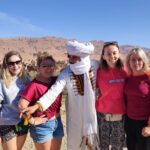
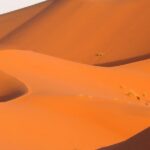
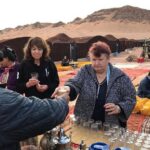
Day 1: High Atlas Pass Views, UNESCO Ait Benhaddou, and Dades Gorges Night
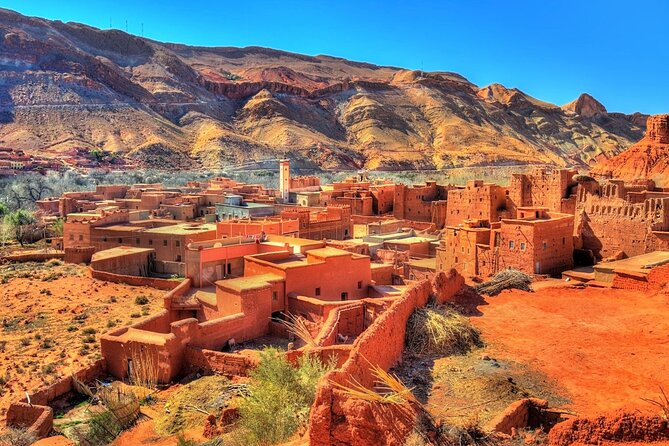
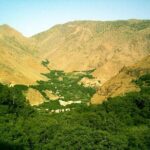
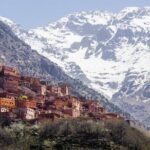
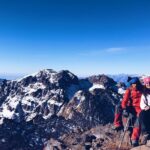
Day 1 starts early, then quickly trades city noise for mountain scenery. The drive takes you up through the High Atlas on the famous Tizi n Tichka pass (around 2,260 meters), where the view opens up and the douars and slopes feel like they’re part of the road.
Tizi n Tichka: the first big “wow” of the trip
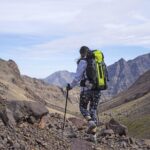
This is one of those drives where you stop noticing the clock and start paying attention to the terrain. The pass is high enough that the air feels different, and you get those long, layered mountain views that make the rest of the journey feel real.
Ait Benhaddou Ksar: UNESCO kasbah energy
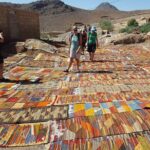
Ait Benhaddou is the kind of place that makes you understand why filmmakers love Morocco. The kasbah was named a UNESCO World Heritage Site in 1987, and it has served as a backdrop for major productions like Gladiator, The Mummy, Prince of Persia, and Game of Thrones.
What I like for first-timers is the way you can explore at your own speed once you’re there—architecture, alley corners, and that “what angle is the best one?” feeling that never gets old.
One consideration: the included coverage doesn’t mention a guided palace tour specifically, so if you love history context, you might want to budget for that kind of add-on on-site.
Ouarzazate: door of the desert, Hollywood of Africa
From Ait Benhaddou you roll toward Ouarzazate, often called the Door of the Desert and the Hollywood of Africa. You get time to visit the cinema museum and Taourirt Kasbah, both well-suited if you like seeing how this region became a filming hub.
Even if you’re not a movie buff, the Taourirt Kasbah helps you connect the dots between kasbah life and the film sets you’ve probably seen on screen.
Dades Gorges: the monkey toes moment
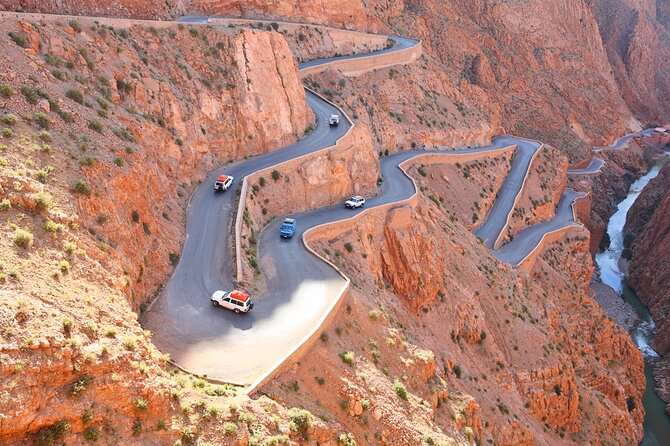
As the day closes, you hit the Dades Gorges area. Locals describe certain rock formations as monkey toes, and the shapes really do read like big, finger-like rock silhouettes.
You’ll reach the kasbah hotel in Dades Gorges for dinner and your first overnight. After a long driving day, the kasbah vibe matters—it makes the first night feel like you crossed into a different world, not just checked into a room.
Day 2: Tinghir Oasis, Todra Gorge, then Sunset Camels to Merzouga
Day 2 is where the trip turns from “scenic drive” into “place you’re actually in.” You visit Tinghir first and then head toward Todra Gorge, with a local guide for the Oasis portion.
Tinghir Oasis with a local guide
You’ll spend about 1.5 hours touring Tinghir Oasis with a local guide. This time is valuable because it’s not just walking past pretty views—you’re learning how water and farming support life here.
Oasis visits are also a good mental reset. After driving through high mountain roads, it’s refreshing to land in something calmer and more human-scaled.
Todra Gorge: canyon time and lunch nearby
Next comes Todra Gorges, one of the classic canyon sights in this part of Morocco. After exploring, lunch is served in the same general area, keeping your schedule tight.
If you like dramatic rock walls and you don’t mind walking a bit, this stop usually clicks. It also sets up the next leap: from canyon stone to dune sand.
The long push to Merzouga (with Saharan towns along the way)
You’ll drive through Tin-jdad, Erfoud, and Rissani as you head toward Merzouga. These stops are mostly part of the travel fabric—small towns that remind you the desert isn’t empty, it’s just different.
The first camel ride: sunset into the dunes
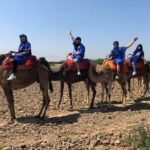
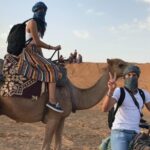
In Merzouga, you get the 45-minute camel ride focused on sunset. This is the moment that makes the “Sahara tour” feel earned, not borrowed from a brochure.
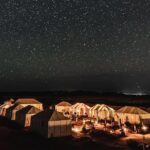
You also get time in camp for folkloric dancing and evenings around the fire. The rhythm here matters: the camel ride is dramatic, but the camp atmosphere is what turns the ride into a memory.
Day 3: Sunrise Camel Light, Sand Walk, and 12-Hour Return to Marrakech
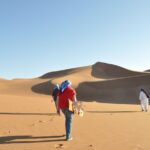
Day 3 begins early again. You’ll wake around 7:00 a.m., have breakfast, then get a walk in the sand with the desert still cool and quiet.
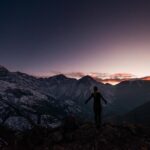
The desert timing is the point. When the dunes are lit low—sunrise light—everything changes. Colors soften and shadows stretch, which is why people rave about photos with your camel and even your shadow on the sand.
The High Atlas viewpoint stop on the way back
On the drive back toward Marrakech, you stop for pictures in a few places, including Alnif. You’ll also spend time at a viewpoint in the High Atlas foothills where you can enjoy a Berber meal with mountain views.
This is a smart pause. It breaks up a long day so the return doesn’t feel like one endless highway stretch.
The Marrakech arrival window
The estimated drive time back to Marrakech is about 12 hours, with around 2 hours built in for lunch and toilet/photo stops. That’s a lot of time in a vehicle, so plan your day accordingly.
If you’re the type who needs rest before dinner plans or nightlife, keep your evening quiet when you return.
What the Sleeping Setup Really Means (Kasbah Hotel + Berber Camp)
This tour intentionally gives you two different sleep environments, and that’s a big part of why the trip feels complete.
In Dades Gorges, you stay in a traditional kasbah hotel. Kasbah-style lodging tends to feel more “region-specific” than a standard hotel box, and it helps set the tone right after the gorges views.
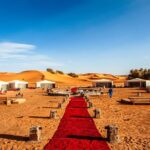
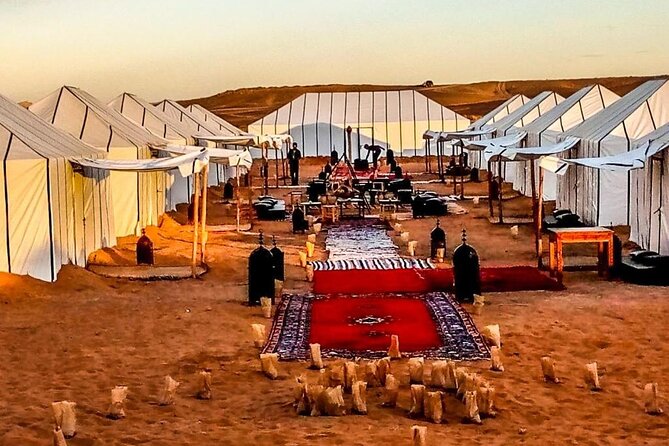
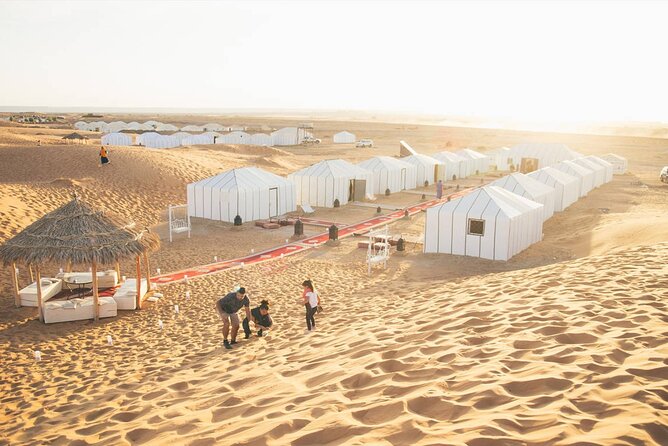
In Merzouga, you sleep in Berber tents under the stars. That’s the core desert fantasy, but the more practical angle is that camp stays part of the schedule, not a last-minute scramble. You’re not doing logistics at night—you’re there for the night.
One note for comfort: the mountains can be chilly in winter in this region. Bring layers, even if your day is warm.
Photography and Camel Trek Tips That Actually Help
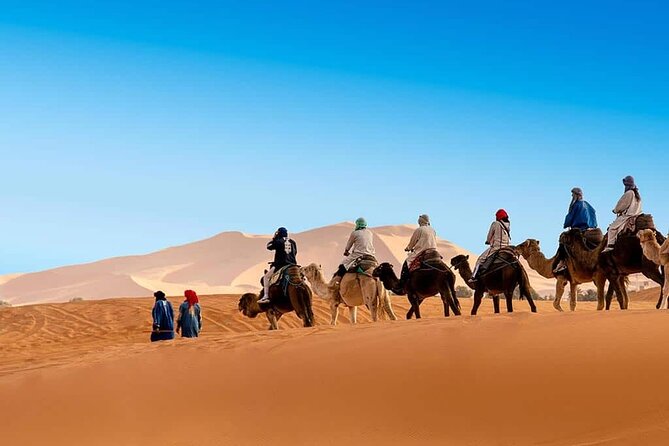
This is a photography-friendly tour, but it’s easy to miss the good light if you’re not paying attention. Here’s how I’d approach it.
Use the camel rides for action shots
You have two camel moments—sunset and sunrise—each with about 45 minutes. That’s your best chance for those classic camel-and-dunes photos, including shots that use your silhouette/shadow on the sand.
When you’re on the camel, stay relaxed. The angle for photos often works better if you let the camel settle rather than trying to jump into perfect poses instantly.
Bring something for desert wind and morning chill
Even if it’s sunny, desert mornings can feel cooler than you expect. Pack a light jacket or layer you can handle without it becoming annoying on the camel.
Plan your phone battery like a grown-up
You’ll be using your phone for lots of pics across day and night. Charging isn’t mentioned as part of the deal, so bring a portable charger if you rely on your camera.
Price and Logistics: What You Pay For, What You Still Need to Budget
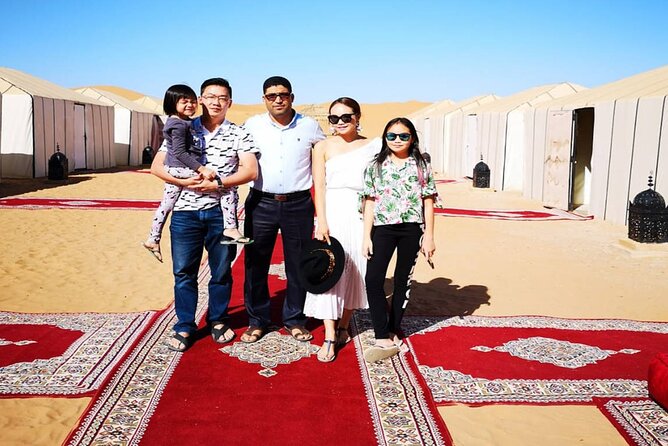
At roughly $186.10 per person, this tour looks like strong value because it bundles the hard parts.
Included (the stuff that saves money and stress)
- Air-conditioned vehicle
- 2 nights accommodation
- Camel trek
- Breakfast (2)
- Dinner (2)
That’s a big chunk of the typical “Sahara” budget—especially the lodging and the camel camp.
Not included (your likely add-ons)
- Lunches on days 1, 2, and 3
- A guided palace tour at Ait Benhaddou (if you choose it)
- Personal expenses
- Any extra pickup fee if you’re outside the pickup area
If you want to keep the trip smooth financially, assume you’ll pay for lunches plus a few small incidentals.
Group size and meeting point reality
The group max is 15 travelers, which helps keep the experience from feeling chaotic.
Pickup is offered in Marrakech, and the meeting point listed is Station Service Ola Energy, Rue Moulay Ismail, Marrakech. Also keep in mind that riads are often in small alleys and may be tough for vehicles to reach, so being flexible about where you’re dropped off can save stress.
Safety and communication (based on the operator style)
What comes up repeatedly is that the driver experience matters. Names like Ashraf, Morat, and Rachid are associated with safe, friendly driving, and the organizer contact is often linked with Mubarak. I’d treat that as a positive signal: you’re dealing with a team that expects road responsibility, not just “we’ll show up and hope.”
Who This Tour Fits Best (And Who Might Feel It’s Too Much)
This tour is a great fit if:
- You want your first Merzouga desert visit without planning every step.
- You like variety: mountains, kasbah towns, gorges, then dunes.
- You’re comfortable with early mornings and long driving days.
- You value a small group setting.
It might be a mismatch if:
- You hate long days in the car. Day 3, in particular, is heavy.
- You require lots of unscheduled downtime.
- You’re expecting every lunch to be included (it isn’t).
- You want a purely “relax in the desert” trip with fewer stops. This one is built to see a lot.
Should You Book the 3 Days Merzouga Sahara Tour & Camel Trek?
I’d book it if your goal is a classic, high-impact Sahara circuit that’s still organized enough to feel easy. The biggest reasons: lodging is handled, the camel trek is scheduled at the right times, and the route gives you Morocco beyond just dunes.
I’d hesitate if you’re sensitive to long travel time or you want full meal coverage. Also, if Ait Benhaddou history is a top priority for you, consider whether you want to add a guided element once you’re there.
If you’re ready for a packed but well-structured 3 days, this tour is one of the more practical ways to get to Merzouga from Marrakech and still enjoy the journey there.
FAQ
How long is the 3 Days Merzouga Sahara Tour & Camel Trek?
It lasts approximately 3 days.
What is the price per person?
The listed price is $186.10 per person.
Is pickup available in Marrakech?
Yes, hotel pickup is offered. The meeting point is Station Service Ola Energy on Rue Moulay Ismail, Marrakech.
How big is the group?
The tour has a maximum of 15 travelers.
What accommodation do we get during the tour?
You sleep in a traditional kasbah hotel in Dades Gorges and then in Berber tents in Merzouga.
How long are the camel rides?
There are camel rides of about 45 minutes for sunset and about 45 minutes for sunrise.
What meals are included?
Breakfast is included for 2 mornings and dinner is included for 2 evenings. Lunches are not included.
What are the main sights included beyond the desert?
You visit places such as Tizi n Tichka, Ait Benhaddou, Ouarzazate (including the cinema museum and Taourirt Kasbah), Dades Gorges, Tinghir Oasis, and Todra Gorge.
What if the weather is poor?
This experience requires good weather. If it’s canceled due to poor weather, you’ll be offered a different date or a full refund.
What cancellation window is allowed?
You can cancel for a full refund up to 24 hours before the experience starts. If you cancel less than 24 hours before, the amount paid is not refunded.