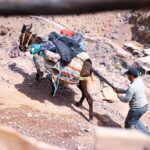
A long morning drive that turns into desert magic. This 2-day Zagora tour knits together Atlas Mountains scenery, UNESCO heritage at Aït Ben Haddou, and an overnight in a Berber tent with a camel trek. What I like most is the value for your money and the small-group feel (max 15 people). One thing to consider: this is a packed travel day, with plenty of time on the road and limited creature comforts like no shower in the desert camp.
You’ll love how the trip keeps moving without rushing the best stops. I also like that dinner and breakfast are included, so you’re not scrambling for food after a long day of driving and desert activities. The main drawback to plan around is that the desert part is basic, and you should expect limited wash-up water and simple meal pacing—so pack accordingly and go in with the right expectations.
In This Review
- Key points to know before you go
- Marrakech to Zagora in 2 days: how the pace really feels
- Price and value: why $71.58 can make sense here
- Day 1: leaving Marrakech and building up to Aït Ben Haddou
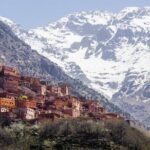
- The Atlas Mountains drive you can feel in your bones
- Ouarzazate and village stops: quick looks, not slow sightseeing
- Aït Ben Haddou: the UNESCO stop you actually need a guide for
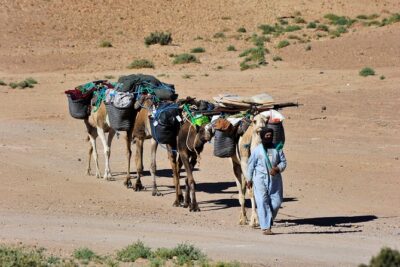
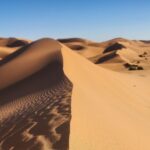
- Camel trek setup: the shift from buildings to sand
- Night in a Berber tent: what comfort looks like here
- The basics: plan for limited washing
- Dinner and tea rhythm
- Day 2: breakfast, desert mood, and the long ride back
- Breakfast: fill up, but don’t assume big portions
- The return drive: how to make it feel shorter
- The camel ride: fun factor, photo factor, and getting comfortable
- Group size and guides: what you gain, what you should watch
- What’s included (and what isn’t) so you can plan your budget
- Best fit: who should book this Zagora tour?
- Should you book this 2-days Zagora tour from Marrakech?
- FAQ
- What is the start time for the Marrakech pickup?
- How long is the Zagora desert trip?
- Does the tour include transportation from Marrakech?
- Are meals included?
- Is the camel ride included?
- Where do you sleep during the overnight?
- What is the group size limit?
Key points to know before you go
- Small group (up to 15): easier conversation, fewer bottlenecks at stops, and a calmer desert rhythm.
- UNESCO Aït Ben Haddou with a guide: you get the context for what you’re seeing, not just a photo stop.
- Camel ride in the Zagora area: you’ll trade paved roads for a slower, more timeless pace.
- Overnight Berber tent: sleep under the stars in a desert camp setup designed for the experience, not luxury.
- Round-trip Marrakech transfers: door-to-meeting-point convenience with hotel transport included.
- Breakfast + dinner included, lunch not: you’ll need to plan around meals outside those included.
Marrakech to Zagora in 2 days: how the pace really feels
This tour is short on paper—about 2 days—but it moves like a proper mini-adventure. You start early in Marrakech (7:00 am), and you’ll spend much of the day winding through Morocco toward the desert. The route is part of the story: you’re traveling through changing scenery, stopping for viewpoints and brief breaks, and then turning the corner into a much quieter world.
Because it’s a group tour, you don’t have to think about schedules, navigation, or logistics. You do trade that freedom for some time in the vehicle. If you get cranky on long drives, bring snacks, keep your phone charged, and mentally shift into road-trip mode.
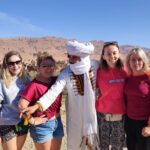
The group size helps. With a maximum of 15 travelers, you’re less likely to get stuck waiting on huge crowds at checkpoints or heritage sites. That matters, especially at places that attract photographers.
You can also read our reviews of more tours and experiences in Marrakech.

Price and value: why $71.58 can make sense here
At $71.58 per person, the real question isn’t whether it’s cheap. It’s what you actually get for that price—and for this itinerary, the essentials are bundled in:
- Air-conditioned transport and round-trip transfers from Marrakech
- One guided visit at Kasbah Aït Ben Haddou
- Dinner and breakfast
- One night in a comfortable desert camp under the stars
- A camel ride
Lunch and soda aren’t included, so you still have a couple of spending gaps. But you’re not paying separately for transport, a guided heritage stop, and the desert overnight + camel portion, which are usually the expensive pieces in multi-day desert trips.
Also, this is the kind of trip where group discounts can matter. The more people you split the vehicle and camp costs with, the closer the price stays to what you want to pay.
If you’re comparing, do it like this: you’re booking a guided cultural moment + desert camp experience + camel ride, not just a drive to a sand area.
Day 1: leaving Marrakech and building up to Aït Ben Haddou
The day begins with pickup/transport to the meeting point and a morning departure. Starting at 7:00 am is early, but it’s the kind of early that helps you arrive at the day’s main stops with daylight to work with.
The Atlas Mountains drive you can feel in your bones
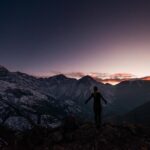
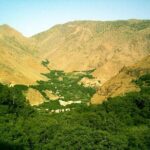
Even if you’ve never studied Morocco’s geography, you’ll notice the mood shift as you head toward the Atlas region. The temperature tends to change, the scenery gets more rugged, and the road feels less like a city commute and more like a journey.
What you’ll appreciate here is that the tour uses an air-conditioned vehicle, which can be a lifesaver in the heat before you reach cooler evening desert air. You’ll also likely stop for scenic photos and short stretches so you’re not stuck staring at the same view for hours.
Ouarzazate and village stops: quick looks, not slow sightseeing
Along the way, you’ll pass through the kind of towns and village areas where tourism is part of everyday life. The stops tend to be practical: time for photos, quick shopping, and brief cultural glimpses.
This is where expectations help. If you want long, unhurried wandering on your own schedule, a two-day format won’t give you that much freedom. The tour is designed to keep costs down and keep the group moving.

Aït Ben Haddou: the UNESCO stop you actually need a guide for
The standout cultural stop is the guided visit to Kasbah Aït Ben Haddou, a UNESCO World Heritage site. This is one of those places where guide context changes everything. The kasbah is a living lesson in how architecture, climate, and trade routes shaped daily life.
When you go with a guide, you’re more likely to understand:
- why these earth-toned walls matter
- how the kasbah functioned historically
- what to look for when the structures blend into the landscape
Aït Ben Haddou is also the ideal place to take your time for photos, especially if your guide builds in a window to explore at your own pace.
Camel trek setup: the shift from buildings to sand
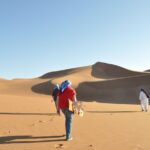
After the heritage stop and village moments, the day turns toward Zagora and the desert edge. The camel experience isn’t just a ride—it’s the moment you leave the human schedule behind and step into a slower rhythm.
Your trip includes camel riding, and the camp is set for overnight desert life, not a quick photo-and-go. So you’re not racing straight back into Marrakech the same day.
Night in a Berber tent: what comfort looks like here
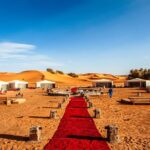
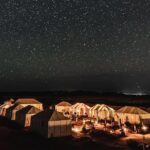
Sleeping under the stars is the headline, and it’s also the part that most strongly sells the tour. You’ll overnight in a camp described as comfortable, in a Berber tent, and you’ll have dinner included.
The value here is atmosphere. The desert night works in your senses: cool air, darker skies than you’ll see in big cities, and a different kind of silence. Even if you don’t love camping, this is the kind of sleep that makes the earlier long drive feel worth it.
The basics: plan for limited washing
One practical consideration: in the desert camp setup, don’t count on spa-level wash-up. There’s no mention of showers, and one common complaint is lack of water for simple face-washing. That doesn’t mean it’s a disaster—it means you should pack smart.
I’d bring:
- a small pack of wet wipes
- lip balm and moisturizer (dry air is real)
- anything you need to feel human in the morning
Also, simple camp rules apply. Keep your space tidy, store valuables safely, and treat the camp like you’re sharing someone else’s hospitality.
Dinner and tea rhythm
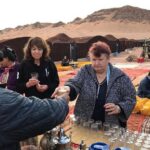
Dinner is included, and the tone from the better experiences is that it’s genuinely enjoyable. You’ll also likely be offered tea as part of the desert camp culture (at least one account specifically notes tea during the evening).
Meals in this setting are usually straightforward: enough food to keep you going, served at a desert-friendly pace. If you’re sensitive to meal timing or portion size, remember this is a basic camp format, not a full-service restaurant.
Day 2: breakfast, desert mood, and the long ride back
Day 2 is the return half, and it starts with breakfast included. The desert-to-road transition happens fast: you wake, eat, and then the vehicle becomes your main space again.
Breakfast: fill up, but don’t assume big portions
Breakfast is included, but some people report it can be on the simple side, even scarce. So if you’re a big eater or you get hungry quickly, I’d bring a snack for the late morning window during travel.
Then you’ll move back toward Marrakech with the same kind of stop-and-go pacing as the outbound drive. Because lunch isn’t included, your best bet is to be ready for whatever meal option is possible along the way—or keep an emergency snack stash.
The return drive: how to make it feel shorter
The biggest complaint you’ll see around tours like this is that the distance is long and you spend a lot of time in the bus. That’s not unique to this trip—it’s the desert reality.
To make it easier:
- keep water with you (even if the camp has limited wash-up water)
- use offline maps and music, because network can be spotty
- take short photo breaks seriously when you get them
The camel ride: fun factor, photo factor, and getting comfortable
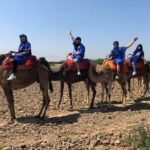
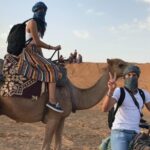
The camel ride is one of the main highlights. It’s also one of the most memorable parts, because it’s hands-on and it changes your perspective. You’re higher up than you expect, and the movement feels rhythmic, like walking a slow animal instead of sitting in a vehicle.
Most importantly, this is exactly the kind of activity you’ll remember long after the road stops blend together. It’s not just a ride—it’s a moment that feels distinctly Zagora desert, away from city rules.
A quick practical tip: wear shoes you’re comfortable in for uneven ground and consider clothing that won’t make you regret getting dusty. Even if the camel ride is short, dust has a way of finding everything.
Group size and guides: what you gain, what you should watch
This tour caps at 15 travelers, which helps with comfort and flow. You’ll also have a guided visit at Aït Ben Haddou, and you should expect local guides at village stops.
Where things can get tricky is language. Some people report a Spanish language gap on certain segments. If you need a specific language, don’t assume it will be available on every stop. Ask questions when you book, and be realistic about how much interpretation you’ll get on the road and in smaller village moments.
Another note: on the village and stop side, there can be moments where you’re guided and asked about services or fees. If you want to explore on your own, ask clearly what’s included and what might be optional before you wander into a shop area or a guided segment.
The upside is that guides can enrich the trip fast. The downside is you might feel less free than you expected. You can reduce that stress by asking direct questions early.
What’s included (and what isn’t) so you can plan your budget
Included:
- Dinner
- Breakfast
- Air-conditioned vehicle
- 1 overnight in a comfortable camp under a starry sky
- Camel ride
- Guided visit to Kasbah Aït Ben Haddou
- Round-trip hotel transport from Marrakech
Not included:
- Lunch
- Soda/Pop
This is actually pretty common for desert tours. The practical move is to plan snacks and decide how you’ll handle lunch. Since the day is long and road time is significant, your food strategy matters more than you’d think.
Best fit: who should book this Zagora tour?
This tour fits best if you want a desert experience without the effort of planning. It’s great for:
- First-time Morocco visitors who want both heritage and desert in one compact trip
- Couples and small friend groups who like a structured plan
- People who enjoy cultural stops but don’t need every hour to be self-directed
- Anyone who wants a camel ride and a night under the stars without luxury pricing
It might not be your best match if you:
- hate long drives and want minimal bus time
- need showers and lots of wash-up water
- require a specific language for every stop
Should you book this 2-days Zagora tour from Marrakech?
I’d book this tour if your top priorities are Aït Ben Haddou with a guide, a real camel ride, and sleeping in a desert camp without the hassle of planning. The included dinner/breakfast and desert overnight make the price feel fair, especially with the small-group size and round-trip transport.
I’d think twice if you’re very sensitive to basic camp conditions or you expect lots of free, independent wandering. This is an efficient route with built-in stops, so the best results come from going in with flexibility.
If you do book, pack for desert basics: wet wipes, a small snack for gaps in meals, and something warm for night. Then treat the long road as part of the experience, not a tax on it. When the stars show up, you’ll understand why people keep doing this trip.
FAQ
What is the start time for the Marrakech pickup?
The tour starts at 7:00 am.
How long is the Zagora desert trip?
It’s listed as approximately 2 days.
Does the tour include transportation from Marrakech?
Yes. Round-trip hotel transport is included, and the tour also offers pickup.
Are meals included?
Dinner and breakfast are included. Lunch is not included.
Is the camel ride included?
Yes, a camel ride is included as part of the experience.
Where do you sleep during the overnight?
You sleep one night in a comfortable camp under a starry sky in a Berber tent.
What is the group size limit?
The tour has a maximum of 15 travelers.