REVIEW · KATHMANDU
15 Days Manaslu Circuit Trek
Book on Viator →Operated by Yak Ru Adventure · Bookable on Viator
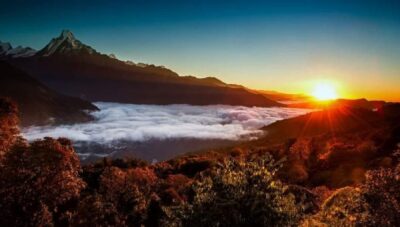
Manaslu doesn’t rush you. It slowly lifts you from Nepal’s lowlands into high alpine country while you circle Mt Manaslu and pass through villages with Tibetan-style roots.
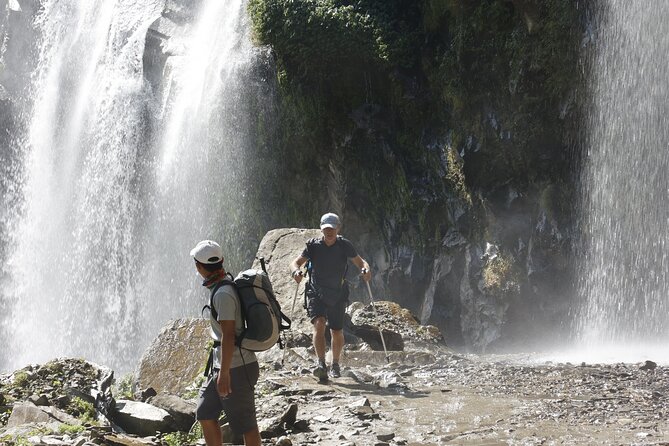
I really like the mix of culture + real trail time. You’re not just hiking for photos; you’re moving through terraced farmlands, forests, hot springs, waterfalls, and glacier country, with tea stops and local lodge life along the way.
Two things I love most are the pro setup (English-speaking guide, satellite phone and oximeter, permits handled) and the small-group feel with a max of 14 people. One possible drawback: this is still a mountain trek with a long, challenging pass day, so you’ll want to train and go in with realistic expectations about endurance.
In This Review
- Key Points Worth Knowing
- Manaslu Circuit in Plain Terms: What This 15-Day Trek Gives You
- Kathmandu Arrival: Jet Lag Meets a Real Briefing
- Getting From Kathmandu Toward the First Trek Valleys
- Machhakhola to Jagat: Hot Springs, River Bridges, and First Real Climbing
- Jagat to Deng: Pine and Bamboo Country
- Deng to Namrung: Fields, Bridges, and Tibetan-Style Highland Living
- Namrung to Shyala: Ethnic Villages and a Gompa With a View
- Shyala to Samagaun: Punggyen Gompa and Glacier Drainage Views
- Rest Day in Samagaun: Birendra Lake and Quiet Acclimatization
- Samagaun to Samdo: Birch and Juniper, Plus Tibetan Refuge Territory
- Samdo to Dharmasala: Yaks, High Pastures, and Manaslu Views
- Larke La Pass Day: The Long Challenge That Anchors the Whole Trip
- Bimtang to Dharapani: Kechakyu Khola Glacier and Rhododendron Forest
- Back to Kathmandu: Besishahar Road Ride and a Farewell Dinner
- Price and Value: Is $1,450 a Fair Deal for Manaslu Circuit?
- Guides, Safety Gear, and Group Size: The Comfort Layer
- What the Trek Feels Like Day to Day (Without the Sales Gloss)
- Packing and Pace Tips That Actually Help Here
- Who This Trek Fits Best
- Should You Book the Manaslu Circuit With Yak Ru Adventure?
- FAQ
- What is the duration of the Manaslu Circuit Trek?
- Where does the trek start and end?
- How many people are in the group?
- What is included in the price?
- What meals are not included?
- Do I need to arrange permits?
- Is medical evacuation covered?
- What kind of fitness level do I need?
- Is transportation provided from Kathmandu?
Key Points Worth Knowing
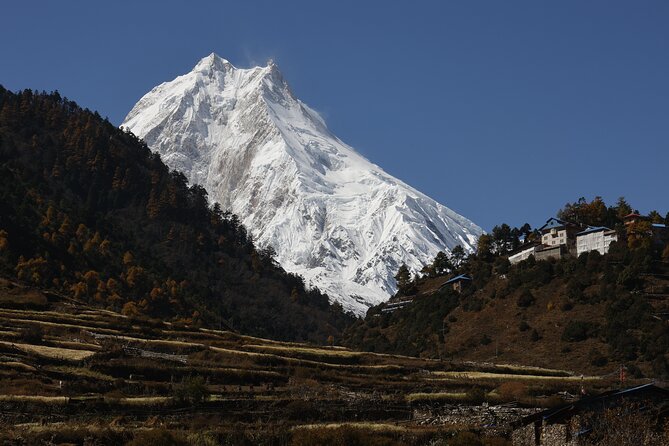
- Mt Manaslu circuit scenery: you circle the 8th-highest peak, with big panoramic moments from places like Punggyen Gompa.
- Culture on the route: Tibetan-style villages and gompa visits (Ribung Gompa, Punggyen Gompa) make the trek feel personal.
- A true acclimatization day: Birendra Lake on your rest day helps your body adjust while you stay in the rhythm of the trip.
- Wildlife and livestock in view: Himalayan Thar is possible, plus you’ll see yaks grazing on the higher pastures.
- A long pass day: Larke La is the challenge peak of the trek, with a steep climb and a hard descent afterward.
- Guides and logistics that reduce stress: private vehicle transfers, rescue/evac arrangements, and gear prep support.
Manaslu Circuit in Plain Terms: What This 15-Day Trek Gives You
If you want the kind of trek where the days feel full and the scenery keeps stacking up, Manaslu Circuit is a strong pick. You start down in the lowlands, then work your way upward into high alpine territory above 5000 meters, circling Mt Manaslu and passing through settlements that look more Tibetan than you might expect for Nepal.
What makes this trek especially interesting is the variety of “worlds” you walk through. You’ll go from river valleys to pine and rhododendron forests, then into glacial drainages and high pastures. You also get repeated chances to slow down and take in views from gompas and village lookouts rather than only getting scenery at the top of one big summit.
The route is also built for people who want adventure without chaos. You’re trekking with local guides and porters, and the guiding team is set up for English-speaking travelers with an oximeter and satellite phone on hand.
You can also read our reviews of more tours and experiences in Kathmandu.
Kathmandu Arrival: Jet Lag Meets a Real Briefing
Your trip starts in Kathmandu with a welcome and transfer to a hotel, plus time to reset. You’ll meet your guide in the hotel lobby and get a briefing for the next day. This matters more than people think. A good briefing helps you understand what’s coming, which saves you mental energy later when the trail gets serious.
You’ll spend three nights in Kathmandu in a 3-star hotel on a bed-and-breakfast basis. That’s a comfortable buffer before you start climbing. Kathmandu logistics can be a bit intense, so having your ground transfers handled makes the start cleaner.
The second evening is mostly preparation: your guide helps you get your gear sorted so you’re not trying to improvise packing decisions at the trailhead.
Getting From Kathmandu Toward the First Trek Valleys
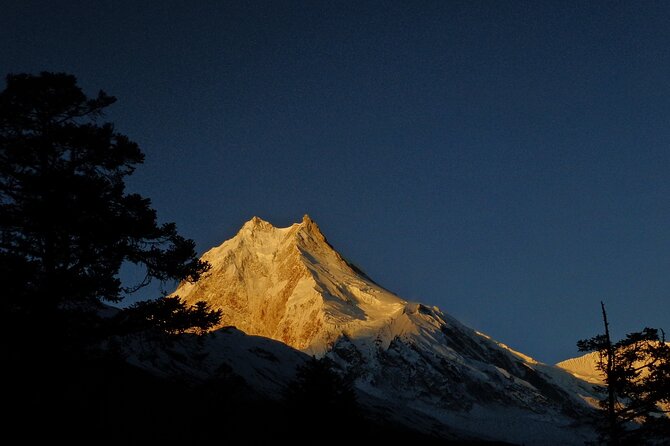
After breakfast, you’ll drive toward Machhakhola, passing through Arughat and Sotikhola. The road changes character along the way: blacktopped early on, then dirt road sections after Arughat. Translation: you’ll feel the vehicle ride, but you’re also building a buffer day before your first proper hiking stretches.
You’re looking at about 8 hours of driving for Day 3. It’s long, but it’s also a practical way to position you for the trekking rhythm. Once you start walking, you’ll appreciate having already “arrived” into the area instead of stacking too much travel on top of altitude.
Machhakhola to Jagat: Hot Springs, River Bridges, and First Real Climbing
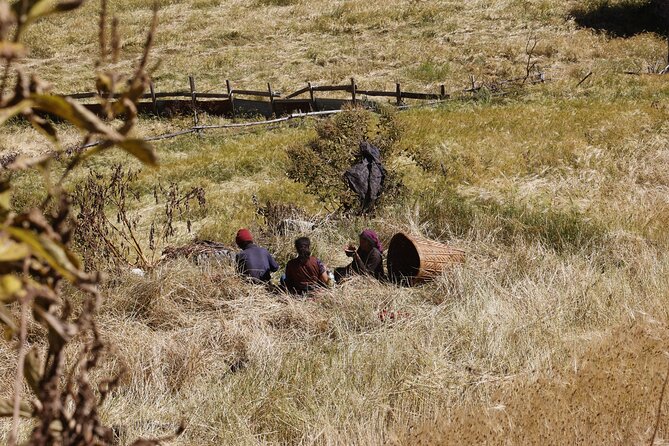
Day 4 starts after you cross the bridge over Machha Khola. Then you’re on a rugged vehicle road for a while, plus a climb that eventually brings you to Tatopani—famous here for hot springs. That short break is more than a nice moment. When your legs are fresh but your body is still adjusting, a warm soak can help you feel less beat up later.
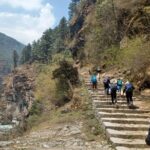
From there you’ll cross Budhi Gandaki and continue upward, reaching Thulo Dhungga, Yaruphant, then a suspension bridge before arriving in Jagat. This day is a good “wake-up call.” It mixes walking surfaces, suspension bridge moments, and steady elevation gain that prepares your body for what comes next.
Potential consideration: suspension bridges and rugged roads mean you’ll want sure footing and a calm head. If you’re nervous on bridges, bring your focus and move slowly.
Jagat to Deng: Pine and Bamboo Country
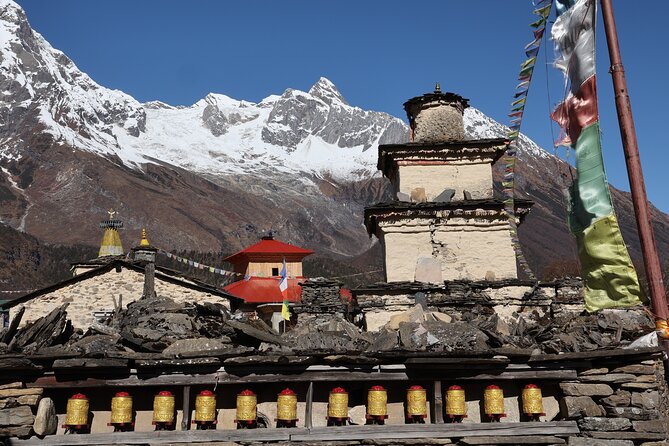
Leaving Jagat behind, you climb toward Salleri and then reach Sirdibas. You’ll cross Ghatte Khola and walk over a long suspension bridge. After that, the trek pushes upward again—through Philim and Ekle Bhatti—then you reach Nyak Phedi and pass pine and bamboo forests before arriving at Dang.
This section feels different from Day 4 because you’re spending more time walking through forest zones and crossing smaller bridge after smaller bridge. It’s a day for steady pacing rather than sprinting for distance. Your lungs and legs will teach you the tempo.
Practical tip: plan to take small breaks before you feel tired. That keeps your pace smoother and your day less stressful.
Deng to Namrung: Fields, Bridges, and Tibetan-Style Highland Living
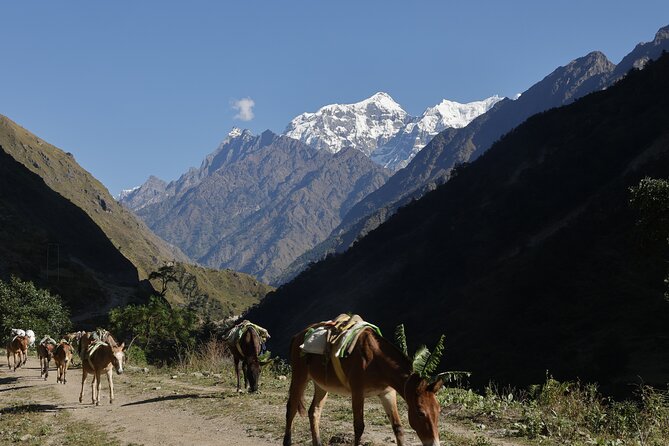
On Day 6, the trail begins narrow at first with flatter terrain, then you’ll deal with landslide areas before reaching Ghap via bridges and more river crossings. After Ghap, the route keeps crossing bridges over the Budhi Gandaki River and walking alongside beautifully cultivated fields.
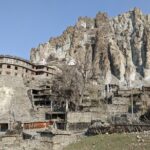
Eventually, you climb through low alpine forest to Namrung, a highland hamlet inhabited by people resembling closely to Tibetans. That’s one of the big cultural shifts on the Manaslu Circuit. You’re not just hiking in an alpine zone—you’re entering a region where architecture, clothing, and daily life feel closer to Tibetan traditions.
Drawback to consider: long bridge sequences and upslope sections mean you can’t rely on the day being easy just because the views are nice.
Namrung to Shyala: Ethnic Villages and a Gompa With a View
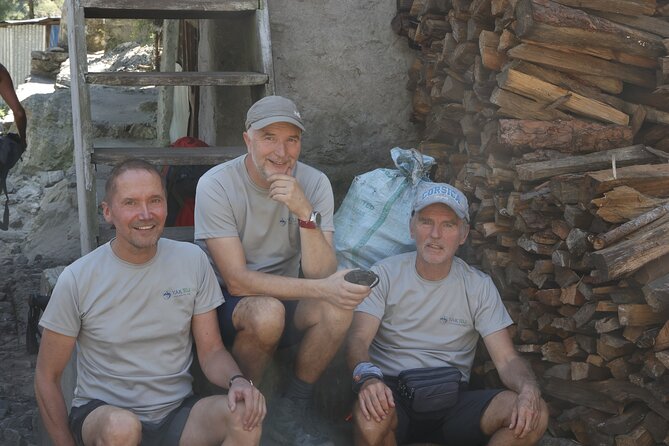
Day 7 takes you through Bhanzam, passing ethnic villages like Lihi, Sho, and Lho. You’ll visit Ribung Gompa in Lho village, set on a hill with a magnificent view of Manaslu. Then you continue trekking through pine and rhododendron forest to reach Shyala.
This day is a favorite for people who enjoy seeing how religion and daily life connect. Gompa visits aren’t just scenic. They’re part of how people mark the landscape and share meaning with visitors.
One consideration: if you get motion-heavy or sensitive on uneven paths, keep your pace steady on the forest sections where footing can get varied.
Shyala to Samagaun: Punggyen Gompa and Glacier Drainage Views
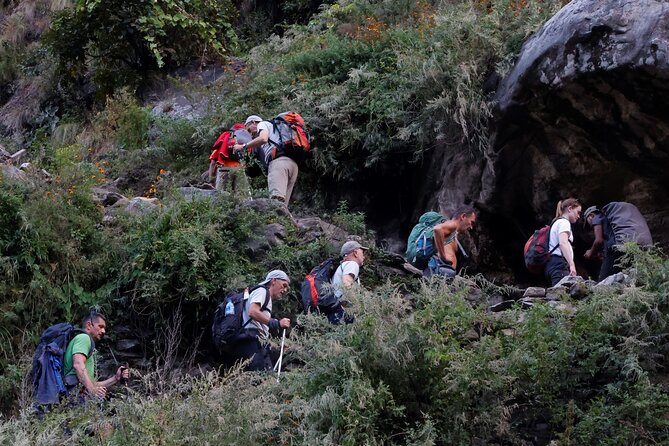
On Day 8, you climb to discover Punggyen Gompa before trekking to Samagaun with a packed lunch. The route goes through pastures and crosses a river draining from the Pung Gyen glacier. From Punggyen Gompa, you get impressive panoramic views of surrounding peaks and the eastern face of Manaslu.
Then you descend back and join the main trail into Samagaun, the last largest village in the Manaslu region. Samagaun is where the trek begins to feel more remote and high, and where you’ll start to notice the landscape changing in a big way.
Practical note: this day is shorter (about 5 hours), but don’t let the time fool you. The terrain and elevation still do their job.
Rest Day in Samagaun: Birendra Lake and Quiet Acclimatization
Day 9 is a rest day. You’ll take a short excursion to Birendra Lake for acclimatization. On the hike, you might also come across wildlife like Himalayan Thar. Even if you don’t see animals, the point of the day is smart: you gain altitude gradually without forcing a full trekking push.
This is a big deal for comfort. Your body handles altitude better when you give it a structured chance to adjust.
If you’re the kind of traveler who can’t sit still, this day is still active—but it’s active in a way your body can tolerate.
Samagaun to Samdo: Birch and Juniper, Plus Tibetan Refuge Territory
Day 10 brings forests of birch and juniper, then small villages. You’ll cross a wooden bridge over the Buddhi Gandaki River and reach Samdo, a small Tibetan refugee village.
This is the kind of stop that reminds you that geography is personal. People live here, raise animals, and build communities at elevation, and the trek passes through their day-to-day world.
Samdo to Dharmasala: Yaks, High Pastures, and Manaslu Views
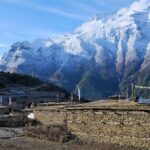
On Day 11, you cross a suspension bridge and ascend gradually through high pasturelands. You’ll see yaks grazing, with views of Manaslu North, Larkya Peak, and the Larkya glacier on the left side of the trail. After crossing several rivulets, you reach Dharmasala.
This is a steady build-up day, and it sets you up for the real challenge ahead. You’ll feel the tiredness in your legs if you’ve been rushing earlier. Don’t rush. It’s better to keep your effort consistent.
Larke La Pass Day: The Long Challenge That Anchors the Whole Trip
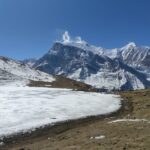
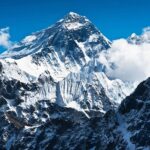
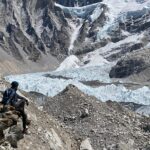
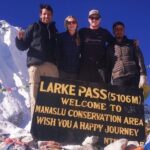
Day 12 is the long one. After breakfast, you start early, reach the north side of Larkya glacier, then take a steep path up to the top of the Larke La Pass. From the pass, you’ll enjoy stunning views of Himlung Himal, Cheo Himal, Kangguru, and Annapurna II, plus other mountains.
Then you descend to Bimtang. It’s a long and challenging day compared to the others, and that’s exactly why it’s the centerpiece of this trek.
How to plan your mindset: aim for steady breathing and controlled steps, not speed. On pass days, you’re not trying to “win” the mountain—you’re trying to finish it well.
Bimtang to Dharapani: Kechakyu Khola Glacier and Rhododendron Forest
On Day 13, you pass the Kechakyu Khola Glacier and trek through rhododendron forest. You’ll get beautiful views of Mt Manaslu along the way, then reach Gho village and head toward Tilije.
Tilije is important because it includes facilities for hot shower, wifi, and electricity from here onwards. That matters on a practical level after many days of basic lodge life. It helps you recharge your body and your phone battery—both are survival tools.
Finally, you continue onward to Dharapani, keeping you positioned to exit back toward Kathmandu.
Back to Kathmandu: Besishahar Road Ride and a Farewell Dinner
Day 14 shifts from trail to vehicle. You drive back to Kathmandu via Besishahar, then check into your hotel. In the evening, you’ll have a farewell dinner organized by the company.
After a trek like this, a farewell dinner isn’t just a nice touch. It’s your landing. It gives you time to talk about what you saw—mountain views, village culture, the bridge moments, and the pass day—without rushing straight into airport stress.
Day 15 ends with a transfer to Tribhuvan International Airport after breakfast, with an escort from the company.
Price and Value: Is $1,450 a Fair Deal for Manaslu Circuit?
At $1,450 per person, the price makes sense for a trek that includes real support: porters and assistant guides (scaled to group size), permits and paperwork, private ground transfers in Kathmandu and to the trekking area, and professional English-speaking guiding with satellite phone and an oximeter.
You’re also getting meal support on trek days: tea and coffee during the trek, plus scheduled breakfasts, lunches, and dinners included in the plan. That’s not just about food—it’s about not having to negotiate every meal while you’re tired and focused on altitude.
The big value signal is safety and administration. Rescue and evacuation arrangements are included in the trek package, and your guide carries satellite communication tools. Also, permits are handled for you, which saves you time and headaches.
The main cost you’ll need to plan for: meals in Kathmandu (plus lunch and dinner while you’re there), tips for local staff, and medical evacuation cost if it comes up. That’s normal for treks, but it’s worth budgeting so there are no surprises.
Guides, Safety Gear, and Group Size: The Comfort Layer
This trek runs with a maximum of 14 travelers. That small size tends to create a better flow on the trail and less crowding in lodge areas.
Guide quality matters on a trek like Manaslu. Past groups have praised guides such as Suresh and Sujan for being more than ticket-stubbers—storytelling, flexibility, and genuine enthusiasm for the mountains and local people. One noted strength was a guide who could speak fluent English and French.
From a practical standpoint, your guide is equipped with a satellite phone and an oximeter. That tool helps you monitor oxygen levels during the trek, which is a key part of managing altitude risk. It does not remove risk, but it supports smart decision-making.
What the Trek Feels Like Day to Day (Without the Sales Gloss)
Early days are about adapting. You’ll spend time crossing bridges, walking through river valleys, and climbing toward forests and village areas like Jagat and Deng. These days teach your legs the routine: step carefully, hydrate, and keep moving even when the trail gets repetitive.
Mid-trek is where the culture and panoramic moments start stacking. Places like Ribung Gompa and Punggyen Gompa give you those “slow down” view breaks. Samagaun adds a rest day that feels like someone planned it for your body, not just the calendar.
Then comes the pass day. After that, the trek shifts again into glacier and forest sections and ends with more village comfort. Tilije’s hot shower, wifi, and electricity from there onwards is the kind of practical relief that makes the last hiking push feel worth it.
Packing and Pace Tips That Actually Help Here
I can’t tell you what to pack for your exact body or your exact climate, but I can tell you what matters for this route based on how it’s scheduled.
- Plan for a long day on Larke La. Start with slow steps and keep your energy even.
- Expect uneven footing and lots of bridge crossings. Trekking poles can help, especially on descents.
- Use your rest day logic on Day 9. Don’t treat it like an excuse to overdo it.
- Keep your electronics charged when you can. Tilije offers wifi/electricity, which is useful for resets.
Also: moderate physical fitness is stated as the baseline. If you’re near the edge, training before the trek will pay off fast.
Who This Trek Fits Best
This trek fits best if you want:
- A culture-rich circuit that includes villages, gompas, and high pasture living
- A guide-led experience with safety tools and organized logistics
- A solid challenge that still has structure (rest day, clear stages, supported trekking)
It may not be the best choice if you hate long hiking days, struggle with altitude, or can’t manage fatigue during a pass day.
Should You Book the Manaslu Circuit With Yak Ru Adventure?
If you’re aiming for an authentic, less-crowded-feeling trek that moves through Tibetan-influenced villages, forests, glacier country, and a serious high pass day, this is a strong match. The value improves further if you like having logistics handled: permits, private transfers, and a guide equipped with communication and oxygen monitoring.
Book it if you can commit to training and a steady pace on the hardest day. Think twice if you want an easy walk with minimal elevation pressure. Manaslu is not a stroll. It’s an earned mountain experience, and that’s exactly why it works.
FAQ
What is the duration of the Manaslu Circuit Trek?
The trek is listed as approximately 15 days.
Where does the trek start and end?
It starts at Tribhuvan International Airport in Kathmandu, Nepal (meeting start time is 5:45 am). It ends with an escort to Tribhuvan International Airport for your flight after breakfast on the final day.
How many people are in the group?
The maximum group size is 14 travelers.
What is included in the price?
Included items are porters and assistant guides (based on group size), 3-night accommodation in Kathmandu in a 3-star hotel on a bed-and-breakfast basis, all ground transfers in private vehicles, rescue and evacuation arrangements in case of emergency, permits and paperwork, a professional English-speaking guide with satellite phone and oximeter, tea and coffee during the trek, and the trek meal plan (breakfast, lunch, and specified dinners).
What meals are not included?
Meals in Kathmandu are not included, and lunches and dinners while you are in Kathmandu are also not included.
Do I need to arrange permits?
No. Necessary permits and paperwork are included.
Is medical evacuation covered?
Rescue and evacuation arrangements are included, but medical evacuation cost is listed as not included.
What kind of fitness level do I need?
The information says travelers should have a moderate physical fitness level.
Is transportation provided from Kathmandu?
Yes. All ground transfers are provided in private vehicles, and pickup is offered.