REVIEW · SA PA
Sapa: Trekking Through Terraced Rice Fields & Valley 1 Day
Book on GetYourGuide →Operated by Sapa Odyssey Tour · Bookable on GetYourGuide
The hills around Sapa make it hard to stay on the main road. This 6-hour trek strings together terraced rice views with real village life, from H’Mong traditions to Ta Van’s mixed ethnic communities. I like that it’s guided from start to finish with an English-speaking pro, and you also get a proper lunch built into the route. One thing to note: it’s a walking-focused day, so you’ll want solid shoes and you should be ready for uneven paths.
The route is best if you enjoy slow travel on foot. The main drawback is that it’s not suitable for mobility impairments or wheelchair users, and it’s not listed as a fit for pregnancy. If you’re sensitive to heat, sun, or insects, pack smart and plan for weather changes.
In This Review
- Key points to know before you go
- Rice Fields, Villages, and a Day That Flows
- Getting Oriented: Pickup and the Briefing Moment
- The First Trek Segment: Gardens, Bamboo, and the Muong Hoa River
- Y Linh Ho: Fresh Mountain Air and Terrace Views
- Lao Chai Village: H’Mong Homes and Textile Traditions
- Lunch by the Stream: Black H’Mong Food and a Real Break
- Ta Van Village: Terraces Plus Zay, Hmong, and Red Dao Culture
- Transportation and Timing: A 6-Hour Plan That Doesn’t Drag
- Value for $30: What You Actually Get
- What to Bring (So the Day Feels Easy)
- Who This Trek Fits Best
- Should You Book This Sapa Trek Through Terraced Rice Fields?
- FAQ
- How long is the trekking tour?
- What is included in the price?
- Where do I meet the guide?
- What time does the tour end?
- What villages and areas does the trek pass through?
- Is lunch provided?
- What should I bring?
- Is the tour suitable for everyone?
Key points to know before you go
- English-speaking guide who helps you connect the scenery to the cultures you see
- Muong Hoa Valley walking route linking rice fields, gardens, bamboo, and river-side scenery
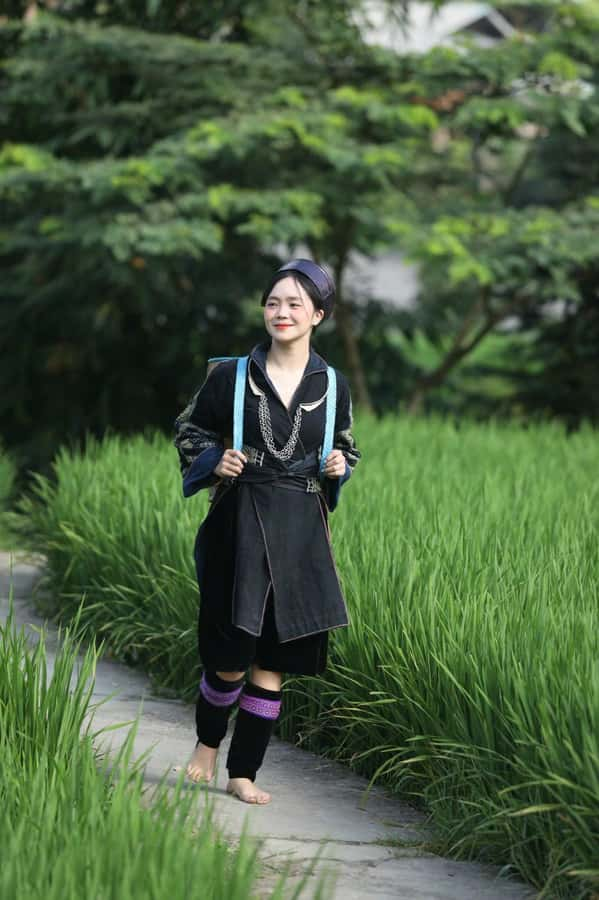
- Lao Chai H’Mong village stop with observations of textile practices like cloth flattening and indigo dyeing
- Black H’Mong lunch by the stream in a small restaurant setting
- Y Linh Ho and Ta Van for classic terraced field views and ethnic variety (Zay, Hmong, Red Dao)
- Time-boxed day: finish around 2:00–3:00 PM and return to Sapa by about 3:00 PM
Rice Fields, Villages, and a Day That Flows
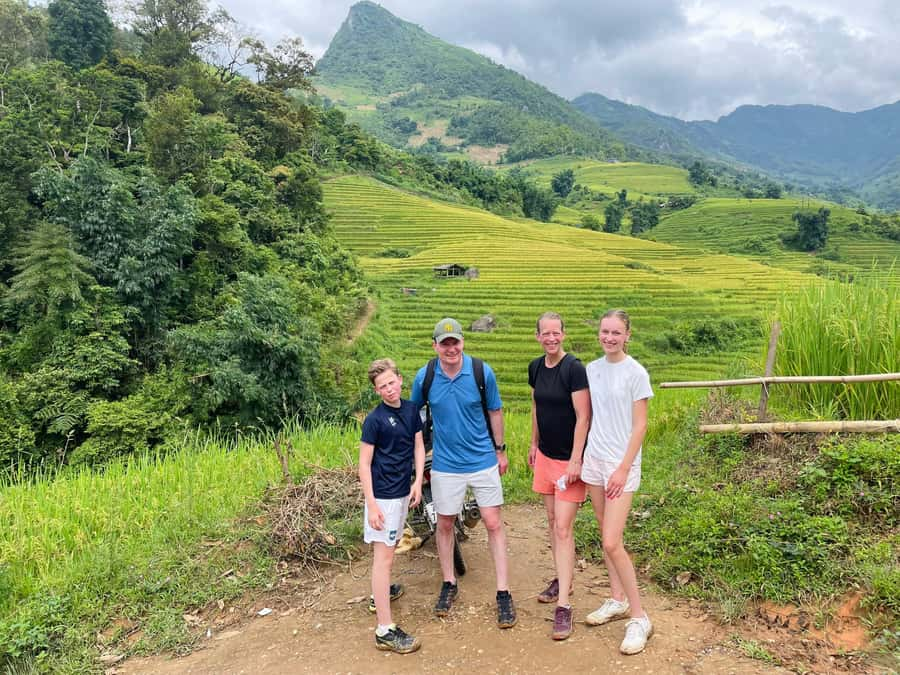
Sapa is famous for views, but this trek earns its reputation by pairing walking time with small, human stops. Instead of only looking outward at the terraced fields, you also spend time looking inward at village life: houses, textiles, and how communities live with the valley.
The pace is built around a morning-to-midday loop through the Muong Hoa area, then onward to Ta Van before you head back. That timing matters. You get daylight for the big photo moments, and you’re back in Sapa early enough to continue your own plans.
You’ll also appreciate the practical way the day is structured. Pickup is either from your hotel in central Sapa or at Sapa Church, then you get a briefing before walking begins. From there, it’s a sequence of scenery + culture stops, with lunch placed when you need it (near the middle of the day).
You can also read our reviews of more tours and experiences in Sa Pa.
Getting Oriented: Pickup and the Briefing Moment
Most Sapa days start with logistics, and this one tries to keep it simple. You’ll either be picked up in central Sapa or meet your guide at Sapa Church. After that, you receive a briefing about what’s ahead, which is useful because the route moves through multiple villages and valley sections.
This is where you’ll get your first sense of whether you’re ready for the walking. You’ll also get guidance on what to watch for along the trail—like river crossings in the valley section, or where the rice terraces and forest edges create the best views.
If you like a smooth start, you’ll probably enjoy this approach. It reduces guesswork and helps you focus on the day instead of the calendar.
The First Trek Segment: Gardens, Bamboo, and the Muong Hoa River
Right away, the trek gives you a “walk into the valley” feel. The trail starts through vegetable gardens and a bamboo forest. That first stretch is more than just warm-up. Those planted areas show you how people use the slopes all around Sapa, not only how the terraces look from a distance.
After about 3 kilometers of walking, you reach the Muong Hoa River. This stop works because it resets your body after the early start and gives you a sense of scale. In a place where hills can feel steep and close, the river area helps you understand where you are in the valley.
Practical tip: this is a good moment to adjust your hat, check your insect repellent, and make sure your water and snacks (if you bring any) are easy to reach. The day has enough walking that you don’t want to keep stopping for gear later.
Y Linh Ho: Fresh Mountain Air and Terrace Views
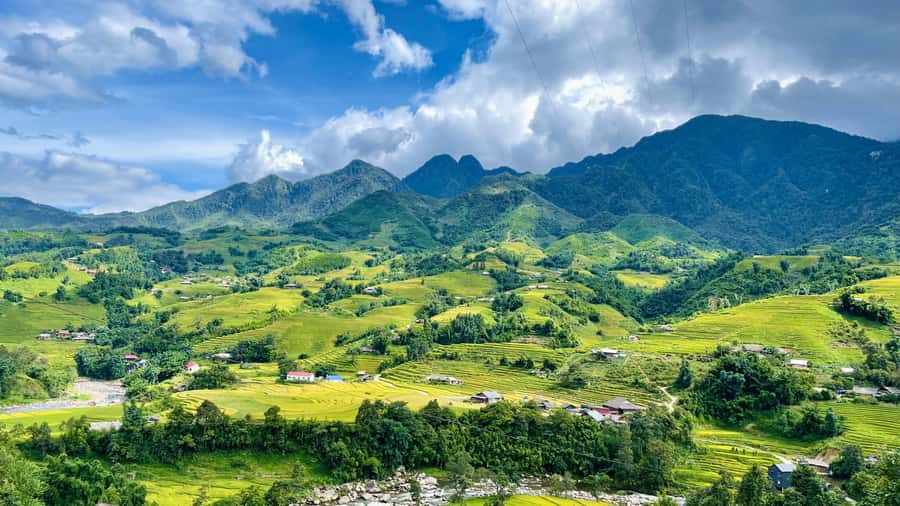
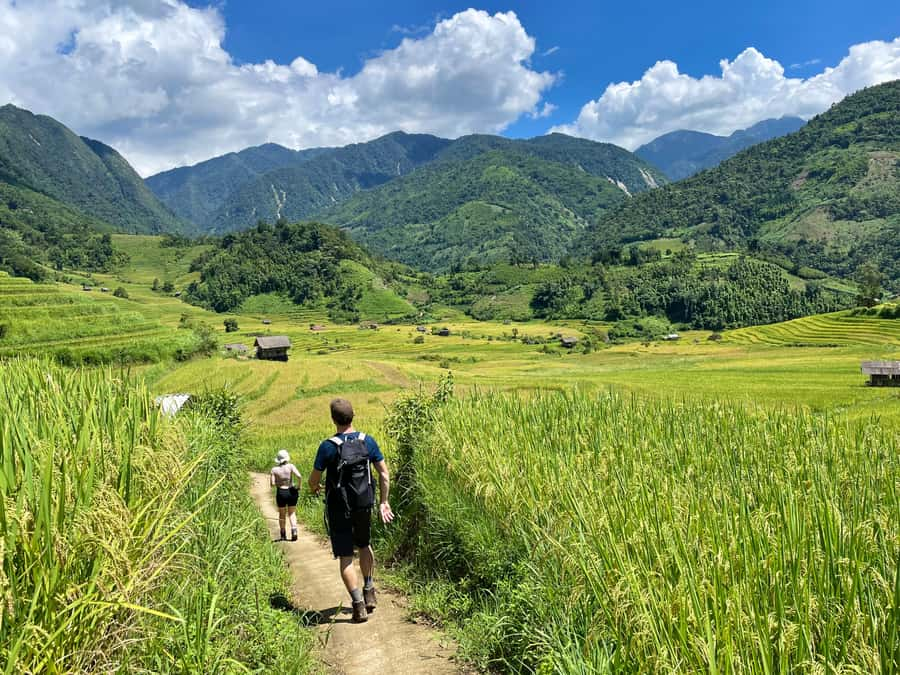
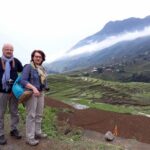
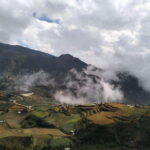
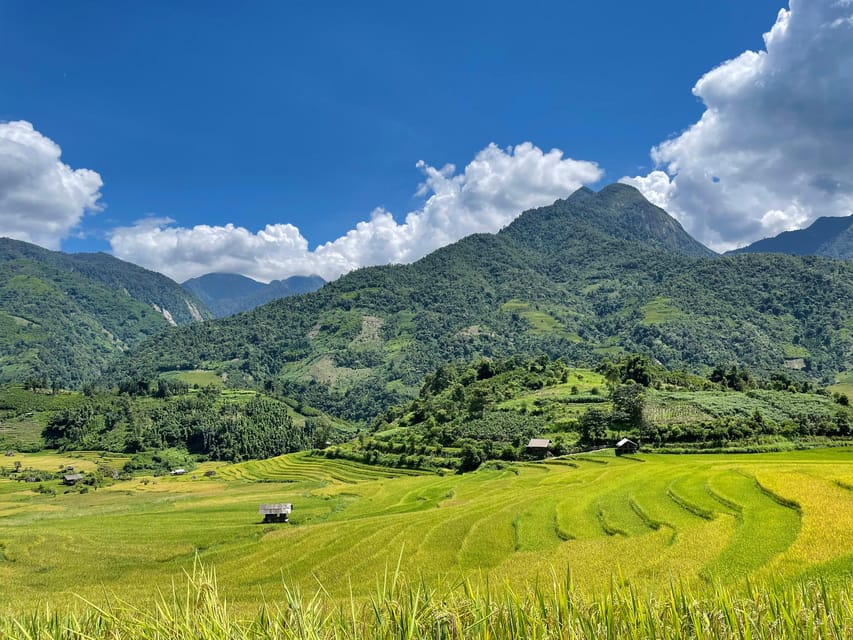
Next comes Y Linh Ho, a village known for its scenery and mountain air. This is one of those stops where the walking itself becomes the highlight. You’ll move through lush green forest edges and open views, with terraced rice fields that change with every bend in the path.
What I like about this section is how it builds variety. You’re not staring at one view all morning. You’ll cross narrow paths through rice fields and then transition toward broader valley perspectives.
If you’re a photographer, this is where you’ll likely do the most pausing. Terraces are visual in layers, and Y Linh Ho gives you that “different angles each turn” experience. Just remember: photography doesn’t replace pacing. In Sapa, the ground can be uneven, so keep your footing first.
Lao Chai Village: H’Mong Homes and Textile Traditions
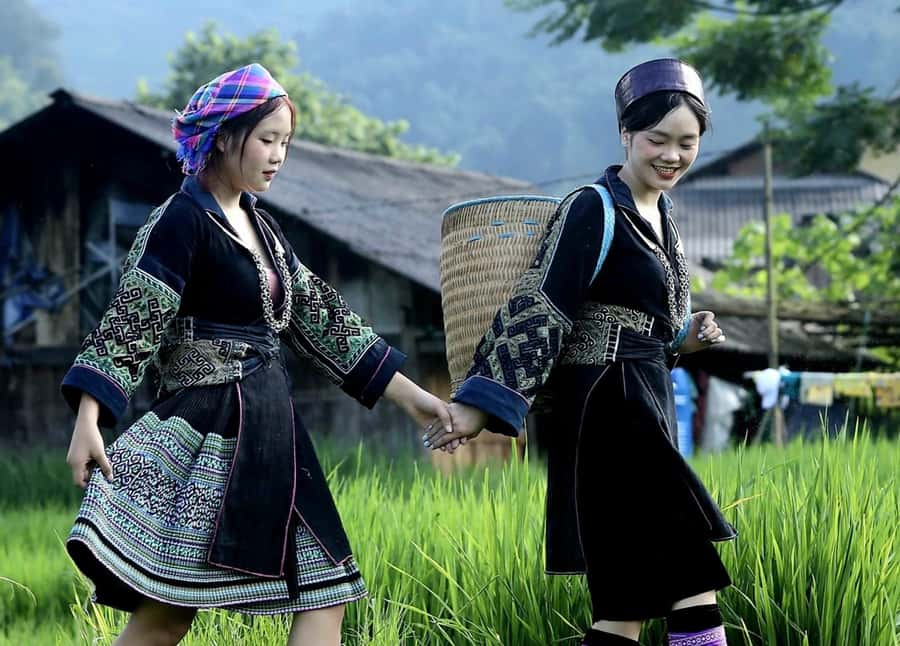
Lao Chai Village is the cultural anchor of the day. This is home to the H’Mong ethnic group, and the visit is designed as more than a quick photo stop. You’ll get a guided look at traditional houses and you can engage with the community.
One of the most interesting parts here is textiles. You’ll observe traditional practices including cloth flattening and indigo dyeing. These aren’t just workshop buzzwords. They explain how clothing is made and maintained in a mountain environment, and they connect everyday craft to local identity.
This stop also tends to be the most meaningful if you ask questions and keep things respectful. People are usually willing to talk when you show genuine curiosity, not just a rush to collect souvenirs.
Possible consideration: because Lao Chai is a village visit, the atmosphere can feel busy at times. If you want quiet, plan to step slightly aside when you want to focus on house details or textile demonstrations.
Lunch by the Stream: Black H’Mong Food and a Real Break
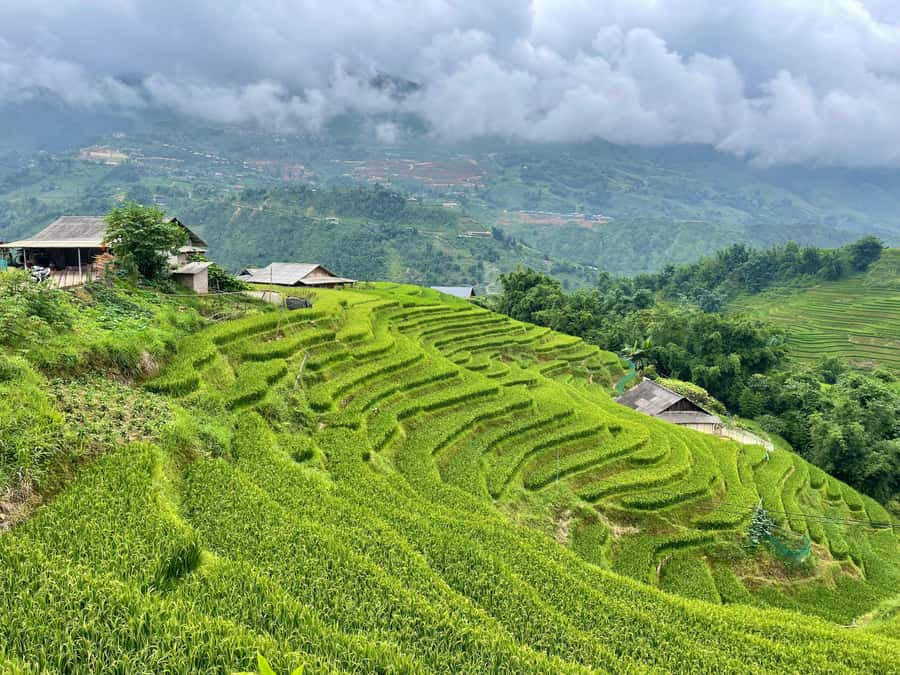
Lunch is served at a quaint restaurant run by the Black H’Mong people. It’s located right by a stream, which changes the whole feeling of the meal. You’re not eating in a rushed, generic restaurant room. You’re eating in the valley with nature sounds around you, and the timing is good because it’s positioned as a true break before the afternoon trekking.
Since lunch is included, this is also where the tour value becomes clear. For $30, you’re not just paying for walking and a guide. You’re also getting a meal built into the route, plus village entrance fees and transport back to Sapa.
If you’re curious, use lunch time to ask what dishes are local and what ingredients come from the valley. Even when the conversation is simple, you’ll come away with a better sense of what daily life might look like here outside the trek.
Ta Van Village: Terraces Plus Zay, Hmong, and Red Dao Culture
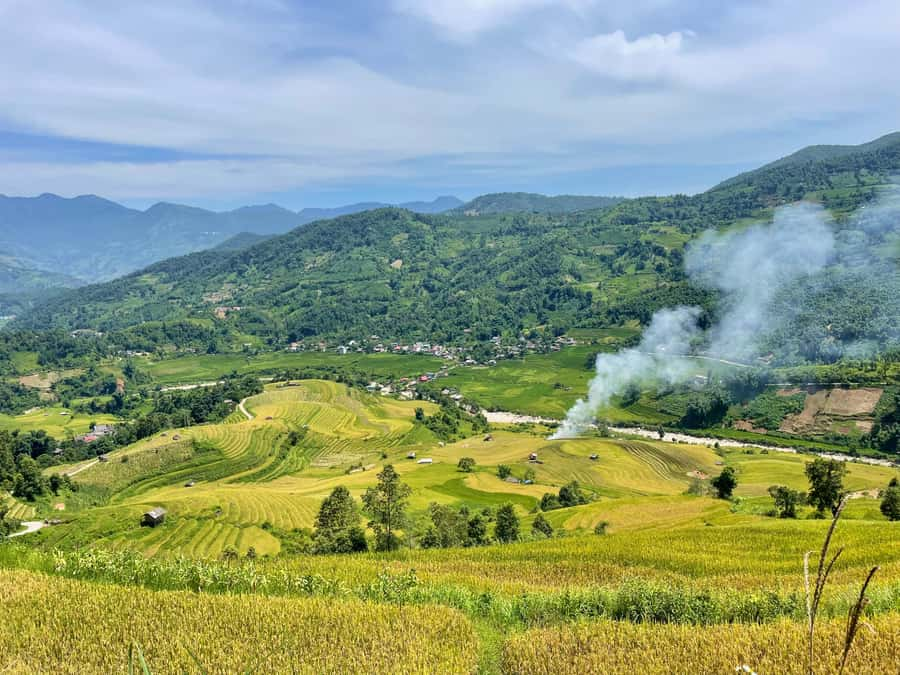
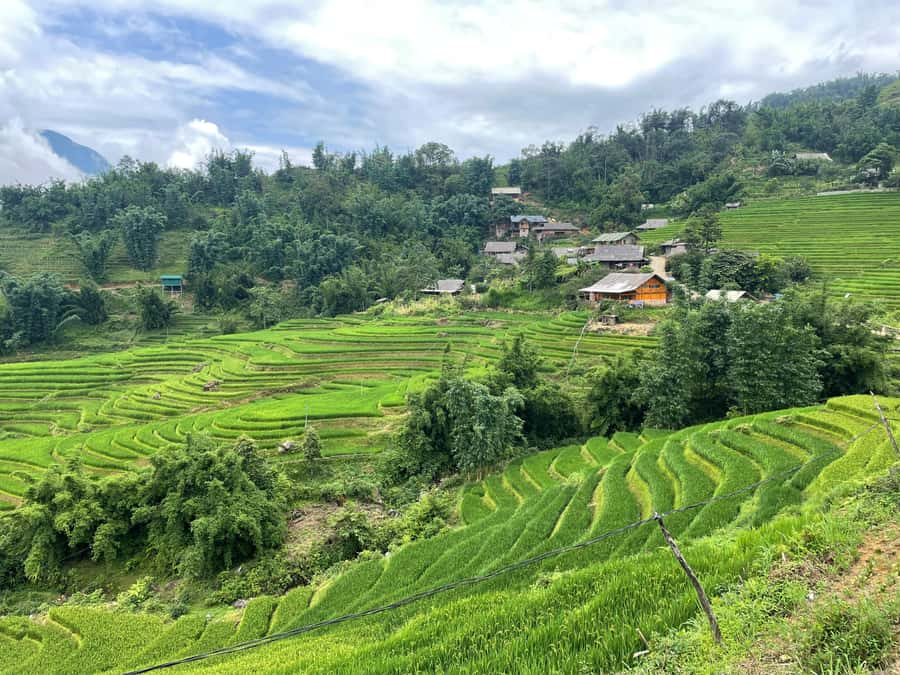
After lunch, you continue along paths through fields and alongside the Muong Hoa Stream toward Ta Van Village. Ta Van is where the trek expands from a single ethnic focus to a broader mix of communities, including the Zay, Hmong, and Red Dao ethnic groups.
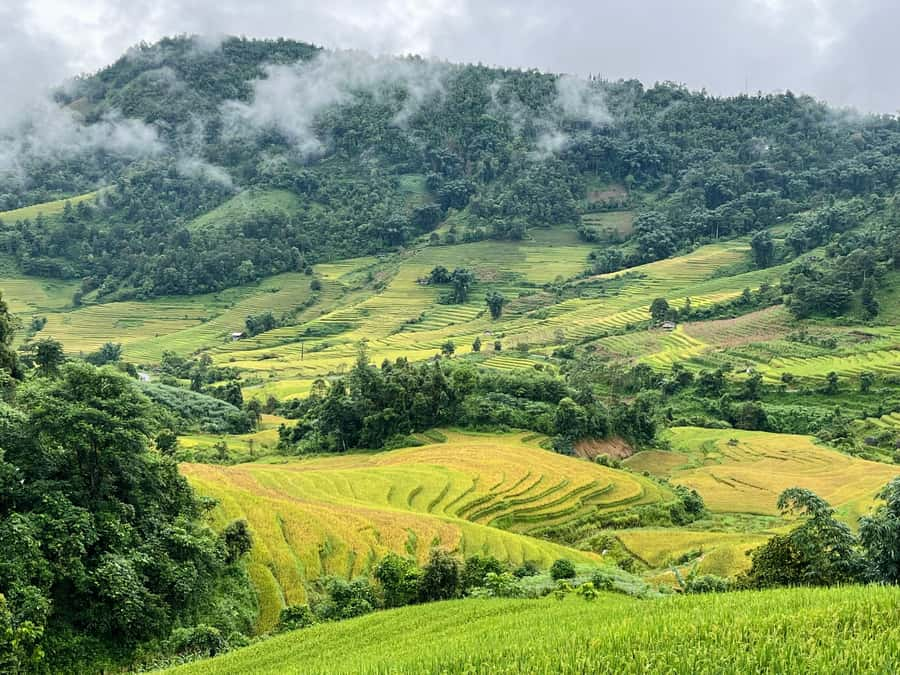
The setting supports the culture. Ta Van’s charm comes partly from the way terraced fields frame the homes and paths, so it feels like a place you’re walking through rather than a checkpoint you’re passing. Along the way, you also get majestic views of the Hoang Lien Son mountain range, which helps explain why people settled in these valleys and shaped agriculture on the slopes.
I also like that Ta Van is positioned as a relaxed end point. The tour has you concluding the visit around 2:00–3:00 PM, then transferring you back to your hotel or central Sapa. That early finish gives you time to shower, rest, and still enjoy Sapa later that day.
Transportation and Timing: A 6-Hour Plan That Doesn’t Drag
The total duration is listed as 6 hours, and the flow is designed to keep you moving without turning the day into an all-day grind. It’s structured enough that you won’t wonder what’s next, but it’s not so rushed that you never stop.
This timing is a big deal in Sapa. Weather changes fast, and temperatures can vary. A shorter, guided route means you’re less likely to feel trapped if the skies turn. You also get back to Sapa around 3:00 PM, which makes it easier to pair with other activities like a market visit or a casual dinner.
If you dislike long travel days with lots of sitting, this format tends to fit better.
Value for $30: What You Actually Get
At $30 per person, the value comes from what’s included:
- professional English-speaking guide
- lunch
- villages entrance fees
- transportation back to Sapa town or your accommodation
For a day that covers multiple village visits and a several-hour walking route, those inclusions matter. If you tried to replicate it on your own—paying for an English guide, coordinating transport, and arranging lunch near the route—you’d likely spend more time and money than the tour price suggests.
Also, the reviews you’ve got point to one clear thing: the guide can make a big difference. In at least one case, the guide Nhu is mentioned as a real added value, which makes sense. In a place like this, explanations turn rice terraces and textiles into something you can actually understand.
What to Bring (So the Day Feels Easy)
You’ll be happiest if you show up prepared for Sapa’s mix of sun, insects, and changing conditions. Bring:
- Comfortable shoes (you’ll want grip on paths that can be uneven)
- hat and sunscreen
- camera
- insect repellent
- weather-appropriate clothing
I’d also suggest you keep your pace steady and don’t wait until the first steep section to realize you’re underprepared. The day isn’t described as gentle, and the best experience usually comes from being comfortable from the first steps.
Who This Trek Fits Best
This is a strong choice if you want a guided introduction to Sapa that goes beyond scenery. It’s especially good for:
- first-timers who want terraced rice views plus culture stops
- people who enjoy walking on trails and narrow paths
- travelers who like textile and village craft demonstrations
- anyone who appreciates an organized day with lunch included
It’s not suitable for pregnant women, people with mobility impairments, or wheelchair users.
Should You Book This Sapa Trek Through Terraced Rice Fields?
If you’re aiming for a practical, culture-and-scenery day in Sapa, I’d say yes—with one caveat: be honest with yourself about walking comfort. This is a trek with multiple segments and village paths, so good shoes and a steady pace are not optional.
Book it if:
- you want terraced rice fields plus real village visits like Lao Chai and Ta Van
- you prefer a guided experience in English with lunch included
- you care about cultural context, including H’Mong textile practices like indigo dyeing
Skip it (or choose a gentler alternative) if:
- you have mobility limitations
- you don’t do well with walking on uneven outdoor trails
FAQ
How long is the trekking tour?
It lasts about 6 hours.
What is included in the price?
The tour includes a professional English-speaking guide, lunch, village entrance fees, and transportation back to Sapa town or your accommodation.
Where do I meet the guide?
You’ll be picked up from your hotel in central Sapa, or you can meet the guide at Sapa Church.
What time does the tour end?
Ta Van is scheduled to wrap up around 2:00–3:00 PM, and you’ll return to Sapa around 3:00 PM.
What villages and areas does the trek pass through?
You’ll visit Bản Ý Linh Hồ, Lao Chai Village, and Ta Van Village, with trekking through Muong Hoa Valley and around the Muong Hoa River/stream area.
Is lunch provided?
Yes. Lunch is included and is served at a restaurant run by the Black Hmong.
What should I bring?
Bring comfortable shoes, a hat, a camera, sunscreen, insect repellent, and weather-appropriate clothing.
Is the tour suitable for everyone?
It’s not suitable for pregnant women, people with mobility impairments, or wheelchair users.