REVIEW · KATHMANDU
13 Days Trekking in Annapurna Circuit
Book on Viator →Operated by Blissful Himalayas · Bookable on Viator
The Annapurna Circuit hits hard, then stays with you. What I like most is the mix of lower-valley warmth early on and the big Thorong La Pass payoff at 5,416m. The only real drawback to plan for is the altitude: even with an acclimatization day in Manang, you’ll still feel the strain on pass day.
What makes this route feel especially practical is how it’s paced as a true lodge trek—tea houses every night, guided navigation, and full meal coverage—so you can focus on walking and recovering. You also get a guided setup with named guides like Ravi and Sandip in recent trips, with care that shows up in the basics: comfort, good food, and good daily flow.
This is a solid fit if you want an iconic Himalayan circuit without the hassle of figuring out permits, transport timing, and route details alone. You should also have moderate physical fitness, because some days are noticeably steeper as you approach the pass.
In This Review
- Highlights worth planning for
- Annapurna Circuit in 13 days: why this pacing works
- Getting started: Kathmandu to Besisahar and the early momentum
- Days 2–5: terraced villages, forests, and the shift toward Manang
- Pisang and Manang: where you rest, see more, and plan your altitude day
- Toward Thorong La: Yakkharka to Thorong Phedi, then the pass
- Day 12–13: bus to Pokhara and a softer landing
- Food, tea houses, and why comfort is built into your success
- Guide and handled logistics: what you’re really paying for
- Price and value: what $809.10 buys over 13 days
- Who should book this circuit plan (and who should reconsider)
- Should you book this Annapurna Circuit Trek?
- FAQ
- What is included in the trek price?
- Do you get meals and tea/coffee during the trek?
- What kind of accommodation is used on the trek?
- What is the highest point on this route?
- Is airport pickup and group size included?
- When do meeting points operate?
Highlights worth planning for
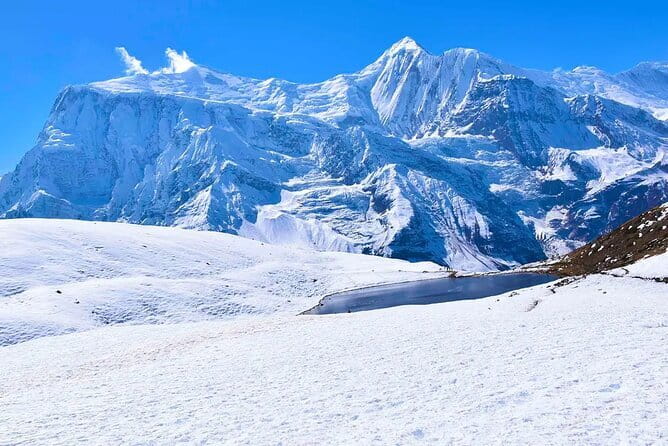
- Thorong La Pass at 5,416m: early start, big effort, and wide 360-degree Himalayan views once you’re up there
- A real acclimatization break in Manang: time to hike optional viewpoints around Gangapurna Lake or Praken Monastery
- Tea house lodging every night: you’re not sleeping outdoors, and meals are built into the daily plan
- Meals + tea/coffee coverage: breakfast, lunch, and dinner through the trek keep your energy steady
- Permits and trek documentation handled: TIMS and Annapurna Conservation permit fees included
- First aid kit with oximeter: a small thing that matters when altitude is on the menu
Annapurna Circuit in 13 days: why this pacing works
The Annapurna Circuit is famous for variety. In a little over two weeks, you can go from lower hills and terraced settlements up into alpine terrain, then hit the high pass that links one side of the massif to the other. This 13-day plan follows that logic and doesn’t pretend altitude is optional.
Another thing I like: it’s lodge-based. That means you’re arranging sleep in tea houses rather than camping, so you can move with less gear weight and more consistency day to day. It also makes the trek feel approachable for first-timers, as long as you accept that pass day is still pass day.
You should go in knowing the route is physical. Even if the schedule is thoughtful, the pass crossing is the hardest day, and everything after that point is built around getting there safely.
You can also read our reviews of more tours and experiences in Kathmandu.

Getting started: Kathmandu to Besisahar and the early momentum
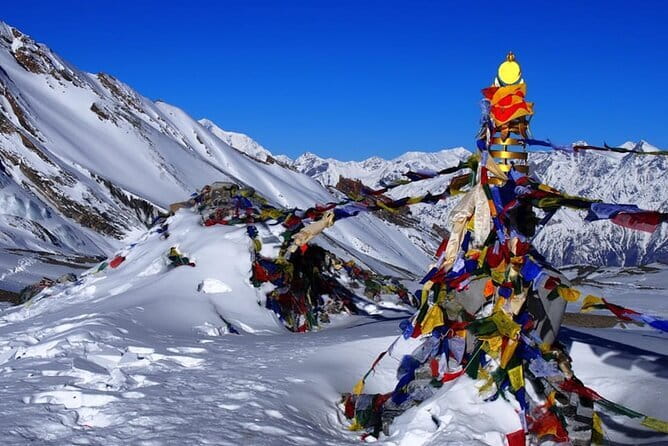
Day 1 is a long scenic push from Kathmandu into the trekking zone. You’ll travel about 9 hours to Bulbule (820m) with views through small villages and terraced fields, then continue onward toward the start area. If you’re prone to getting stiff after travel, this is your cue to stretch early and take it easy once you begin walking.
From Besisahar/Bulbule, the route sets a gentle rhythm. It’s not a sprint. Day 2 builds gradually as you trek toward Bahundanda, with good views as elevation slowly rises.
A practical tip: use Day 1-2 to settle into your walking pace. People often overestimate how much energy they’ll have on early days and then get surprised later. Keeping your effort controlled early usually makes Manang and the pass far more manageable.
Days 2–5: terraced villages, forests, and the shift toward Manang
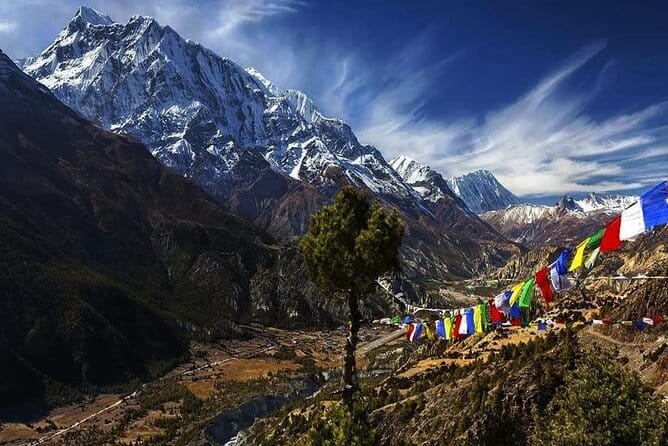
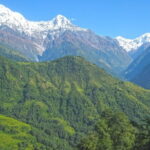
Day 2 climbs from Bulbule to Bahundanda through village life and farmland scenery. You’ll get those classic “Nepal from the trail” moments: quiet hamlets, terraced fields, and mountain views that slowly broaden as you gain height.
Day 3 adds river energy. You’ll trek through dense forest and cross suspension bridges while heading down to Chamche, with the Marsyangdi River and tributaries along the way. The mix of forest shade and river crossing can feel like a break, but don’t mistake it for an easy day—downhills still tax your legs.
Day 4 continues toward Dharapani. This stretch is where the cultural texture becomes more noticeable, including Gurung and Manangi villages. You’ll also feel the altitude change here, as subtropical terrain gives way toward more alpine conditions.
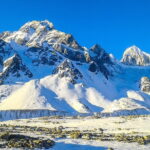
Day 5 brings you to Chame, the administrative center of Manang District. This is one of the better “transition” days: as you gain elevation, the views open up toward peaks like Lamjung Himal and Annapurna II, and the walking shifts through pine forests. For many hikers, the feeling changes right around now—from “hike in Nepal” to “high-mountain trek.”
Pisang and Manang: where you rest, see more, and plan your altitude day
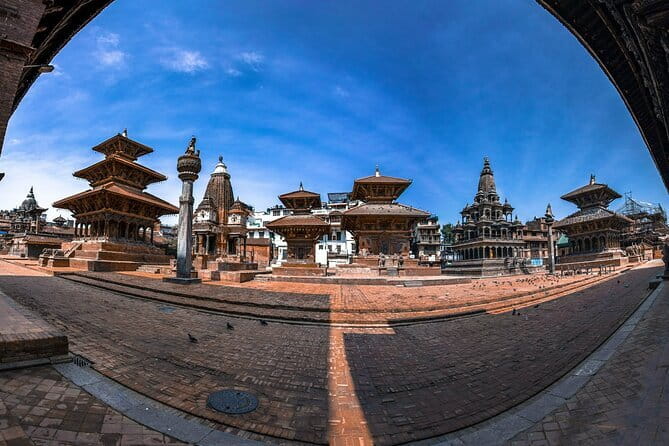
Day 6 moves from Chame to Lower Pisang. The route keeps climbing through forests and small villages, and the peaks—Annapurna II, III, and IV—start becoming more dramatic as you approach Pisang. This is a great day to notice how the air feels thinner, even before you hit the highest zones.
Day 7 takes you onward to Manang, a large village known for traditional Tibetan culture and Buddhist monasteries. Manang matters because it’s not just another stop—it’s a base for acclimatization. Staying here helps you avoid the common mistake of rushing upward without giving your body time.
Then comes the acclimatization day on Day 8. You’ll take a lighter day to adjust to higher altitude, and you can hike to Gangapurna Lake or do a shorter outing to Praken Monastery for wide panoramas of Gangapurna, Annapurna III, and Himalchuli. Either option gives you the same win: you get extra views while still keeping the day’s effort controlled.
If you’re new to altitude trekking, I’d treat Day 8 like the most important day besides pass day. Go slow, drink water steadily, and don’t chase altitude records on the viewpoint hikes.
Toward Thorong La: Yakkharka to Thorong Phedi, then the pass
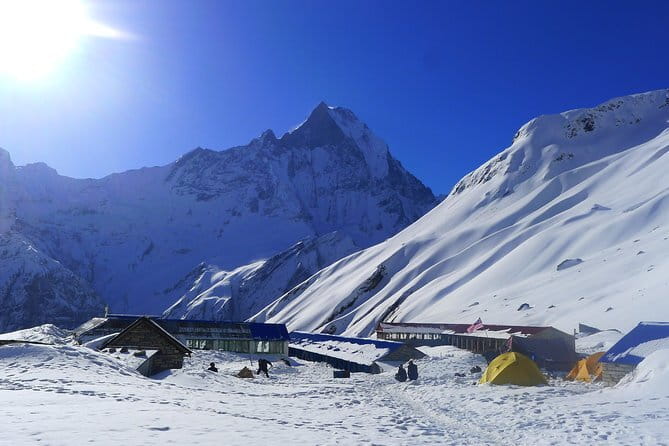
Day 9 is a shift into higher, quieter terrain as you head from Manang toward Yakkharka. You’ll walk through sparse forests and start feeling the high-altitude environment more directly. Approaching Yakkharka, the views of Annapurna II and Gangapurna can be genuinely striking, and it’s a good sign you’re in the “real high country” portion of the trek.
Overnight in Yakkharka sets you up for Day 10, which is about reaching Thorong Phedi. This is the base camp area for Thorong La Pass, and the trail gets steeper as you approach higher altitudes. Day 10 is less about speed and more about moving carefully, keeping your breathing steady, and saving your legs for the big morning.
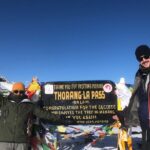
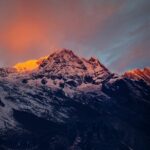
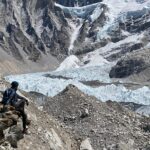
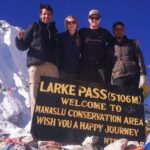
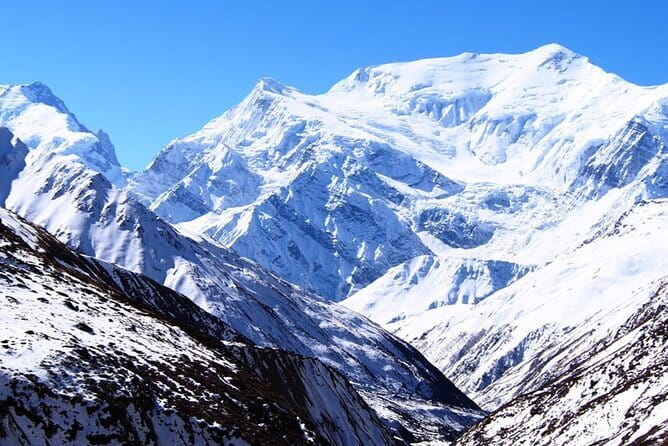
Day 11 is the big one. You start early and tackle Thorong La Pass at 5,416m. The climb is demanding, but the reward is a wide, 360-degree panorama of the Himalayas from the top. This is the day you’ll feel in your body later, but it’s also the day that makes the entire circuit feel complete.
One practical note: you’ll typically feel best when you keep your effort steady and your pace slightly slower than feels natural. Early starts can make everyone want to “catch up.” Don’t. Your goal is safe rhythm, not bragging rights.
Day 12–13: bus to Pokhara and a softer landing
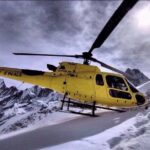
After the pass, the trek transitions into recovery and logistics. Day 12 includes a drive by bus to Pokhara, where your group shares a dinner to mark the successful trek. You’ll also have a night in Pokhara with breakfast included earlier in the tour design, so you can expect at least one proper base-night rhythm with less hiking fatigue.
Day 13 is flexible. After trekking ends, you can continue onward from Pokhara—extra days around town, Chitwan National Park tours, a drive back to Kathmandu, or whatever matches your remaining time. If you like having options after a big trek, this structure helps. You don’t get trapped into one fixed wrap-up.
Food, tea houses, and why comfort is built into your success
This trek plan includes all standard meals: breakfast, lunch, and dinner for the trek days, plus a cup of tea/coffee during breakfast. That matters more than it sounds. When you’re working at altitude, consistent fuel helps your mood, your energy, and your ability to sleep after hard walking.
You’ll also use tea house accommodations throughout. Tea houses vary, but the key here is predictability. You’re not trying to solve where you’ll sleep each day. That makes it easier to keep your trekking routine steady.
In recent experiences with this operator, the biggest praise has been for guide attention to day-to-day comfort and food quality—names that have come up include Ravi and Sandip. I’d treat that as a signal to look for a guide who checks in on practical needs, not just the route.
Guide and handled logistics: what you’re really paying for
The tour includes a government-licensed experienced helpful guide, plus route mapping and the necessary permit fees: Annapurna Conservation permits and TIMS. It also includes a first aid kit with normal medical supplies and an oximeter. These details are the difference between a “cool plan” and a trek that runs smoothly when weather and timing don’t cooperate.
Transport is handled in a layered way:
- public bus from Kathmandu to Besisahar
- sharing transport onward to Nyadi
- private transportation from the trek ending point to Pokhara
That’s a lot of moving parts, and you want it managed when you’re tired. The fact that the trek is private for your group matters too. Your schedule and pace don’t get constantly adjusted around random additions.
Also: pick-up from the airport by private vehicle is included if needed, and you’ll receive a mobile ticket. Small, but it reduces the “what now?” moments that can drain energy right at the start.
Price and value: what $809.10 buys over 13 days
At $809.10 per person, you’re not just paying for walking. You’re paying for a structured package: tea house lodging, all standard meals, guide support, permits, route materials, and in-trek medical readiness (including an oximeter). You’re also paying for transportation that would otherwise be time-consuming to piece together.
For comparison, trekking in Nepal often looks cheap at the start, then gets expensive fast when you add permits, guide days, meals, and transfers. Here, the cost is bundled in a way that helps you predict total spend before you arrive. That’s the main value: less financial surprise and less logistical stress.
If you’re a first-time trekker, this kind of package tends to be a win because it reduces the number of decisions you have to make while tired. If you already know Nepal trekking logistics and you prefer to organize your own guide and permits, you might spend less elsewhere—but you’d also take on more risk.
Who should book this circuit plan (and who should reconsider)
I’d recommend this trek if you:
- have moderate physical fitness
- want a classic Annapurna crossing without camping gear
- like having meals, lodging, and permits handled
- want a supportive, English-speaking guide setup (names like Ravi and Sandip have shown up in recent experiences)
You might reconsider if you:
- struggle with altitude even after a rest day
- need very flexible daily changes (this is a structured route with specific high-altitude timing)
- want to completely control food and lodging choices every night (this plan covers standard meals and tea house stays)
Also, plan your expectations. Day 11 is the highlight, but Day 8 is the smart work that makes Day 11 safer.
Should you book this Annapurna Circuit Trek?
If you want an iconic Himalayan trek with a clear route, predictable daily structure, and real support around meals, permits, and transport, this is a strong option. The included Thorong La crossing, acclimatization time in Manang, and emphasis on comfort (including tea house stays and full meals) make it a practical way to do the circuit.
I’d book it if you’d rather walk with confidence than constantly coordinate. I’d think twice if you’re trying to race altitude or if you know you need extra medical caution beyond what a standard first aid kit can provide.
If you want, tell me your planned travel month and your hiking experience level. I can suggest how to pace yourself for the Manang acclimatization day and what to prioritize on pass morning.
FAQ
What is included in the trek price?
The price includes pickup from the airport by private vehicle if required, one night hotel in Pokhara with breakfast (twin sharing), public bus transport from Kathmandu to Besisahar plus sharing transport to Nyadi, private transport from the trek ending point to Pokhara, all standard meals during the trek (breakfast, lunch, dinner), tea/coffee during breakfast, tea house accommodations, a licensed guide, trekking route map, Annapurna Conservation permits, TIMS fee, and a first aid box with normal supplies including an oximeter, plus government taxes and office service charge.
Do you get meals and tea/coffee during the trek?
Yes. Breakfast, lunch, and dinner are included for the trekking days, and there is a cup of tea/coffee during breakfast time.
What kind of accommodation is used on the trek?
You stay in tea houses during the trek. Pokhara includes one night of hotel accommodation with breakfast.
What is the highest point on this route?
The highest point is Thorong La Pass at 5,416m, reached on Day 11.
Is airport pickup and group size included?
Airport pickup by private vehicle is included if required. The tour is private, meaning only your group participates.
When do meeting points operate?
Meeting points run Monday–Sunday during 6:15 AM–7:15 AM and 8:15 AM–9:15 AM, with the listed operating dates from 12/10/2024 to 11/27/2026.