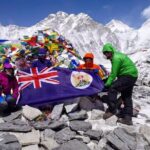
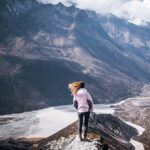
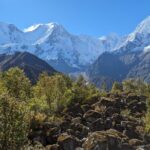
The Manaslu Circuit feels like Nepal without the crowds. I like how this trek keeps you hiking through classic scenery along the Budhi Gandaki River, then cashes in big at Larke La Pass (5,420 m). I also like that the operation handles the busywork with permits, a licensed guide, and porters so you can focus on pacing and altitude. One consideration: you’ll need moderate fitness and you should respect the long, high day around the pass.
This is an economical guided group trek capped at 16 people, with teahouses on the trail and a 3-star hotel base in Kathmandu. The vibe tends to be steady and practical, not rushed, with time for quiet village culture in the Tsum Valley and a real break at Tatopani hot springs.
Before you go, know there’s limited wiggle room for comfort: high passes mean early starts, weather matters, and drinks are extra. If you come prepared for cold mornings, you’ll be in great shape for the views and the smaller, human-scale moments.
In This Review
- Key things that make this trek tick
- The Manaslu Circuit + Tsum Valley setup that avoids the worst traffic
- Kathmandu warm-up: pickup, 3-star base, and half-day city time
- Teahouse trekking style: what you eat, where you sleep, and how the guide changes everything
- Following Budhi Gandaki: quiet walking with real mountain payoffs
- Tsum Valley culture: monasteries, chortans, and the people behind the views
- Tatopani hot springs: the recovery stop that actually helps
- Larke La Pass (5,420 m): plan for effort, then enjoy the view
- The peak names you’ll likely be chasing with your eyes
- Guides, porters, and small-group comfort (max 16)
- Budget and value: what you pay for, and what you’ll pay extra
- Who this trek is best for
- Practical prep: what matters most before you start walking
- Should you book the Manaslu Circuit with Tsum Valley?
- FAQ
- FAQ
- How long is the Manaslu Circuit with Tsum Valley trek?
- Where does the trip start?
- Is airport pickup and drop included?
- Do I get a Kathmandu hotel stay?
- Are meals included during the trek?
- What about lunch and dinner in Kathmandu or Pokhara?
- Are drinks included?
- Do I need permits for the trekking area?
- Is personal travel insurance included?
- What is the maximum group size?
- Is cancellation allowed and how does weather affect it?
Key things that make this trek tick
- A licensed guide + porters so you avoid navigation stress on a remote route
- Teahouses each night during the trek, plus real logistics for meals and transfers
- Budhi Gandaki walking days that trade crowds for steady river scenery
- Tsum Valley cultural stops with mani walls, chortans, and monasteries
- Tatopani hot springs for muscle recovery at the right moment
- Larke La Pass viewpoint day for sweeping mountain panorama from 5,420 m
The Manaslu Circuit + Tsum Valley setup that avoids the worst traffic
If your goal is epic Himalaya scenery without bouncing through Nepal’s busiest trekking corridors, this route makes sense. Manaslu Circuit trekking is known for feeling quieter and more grounded, and adding Tsum Valley gives you a cultural layer beyond just peak chasing.
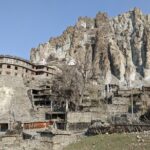
The big payoff is that you hike through varied terrain and different types of views. You’re not only working toward one summit moment; you’re also spending time on river walks, passing religious markers like mani walls and chortans, and moving through mountain villages tied to Gurung, Magar, and Sherpa communities.
You can also read our reviews of more tours and experiences in Kathmandu.
Kathmandu warm-up: pickup, 3-star base, and half-day city time
Your trip starts in Kathmandu with airport pickup and drop plus a half-day Kathmandu sightseeing program with transportation. You also get a Kathmandu hotel stay in a 3-star property, which is a helpful cushion before the trail begins.
The start time is 9:15 am, and the meeting point is near public transportation, which matters if your schedule needs a little flexibility. You’ll also receive a mobile ticket, so the admin side should feel straightforward once you’re in Nepal.
Teahouse trekking style: what you eat, where you sleep, and how the guide changes everything
On this trek, you sleep in tea houses and meals during trekking are included. That’s a big deal because it removes a lot of guesswork from each day’s planning. It also helps you keep your energy steady when you’re adjusting to altitude and changing weather.
The other practical win is guided navigation. The route can be confusing for first-timers, and trekking with a guide is how you reduce the risk of getting lost. Your guide is government-licensed, and you’ll be teamed with porters at a ratio of 1 porter for 2 people.
Meals are covered during the trek, but lunch and dinner in Kathmandu and Pokhara are not included. Drinks also aren’t included anywhere as soft drinks or alcohol, so you’ll want to budget for that if you like a daily treat after hiking.
Following Budhi Gandaki: quiet walking with real mountain payoffs
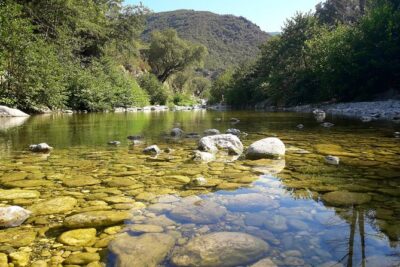
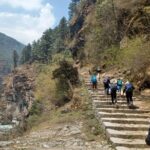
One of the most relaxing aspects of the trek is the time spent alongside the Budhi Gandaki River. Instead of constant zigzags through dense trail traffic, you get sandy-bank walking that feels calmer and more rhythmic.
This river stretch matters for pacing. Early on, it gives you a chance to settle into the hike rhythm, test your footwear, and learn what altitude does to your breathing without starting with the hardest climbing right away. If you’re the type who likes steady progress over big drama every hour, you’ll probably enjoy these days.
Tsum Valley culture: monasteries, chortans, and the people behind the views
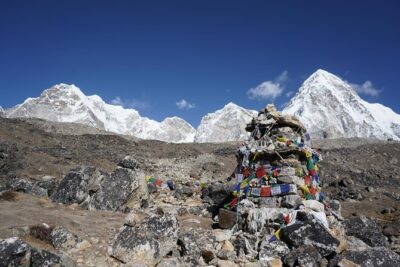
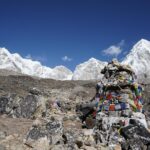
Tsum Valley is where the trek stops being only scenic and becomes cultural. The route includes exploration of chortans, mani walls, and monasteries, which gives you a sense of how spirituality and daily life blend in the mountains.
You’ll also experience the culture of ethnic groups such as Gurung, Magar, and Sherpa. This is the kind of contrast that makes the circuit more memorable because you’re not just moving through landscapes; you’re moving through communities with their own rhythms.
If you prefer your travel to feel human-scale, this is one of the best reasons to choose the Tsum Valley add-on instead of a simpler out-and-back. It adds meaning to the long walk days.
Tatopani hot springs: the recovery stop that actually helps
A standout feature is hot spring baths at Tatopani. That matters more than it sounds, because trekking fatigue doesn’t vanish when you stop walking. Your knees and feet usually feel it first, and a thermal reset can make the next climbing phase easier to handle.
You should still expect cold mornings and sore legs, especially after a high pass day. But Tatopani is the rare moment where you get a real way to feel better without spending an extra full day resting.
Larke La Pass (5,420 m): plan for effort, then enjoy the view
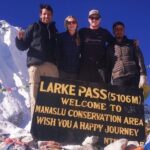
This trek’s signature challenge is crossing Larkya La / Larke La Pass at 5,420 m. High pass days in Nepal are never gentle, and the key is pacing and energy management, not speed.
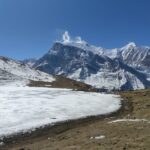
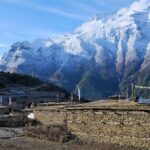
The reward is panoramic mountain-range views from the pass area, including the sense of scale you only get after you’ve walked above the tree line. One practical detail: pass days often come with early starts and weather-dependent timing, so you need to stay flexible if conditions change.
This is also where a guide earns their salary. When a day is physically demanding, having someone help you interpret the terrain and keep your plan realistic can be the difference between finishing strongly and struggling.
The peak names you’ll likely be chasing with your eyes
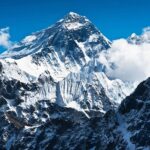
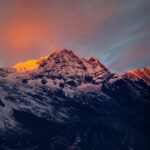
Even without a technical climb, this route gives you a lineup of famous Himalayan peaks. Expect views tied to Manaslu and its neighbors, including Manaslu (8,156 m), Himalchuli (7,893 m), and other named mountains such as Sarangi Himal (7,161 m), Ganesh Himal II (7,118 m), plus Bouddha Himal and Ngadi Chuli.
In plain terms, you’ll spend time looking up at giants while also watching the weather change their appearance hour to hour. That’s why guides often do brief orientation moments on how to recognize ranges. In the group experiences I read about, guides such as Pasang, Indra Baram, and Santosh were praised for being informative, which helps when you’re trying to make sense of what you’re actually seeing.
Guides, porters, and small-group comfort (max 16)
This is capped at 16 travelers, which is the sweet spot for a group trek. You still get shared logistics and the comfort of traveling with others, but you’re not stuck in a huge line of people at tea houses or viewpoints.
Porters handle much of the heavy carrying, and that frees you up to focus on walking. The ratio of 1 porter for 2 people also suggests they’re thinking about load management rather than just having bodies along.
If you care about the human side, the experiences shared from past trips highlight guides like Pasang, Indra Baram, Aitey, Santosh, Ram, and Raj. Porters named in those experiences include Padham Gurung. You can’t guarantee a specific person on every departure, but the recurring theme is that the guide team brings energy, coaching, and local knowledge that makes long days feel more manageable.
Budget and value: what you pay for, and what you’ll pay extra
The price is listed at $1,250 per person. What makes that number feel more reasonable is what’s included: trekking permits, a licensed guide, porters, overland transport, Kathmandu hotel accommodation, and all meals during trekking with tea house stays.
You’re also getting airport pickup and drop, half-day Kathmandu sightseeing with transportation, plus insurance for the guide and porters. There’s even rescue help coverage in an emergency, tied to guest insurance.
What you should plan to pay separately:
- Lunch and dinner in Kathmandu and Pokhara
- Drinks (soft and hard)
- Your personal travel insurance
- Monument fees only in Kathmandu
The biggest value question isn’t the dollar amount. It’s whether the included items match how you want to travel. If you like not managing permits or route logistics, this package is built for you.
Who this trek is best for
This works best for active travelers with moderate fitness who want a guided trek through a quieter region. You don’t need to be a mountaineer, but you do need endurance for long hiking days and the discipline to pace at altitude.
You’ll also enjoy it if you like a balanced mix: scenery (including pass panoramas), recovery stops (Tatopani), and culture (Tsum Valley mani walls, chortens, monasteries). It’s not ideal if you want a low-effort vacation with minimal physical demand.
Practical prep: what matters most before you start walking
The data calls out moderate physical fitness, so take that seriously. Start training before you arrive: regular walking with hills, some stairs work, and practice carrying a daypack. Also plan for cold mornings and changing weather around the pass.
Pack smart. Since drinks aren’t included, bring a system to keep yourself hydrated and warm. Bring layers for temperature swings, and don’t wait until Nepal to figure out your footwear comfort.
Also, don’t treat altitude as a checkbox. You’ll cross a high pass at 5,420 m, and the trek includes a long, demanding period around that crossing. A guide can help with pacing, but your body still has the final say.
Should you book the Manaslu Circuit with Tsum Valley?
I’d book this if you want a guided circuit in a quieter part of Nepal, with teahouse comfort, strong logistics, and a cultural add-on that goes beyond scenery. The combination of Budhi Gandaki river days, Tatopani hot springs, and the Larke La Pass viewpoint is exactly the kind of “big effort, big payoff” trekking formula that feels worth it.
I’d think twice if you’re not ready for long hiking days, a serious high-pass day, and extra costs for drinks and your own personal insurance. If you’re the type who likes clear structure and fewer route worries, this trek’s guided setup is a real advantage.
FAQ
FAQ
How long is the Manaslu Circuit with Tsum Valley trek?
The full experience is described with a 25-day title, while the duration detail provided shows about 14 days approximately. The exact length can vary by departure and route planning.
Where does the trip start?
It starts in Kathmandu, Nepal. The meeting start time is listed as 9:15 am.
Is airport pickup and drop included?
Yes. Airport pickup and drop in Kathmandu are included.
Do I get a Kathmandu hotel stay?
Yes. Accommodation in Kathmandu is included, and it is listed as a 3-star hotel.
Are meals included during the trek?
Yes. All meals during trekking and accommodation in tea houses are included.
What about lunch and dinner in Kathmandu or Pokhara?
Lunch and dinner in Kathmandu and Pokhara are not included.
Are drinks included?
No. All drinks (soft and hard) are not included.
Do I need permits for the trekking area?
Yes. Necessary trekking permits are included as part of the trek.
Is personal travel insurance included?
No. Personal travel insurance is not included, though insurance for the guide and porters is included.
What is the maximum group size?
The trek has a maximum of 16 travelers.
Is cancellation allowed and how does weather affect it?
Free cancellation is allowed up to 24 hours in advance for a full refund. If poor weather cancels the experience, you’ll be offered a different date or a full refund.