Tuscany grows higher than you expect. This trek around Lucca takes you into the Alta Valle del Sestaione Natural Park and finishes with a stop at the Guinness-record suspension bridge.
I love the Lago Nero section because it is a real high-mountain walk with free admission tickets. I also love the small group size of up to 10, which makes it easier for the expert guide to adjust pace and stop for photos.
One consideration: you need moderate physical fitness, since the regular option includes at least 3 hours of actual walking and about 400 meters of altitude gain.
In This Review
- Key points before you go
- The Roof-of-Tuscany Idea That Actually Works
- Time, Effort, and Group Size: A Realistic Mountain Day
- Getting There From Pistoia: Pickup That Saves Your Morning
- Lago Nero: The Hour That Sets the Tone
- Ponte Sospeso di San Marcello Pistoiese: A Short Stop With Big Nerves
- The Pace: Breaks, Altitude Gain, and Why 3 Hours Feels Like More
- Guides: The Difference Between Walking and Learning
- Value for $60.67: What You’re Paying For
- What to Bring (and What Will Save You)
- Weather and Timing: When This Tour Really Shines
- Should You Book This Roof of Tuscany Trek?
- FAQ
- How long does the trekking day last?
- What time does the tour start?
- Where do I meet the guide, and do I get pickup?
- Is lunch included?
- Are entrance fees included for the stops?
- How fit do I need to be?
- How big is the group?
- Is the guide available in English, and are service animals allowed?
Key points before you go
- Lago Nero in the Alta Valle del Sestaione Natural Park for an hour of proper mountain hiking (tickets are free)
- Ponte Sospeso di San Marcello Pistoiese to cross a Guinness-record pedestrian suspension bridge
- A small group (max 10) with an expert environmental guide and break-friendly pacing
- Pickup options from Pistoia train station, or from Ponte Sestaione if you drive
- Mountain-start timing with a 9:30 am start and return back to the meeting point
The Roof-of-Tuscany Idea That Actually Works
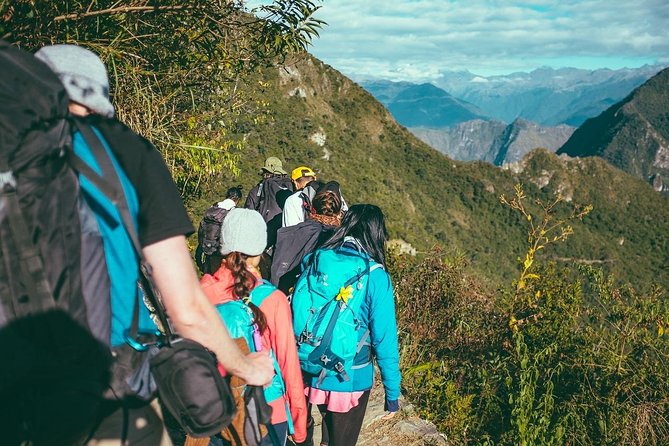
This is the kind of day where Tuscany stops being an idea and becomes something you feel in your lungs. Starting from the Lucca area, you head into the mountains near Pistoia, where the air cools down and the views widen fast. The trip is built around two “anchor moments”: the walk at Lago Nero and the walk across Ponte Sospeso di San Marcello Pistoiese.
What makes it special is the mix of scenery and stakes. Lago Nero gives you that high-mountain nature immersion, with a guide who keeps it grounded in what’s around you—plants, birds, and the way the park works. Then comes the bridge stop, which is short on paper and big in the body. A suspension bridge makes you notice your balance, your footing, and the wind. For most people, that is the moment the day sticks.
It’s also a smart break from the usual Italy routine. If you’ve been clocking museums and city streets, this gives your legs a job and your eyes a wide screen—without needing a multi-day trek.
Time, Effort, and Group Size: A Realistic Mountain Day
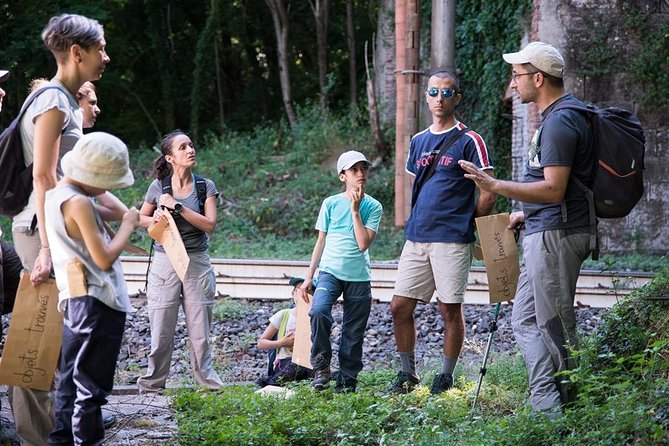
Plan for 5 to 6 hours total, starting at 9:30 am and ending back at the meeting point. The itinerary includes two timed stops—about 1 hour at Lago Nero and 30 minutes at the suspension bridge—but the more important figure is the hiking time.
For the regular option, you should expect at least 3 hours of actual walking, with about 400 meters of altitude gain. The trail sits roughly between 1300 and 1800 meters above sea level, so even if you’re not climbing a peak, you are moving in thinner, cooler mountain conditions.
Your best match is moderate physical fitness. That usually means: you can walk for a few hours at a steady pace, handle uneven ground, and tolerate some uphill and altitude. The good news is that this tour is kept intentionally small—maximum 10 people—so the guide can slow the group down when needed and build in breaks without the feeling of constant sprinting.
Also worth noting: the tour runs in English, and it explicitly allows service animals. If you’re traveling with extra needs, this is the kind of day where a guide-led pace can help you stay comfortable.
Getting There From Pistoia: Pickup That Saves Your Morning
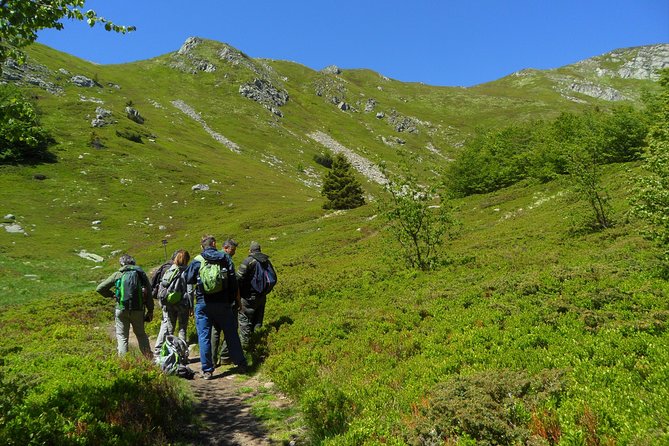
This is not a “meet at a random bus stop and hope” kind of outing. Pickup is offered from Pistoia train station. If you’re driving, the pickup point is listed as Ponte Sestaione.
The tour also mentions that it is near public transportation, which matters if you’re basing yourself in the city (or you just don’t want to think about parking and timing). You’ll get a mobile ticket, so you’re not stuck hunting paper in a daypack.
Why this matters: the biggest mistake people make with mountain trips is burning energy on logistics. Here, you’re trying to spend that energy on hiking and views, not on transit stress.
One more timing detail: the tour ends back at the meeting point, so you’re not planning a second hop to get yourself sorted after the walk.
Lago Nero: The Hour That Sets the Tone
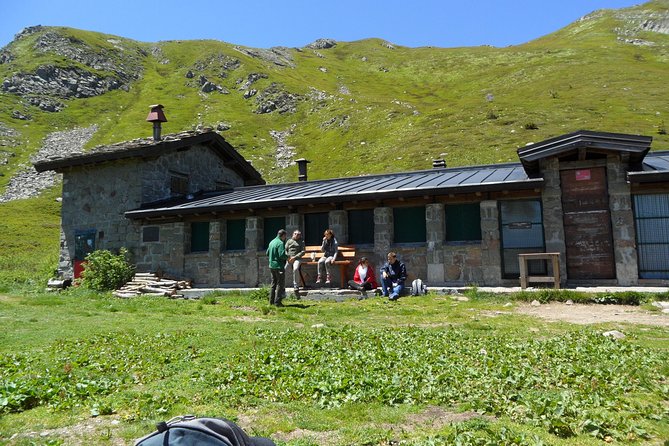
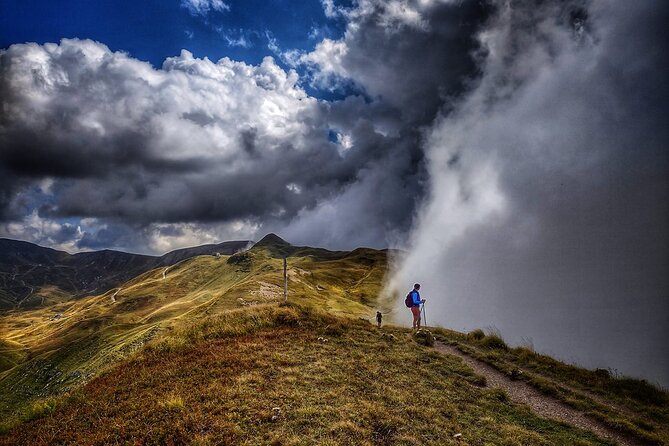
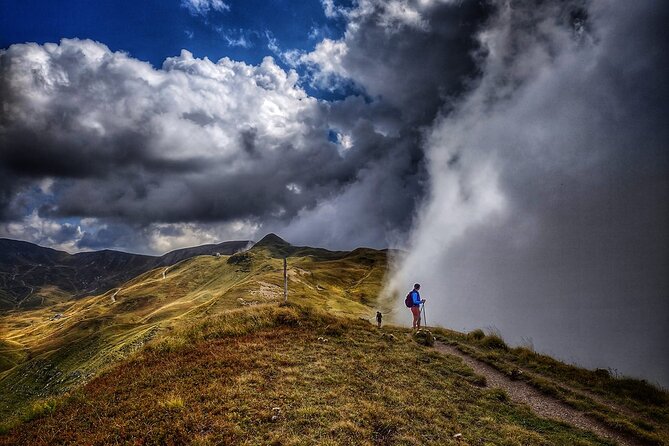
Stop 1: Lago Nero is your first taste of “roof of Tuscany” energy. You’ll be doing high mountain hiking in the Natural Park of Alta Valle del Sestaione, with free admission tickets included for this stop.
This is not a sightseeing stroll. You’re moving through a real protected area, and the point is to experience the park rather than just pass through it. With an expert environmental guide, the hike tends to feel more like a guided outdoor lesson than a simple escort. Expect talk about the local environment—fauna, birds, and how the landscape changes with altitude and weather. Even on days that are breezy and cool, the guide’s job is to help you notice what’s right in front of you.
A practical way to think about Lago Nero: it’s where the day becomes worth it. When you get the elevation and the air, you start understanding why people escape city heat and crowds. You can treat this hour as your warm-up and scenery payoff at the same time.
If you’re the type who likes to take photos, this is also the segment where you’ll want to slow down a bit, stand still, and actually look. The views here come from altitude and openness, not from dramatic man-made backdrops.
Ponte Sospeso di San Marcello Pistoiese: A Short Stop With Big Nerves
Then you hit your second anchor moment: Ponte Sospeso di San Marcello Pistoiese. This is a pedestrian suspension bridge known as a Guinness record bridge, and it’s timed at about 30 minutes.
The length of time is short, but the effect is instant. A suspension bridge changes the way you walk. Even if you know it’s safe, your body reads the wind and the movement. That’s why this stop is so memorable. It turns an ordinary hike into a “remember this” moment.
If you’re traveling with anyone who gets nervous on bridges, you can help by keeping expectations real: this is not a theme park bridge where everyone strolls without thought. It’s more like a controlled, guided crossing where you take your time. The small group size helps too—you won’t be squeezed in a line.
One more tip: wear shoes you trust. Not because the bridge is extreme, but because your feet will be doing a bit more work than on flat paths.
The Pace: Breaks, Altitude Gain, and Why 3 Hours Feels Like More
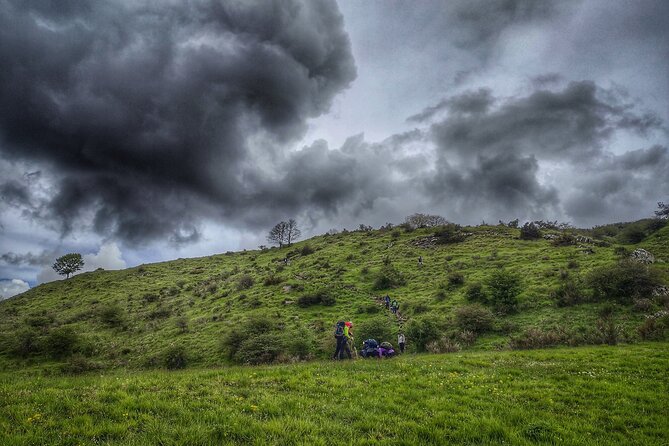
This tour is designed around a steady pace rather than endurance suffering. The regular option includes at least 3 hours of actual walking, plus stops. Add the altitude gain—about 400 meters—and you’ll feel it in the legs by the time you finish.
Here’s the thing I like about this structure: the guide’s pacing is part of the experience. In mountain hiking, speed doesn’t automatically mean better views. Slow down and you notice birds, wild areas, and the way light shifts. It also helps you keep your breathing steady at higher elevation.
There’s also a common pattern that shows up on these kinds of days: you might ride up to a higher starting point by gondola/cable car before hiking the main stretches. That reduces the amount of steep climbing your body has to do at the start, which can be a big win if you’re not used to altitude walking. (And even if you’re not a cable-car person, the view from higher ground tends to make you forgive your early morning alarm.)
Lunch is not included, so you’ll likely need to plan for a pause with whatever you brought or whatever food is available on-site. Because this is a nature park day, the best move is to pack like you’re hiking first and shopping second: something simple, filling, and easy to eat in cool mountain air.
Guides: The Difference Between Walking and Learning
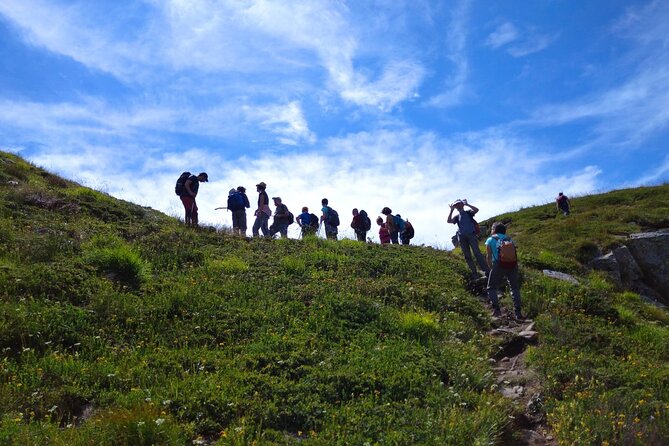
What makes the day feel more authentic is the guide focus. This experience includes an expert environmental guide, and the guiding style shows up in small things: pace control, explanation, and attention to the group.
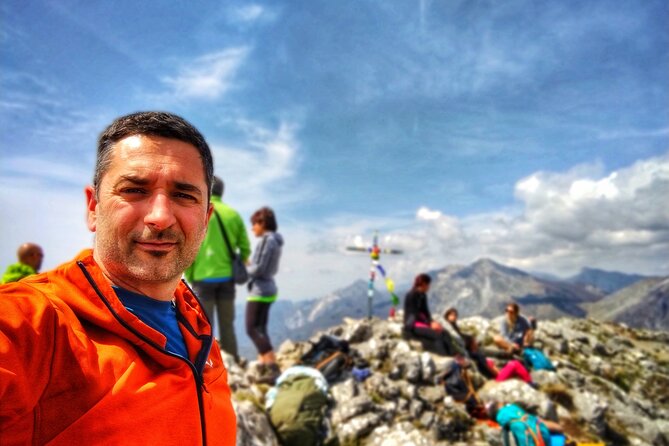
You may meet guides such as Michel, who handles pickup and gets people to the trail area smoothly, and you might also hike with Bernando and his wife, who share lots of detail about the places you pass and the local wildlife. The result is that the trail doesn’t feel like a repeat path of scenery. You get names and context—what you’re seeing, how it fits into the park, and why the area looks the way it does.
The practical value is real. When a guide can explain what you’re walking through, you waste less time guessing, and you enjoy the time you have.
It also helps with comfort. Mountain days are about small adjustments: when to stop, when to drink water, when to let someone recover a few minutes before continuing. With a max of 10 people, the guide can actually do that.
Value for $60.67: What You’re Paying For
Let’s talk about price without pretending cost is the only issue. At $60.67 per person, you get a guided mountain day built around two major stops. Included items are the expert environmental guide, and admission tickets are listed as free for the planned stops. Pickup is offered, and you’ll get a mobile ticket for a smoother check-in.
What you’re not paying for: private transportation and lunch. Those are the big gaps, but they’re also standard for guided hikes. Private transport can add a lot of cost, and lunch is often optional depending on what you want to eat.
So where is the value? It’s in the combination:
- a guided hike that’s actually in a natural park area
- small group size (max 10)
- admissions for the main points
- pickup option to reduce morning stress
If you were to arrange your own transport and guide separately, the total often climbs quickly. Here, you’re buying structure, expertise, and a day that feels like it leaves the city behind.
What to Bring (and What Will Save You)
Because you’re walking for hours and crossing a bridge, pack with the outdoors in mind. The essentials are simple, but skipping them is what turns a good day into a grumpy one.
Shoes matter. Hiking shoes are preferable, though it’s possible to manage with running shoes if they have good grip and you’re steady on uneven ground. The suspension bridge moment makes this extra important.
Bring layers. Even in warmer seasons, mountain air can be cooler and windy. A light jacket helps you avoid feeling chilled during breaks. If you tend to get cold, bring a bit more warmth than you think you need.
For food, remember: lunch isn’t included. If you want the easiest option, bring a simple meal or snacks and plan to eat during the longer breaks. If you’d rather buy something, there may be a restaurant at higher points that offers homemade Italian food, based on what’s been experienced on similar days. But assume you are responsible for your own lunch plan.
Finally, bring sun protection even in cool mountain weather. When clouds break, the sun can feel strong, and you’ll be outside for most of the morning and afternoon.
Weather and Timing: When This Tour Really Shines
This experience requires good weather. If it’s canceled due to poor weather, you’ll be offered a different date or a full refund. That’s not just fine print. Mountain trails and wind conditions can change quickly, and the guide needs workable conditions to keep the day safe and enjoyable.
For you, that means this tour tends to shine when:
- visibility is decent (views are the payoff)
- the wind is manageable (especially for the suspension bridge crossing)
- trail conditions are not muddy or unsafe
Because the start time is 9:30 am, you’ll beat the hottest part of the day in many seasons and you’ll give yourself more time to enjoy the natural park atmosphere before late-afternoon fatigue hits.
Should You Book This Roof of Tuscany Trek?
Book it if you want a mountain escape that still feels efficient. This is a strong choice for people staying around Lucca or Pistoia who want something outdoorsy without taking on a multi-day commitment. The small group size, expert environmental guide, and the two standout moments—Lago Nero and the Guinness-record suspension bridge—make the day feel like a real outing, not just a transfer to a viewpoint.
Skip it or reconsider if you’re not comfortable with a moderate level of walking and a 400-meter altitude gain. Also, if you’re traveling in a period where weather is often unstable, keep your flexibility in mind, because this one does depend on good conditions.
If you’re aiming for an Italy day that mixes nature, walking, and one genuine thrill, this is a solid way to spend your time above the towns.
FAQ
How long does the trekking day last?
The activity lasts about 5 to 6 hours total.
What time does the tour start?
The start time is 9:30 am, and it ends back at the meeting point.
Where do I meet the guide, and do I get pickup?
Pickup is offered from Pistoia train station. If you have your own car, pickup is listed at Ponte Sestaione.
Is lunch included?
No, lunch isn’t included.
Are entrance fees included for the stops?
Admission tickets for Lago Nero and the Ponte Sospeso di San Marcello Pistoiese stops are listed as free.
How fit do I need to be?
You should have moderate physical fitness. The regular option includes at least 3 hours of actual walking, about 400m of altitude gain, with altitude between 1300m and 1800m.
How big is the group?
The tour has a maximum of 10 travelers.
Is the guide available in English, and are service animals allowed?
Yes, the tour is offered in English, and service animals are allowed.