REVIEW · KATHMANDU
Gokyo Lakes and Gokyo Ri Trek
Book on Viator →Operated by Nepal Mountain Trekkers - Day Tours · Bookable on Viator
Turquoise lakes meet Everest-sized views. This 14-day trek gives you the Gokyo Ri panorama people chase in the Everest region, plus the glacial valley feel of turquoise lakes and the Ngozumba area. I like how the plan builds in acclimatization without turning every day into a suffering contest, and the Kathmandu start adds real context before you head for the mountains.
One thing to plan for: Gokyo Ri is a long, steady uphill on high altitude, so even with rest days and slow pacing, it can feel strenuous. If you’re the type who hates getting cold fast and walking while breathing like you just ran up stairs, this trek will test that vibe.
In This Review
- Key things that make this trek special
- Gokyo Lakes and Gokyo Ri: what you’re really signing up for
- Kathmandu warm-up: Thamel, Durbar Square area, and UNESCO temples
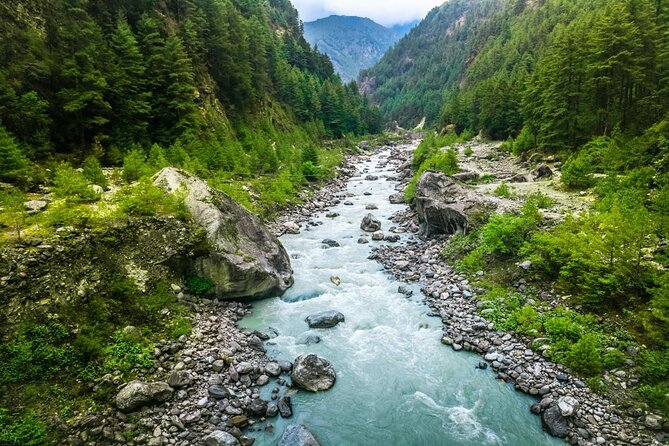
- Into the mountains: Lukla, Phakding, and the Dudh Koshi start
- Sagarmatha National Park vibe: forests, rhododendron, and mountain views
- Namche Bazaar acclimatization: Everest View Hotel and Khumjung
- Ama Dablam day: Kyangjuma viewpoints above Namche
- Machhermo to Gokyo: terminal moraine, iron bridge, and the lake valley
- Gokyo Ri summit: slow climb, big peak list, and the fourth lake
- The return: Luza, Dole, and big views without the same grind
- Wildlife chances and another Namche night with the Irish Pub stop
- Lukla descent day: Dudh Koshi, prayer flags, and long walking hours
- How hard is it, really? Pace and fitness without pretending it’s easy
- Price and value: what $1,706.67 buys (and what you still need to budget)
- Guide support and the real safety mindset in altitude country
- Should you book the Gokyo Lakes and Gokyo Ri trek?
- FAQ
- How long is the Gokyo Lakes and Gokyo Ri trek?
- Where does the tour start for ticket redemption?
- Is pickup offered?
- How big is the group?
- Are meals included in the price?
- Which Kathmandu attractions have admissions included?
- What physical fitness level do you need?
- What is the cancellation timing for a full refund?
Key things that make this trek special
- Gokyo Ri summit views: you get a wide spread of Everest region peaks from the top
- Ngozumba Glacier and moraine crossings: the trail takes you through dramatic glacial scenery
- Namche acclimatization with side trips: you visit the Everest View Hotel area and nearby villages
- Kathmandu UNESCO circuit before trekking: Pashupatinath, Boudhanath, and Swayambhunath
- Small group size: a maximum of 10 travelers helps keep things organized on the trail
- Careful rhythm: shorter days mixed with longer ones, so you’re not always going hard
Gokyo Lakes and Gokyo Ri: what you’re really signing up for
This is a trek designed for big-picture mountain lovers. You’ll spend days walking through the Everest region vibe—Sherpa towns, national park forests, and that rising sense that the peaks are getting closer. Then you’ll hit the main payoff: Gokyo Ri, with sweeping views of some of the tallest mountains on Earth.
It’s also often chosen as an alternative to the more famous Everest Base Camp route. If you want Everest views and glacial lakes without going through the same exact classic path, this route does a lot right.
You should know the trek is not a sightseeing stroll. There are steep pushes, long walking days, and cold mornings. But the schedule tries to keep you moving at a human pace, with an acclimatization day in Namche Bazaar that actually makes sense.
You can also read our reviews of more tours and experiences in Kathmandu.
Kathmandu warm-up: Thamel, Durbar Square area, and UNESCO temples
Before the trail, you get a gentle but meaningful introduction to Nepal. Day 1 centers on Thamel and the nearby Durbar Square area, with time to settle in, handle gear, and eat Nepalese food while you reset your jet lag.
Day 2 is the culture day. You visit three major spiritual sites, all UNESCO listed: Pashupatinath Temple, Boudhanath Stupa, and Swoyambhu Mahachaitya (often called Swayambhunath or Monkey Temple). Each stop is given a few hours, so it’s not a frantic photo sprint.
This part matters more than it sounds. You’ll understand the human Nepal you’re trekking alongside—Hindu and Buddhist traditions, prayer wheels, monks, and prayer flags—before you disappear into the high country.
Into the mountains: Lukla, Phakding, and the Dudh Koshi start
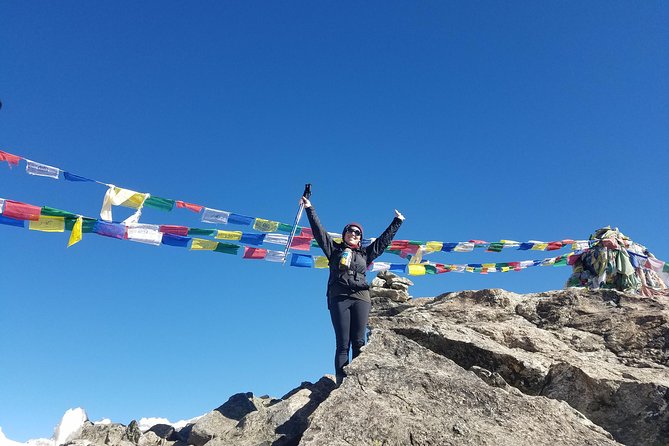
Day 3 is your move from Kathmandu life into the Khumbu region pace. You fly from Kathmandu to Lukla (Tenzing-Hillary Airport), meet your team, and begin with an acclimatization trek. The route follows the Dudh Koshi River, which is a constant companion on this itinerary.
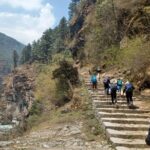
You start with a shorter walk to Phakding, passing through Lukla and trekking through terrain with dense forest patches. The goal here is simple: get your legs used to altitude and movement. You descend and climb in a gradual rhythm rather than jumping straight into the hardest days.
Day 4 continues the park feeling with the trail’s shifting mix of rivers, suspension bridges, and gorge views. After permits get checked at Monjo (the Sagarmatha National Park entry point), you work your way toward Namche Bazaar on wide switchbacks. By the time you’re in Namche, you’ve earned the rest.
Sagarmatha National Park vibe: forests, rhododendron, and mountain views
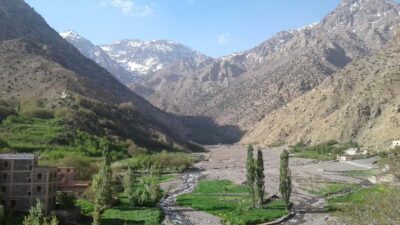
On these early trekking days, you get a sense of why this area is protected. The itinerary explicitly points out the park’s flora, including rhododendron and pine forest, plus the kind of variety you notice when you’re walking slowly enough to look.
The route also gives you mountain glimpses as you gain altitude. Peaks like Kantega and Thamserku show up in the mix, along with views around Tongba and Gyele as you move deeper.
This section is also where you learn the practical trekking lesson: your best views often come right after effort. When you crest a climb and the trail levels out, you can actually take it in—no sprinting, no “one more photo” chaos.
Namche Bazaar acclimatization: Everest View Hotel and Khumjung
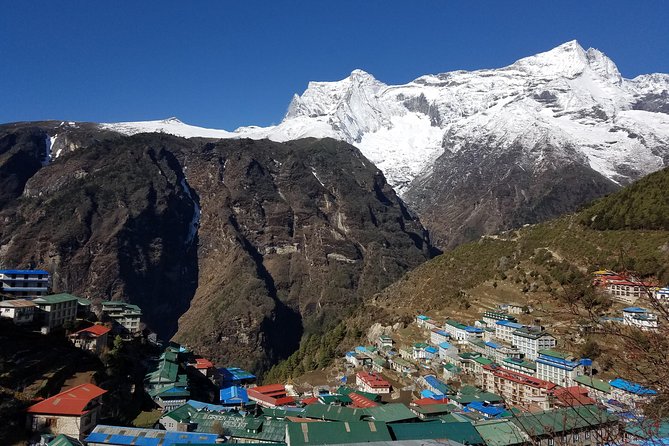
Day 5 is your acclimatization anchor in Namche Bazaar. Instead of forcing a full rest day, the plan nudges you to stay active. That matches what your body needs: move during daylight, don’t freeze in place all day, and keep your pace gentle.
You’ll do a side trip toward the Everest View Hotel area for big mountain sightlines—Everest, Ama Dablam, Nuptse, Lhotse, and more. Then there’s a hike to Khumjung and Khunde, where you can visit the Khumjung/Khunde area including the hospital and school sometimes called the Schoolhouse in the clouds.
I like this day because it’s not just about altitude. You’re also seeing Sherpa community life up close. That makes the later lake-and-glacier days feel less like a movie set and more like a real place people live in.
Ama Dablam day: Kyangjuma viewpoints above Namche
Day 6 focuses on a short trek that still pays off visually. You move up from Namche Bazaar toward Kyangjuma, where the views bring Ama Dablam into focus along with Thamserku and Katenga.
This is a good example of how the itinerary balances effort with reward. You’re not spending the whole day grinding uphill, but you still gain enough altitude to make the peaks look sharper and closer.
If you’re the kind of trekker who likes taking breaks to stare at mountains, this is your kind of day.
Machhermo to Gokyo: terminal moraine, iron bridge, and the lake valley
Day 7 transitions you toward the lake region. You trek to Machhermo, passing Lhabarma and Luza along the way. The highlights here are the confluence of streams mentioned in the itinerary and the increasing sense that the terrain is shifting from forest-and-ridge to glacier-and-high valley.
Day 8 is when the glacial drama starts showing up more clearly. You head from Machhermo to Phangka and drop into the river zone, then tackle a steeper climb to the terminal moraine formed by the Ngozamba Glacier. Crossing moraines feels like walking through the aftermath of a moving giant—uneven, grounded, and oddly humbling.
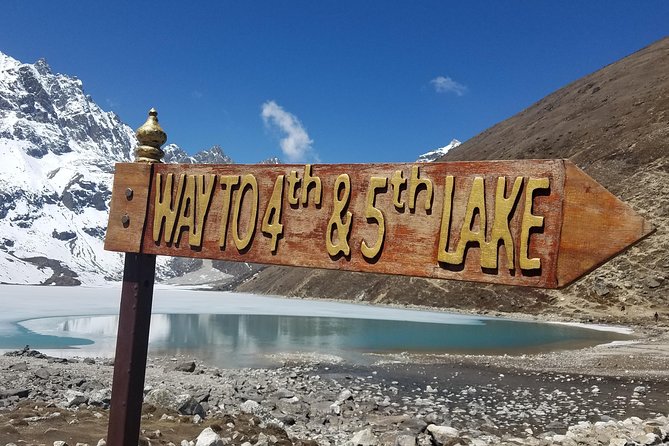
Then comes the iron bridge marking the start of the Gokyo Lake valley. From there, the lakes show up in sequence on the trail: the first mentioned is Longpongo, then you continue toward Taboche Tso. This is the moment when the trek stops being just climbing and starts becoming a full-on visual experience.
Gokyo Ri summit: slow climb, big peak list, and the fourth lake
Day 9 is the centerpiece. You set aside the day for Gokyo Ri, and the itinerary calls it a continuous, strenuous ascent with a slow and steady approach. That’s exactly the right strategy at altitude: steady effort beats hero bursts.
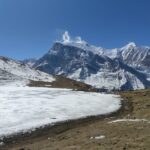
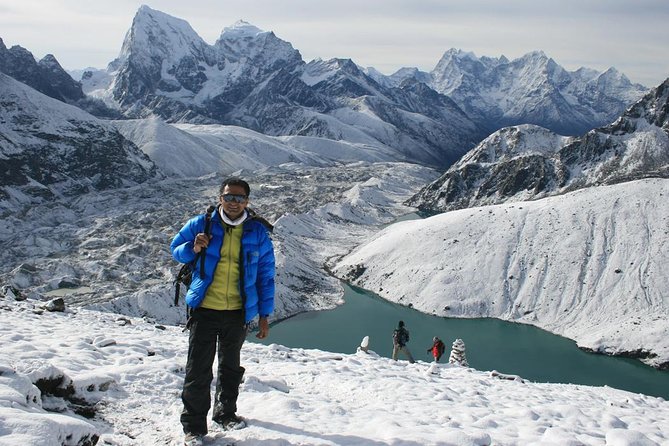
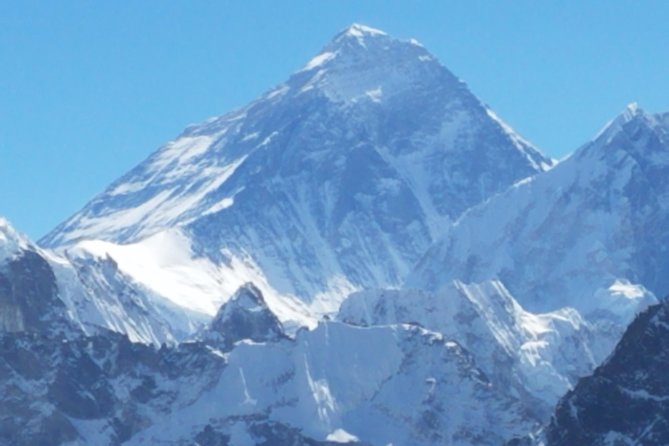
From the summit, you’re looking at a long list of major peaks above 8,000 meters mentioned in the plan, including Cho Oyu, Lhotse, Makalu, and Mount Everest. The itinerary also lists Thamserku and Louche, plus the Ngozumba glacier and the Gokyo lakes directly below you.
On the same day, you also hike toward the fourth lake, Thonak Tsho. That’s a smart way to structure the day: you do the hardest panoramic target first, then keep your legs working with another scenic element rather than stopping completely.
If you want Everest views without the crowds and route complexity of the most famous trekking path, this is the day you’ll remember.
The return: Luza, Dole, and big views without the same grind
Day 10 turns into a gradual descent phase as you trail back through parts of the route. You pass Machhermo, then Luza, and Lhabarma, before reaching Dole. You keep seeing peaks like Thamserku, Cho Oyu, and Kangtega on and off as the trail moves between terraces, chortens, and bridges.
The key difference from the climb days is mental. You’re still working, but the terrain is doing a bit more of the easing for you. It’s the kind of day where you can finally stop planning every step and start enjoying the walking itself.
Wildlife chances and another Namche night with the Irish Pub stop
Day 11 has you heading out again with sections described as sharp slopes and varied trail work toward Phortse Tenga. The itinerary also highlights biodiversity—wildflowers and rhododendron—and names possible animals like pheasants, mountain goats, and musk deer.
You reach Namche Bazaar again and take time to re-energize. The schedule includes an Irish Pub stop in the route. In practice, that’s a nice morale boost point on a trek day when your legs feel done and you want something warm, familiar, and not another bottle of tea.
This day works well because it doesn’t feel repetitive. You’re retracing steps, but you’re also moving through slightly different light, weather, and mountain angles than earlier.
Lukla descent day: Dudh Koshi, prayer flags, and long walking hours
Day 12 is your longer push down. You trail from the high trekking zone back to Lukla, with enough time built in (the itinerary says around 8 hours). You follow the Dudh Koshi River again, and the route becomes easier as forests and lower-altitude walking replace the higher, more punishing climbs.
The itinerary specifically points out prayer stones, prayer flags, monasteries, and chortens along the way. That’s a great detail because it means your last mountain hours aren’t just about covering distance. You’re still moving through meaningful places.
This is also where you’ll feel the “done but not finished” emotion. You’re not fighting the ascent now, but you’re still walking with care.
How hard is it, really? Pace and fitness without pretending it’s easy
The tour notes a moderate physical fitness level requirement, and the itinerary shows why. You get an acclimatization day in Namche, shorter trekking segments mixed with longer days, and a slow-and-steady plan for Gokyo Ri.
Still, you should treat Gokyo Ri and the overall high-altitude walking as serious. Even if you feel strong, altitude changes how your body works. That’s why a steady pace and good hydration habits matter.
If you’re the kind of person who handles day hikes plus one or two longer treks without drama, this should fit. If you hate slow uphill effort at altitude, you’ll probably feel miserable at least once here.
Price and value: what $1,706.67 buys (and what you still need to budget)
At $1,706.67 per person, you’re paying for a guided, structured 14-day trek plus a Kathmandu cultural intro. For that money, you get meals: breakfast 12 times, lunch 11 times, and dinner 11 times. That’s not a small detail. Food planning is one less headache when you’re doing long days in the mountains.
You also get admission ticket inclusions at key Kathmandu sites: Pashupatinath, Boudhanath, and Swoyambhu. The trek portion is supported with daily routing and logistics, and the group is capped at 10 travelers, which can mean less chaos and more personal attention.
What’s not included is also clear: personal expenses and services not in the package. So you’ll still want buffer money for extra drinks, snacks, tips, and any gear upgrades you discover mid-trek.
In value terms, this price makes sense if you want a guided experience that covers the important parts—meals, key city admissions, and daily planning—without you needing to manage the whole machine yourself.
Guide support and the real safety mindset in altitude country
The best trek companies don’t just promise good vibes. They handle reality: altitude can hit, plans can change, and you need someone calm in charge.
In past experiences shared with this team, guides like Krishna were praised for constant check-ins and making sure trekkers felt comfortable in the tea houses during the route. That kind of attention sounds small until you’re tired, cold, and trying to decide if you’re okay.
There’s also evidence of fast action when altitude problems occur. One account describes Suresh Guranag contacting Paul Gurang, arranging and prepaying a helicopter when acute mountain altitude sickness happened mid-trek. You can’t plan away altitude risk, but you can plan for response—and that’s what this suggests the team takes seriously.
Should you book the Gokyo Lakes and Gokyo Ri trek?
If you want Everest region views without the classic Everest Base Camp path, and you care about glacial lakes plus the big summit day of Gokyo Ri, I think this trek is a strong match. The schedule makes room for acclimatization and gives you clear scenic milestones rather than vague “just walk and hope.”
I’d hesitate if you’re chasing an easy vacation-style hike. The itinerary includes strenuous ascent to Gokyo Ri and several long walking days, including a full descent day toward Lukla.
If you like structured days, a smaller group, and a mix of Kathmandu culture plus high-country reward, book it. If you dread cold mornings and uphill effort at altitude, pick a gentler itinerary and save your energy for a glacier view you can enjoy instead of just endure.
FAQ
How long is the Gokyo Lakes and Gokyo Ri trek?
The tour runs for about 14 days.
Where does the tour start for ticket redemption?
The ticket redemption point is in Kathmandu, Nepal (Kathmandu 44600, Nepal).
Is pickup offered?
Yes, pickup is offered.
How big is the group?
The maximum group size is 10 travelers.
Are meals included in the price?
Yes. Lunch is included 11 times, dinner is included 11 times, and breakfast is included 12 times.
Which Kathmandu attractions have admissions included?
Admissions are included for Pashupatinath Temple, Boudhanath Stupa, and Swoyambhu Mahachaitya.
What physical fitness level do you need?
The tour calls for a moderate physical fitness level.
What is the cancellation timing for a full refund?
Free cancellation is available up to 24 hours in advance for a full refund (100% refund if canceled 24 hours prior).