REVIEW · KATHMANDU
Millennium Homestay Trek
Book on Viator →Operated by Swotah Travel and Adventure Pvt. Ltd. · Bookable on Viator
A cave day, then tea in a village. That’s the vibe here: a lower-altitude trek into rural Nepal with real homestays and a visit to Millennium Cave, plus Kathmandu and Pokhara to set you up and send you off. You’re not just sightseeing from a bus window; you’re walking through daily routines and spending nights with Nepali families.
I love how the trip is built around direct community contact. Expect 30+ villages and interaction with multiple ethnic groups in a small area, with the meals centered on authentic Nepali homestay food rather than tourist menus.
One thing to consider: the walking days are long and sometimes steep. The schedule includes multiple 10-hour trek days, and at least one traveler noted that meals can feel repetitive over the trip, so go in expecting simple, local, repeatable village fare.
In This Review
- Key things that make this trek worth your time
- Why the Millennium Homestay Trek feels real (and not staged)
- Kathmandu prep: Durbar Square and Swayambhu
- The Pokhara reset: drive, lake stroll, and trek prep
- Khairenitar to Bankewa: your first night in village life
- PyuriDobhan, sacred rivers, and a shaman show
- Gurung villages and Gharedi: walking with ethnic variety
- Millennium Cave: waterfalls, then the uphill payoff
- Rangrung and Newari homestay nights: culture through meals and conversation
- Tibetan camp and Seti Gorge rock garden: history plus scenery
- Pokhara sightseeing and late-lake energy
- The ride back to Kathmandu: Trisuli River views and a clean landing
- Price and logistics: what $1,500 buys you here
- Who this trek fits best (and who should rethink it)
- Packing and mindset tips that make homestay trekking easier
- Should you book the Millennium Homestay Trek?
- FAQ
- Where does the tour start, and what time is the start?
- How big is the group for this experience?
- What major sights are included besides the homestays?
- Is the trek high altitude?
- Are admission tickets included?
- How do you get between Kathmandu and Pokhara?
- Is free cancellation available?
Key things that make this trek worth your time
- Homestay-first route with nights inside village homes, not lodge bubbles
- Millennium Cave with waterfalls, plus an uphill finish that feels like a reward
- Culture moments with a shaman show and evening prayers at a holy meeting point of rivers
- Small groups (max 10), which keeps days from feeling like a factory line
- Tibetan camp visit tied to refugee history, followed by a Seti Gorge rock garden stop
- A lighter-altitude feel based on feedback that the route stays around 6,500 ft
Why the Millennium Homestay Trek feels real (and not staged)
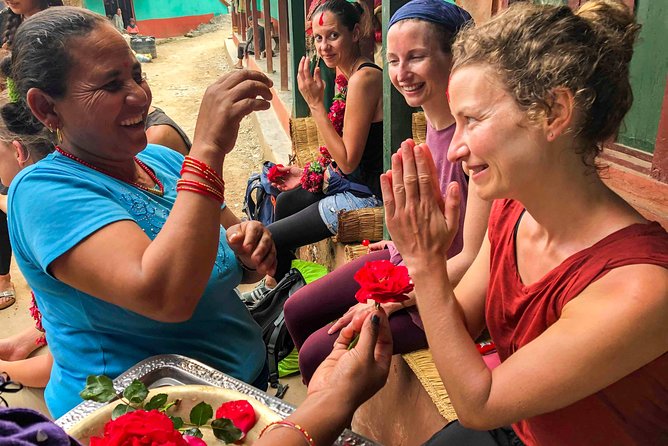
This trek is designed around the basics that make travel stick: people, routines, and place. You’ll spend your time moving between villages, eating what families cook, and getting to talk with your hosts as part of the day instead of waiting for a scripted performance.
The itinerary’s center of gravity is homestays. That means you should picture your “hotel experience” as a village home: simple rooms, local meals, family conversation, and a slower rhythm that comes from living where farming, cooking, and community life happen every day.
This is also why the Millennium Cave stop matters. A cave can be a checklist item on some trips. Here, it’s part of an actual trek day—waterfall in the cave, walking after, then reaching the next village for the night.
You can also read our reviews of more tours and experiences in Kathmandu.
Kathmandu prep: Durbar Square and Swayambhu
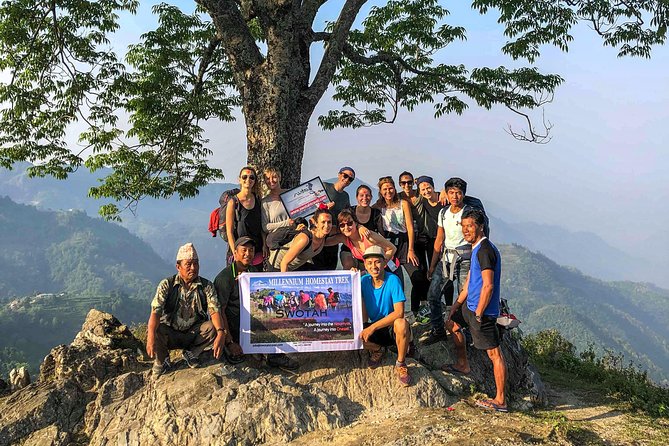
Your trip starts with pickup at Tribhuvan International Airport, then a transfer to your hotel. In the evening, you’ll go over the plan during a traditional dinner—this is the kind of low-stress setup that helps you feel oriented before you leave the city.
Kathmandu Durbar Square comes early in the journey. It’s a strong “first hit” of culture, and it’s also practical: after arrival, you’re not immediately climbing trails. You’re getting your bearings while your guide and crew explain how the next days will work.
The next Kathmandu day focuses on Swoyambhu Mahachaitya and a big chunk of UNESCO-style sightseeing around the valley. The listing says you’ll observe several UNESCO world heritage sites in Kathmandu during this day. That gives you context for what you’re seeing later in the rural parts of Nepal: temple culture, old-city layout, and the way religion and daily life keep intertwining.
The Pokhara reset: drive, lake stroll, and trek prep
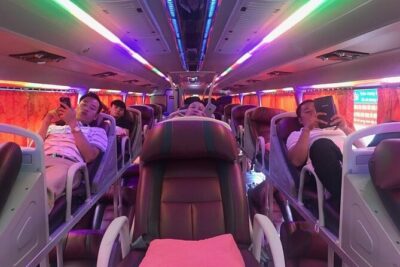
After breakfast, the trip switches gears with a 6–7 hour drive from Kathmandu to Pokhara along the highway with views of villages and the Trishuli River. This is one of those travel transitions that can make or break your mood. The schedule builds in an evening buffer: you stroll near the lake and prepare for the trek tomorrow.
Pokhara is where most people start to feel the contrast. Kathmandu is dense and loud. Pokhara feels more spaced out, and the lake area gives you a softer landing after a big heritage day. It also helps that you’re not arriving and immediately starting a long hike.
Khairenitar to Bankewa: your first night in village life
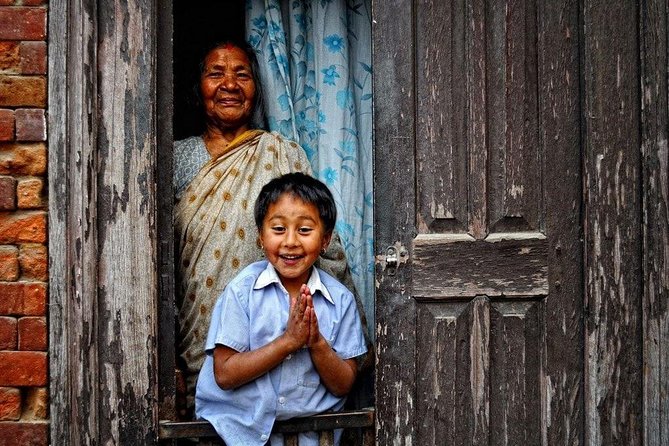
The trek officially starts after getting to Khairenitar (about 28 km away). You’ll likely ride by bus or car depending on group size, then begin trekking toward Bankewa. The schedule calls this your first homestay night.
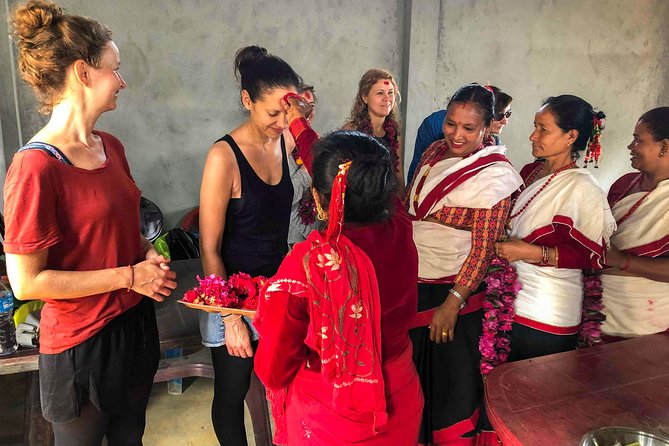
What makes this part valuable is that it’s not just distance—it’s the first taste of what life looks like on the trail. You’ll have time to explore daily village lifestyle, then a welcome program is arranged by the village community.
From a practical standpoint, this first night matters. It gives you time to adjust to homestay routines—shoes near the door, early mealtimes, and the gentle pressure to be flexible about how simple things get done.
PyuriDobhan, sacred rivers, and a shaman show
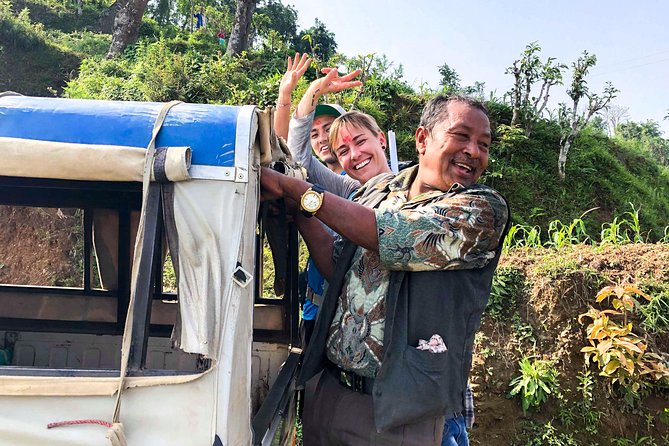
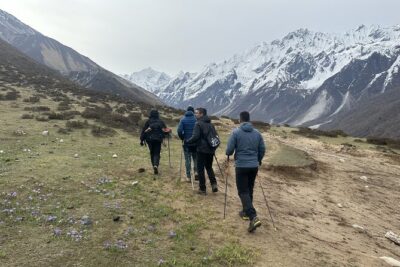
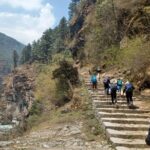
This day is built around slow movement and cultural stops. You’ll spend most of the time walking down or on flatter sections, passing stone ways and motorways at points, then crossing a bridge before following an easy walk along the Surdaudi River.
The main destination is PyuriDobhan, described as a holy place where three sacred rivers meet. Even if you’re not fluent in local belief systems, this kind of stop gives your day shape. It turns a trek day into a story: work your way toward a spiritual meeting point, then stay for the community evening activities.
In the evening, you’ll do a shaman show and evening prayers. This is one of the most distinctly cultural elements in the whole plan. The listing frames it as a shaman show tied to insights from the event leader, with prayers as part of the flow.
For you, the key is attitude. Bring curiosity, keep questions respectful, and remember this isn’t a themed show. It’s a tradition happening in community.
Gurung villages and Gharedi: walking with ethnic variety
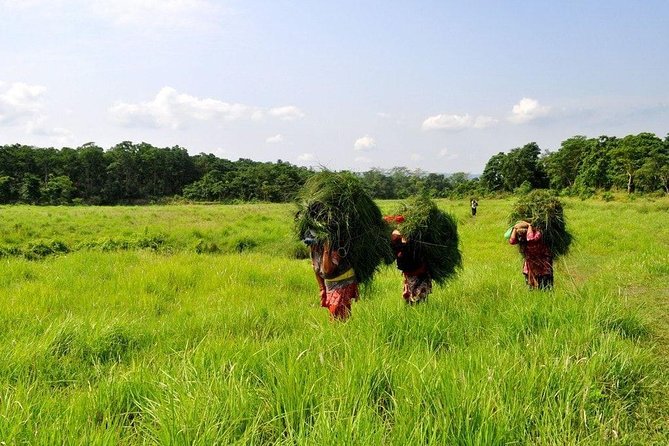
The Gurunghe Hill day starts with local breakfast, then continues with climbing over steep sections and crossing small villages. You’ll pass through the Gurung village of Lamagaon, then after lunch you head down toward Gharedi, noted as one of the larger villages in the region.
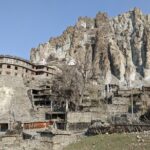
This is where the “ethnic groups in a small area” promise becomes real on your feet. The pace is steady enough to let you notice differences: village layout, daily tasks, and the kind of community interaction that changes when you cross into a new local culture.
The listed trek time here is about 5 hours, which makes it feel like a recovery day inside a longer trek. It’s not “easy,” but it’s a break from the most intense 10-hour schedules.
Millennium Cave: waterfalls, then the uphill payoff
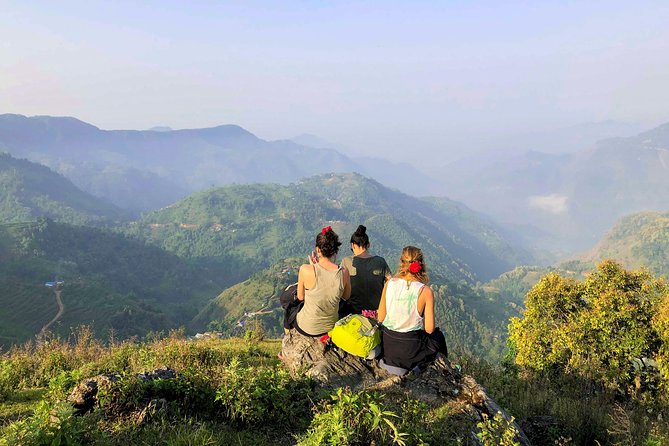
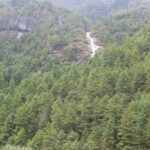
Now for the signature moment: you’ll walk down toward Millennium Cave, described as a cave with waterfalls. You spend time inside, then continue walking up toward Kalkhu village and finally reach Kolma village for the night.
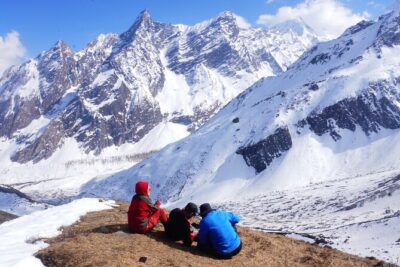
The itinerary notes this can be a hard day walking up, but that once you reach the viewpoint, the view makes the effort worthwhile. Even if you’re a seasoned hiker, that’s the real deal of Nepal trekking: your best reward often comes after the part that makes you question your life choices.
If you care about comfort, think ahead for cave time. Damp air is common in caves, and waterfall caves tend to be cooler and wetter than the path outside. Wear footwear you trust, and keep your daypack organized so you’re not digging for items while you’re moving.
Rangrung and Newari homestay nights: culture through meals and conversation
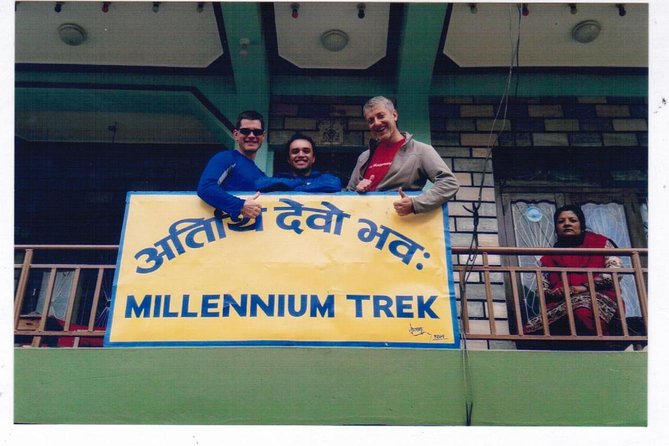
Rangrung is where the trek shifts into Newari village life. The schedule has you walking from a start point toward Rangrung, passing small villages and scenery along the way, then observing ThuloHattiya. You spend the night in the center of Newari village with locals.
One oddity in the schedule: Rangrung appears twice, with very similar wording and both days listing a night in the Newari village center. That likely means you have a second night here, which can be a good thing. Two nights in one place lets you settle instead of constantly packing and unpacking.
For value, this is a great section because it slows down. You get more time to talk, ask about daily routines, and learn through repetition—where a single night can feel like a quick handshake, two nights tends to feel like an actual visit.
A small drawback to keep in mind: one traveler feedback mentioned that meals can feel the same day after day. Homestay food is often simple and consistent by necessity, so if you’re expecting variety like a restaurant, you may feel a little let down.
Tibetan camp and Seti Gorge rock garden: history plus scenery
This is a change of pace day. After breakfast, you walk down toward the Kyangdi River, cross it, and reach Lalim village. Then you slowly enter the Tibetan camp.
The listing is clear about the background: these Tibetan communities are described as refugees who settled after the Chinese invasion of Tibet. The plan emphasizes observing their new lifestyle and their community, which makes the visit more than a quick cultural photo stop.
After that, you cross Seti Gorge, observe the popular rock garden, and then take a bus or jeep back to Pokhara depending on group size. The listing also notes this day has “no more walking left,” which matters because it gives your body a clear finish line.
Pokhara sightseeing and late-lake energy
Once you’re back in Pokhara, the schedule includes a day of sightseeing with a museum stop. Pokhara is described as the City of Lakes, with mountain panoramas, lakes, and caves. The listing also mentions late nightlife at lakeside.
Even if you don’t plan to party, this is a useful day because it’s built for recovery. Trekking can make your senses dull; Pokhara brings them back—shops, street life, and the kind of casual conversations you usually miss on trail days.
If you want to keep it balanced, use this day for two things: a slow meal and one or two planned sights. Pokhara has plenty to see, so don’t let the day turn into a sprint.
The ride back to Kathmandu: Trisuli River views and a clean landing
The return leg runs about 7–8 hours from Pokhara to Kathmandu Valley by deluxe coach or jeep, again depending on group size. The vehicle passes through the Trisuli River and picturesque villages.
Once you arrive, you’re transferred to your hotel. Then the representative meets you and escorts you to the airport based on your flight schedule. The schedule notes airport check-in about 3 hours prior to your flight time, plus farewell lunch or quick coffee and souvenir shopping.
This kind of timing support is underrated. Trek fatigue makes it easy to misjudge transit times, and this schedule helps you avoid that last-day scramble.
Price and logistics: what $1,500 buys you here
At $1,500 per person for roughly 13 days, you’re paying for something more than a hike. You’re funding a model that relies on local homestays, community interaction, guiding, and multiple transportation legs between Kathmandu and Pokhara.
Here’s what stands out as built into the value:
- Pickup offered and a real start-to-finish route between cities.
- Admission tickets included at several sightseeing stops (Durbar Square, Swayambhu, and other listed entries).
- Mobile ticket for the experience.
- Homestays with authentic Nepali local cuisines, plus community welcome programs and cultural evening events.
What could affect perceived value:
- Homestay conditions are inherently basic. If you want predictable hotel comfort, you may find this style less satisfying.
- Walk days are long on paper, including multiple 10-hour days. If you’re not used to long hiking, you’ll feel it.
Also, max group size is listed at 10 travelers. Smaller groups tend to mean more flexible pacing and more room for conversation, which is exactly what you want on a culture-forward trek like this.
Who this trek fits best (and who should rethink it)
This is a good match if you:
- Want a low-altitude feel and a trekking route that avoids the extreme high-altitude challenges.
- Like cultural learning through daily life, not just temples from a distance.
- Enjoy walking between villages where your day includes both nature and people.
One traveler feedback specifically mentioned the route going no higher than about 6,500 ft and being lower than trips like Annapurna and Everest base camps. Another feedback praised the pace as adapted for different needs, including families with kids ages 5, 7, and 9. That suggests the trek can work for reasonably fit travelers who can handle long hours.
This may be less ideal if you:
- Need hotel-style comfort every night.
- Strongly dislike repetition in meals.
- Want shorter hiking days with frequent stops.
Packing and mindset tips that make homestay trekking easier
You can’t pack your way out of a long trek day, but you can pack to reduce daily friction.
- Bring layers. Even when the day is warm, evenings in villages can feel cooler.
- Use footwear you trust on stone paths and river crossings.
- Keep a dry bag or waterproof layer for electronics and important items, especially around cave or waterfall days.
- Pack a small bag of easy-to-share items if you’re the kind of traveler who likes to connect (just keep it respectful and don’t create pressure for anyone).
Mindset is bigger than gear. Your comfort will rise if you treat homestays as a shared home visit rather than a hotel stay.
Should you book the Millennium Homestay Trek?
If you want an off-the-beaten trekking route where the main attraction is village life, I think you should strongly consider it. The homestay structure, the Millennium Cave with waterfalls, and the cultural evening elements (including the shaman show and prayers) create a trip with more texture than standard trekking itineraries.
Book it if:
- You’re curious about how different ethnic communities live.
- You’re happy with simple meals and basic accommodations in exchange for real human connection.
- You can handle several long trekking days with steep sections.
Hold off if:
- You need hotel-level comfort and predictable dining variety.
- Long days and uphill climbs sound miserable rather than motivating.
If you like your travel experiences grounded in daily reality, this trek has a lot going for it.
FAQ
Where does the tour start, and what time is the start?
The tour start point is Tribhuvan Airport in Kathmandu, Nepal, with a listed start time of 6:15 am.
How big is the group for this experience?
The maximum group size is listed as 10 travelers.
What major sights are included besides the homestays?
The itinerary includes Kathmandu Durbar Square, Swoyambhu Mahachaitya, Millennium Cave, a Tibetan camp visit, and sightseeing in Pokhara including a museum stop.
Is the trek high altitude?
Specific altitude details aren’t listed in the itinerary, but one piece of feedback notes the route goes no higher than about 6,500 ft and is lower than treks to Annapurna and Everest base camps.
Are admission tickets included?
Admission tickets are listed as included for several stops, including Kathmandu Durbar Square, Swoyambhu Mahachaitya, and other listed sightseeing portions.
How do you get between Kathmandu and Pokhara?
You travel by car or bus from Kathmandu to Pokhara (about 6–7 hours), and then return by deluxe coach or jeep from Pokhara to Kathmandu (about 7–8 hours).
Is free cancellation available?
Yes. Free cancellation is available up to 24 hours in advance for a full refund. If you cancel within 24 hours, the amount paid is not refunded.