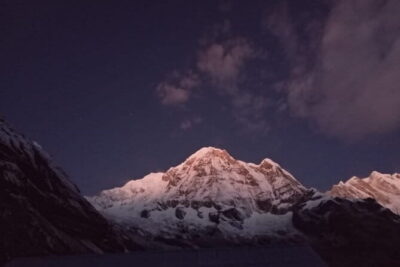
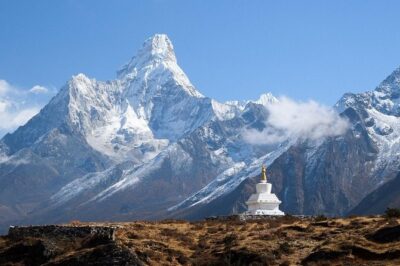
Mardi Himal is the quieter side of Annapurna. This private 8-day trek stays at a moderate maximum altitude of 4,500m (14,760 ft) while still delivering big mountain views, from Machhapuchhre to the Mardi Himal ridgeline. I like the unhurried pacing and the fact that you can customize the plan to your needs. The only real drawback: it starts early and the trekking days can feel hard at times, even without extreme altitude.
What makes this route work well is the rhythm. You spend time hiking and also time adjusting—so you’re not constantly guessing how your body will handle the next day. You’ll sleep in basic but comfortable teahouses (with breakfasts included), and your guide handles the moving parts so you can focus on the trail.
In This Review
- Key things I’d circle before you go
- The real appeal: why Mardi Himal is such a smart choice
- Kathmandu to Pokhara: setting your trip up to feel easy
- From Kande to Pothana: the first taste of Annapurna country
- The big view days: Mardi Himal and Machhapuchhre show up repeatedly
- Coming down: forest, small settlements, and the end of the trek feeling gentle
- Teahouses and meals: what included really gives you
- Private pacing and guide support: where the value shows up
- Price and value: does $666.67 make sense?
- Who this trek fits best (and who might rethink it)
- Should you book this Mardi Himal trek?
- FAQ
- How long is the Mardi Himal trek in this package?
- What is the maximum altitude you reach?
- Is this trek private?
- What time does the experience start?
- Do you get pickup?
- What meals are included?
- Are drinks included?
- How do you travel between Kathmandu and Pokhara?
- Are service animals allowed?
- What fitness level do you need?
- Is free cancellation available?
Key things I’d circle before you go
- Private, paced trekking: You walk at a speed that feels reasonable for your group.
- Moderate altitude ceiling: Maximum altitude stays around 4,500m, which helps keep the trek approachable.
- Classic Annapurna viewpoints: Expect repeated sightlines of Machhapuchhre and the Annapurna range.
- Teahouses with real meals: Breakfast is included, plus lunches and dinners on trekking days.
- Plenty of acclimatization time: The schedule builds in flexibility so you can adjust as you go.
- Local support that reduces stress: The guide and lodge staff help you keep moving without feeling rushed.
The real appeal: why Mardi Himal is such a smart choice
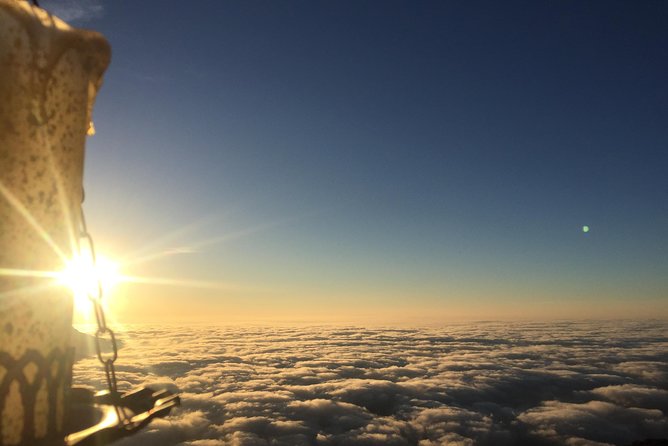
Mardi Himal sits in the Annapurna region, but it has a calmer feel than the busier high-profile routes. That matters if you want mountain views without spending your whole trip stuck in crowds or feeling like your day runs on someone else’s stopwatch.
This trek is also built for walkers who like balance. It’s not a casual stroll, but it’s not an elite, suffer-all-day-at-5,000m ordeal either. With a maximum of 4,500m (14,760 ft), you’re in that sweet spot where the air gets noticeable, but the whole plan is geared toward steady progress.
And since it’s private, you’re not squeezed into a one-size-fits-all timetable. You can take breaks when you need them, and your guide can adapt the day to your pace.
You can also read our reviews of more tours and experiences in Kathmandu.

Kathmandu to Pokhara: setting your trip up to feel easy
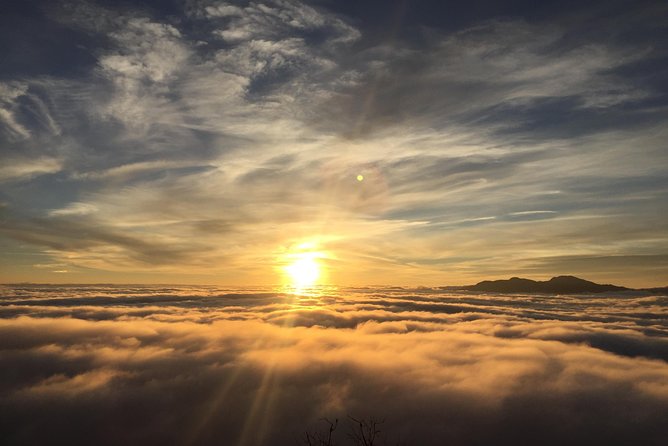
Day 1: Arrive Kathmandu, settle in Thamel
You land in Kathmandu and transfer to your hotel. Then it’s out into Thamel to get your bearings fast—shops, small streets, and a low-stress way to spend your first evening. This is a good day for sleep, light walking, and getting ready for the early start.
Day 2: Tourist bus to Pokhara, then Lakeside unwind
You leave Kathmandu early (about 6:30 AM by tourist bus). The ride follows the Trishuli and Marshyangdi rivers, so you get changing scenery without effort. Once you reach Pokhara, you keep it simple: a walk along Lakeside for about 45 minutes and an easy evening to reset your legs.
Why this matters: Pokhara is where the trek “starts to feel real.” If you arrive with energy, the first hiking days feel tougher in a good way—not like a punishment.
From Kande to Pothana: the first taste of Annapurna country
Day 3: Drive to Kande, then into the Australian Camp and Pothana trail
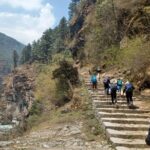
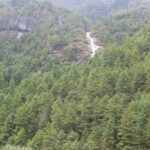
After a 1.5-hour drive to Kande, you begin trekking through Australian Camp and onward to Pothana. The path starts in forested terrain, with mountain views of Annapurna and Machhapuchhre appearing as you walk.
This day is ideal for finding your pace. You’ll likely feel like you’re working, but the trail setup helps you settle in rather than hit a steep wall immediately.
Day 4: A quieter trail through rhododendron forests
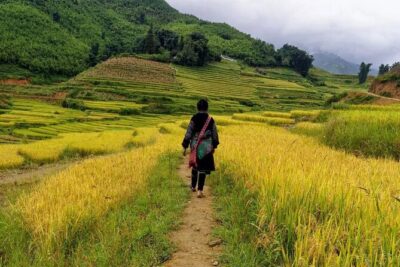
Today is about less traffic. You move along a quieter section through rhododendron forests, with the kind of scenery that changes minute by minute—tree canopy, shade, then sudden clear views when the trail opens.
The payoff: you get that Annapurna feeling without the constant sense of being boxed in by other groups.
The big view days: Mardi Himal and Machhapuchhre show up repeatedly
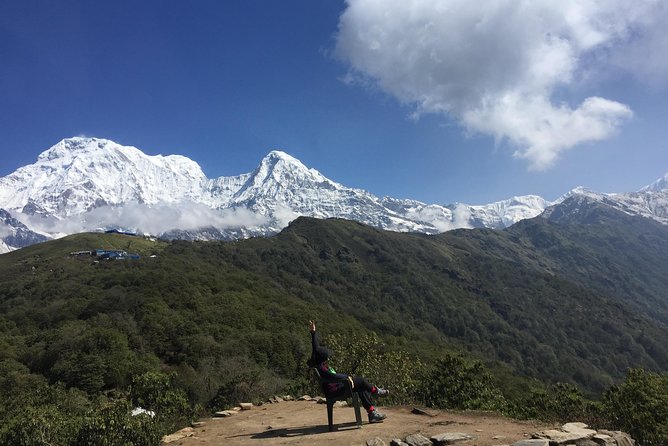
Day 5: Gradual ascent above the tree line toward Mardi Himal views
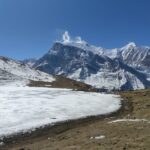
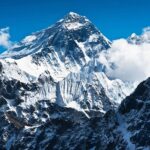
You get a long hiking day (about 6 hours) with a gradual ascent and strong sightlines of Mardi Himal and Machhapuchhre. As you go higher, the trail runs above the tree line and turns more alpine—so the feel of the hike shifts from forest walking to more exposed, sky-facing terrain.
This is where “moderate altitude” really becomes real in your body. You’re still not at the highest Annapurna levels, but the air can feel thinner and your pace might slow. That’s normal. The whole schedule is built so you don’t need to crush it.
Day 6: Early hike to viewpoint, then High Camp breakfast and rest
You start with an early morning hike to a viewpoint for wide panoramas, including Annapurna South, Hiunchuli, and Machhapuchhre. Then you return to High Camp for breakfast and rest.
This day’s structure is smart. You earn the views while the day is still calm, and you don’t just hike, hike, hike until you’re exhausted. The breakfast-and-recovery stop matters more than it sounds.
Coming down: forest, small settlements, and the end of the trek feeling gentle
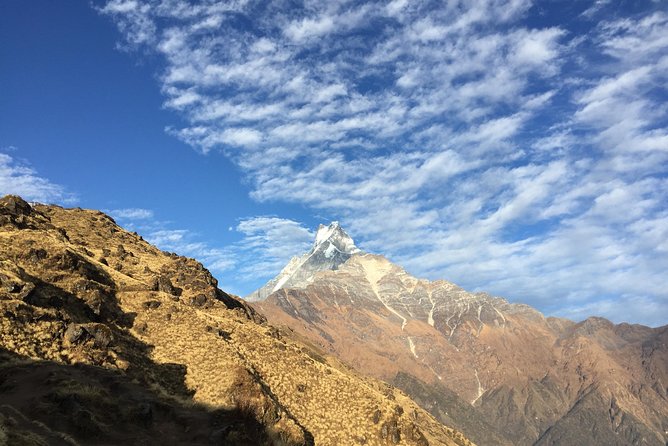
Day 7: Final descent through forest and small settlements, then drive back to Pokhara
You wrap up with a descent through forest and small settlements. After that, you drive back to Pokhara.
Then you get a free evening at Lakeside to relax. No big agenda. Just time for hot tea, photos, and letting your legs cool down.
Day 8: Return to Kathmandu
You take a tourist bus back to Kathmandu (about 6 hours), then transfer to your hotel on arrival.
This final day is straightforward, which I appreciate. You’re not scrambling for connections or rushing to squeeze in extras.
Teahouses and meals: what included really gives you
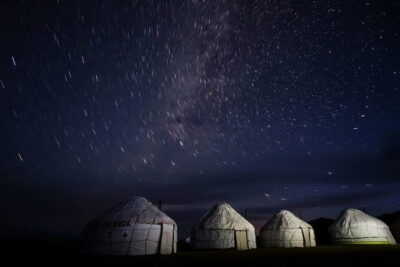
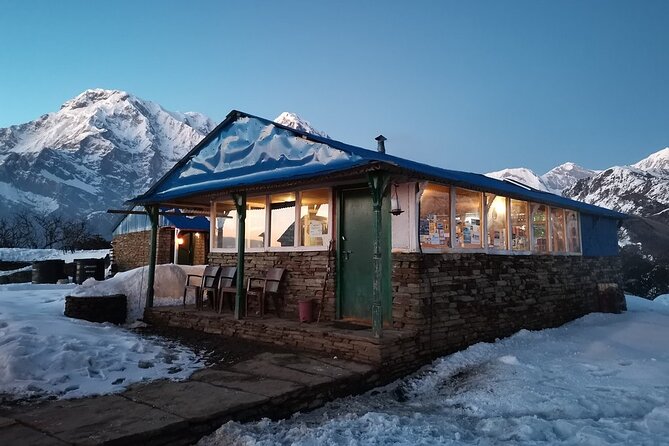
The lodging is in basic but comfortable teahouses. That’s the normal teahouse trekking model in Nepal: simple rooms, practical comforts, and staff who understand how important warm food and a dry place are.
Here’s what you can count on food-wise:
- 7 breakfasts
- 5 lunches
- 5 dinners
Breakfast being included is a big deal on trekking days. You start with fuel and you don’t have to hunt for food in uncertain places early in the morning. Lunch and dinner being included reduces decision fatigue and makes the daily pacing easier to follow.
Drinks aren’t included, so you’ll want to plan for that separately. Also, since teahouses are basic, you should treat the lodging as part of the adventure, not a hotel stay.
Private pacing and guide support: where the value shows up
This is a private trek, and it’s the kind of private that matters. You’re not just paying to have a guide walk next to you. You’re paying to have your day handled—route support, guidance, and the flexibility to customize the trek to your needs.
That shows up most in how the experience feels:
- You don’t get pressured by a larger group.
- You can take breaks as needed without feeling like you’re slowing others down.
- Your guide supports you with what you’re seeing along the trail and helps the days feel manageable.
The strongest theme from feedback around this style of service is safety and comfort—especially for solo travelers. One of the big wins is that the arrangement feels organized and calm, not chaotic.
I also like that this trek builds in acclimatization time. Even with a moderate maximum altitude, your body still needs time to adapt. A flexible schedule prevents the trek from becoming an endurance contest.
Price and value: does $666.67 make sense?
At $666.67 per person, this trek isn’t in the cheapest category, but it also isn’t priced like a luxury expedition. The value comes from three things you’re not getting on bargain DIY-style trips:
- Private guiding and support
- Food included (multiple breakfasts, lunches, and dinners)
- A structured plan that handles the hard parts
- transport between Kathmandu and Pokhara
- drive to the trekking start at Kande
- guidance along the trail and back out to Pokhara and Kathmandu
When you price those items separately in Nepal—especially guide time and the days’ meals—the trek starts to look more reasonable. If you’re the kind of traveler who hates logistics, this package can feel like money well spent.
If you already have a guide lined up, your own transport, and you’re comfortable booking meals and tea house stays day by day, then the price won’t look as attractive. But most people doing a trek for the scenery prefer not to juggle the details.
Who this trek fits best (and who might rethink it)
This trek is aimed at people with moderate physical fitness and the desire for a mountain experience that doesn’t chase extreme altitude.
You’ll likely love it if:
- you want real Himalaya scenery without going too high
- you prefer a quieter, less crowded feel within the Annapurna region
- you like having a guide and schedule that reduces stress
- you want teahouse trekking with meals handled
You might reconsider if:
- you want a fully easy walk every day
- early starts exhaust you
- you dislike basic teahouse lodging (since the rooms are simple)
Should you book this Mardi Himal trek?
I’d book it if your goal is mountain views with a private, paced feel and a moderate altitude cap around 4,500m. The schedule’s flexibility and the acclimatization time are the difference between a trek that feels steady and one that feels like a grind.
I’d be cautious only if you’re expecting a gentle hike with no challenging moments. Even “moderate” treks can feel tough on steep trail sections, and the early mornings start on Day 2.
Bottom line: if you want Annapurna views with less altitude pressure and a calmer day-to-day rhythm, this is a strong match.
FAQ
How long is the Mardi Himal trek in this package?
It’s listed as 8 days (approx.).
What is the maximum altitude you reach?
The highest point is about 4,500 meters (14,760 feet).
Is this trek private?
Yes. It’s a private tour/activity, so only your group participates.
What time does the experience start?
The start time is 6:15 am.
Do you get pickup?
Pickup is offered.
What meals are included?
You get 7 breakfasts, 5 lunches, and 5 dinners included.
Are drinks included?
No. Drinks are listed as not included.
How do you travel between Kathmandu and Pokhara?
You take a tourist bus from Kathmandu to Pokhara in the morning, then later return by tourist bus to Kathmandu.
Are service animals allowed?
Yes, service animals are allowed.
What fitness level do you need?
You should have a moderate physical fitness level.
Is free cancellation available?
Yes. You can cancel up to 24 hours in advance for a full refund. Canceling within 24 hours of the start time is not refunded.
If you want, tell me your hiking background (and whether you’re traveling solo or as a couple), and I’ll help you gauge whether the pacing fits your comfort level.