REVIEW · KATHMANDU
Kathmandu to Langtang Valley 7-Day Trek
Book on Viator →Operated by Cordial Trek Pvt. Ltd. · Bookable on Viator
Rhododendron days, glacier nights in Langtang. This 7-day Kathmandu-to-Langtang Valley trek starts with pickup in the city, then heads north into Langtang National Park for forest trails, village stops, and mountain views that keep getting better as you go higher.
I especially like how the route is set up for first-time trekkers, with day hikes that are long enough to feel real but broken into manageable blocks and overnight stays in mountain guesthouses. I also love the big, clear highlight of Kyanjin Ri (4773 m), plus the fact that the required paperwork is handled for you with a National Park permit and TIMS card included.
One possible drawback: you’ll need to plan around meals not included and a high point near 4773 m, so you should budget extra for food and pack for cold mornings even in warmer months.
In This Review
- Key things to know before you walk the Langtang Valley trail
- From Kathmandu to Syabrubesi: the start you’ll feel all the way
- Day 2 to Day 3: Syabrubesi to Lama Hotel, then into Langtang village
- Day 4: Kyanjin Gompa for monastery history and mountain views
- Day 5: Kyanjin Ri (4773 m) and the return to Lama Hotel
- Day 6 to Day 7: downhill to Syabrubesi, then the ride back to Kathmandu
- Price and logistics: what $300 covers on this 7-day Langtang trek
- Guide and porter quality: where this trek tends to shine
- Pace, altitude, and fitness: what moderate really means here
- Plants, wildlife, and why the park feels different each day
- Should you book this Kathmandu to Langtang Valley 7-day trek?
- FAQ
- Where does the Langtang Valley trek begin?
- What time does the tour start?
- How long is the trek?
- What’s included in the price?
- Are meals included?
- What is the highest point on the route?
- Is the trek available year-round?
- What is the cancellation policy?
Key things to know before you walk the Langtang Valley trail
- Hotel pickup and drop in Kathmandu with a timed start from 6:45 am
- Permits included (National Park permit and TIMS card) so you avoid last-minute admin
- Guesthouse nights built into the itinerary for less hassle
- Kyanjin Gompa day for an old monastery stop and strong panoramic views
- Kyanjin Ri round trip with peak views of multiple named mountains
- A true downhill finish back to Syabrubesi before you re-board for Kathmandu
From Kathmandu to Syabrubesi: the start you’ll feel all the way
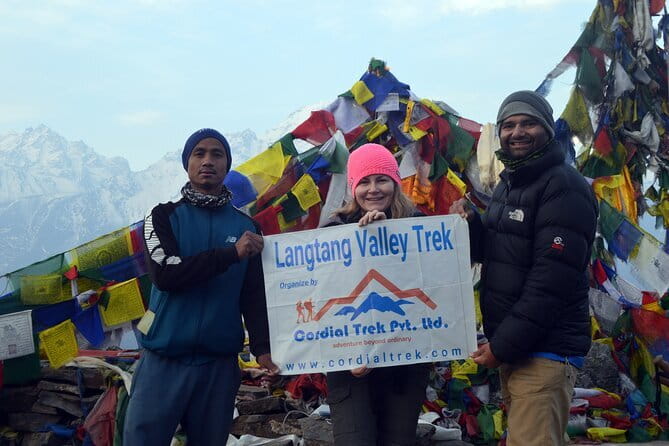
Your day begins early. Pickup is arranged from your hotel or apartment in Kathmandu, and the schedule starts at 6:45 am, which helps you get out of the city before traffic turns the drive into a slog.
After you’re collected, you head toward the local bus station in Balaju, then take a 6–7 hour bus ride (with the tour using shared transport). By the end of Day 1 you’re in Syapru Besi (Syabrubesi), ready to start walking the next morning.
This is a long first day, but it matters. You’re not spending your trek days stuck in vehicles, and you’re also building a rhythm: travel, settle, trek. That pattern keeps a group happier when the real climbing starts.
You can also read our reviews of more tours and experiences in Kathmandu.
Day 2 to Day 3: Syabrubesi to Lama Hotel, then into Langtang village
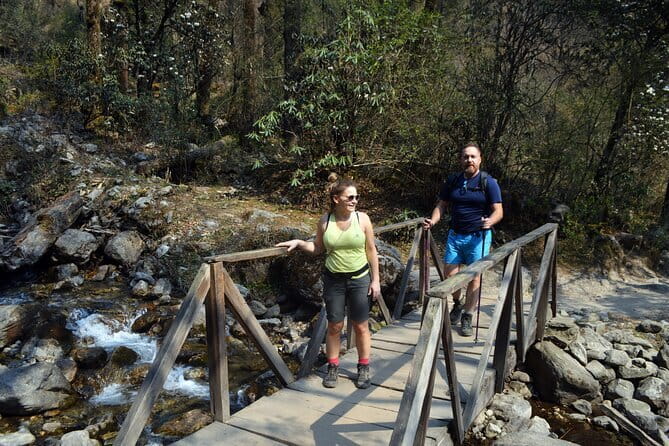
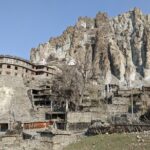
On Day 2, the trail starts easy enough to feel welcoming. You hike about 5–6 hours from Syapru Besi into the Langtang National Park, reaching Lama Hotel. The route is described as scenic, with waterfalls and traditional villages along the way, which is exactly what you want on day one of actual trekking.
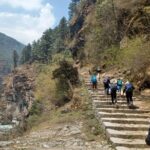
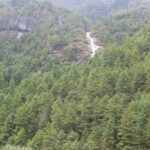
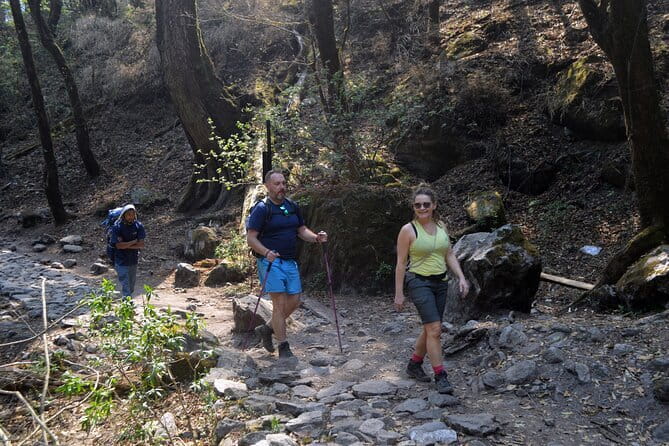
Day 3 ramps the feel up a bit. You’re looking at 6–7 hours from Lama Hotel to Langtang village, moving through dense forest of rhododendrons and pine. This is the day where the park starts to feel like its own world: layered trees, changing light, and trail scenes that don’t get repetitive.
Two practical points you’ll appreciate here:
- Long forest days can be cooler than the open sections, but they also tend to have damp shade, so bring layers you can adjust.
- Expect trail time to vary with weather. If conditions are foggy, you’ll still walk, but the view payoff will shift to later days.
Day 4: Kyanjin Gompa for monastery history and mountain views
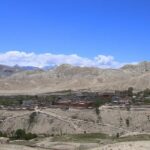
Day 4 is a satisfying shift from walking through forest to reaching something that feels like a destination. The hike is about 3–4 hours from Langtang village to Kyanjin Gompa, one of the oldest monasteries in the region.
What makes this stop feel worthwhile is the combination: you get a cultural anchor and then you get rewarded with panoramic mountain views around the Gompa area. It’s the kind of place where you can slow down, take a breath, and let the altitude start to feel real without rushing every second.
If you’re traveling with limited trekking experience, this is also a good day mentally. It’s shorter than the previous two hikes, so it helps your body catch up after two longer trekking days.
Day 5: Kyanjin Ri (4773 m) and the return to Lama Hotel
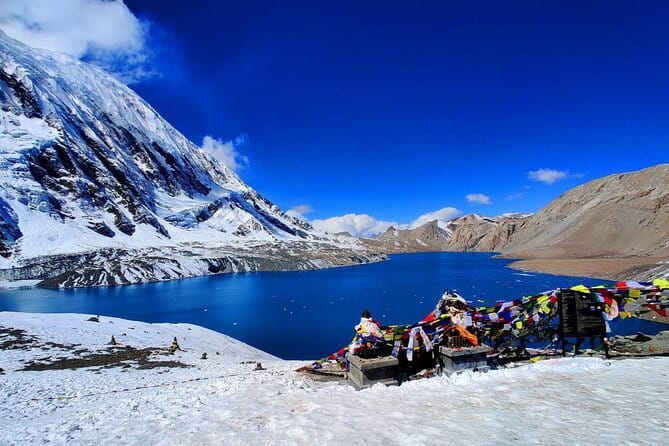
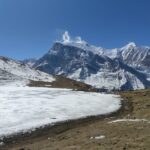
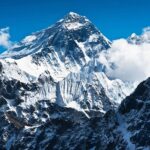
Day 5 is the trek’s big headline. You start with a 3–4 hour round trip from Kyanjin Gompa to Kyanjin Ri (4773 m). The top is described as giving panoramic views including Mt. Langtang Ri, Mt. Dorje Lakpa, and Mt. Langtang Lirung.
Going up to a named viewpoint like this is valuable for a simple reason: it turns your effort into something you can point to. You’re not just walking from one hut to another. You’re climbing toward a specific, memorable goal.
After the summit viewpoint time, you hike back down to Lama Hotel for the night. That return matters because it breaks the day into phases: climb and focus, then descend and reset. If you want good photos, this day is where timing and patience pay off.
Day 6 to Day 7: downhill to Syabrubesi, then the ride back to Kathmandu
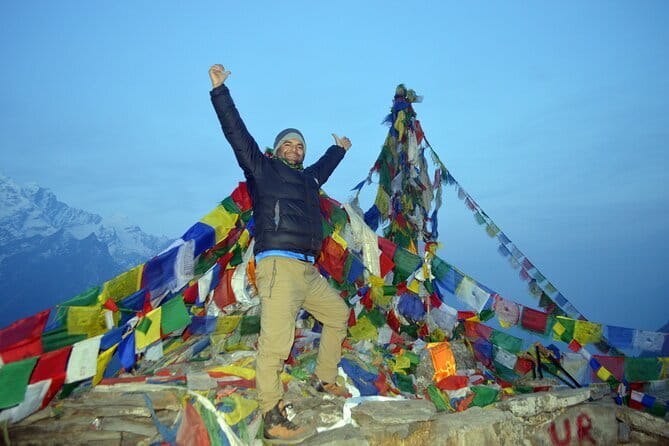
Day 6 brings the relief day. You trek about 5–6 hours from Lama Hotel back to Syapru Besi, where a guest house is the planned night halt. This is a day where your legs do most of the work, but your mind should feel calmer since the highest point is already behind you.
On Day 7, you finish with a 7–8 hour bus/sharing jeep drive from Syabrubesi back to Kathmandu. After you arrive, you’re escorted back to your hotel.
That final transportation day is one reason this itinerary works well for mixed comfort levels. You get a clear end point and you don’t have to gamble on extra nights or uncertain connections.
Price and logistics: what $300 covers on this 7-day Langtang trek
At $300 per person, the value depends on what you compare against: not just the trek hours, but the included support.
Here’s what’s included:
- Sharing jeep/bus for Kathmandu ↔ Syabrubesi
- Mountain guesthouse lodging during the trek
- National Park permit and TIMS card
- Hotel pickup & drop in Kathmandu
And what’s not included:
- Meals
- Guide gratuity (optional)
Meals not being included is the main trade-off. For many trekkers, that’s manageable, but you should plan your daily budget because you’ll be eating while walking and at guesthouses, not in big-town restaurants. The good news is that meals are a controllable cost; permits, transport, and lodging are locked in.
The other value piece is paperwork. Trekking inside a national park comes with required entry steps, and having permits handled is the kind of detail that prevents stress from swallowing your first days.
Guide and porter quality: where this trek tends to shine
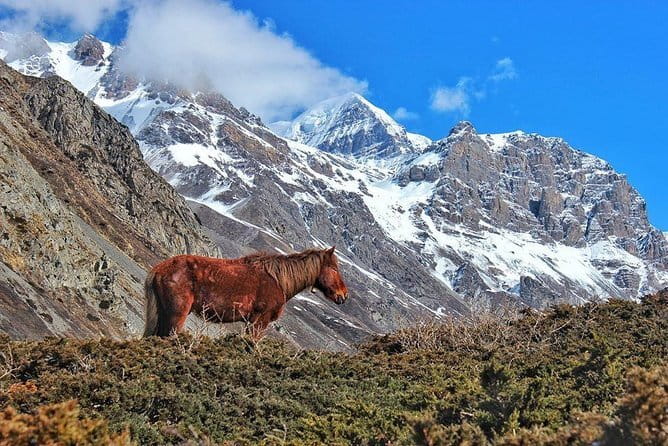
This trek lives or dies on how well people handle the in-between moments: pacing, communication, and small problems. The strongest praise from past groups focuses on guides and porters who are caring, attentive, and steady under pressure.
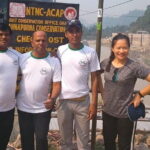
For example, Raj Tamang is repeatedly highlighted as a guide who kept the group well organized and motivated, with strong insights and a cheerful, helpful approach. Other names that came up in a positive light include Pratip as a guide, and Dup and Maila as porters. In another case, Haj (guide) and Hem (porter) were singled out for good care.
There’s also a practical service detail worth noting: one person mentioned forgetting shoes in the van and the team finding them and dropping them at their hotel afterward. That kind of follow-through is not glamorous, but it’s exactly what you want when you’re traveling far from home.
How to use this info:
- If the operator can assign or request roles, it’s smart to ask who you’ll be trekking with.
- During the walk, ask your guide questions. The best moments often happen when you understand what you’re looking at, not just when you’re chasing views.
Pace, altitude, and fitness: what moderate really means here
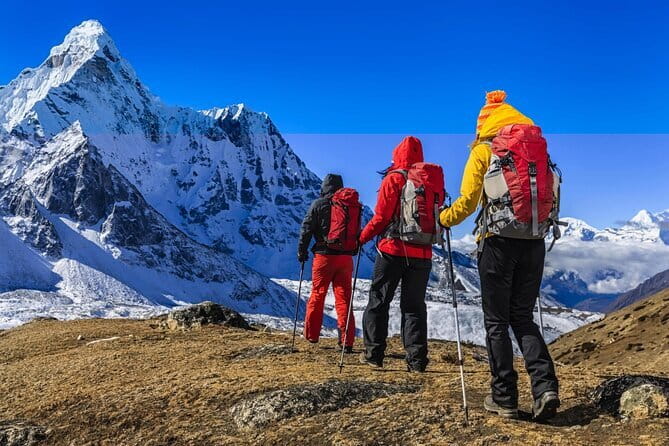
The tour description calls for moderate physical fitness, and it also notes that it’s suitable even without prior trekking experience. That doesn’t mean it’s easy. It means the route is designed with steady stages and a realistic rhythm.
The biggest physical checkpoint is the high point on Kyanjin Ri at 4773 m. Even if you feel strong on day three or day four, altitude can still change your breathing and your energy. Plan to move steadily and avoid sprinting every uphill.
Also keep in mind:
- You’ll have multiple long hiking days (around 5–7 hours) plus one viewpoint day with a round trip.
- Start times and early mornings matter. The itinerary’s early start helps you use daylight well.
For packing, the key idea is layers and consistency. You want gear that works in forest shade, then works again higher up when it gets colder. If you’re unsure, pack for chilly mornings and comfortable walking shoes that can handle trail steps.
Plants, wildlife, and why the park feels different each day
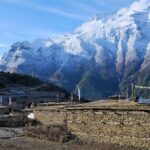
Langtang is a wildlife and plant-heavy environment. The park is described as having dense forest, with tree types including deciduous oak and maple, evergreens like pine, and rhododendrons. The trek specifically highlights seasons where wildflowers and rhododendrons can bloom in front of the trail, with the Langtang Mountains and glaciers in the background.
Even if you never spot an animal, knowing what’s around changes your attention. You’ll likely notice bird calls more, and you’ll look at forest edges differently.
Wildlife listed for the area includes Himalayan Black Bear, Himalayan Tahr, Assam Macaque, Snow Leopard, Yak, and Red Panda, plus more than 250 species of birds. Some of these are harder to see than others, but it’s still part of the experience: you’re walking inside habitat that supports rare and local species.
There’s also a bigger-picture detail that makes the region feel significant. Langtang National Park borders the Tibet Autonomous Region of China, which is a reminder that this is a cross-cultural, cross-border mountain region, not just a scenic hiking area.
Should you book this Kathmandu to Langtang Valley 7-day trek?
I think this is a strong booking choice if you want:
- A structured 7-day itinerary with guesthouses and transport already lined up
- A trek that’s described as manageable for beginners, as long as you’re realistically active
- A clear highlight day at Kyanjin Ri (4773 m) and a cultural stop at Kyanjin Gompa
- A team that puts real effort into organization and caring guidance, based on repeated praise for guides like Raj Tamang and Pratip, and porters like Dup and Maila
I’d hesitate if:
- You dislike budgeting for meals, since food is not included
- You’re not comfortable with altitude near 4773 m, even if the route is paced
- You’re expecting a short, gentle hike. This is a real trek, just staged well.
If you’re the type who enjoys walking through forest, watching the weather change hour by hour, and earning those viewpoint moments, this one fits.
FAQ
Where does the Langtang Valley trek begin?
It begins in Kathmandu with hotel pickup, then transport to Syapru Besi (Syabrubesi) before trekking starts.
What time does the tour start?
The start time is 6:45 am.
How long is the trek?
It’s listed as 7 days approximately, with walking days and a final transport day back to Kathmandu.
What’s included in the price?
Included items are sharing jeep/bus (Kathmandu–Syapru Besi–Kathmandu), mountain guesthouse lodging, National Park permit and TIMS card, and hotel pickup & drop.
Are meals included?
No. Meals are not included.
What is the highest point on the route?
The itinerary includes a round trip to Kyanjin Ri (4773 m).
Is the trek available year-round?
It’s available all year long except for monsoon seasons.
What is the cancellation policy?
You can cancel for free up to 24 hours in advance of the experience start time for a full refund. If you cancel less than 24 hours before, the amount paid is not refunded.