REVIEW · KAMPALA
12-Day Big 5, Chimp & Gorilla Trekking Safari
Book on Viator →Operated by Exclusive Gorilla Vacations · Bookable on Viator
A gorilla hour in Bwindi changes your day. This 12-day Uganda safari links chimp tracking in Kibale with gorilla trekking in Bwindi, plus classic game-viewing and boat time on rivers and channels. You start in Entebbe, move through Kampala’s landmarks, then work through four major safari regions with a solid rhythm that keeps the focus on animals, not just driving.
What I like most is how directly you get into the primates’ world—proper chimpanzee tracking in Kibale National Park and then a full gorilla trek in Bwindi, with a real one-hour viewing once you find the family. I also really appreciate the “Big Five feeling” that comes from pairing traditional savanna safaris with rhino time at Ziwa Rhino Sanctuary and then following that with Murchison Falls game drives and the Nile boat cruise.
One consideration: this is an active trip with early mornings and some long road days between parks. The gorilla trek portion can also feel physically demanding, even though the trails vary from family to family.
In This Review
- Key highlights worth planning around
- Entebbe to Kampala: start with culture before the wild
- Ziwa Rhino Sanctuary and Murchison Falls: the Big 5 track starts early
- Kibale chimpanzees and Bigodi wetlands: the forest feels alive
- Queen Elizabeth salt lakes, Kazinga Channel, and Ishasha tree-climbing lions
- Bwindi gorilla trek: how the walk works and what you should pack
- Lake Bunyonyi to Lake Mburo, then Jinja: add variety without losing momentum
- Mabamba Swamp shoebill: a birding morning on Lake Victoria
- Value for $4,300: why this price can make sense
- Pace and group size: what it feels like day to day
- Practical tips for chimp and gorilla days (so you don’t regret anything)
- Should you book this Uganda Big 5, chimp, and gorilla safari?
- FAQ
- Where does the safari start?
- How long is the safari?
- What’s the maximum group size?
- Is pickup offered?
- Is there a gorilla trekking component?
- Can I cancel for a full refund?
- Are service animals allowed?
Key highlights worth planning around
- Ziwa Rhino Sanctuary adds rhino to your Big 5 goal in a way that fits this route
- Chimpanzee tracking in Kibale focuses on a guided forest walk and about an hour with the chimps once found
- Nile boat cruise at Murchison Falls gives you hippos, crocodiles, and birds from the water
- Kazinga Channel boat safari is built for hippos and Nile crocodiles, with bird spotting too
- Bwindi gorilla trek logistics include safety briefing, armed rangers, and a one-hour viewing window
- Mabamba Swamp shoebill search includes a boat ride from Nakiwoggo Landing site in Lake Victoria
Entebbe to Kampala: start with culture before the wild

Your trip begins at Entebbe International Airport. An agent from Exclusive Gorilla Vacations meets you and gives you a safari briefing, then you head to Kampala for a city tour. This is a good setup if you land feeling jet-lagged: you get guided context fast, plus a chance to stretch your legs before the parks start demanding full attention.
Kampala is where you get a slice of Uganda beyond the safari brochure. You’ll visit the Kasubi Tombs, the sacred burial site of Buganda kings, and also see the Kabaka’s Palace. The stop at Buganda Parliament adds another layer—politics and history in the same breath. You’ll also visit Gaddafi National Mosque, and if you climb the minaret you get wide city views. The markets (Owino and Nakasero) are where you see everyday life: people moving, shopping, trading, and eating.
Practical note: Kampala can feel busy, so give yourself time to look, not just rush photos.
You can also read our reviews of more tours and experiences in Kampala.
Ziwa Rhino Sanctuary and Murchison Falls: the Big 5 track starts early

Day two leans into the Big 5 idea right away. You’ll have breakfast in Kampala, then head toward Ziwa Rhino Sanctuary. This is worth treating as more than a side stop. Ziwa is described as the only place where you can spot southern white rhinos in the wild, linked to reintroduction efforts after major loss in the 1980s. In other words, if your Big 5 target includes rhino, this is one of the most direct ways to make that real on this circuit.
After that, you continue to Murchison Falls National Park.
On day three, the schedule starts before the sun—around 6:00 AM with coffee and a snack, then a game drive. Early hours can be prime time for predators and the animals that move when it’s still cool. You’re aiming for lions, leopards, hyenas, and more common sightings too: antelopes, giraffes, buffalo, and hippos. Nubian giraffes are specifically mentioned, so keep your camera ready when the spotlight shifts onto that smaller subset.
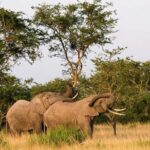
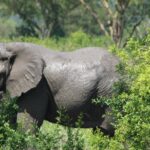
Then you switch gears to the water. A 3-hour Nile River boat cruise is one of the best ways to slow down and still see wildlife. This is where you’ll look for crocodiles and hippos, plus aquatic birds. The banks can also produce elephants and buffalo close enough to feel like you’re part of the action instead of watching from far away.
A small drawback: long park days can blur together if you don’t pace your energy. Build in downtime at the lodge so the next primate-focused segment lands fresh.
Kibale chimpanzees and Bigodi wetlands: the forest feels alive
Kibale is your chimp chapter. On day four, you drive from Murchison toward Kibale Forest National Park. The route includes some scenic stops, including the Butiaba Escarpment for views over Lake Albert and the Eastern arm of the Great East African Rift Valley. You’ll also see tea plantations around Fort Portal, which helps break up the “just keep driving” feeling.
You’ll arrive and check in, then rest up for the next morning’s chimp tracking.
On day five, the chimpanzee experience is built around a proper briefing and then the trek. You go to the park headquarters first for instructions on how the tracking works. Your guide (the guide quality matters here) leads the forest walk known as the primate capital, with 15 primate species in Kibale’s mix.
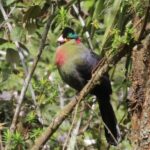
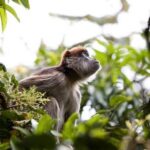
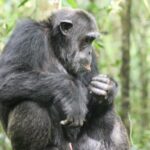
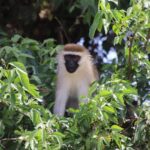
Once you find chimpanzees, the payoff is real: about one hour observing them, including feeding habits and playful behavior. The chimp moment is the headline, but the forest is also full of other sightings. You may see L’hoest monkeys, colobus monkeys, and baboons. Birdlife adds color too—forest birds like African broadbill and Ross’ turaco, plus butterflies and local plant details.
After lunch, you head to Bigodi Wetland Sanctuary, known for colobus and blue monkeys as well as strong birding. There’s also a community walk there, which adds a human layer: you’re not just moving through nature; you’re learning how people and wildlife overlap in daily life.
If you’re the type who hates long walking segments, don’t worry—you’re not hiking for miles with no end in sight. Still, wear shoes you trust.
Queen Elizabeth salt lakes, Kazinga Channel, and Ishasha tree-climbing lions
Queen Elizabeth National Park is split across a couple of days, but it has a theme: animals with variety. Day six starts with the Katwe area at Katwe Wildlife Sanctuary. You’ll see the Katwe Salt Lake and learn about salt extraction—traditional methods and past industrial approaches. This stop is more than a photo-op. It explains how the park’s resources connect to local income, so when you later see animals in the same general area, you understand the bigger picture.
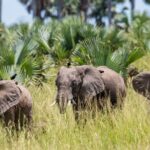
You also visit Lake Munyanyange, known for over 40 bird species. Later in the day, you get an evening game drive in the Kasenyi plains, which is where elephants, buffalo, and other savanna species show up, along with kobs, warthogs, and waterbucks. The animals you see here depend on luck, season, and where the guide positions you, but the timing is designed to give you chances.
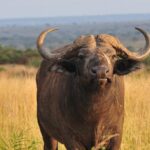
Day seven shifts into game-drive mode across the Kasenyi plains, looking for Cape buffaloes, elephants, warthogs, waterbucks, Uganda kobs, and predators like lions, leopards, and spotted hyenas. After lunch, you do a boat safari along the Kazinga Channel. This is a classic move for a reason: Kazinga has high concentrations of hippos and Nile crocodiles, plus a lot of birds along the shoreline. The best part is the feeling that the channel is doing its own daily wildlife show.
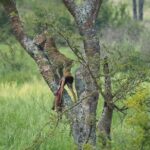
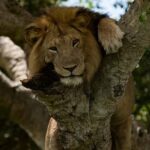
Day eight brings you into the Ishasha sector for the famous tree-climbing lions. This is not guaranteed, but it’s a real target: lions lounging in fig trees are the signature scene. You may also see buffalo herds, elephants, and topi antelopes in the rougher terrain. After the wildlife time, you head toward Bwindi and arrive in the evening, ready for gorilla trek morning.
A practical heads-up: Ishasha conditions can change quickly. If you’re taking photos, expect dust, shifting light, and sometimes sudden stops. It’s part of the game.
Bwindi gorilla trek: how the walk works and what you should pack
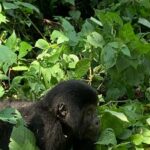
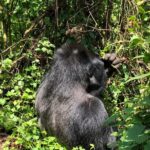
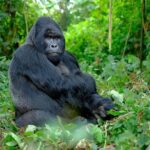
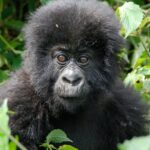
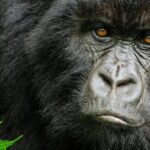
Bwindi is where the trip becomes unforgettable. Day nine starts with an early rise and a pre-trek briefing on safety and etiquette. You’ll go with a small group—eight trekkers are named in the trek structure—plus an experienced guide and armed rangers.
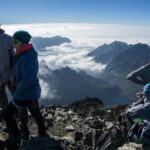
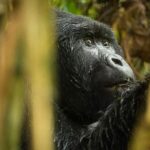
Trails vary a lot. The trek can range from about 45 minutes to up to 6 hours, depending on where the gorilla family is found. Along the route, you might spot forest elephants and birds, which makes the walk feel like more than just “go, go, go.” Once you locate the gorillas, you get an hour of viewing, watching their interactions under a silverback’s attention.
The packing list is specific on this trip, and you should take it seriously:
- long trousers
- long-sleeved shirt
- waterproof shoes
- jacket
- hat
- gloves
Forest weather is changeable, and those items are designed to help you handle it without turning the trek into misery.
One more tip: keep your day bag simple. You’ll want your hands free for the moment you find the family, not fiddling with gear while everyone else is listening for signals.
Lake Bunyonyi to Lake Mburo, then Jinja: add variety without losing momentum

After gorillas, day ten moves into a calmer, scenic rhythm. Breakfast first, then a morning boat cruise on Lake Bunyonyi to explore islands. You’ll also stop at Akampene, known as Punishment Island, tied to a dark local story about how unmarried pregnant girls were historically taken there by the Kiga people for punishment. The guide’s role here matters because the meaning is the point, not just the label.
You’ll ride in a private motorized canoe with a guide, and the tone is more reflective than the safari drives. Lake Bunyonyi is described as the second deepest in Africa and the deepest in Uganda, so even if you don’t measure depth, you get the sense of scale when you’re moving across it.
Day eleven brings you to Lake Mburo National Park for a nature walk. This is a nice change after primates and vehicles: you’re on foot, looking for wildlife while walking through the area. The point isn’t that you’ll see everything from close range—it’s that your attention shifts. You notice movement, tracks, and small calls more.
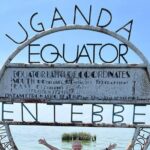
After that, you travel to Jinja, where there’s time for bungee jumping. There’s also a stop at the equator, with a water experiment tied to hemispheres and the Coriolis effect, plus a look at the equator monument. It’s a fun change of pace after days spent scanning treetops and riverbanks.
If you’re not keen on bungee jumping, I’d still go to Jinja for the equator moment and the break in scenery. Just make sure you can keep your energy for the final day’s birding.
Mabamba Swamp shoebill: a birding morning on Lake Victoria
On day twelve, you’re up early again—this time for birds. You breakfast, then head to Nakiwoggo Landing site to go by boat into Mabamba Swamp on Lake Victoria. Your target is the shoebill stork, a bird that’s famous for being hard to spot.
As you search, you’ll also have chances to see other birds like weaver birds, herons, egrets, pelicans, cormorants, and jackanans. Mabamba Swamp is listed as an Important Birding Area, which tells you this place isn’t just a random outing—it’s recognized for sustaining bird diversity.
Then you head back to your lodge, have lunch, and prepare for your flight home. Ending the trip with something as focused as shoebill birding is a smart move. The safari days already overload your senses, and birding forces you to slow down and look properly.
Value for $4,300: why this price can make sense
At $4,300 per person for roughly 12 days, this is not a budget safari. But it’s also not just a “see animals from a distant seat” deal. You’re paying for a lot of moving pieces working together: multiple ecosystems (savanna, forest, wetlands), primate permits and tracking structure, game drives, and boat cruises on both the Nile systems and Lake Victoria waters.
A couple of elements that make the price feel more justified for many people:
- You get three high-ticket wildlife moments: rhino time at Ziwa, chimp tracking in Kibale, and a gorilla trek in Bwindi.
- You also get water-based wildlife viewing: a Nile boat cruise at Murchison and a Kazinga Channel boat safari with hippos and crocodiles.
- The later days add variety with Lake Mburo nature walking and birding at Mabamba, rather than ending the trip right after gorillas.
Another value signal: the group size is capped at 15 travelers. Smaller groups usually mean less waiting and easier guiding when you’re trying to find animals or keep everyone moving at the same pace.
If you’re the kind of traveler who wants one “big” trip that covers a lot of ground without feeling scattered, this format often delivers.
Pace and group size: what it feels like day to day
This safari is built around early starts and transitions between regions. You’ll notice repeated patterns: short breakfasts, morning wildlife time, and then a shift into scenic stops or boat rides later. That pace works if you’re comfortable with a travel rhythm that doesn’t waste daylight.
The small-group structure helps. With a maximum of 15 travelers, it’s easier for guides to manage timing and sightings. Also, the gorilla trek portion uses a defined structure (eight trekkers plus guide and rangers), which keeps the experience controlled even if the trek length varies.
The one downside of a tight circuit: you can’t treat it like a slow vacation. You’ll be busy, and you’ll want to keep snacks and water handy during drives and waiting periods.
Practical tips for chimp and gorilla days (so you don’t regret anything)
Gorilla day dictates your packing more than any other day. Follow the provided clothing list exactly—long trousers, long-sleeved shirt, waterproof shoes, jacket, hat, gloves. That isn’t overkill in Bwindi forest. It’s the difference between a tolerable trek and a miserable one.
For the chimps, the trek is guided and safety-focused, but your comfort still matters. Wear shoes that work on uneven ground and be ready for forest shade and changing humidity.
For boat days (Murchison Nile and Kazinga Channel, plus Mabamba), bring gear you can keep close without panic. If you use a camera, think about how quickly you can access it without losing your spot.
One more smart move: choose departures that prioritize time for briefing and not only “go-go-go.” The better the briefing, the more you’ll notice when animals appear.
Should you book this Uganda Big 5, chimp, and gorilla safari?
Book it if you want one trip that hits the big Uganda wildlife hits: chimp tracking in Kibale, a Bwindi gorilla trek with a one-hour viewing, plus Murchison Falls and Queen Elizabeth game viewing and boat cruises. It’s also a good choice if you like a mix of animal types—savanna mammals, forest primates, and serious birding.
Hold off if you want a relaxed pace or if long drives and early starts will stress you out. This route is active, and the gorilla trek can last much longer than you expect based on time alone.
If you can handle that, this is the kind of safari that gives you a lot to talk about when you get home—rhinos, chimps, gorillas, hippos, and the very tricky shoebill.
FAQ
Where does the safari start?
It starts at Entebbe Airport (Entebbe, Uganda), with a meeting upon arrival.
How long is the safari?
The duration is listed as 12 days (approx.).
What’s the maximum group size?
The tour/activity has a maximum of 15 travelers.
Is pickup offered?
Yes, pickup is offered.
Is there a gorilla trekking component?
Yes. You’ll do gorilla trekking in Bwindi Impenetrable National Park, including a safety briefing and an hour to observe the gorillas after locating them.
Can I cancel for a full refund?
Yes. You can cancel up to 24 hours in advance for a full refund.
Are service animals allowed?
Yes, service animals are allowed.