REVIEW · KAMPALA
5 Day Gorillas, Wildlife and Kalinzu Forest Chimp Trek
Book on Viator →Operated by Bamboo Ecotours · Bookable on Viator
Five days can sound rushed, but this one’s built for real sightings. It strings together Bwindi’s gorillas, Queen Elizabeth’s Kasenyi wildlife, and Kalinzu chimp trekking with daily logistics handled for you.
I like the practical value: permits and park fees are included, plus meals and in-park driving so you’re not doing constant add-on math. I also like the small-group feel (max 5 travelers), which usually makes the day-to-day pace feel manageable instead of chaotic.
One consideration: you’re spending long hours on winding roads, and the forest treks can run from “a few hours” to much longer. Also, animal sightings depend on the animals that day, not your schedule.
In This Review
- Key things I’d circle before you book
- Rwanda or Uganda? This Uganda plan hits the big wildlife beats fast
- The 8-9 hour drive day that sets the tone (Bwindi-bound)
- Bwindi gorilla trek: the gate briefing is where the suspense starts
- Queen Elizabeth: Kasenyi game drives plus the Kazinga boat cruise
- Kalinzu chimp trek: close-up jungle watching (with no guarantees)
- What’s included, and why that matters more than it sounds
- Guides, drivers, and the vibe: what the named team adds
- Price and value: is $2,780 actually fair?
- Who this tour fits best (and who should look elsewhere)
- Should you book this 5-day gorillas, wildlife and Kalinzu chimps tour?
- FAQ
- Where does pickup and drop-off happen?
- How long is the tour?
- How many travelers are in the group?
- Are gorilla and chimp permits included?
- What wildlife do you target besides gorillas?
- Is food included?
- What is the Kalinzu trek like?
- Is this tour non-refundable?
- What fitness level do I need?
Key things I’d circle before you book
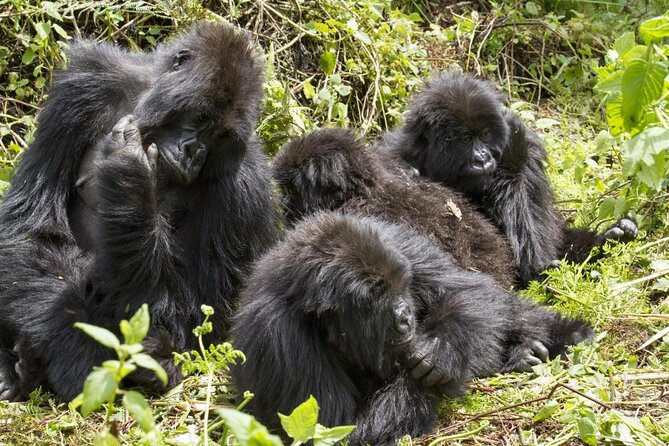
- Gorilla family assignment happens at the park gate briefing so you’re not guessing once you arrive
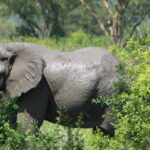
- Kasenyi Plains gives you a realistic shot at lions, elephants, buffalo, and more during game drives
- Kazinga Channel boat cruise is part of the Queen Elizabeth day, adding a different kind of wildlife viewing
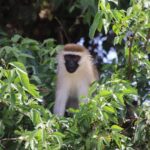
- Kalinzu chimp trek includes possible extra monkey sightings like colobus and red-tailed monkeys
- Small group size (up to 5) keeps logistics smoother on crowded safari days
Rwanda or Uganda? This Uganda plan hits the big wildlife beats fast
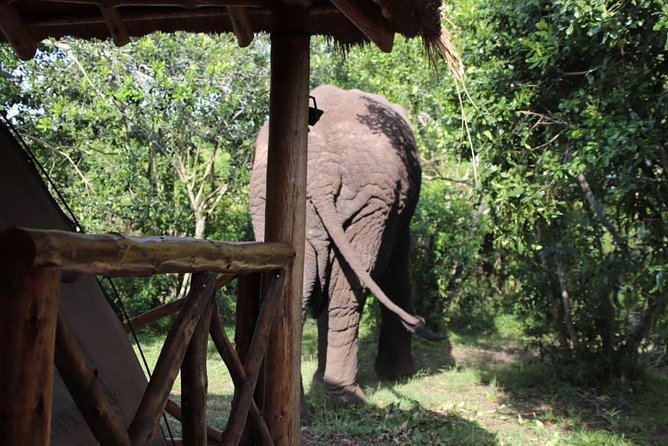
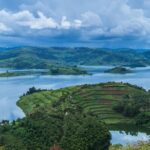
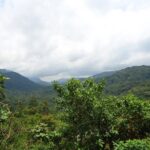
Western Uganda is one of those places where the scenery keeps shifting while your wildlife day stays focused. In five days, you’re covering three major stops that many people tack on over multiple trips: Bwindi Impenetrable National Park, Queen Elizabeth National Park, and Kalinzu Forest Reserve. If you want gorillas and chimps without spending weeks on the road, this is the sort of route that makes sense.
The best part is not the checklist. It’s the way the logistics are handled so you can stay present for the moment you’re actually paying for: the trek and the sightings. That’s where value shows up. When permits, park fees, meals, and transfers are included as part of the plan, you can budget once and then just do the wildlife days without surprise charges popping up mid-trip.
Price-wise, $2,780 per person is not a bargain. But it’s closer to a fair price when you factor in the heavyweight costs of gorilla and chimp permits plus the multi-day transport between parks. This is the kind of safari that costs what it costs because the animals, guides, and park access aren’t cheap.
You can also read our reviews of more tours and experiences in Kampala.
The 8-9 hour drive day that sets the tone (Bwindi-bound)
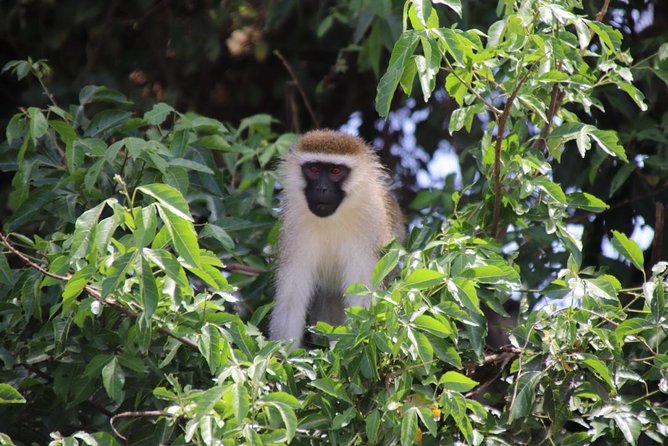
Your first travel day starts with pickup in Entebbe or Entebbe area in the morning, then a long drive toward Bwindi. Expect around 8–9 hours of road time. Uganda road trips are not like hopping between cities in Europe. You’ll pass through major towns like Masaka, Mbarara, and Kabale, and you’ll be making practical stopovers to break up the journey.
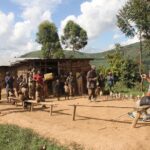
Two stop points stand out because they’re not just random breaks. The first is near Masaka at the Uganda Equator crossing area, where you get a coffee break and time for handicraft shopping. It’s a nice palate cleanser before you reach the mountainous, forest-heavy world of Bwindi.
The second is Mbarara, with lunch at Igongo Cultural Centre. Even if you don’t linger for long, it’s a chance to eat somewhere that’s clearly set up for visitors rather than doing quick, uncertain meals off the highway.
By the end of Day 1, you’ll be staying inside the Bwindi area (the plan notes Bwindi National Park or Mgahinga Gorilla National Park as the overnight point). After a long drive, that matters: it reduces the morning scramble and gets you to the gate with time to breathe.
What you’ll feel on this day: the “travel day” part is real. The upside is that the day is structured so you’re not staring at the clock hoping the next stop is soon.
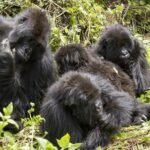
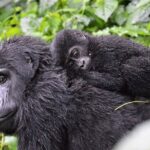
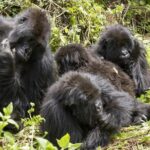
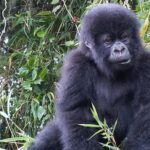
Bwindi gorilla trek: the gate briefing is where the suspense starts
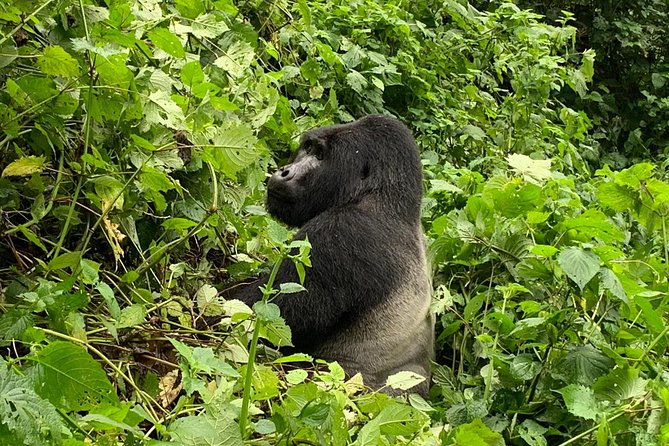
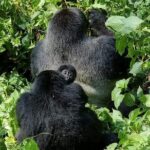
If you’ve ever wondered what a gorilla trek really looks like, here’s the key point: the experience isn’t just the hike. It’s the start moment when you’re assigned and briefed.
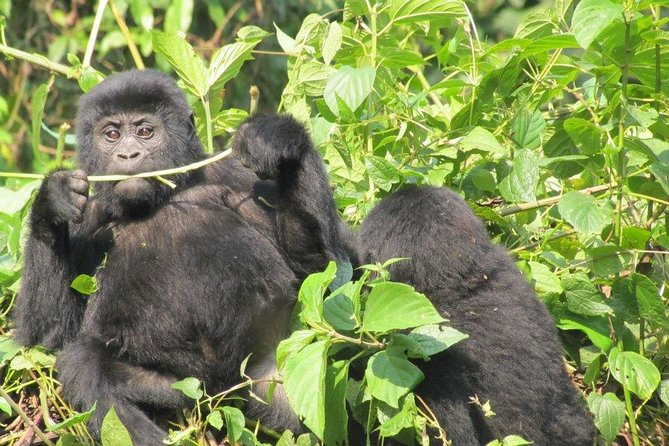
After breakfast, you head straight to the Bwindi National Park gate for a guide briefing. This is where you learn the basic expectations and, most importantly, which gorilla family you’ll trek. At that point you may be joined by other visitors, because gorilla tracking operates in groups based on the families and ranger decisions.
Then you’re off into the forest. Trek times can vary a lot—from a few hours to much longer, depending on where the gorillas are inside the park that day. This variability is not a problem with the tour; it’s simply how tracking works in thick, living forest. You can train your body, but you can’t “schedule” the gorillas.
In the real-world experience of people who’ve done similar treks, the hike can feel tough and insects can be plentiful. You’ll want to treat it like a serious nature walk, not a casual stroll.
My practical advice: plan for uneven ground and humidity. Bring what you need to stay comfortable, and mentally prepare for the fact that the best part may come after a lot of waiting and moving slowly.
If you’re choosing this tour because it promises a close encounter with gorillas, this is the mechanism that makes it possible: organized permit access, a proper briefing, and a guided trek that focuses your time.
Queen Elizabeth: Kasenyi game drives plus the Kazinga boat cruise
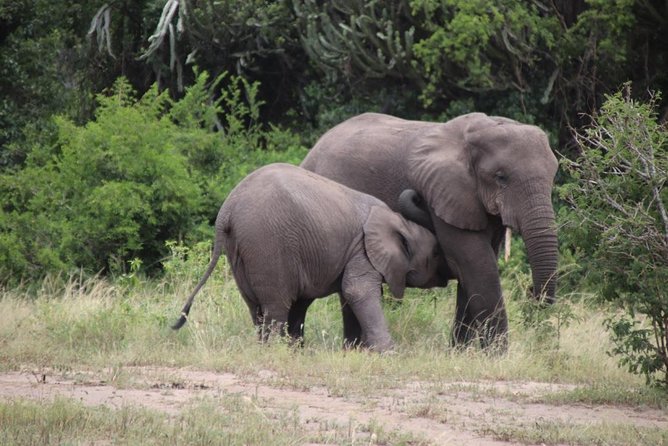
Queen Elizabeth National Park is where your trip shifts from forest intensity to savannah wildlife energy. You drive from Bwindi to Queen Elizabeth and, on arrival, you get an afternoon game drive at Kasenyi Plains.
Day 3 is about landing in the park and finding animals while you still have daylight. Day 4 is the “morning matters” day. You start with early breakfast, then head again to Kasenyi Plains for a longer morning drive.
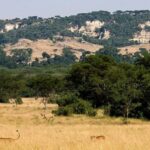
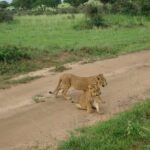
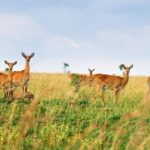
Kasenyi is known in this region for how many big animals can show up in open habitats and near water. On this route, the expectations are specific: you might spot lions, buffalo, elephants, Uganda kobs, topi, and bushbucks. The plan also sets a realistic note: the Big Five is not guaranteed here, but on a lucky day you may see leopards, turning it into Big Four for the day.
That’s a smart way to manage expectations. Safari wildlife isn’t a vending machine. But you still get a solid shot because the timing and terrain are chosen for sightings.
After returning to the lodge for lunch, the day continues with the Kazinga Channel boat cruise. This part changes the game. Instead of scanning from a vehicle, you’re watching wildlife around the channel from the water. It’s slower. It’s often more relaxed. And it gives you a different angle on hippos and other water-linked animals.
Why I like this pairing: it keeps the day from feeling like the same activity twice. You get a drive for predators and herd animals, then a cruise for the water-life vibe.
Kalinzu chimp trek: close-up jungle watching (with no guarantees)
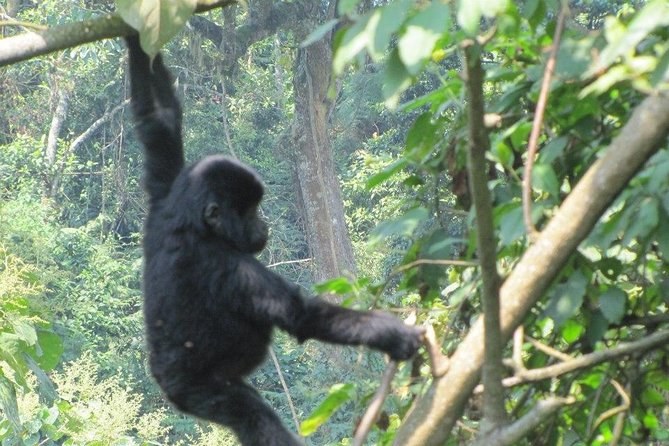
On the last day, you move to Kalinzu Central Forest Reserve for chimp trekking. After breakfast, you head there right away and start the search in the forest.
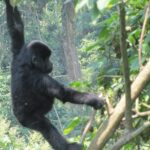
The tour’s pitch here is straightforward: if you’re lucky, you’ll have chimp encounters in their jungle home. And you might also spot other monkeys in the area, including colobus monkeys, olive baboons, and red-tailed monkeys.
Here’s the important part for your planning: chimp movements can be unpredictable. Sometimes you get lucky fast; sometimes tracking takes more time. That’s just how primate trekking works, and it’s why the guiding and permitting matter. Kalinzu is not a zoo and it won’t perform on your timetable.
There’s also a real human detail that helps you prepare: in at least one past experience, a traveler wasn’t able to see chimps at Kalinzu. That’s not a reason to avoid the trek—it’s a reminder that wildlife conditions are outside anyone’s control. You’re paying for the chance and the access, not a scripted outcome.
Once the trek ends, you transfer to Kampala or Entebbe immediately after.
What’s included, and why that matters more than it sounds
This safari includes the big cost items and the day-to-day friction:
- Transport between parks (including the return transfer from Entebbe or Kampala)
- Gorilla and chimp permits, plus park entry fees
- Breakfasts (3), lunches (4), and dinners (4) as per the plan
That combination matters because Uganda road travel can be long. When meals and entry fees are handled, you don’t waste energy bargaining at the roadside or searching for a reliable place to eat late.
It also matters for your budget sanity. $2,780 includes the stuff that usually drives safari costs, rather than turning your trip into a “pay more later” experience.
Not included is also clear: visas, travel insurance, and personal items. So you’ll still need to handle those separately.
Guides, drivers, and the vibe: what the named team adds
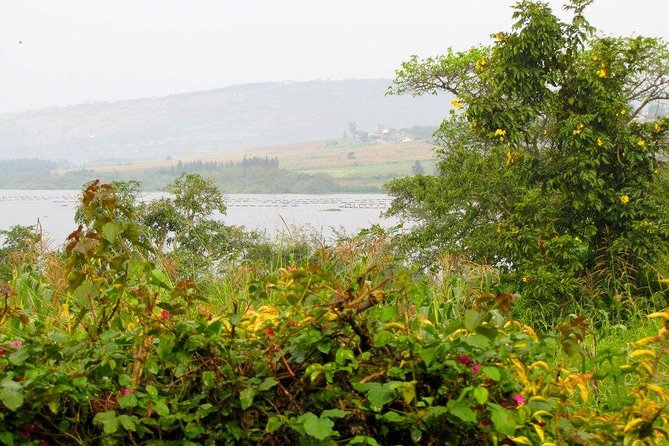
In this trip style, your guide isn’t just a driver who knows roads. They’re the person who manages timing, explains park expectations, and helps you get the most out of the trek windows.
From the operator’s track record, Edison is repeatedly mentioned for responsive planning and professional communication. Several reviews also name guides such as Herbert and Godfrey, plus drivers like Jackson, Fred, and Mohammad. I can’t promise which exact person you’ll get, but it tells you something about the kind of team Bamboo Ecotours puts forward: people who answer questions quickly and make the trip feel organized.
One note for balance: there is at least one cautionary review about a driver speeding in dangerous conditions, where the traveler had to insist on slowing down. That’s not something you should ignore. If safety is a high priority for you, bring it up early and make your expectations clear. Good operators listen fast; you should feel comfortable voicing concerns.
Price and value: is $2,780 actually fair?
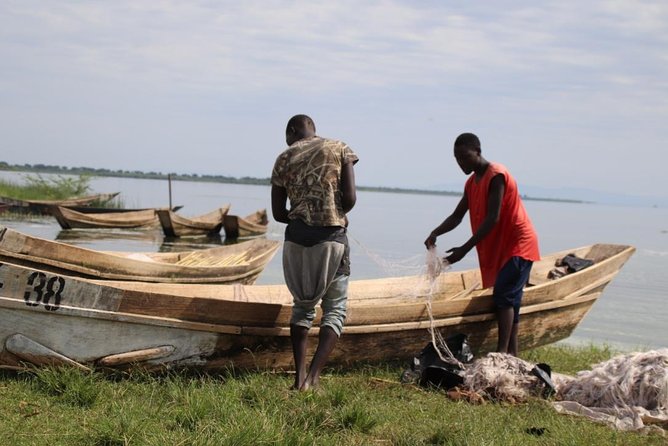
Let’s treat the price like adults do.
On paper, $2,780 sounds steep. But gorilla and chimp permits are among the most expensive pieces of African wildlife travel, and they’re not optional if you want the real experience. Add park fees, multi-day vehicle transport across western Uganda, and multiple included meals, and the number starts to look less like a random markup and more like the cost of access.
Where you get value on this specific tour:
- You’re covering three major wildlife zones in five days
- You’re not paying separate park-fee add-ons for each section
- You’re not building your own meals and transfers between far-apart locations
Where you should be realistic:
- If you’re hoping to do this with zero road time, this tour isn’t built for that. It’s a “hit the key sites efficiently” safari.
- If seeing chimps or gorillas on a given day is a must-no-matter-what, nothing in the forest can guarantee that. What you can ensure is that you’re going with proper access and experienced guiding, and this plan is built around that.
Who this tour fits best (and who should look elsewhere)
This safari is a strong fit if you:
- Want gorillas and chimps without adding extra days
- Like a structured plan where most costs are bundled
- Can handle moderate hiking and uneven forest paths
- Prefer a small group and a clear daily rhythm
It may be less ideal if you:
- Get carsick easily and dread long drives
- Want zero uncertainty in wildlife encounters
- Are extremely sensitive to trekking variability in forest conditions
If you’re an active traveler who enjoys being outside most of the day, the mix here will feel like a good deal: one big trek day, two wildlife-heavy Queen Elizabeth days, and one primate trek closer to the finish.
Should you book this 5-day gorillas, wildlife and Kalinzu chimps tour?
If your priority is seeing mountain gorillas, plus chimps and Queen Elizabeth wildlife, I’d say it’s worth booking—as long as you’re comfortable with road time and trekking variability. The bundled value is real: permits, park fees, meals, and transfers remove a lot of the usual safari hassle.
Before you commit, do one quick reality check:
- Are you okay with a long first drive (about 8–9 hours)?
- Are you physically ready for forest trekking that can run longer than you expect?
- Do you accept that primates move freely, so sightings depend on the day?
If you answer yes, this tour is a solid way to get three Uganda wildlife chapters into one efficient trip.
FAQ
Where does pickup and drop-off happen?
Pickup is offered from Entebbe International Airport or Entebbe town in the morning, and you also get a return transfer to Kampala/Entebbe after the chimp trek on the last day.
How long is the tour?
It runs for 5 days (approximately).
How many travelers are in the group?
The tour has a maximum of 5 travelers.
Are gorilla and chimp permits included?
Yes. Gorilla and chimp permits, along with park entry fees, are included.
What wildlife do you target besides gorillas?
You’ll also do a chimp trek at Kalinzu and game drives in Queen Elizabeth National Park for animals such as lions, buffalo, elephants, Uganda kobs, topi, bushbucks, and (on a lucky day) leopards.
Is food included?
Yes. Breakfast is included 3 times, and lunch and dinner are included as per the itinerary (4 lunches and 4 dinners).
What is the Kalinzu trek like?
You’ll trek for chimpanzees in the Kalinzu Central Forest Reserve. If you’re lucky, you may also see other monkeys such as colobus, olive baboon, and red-tailed monkey.
Is this tour non-refundable?
Yes. The experience is non-refundable and cannot be changed for any reason.
What fitness level do I need?
The tour notes a moderate physical fitness level, since trekking is involved.