REVIEW · KAMPALA
15-Day Gorilla and chimps Trekking, Big 5 and Nature Sighting Safari
Book on Viator →Operated by Ngoni Safaris Uganda · Bookable on Viator
Two weeks, four ecosystems, one wild plan. This private 15-day safari strings together Uganda’s headline habitats with included transfers and a private guide keeping the days from turning into logistical chaos.
I especially like how the route is built for primates and classic big-game sightings, without you having to stitch plans together yourself.
I also like the pacing: some days are early-and-active (game drives, chimp trekking), while others slow down with calmer wildlife viewing like swamp walks and boat time. That mix helps when gorilla days and chimp days can be physically and emotionally intense.
One consideration: you’ll face long drives and early starts, and at least two parts of the trip involve hikes that can feel strenuous if you’re not used to them.
In This Review
- Key things to know before you go
- How this 15-day route fits Uganda’s best wildlife (without wasting days)
- Day 1 in Entebbe: settle in, then start with shoebills
- Day 2 to Day 3: Murchison Falls National Park, lions on the plains and crocs by the water
- Day 4 to Day 6: Kibale Forest, scenic drive, then chimps plus the Bigodi swamp walk
- Day 7 to Day 9: Queen Elizabeth National Park and Ishasha, game drives plus the Kazinga Channel
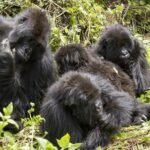
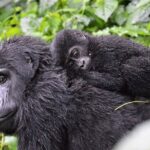
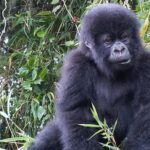
- Day 10 to Day 11: the mountain-forest gorilla experience, hour-long time with a habituated group
- Day 12 to Day 13: Lake Bunyonyi and the Batwa trail, culture plus calm water time
- Day 14 to Day 15: Lake Mburo National Park, zebras and eland plus a morning walk with armed UWA rangers
- Price and value: is $5,000 per person a fair deal?
- Should you book Ngoni Safaris for this gorilla and chimps + safari circuit?
- FAQ
- What time does the tour start, and where do we meet?
- Is this a private tour?
- What’s included in the price?
- How does chimp trekking work, and how long do you spend with chimps?
- How does gorilla trekking work, and how long do you spend with gorillas?
- Do you visit Mabamba Swamp for shoebill birdwatching?
- What wildlife viewing happens on the Kazinga Channel?
- Is there a guided nature walk at Lake Mburo?
- If my plans change, can I get a refund?
Key things to know before you go
- Private guidance throughout: You’re not sharing the experience with other groups, so your schedule and questions get handled faster.
- Chimps in Kibale + gorillas in the forest: You get ranger-led briefing and then a full hour with the animals once you find the group.
- Murchison Falls as a wildlife hub: Lions, elephants, hippos, crocs, plus birding for species like the shoebill stork.
- Queen Elizabeth includes two styles of viewing: Morning game drives and the Kazinga Channel boat safari, followed by scenery-focused crater driving.
- Ishasha tree-climbing lions have real odds: The chance is given as about 70%, but visibility can still be tricky.
- Lake Mburo ends the trip with ranger-led walking: A morning nature walk with an armed Uganda Wildlife Authority ranger/guide.
How this 15-day route fits Uganda’s best wildlife (without wasting days)
This itinerary works because it groups similar needs together: primates in forest areas, big game in savanna parks, and water-based wildlife around rivers, channels, and lakes. Instead of jumping randomly around the country, your days follow a logical arc from Entebbe down through Murchison Falls, Kibale, Queen Elizabeth (including Ishasha), then into the mountain-forest region, and finally to Lake Bunyonyi and Lake Mburo.
You’ll also feel the “private tour” factor in a practical way. When your guide can plan the day around sightings, weather, and timing, you waste less time sitting, waiting, or guessing where to be next. Even the schedule structure is designed for that: early starts on the days that matter most for animals, and lighter activities later when you need recovery.
And based on the kinds of guides this operator puts forward (names that show up include Allan, James, Charls, Elly, Hamza, Robert, and David), what seems to matter most is interpretation: someone helping you read tracks, behavior, and the habitat so the wildlife isn’t just a quick spotting.
You can also read our reviews of more tours and experiences in Kampala.
Day 1 in Entebbe: settle in, then start with shoebills
Most safaris start with a jeep. This one starts with Uganda orientation and then birding, which is a smart way to get your eyes working before the more demanding forest days.
You’re met at Entebbe International Airport by a Ngoni Safaris Uganda representative and transferred to your accommodation. Dinner and overnight are at Acactus Hotel Kampala. If you land early, you may have an option to get a late afternoon ride around Kampala City; if not, you just rest up.
Later on Day 1 you also fit in Mabamba Swamp for shoebill birdwatching. That’s a great early win because shoebills are famous and the swamp setting feels very different from the parks that come later.
My take: this is a calmer “welcome” day that still gives you a proper wildlife target, without letting jet lag steal your first full day.
Day 2 to Day 3: Murchison Falls National Park, lions on the plains and crocs by the water
Murchison Falls is one of Uganda’s most efficient parks for big wildlife. You get savanna viewing plus river life, and you’ll see why people get excited here.
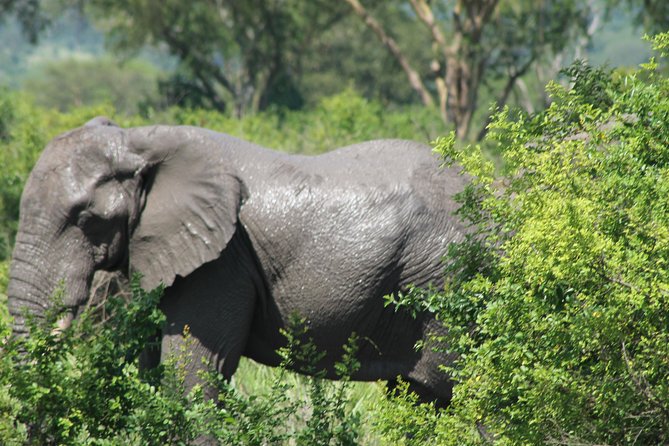
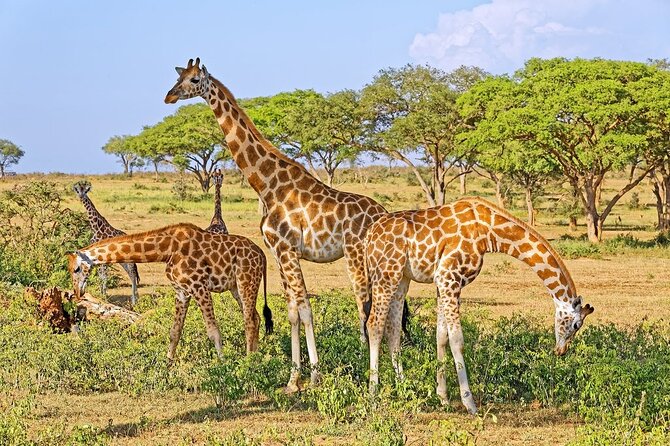
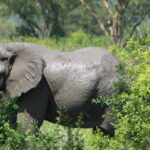
After breakfast on Day 2, you drive to Murchison Falls National Park. The plan includes the roaring Murchison rapids area and a chance to see lions, giraffes, hartebeest, buffalo, and elephants. You’re also specifically positioned for hippos and Nile crocodiles, plus birding for a long list of species. The itinerary notes that the park supports 450 bird species, including the shoebill stork and others like the dwarf kingfisher, white-thighed hornbill, and Goliath heron.
On the way, you stop at the Zziwa Rhino sanctuary for a first Big 5 experience: about an hour of rhino tracking. That’s a valuable add-on because it gives you a realistic shot at one of the rarest targets before you even settle into the main park.
Day 3 is an early morning game drive across the rolling plains, then a different kind of viewing: a boat trip to the base of Murchison Falls where hippos, crocodiles, and water birds are common. If you like, you can also hike up to the top of the falls, though the itinerary flags that it can be strenuous.
Potential drawback here: Murchison is packed into a short window (two days), so you’ll want to be ready for long, dusty driving hours and to move fast when you’re offered the chance to see animals.
Day 4 to Day 6: Kibale Forest, scenic drive, then chimps plus the Bigodi swamp walk
Kibale is where the trip shifts from big-game focus to primate focus. Even the drive sets the tone. You head toward Kibale Forest National Park through villages, green countryside, and hills with tea plantations—exactly the kind of scenery that makes the long road feel worth it.
Day 4 includes checking in and getting settled, with dinner and overnight rest. Day 5 is an active day: the Top of the World Hike, described as having an easy and a more challenging route. It’s best early when things are cooler, and you should expect it to be strenuous if you choose the harder option. You may also add a ride around Fort Portal later, including places like Tooro Palace and the local market.
Then Day 6 becomes the primate highlight:
- You receive a briefing at the trekking point on the dos and don’ts.
- You trek in the forest with an experienced ranger guide to find chimpanzees.
- Once you locate them, you get a full hour with the chimps.
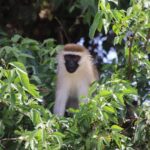
After that, you shift to “lighter but still wild” with the Bigodi swamp walk at the Bigodi Wetland Sanctuary. This area is known for lots of biodiversity, including several primate species.
Why this pairing works: kibale chimp trekking is intense and focused, while Bigodi gives you a chance to slow down and watch smaller wildlife behavior without the same pressure of trekking and time limits.
Day 7 to Day 9: Queen Elizabeth National Park and Ishasha, game drives plus the Kazinga Channel
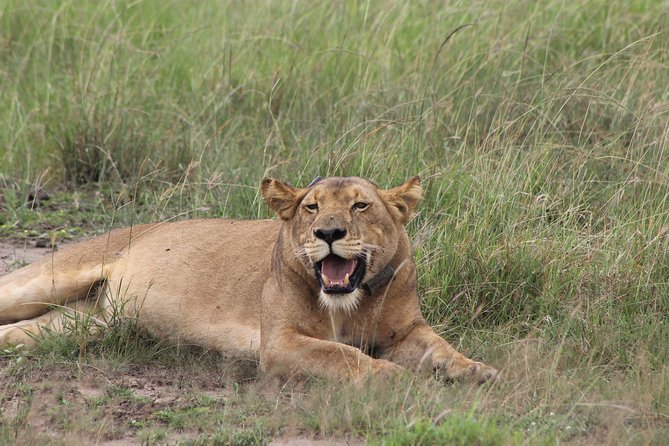
Queen Elizabeth NP is built for variety. You’re at the base of the Rwenzori Mountain range, near Lake Edward and Lake George, and that combination shows up in different habitats: savannah plains plus lots of water.
Day 7 brings the drive into Queen Elizabeth and then a boat safari along the Kazinga Channel, which links Lake George and Lake Edward. The itinerary calls out concentrations of giant hippos, elephants, and crocodiles, and lots of water birds.
Day 8 is another two-part day:
- Morning game drive along the Kasenyi plains for lions, elephants, and other species including bushbucks and waterbucks.
- Afternoon explosion crater drive, with sweeping scenery and wildlife along the route, including elephants and Cape buffaloes.
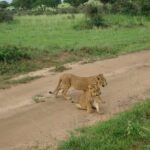
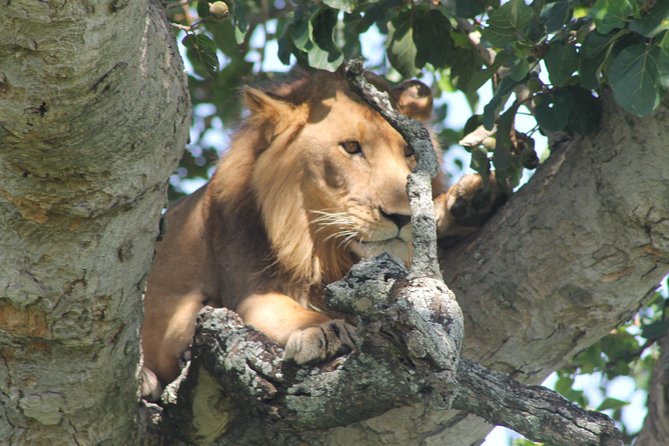
Day 9 moves you into the Ishasha area, famous for tree-climbing lions. The itinerary gives a specific expectation: the chance of spotting these lions is about 70%, though sightings can still be hard when lions are down in the grasslands hunting. If you do find them, the experience is described as spectacular.
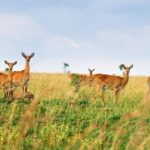
My advice for Ishasha: treat it as a probability, not a guarantee. If you go expecting only lions, you might miss the joy of the other wildlife—Uganda kob, cape buffaloes, elephants, and more.
Day 10 to Day 11: the mountain-forest gorilla experience, hour-long time with a habituated group
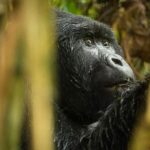
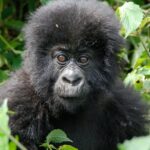
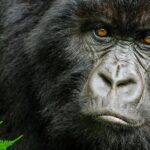
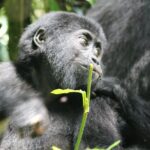
After Queen, you move into Bwindi Impenetrable National Park area, described as home to mountain gorillas with an estimate of around 400 in the region and multiple habituated groups. You arrive to check in and rest as you prepare for gorilla trekking the next day.
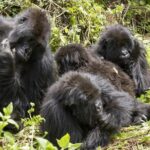
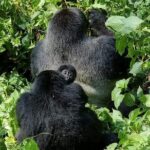
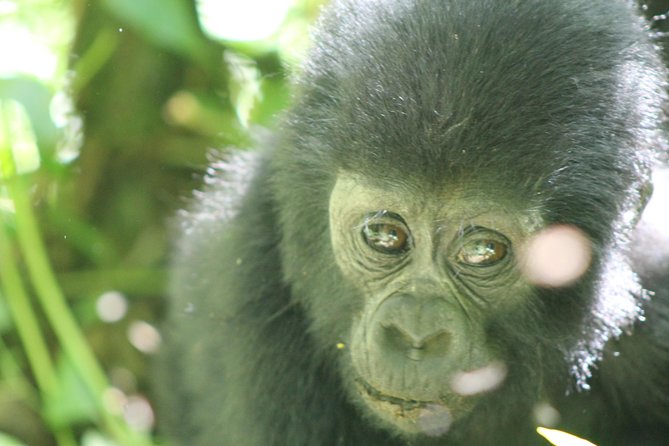
On Day 11, you head to the gorilla sanctuary in Mgahinga Gorilla National Park. After an early breakfast and ranger briefing, you enter the forest to search. The terrain is steep, dense, and packed with animal trails that provide access to tourists. When you locate a gorilla group, you spend one hour with them.
That one hour is the real centerpiece. It’s long enough for you to see behavior—feeding, movement, how the group reacts to you—but short enough that the entire event stays focused and special.
One consideration: forest trekking can feel demanding because the trails and terrain are described as dense and steeply forested. Even fit people tend to feel it by the end of the day.
Day 12 to Day 13: Lake Bunyonyi and the Batwa trail, culture plus calm water time
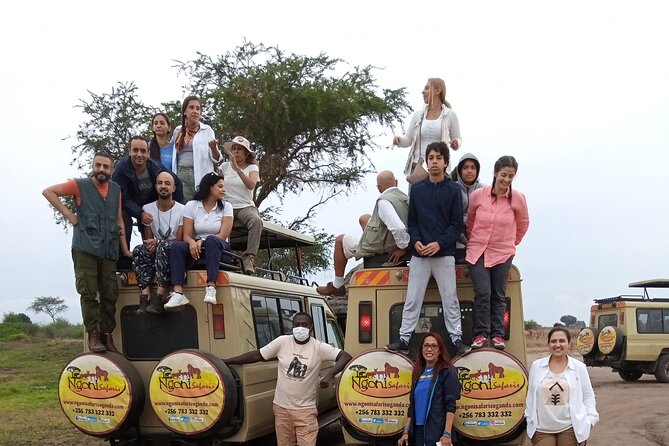
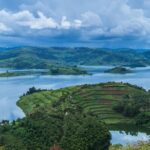
By Day 12, the trip shifts gears again. You go from mountain-forest primate intensity to a slower, scenic, culture-and-nature mix around Lake Bunyonyi.
Day 12 starts with the Batwa trail experience. The itinerary explains that the Batwa were indigenous hunter-gatherers and forest dwellers who depended on the forest for shelter, food, and medicine. Now, guides from the community lead visitors through the forest and share techniques used to survive there. It’s a trail that’s meant to show the old home and the deeper cultural meaning of the landscape.
Then you head to Lake Bunyonyi for relaxation. Day 13 gives options, including:
- visiting the Orugano rain forest for plants and animals,
- interacting with the Batwa community,
- or doing a canoe trek on Lake Bunyonyi in traditional dugout canoes, plus time learning about islands and their history.
The itinerary notes that birding records here include well over 300 bird species, so if you like quiet wildlife, this is a good day for it.
Day 14 to Day 15: Lake Mburo National Park, zebras and eland plus a morning walk with armed UWA rangers
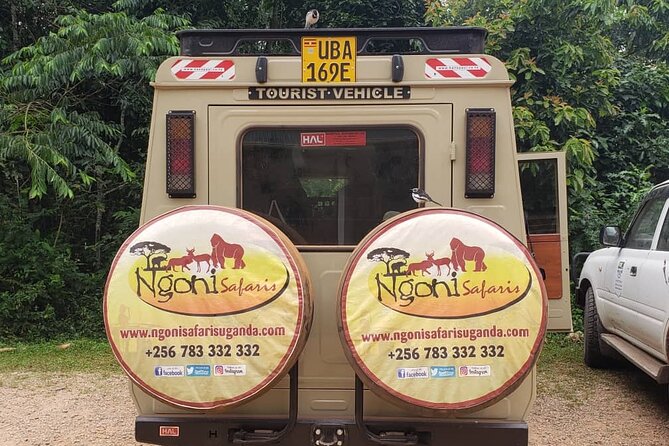
Lake Mburo is a good “finale” park because it mixes easy viewing with a more active nature walk. It also helps you avoid ending the trip with another long day of heavy trekking.
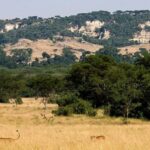
Day 14 includes the drive to Lake Mburo National Park and an evening game drive. You can expect wildlife such as giant eland antelopes, zebras in big numbers, topis, impalas, warthogs, Uganda kob, and cape buffaloes.
Day 15 is early and hands-on:
- A morning guided nature walk with an armed Uganda Wildlife Authority ranger/guide.
- The itinerary notes you often encounter hyenas returning to their dens after night hunting.
- You may also see zebra, giraffe, eland, topi, other antelopes, and cape buffaloes close up.
- You then take a trail to the top of the hills for views over nine of the twelve lakes surrounding Lake Mburo National Park.
After check-out, the tour ends back at the meeting point.
Why this ending works: it’s active, but it’s lighter than gorilla trekking and gives you space to process the whole trip.
Price and value: is $5,000 per person a fair deal?
At $5,000 per person for about 15 days, this is a premium-priced safari. The key question is what you get for that money—and here the structure aims to reduce friction.
You’re paying for a private setup that includes:
- accommodation for the full trip,
- meals,
- transfers between stops,
- guided activities like chimp trekking, gorilla trekking, swamp walks, game drives, and boat safari time.
The itinerary also indicates admissions are handled across stops (some marked as included, others as free), and you’re given a mobile ticket. In practical terms, this matters because Uganda safaris can get expensive when you start adding park fees and guided activities piece by piece.
Where the price makes the most sense: if you want a one-person pace built around your group (private guide, fewer scheduling headaches) and you care about hitting multiple major wildlife targets—chimps, gorillas, rhinos, and classic big game—in one circuit.
Where it might feel heavy: if you’re the type who enjoys building your own route and negotiating daily costs, the all-in structure may feel less flexible.
Should you book Ngoni Safaris for this gorilla and chimps + safari circuit?
I’d say this tour is a strong fit if your top priorities are primates (chimps plus gorillas), plus a serious safari run through Murchison Falls, Queen Elizabeth, and Lake Mburo. The day structure is built for the real “window” animals respond to—early starts when you have the best odds, and calmer viewing when you need recovery.
I’d think twice if:
- you’re not comfortable with strenuous hikes (Top of the World and optional falls hike),
- long driving days feel like a deal-breaker,
- or you want a slower, fewer-transfer trip.
If you want your Uganda time to feel organized, with a guide who can explain what you’re seeing and keep the logistics under control, this is the kind of itinerary that can deliver the memories you’re actually hunting for.
FAQ
What time does the tour start, and where do we meet?
The tour starts at 7:00 am at Entebbe Airport in Entebbe, Uganda.
Is this a private tour?
Yes. It’s a private tour/activity, meaning only your group participates.
What’s included in the price?
Accommodation, meals, and transfers are included, along with activities described in the itinerary such as chimp trekking, gorilla trekking, game drives, swamp walks, and boat safari time.
How does chimp trekking work, and how long do you spend with chimps?
In Kibale Forest National Park, you get a briefing and then trek with an experienced ranger guide. Once you locate the chimpanzees, you have a full hour with them.
How does gorilla trekking work, and how long do you spend with gorillas?
In the gorilla sanctuary area in Mgahinga Gorilla National Park, you get a ranger briefing, trek in the forest, and once you locate a gorilla group you’re allowed one hour in their presence.
Do you visit Mabamba Swamp for shoebill birdwatching?
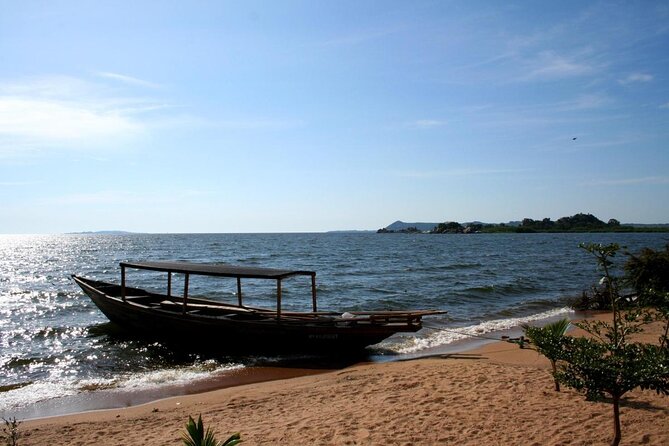
Yes. The itinerary includes Mabamba Swamp shoebill birdwatching near Lake Victoria.
What wildlife viewing happens on the Kazinga Channel?
You’ll have a boat safari along the Kazinga Channel, with chances to see concentrations of giant hippos, elephants, crocodiles, and water birds.
Is there a guided nature walk at Lake Mburo?
Yes. On the final day you’ll join a morning park/nature walk with an armed Uganda Wildlife Authority ranger/guide, with opportunities to see animals like zebras, giraffes, eland, topi, other antelopes, and cape buffaloes.
If my plans change, can I get a refund?
You can cancel up to 3 days in advance for a full refund. If you cancel less than 3 days before the start time, the amount you paid isn’t refunded.