REVIEW · POKHARA
From Pokhara: 4-Day Mardi Himal Base Camp Trek
Book on GetYourGuide →Operated by Snow Peak Tours and Travels pvt. ltd. · Bookable on GetYourGuide
Mardi Himal feels bigger than four days. You get a high-altitude payoff without a long haul, plus peaceful trails that stray from the busiest routes in the Annapurna region.
I really like two things most: the rhododendron-and-oak forest hiking that slowly shifts into alpine terrain, and the mountain-moment payoff of Machapuchhre views at sunrise. When I picture how people end up smiling even on tough sections, I think of guides like Anil and Tanka adjusting the pace and keeping the day feeling manageable.
One consideration: the trail includes steep sections and lots of stairs, so you’ll want decent hiking stamina even though the itinerary is short.
In This Review
- Key things that make this trek worth your time
- Why Mardi Himal Base Camp in 4 days works
- Pokhara to Kande: the warm-up day that sets the tone
- Forest Camp to High Camp: rhododendron and oak forest trekking
- Mardi Viewpoint and the optional Base Camp push
- Low Camp to Siding and Lumre: the satisfying finish
- Tea houses, meals, and what you’ll likely spend anyway
- Guides and porters: how the trek stays human
- Trekking pace, fitness, and altitude reality check
- Price and value: why $138 can make sense here
- Logistics that actually matter: timing, altitude paperwork, and what to pack
- Best fit: who will enjoy Mardi Himal most
- Should you book this Mardi Himal trek?
- FAQ
- How long is the Mardi Himal Base Camp trek from Pokhara?
- Where does the trek start and where do you end?
- What’s the highest elevation on this trek?
- Is this trek private, and what languages are offered?
- What’s included in the $138 price?
- What do I need to do before I go, and what should I bring?
Key things that make this trek worth your time
- Private guiding that adapts to your pace, with English-speaking support and help for bag carrying when a porter is selected
- Dense rhododendron and oak forests on Day 2, a classic Mardi Himal vibe that feels quieter than the main routes
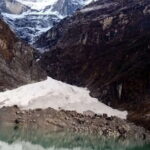
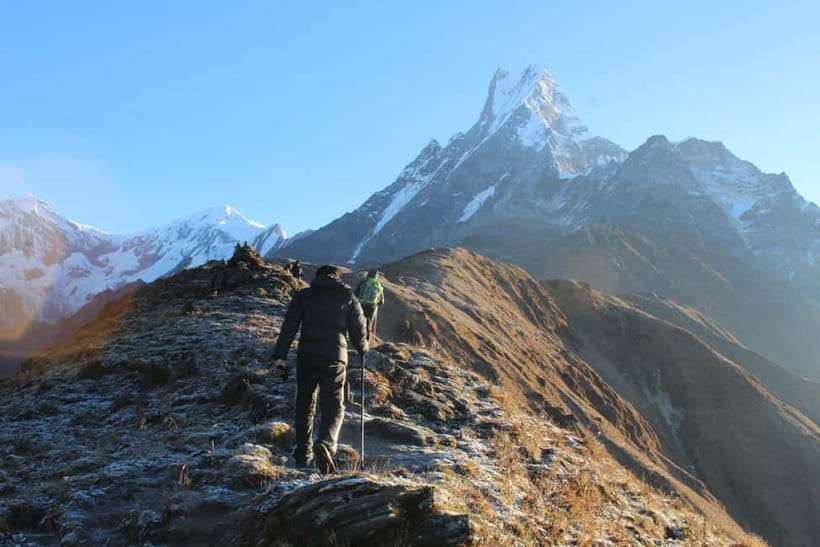
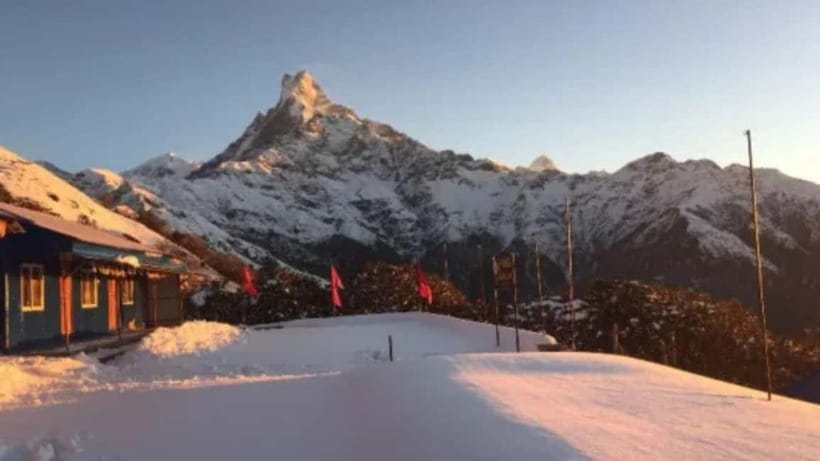
- Machapuchhre sunrise potential from high viewpoints around Mardi Himal Viewpoint (~4,200 m)
- Optional extension to Mardi Himal Base Camp (~4,500 m) if you’re feeling strong that morning
- Cozy teahouses and remote villages, giving you real mountain travel time instead of just passing through
Why Mardi Himal Base Camp in 4 days works
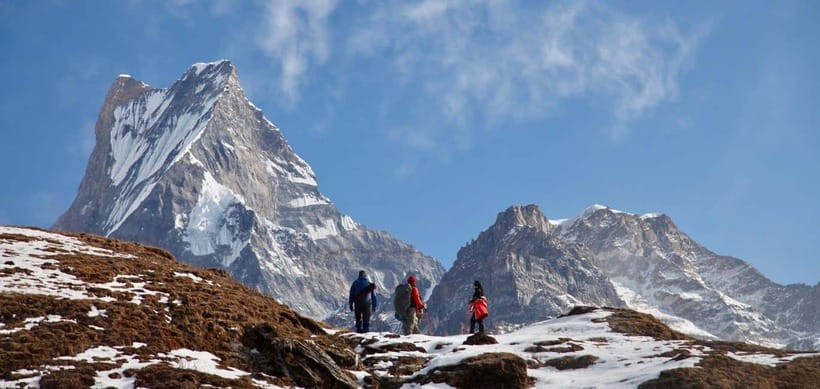
If you’re short on time but still want real Himalayan trekking, Mardi Himal is one of the best fits in the Annapurna region. The altitude jumps are staged, so you’re hiking most days, but you’re not doing an all-day grind to a distant high camp like some longer treks.
What I love about this version is the mix: forest hiking that smells seasonal and stays scenic even before you reach the mountains, then a final push to the viewpoint area where the views can feel cinematic. And because the route heads toward Mardi Himal Base Camp territory, you generally get more of that calm trekking mood than you’d expect from a route that pulls huge crowds.
Also, it’s private. That matters more than people think. A good guide can slow you down early, keep you safe, and still get you to the day’s goal—whether you’re a first-timer or just returning from a break.
You can also read our reviews of more tours and experiences in Pokhara.
Pokhara to Kande: the warm-up day that sets the tone
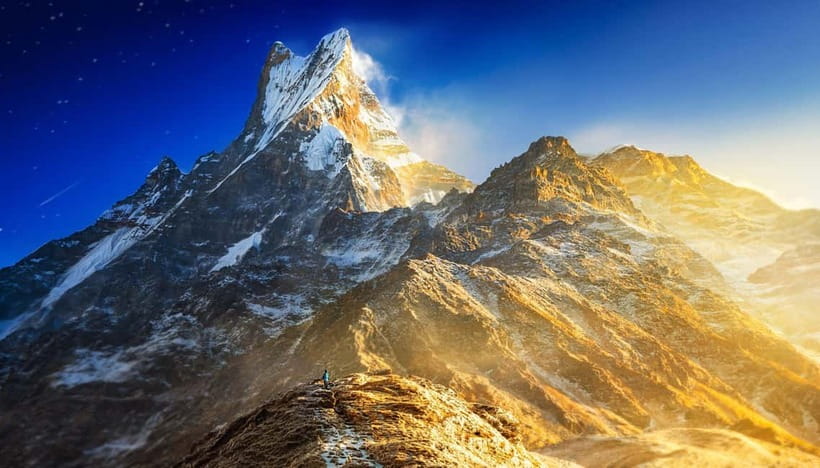
Your trek starts with an easy morning run from Pokhara, usually with a short drive into the trailhead area (around Kande). This part is more than just getting moving. It helps you transition from city life to mountain rhythm without wasting your energy before the real climbs.
From there, you’ll hike through trails linked with areas like Australian Camp and Pothana. You’re not at high altitude yet, so this is where the trail can still feel “fun-first.” You get mountain glimpses, forest cover, and enough uphill to wake up your legs without turning the day into suffering.
By late afternoon you reach Forest Camp at about 2,550 m. This overnight is a practical sweet spot. You’re high enough to feel the mountain air, but not so high that you’re dealing with the worst of cold or breathlessness. Teahouses here are simple and friendly, and they’re perfect for an early dinner and a solid night’s sleep before the steep Day 2.
Forest Camp to High Camp: rhododendron and oak forest trekking
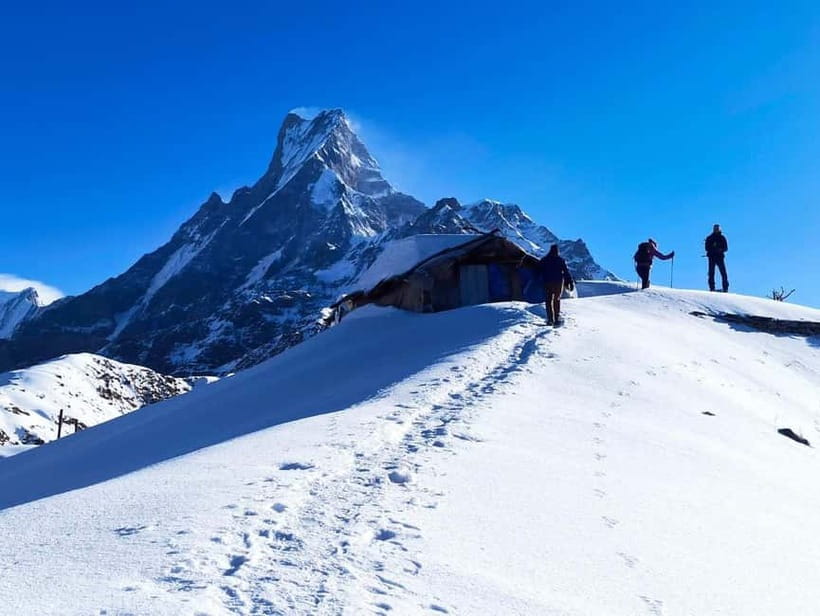
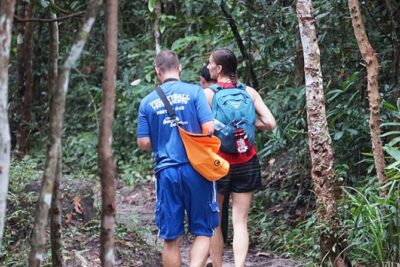
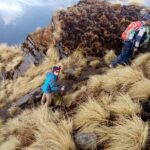
Day 2 is where Mardi Himal starts to feel serious. You climb uphill for about 6–7 hours, and the trail’s identity changes as you go. Dense rhododendron and oak forests take center stage, and you’re hiking through something that feels alive and seasonal rather than just a stone staircase.
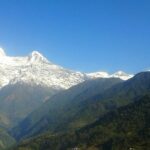
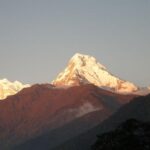
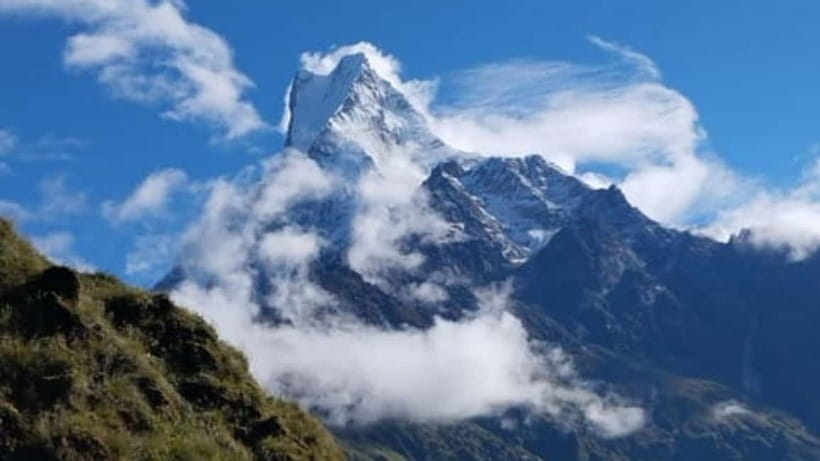
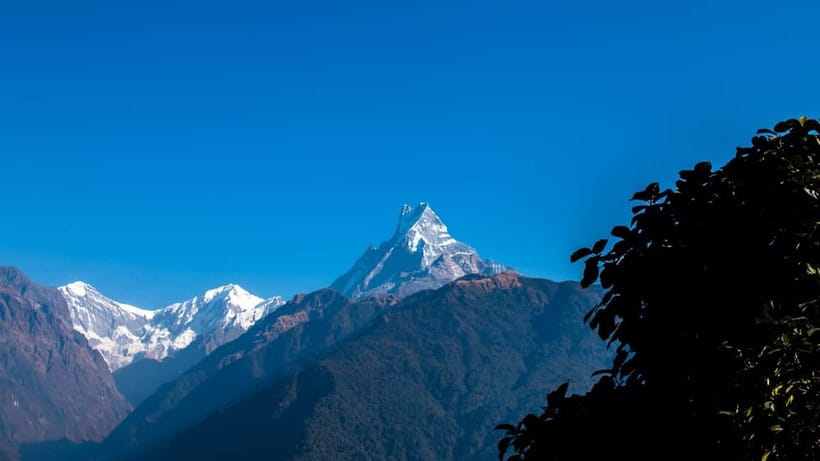
This is the day most people remember for the slow transformation: greener trails under the canopy, then more exposed terrain as the altitude increases. You’ll also likely notice that the mountains begin to look closer—Machapuchhre starts showing up in the background, and that’s a good mental cue that the big views aren’t far away.
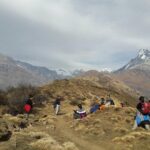
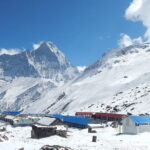
You finish at High Camp around 3,580 m. Overnighting here is key because it positions you well for the next morning’s viewpoint segment. The teahouse at High Camp tends to be basic, but that’s part of the charm. You’ll spend time with your guide planning the timing, checking how your body feels, and deciding how ambitious to be.
Mardi Viewpoint and the optional Base Camp push
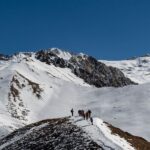
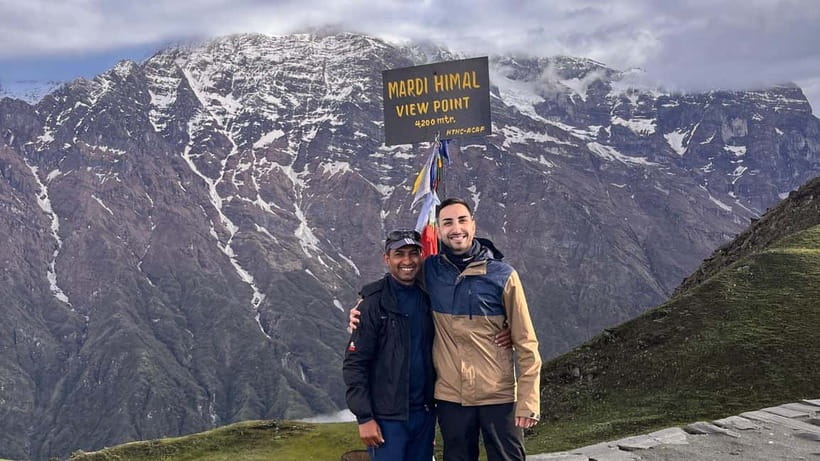
On Day 3, you rise early and go for Mardi Himal Viewpoint at roughly 4,200 m, then you can keep going to Mardi Himal Base Camp (around 4,500 m) if you’re fit and feeling good. The total style is: short, focused climb, early payoff, then a long descent to reset.
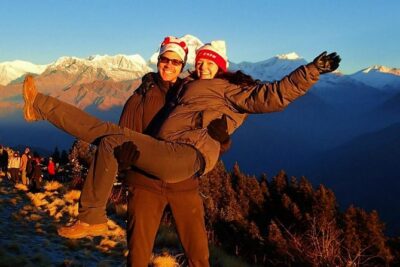
This is also where sunrise can happen. If the sky cooperates, the Machapuchhre views from the high viewpoint are the sort of thing you don’t forget. Even when sunrise is partly clouded, the early start still helps because the light often improves as you gain elevation.
One practical note: the higher you go, the more you’ll rely on pacing. You don’t win altitude by rushing. You win by stepping steadily, drinking water, and letting your guide read the group’s condition. Guides like Santosh and Bala have a reputation for being patient—especially for hikers who need breaks on steep steps.
After the viewpoint (and any optional Base Camp detour), you descend to Low Camp at about 2,970 m. The descent takes roughly 3–4 hours. It can be tough on knees, but it’s usually a relief for breathing. Low Camp is also a good place to warm up, eat, and enjoy the fact that you’ve earned your morning view.
Low Camp to Siding and Lumre: the satisfying finish
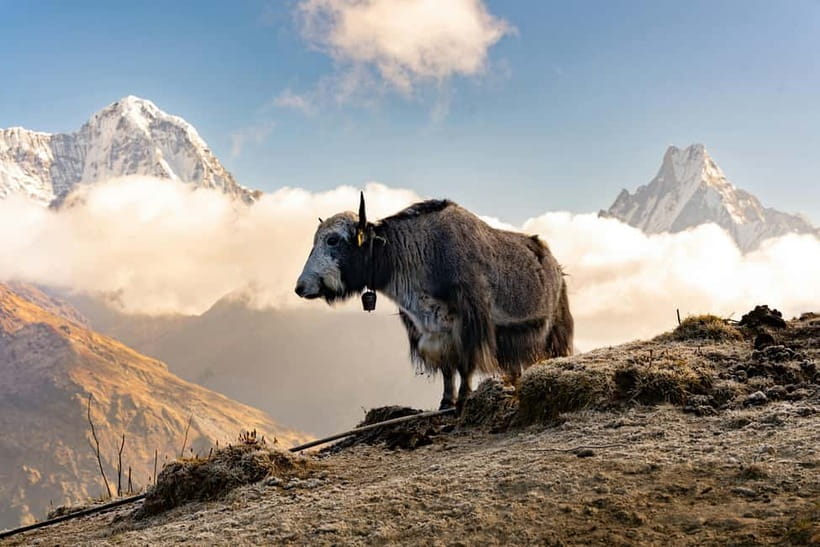
Day 4 is built to bring you back down in stages. You’ll hike downhill to Siding Village (about 4–5 hours), then continue a short walk to Lumre (around 1 hour). After that, it’s a drive back to Pokhara.
This last day is underrated. It’s not as dramatic as sunrise, but it’s where you get the “I’m actually done” feeling. Downhill hiking also lets you recover a bit, especially if you’ve been careful during the ascent days.
And because you’re passing through village areas, the vibe shifts from high-altitude trekking to real community life. You’ll see how the mountain travel system works: people, teahouses, small stores, and a trail that stays practical year-round. It makes the trek feel grounded instead of purely dramatic.
Tea houses, meals, and what you’ll likely spend anyway
You’ll sleep in simple tea houses or lodges along the route. Think warm rooms, shared dining space, and menus that are limited but consistent. The real question isn’t comfort level—it’s value and flexibility.
Meals are included only if you choose the option where breakfast, lunch, and dinner are part of the package. If you don’t choose that, you still order meals at the teahouses like everyone else. One important caution: a solo hiker found the meals-included add-on to be overpriced, because you still end up ordering at tea houses and extra drinks cost extra. That doesn’t mean you should never pick it, but it does mean you should price it against how you actually eat and drink on trek days.
In general, plan on paying for personal expenses separately. Cash helps. You’ll likely want snacks, hot drinks, and maybe a few extra items when the cold hits.
Guides and porters: how the trek stays human
On a short trek, the guide can make or break your experience. This itinerary is physically demanding enough that you want someone who’s calm, adaptive, and good at reading altitude strain. That’s exactly what stands out from firsthand accounts: guides who adjust pace, encourage you without pushing, and keep the day organized.
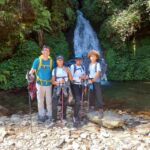
You might hike with different guides depending on your booking, but names that show up strongly include Anil, Tanka, Dhanapati, Santosh, Bala, and Jeet. People mention they helped with stairs, provided useful trail tips, explained local culture and mountain knowledge, and kept the mood light with jokes when the climb got hard.
Porters also matter. If you select porter service, your load gets lighter, which usually means you’ll arrive at tea houses less wrecked. Even if you carry your own daypack, having a porter take the heavier bag can turn the experience from demanding to enjoyable.
Trekking pace, fitness, and altitude reality check
This is a four-day trek, but it’s not a “casual walk.” Day 2 can be long and steady, and Day 3 includes a higher viewpoint push with optional extra altitude. Some trails include steep stair sections, so ankle control and good footwork help.
Here’s a helpful way to think about fitness for Mardi Himal:
- If you can hike for several hours with breaks, you’re in the right zone
- If cardio is limited, you’ll still be okay with a slower pace, but you need patience for hills and steps
- If you’re recovering from illness or low energy, tell your guide early so pacing can be adjusted
Temperatures can swing a lot. Higher altitudes get cold, so pack layers even if Pokhara feels warm.
Price and value: why $138 can make sense here
At $138 per person for 4 days, the value depends on what’s included and what kind of guide experience you want. The included pieces are meaningful:
- Permits and paperwork (including TIMS fees)
- Trekking accommodation in tea houses
- Breakfast, lunch, and dinner if you select the meals option
- A certified English-speaking trekking guide, plus guide costs like meals, insurance, and equipment
- Round-trip transport between your hotel/airport and the trailhead areas
- Luggage storage in Pokhara
- First aid kit, trekking gear like a stick and sleeping bag as needed (per the gear provision)
What’s not included is mostly personal spending: snacks, extra drinks, and anything you choose to buy on the trail.
If you compare this to the cost of arranging permits and a guide yourself, the bundled approach can feel fair. It also reduces hassle, especially when you’re booking close to your trip date.
Logistics that actually matter: timing, altitude paperwork, and what to pack
Two details are worth handling early.
First, you’ll need to submit a copy of your passport at least one day before the trek so permits can be arranged. If you’re traveling with an ID instead of a passport, the same rule applies based on the document you’re using.
Second, travel insurance is mandatory for your safety. Trekking at altitude comes with real risk, even on well-marked routes.
What to bring (from the practical gear list):
- Comfortable shoes and hiking shoes
- Layers for cold nights and chilly high points
- Change of clothes, plus a camera (and a waterproof option if you fear rain)
- Hand sanitizer or tissues
- Hiking pants, cash, and your ID/passport
If you tend to get cold easily, don’t underpack just because Pokhara is pleasant. The upper segments can be brutally cold.
Best fit: who will enjoy Mardi Himal most
This trek suits you if you want:
- A real Himalayan trek without carving out two full weeks
- Scenic forest hiking plus high viewpoint reward
- A guide who can slow down for you, explain what you’re seeing, and keep things organized
It may feel tough if you hate stairs or don’t like sustained uphill effort. Still, people do manage it across a wide range of fitness levels when they pace properly and use a guide’s advice.
Should you book this Mardi Himal trek?
I’d book it if your goal is a compact trek with strong scenery and a high chance of memorable Machapuchhre views, plus the comfort of a private guide handling permits, transport, and daily planning. The pricing looks reasonable for what’s included, and the guides’ reputation for being patient and attentive is a big deal on a short schedule.
If you’re unsure about your fitness, this is still a smart option—just be honest during booking and talk to your guide about pacing from Day 1. And if you’re considering the meals-included option, compare it to what you’d actually order on the tea house menus so you don’t pay extra for convenience you won’t use.
FAQ
How long is the Mardi Himal Base Camp trek from Pokhara?
It’s a 4-day trek.
Where does the trek start and where do you end?
It starts from the Pokhara area (with a drive to the trail starting point around Kande) and finishes with a downhill hike to Siding and Lumre, followed by a drive back to Pokhara.
What’s the highest elevation on this trek?
You reach Mardi Himal Viewpoint at about 4,200 m. If you’re fit, there’s an optional hike to Mardi Himal Base Camp around 4,500 m.
Is this trek private, and what languages are offered?
Yes, it’s a private group trek. The live guide is available in English, Hindi, and Nepali.
What’s included in the $138 price?
The price includes round-trip transport between your accommodation (or the airport) and the trek starting point, trekking permits and TIMS paperwork, tea house accommodation, the guide’s services (and expenses), luggage storage in Pokhara, and a first aid kit. Meals are included only if you select that option. Porter service is also optional if you choose it.
What do I need to do before I go, and what should I bring?
You should submit a copy of your passport at least one day before the trek for permit paperwork. You’ll need comfortable shoes and hiking clothes for cold higher altitudes, plus a passport/ID card, camera, cash, and travel insurance (mandatory).