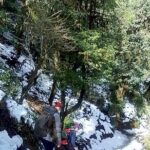
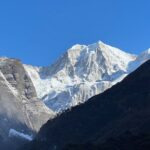
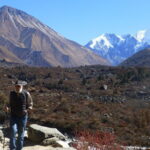
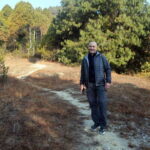
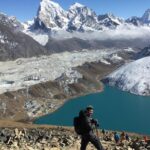
Ridges here feel like the edge of Nepal. This newly introduced Khopra Danda Trek runs through the Annapurna Region right after the Ghorepani Poon Hill route, then pushes you up to ridge viewpoints around 3,637m and on to sacred Khayer Lake at 4,660m. I especially like the way the itinerary mixes famous sunrise energy (Poon Hill) with a more local, quieter feel at Khopra community lodges. I also like that you get a built-in recovery day at Tatopani with hot water ponds. One consideration: you still face a lot of walking time and a serious day of steps before Ghorepani, so you’ll want solid moderate fitness and a steady pace.
I went through the schedule and what’s included, and the logistics look designed to keep the trip smooth without smothering your freedom. The group stays capped at 25 travelers, and you start with airport pickup and Kathmandu city sightseeing. I’ve also seen Hike On Trek connect trekkers with a planning help from Samir, which matters when you want an itinerary that matches your pace and interests.
In This Review
- Key highlights you’ll feel on the trail
- Setting the tone: Kathmandu Durbar Square and the Pokhara drive
- Tikhedhunga: the long stair and village warm-up you should respect
- Ghorepani and the 3000-step push: earn the sunrise
- Poon Hill morning and the route onward to Tadapani
- Tadapani to Dobato: villages, flora, fauna, and altitude creep
- Muldai at 3,637m and Chistibung: morning payoff, then a gentler follow-through
- Khopra Danda ridge and community lodges: shorter walking, big viewpoints
- Khayer Lake at 4,660m: sacred water and a true logistics day
- Tatopani hot ponds: how to use the recovery time well
- Back to Pokhara and Kathmandu: don’t lose your buffer time
- Price and logistics: what $1,120 buys in real terms
- Who should book this, and who should reconsider
- Should you book Khopra Danda Trek with Hike On Trek?
- FAQ
- How long is the Khopra Danda Trek?
- Where does the tour start and when?
- What region is this trek in?
- What is the highest point on the itinerary?
- Do you hike from Pokhara to the trailhead?
- How long is the Pokhara to Kathmandu return portion?
- Are there guesthouses and lodges on the trek?
- Is there any camping during the trek?
- Is the trek suitable for beginners?
- How many people are in a group?
- Can I get a full refund if I cancel?
Key highlights you’ll feel on the trail
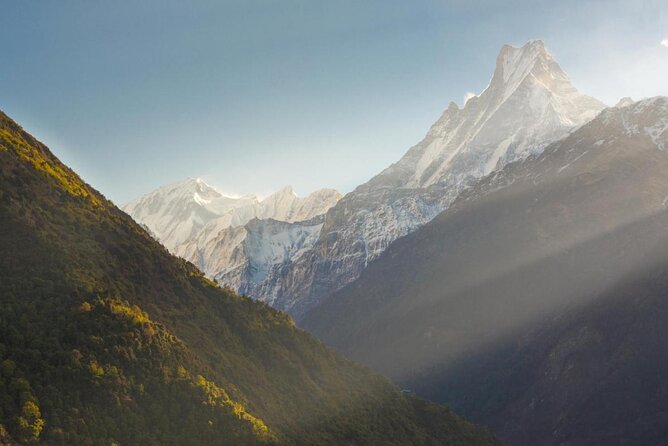
- Poon Hill sunrise with Annapurna and Dhaulagiri range views, plus a classic gold-light morning rhythm
- Muldai viewpoint at 3,637m for a reported sweep of 25 mountains in the Annapurna and Dhaulagiri ranges
- Khopra Ridge lodging time with rest built in after a shorter hiking day
- Khayer Lake camping at 4,660m (tents set up), plus a day that requires carrying your needed food and supplies from Khopra Danda
- Hot ponds at Tatopani for sore-muscle recovery near the end of the trek
Setting the tone: Kathmandu Durbar Square and the Pokhara drive
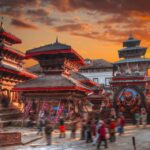
Your trek day actually starts before you ever hit a trail. Day 1 begins in Kathmandu with an airport connection and a visit to Kathmandu Durbar Square, where admission is included. It’s a good way to get your bearings fast: you’ll see the city’s old core before the roads swap into trekking footpaths.
Day 2 is all about transition. You’ll drive from Kathmandu to Pokhara for roughly 4–5 hours, then spend about 7 hours sightseeing around Pokhara. This is not a rest day in the couch sense, but it’s the practical kind of reset that helps your body later when elevation starts doing its thing.
You can also read our reviews of more tours and experiences in Kathmandu.

Tikhedhunga: the long stair and village warm-up you should respect
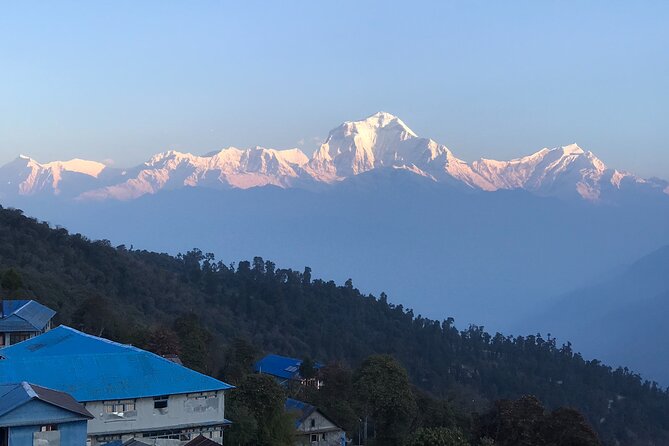
On Day 3, you head from Pokhara to Nayapul first, then begin walking from Tikhedhunga (1,750m). It’s about a 1.5-hour drive to Nayapul, then roughly 5 hours of hiking along the route near the Modi Khola down-valley direction. You’ll pass villages and get into that rhythm where every bend brings a new view, but you’re still saving energy for later climbs.
A lot of trekking here is about pace management, not hero moments. Since the itinerary later includes a major step-heavy push toward Ghorepani, I’d treat Tikhedhunga as the day to get your legs moving without going too fast. If you walk smart here, the rest of the trek feels like a sequence of steady climbs rather than one long punishment.
Ghorepani and the 3000-step push: earn the sunrise
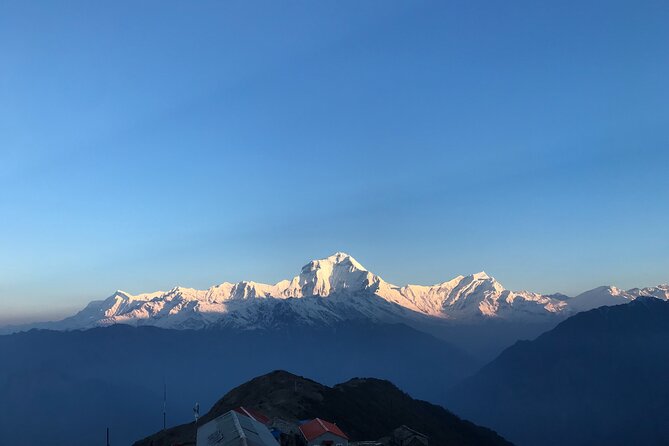
Day 4 is where the work starts in a big way. You’ll hike from Tikhedhunga to Ghorepani, and the route includes more than 3,000 stone steps to Ulleri, then continues until you reach Ghorepani for overnight in a guesthouse. The total time is listed around 6–7 hours, so this is not a casual day, even though it’s only one stage.
When you reach Ghorepani, you’ll be in the heart of the classic viewpoint area. That matters because Day 5 starts with Poon Hill, which is famous for sunrise timing. In other words: you’re not just hiking to cover distance; you’re hiking to be in position for one of the best Himalayan morning light shows in this region.
Poon Hill morning and the route onward to Tadapani
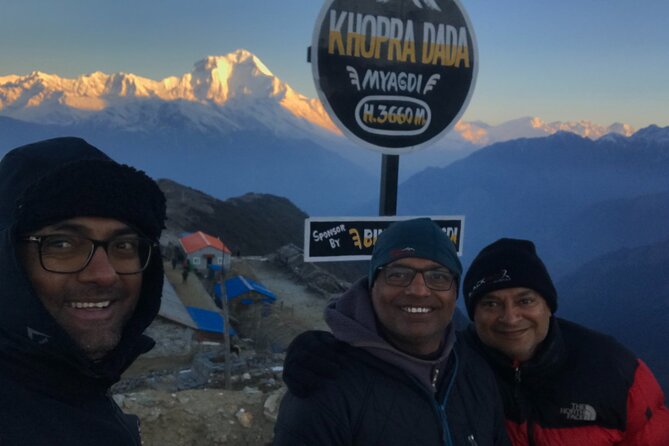
Day 5 begins with a hike to the top of Poon Hill for Himalayan range viewing, including Annapurna and Dhaulagiri. Then you’ll head back to Ghorepani and continue on toward Tadapani, typically 6–7 hours, staying overnight in a guesthouse.
Two practical notes make this day easier. First, bring layers for early starts since ridge temperatures can swing fast. Second, the schedule says the Poon Hill admission is not included, so you should plan on paying any viewpoint fee on that specific day.
Tadapani is a good stopping point because the next stages bring you deeper into the ridge-and-village sequence. You’ll still be moving, but you’re no longer in the “first major famous sunrise” zone. The trek shifts into a steadier climb feel.
Tadapani to Dobato: villages, flora, fauna, and altitude creep
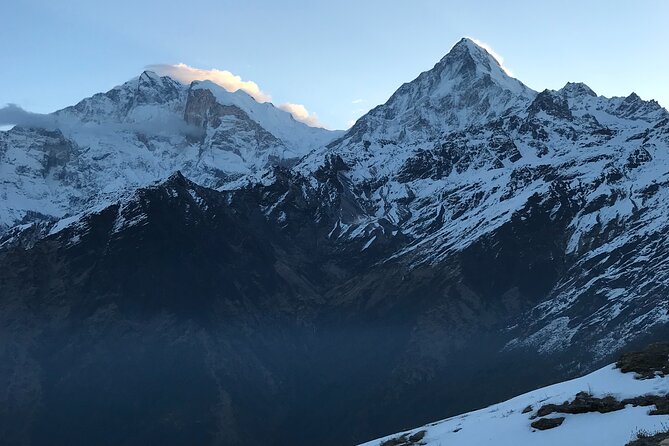
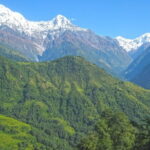
Day 6 takes you from Tadapani to Dobato (3,350m). The walking stage is about 5–6 hours, with a listed trek length of 6.5 kilometers, and you’ll pass through several villages and encounter local flora and fauna along the way. You also still get ongoing mountain views, including silvery-looking ridges in clearer moments.
This is where you start feeling altitude more in your breathing than your legs. The big trick is to keep your effort consistent: don’t sprint up the easy sections, and don’t assume the flat moments mean you can coast. Dobato overnight gives you a foothold before the next day’s climb toward the Muldai viewpoint.
Muldai at 3,637m and Chistibung: morning payoff, then a gentler follow-through
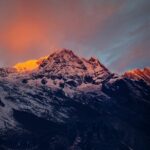
Day 7 is built around an early climb: you’ll hike up to Muldai viewpoint at 3,637m to catch a spectacular morning view described as covering 25 mountains across the Annapurna and Dhaulagiri ranges. After that, you walk back to Dobato and then trek onward to Chistibung, with a stage that totals about 5 hours.
The itinerary breaks the day into steps: first about an hour to Bayli Kharka, then roughly 3 hours from there to Chistibung. Staying overnight at Chistibung is useful because it sets you up for the next day’s ridge arrival at Khopra without turning the trek into a nonstop grind.
If you’re sensitive to early starts, this is the day to plan your energy. It’s not the hardest day only because of elevation; it’s hardest because of how much you pack into a single schedule.
Khopra Danda ridge and community lodges: shorter walking, big viewpoints
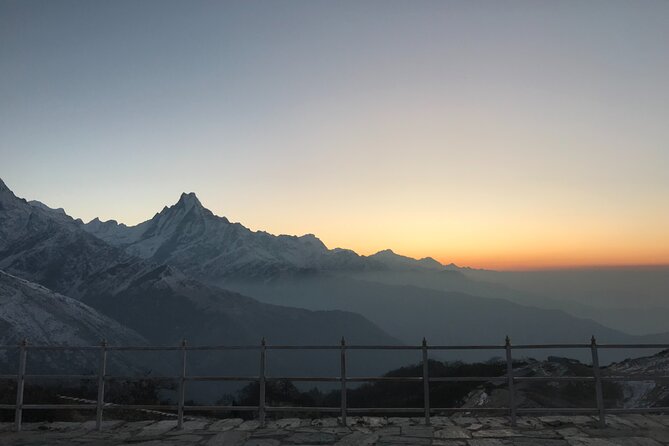
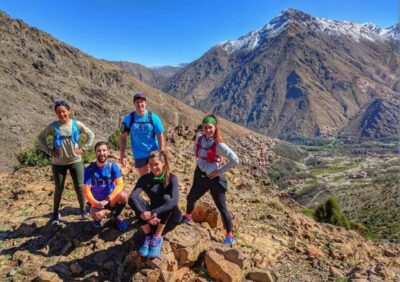
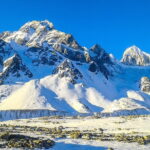
Day 8 shifts tone. You trek for a relatively shorter time—about 3 hours from Chistibung to Khopra ridge—and then you rest for the rest of the day at Khopra community lodges. The highlight is the ridge view: Dhaulagiri, Annapurna, Nilgiri, and other peaks across the broader ranges.
This is one of the best design choices in the itinerary. After several days where you’re mostly “moving to reach the next bed,” this day gives you time to slow down. That matters because the Khopra ridge experience is visual and mental, not just physical.
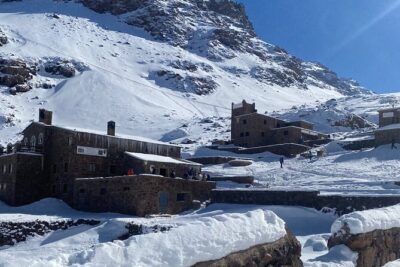
The local lodge element also fits the trip’s character. The information you’re given emphasizes the hospitality here, and that’s exactly what you want at mid-trek: a place where your body can cool down while your eyes keep tracking the mountains.
Khayer Lake at 4,660m: sacred water and a true logistics day
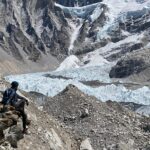
Day 9 is the trek’s big altitude statement: you head to Khayer Lake at 4,660m. The stage is listed around 5 hours and is described as worth the effort, especially since the lake is sacred and associated with a Brahma temple. You’ll also set up tents and stay overnight.
Here’s the most important practical detail for this day: the schedule says you must carry all required kinds of stuff and food from Khopra Danda for the Khayer Lake segment. That means you should plan your packing strategy carefully before you reach Khopra ridge. If you arrive thinking it’ll be simple to grab supplies later, you’ll be disappointed.
I’d also treat this day like a slow, steady success mission. You’re going high, staying overnight, and then descending the next day. Pace matters more than speed because you’re working at thin-air breathing.
Tatopani hot ponds: how to use the recovery time well
Day 10 brings you down toward Tatopani, which is described as an endpoint near the Annapurna Circuit trek and known for hot water ponds. After lunch you descend, with about 5 hours of hiking listed, then overnight in Tatopani.
This is the day you can be smart with. Hot water can soothe muscle pain and help you loosen up without completely stopping your movement. Don’t waste it by doing nothing at all—walk a little around the area if you feel up to it, but keep it gentle.
Tatopani is also mentally important because it marks a clear step toward finishing. After Khayer Lake, this kind of relief makes the trek feel earned rather than endless.
Back to Pokhara and Kathmandu: don’t lose your buffer time
Day 11 is a drive back to Pokhara by jeep, following off-road trail to Beni and then black-topped road from Beni through Nayapul. The schedule lists about 5 hours, then you overnight in Pokhara. The practical value is that you’re not forced to walk your way back down after the hardest days; you’re given a transport bridge.
Day 12 takes you back to Kathmandu. It gives you options: take a tourist bus and enjoy countryside views, or take a flight back to Kathmandu. Either way, it’s about choosing what matches your energy level after trekking.
Day 13 finishes with an airport transfer to Kathmandu International Airport about 3 hours before your flight. The ending is timed, not vague, which is helpful when you’re tired but still need your day to run smoothly.
Price and logistics: what $1,120 buys in real terms
The listed price is $1,120 per person for an approximate 13-day trek, including a mobile ticket. The itinerary also clearly labels some admission costs: Kathmandu Durbar Square admission is included, Pokhara sightseeing tickets are free, and Poon Hill admission is not included on the day it’s visited.
So what’s the value? It’s in the whole package of moving parts: airport pickup and Kathmandu sightseeing, the Kathmandu-to-Pokhara transfer, the step-by-step multi-day hike stages with overnight stays in guesthouses and community lodges, and the transport back down the mountain. You’re paying for organization that reduces how many decisions you must make while you’re already focused on your body and the trail.
You should also factor group size. With a maximum of 25 travelers, you’re less likely to feel swallowed by a huge crowd, yet you still get that safety and coordination that comes with traveling with a structured team.
Who should book this, and who should reconsider
This trek fits best if you have moderate physical fitness and you enjoy a mix of famous viewpoints plus lesser-feels-on-the-ground stops. The itinerary includes long walking days (often 5–7 hours), major stair terrain on the way to Ghorepani, and a high-altitude segment to Khayer Lake with tent camping.
If you’re the kind of traveler who gets anxious about early mornings, you should know the plan includes sunrise-focused starts for Poon Hill and another early climb for Muldai. If you’re comfortable with early starts and a steady pace, you’ll likely find the rhythm satisfying.
It also suits couples and small groups who want a guided structure but still appreciate time at lodges with breaks built into the schedule. The small maximum group size supports that.
Should you book Khopra Danda Trek with Hike On Trek?
Yes, if you want a classic Annapurna-region feel plus extra viewpoint days that go beyond the standard Poon Hill routine. I’d book it if you care about sunrise moments (Poon Hill), a high ridge viewpoint (Khopra), and the real altitude test of Khayer Lake at 4,660m. The itinerary’s inclusion of Tatopani hot ponds is a smart recovery bonus near the end.
I’d think twice if you’re not ready for the stair-heavy approach to Ghorepani, or if the idea of carrying your own day supplies for Khayer Lake sounds stressful. For the right fitness level, this trek has a clear payoff: big mountain mornings, quieter lodge time, and a practical end that gets you back to Kathmandu without guessing.
FAQ
How long is the Khopra Danda Trek?
The trek is listed as 13 days approximately.
Where does the tour start and when?
It starts at Tribhuvan International Airport, Ring Rd, Kathmandu, with a start time of 10:45 am.
What region is this trek in?
It’s in Nepal’s Annapurna Region, following the Ghorepani Poon Hill trek route.
What is the highest point on the itinerary?
Khayer Lake is listed at an elevation of 4,660 meters.
Do you hike from Pokhara to the trailhead?
Yes. You drive from Pokhara to Nayapul, which is listed as about a 1.5-hour drive, and then you begin trekking.
How long is the Pokhara to Kathmandu return portion?
You drive back to Kathmandu on Day 12, with options to take a tourist bus or a flight.
Are there guesthouses and lodges on the trek?
Yes. You’ll stay overnight in guesthouses during the trekking segments and in Khopra community lodges on Day 8.
Is there any camping during the trek?
Yes. On the day to Khayer Lake, you set tents and stay overnight.
Is the trek suitable for beginners?
It calls for travelers with moderate physical fitness.
How many people are in a group?
The tour/activity lists a maximum of 25 travelers.
Can I get a full refund if I cancel?
Free cancellation is available if you cancel up to 24 hours in advance for a full refund.