REVIEW · SA PA
Sapa small groupe activities: 1 Day trek – Meet the locals
Book on GetYourGuide →Operated by Real Vietnam Travel Company · Bookable on GetYourGuide
Sapa feels like a living postcard when you walk it. This small-group day trek is built for meeting real people and seeing Black Hmong village life up close, with indigo craft and big green rice-terrace views along the way. I love the mix of mountain trails and village visits, and I also like that your lunch lands in a local spot by a river. The one catch: you’ll do a 3–4 hour walk over uneven trails, so comfortable shoes and a steady pace matter.
If you go with the English-speaking guide (like My, who brings clear explanations and good local context), you’re not just hiking for photos—you’re learning how daily life works here. You’ll also cross suspension bridges and end in Tavan village before heading back to Sapa by minivan or car. If you expect a relaxed, stroller-friendly walk, this one may feel like work.
In This Review
- Key things to know before you go
- A day trek that trades rides for real village time
- Pickup and start: don’t be late
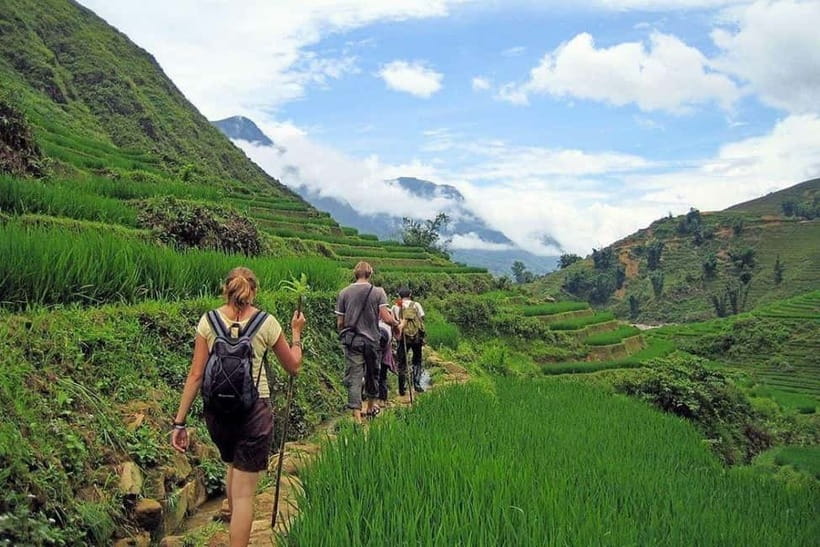
- Hitting the trails: rice terraces and valley views
- Laochai with the Black Hmong: indigo craft and friendly interaction
- Lunch by the river: a welcome reset
- After lunch: more hill-tribe villages and suspension bridges
- Tavan village: wrapping up with community life
- The value: $33 for a guided walk with real stops
- Who this trek suits best (and who should skip it)
- Small-group feel: why the format matters
- What to bring (keep it simple)
- The practical rules that keep the day smooth
- Guide quality is a big deal here
- Should you book the Sapa Meet-the-Locals 1 Day Trek?
- FAQ
- What time does the tour pick up from my hotel in Sapa?
- Where is the meeting point in Sapa?
- How long is the walking portion of the trek?
- What villages will we visit during the day?
- What is included in the price?
- Is lunch included, and where do we eat?
- Do I need to speak Vietnamese?
- What should I bring and wear?
- Are alcohol or drugs allowed during the tour?
- Is the tour suitable for very young children?
Key things to know before you go
- Black Hmong village time: visit Laochai and see the community known for indigo handicraft
- Riverbank lunch included: a local meal stops you from getting hangry mid-trek
- Moderate hiking only: plan for 3–4 hours of walking on trails and village paths
- Suspension bridges: part of the fun, plus a chance for great valley views
- Local transport back to Sapa: you don’t have to retrace the whole route alone
A day trek that trades rides for real village time
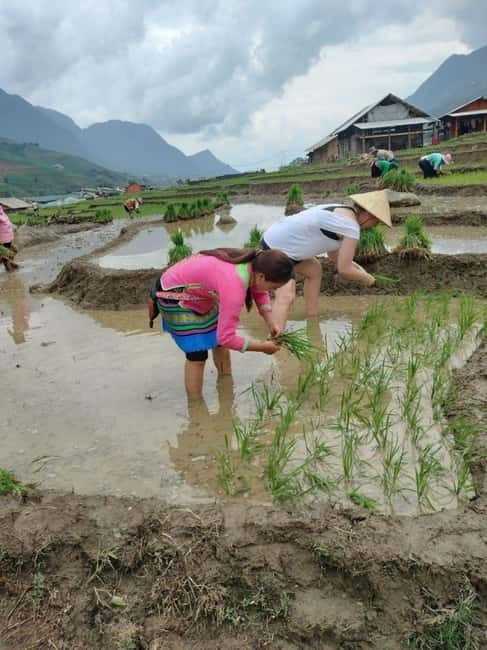
Sapa is famous for views, but the best part is usually the human stuff you only get by walking. This one-day trek is designed around small-group time with ethnic-minority communities, rather than quick stop-and-snap tourism. The route links mountain trails, terraced fields, and village paths, so you see how daily life and the land are tied together.
The morning starts with a pickup around 8:30 from your hotel in Sapa Town or from the Vietnam Nomadtrails office at No 13 Tue Tinh street, Sapa. That early start matters: the light is better for walking views, and you reach villages while the day still feels calm.
The day also has a very practical rhythm. You hike, you stop, you eat, you hike again. That keeps the experience varied without turning it into a full-day endurance event.
You can also read our reviews of more tours and experiences in Sa Pa.
Pickup and start: don’t be late
You’ll want to be ready. The meeting point is 13 Tue Tinh Street, Sapa, and you should arrive about 15 minutes early. Your guide will also ask for key details ahead of time, like a phone number with WhatsApp and your hotel address in Sapa.
Why it matters: in mountain areas, “almost on time” can become a long wait. Being early keeps your day moving and helps your guide start the trek with everyone together.
Once you’re picked up, you head toward the trail system leading into the Hmong ethnic village area. The trip is English-focused, with an English-speaking guide included.
Hitting the trails: rice terraces and valley views
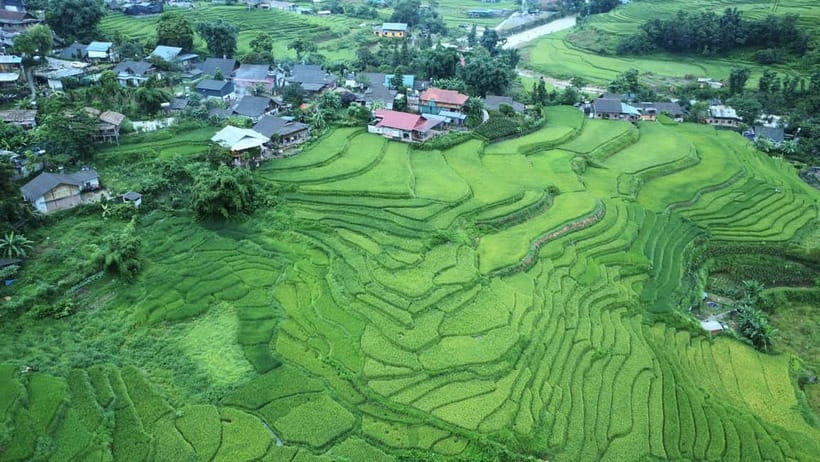
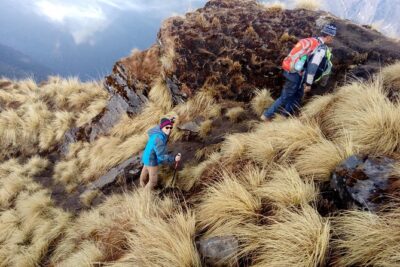
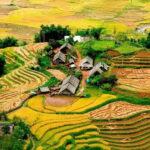
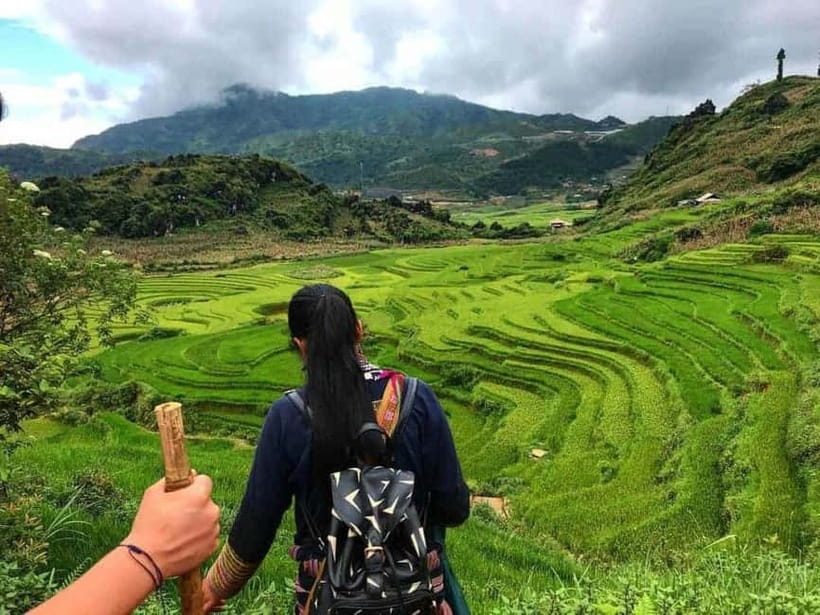
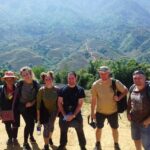
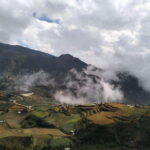
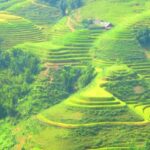
The trek itself is the main event, and it’s not just scenic padding. You’ll hike on trails with views over a lush green valley and very beautiful rice terraces. In Sapa, those terraces aren’t just a postcard background—they’re the backdrop to the whole local farming calendar.
Expect steady walking with some uneven ground typical of village-to-village routes. The trip includes 1 liter of water per person, which helps you stay focused instead of rationing snacks and sips.
If you’ve done city walking all week, swap to proper shoes. This is where comfort pays off. The tour specifically suggests sports shoes, and I agree. You want grip for dirt paths and the kind of support that doesn’t make your feet resent the afternoon.
Laochai with the Black Hmong: indigo craft and friendly interaction
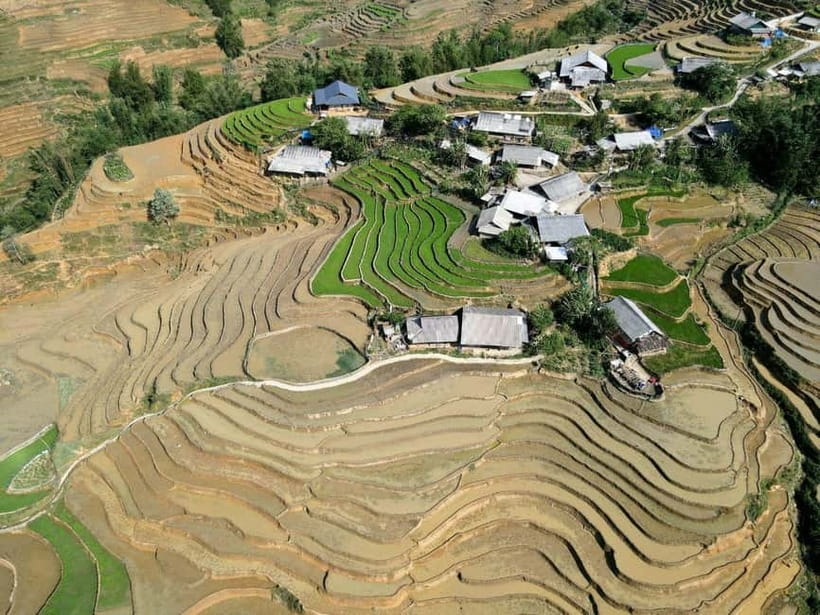
One of the standout segments is the visit to Laochai village, inhabited by the Black Hmong tribe. This is where the experience turns from hiking into learning.
Laochai is famous for indigo handicraft. That means you’re not just walking past a house and moving on. You have a real chance to meet people and interact, and that’s the point of this tour: culture through conversation, not culture through a brochure.
From what I’ve gathered about how this day feels, the guide’s role here is huge. A good guide helps you notice details you’d miss on your own—how communities organize daily life, what people value, and what traditions mean beyond souvenirs.
If you care about craft, fabrics, and the stories behind them, this is the part of the day you’ll remember long after you leave Sapa.
Lunch by the river: a welcome reset
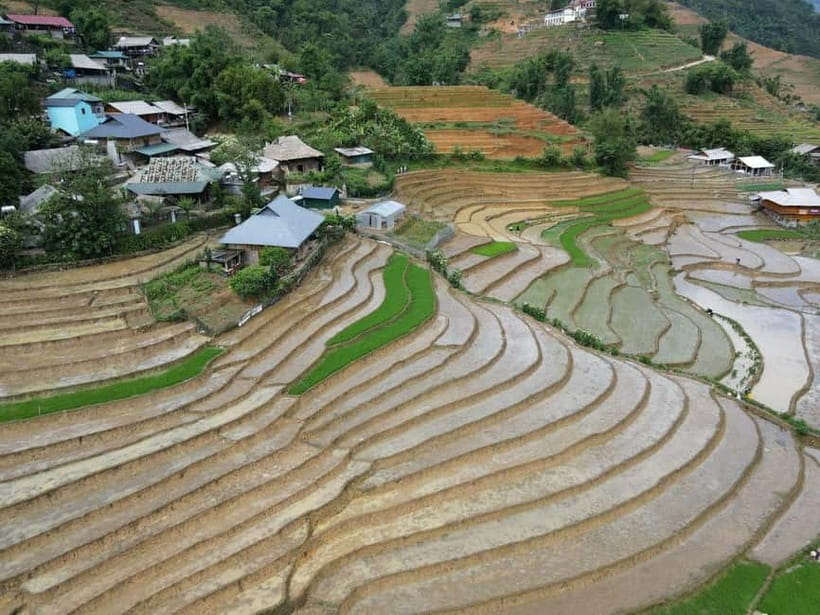
After the morning village time, you’ll have lunch at a local restaurant on a river bank. It’s included, so you don’t have to solve lunch logistics while your legs are negotiating with gravity.
Lunch location matters for two reasons. First, it gives you a natural break—shade, water sounds, and a calmer pace after walking. Second, it keeps the experience grounded in daily surroundings, not a staged tourist stop.
I suggest you treat lunch like part of the trek plan, not a pause you can ignore. Hydrate, eat enough to recharge, and don’t assume you’ll feel the same once you start walking again after lunch.
After lunch: more hill-tribe villages and suspension bridges
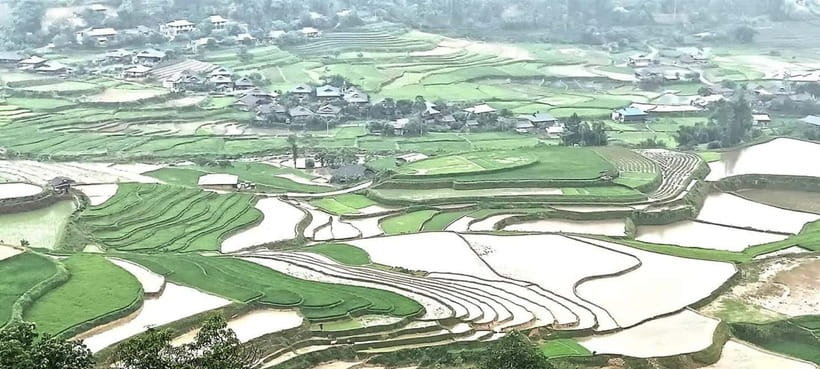
The afternoon continues with a hike through different hill-tribe villages. You’ll move through the kinds of places where you start to notice differences in how communities live—small variations in homes, daily routines, and cultural details. The trip is specifically built around these comparisons, so expect to feel your understanding sharpen as the day goes on.
A fun highlight in the second half: you’ll cross suspension bridges. These aren’t just thrill props. They’re often placed where the land forces you to connect across valleys or narrow river runs. That means you get both a physical challenge and a viewpoint payoff.
Use the bridge crossings to slow down and look around. You’ll usually find that photos come out better when you stop rushing.
Tavan village: wrapping up with community life
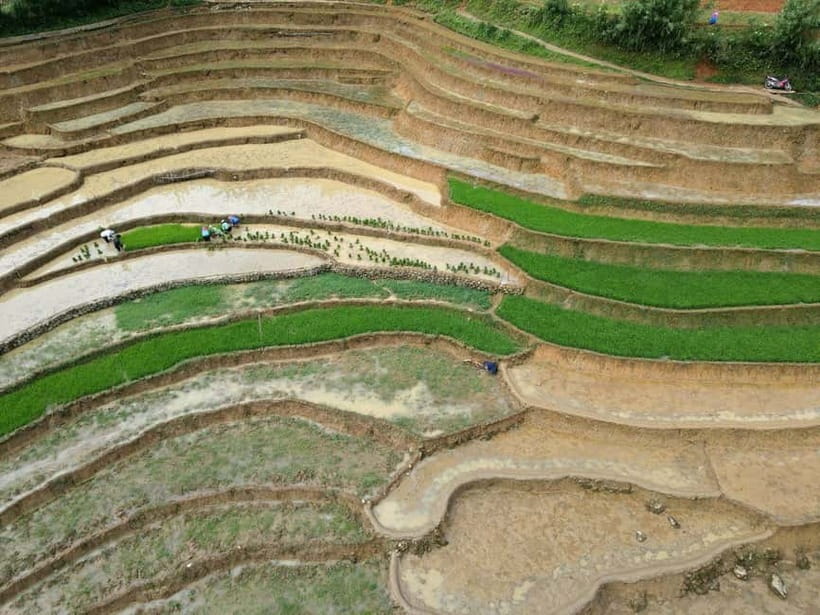
At the end of the afternoon, you’ll arrive in Tavan village. This is your final village-style exploration before heading back toward Sapa.
This segment tends to give the day a full circle feeling: you start in one community, see a different rhythm of life later, and finish after connecting the dots with a final village visit. It’s the sort of place where you can ask questions, learn what matters to people, and notice the everyday side of village culture.
Then it’s time to leave the trail. The tour returns by minivan or car back to Sapa, so you’re not stuck doing an all-day hike plus a long trek back up.
The value: $33 for a guided walk with real stops
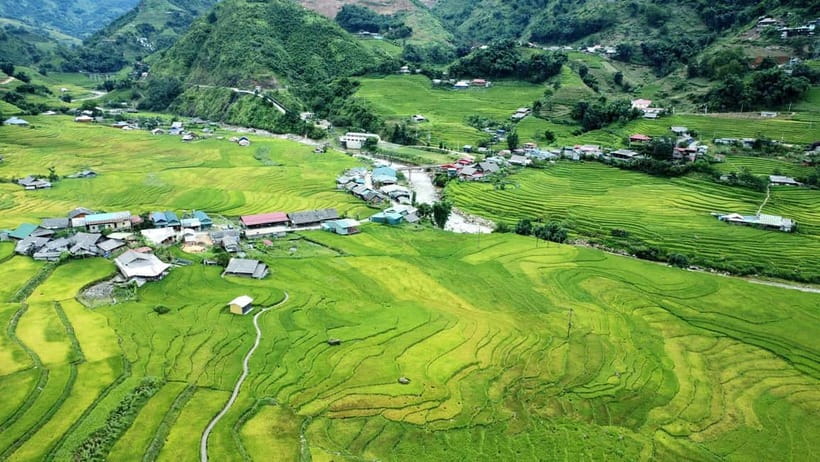
At $33 per person, this is priced like a serious day tour, not a barebones hike. You’re paying for an English-speaking guide, lunch, entrance fees, and water (1 liter per person). You’re also paying for transport from the village area back to Sapa.
That added value matters in Sapa. Local areas can be hard to navigate on your own, and village visits are the kind of experience that benefits from a guide who knows how to pace things and explain what you’re seeing.
One extra consideration: there’s a lunar new year surcharge (listed as 20 USD per person from 9 Feb to 14 Feb 2024). There’s also an added French-speaking guide surcharge (12 USD per person, if that’s the option). If you’re traveling around that time—or you have a language preference—factor those costs into your budget early.
Who this trek suits best (and who should skip it)
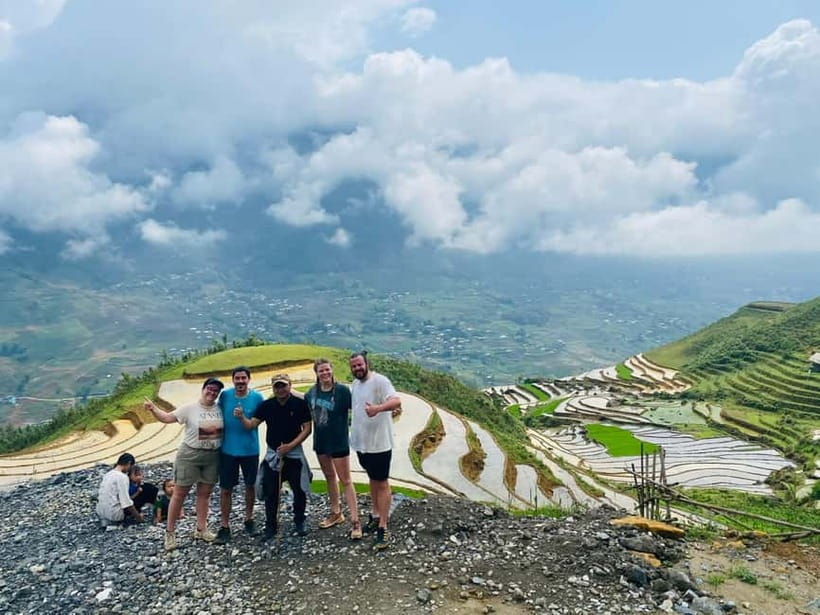
This is best for people who enjoy walking and want culture they can talk about. If you like meeting people, asking questions, and learning how communities work in real life, you’ll fit right in.
It’s also a good match if you want a single-day plan. The walk is described as 3–4 hours, and the day still includes a full lunch break plus village exploration. You won’t be stuck on the move every minute.
Skip it if:
- you struggle with uneven trails or steep village paths
- you’re expecting a short, flat stroll
- you’re traveling with a baby under 1 year (not suitable)
Small-group feel: why the format matters
The tour is positioned as a small-group experience. Even if you don’t know the exact group size, the impact is clear: it’s easier for your guide to keep everyone together, easier to ask questions, and easier to have meaningful interactions in villages.
That’s also why the pacing feels human. You’re not racing a schedule of 10 other groups, and you’re not getting pushed through cultural stops.
If you care about respectful interaction, this kind of group setup usually makes it easier for both you and the host communities to feel comfortable.
What to bring (keep it simple)
The tour instructions are straightforward: wear comfortable clothes and sports shoes. That’s it. I like that approach because it’s easy to pack and you won’t overthink it.
I’d add one practical mindset: dress for walking, not for comfort-shelf posing. You’ll be on trails and village paths, and you’ll want your clothes to handle movement.
Also plan to bring your phone details. You’ll be asked to provide a WhatsApp number for coordination, plus your hotel address in Sapa.
The practical rules that keep the day smooth
There are a couple of clear “no” items: no alcohol and no drugs. That’s a good rule for a trekking day where you’ll be walking for hours and interacting with communities. It helps keep energy focused and keeps the group safe.
Guide quality is a big deal here
The guide isn’t just the driver of timing. In the Laochai and village segments, your guide’s explanations shape the experience.
One name that stood out is My—not because she’s entertaining (though a good guide is always a plus), but because she’s clear and helps you understand local culture and home visits. That matches what you want from a meet-the-locals trek: context, translation of what you’re seeing, and the confidence to ask questions without feeling lost.
If you can, choose this tour with confidence that the guide-led format is part of the value, not an afterthought.
Should you book the Sapa Meet-the-Locals 1 Day Trek?
I’d book it if you want a day in Sapa that feels connected to real life, not just scenery. The combination of Black Hmong village time in Laochai, an included riverbank lunch, and suspension bridges gives you a strong mix of hiking and cultural contact for $33.
I’d also book it if you’re okay with moderate walking. The tour itself includes 3–4 hours of walking, and it’s built for people who can handle uneven trails with sports shoes and a steady pace.
Don’t book it if you want an easy walk only, or if you’re traveling with a baby under 1 year. And if you’re visiting around lunar new year dates, double-check the listed surcharge so there are no budget surprises.
If you match those basics, this is a very solid way to spend a day in Northern Vietnam: guided, structured, and focused on meeting people along the way.
FAQ
What time does the tour pick up from my hotel in Sapa?
The pickup is at 8h30 from your hotel in Sapa Town or from Vietnam Nomadtrails, No 13 Tue Tinh street, Sapa. Be at the meeting point about 15 minutes before departure.
Where is the meeting point in Sapa?
The meeting point is 13 Tue Tinh Street, Sapa.
How long is the walking portion of the trek?
This trip includes a 3–4 hour walk, with moderate fitness required.
What villages will we visit during the day?
You will hike to Hmong ethnic villages, including Laochai village (Black Hmong tribe) and later arrive in Tavan village, plus you’ll pass through other hill-tribe villages.
What is included in the price?
Included features are an English-speaking guide, lunch, entrance fee, water (1 liter per person), and transport from the village back to Sapa.
Is lunch included, and where do we eat?
Yes. Lunch is included at a local restaurant on a river bank.
Do I need to speak Vietnamese?
No. The tour language is English.
What should I bring and wear?
Bring comfortable clothes and sports shoes.
Are alcohol or drugs allowed during the tour?
No. Alcohol and drugs are not allowed.
Is the tour suitable for very young children?
It is not suitable for babies under 1 year.