REVIEW · SA PA
Sapa: Private trek to Muong Hoa Valley
Book on GetYourGuide →Operated by Vietnam Nomadtrails · Bookable on GetYourGuide
Muong Hoa Valley gives you real Sapa hiking. This private trek links Sapa town to mountain villages, rice terraces, and everyday ethnic life, with an English guide and lunch built into the walk. Two things I especially liked: the chance to see the rice terraces at Lao Chai up close, and the included lunch that actually feels like part of the day, not a rushed stop.
I also appreciated how your route can match your pace. In one review, guide Cha handled pickup, lunch, and the ride back with no fuss, and he explained lots of details along the way. Another review praised guide Zheng for customizing the hike to comfort level, which matters when you’re walking about 12 kilometers on uneven paths.
The main thing to consider is trail footing. In summer, especially May to September, conditions can be slippery, and this trek isn’t a casual stroll. If you’re not steady on your feet, choose good shoes and plan to go slower when the ground gets wet.
In This Review
- Key highlights at a glance
- From Sapa town to Muong Hoa Valley: what makes this trek tick
- Walking through Black Hmong villages: daily life, not a checklist
- Lao Chai rice terraces: the view stop that feels earned
- Lunch on the river bank (or local restaurant): included and genuinely helpful
- Ta Van village and Dzay craft traditions: weaving and coloring
- Getting back to Sapa: private car pickup point and guide support
- Price and value: what $47 covers and what can add up
- What to bring (and what not to bring) for slippery summer paths
- Who should book this private Muong Hoa Valley trek?
- Should you book? My practical take
- FAQ
- How long is the Muong Hoa Valley private trek?
- About how far do you walk?
- Is lunch included?
- Does the price include hotel pickup and drop-off?
- What language is the guide?
- Is this trek suitable for people with mobility issues or heart problems?
- How flexible is cancellation?
Key highlights at a glance
- Muong Hoa Valley views that you’ll earn with steady walking
- Lao Chai rice terraces with spectacular perspective
- Black Hmong and Dzay village visits focused on daily life and customs
- Lunch included (often plentiful) near the river or at a local place
- Ta Van handicrafts with weaving and coloring-style traditions
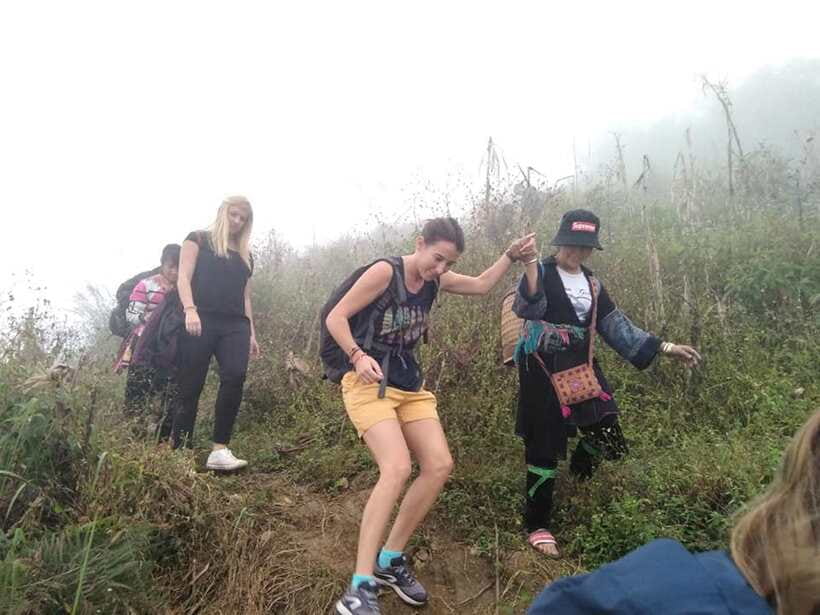
- Guide flexibility on steep or slippery sections, including route adjustments
From Sapa town to Muong Hoa Valley: what makes this trek tick
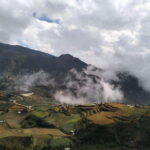
This is a 5-hour private trek that starts on foot from the center of Sapa town. You walk out toward Muong Hoa Valley, one of north Vietnam’s famous valleys for its layered mountain scenery and rice-growing terraces. The value here is that you’re not just looking at views from a roadside stop. You’re moving through villages and paths where daily life happens.
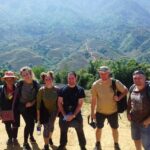
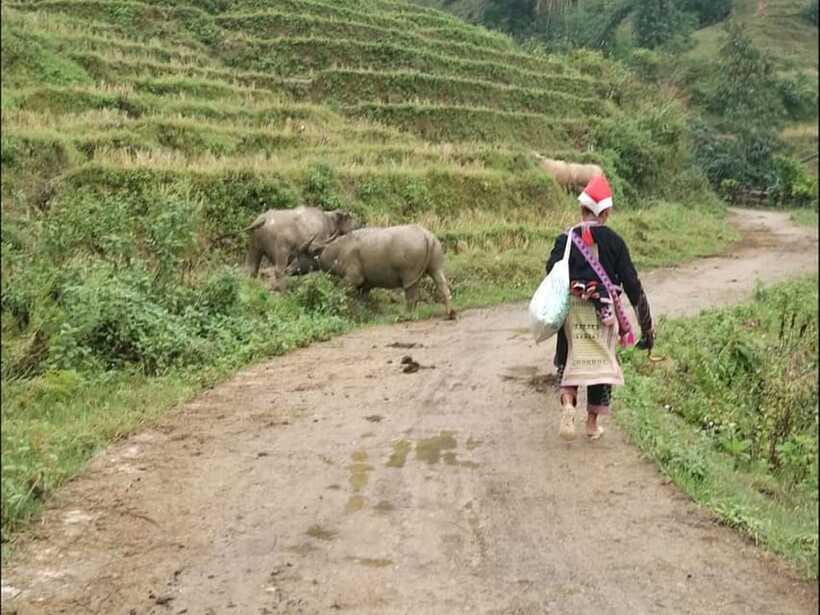
You’ll meet an English-speaking guide, and the trek is designed around the people and the terrain. The route runs through villages of the Black Hmong tribe, then continues on to Lao Chai for the rice terraces, and later to Ta Van, where the Dzay ethnic group lives. Along the way, the guide helps connect what you see—costumes, house life, craft work—with local customs.
One practical note: the trek is about 12 kilometers. That’s enough walking to feel like an actual hike, even though the day is only 5 hours. Plan for some hills and uneven steps, and don’t expect perfectly level ground.
You can also read our reviews of more tours and experiences in Sa Pa.
Walking through Black Hmong villages: daily life, not a checklist
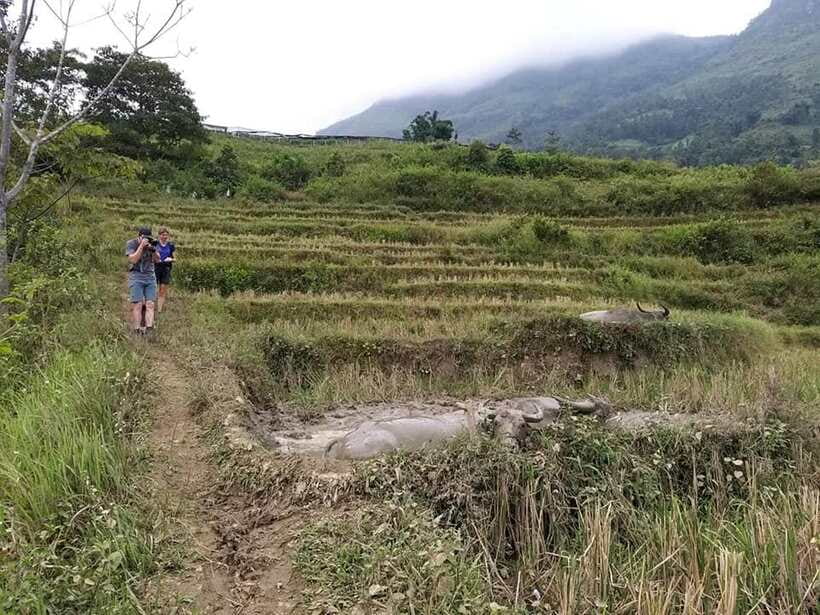
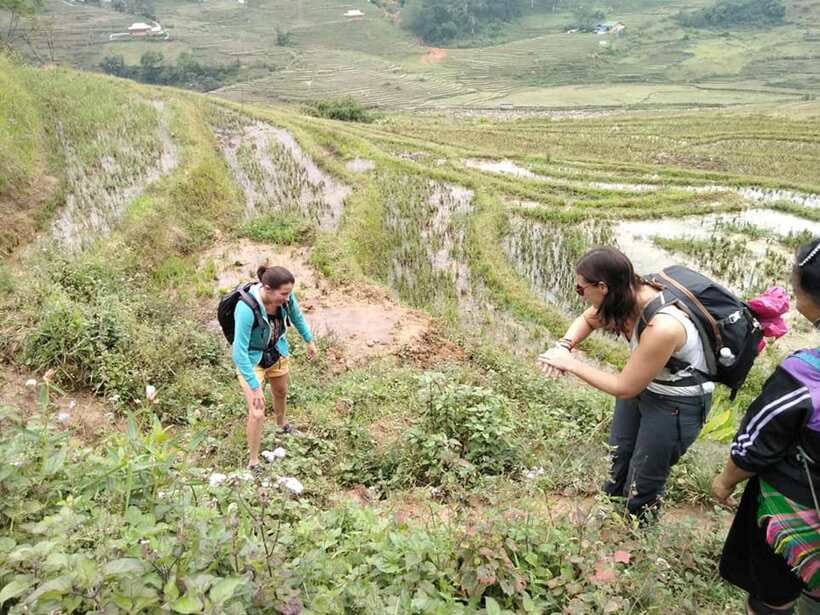
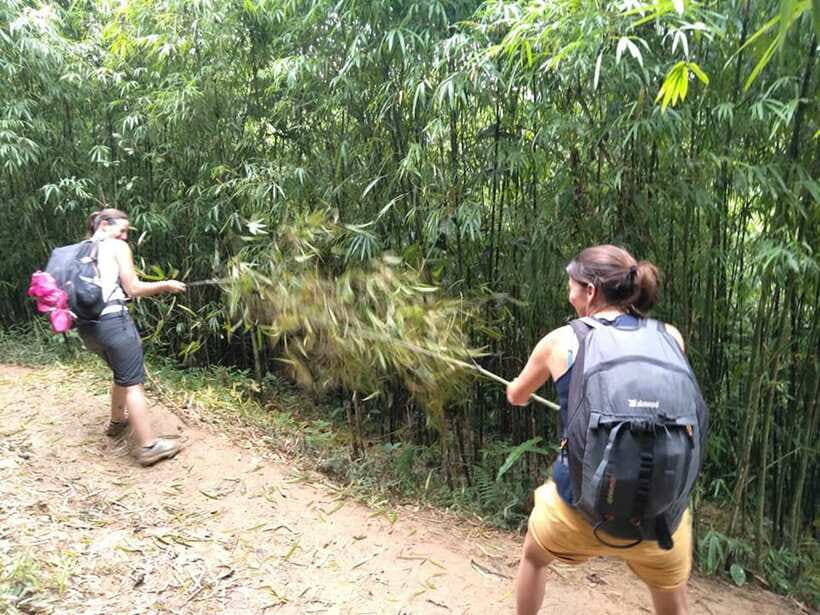
Once you set out from Sapa, the trek turns into a slow discovery walk through Black Hmong areas. This part is where the experience becomes more than scenery. You’re heading into village paths that feel lived-in—places where you can see how communities organize their day, what daily routines look like, and how people move through the landscape.
This is also where an English-speaking guide earns their pay. In the reviews, guides were praised for sharing interesting details, not just naming landmarks. The best moments tend to happen when you stop, watch, and let the guide explain what you’re noticing—house areas, clothing choices, and village rhythms—so your photos come with context.
What I’d watch for here is your own comfort level. The terrain can get steep and slippery, especially in wetter months. In one review, the guide adapted the trekking route because paths were steep and slippery. That kind of flexibility matters because it keeps the day safe and lets you enjoy the village parts instead of rushing them.
Lao Chai rice terraces: the view stop that feels earned
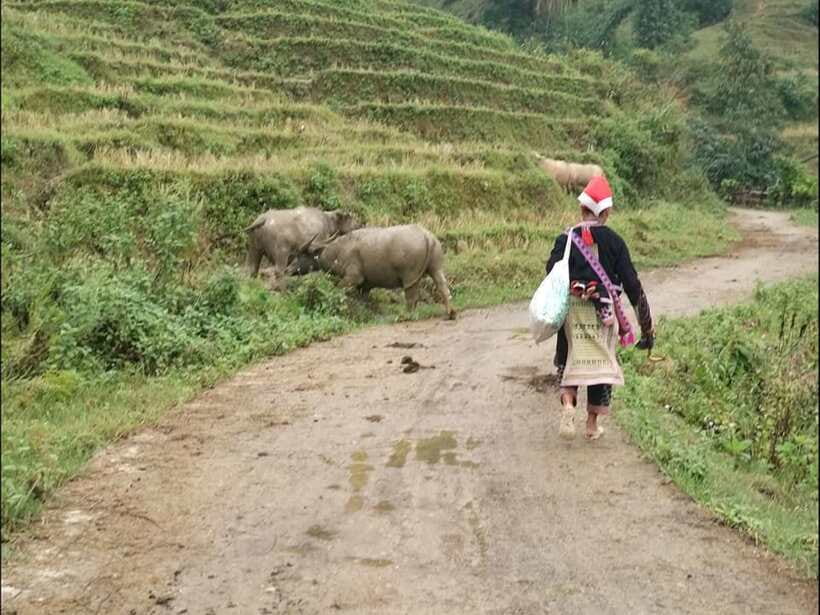
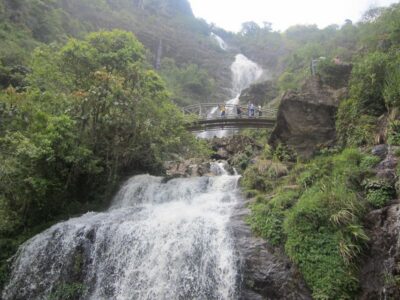
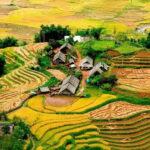
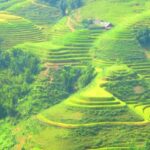
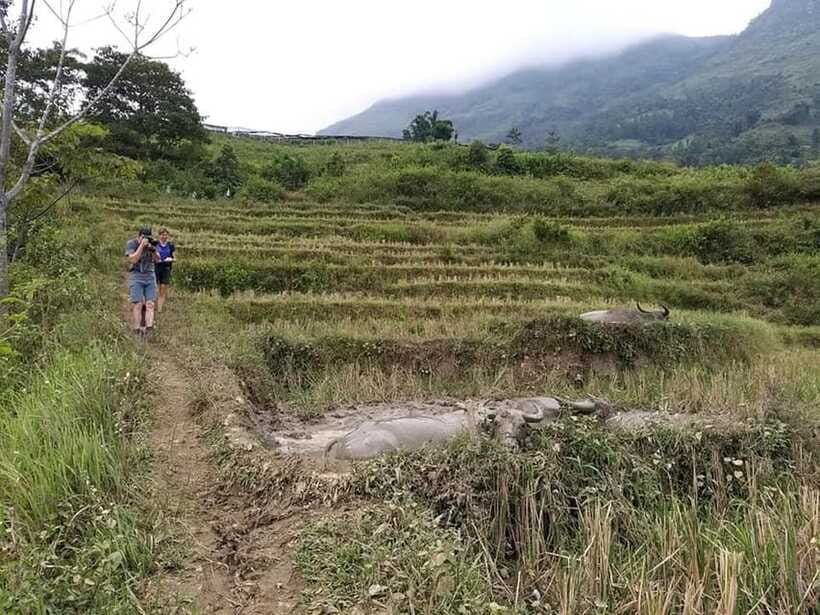
Lao Chai is the moment many people come for, and the trek delivers it in a straightforward way. After walking through village areas, you reach Lao Chai village where you get spectacular views of the rice terraces in Vietnam.
This is a key stop because rice terraces aren’t just a pretty background here. They’re tied to how local families farm and how the valley’s slopes stay productive. From Lao Chai, you can understand why the valley is so recognizable: the terraces form repeating lines across the mountainside, and the pattern changes with the time of day and your walking position.
A practical perk: you don’t have to worry about finding lunch right after this. The day is set up so that once you reach the terrace views, it’s time to eat nearby—either near the river bank or at a local restaurant. That keeps the energy level up right when you might otherwise be tempted to snack and wander.
If you’re prone to getting foot-sore, take your time approaching the terrace viewpoints. The best photos often happen when you’re steady, not when you’re rushing to catch a single angle.
Lunch on the river bank (or local restaurant): included and genuinely helpful
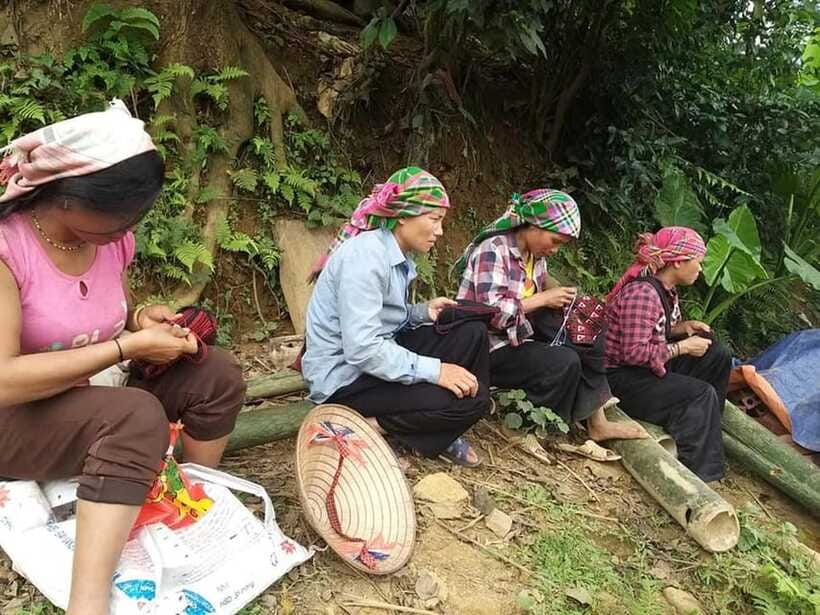
Lunch is included, which is a bigger deal on a 5-hour trek than it sounds. This is one of those “you won’t regret it” inclusions because you’re walking steadily for kilometers, and food keeps you from turning the rest of the hike into a low-energy shuffle.
The tour includes lunch during the Lao Chai portion of the trek, served either near the river bank or at a local restaurant. In a review, the lunch was described as very good and plentiful. That matches what you want on a day like this: not a tiny portion that makes you hungry later, and not a meal so late that you pay for it during the next village segment.
I also like that lunch timing helps the flow. You see the terraces, you take a break, you eat, and then you continue toward Ta Van. It feels like a real half-day plan rather than a “stop, then hurry, then stop again” schedule.
Ta Van village and Dzay craft traditions: weaving and coloring
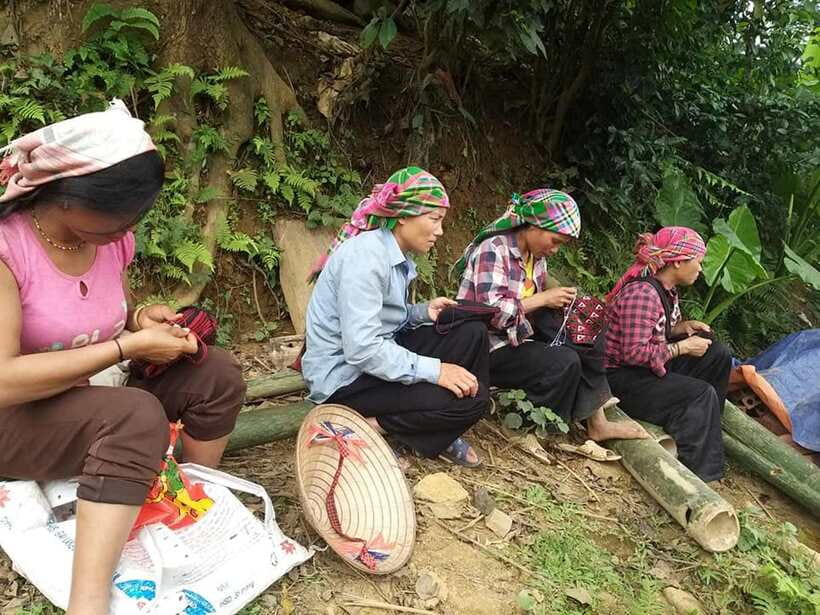
After lunch, the trek continues toward Ta Van village, home to the Dzay ethnic group. This portion is more hands-on in spirit. You’ll visit local houses and learn about traditional handicrafts, especially weaving and coloring techniques used for making or decorating handicrafts.
What’s valuable here is that you’re not just passing through. You get a window into how craft work fits into daily life. A good guide will explain what you’re seeing and connect it to local culture and customs. Reviews praised guides for being friendly and adjusting the trek when needed, which usually means you have the time and calm to notice details rather than sprinting past them.
You should also expect a focus on rural life and customs. Costume and everyday routines can look dramatic from a distance, but the meaning tends to show up when someone explains them clearly. The trek’s village stops are built around that type of understanding.
If you enjoy photography, this is a strong segment. If you enjoy learning through observation, it’s even better. Either way, you’ll likely come away with more than just terrace pictures.
Getting back to Sapa: private car pickup point and guide support
As your walk continues, you’ll eventually reach the main road, where the driver waits. From there, you take a private car back to central Sapa.
This matters because it removes the most common stress on hikes: the “how do we get back?” question. You don’t need to plan a bus, guess at a taxi, or negotiate a ride after you’ve been walking for hours. Your guide manages the day so you can focus on the route.
In the reviews, rides back were described as smooth, and that’s what you want for a 5-hour trek. If the paths are steep or slippery, a good guide’s job includes keeping the group safe, then getting you to the pickup point without chaos. One review specifically noted route adaptation due to steep, slippery paths—exactly the kind of practical help that keeps the whole day from feeling like hard work.
Price and value: what $47 covers and what can add up
The listed price is $47 per person for a 5-hour private trek. When you compare that to typical costs in Sapa, it’s a solid value if you want an all-in walking experience instead of piecing everything together yourself.
Here’s what you get in the base price:
- English-speaking guide
- Lunch
- Entrance fees
- Transportation
- Water
- Hotel pickup and drop-off in Sapa town only
That combination is key. Guide + transport + lunch + fees is a lot of the “hidden hassle” you’d otherwise handle day-by-day. Water is also a welcome inclusion on a trek where you’ll be sweating in mountain air.
What’s not included:
- Insurance
- Personal expenses
- VAT
- A surcharge if you want a French speaking guide: 15 USD per person (paid at the meeting point)
- A Lunar New Year surcharge from Jan 26 to Feb 2, 2025: 35 USD per person (paid directly on the trip)
So who is this best for? It’s best for people who want structure and context: you like walking, you want village culture beyond photo stops, and you appreciate someone handling timing and logistics. If you’re traveling solo, as a couple, or with friends who want the comfort of a private setup, it’s an easy way to enjoy Muong Hoa Valley without overthinking.
What to bring (and what not to bring) for slippery summer paths
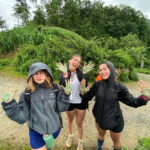
The trek is about 12 kilometers. Because the route can be slippery from May to September, shoes matter. Bring comfortable shoes with grip and socks you can trust. The tour specifically notes that summer conditions can be slippery and recommends good trekking shoes.
Clothing should be comfortable and practical. Layering helps in the mountains, but you’ll still want clothes that don’t restrict movement. Also note what’s not allowed: slippers.
A simple pacing tip: walk like you’re going to reach everything slowly, not like you’re chasing it. Steep paths and wet sections tend to reward calm footwork. In the reviews, guides adapted routes when paths were steep or slippery, but good trekking shoes still make a huge difference.
If you have concerns about walking distance or balance, be honest with yourself. This isn’t marketed for people with mobility impairments, and it isn’t suitable for pregnant women or people with heart problems. If any of those apply to you, it’s worth looking for a different, gentler option in the area.
Who should book this private Muong Hoa Valley trek?
Book this trek if you want:
- A half-day hike with real cultural village stops (Black Hmong areas, then Dzay Ta Van)
- Strong scenic payoff, especially at Lao Chai rice terraces
- Lunch handled for you, with water included
- An English-speaking guide who can explain what you’re seeing
Skip it if you:
- Want a flat, easy walk (the trek includes steep and slippery sections at times)
- Need a low-impact experience, since it’s around 12 kilometers
- Fall into the listed categories not suitable for the activity: pregnant women, people with heart problems, or those with mobility impairments
It’s a good fit for travelers who like small moments: watching craft work, hearing customs explained in plain terms, and getting valley views without turning the day into a bus tour.
Should you book? My practical take
If you’re planning time in Sapa and you want a private trek that mixes Muong Hoa Valley scenery with village life, this is a strong choice. The base price covers the big pieces—guide, lunch, transport, entrance fees, and water—so you don’t end up paying extra for the essentials.
The main decision point is your comfort on uneven ground. If you bring solid trekking shoes and go at a realistic pace, you’ll likely enjoy the route and the village interactions. If slipping is a big worry for you, plan extra caution in May–September and be ready for the guide to adjust the path.
FAQ
How long is the Muong Hoa Valley private trek?
The trek lasts about 5 hours, with starting times depending on availability.
About how far do you walk?
You’ll trek around 12 kilometers.
Is lunch included?
Yes. Lunch is included in the experience.
Does the price include hotel pickup and drop-off?
Pickup and drop-off are included, but only for hotels in Sapa town.
What language is the guide?
The guide is English-speaking.
Is this trek suitable for people with mobility issues or heart problems?
No. It is not suitable for pregnant women, people with heart problems, or people with mobility impairments.
How flexible is cancellation?
You can cancel up to 24 hours in advance for a full refund.
If you want, tell me your travel month and your hiking comfort level, and I’ll suggest the best time of day to aim for and what to prioritize when packing.