REVIEW · SA PA
Private Hoang Lien National Park & Tribal Village Trek
Book on GetYourGuide →Operated by Sapa Unique Tour - Viet Sapa Travel · Bookable on GetYourGuide
Most days in Sapa feel crowded. This private trek slips into a quiet bamboo-forest route with rice-paddy views, then adds a real culture stop with the Black Hmong community. I like that it’s not just scenery; you get time with local homes and daily-life details. One thing to consider: you’re walking a 10km dirt trail, so you’ll want sturdy shoes and a steady pace.
What makes this tour work well is how smoothly the day is stitched together. You start in Sa Pa Town at 09:00, cover a few classic pass-and-waterfall viewpoints first, then hit the main walk, pause for a wilderness picnic, and finish in Sin Chai village before returning to your hotel around 03:00. Guides make or break a trek like this, and the standout theme here is how friendly and helpful they are—especially when conditions turn misty or if you need to move a bit slower.
In This Review
- Key things that make this trek special
- Waterfalls, passes, and the drive that sets the mood
- O Quy Ho Pass start: the 10km trek through bamboo and rice paddies
- The 12:30 picnic lunch in the wilderness
- Sin Chai village: community tourism you can actually talk about
- Private guide power: pace, clarity, and real help on uneven days
- Price and value: what $75 buys you (and what to double-check)
- What to wear and pack so the day feels easy
- Who should book this trek (and who might skip it)
- Should you book the Private Hoang Lien & Tribal Village Trek?
- FAQ
- Where does pickup happen for this tour?
- What time does the tour start and when do you return?
- How long is the trek and what terrain is it?
- Is lunch included?
- What should I bring?
- What’s included in the price, and what’s not?
Key things that make this trek special
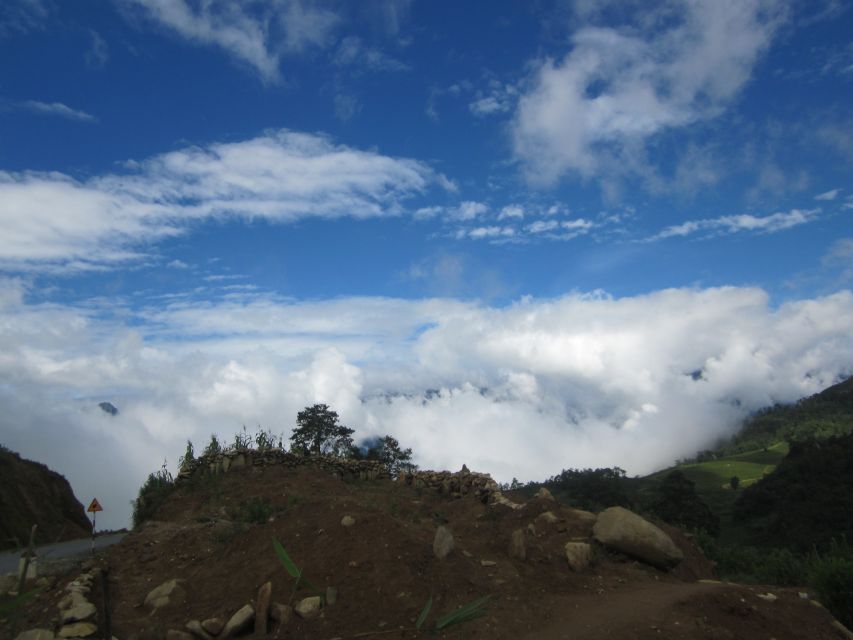
- A quiet 10km trek through bamboo forest, with big views over the rice paddies
- Early waterfall and pass stops (Silver Waterfall, Love Waterfall, Tram Ton Pass, then O Quy Ho Pass)
- A wilderness picnic at 12:30 that feels like you’ve stepped out of town
- Sin Chai village + Black Hmong home visits, focused on daily customs and handicrafts
- Private pacing with an English-speaking guide, so you can ask questions and set your rhythm
- Practical heads-ups in changing weather, including mist limits on terraces and waterfall flow
Waterfalls, passes, and the drive that sets the mood
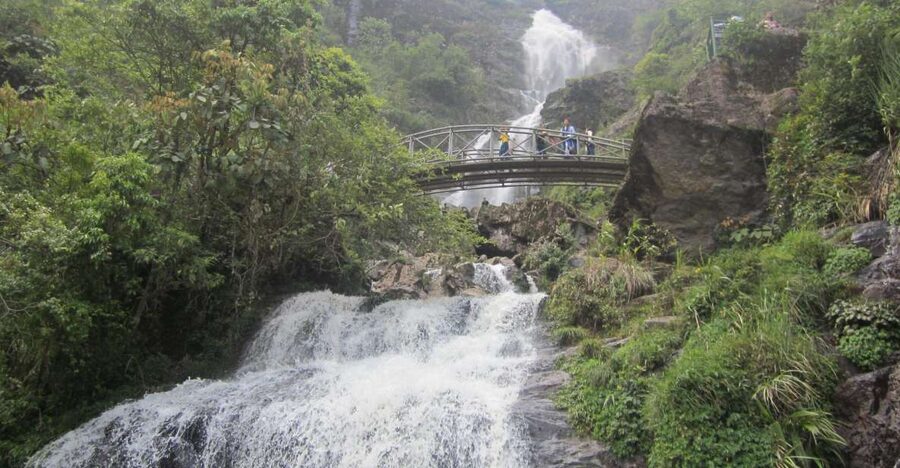
You meet your guide and driver at your hotel in Sa Pa Town at 09:00 AM, then head out for the first scenic stops about 30 minutes away. This is a smart start. Instead of rushing straight into the hike, you warm up your senses with viewpoints and landmarks—good when you’re trying to judge how the weather is behaving up in the mountains.
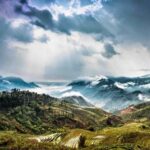
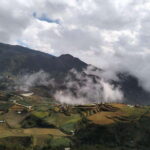
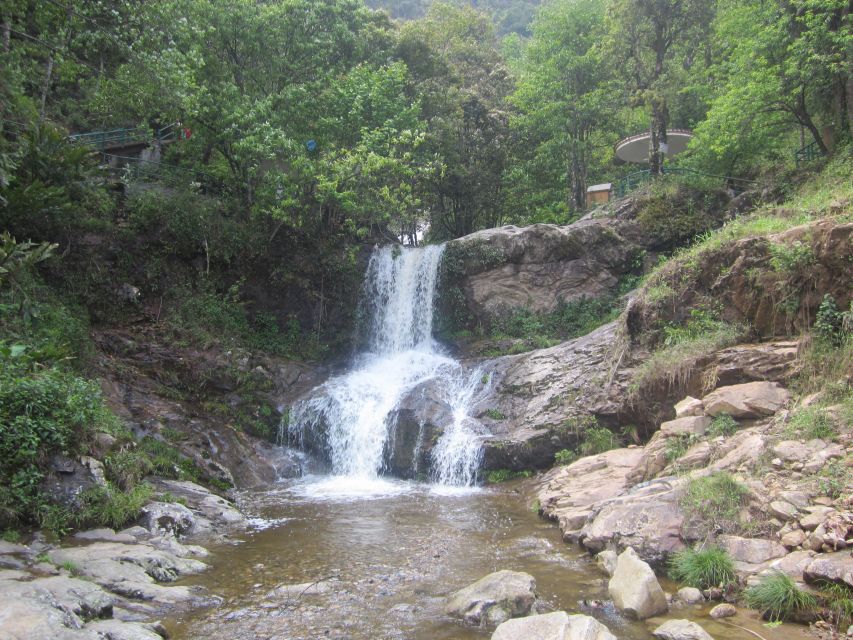
You’ll visit Silver Waterfall, Love Waterfall, and Tram Ton Pass before the trek begins. Waterfall days can swing wildly in Sapa depending on recent rain and season. In one case, the guide Fam gave a clear warning that waterfall water might be lower and terraced-field visibility could be limited by thick mist. That kind of practical honesty matters. It helps you adjust expectations fast and still enjoy the day, even if the view is softened by clouds.
Why you’ll like this section: It gives you context—where you are and what you’re about to walk through—so the hike doesn’t feel like a random trail drop-in. It also breaks up the day so your energy doesn’t get spent all at once.
Potential drawback: If you’re hoping for crystal-clear terraces or roaring waterfalls every time, mist can change the look of both. The upside is that mist also gives a different mood—more quiet, more atmospheric, less postcard.
You can also read our reviews of more tours and experiences in Sa Pa.
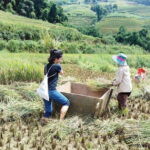
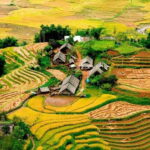
O Quy Ho Pass start: the 10km trek through bamboo and rice paddies
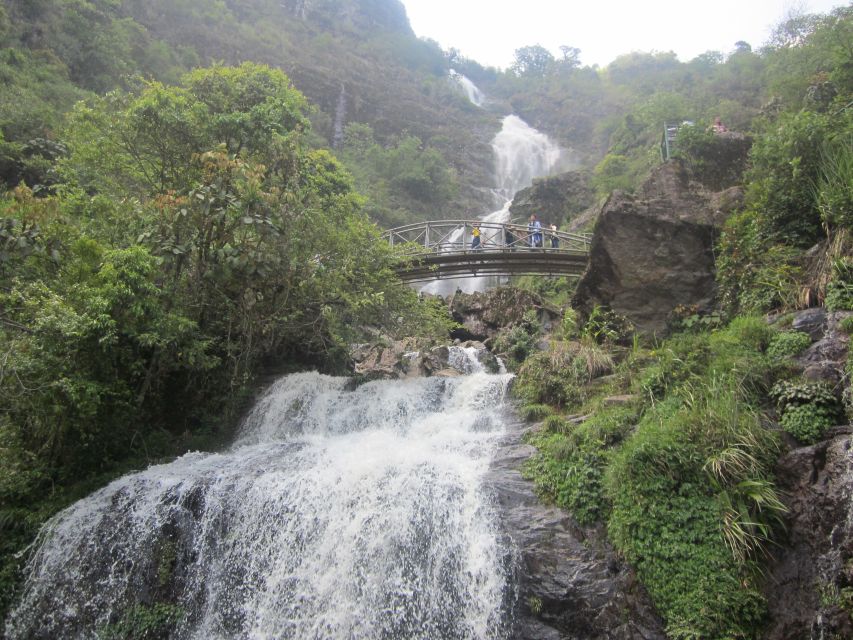
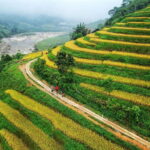
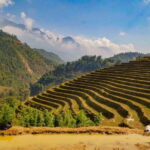
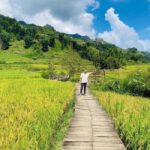
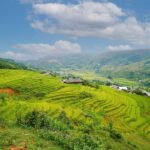
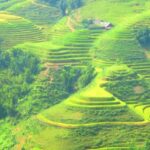
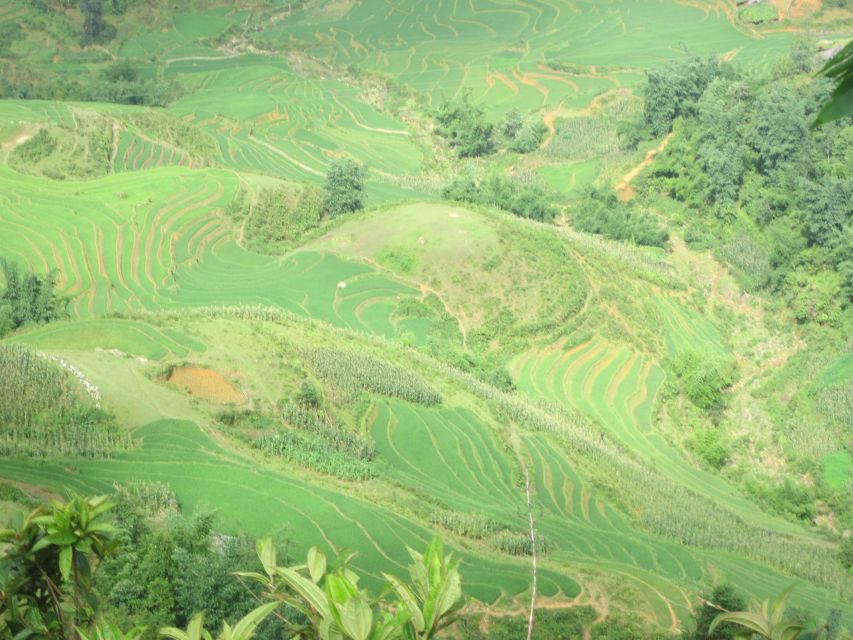
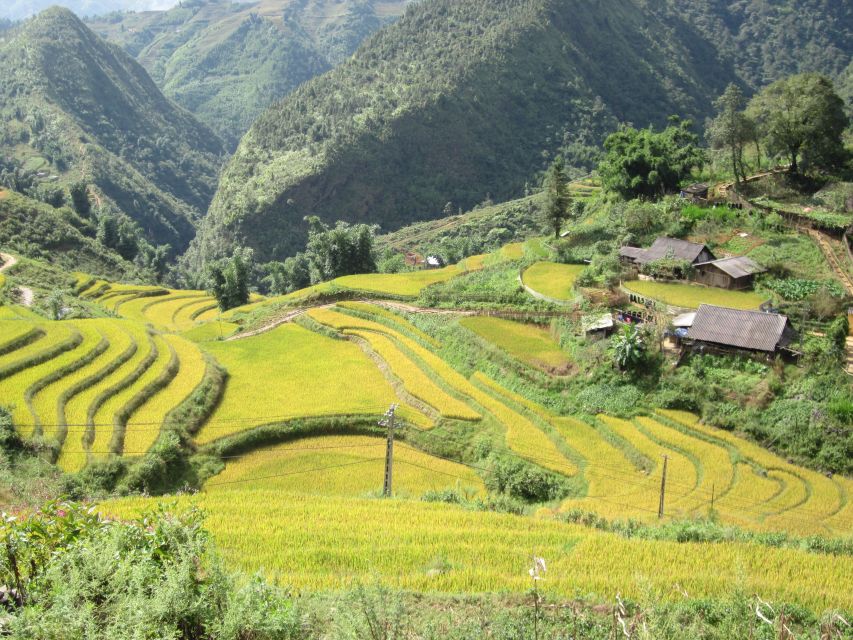
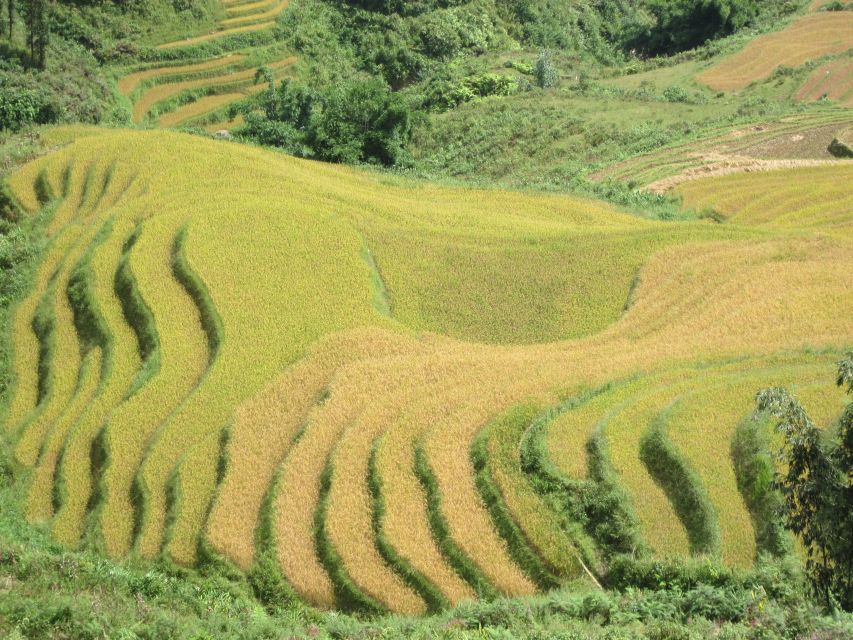
After the pass stops, you travel to O Quy Ho Pass, and that’s where the main trek begins. The walk is about 10km along a dirt trail through the bamboo forest inside Hoang Lien National Park. You’ll also get great moments of the surrounding rice paddies, which is where the valley feeling really clicks.
This is not an all-day technical climb, but it is real walking. A 10km dirt path in mountainous terrain adds up, especially if the ground is wet or uneven. Think: steady effort, not a casual stroll. The route is also described as quiet, with a trail that avoids the crush you might expect on more famous routes.
What “quiet route” means for you: You’re more likely to hear birds, bamboo rustle, and distant village life instead of constant chatter. That matters for photos too. When you’re not constantly stepping around crowds, you can take your time.
Also pay attention to timing. You’ll be trekking through the morning, then you get lunch at 12:30 PM. That lunch stop is positioned so you’re not pushing too long before a break, which helps keep the afternoon from turning heavy.
Who this suits: If you want an active half-day, but you still want to spend real time learning and chatting later, this trek length hits a useful balance.
The 12:30 picnic lunch in the wilderness
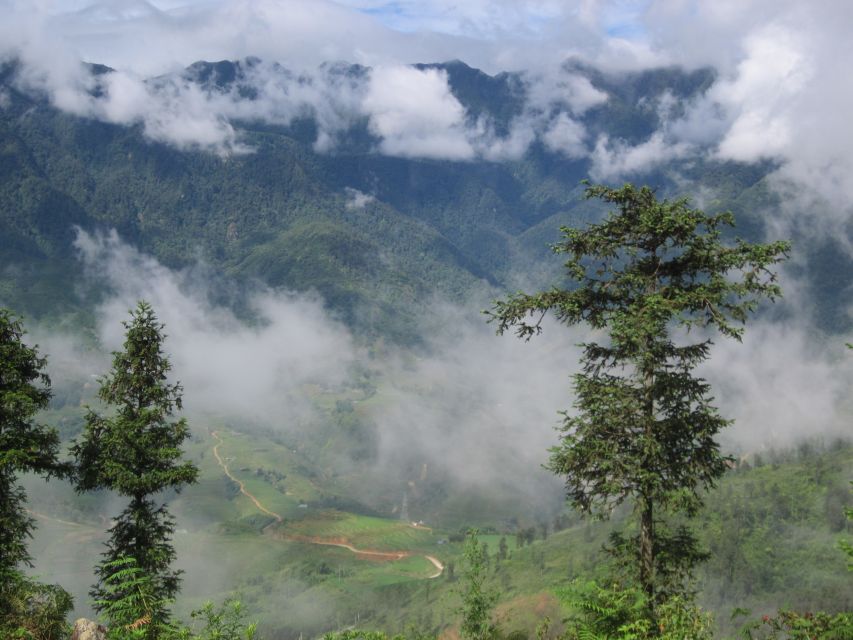
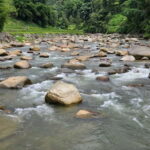
At 12:30 PM, you stop for a picnic lunch, served in a beautiful spot in the wilderness. This isn’t just a boxed-food break. The way it’s timed—right after morning walking—turns lunch into a reset point. You stretch, refuel, and soak in the surroundings without the pressure of rushing to the next village immediately.
Even better: your lunch location is in the landscape you just walked through, not somewhere convenient but forgettable. If you’ve ever done tours where lunch feels like an afterthought, you’ll appreciate that this one is built into the trek.
Practical detail: you’ll have two bottles of mineral water per person included. Still, if you’re someone who drinks more than average, plan to buy extra drinks yourself later since additional drinks are not included.
The real value here: That picnic pause gives you a chance to slow down. In the middle of a day that mixes passes, forest walking, and village visits, lunch is where the experience becomes yours.
Sin Chai village: community tourism you can actually talk about
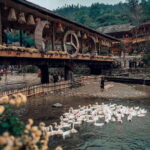
After lunch, you continue your trek to Sin Chai village, which is where community-based tourism in Sapa takes place. This matters because it changes the feel of the village visit. You’re not only passing through; you’re getting a guided introduction to local life and how the community welcomes visitors.
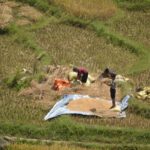
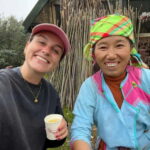
From there, you visit a nearby village inhabited by the Black Hmong people, one of the larger ethnic groups in the Sapa area. Your guide helps you connect the dots: native houses, daily customs, and handicraft skills.
In one of the experiences connected to this route, the guide Pang was praised for making the private setup feel worth it. The key idea wasn’t just that English was strong—it was that the pace allowed real questions. That’s how village visits become more than photo stops.
What to expect during the home visits: You’ll be shown some native houses and learn about culture, customs, and handicraft skills. The tour style here is informational, not performative. You’ll get better value if you come with a curious mindset and don’t treat it like a quick “look and leave.”
A good way to approach it: Ask about practical things—how people use spaces in the home, what’s made by hand, and how daily routines connect to the seasons. It’s the kind of conversation your guide can support.
Private guide power: pace, clarity, and real help on uneven days
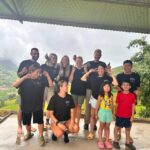
This is a private tour, which is a quiet superpower on a trek like this. Your guide is with you for the whole day, so you can adjust without feeling like you’re holding up a group. In one example, a guide was praised for being very accommodating when a guest mentioned a foot injury the day before. The takeaway for you is simple: if you have any injury, discomfort, or even just “I walk slower than average,” tell your guide early. A good guide will shift the pace and timing.
English quality also comes up again and again. One highlighted experience credited the guide for having fantastic English and being very informative and helpful. Another mentioned how Fam gave fair warning about mist reducing visibility for terrace views and about waterfall water capacity. Those heads-ups don’t remove the charm—they help you enjoy what’s actually there.
Why this matters for value: Many half-day tours look similar on paper. The difference is the guide’s ability to turn “we got unlucky with weather” into “we adjusted and still got something meaningful.” The best guides do that without making it feel like an excuse.
Price and value: what $75 buys you (and what to double-check)
The listed price is $75 per person, for a 5-hour private experience (starting at 09:00 AM, with timing depending on availability). When you’re judging value, don’t focus only on the number. Focus on what’s included:
- English-speaking guide
- Picnic lunch
- All entrance fees (the details are included, though the listing text is cut off; the intent is that entry is handled)
- Two bottles of mineral water per person
- Private car transfer for the route, including pickup in Sa Pa Town
That private transport is a big chunk of the cost in mountainous areas. Plus, you’re getting a mix of viewpoints (waterfalls + passes) and an actual trek plus village interaction—so you’re not only paying for walking, you’re paying for the whole day’s pacing and access.
One consideration: Price confusion can happen. In one account, the tour was advertised at $75, but payment was reportedly requested as $120. I can’t confirm why that happened from the information here, so your best move is simple: when you book, confirm the total amount due and whether any add-ons can change the final price. That way you avoid surprise budgeting issues.
Also remember what’s not included: additional drinks, hotel accommodation, and personal expenses. If you want more water or sodas during the day, plan to cover them yourself.
What to wear and pack so the day feels easy
This trek isn’t about fancy gear, but the right items make a noticeable difference. The tour recommends:
- Light comfortable clothes for hiking
- Hiking shoes
- Warm clothes during winter time (November–March)
- A small day pack
- Insect repellent
- Sunscreen
- Raincoat
- Sun hat
Even if the weather looks fine in Sa Pa Town, mountain conditions can shift fast. Mist can flatten views, and a short rain can make dirt paths slick. A raincoat and shoes with grip keep you steady.
If you’re sensitive to cold, plan for it. The season note (Nov–Mar) is your clue: you might start the morning chilly and warm up later.
Who should book this trek (and who might skip it)
This tour is best for you if:
- You want a half-day trekking experience without losing the cultural side
- You like learning how people live, not just taking pictures
- You value a private pace and a guide who can explain what you’re seeing
- You want a route that’s described as quiet, with less tourist pressure
You might want to think twice if:
- You dislike longer walks like a 10km dirt trail
- You have mobility limits that make uneven terrain hard
- You only want guaranteed clear panoramic terraces (mist can happen)
Should you book the Private Hoang Lien & Tribal Village Trek?
Yes, if you want a day that balances movement and meaning. The mix of bamboo-forest trekking, waterfall/pass stops, a wilderness picnic, and Sin Chai + Black Hmong home visits gives you more than one kind of memory. The private setup, English guidance, and guides who handle conditions and pacing thoughtfully are the standout reasons to choose this route.
Just do two practical things before you go: confirm the total price due at booking, and tell your guide about any foot or mobility issues in advance so the pace can be adjusted.
FAQ
Where does pickup happen for this tour?
You’ll be picked up from your hotel in Sa Pa Town.
What time does the tour start and when do you return?
The meeting time is 09:00 AM, and you’ll return to Sa Pa in the early afternoon, arriving around 03:00 PM.
How long is the trek and what terrain is it?
The main trek is about 10km and follows a dirt trail through the bamboo forest.
Is lunch included?
Yes. You’ll have a picnic lunch served at 12:30 PM, and it’s included in the tour price.
What should I bring?
Bring a small day pack, hiking shoes, insect repellent, sunscreen, a raincoat, and a sun hat. Warm clothing is recommended for November–March.
What’s included in the price, and what’s not?
Included: an English-speaking guide, picnic lunch, entrance fees, two bottles of mineral water per person, and private car transfer. Not included: additional drinks, hotel accommodation, and personal expenses.