REVIEW · CUSCO
6 day Rainbow Mountain x Ausangate Trek – FlashpackerConnect
Book on Viator →Operated by FlashpackerConnect LLC · Bookable on Viator
One early morning starts everything. This 6-day Rainbow Mountain and Ausangate trek takes you off the main loop and into the high Andes on foot, with small-group camping and the kind of pacing that makes sense for active travelers. I like that you get all key logistics handled—transport from Cusco, tents and sleeping bags, a chef, and an English/Spanish guide—so you’re not piecing together permits, lodging, and route details while altitude is already doing its thing. The big consideration: this is a high-altitude, long-day trek with passes around 5,000m+, and it’s not recommended for people with walking disabilities or anyone who’s not ready for early starts.
If your idea of a great Peru trip is: see the famous spot, then earn it with a real hike, this delivers. You’ll hit hot springs at Upis, cross major passes like Qampa (5051m) and Palomani (5130m), and then reach Rainbow Mountain at dawn—plus Red Valley right after. I also like the practical inclusions: a first-aid kit with an oxygen tank, portable toilet, and pack horses for gear (up to 6kg per person), which can make the difference between feeling “adventurous” and feeling “wrecked.” The drawback to keep in mind is cancellation risk: it’s non-refundable and not changeable, so book only when your dates are locked.
In This Review
- Key Reasons This Trek Gets High Marks
- Why Ausangate Feels More Real Than the Usual Day Trip
- Price and What You’re Actually Paying For (Not Just the Number)
- Getting to the Trail From Cusco: Early Start, Simple Plan
- Day-by-Day Breakdown: What You’ll See and Why It Matters
- Day 1: Tinqui to Upis Hot Springs (4200m Camp)
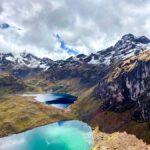
- Day 2: The 7 Lagoons of Ausangate and Ninaparayuc (10km)
- Day 3: Qampa Pass (5051m) to Huchuy Phinaya (14km)
- Day 4: Palomani Pass (5130m), Color Hills, and Puca Cocha
- Day 5: Warmi Saya Pass and the Lead-Up to Rainbow Mountain
- Day 6: Rainbow Mountain at Dawn, Red Valley, Back to Cusco
- Small-Group Camping Logistics: The Stuff That Makes the Difference
- Who This Trek Fits Best (And Who Should Skip It)
- Weather, Altitude, and Packing Tips That Keep You Comfortable
- Reviews Snapshot: What People Seem to Love
- Should You Book This Rainbow Mountain x Ausangate Trek?
- FAQ
- How long is the Rainbow Mountain x Ausangate trek?
- What time does the tour start?
- Does the tour include transportation from Cusco?
- Is camping equipment included?
- What does the trek include for meals and guides?
- Is a vegetarian option available?
- What is the cancellation policy?
Key Reasons This Trek Gets High Marks
- Small group size (max 8): more attention from your guide and a calmer pace on passes and camps.
- Camping comfort is planned for: tents, sleeping bag, and a portable toilet are included.
- Gear carries are supported: pack horses carry most of what you bring, up to 6kg per person in a duffel bag.
- The trek actually earns Rainbow Mountain: you don’t just do a day trip; you cross multiple high passes.
- Early-morning summit approach: wake-ups at 4:45–5:00am set you up for smoother timing at the viewpoint.
- Safety basics included: first-aid kit with oxygen tank, plus a guide and chef on the trek.
Why Ausangate Feels More Real Than the Usual Day Trip
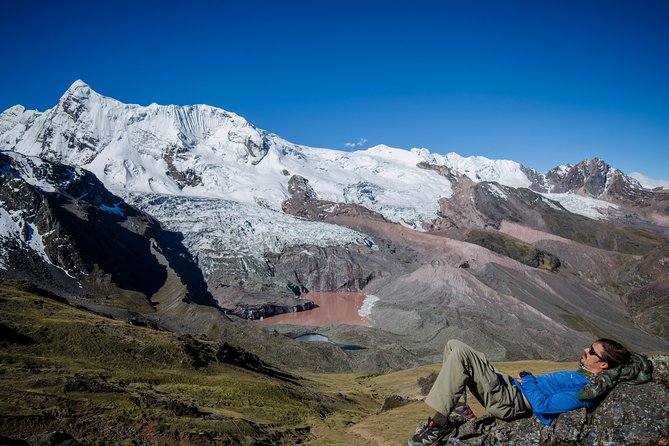
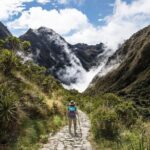
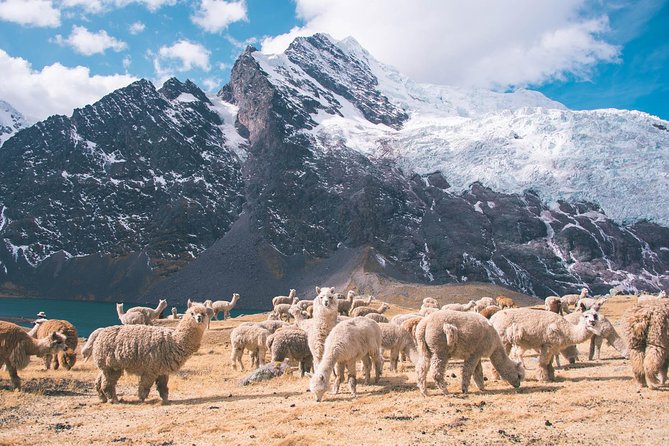
Rainbow Mountain is famous now, but it can also feel like a conveyor belt if you do it as a quick out-and-back. This trek changes the vibe fast. Instead of racing uphill once and turning around, you build altitude gradually across several days and camps, with real time in the Andes—lagoons, valleys, grazing llamas, and wide sky views that don’t show up on the short routes.
You’re based in tents and move each day, so you feel the rhythm of the mountains. Day 2 alone sets the tone: early start, a hike to the 7 lagoons of Ausangate, and a campsite surrounded by high peaks. By the time you reach the final day, the Rainbow Mountain viewpoint doesn’t feel random. It feels like the payoff of a journey.
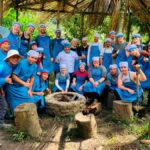
And because this trip caps at 8 people, it stays more personal. You get a guide who can manage the route and pace, plus a chef who handles meals at camp—meaning you spend your energy hiking, not playing “logistics manager” for five straight days.
You can also read our reviews of more tours and experiences in Cusco.
Price and What You’re Actually Paying For (Not Just the Number)
At $1,050 per person for 6 days, this isn’t a budget throwaway. The value comes from the big-ticket items that usually cost you time and stress when you DIY:
- Private transportation to and from your Cusco hotel
- An English/Spanish-speaking guide
- Camping tent and sleeping bag
- Meals: 5 breakfasts, 5 lunches, 5 dinners
- Horseman and pack horses for gear (not you)
- Access fees to private land
- A first-aid kit with an oxygen tank
- Portable toilet
If you’ve ever tried to stitch together a multi-day trek in Peru, you’ll know what’s hard: getting reliable local logistics, arranging the route access, and having food and camp support lined up. Here, you pay for that certainty.
The one “watch it” item in the inclusions list is riding horse is not included. The horses do carry your gear, but the trek is still on foot. If you’re thinking you’ll ride a lot, double-check what your expectations are before you commit.
Getting to the Trail From Cusco: Early Start, Simple Plan
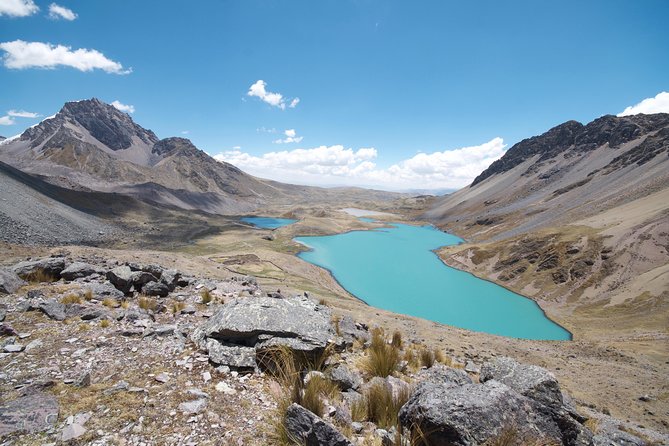
You meet your guide early and then take private transportation to the starting point of the trek, Tinqui. The itinerary is designed around moving out after a local lunch and getting your gear loaded onto pack horses. That first step matters more than it sounds. When you don’t have to handle loading, sorting, and route navigation on Day 1, your body stays focused on the hike.
Also, note the schedule style: early starts are part of the trek. Day 2 wakes you at 5:00am. Day 6 wakes you at 4:45am. If you hate dawn plans, this won’t magically change for you.
Day-by-Day Breakdown: What You’ll See and Why It Matters
Day 1: Tinqui to Upis Hot Springs (4200m Camp)
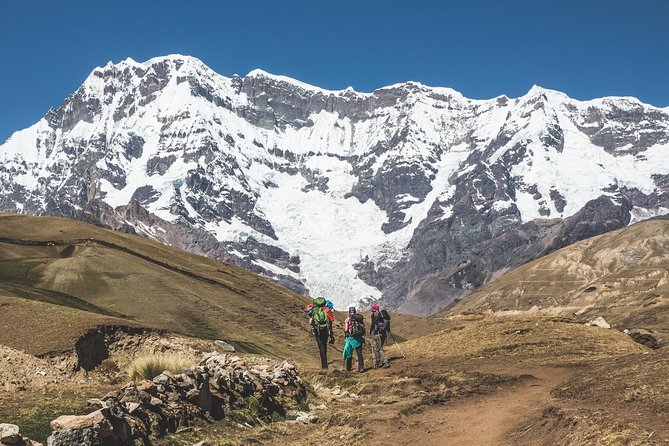
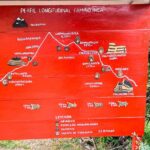
After transport to Tinqui, you’ll eat a local lunch while your gear gets loaded onto pack horses. Then you hike toward Upis and keep it lighter—about 2–3 hours—before arriving at the village.
The payoff on Day 1 is the hot springs soak at Upis. After a first day that’s intentionally shorter, the warm water gives you a chance to reset your legs. You’ll also have coca tea as you unwind, which feels very “Andes local” in a way that hot spring stops often do here—simple, practical, and social, even if you’re in a small group.
Possible drawback: you may feel an emotional letdown if you expect to “go big” immediately. Day 1 is a runway, not the main event. The trek builds.
Day 2: The 7 Lagoons of Ausangate and Ninaparayuc (10km)
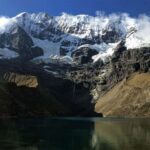
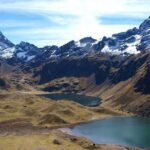
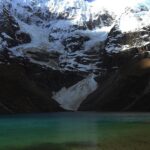
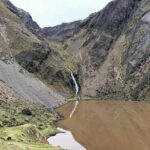
You rise with the sun at 5:00am with coca tea or coffee delivered to your tent, then breakfast. The morning hike heads toward the 7 lagoons of Ausangate, which is the kind of detail that makes this trek feel more than just “Rainbow Mountain plus walking.”
Along the way, you pass local farmers and alpacas, and your guide explains what makes the region so special. This day also includes wildlife possibilities—condors, chinchillas, and vicuñas are on the list—so keep your eyes up and your camera ready, but don’t stop every two minutes. You still have to finish the hike.
You reach Ninaparayuc for camp, surrounded by tall mountains, and after lunch you can explore nearby lakes. That “after-lunch wandering” is a nice touch. It turns camp time into something you can actually enjoy instead of only tolerating.
Hiking time and distance: about 5 hours, roughly 10km.
Day 3: Qampa Pass (5051m) to Huchuy Phinaya (14km)
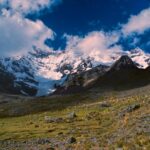
This is the day that feels heavier. You start climbing toward Qampa pass (5051m), then descend into the Qampa Valley. The route includes glaciers in the scenery and grazing llamas in the mix, which makes the day feel active rather than repetitive.
You’ll stop for lunch around Surapampa. Afterward, the trail goes through an ancient moraine area. This matters because it increases the chance you’ll see chinchillas (Andean rabbits). You’re not guaranteed wildlife, but this is the kind of terrain where you actually have a shot.
You end at Huchuy Phinaya campsite. Dinner comes after time to settle and breathe. At this point in the trek, that matters more than you’d think.
Hiking time and distance: 7–8 hours, about 14km.
Day 4: Palomani Pass (5130m), Color Hills, and Puca Cocha
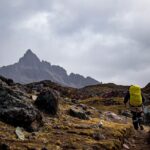
Day 4 brings the highest pass on the route: Palomani (5130m). That’s a big number, and it’s why this trek is positioned for travelers with a strong fitness level. You’ll hike for 7–8 hours and cover about 14km.
The reward is the full “Andes at work” view: multi-colored hills, glacial lagoons, and a high pass that puts you above a lot of the surrounding terrain. Once you descend, you enjoy lunch in the valley.
In the afternoon, you walk about 2 more hours to Puca Cocha, at 4600m. That’s still high, but it’s the kind of altitude where you can sit down, drink tea, and feel like you’re arriving at camp rather than just passing through.
Important practical note: the higher pass days can feel mentally long. Pace yourself on climbs, even if the view tempts you into speeding up.
Day 5: Warmi Saya Pass and the Lead-Up to Rainbow Mountain
Day 5 starts after breakfast and begins with Puca Cocha pass (5051m). You’ll enter the Red Mountain Valley, where the trail gives you big views of Mount Ausangate and colorful glacier lakes.
Then comes the second major pass of the day: Warmi Saya pass. As you climb, you get views of Rainbow Mountain in the distance. This is a smart design choice. Instead of saving the iconic sight for only the last morning, you see the approach over time. That builds anticipation in a way that feels earned, not rushed.
You then descend and reach the next campsite for lunch and rest.
Hiking time and distance: 6–7 hours, about 13km.
Day 6: Rainbow Mountain at Dawn, Red Valley, Back to Cusco
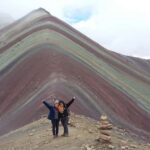
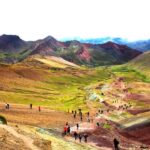
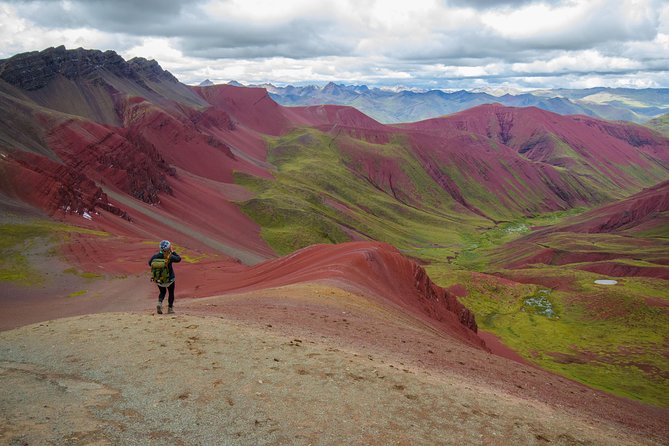
Day 6 is why you booked this trek. You wake at 4:45am with coca tea to your tent. After about 45 minutes to 1 hour of hiking, you reach Rainbow Mountain.
You get time to explore the area and take photos, then your time on the viewpoint is roughly 30 minutes to 1 hour, depending on trekking speed and weather conditions. Weather changes summit plans in the Andes, so build flexibility into your mood.
After Rainbow Mountain, you visit Red Valley for about 30 minutes. Then you head to the bus station to catch your van back to Cusco. After a farewell dinner, you’re dropped off around 3:00pm.
That afternoon arrival is a big value point. Instead of ending your trek in the middle of nowhere and spending the next day traveling, you still get most of the day back in Cusco.
Small-Group Camping Logistics: The Stuff That Makes the Difference
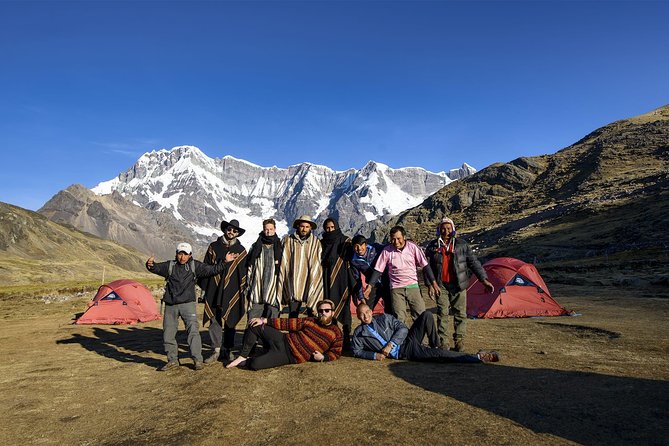
This trek is camping-based, not lodge-based. That’s part of the appeal. It also means you should appreciate what’s included:
- Camping tent and sleeping bag
- Portable toilet
- Duffel bags for personal belongings carried by horses (up to 6kg per person)
- A professional chef preparing meals at camp
- Pack horses and horseman for carrying gear
Because you’re carrying less (only your personal day items), you can focus on what your body needs: steady effort. The duffel limit is important. If you show up with a huge pack of gear you don’t need, it won’t magically fit on the horse system.
Also, the trek includes a first-aid kit with oxygen tank. It doesn’t remove the altitude risk, but it adds real comfort for peace of mind.
Who This Trek Fits Best (And Who Should Skip It)
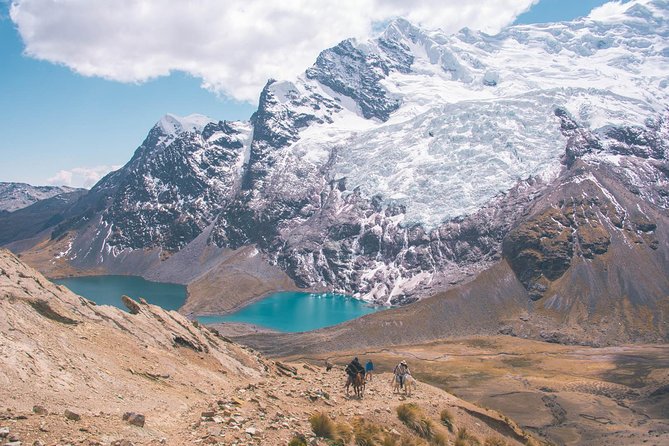
This experience is built for people with good physical fitness. The itinerary includes long hiking days (up to 7–8 hours) and multiple passes above 5000m, including a 5130m high point. If you’re comfortable hiking uphill for hours and handling thin-air fatigue, you’ll likely enjoy the rhythm.
It’s also ideal if you want an itinerary that’s about more than one selfie stop. The hot springs on Day 1, the 7 lagoons on Day 2, and the pass-and-descend structure mean you’ll see a lot of Peru’s high Andes life—not just the postcard mountain.
Skip it if:
- You have walking disabilities (the trek is not recommended due to uneven surfaces)
- You want a low-effort trip or a mostly-flat route
- You’re not ready for early mornings
Weather, Altitude, and Packing Tips That Keep You Comfortable
The tour operates in all weather conditions, so you should assume you’ll hike in cold air and changing conditions. That’s not a scare tactic; it’s just what the Andes do. Dress appropriately.
Altitude is the other reality check. The trek camps start at 4200m, and you’ll climb passes around 5051m and 5130m. Even with a planned multi-day structure, you should take it seriously:
- Keep your effort steady on climbs
- Drink and snack even when you don’t feel like it
- Plan for chilly mornings and windy ridgelines
You’ll also want to be realistic about what you bring. Since you’re using a duffel bag system for horse-carrying, traveling light makes the trek smoother.
Reviews Snapshot: What People Seem to Love
The overall sentiment is very strong, with 97% recommended and an average rating of 4.9 from 30 reviews. The high rating usually points to things like good guide work, smooth camp logistics, and a trek that delivers what it promises. One negative experience shared in the provided feedback involved a last-minute cancellation, which is a reminder that even well-rated operators can have hiccups.
So if you book, do it with your plans fully confirmed and your risk tolerance in mind—especially because this experience is non-refundable and can’t be changed for any reason.
Should You Book This Rainbow Mountain x Ausangate Trek?
Book it if you want the real Andes version of Rainbow Mountain: multi-day hiking, camping, real passes, and time at lagoons and valleys—not just a rushed day trip. You’ll get strong value for your money because meals, tents, guide support, horse-carry logistics, and key safety items are included.
Think twice if you’re not fit for 6-day trekking at altitude, you need a walking-friendly route, or your schedule is flexible in a way that you might need to change later. The non-refundable setup means you should only lock dates when you’re confident you’ll be able to go.
If you’re an active traveler who likes being off the main trail, this is the kind of trek that turns a famous mountain into a story you’ll remember.
FAQ
How long is the Rainbow Mountain x Ausangate trek?
It’s listed as a 6-day trek with the itinerary starting in the Cusco area and finishing back in Cusco on Day 6.
What time does the tour start?
The start time is 6:00am.
Does the tour include transportation from Cusco?
Yes. Private transportation to and from your Cusco hotel is included.
Is camping equipment included?
Yes. Your camping tent and sleeping bag are included, along with a portable toilet.
What does the trek include for meals and guides?
You get an English/Spanish speaking guide and a professional chef, plus 5 breakfasts, 5 lunches, and 5 dinners.
Is a vegetarian option available?
Yes. A vegetarian option is available if you advise at the time of booking.
What is the cancellation policy?
This experience is non-refundable and cannot be changed for any reason. If you cancel or request an amendment, you won’t get your payment back.