REVIEW · CUSCO
Ancascocha Trek To Machu Picchu 4 Days And 3 Nights
Book on Viator →Operated by Action Peru Treks · Bookable on Viator
Machu Picchu without the big-trail chaos. The Ancascocha Trek to Machu Picchu (4 days, 3 nights) starts in Cusco and trades the crowded main routes for a smaller-group hike past waterfalls, Inca ruins, and quiet Andean villages, often guided by leaders such as Lino and Eddie. I love the small group feel, which means more attention on the trail, and I love how much the trip leans into real mountain experience, including chef-made meals along the way. One drawback to plan for: this is a demanding route with serious altitude and steep climbs.
You also get real “camping trek” support built into the price. With two nights camping, national park fees, buffet meals (breakfast, lunch, and dinner), and a B&B night in Aguas Calientes, you can focus on hiking instead of logistics. The biggest watch-out is altitude at the higher points, so bring patience for the climb and don’t treat this like an easy walk.
In This Review
- Key things I’d circle before you book
- Why this Ancascocha route feels calmer than the classic options
- Day 1: Soqma start, Perolniyoc waterfall, and the first high camp
- Day 2 and Day 3: the trail work that makes the trip worth it
- Day 4: Aguas Calientes night, then Machu Picchu ruins with a guide
- Food, camping gear, and why the support crew gets real credit
- Altitude and pace: what the numbers mean for your body
- Value check: is $730 fair for what you get?
- Who should book this trek, and who should skip it
- Should you book the Ancascocha trek to Machu Picchu with Action Peru Treks?
- FAQ
- How long is the Ancascocha trek to Machu Picchu?
- What’s the starting point and how do you get there?
- Is camping included?
- What meals are included on the trek?
- Does the price include national park fees?
- Where do you sleep after the trek ends?
- Do I need to buy bus tickets to Machu Picchu?
- What group size can I expect?
- Is free cancellation available?
Key things I’d circle before you book
- Smaller group pacing: a maximum of 30 travelers helps keep the trail experience more personal
- Trail food is part of the deal: buffet meals and a chef role show up again and again in feedback
- Crowds are reduced where it matters: the route avoids the classic Inca and Salkantay trail traffic
- You camp twice: and campsites are set up when you arrive, not after you hike all day
- Real altitude, real numbers: you’ll start around 10,512 ft and reach the pass area near 14,599 ft
- Machu Picchu ruins tour included: you’ll get a guided walk of the site after arriving in Aguas Calientes
Why this Ancascocha route feels calmer than the classic options
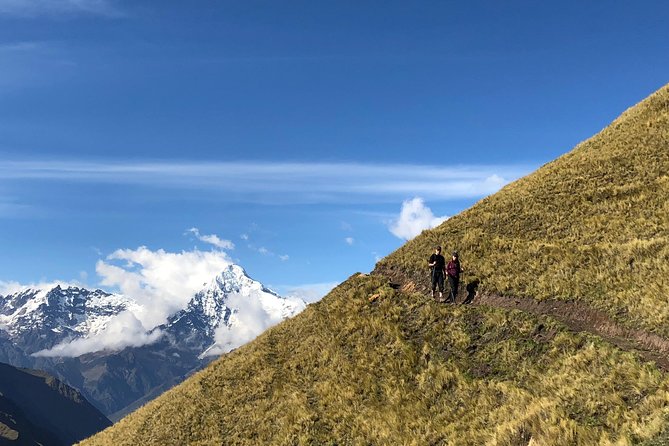
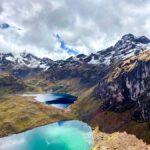
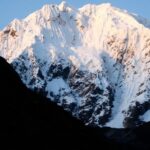
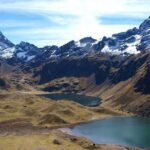
Peru’s top treks can feel like a moving crowd. This one aims to give you the mountain experience without stacking you onto the most popular trail schedules. The headline is simple: you hike the Ancascocha trail toward Machu Picchu while spending days seeing Inca ruins, local Andean life, and mountain views that feel more lived-in than boxed-tour scenic stops.
It also helps that the operation runs as a smaller group with a full team. In the feedback I’m seeing repeated names like Lino and Eddie, plus dedicated cooks and horse handlers in some departures, which usually means you get better trail rhythm and fewer “figure it out yourself” moments. Your guide isn’t just giving directions. They’re sharing site context as you pass through places that still feel remote.
The trade-off is effort. This trek isn’t about cruising. Expect uphill pushes, time above 14,000 ft, and moments where your legs will say things your brain can’t argue with.
You can also read our reviews of more tours and experiences in Cusco.
Day 1: Soqma start, Perolniyoc waterfall, and the first high camp
Your trek begins after meeting your group at your hotel in Cusco. Then there’s a drive of about 1h 45m to the starting point at Soqma (10,512 ft). That altitude jump is why I like that the first day doesn’t start with a sprint. You ease into the walking.
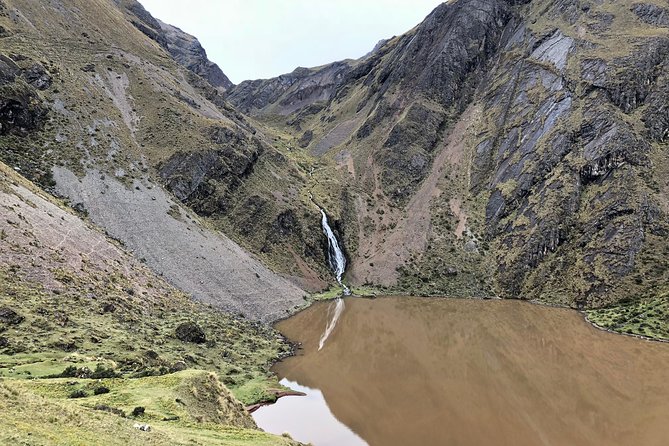
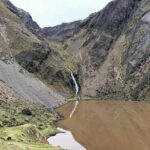
Next comes the opening hike: a 2-hour walk to the Perolniyoc cascade lookout. This is your first wow moment on the trail. It’s the kind of waterfall stop that makes you stop walking, look around, and remember you’re in the Andes, not a theme park of mountains.
From the lookout, you hike another 45 minutes to the Inca site of the same name. The ruins sit perched on a cliff-top, and the views from there are the kind you can’t really photograph properly. Your guide shares the history as you wander through the ruins at your own pace afterward.
Then the climbing starts in earnest. You’ll make a steep ascent for about 1 hour to reach lunch at Rayan (12,139 ft). This is where the trek shifts from “hike with scenery” to “hike with culture and food.” Lunch is prepared and served so you can refuel without losing the day to meal hunting.
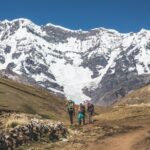
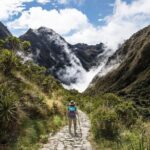
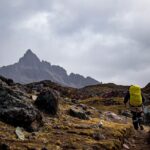
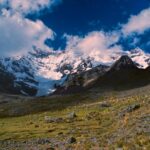
In the afternoon you tackle the toughest stretch of the day. There’s a 3-hour uphill hike to Kuychiccasa pass (14,599 ft). As you climb, you pass rustic houses of local farmers, and you’ll spot llamas along the way. If you’re used to trekking where everything feels purely wild, this part adds human scale. You’re not just walking through rock and sky—you’re walking through an inhabited highland.
Once you reach the top, you stop for a break and take in the Chancachuco Valley views. After that comes a 45-minute downhill to camp in the valley at 14,147 ft.
One small but important detail: the campsite is prepared when you arrive. That means you get to warm up, change into warmer clothing, and decompress without spending your evening doing setup chores.
Day 2 and Day 3: the trail work that makes the trip worth it
The core promise of Ancascocha is that you spend more time moving through real Inca-and-Andean country instead of just checking off a few famous photos. Even though the exact day-by-day stops beyond day 1 aren’t spelled out here, you can count on a trek rhythm built around the two included camping nights.
Here’s what you should expect from the structure:
- Two nights camping are included, so day-to-day life includes trek breakfasts, buffet lunches, and dinners at camp
- The route is designed to keep you moving through areas tied to Inca ruins and traditional Andean villages
- The group size stays small enough that your guide can manage pacing and answer questions without herding you
This is also where the crew matters. In many of the notes tied to this trek style, people give credit to guides and support staff. You’ll see names like Lina, Christian, and Eddy listed in different departures, plus chefs and horsemen showing up in the background of how smoothly things ran. What that usually means in practice is: you don’t arrive at camp and then start figuring out where everything goes.
I also like the mindset shift this trek encourages. By day 2 or 3, you stop thinking like a tourist and start thinking like a person who has to keep moving one step at a time. That’s the best kind of travel magic.
Day 4: Aguas Calientes night, then Machu Picchu ruins with a guide
On day 4, the trip transitions from trekking life to Machu Picchu day logistics. You get one night at a B&B in Aguas Calientes included. That matters because it gives you a place to settle after the hike and organize your morning without rushing.
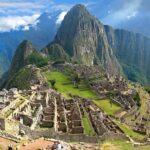
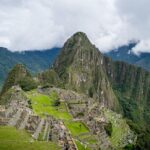
From Aguas Calientes, the big item is transport to the site. The round-trip bus tickets from Aguas Calientes to Machu Picchu are not included, so you’ll want to plan for that cost separately. Once you’re at Machu Picchu, the guided tour of the ruins is included, so you’re not just wandering around a world-famous site with a vague sense of what you’re looking at.
If you’re trying to choose between a trek that feels like a history walk versus one that feels like just photos, this is closer to the first one. The value is in having your guide connect the dots about what you’re seeing on the ground.
Food, camping gear, and why the support crew gets real credit
One of the most consistent themes is food. This trek includes breakfast, a buffet lunch, and a buffet dinner, and it’s not an afterthought. The notes highlight chef skill directly, and that shows up in how people describe the experience overall—well fed, well cared for, and taken care of when camp is ready.
You also get camping support. Camping gear and national park fees are included. Those two pieces do a lot behind the scenes. They reduce decisions you’d otherwise have to make, and they reduce the chance that your trip turns into a gear scramble.
Finally, pay attention to the team dynamic. Reviews for this kind of Ancascocha experience repeatedly bring up guides by name and then mention cooks and horse handlers. Even if you don’t know those roles in detail yet, the effect is clear: your group stays on schedule, campsites are set up when you arrive, and you’re free to focus on your pace and altitude.
The only caution on the “included” side: alcoholic drinks aren’t included, and extra charges can come up for excess luggage. So keep your pack realistic and avoid bringing more than you need.
Altitude and pace: what the numbers mean for your body
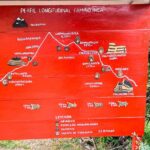
This trek starts at 10,512 ft in Soqma. You’ll climb through 12,139 ft for lunch, reach 14,599 ft at Kuychiccasa pass, and camp around 14,147 ft. Those are not “sleep it off” elevations.
This is why the tour calls for strong physical fitness. The good news is you don’t have to be a speed demon. The climb style here is paced by guides, and the smaller group size tends to help you move at a sustainable rhythm.
My advice to you is simple:
- Expect the altitude to slow you down at points, especially on the uphill hours
- Plan on warmer clothing for the higher camp area, since you’ll be changing into it at camp
- Don’t ignore how you feel after dinner or in the morning. If you start the day with poor energy, the climb will punish it
And yes, your legs will be tired. But the fatigue is part of the payoff when you get those wide views and Inca ruins in the same day.
Value check: is $730 fair for what you get?
At $730 per person, this isn’t a budget trek. But it’s also not “pay for transportation and hope the rest works out.”
Here’s the value math that matters:
- Two nights camping with meals included
- National park fees covered
- Hotel pickup and drop-off included
- One night at a B&B in Aguas Calientes included
- Local guide plus a guided Machu Picchu ruins tour
- Camping gear included
What you’re paying for isn’t just walking. You’re paying for guided context, staffed logistics, meal support, park compliance, and the handoff to Machu Picchu day.
Then compare the optional costs you’ll need to cover yourself: the big one mentioned is round-trip bus tickets to Machu Picchu from Aguas Calientes. Also, alcohol and any excess luggage charges can add up.
If you want a trek that’s more than a long hike and you don’t want to manage park fees, gear, meals, and site guidance yourself, this price feels more reasonable than it looks.
Who should book this trek, and who should skip it
This is a strong fit if:
- You want to avoid the biggest trekking crowds on the trail
- You like small-group travel where the guide can help with pacing and site explanations
- You’re okay with altitude and uphill days and you want a real mountain challenge
- You value a guided Machu Picchu ruins day, not just a self-guided wander
It may be a poor choice if:
- You’re not confident in your hiking fitness on steep terrain
- You don’t want to handle the Machu Picchu transport extra cost from Aguas Calientes
- You’re carrying more luggage than you can realistically manage (excess charges can apply)
Should you book the Ancascocha trek to Machu Picchu with Action Peru Treks?
I’d book it if you’re the kind of traveler who cares about the journey, not just the destination. This trek is built around avoiding the most crowded trail options, camping with included meals, and ending with a guided Machu Picchu ruins visit.
If your main goal is comfort and easy walking, choose something flatter. If your goal is mountain days with Inca sites and fewer crowds, this one makes sense. And if you’re hoping your guide is more than a route checker, this trip has a pattern of strong guide-team attention, with names like Lino, Eddie, Lina, and others showing up for good reasons.
FAQ
How long is the Ancascocha trek to Machu Picchu?
It’s scheduled for about 4 days and 3 nights. The exact duration can vary slightly by departure.
What’s the starting point and how do you get there?
The tour includes hotel pickup in Cusco, followed by a drive of about 1 hour 45 minutes to Soqma (10,512 ft).
Is camping included?
Yes. You get two nights camping included, and your campsite is prepared when you arrive.
What meals are included on the trek?
The package includes breakfast, buffet lunch, and buffet dinner.
Does the price include national park fees?
Yes. National park fees are included.
Where do you sleep after the trek ends?
You include one night at a B&B in Aguas Calientes.
Do I need to buy bus tickets to Machu Picchu?
Yes. Round-trip bus tickets from Aguas Calientes to Machu Picchu on day 4 are not included.
What group size can I expect?
The tour has a maximum of 30 travelers, and it’s described as a small-group experience.
Is free cancellation available?
Yes. You can cancel for a full refund up to 24 hours in advance of the experience’s start time.