REVIEW · CUSCO
Cusco: 5-Day Salkantay Ultimate Trek to Machu Picchu
Book on GetYourGuide →Operated by Inkayni Peru Tours · Bookable on GetYourGuide
Salkantay is the kind of hike that changes your pace. You’ll cross the Salkantay Pass for huge Andean views, then finish with a guided visit to Machu Picchu. Add Humantay Lake’s turquoise glow and a Lucmabamba family stop for coffee-farm time, and this trek feels like more than a checklist.
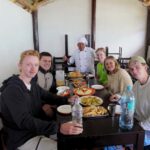
I like that you’re not doing it completely on your own. You get a professional English-speaking guide, a professional cook, horses carrying most equipment, and even wake-up tea each morning—small touches that matter when you’re already fighting altitude and tired legs.
One consideration: this is genuinely physically demanding, and the tour is not suitable for people with altitude sickness (or major back issues). If you’re the type who gets winded on stairs, this may be a hard match.
In This Review
- Key Things That Make This Trek Worth Your Time
- Why the Salkantay Route Works So Well for Machu Picchu
- Day-by-Day: What You’ll Actually Do (and What It Feels Like)
- Day 1: Soraypampa to Humantay Lake, then camp under the stars
- Day 2: The big climb to Salkantay Pass, then down into high jungle
- Day 3: Cloud forest descent to Playa Sahuayaco, then Lucmabamba coffee-farm time
- Day 4: Llactapata ruins before Machu Picchu, then onward to Aguas Calientes
- Day 5: Early bus to Machu Picchu, then optional mountain hikes, then train back
- The Support System: Why You Feel Looked After (Even When It Hurts)
- Horses, Gear, and the 7 kg Rule: How to Pack Smart
- Altitude Reality Check: What the Route Tells You to Respect
- Machu Picchu Day: You’ll See More Than the Main View
- Value for $669: What You’re Really Buying
- Who This Trek Suits Best (and Who Should Skip It)
- Should You Book This Salkantay Trek to Machu Picchu?
- FAQ
- What does the tour include for meals?
- Is Machu Picchu entrance included?
- Do I need to pay extra for Huayna Picchu?
- How big is the group?
- Are horses provided for your gear?
- What should I bring for the trek?
- Is this tour suitable for everyone?
Key Things That Make This Trek Worth Your Time

- Crossing Salkantay Pass: the highest, toughest moment, with panoramic payoffs.
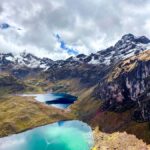
- Humantay Lake at 4,200 m: a glacial lagoon that looks unreal, even on misty days.
- Lucmabamba with a family coffee farm: real local life, not just scenery stops.
- Llactapata ruins first view of Machu Picchu: you’ll see the site from an angle most people miss.
- Support that feels practical: horses for gear, camping setup, an oxygen bottle, and a first aid kit.
- Machu Picchu with an expert guide: structures explained clearly, not just “here’s a photo spot.”
Why the Salkantay Route Works So Well for Machu Picchu

If Machu Picchu is the headline, Salkantay is the story. Instead of rushing straight to trains and tickets, you earn the moment with days of high passes, cloud forest descents, and a steady shift in altitude and scenery.
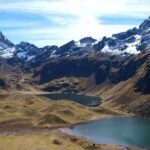
You start around Soraypampa at 3,800 m, where the Salkantay and Humantay peaks dominate the skyline. That early elevation matters. It helps you get used to thin air before you go higher, and it sets expectations: this trek asks for effort.
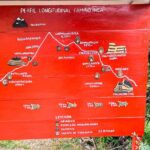
This route also builds in variety. Day 1 takes you to Humantay Lake (4,200 m). Day 2 pushes you to Salkantay Pass (4,630 m). Day 3 drops you into cloud-forest country, where the feel changes fast—mist, waterfalls, fruiting trees, and lush growth.
You can also read our reviews of more tours and experiences in Cusco.
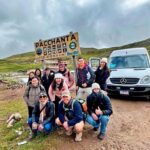
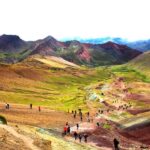
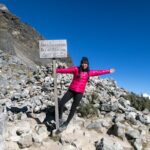
Day-by-Day: What You’ll Actually Do (and What It Feels Like)

Here’s the rhythm, day by day, with the “what you’ll notice” parts that help you plan.
Day 1: Soraypampa to Humantay Lake, then camp under the stars
You begin with a hike toward Soraypampa (3,800 m), with the mountains sitting right above your line of sight. As you climb, the air gets crisp and the views get dramatic. Midday you eat a classic Peruvian lunch made with fresh local ingredients.
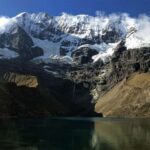
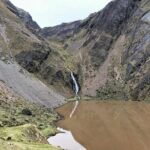
Then you continue up to Humantay Lake (4,200 m). The lagoon sits at a high altitude and reflects the peaks like a mirror when the weather cooperates. After you take your time there, you head back to camp for dinner and a night sky that can feel close enough to touch.
Practical tip: plan for cold at altitude even if the sun is strong. Layers are not optional here.
Day 2: The big climb to Salkantay Pass, then down into high jungle
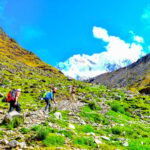
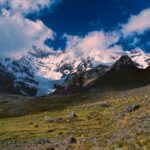
Day 2 starts early because you’re heading for the Salkantay Pass (4,630 m)—the highest and most challenging point on the trek. The air thins. Your body reminds you it’s working at altitude, even if you’ve trained.
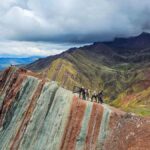
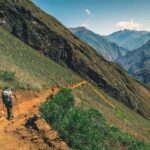
Once you reach the pass, the views stretch out in deep ridges and valleys. After that, you descend toward a lush high-altitude jungle zone. That contrast is one of the best surprises of the whole itinerary: icy summits up top, then greener growth as you go down.
You finish the day in camp, surrounded by the sounds of nature.
Practical tip: on pass days, slow down on purpose. Short steps beat “muscling through,” and you’ll thank yourself later.
Day 3: Cloud forest descent to Playa Sahuayaco, then Lucmabamba coffee-farm time
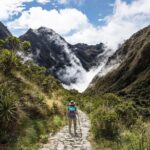
You wake up to jungle sounds and begin the descent into cloud forest. The trail winds through misty sections, past cascading waterfalls and fruit-laden trees. You’ll be moving through a world that feels wetter and softer than the earlier high slopes.
After about five hours, you reach Playa Sahuayaco (2,200 m). That drop is huge, and you’ll feel it in how your breathing changes. From there you continue into the region often described as the “eyebrow of the Amazon,” meaning lots of life and a strong sense of biological variety.
In the afternoon, you arrive at Lucmabamba (2,000 m), your final campsite and the start of an ancient Inca Trail leading to Llactapata ruins. Here’s a highlight that’s easy to overlook until you experience it: you stay with a family and learn about their local coffee farm. It’s a human moment amid all the trekking logistics.
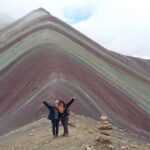
Day 4: Llactapata ruins before Machu Picchu, then onward to Aguas Calientes
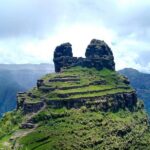
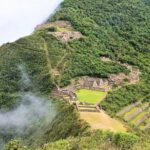
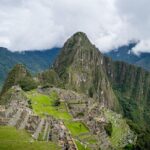
After breakfast, you hike uphill for about two hours along an original Inca trail to Llactapata ruins (2,840 m). This is your “first look” angle at Machu Picchu—less crowded, more dramatic, and often more satisfying because it’s not the usual postcard view.
You explore the terraces and see the site from a different perspective before descending through cloud forest again. Then you reach the Hydroelectric Station (1,890 m). From there it’s about a 1.5-hour trek to Aguas Calientes (2,040 m).
This day is a turning point. You move from “trekking world” into “Machu Picchu world,” and you’ll likely feel both relief and anticipation.
Practical tip: save your energy in the morning. The best view days are the ones where you don’t arrive already spent.
Day 5: Early bus to Machu Picchu, then optional mountain hikes, then train back
You start early with breakfast and take a morning bus up to Machu Picchu (2,430 m). When you arrive, your guide walks you through the site with real explanations of the main structures—temples, ceremonial areas, terraces, and storage buildings. You’ll understand what you’re looking at, not just what you’re photographing.
After your guided tour, you have options:
- hike Huayna Picchu (entrance costs US$85, not included), or
- hike Machu Picchu Mountain (no extra fee mentioned in your info),
Either way, you can earn higher viewpoints if you have the stamina.
After touring, you return to Aguas Calientes for short rest and lunch. In the afternoon, you board a train to Ollantaytambo, then a van takes you back to Cusco.
The Support System: Why You Feel Looked After (Even When It Hurts)

This tour is tough, but it’s not careless. That difference matters more than people think.
You’ll have:
- a professional English-speaking tour guide
- a professional cook
- horses that carry gear and up to 7 kg of your personal items
- camping setup with a dining tent and chairs/tables
- 4 man tents for every 2 trekkers
- wake-up tea brought to your tent every morning
- an oxygen bottle and a first aid kit
There’s also a pre-departure briefing in Cusco. You meet your guide and group in the office, and you’ll be given duffle bags that ride on horseback during the trek. That reduces decision fatigue and keeps your hands free.
Bottom line: if you like being outdoors but hate feeling unsupported, this is set up for that balance.
Horses, Gear, and the 7 kg Rule: How to Pack Smart

You’re hiking, but you’re not hauling everything. Horses carry equipment, and you bring only a limited amount of personal weight—7 kg. That means packing decisions are part of the experience.
Bring what you’ll use daily, not what you might use for fun. Focus on:
- rain gear (weather can turn)
- sun protection (sun at altitude is no joke)
- comfortable clothes for hiking and layering
- a hat and sunscreen
If you’re deciding whether to hire trekking poles, remember poles are not included; they can be hired. Poles often help when you’re tired on descents.
Practical tip: pack a small “daily grab” bag so you don’t constantly open your main stuff.
Altitude Reality Check: What the Route Tells You to Respect

The trek takes you up to 4,630 m on Salkantay Pass and also to 4,200 m for Humantay Lake. Those elevations are real. Your body will notice.
The good news is that you’re not jumping straight to maximum altitude. The itinerary climbs progressively and then drops dramatically into cloud forest zones. That pattern helps.
The caution: the tour is not suitable for people with altitude sickness, and it’s also not recommended for people with back problems or those over 70. The presence of an oxygen bottle and first aid kit is reassuring, but it doesn’t change the fitness requirement.
If you’re unsure, it’s worth checking with a medical professional before committing.
Machu Picchu Day: You’ll See More Than the Main View

Machu Picchu is one of those places where a guide can make a huge difference. On this tour, you get an expert-led circuit that explains the site’s layout and main functions.
You’ll cover:
- temples and ceremonial areas
- terraces and the logic of the site’s leveling
- storage buildings, which help you picture how people lived and organized food
Then, if you want the extra challenge, you can add a mountain hike. Huayna Picchu costs US$85 (not included). If you choose to go, you’ll want to be ready for steep terrain.
And you get a structured flow for the day: guided time at Machu Picchu, then back to Aguas Calientes for lunch and rest before heading toward Ollantaytambo by train.
Value for $669: What You’re Really Buying

At $669 per person, you’re paying for a full package that goes beyond a simple guided hike.
You’re getting:
- transportation from your Cusco hotel (pickup included)
- horses for gear + duffle-bag handling
- professional English guide plus professional cook
- all key meals for most days (breakfast day 1 plus lunch/dinner day 5 are not included)
- camping setup: tents, foam sleeping mattress, wake-up tea, and a dining tent
- oxygen bottle and first aid kit
- entrance to Machu Picchu
- bus up to Machu Picchu
- hotel stay in Aguas Calientes
- train to Ollantaytambo and van transfer back to Cusco
- group size capped at 10 people per group, with private-group operation
So the price isn’t just for views. It’s for labor and risk management: food, logistics, staff, safety gear, and the hardest-ticket item—Machu Picchu entrance—already included.
What’s on you:
- sleeping bag rental (if you need one)
- trekking poles rental (if you want them)
- meals not included on day 1 and day 5
- Huayna Picchu entrance fee if you choose it
Who This Trek Suits Best (and Who Should Skip It)

This tour fits best if you:
- want a mix of big mountain scenery and forest descent
- like learning from a guide, not just snapping photos
- are ready for real hiking effort over 5 days
- appreciate local culture, including Lucmabamba coffee-farm time
You should think twice if you:
- have back issues or known altitude problems
- can’t handle long days of trekking
- plan to travel with heavy expectations of comfort
It’s also not a match for pets or anyone bringing alcohol/drugs, and it requires a valid passport during activities.
Should You Book This Salkantay Trek to Machu Picchu?

If you want the “classic” Machu Picchu finish but you also want the kind of road there that feels earned, I think this is a strong choice. The combination of Salkantay Pass, Humantay Lake, and that Llactapata first view gives you more meaning per hour than a route that rushes.
Book it if you value being well supported while you suffer a little—in a good way. The setup is designed so you’re not stuck guessing logistics, and the guided Machu Picchu portion helps you understand what you’re seeing.
Skip it if altitude and long hiking days are a problem for you. This trek is a challenge by design, and it doesn’t pretend otherwise.
FAQ
What does the tour include for meals?
The tour includes 4 breakfasts, 4 lunches, 4 afternoon snacks, and 4 dinners. It also specifies that breakfast on Day 1 and lunch and dinner on Day 5 are not included.
Is Machu Picchu entrance included?
Yes. Entrance to Machu Picchu is included, along with the bus to get you up to the site.
Do I need to pay extra for Huayna Picchu?
Yes. Huayna Picchu Mountain entrance costs US$85 and is listed as not included. You can still choose the Machu Picchu Mountain option after the guided tour.
How big is the group?
It operates as a small group with a maximum of 10 people per group, and it’s described as a private group.
Are horses provided for your gear?
Yes. Horses carry all equipment and also carry 7 kg of your personal items.
What should I bring for the trek?
You’re advised to bring passport or ID, sun hat, sunscreen, rain gear, and comfortable clothes.
Is this tour suitable for everyone?
No. It’s listed as not suitable for people with back problems, people with altitude sickness, and people over 70. Pets are also not allowed.