REVIEW · SA PA
From Hanoi: 2-Days Sapa Trek Lao Chai/Cat Cat, Fansipan Peak
Book on GetYourGuide →Operated by Duy Amma · Bookable on GetYourGuide
Mist and mountain views, then village trails. This Sapa trip is all about ethnic-minority culture and those big Fansipan Peak lookouts that make the mountains feel close enough to touch. I especially like how the day-1 trek options let you match the route to your energy, and I also like the way the operators keep things organized and responsive.
One thing to plan for: the Fansipan cable car ticket is extra, and day-1 involves real walking on uneven paths, so good shoes matter.
You start with an overnight sleeper bus from Hanoi, arrive in Sapa around midday, and get a full second day that mixes a short summit walk with a relaxed return to the city. It’s a tight 2-day format, so if you hate early mornings, bring patience (and water).
In This Review
- Key Things I’d Book This For
- Why Fansipan Feels Like Roof of Indochina
- Hanoi to Sapa: The Sleeper Bus Rhythm That Shapes Day 1
- Day 1 Trek Options: Cat Cat Waterfall vs Muong Hoa Valley
- Cat Cat Village Trek: Downhill Views and a Waterfall Stop
- Lao Chai and Ta Van Trek: Suspension Bridges and Valley Trails
- Getting More Than Photos: Moana Check-in and Village Scenes
- Returning to Sapa Town: One Night That Lets You Enjoy the Pace
- Day 2: Cable Car to Fansipan and the Summit Pagoda Walk
- Meals and Included Extras: What’s Covered in the Price
- Price and Logistics: Is $137 Good Value?
- What to Pack and How to Prepare (So You Don’t Regret It)
- Who This Trip Suits Best (and Who Should Rethink It)
- Should You Book This Sapa 2-Day Trek and Fansipan Tour?
- FAQ
- What trek options are included on day 1?
- Are the Fansipan cable car tickets included?
- What transport is used between Hanoi and Sapa?
- Where do you stay overnight?
- What meals are included during the trip?
- What language is the guide?
Key Things I’d Book This For
- Fansipan Peak at 3,143 meters with summit pagoda strolls and wide Hoang Lien Son views
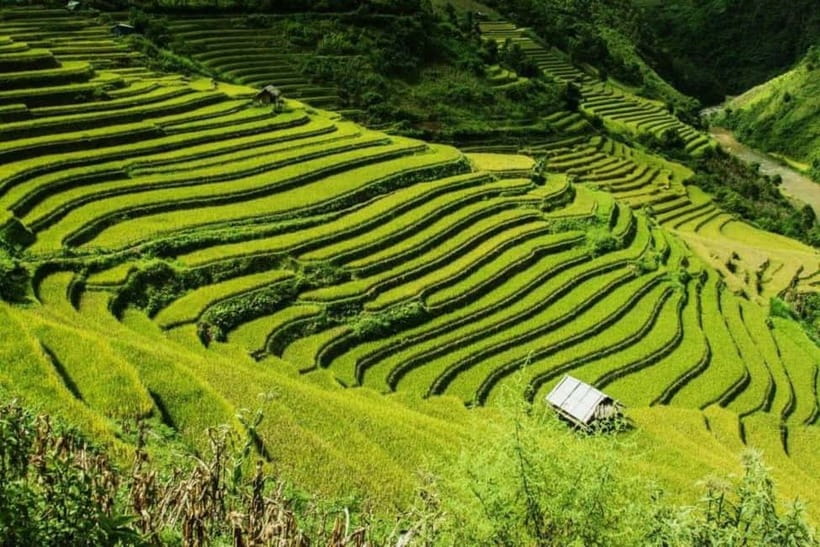
- Two trek choices: Cat Cat downhill to the waterfall, or Muong Hoa Valley rice-paddy walks to Lao Chai and Ta Van
- Stilt houses and daily life in Black Hmong and Day communities, with real interaction time
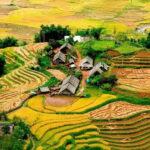
- Cat Cat Waterfall + rice terraces for scenery that looks good in daylight and mist
- Good on-the-ground organization, including fast responses and accommodating help when you need it
Why Fansipan Feels Like Roof of Indochina
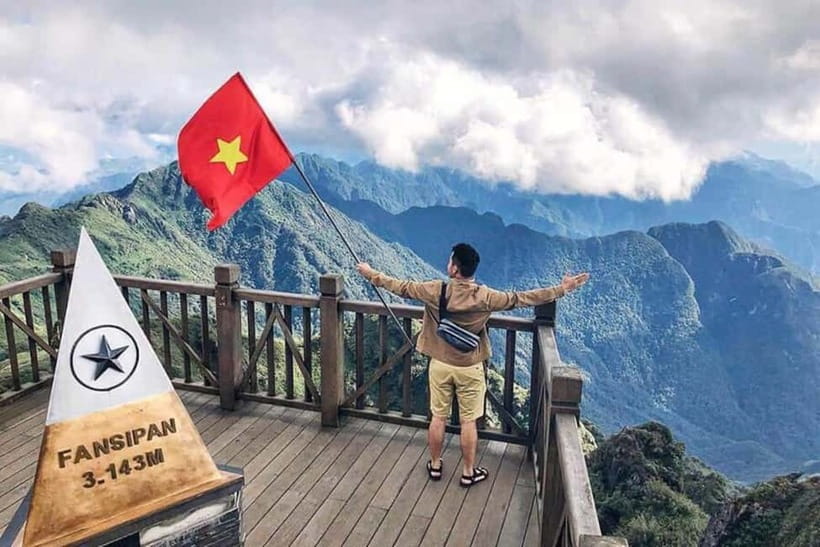
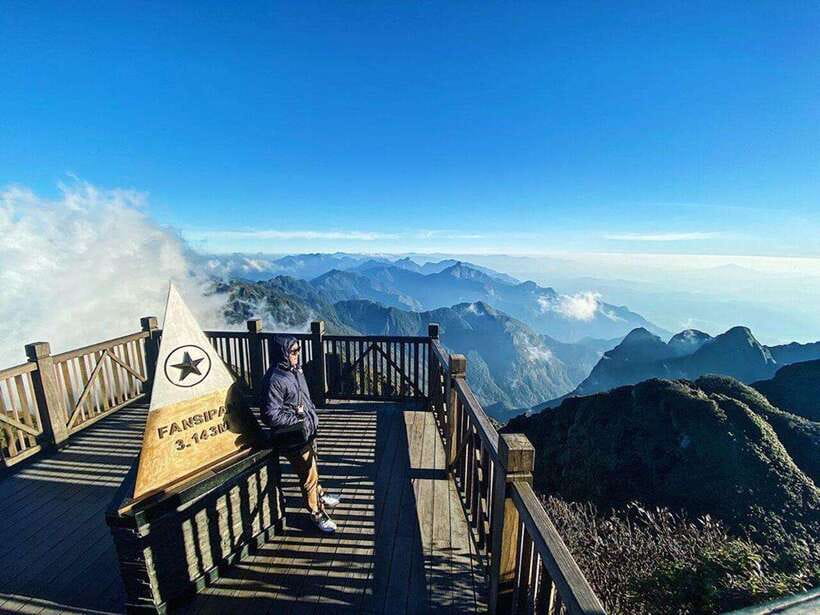
Fansipan is the headliner because it’s the highest peak in Indochina, and the tour is built around getting you above the cloud layer. At the top you reach 3,143 meters, then you get time for a walk around the summit pagoda complex and photo stops with sweeping mountain views.
In practical terms, this is what you’re buying: a top-of-the-mountain moment without spending days climbing. You still get that sense of altitude and scale, but the day stays manageable inside a 2-day schedule.
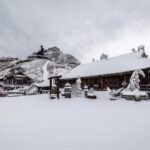
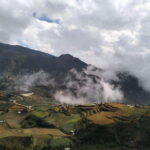
Weather is the wild card in Sapa. If you wake up to mist, treat it like part of the experience. Low clouds can hide some distance, but they also make the view feel cinematic—especially around the peak and pagoda area.
You can also read our reviews of more tours and experiences in Sa Pa.
Hanoi to Sapa: The Sleeper Bus Rhythm That Shapes Day 1
The trip starts with a round-trip sleeper bus between Hanoi and Sapa. The goal is simple: you travel overnight so you lose less daytime to transit, and you arrive around midday for lunch and an afternoon trek.
That timing matters. It means your day-1 walking happens when you can still enjoy daylight views over rice terraces and the valleys around Sapa. If you’re the type who hates wasting good photo light, this schedule helps.
One downside: you’ll want to plan your sleep carefully. Sleeper buses can be comfortable, but you still might not get perfect rest. Bring patience for the first morning-to-afternoon shift, and you’ll do fine.
Day 1 Trek Options: Cat Cat Waterfall vs Muong Hoa Valley
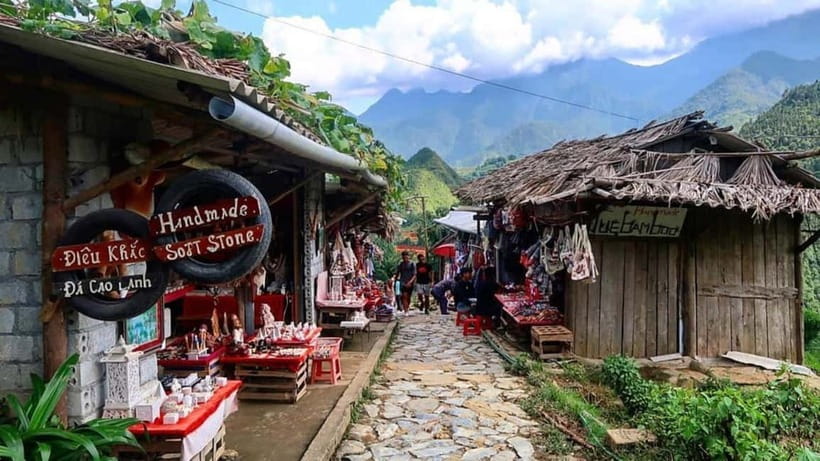
Day 1 is where you choose your vibe: a downhill Black Hmong village trek to Cat Cat or a valley trek through rice paddies toward Lao Chai and Ta Van.
Cat Cat Village Trek: Downhill Views and a Waterfall Stop
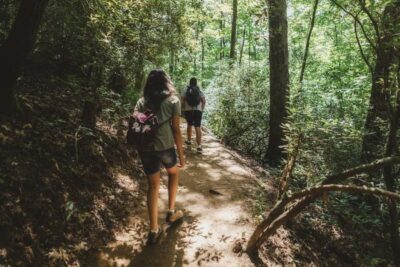
If you pick the Cat Cat option, you walk downhill to a picturesque Black Hmong village. The route passes traditional wooden homes, giving you a chance to see how daily life fits into the valley terrain.
A big draw here is the Cat Cat Waterfall. Even if you’ve seen waterfalls before, Cat Cat tends to look different because it’s framed by terrace greenery and village structures. It’s the kind of stop where you slow down without needing a long detour.
A practical consideration: downhill routes can be easier on effort than steep climbs, but they can be harder on your knees and shins. Wear shoes with grip and take your time on uneven sections.
Lao Chai and Ta Van Trek: Suspension Bridges and Valley Trails
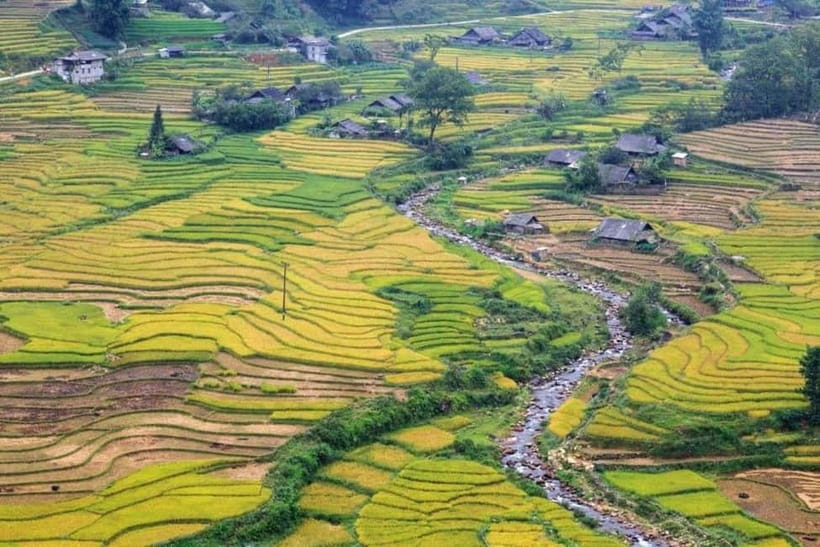
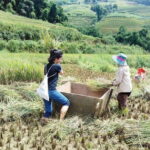
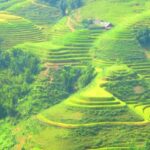
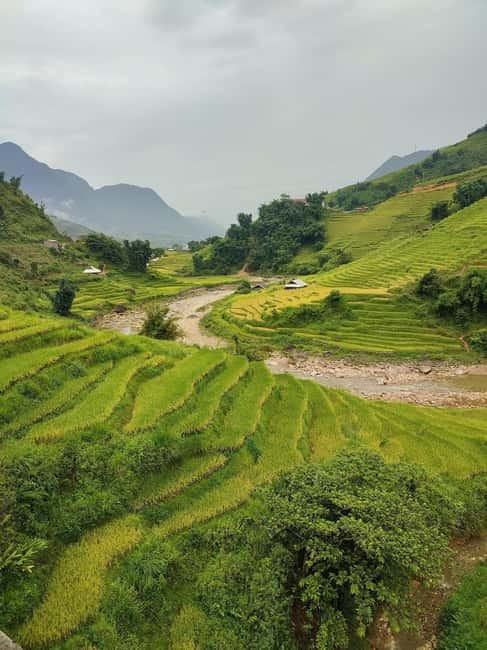
The other choice is the Lao Chai – Ta Van trek in the Muong Hoa Valley. You follow a scenic trail through rice paddies, then continue to villages of the Black Hmong and Day ethnic groups.
You also cross suspension bridges, which adds both variety and a little adrenaline (the safe kind). These bridges help break up the day visually, and they remind you you’re traveling through real geography, not just paved viewpoints.
What I like about this option is the balance. You get village time plus longer stretches of valley scenery. It’s a good match if you like walking routes that feel like a journey rather than a quick village visit.
Getting More Than Photos: Moana Check-in and Village Scenes
This tour isn’t just “walk, then bus.” It includes photo moments and cultural stops that can help you slow down and notice details.
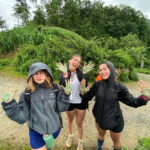
You’ll have a Moana check-in photo stop, which sounds like a playful add-on but actually works for most travelers: it’s a quick, easy break to reset your energy before you keep trekking.
During both trek options, your camera will likely work overtime. You’re passing rustic village buildings, rice terraces, and the kinds of stilt houses that make Sapa visually distinct. Even if you’re not a serious photographer, you’ll still want to grab wide shots in the open moments—because mist can turn normal views into something memorable.
Tip: bring sunscreen and keep it simple. High-altitude sun plus cloud cover can trick you into thinking you’re not burning. The tour info specifically calls out sunscreen and comfortable trekking shoes for a reason.
Returning to Sapa Town: One Night That Lets You Enjoy the Pace
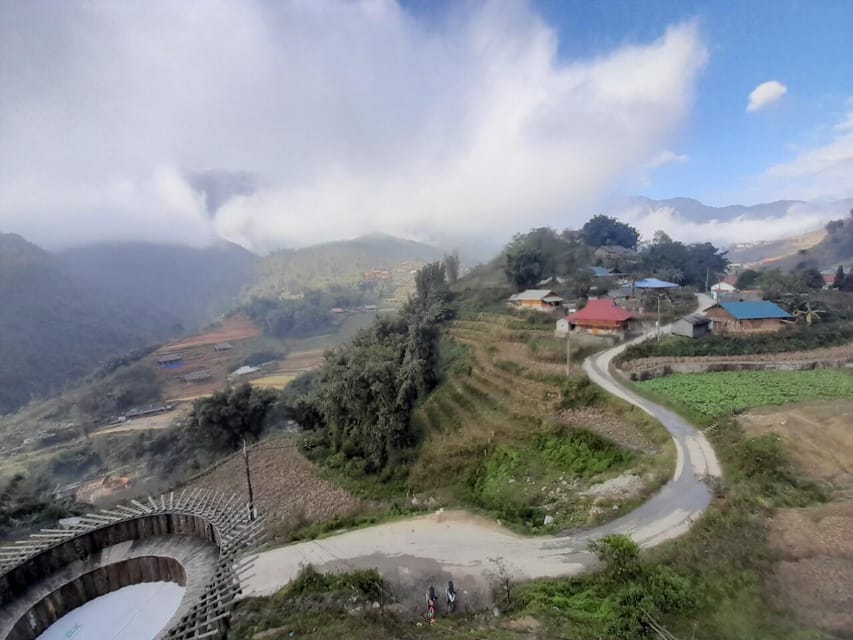
After the afternoon trek, you return to Sapa town in the evening and stay for one night. That matters because you’re not rushing straight back to another overnight journey. You get time to breathe and decompress at a comfortable hotel.
Dinner is included, and you also get time to settle in and reset for the Fansipan day. I like this part because it turns the second day from a stress sprint into a planned climb-by-cable-car.
If you’re traveling solo, note that there can be a single room service charge when you book alone. It isn’t a dealbreaker, but it can change your real cost.
Day 2: Cable Car to Fansipan and the Summit Pagoda Walk
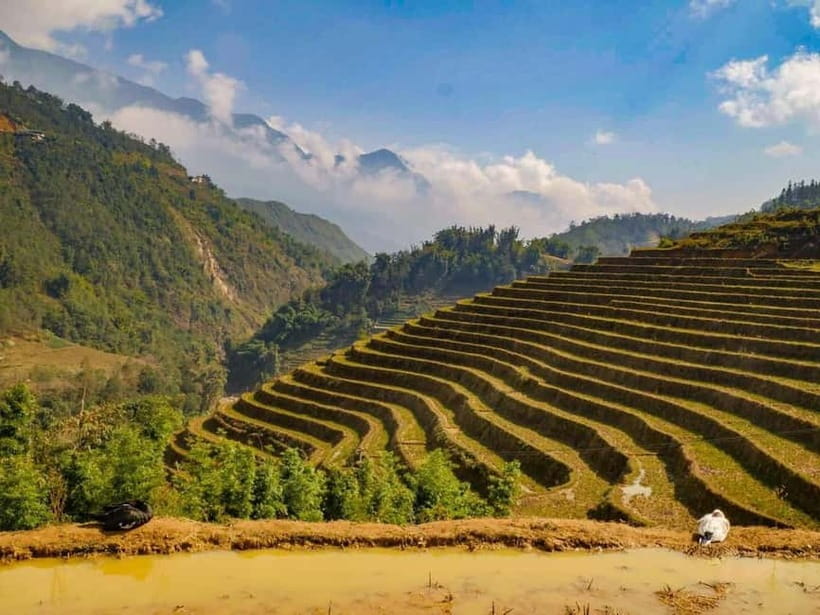
Breakfast comes first, then you head to the Fansipan Cable Car station. From there, you ascend to the 3,143-meter summit area and take in views over the Hoang Lien Son mountain range.
At the top, the experience shifts from trekking to walking at altitude. You stroll around the summit pagoda complex, take photos around the viewpoints, and generally enjoy that calm, above-the-clouds feeling.
Then it’s back down. After descending, you get a hearty lunch in Sapa before boarding the sleeper bus back to Hanoi.
This structure is good for most people because it avoids stacking heavy hiking with long-distance travel. You still get the signature peak experience, but you don’t have to turn your legs into noodles twice.
Meals and Included Extras: What’s Covered in the Price
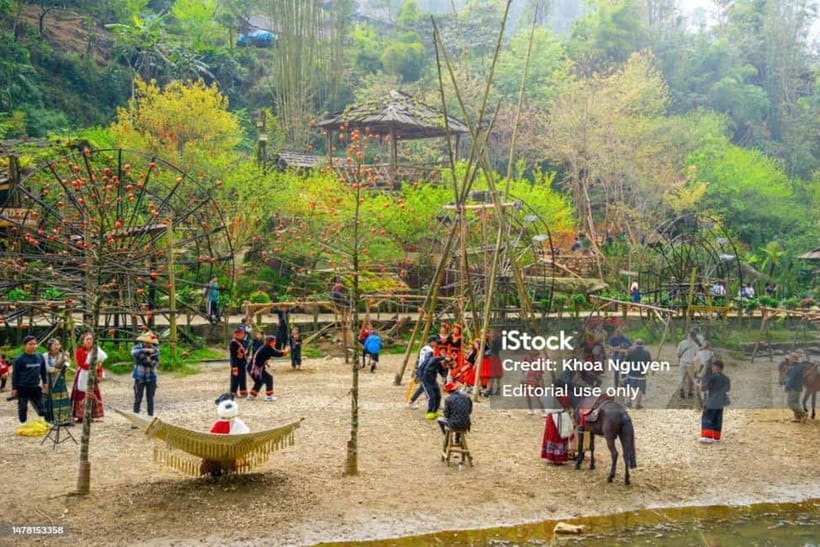
Here’s what’s included, and why it matters for value:
- Round-trip sleeper bus Hanoi ↔ Sapa
- 1-night hotel accommodation in Sapa
- Meals: 2 Vietnamese lunches, 1 dinner, 1 breakfast
- English-speaking local guide (other languages cost extra)
- Trekking option: Cat Cat or Lao Chai–Ta Van
- Entrance fees and permits
These inclusions reduce the annoying part of travel planning. You’re not chasing tickets for buses, meals, and permits while trying to enjoy the mountains.
One cost not included is the Fansipan Cable Car ticket: 800,000 VND (about $32). So when you look at the listed $137 per person, you should think of it as closer to $169-ish once the cable car ticket is added.
Also not included: upgrades like Luxury Limousine, plus possible holiday surcharges on specific Vietnamese public holiday periods.
Price and Logistics: Is $137 Good Value?
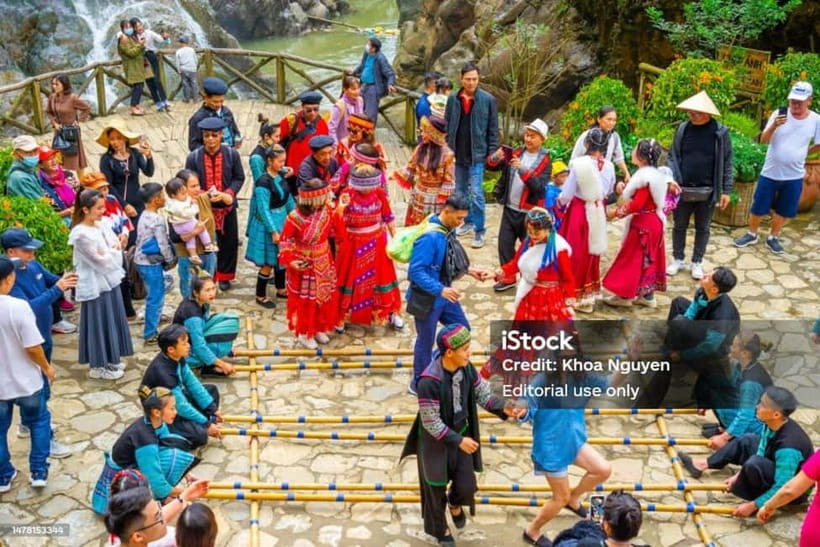
For a 2-day trip, $137 is not just a cheap “transport + maybe a walk” deal. You’re getting a full package: overnight bus, one hotel night, meals, a guide, and a guided trek through actual village areas.
The main reason the price can feel fair is that a lot is already bundled:
- you don’t organize the Hanoi → Sapa travel yourself
- you get an English-speaking guide to handle local navigation and context
- you get permits/fees covered
The only major addition you should budget for is the cable car ticket. If you were doing the peak on your own, you’d still pay for cable access and time/transport logistics. Here, it’s folded into a plan that also gives you day-1 trekking.
If you prefer flexibility, there’s also a reserve & pay later approach that can help you keep plans fluid. And cancellations allow a refund if you cancel up to 24 hours in advance.
What to Pack and How to Prepare (So You Don’t Regret It)
The tour info is straightforward: wear comfortable trekking shoes and bring sunscreen.
I’d add a practical mindset:
- assume paths can be uneven, especially on downhill sections and near bridges
- keep water and snacks handy for your personal comfort (meals are included, but trekking breaks still happen on your schedule)
- bring layers for mountain weather swings, since Sapa can change fast from clear to misty
If you know you get sore easily, pick the trek option that feels right for you. Cat Cat is downhill; Lao Chai–Ta Van is more about valley trail time with bridge crossings. Neither is a gentle stroll.
Who This Trip Suits Best (and Who Should Rethink It)
This is a great fit if you want a classic Sapa mix:
- village culture and village scenery
- an organized trek with an English-speaking guide
- the big signature moment at Fansipan without losing days to high-altitude hiking
You’ll likely enjoy it most if you like walking, don’t mind an overnight bus, and want a tight schedule that still leaves room for photos and short cultural encounters.
Consider a rethink if:
- you have very limited mobility or hate uneven terrain
- you’re hoping for a fully relaxed “sit and see” day-1
- you don’t want to pay extra for the cable car ticket
Should You Book This Sapa 2-Day Trek and Fansipan Tour?
Yes, I’d book it if you want the Sapa highlights in a time-efficient way and you care about both scenery and culture. The strongest reasons to choose it are the Fansipan views, the guided trek through Cat Cat / Lao Chai / Ta Van, and the fact that the operation focuses on being organized and accommodating when you need help.
If you’re flexible on your trekking route choice and you’re comfortable with a couple of walking-heavy hours, the value is strong—especially since meals, hotel night, and guided village trekking are already included.
If the cable car ticket cost would feel annoying, still remember it’s a fixed add-on and part of the signature payoff. Budget for it early and the decision gets easy.
FAQ
What trek options are included on day 1?
You can choose between two guided trekking routes: Cat Cat Village, or Lao Chai – Ta Van in the Muong Hoa Valley.
Are the Fansipan cable car tickets included?
No. The Fansipan cable car ticket costs 800,000 VND (about $32) and is not included.
What transport is used between Hanoi and Sapa?
The tour includes round-trip sleeper bus transportation between Hanoi and Sapa.
Where do you stay overnight?
You get 1-night hotel accommodation in Sapa.
What meals are included during the trip?
Meals included are 2 Vietnamese lunches, 1 dinner, and 1 breakfast.
What language is the guide?
The tour includes an English-speaking local guide. Other language guides require an additional surcharge.