REVIEW · POKHARA
Pokhara:4-Day Ghorepani Poon Hill Guided Trek via Ghandruk
Book on GetYourGuide →Operated by Himalayan Nomad Treks Pvt. Ltd. · Bookable on GetYourGuide
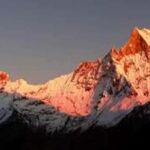
That first morning light is the whole point. This guided 4-day trek threads through rhododendron forests and mountain villages, ending with big sunrise views around 3,210m. I like how the route balances effort with constant scenery—up high, then down into Ghandruk village life.
Two things I really like here. First, the guidance seems built for real hikers, not robots: guides like Prakash and Ghanshyam are described as patient and willing to match your pace. Second, you get the full rhythm of the Annapurna foothills: Modi Khola river paths, steep village climbs, and forest walking that stays interesting even when you’re tired.
One consideration: the days include serious climbing and steep descents, especially the Ulleri stairs and the Tadapani descent. If your knees or breathing aren’t great, you’ll want a smart pace and good footwear, and you should be honest with your guide from day one.
In This Review
- Key highlights you’ll feel (fast)
- Why this Ghorepani–Ghandruk route still works
- Day 1: Pokhara to Nayapul to Tikhedhunga by river and village trails
- Day 2: Ulleri’s stair climb to Ghorepani (where the effort gets real)
- Day 3: Tadapani descent to Ghandruk at about 2,000m
- Day 4: Early sunrise viewpoints from Ghandruk and the way back to Pokhara
- The guide difference: patient coaching and real flexibility
- Meals, tea houses, and the real food budget question
- Price and logistics: where the $153 value comes from
- Packing for 3,210m sunrise conditions without overthinking
- Weather, footing, and how to avoid common day-to-day problems
- Who should book this trek (and who should skip it)
- Should you book this 4-day Ghorepani Poon Hill Guided Trek via Ghandruk?
- FAQ
- What’s the start point of the trek?
- Where do you sleep during the trek?
- How difficult is the trek?
- Is sunrise included?
- Are meals included?
- What’s included in the price beyond the hiking?
- Do I need a porter?
- What language will the guide speak?
- Is this trek suitable for pregnant women?
Key highlights you’ll feel (fast)
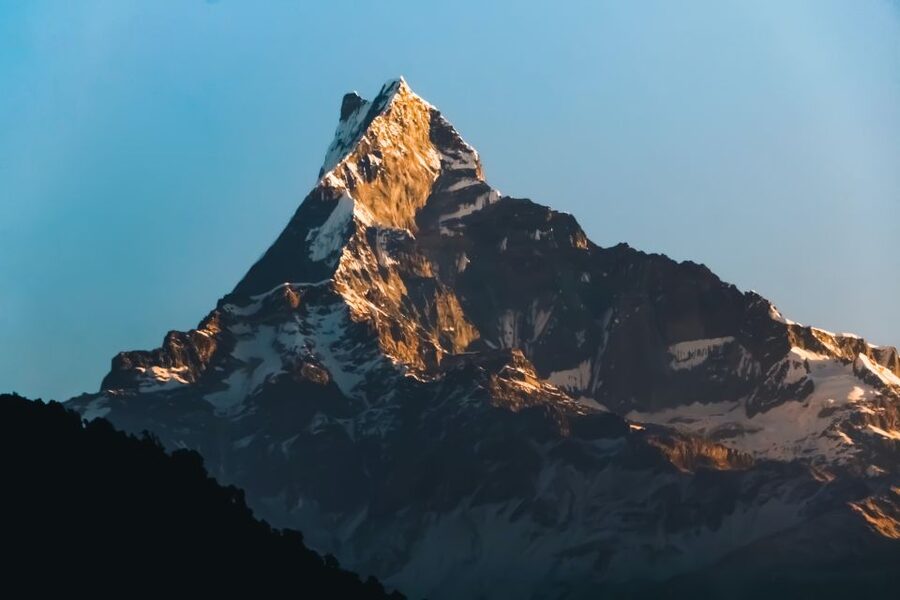
- Sunrise time on the 3,210m viewpoint circuit: aim for early starts and keep expectations flexible for cloud cover.
- Ulleri’s famous stair climb: thousands of steps up to reach the higher villages.
- Rhododendron forest walking: a lot of the trail beauty happens between villages, not just at overlooks.
- Ghandruk is a real village stop: a hotel night at about 2,000m gives you a different feel than tea houses.
- Private group pacing: guides can adjust for slower walkers and mixed fitness.
- Logistics that handle permits and paperwork: trekking permits and TIMS-style fees are covered.
Why this Ghorepani–Ghandruk route still works
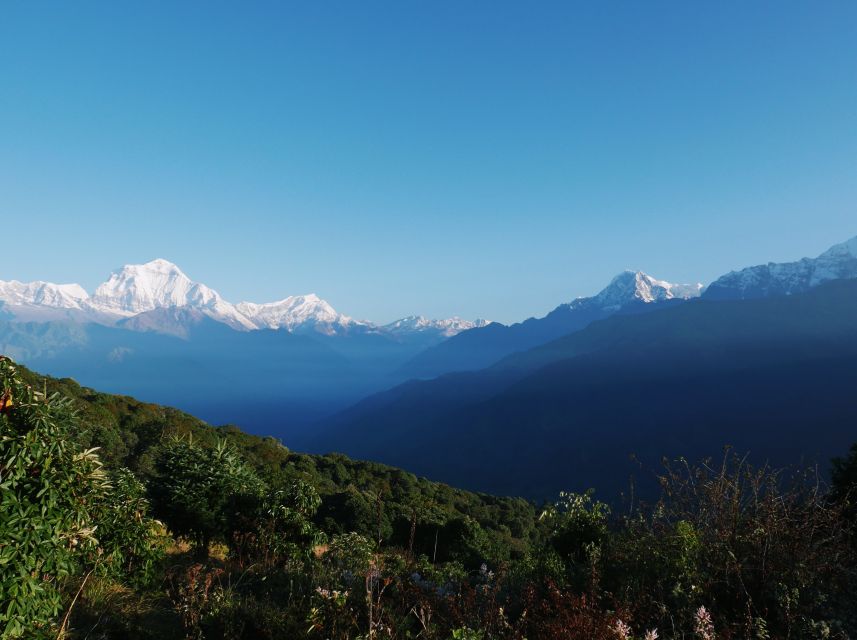
This trek is built for people who want classic Annapurna scenery without committing to a long, high-altitude expedition. The design is straightforward: you rise from the river valleys up through rhododendron-covered hills, then you drop down into Ghandruk and finish back near Pokhara.
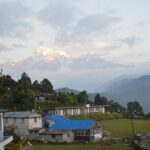
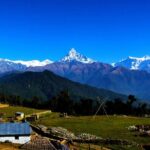
The best part is how often the views show up in layers. Even when you’re not at the highest point, you’re walking in mountain country where the peaks keep peeking between trees and ridgelines. Add an early-morning sunrise push, and you’re chasing that payoff most trekking fans dream about.
You also get a guided experience with practical support. The group is private, the guide is available in English and Hindi (and the trek guide is authorized in English), and there’s a medical kit included. That matters on a trek where small problems—wrong shoe choice, too-fast pacing, not enough warm layers—can become big issues.
You can also read our reviews of more tours and experiences in Pokhara.
Day 1: Pokhara to Nayapul to Tikhedhunga by river and village trails
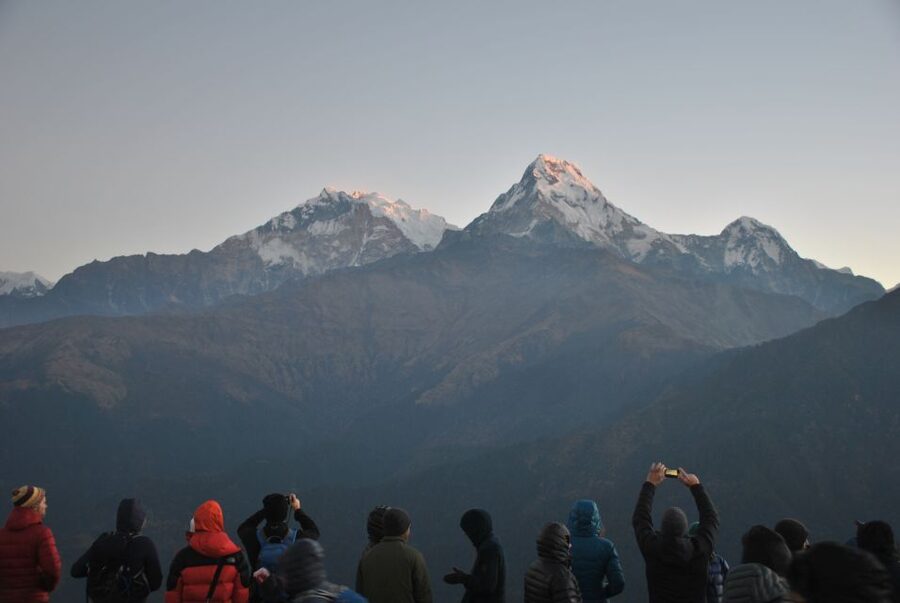
Day 1 starts with a pickup from Pokhara airport or bus stand, then a transfer to your hotel for rest and time to handle essentials like shopping. After that, you’ll be taken to Nayapul, the trekking start point.
Once you start walking, the trail follows the Modi Khola River. You pass small villages and spend time in rhododendron forest sections, which is a nice way to get your legs moving without going straight into a brutal climb. The overall vibe on day one is scenic and manageable, and it’s a good day to settle into your rhythm.
You finish in Tikhedhunga at about 1,570m, staying overnight in a tea house. Tea houses are simple by design: expect basic rooms, shared areas, and meals in a central dining space. If you’re the type who hates rushing, day one is also the day to ask your guide about pacing for the steps coming next.
Potential drawback for day one: travel fatigue. You’ll already be moving on arrival day, so don’t treat day one like a warm-up hike. Bring layers and keep your energy for what’s coming on day two.
Day 2: Ulleri’s stair climb to Ghorepani (where the effort gets real)
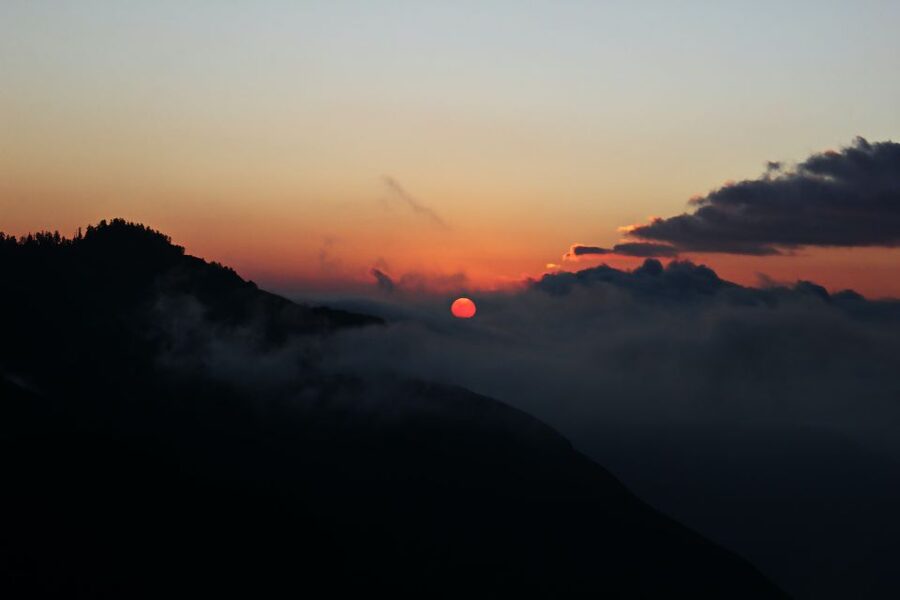
Day 2 is the first big test. You climb from Tikhedhunga up toward Ulleri village, and the route includes over 3,000 steps. That’s not just a number for your calendar; it’s a knee-and-breathing reality.
After Ulleri, you keep going through rhododendron forests to reach Ghorepani (about 2,840m), where you sleep again in a tea house. This is the day where the forest walking starts to feel like more than a pleasant break. The trees slow you down in a good way and give you short moments of relief between stronger uphill stretches.
The altitude jump is meaningful, even before you reach the peak viewpoint height. You’ll likely feel it in your breathing, especially if you set off too fast. A patient guide makes a huge difference here. Based on what people highlight, guides such as Prakash and Ghanshyam are good at working with pace limits, which is especially important if you’re not in peak shape.
Practical tip: use trekking poles if you have them. They can reduce strain on the downhill portions, and even on stair days they help you stay stable. Also, keep your stops short. You want to rest just enough to keep moving well.
Day 3: Tadapani descent to Ghandruk at about 2,000m
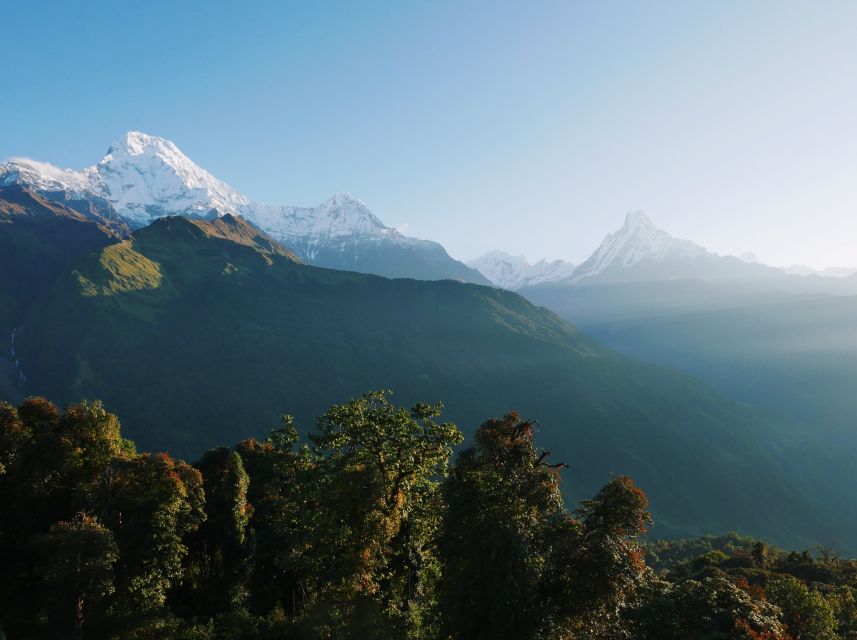
Day 3 shifts your legs from climbing mode into descending mode. You descend and move via Tadapani, heading toward Ghandruk (about 2,000m). The description here is clear: expect a steep descent, and expect to feel it by the end of the day.
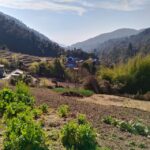
Then you continue through jungle and forest sections, with scenery along the Modi River corridor. This is one of the reasons the trek doesn’t turn into a single-note experience. You’re moving through different vegetation and terrain, and you’re seeing the region change after the higher Ghorepani-style ridge areas.
You end in Ghandruk, and unlike the tea house nights earlier, you’ll stay at a hotel for the night. That hotel night can be a mental reset: you’ll likely have a more comfortable base to wash up, recharge, and get ready for the early morning viewpoint push.
Downside to remember: descending is often harder than ascending for some people. Even if you’re strong on uphill, don’t underestimate the impact on quads and knees during steep sections. If you know you’re sensitive, tell your guide on day two so you can adjust pace and breaks before discomfort builds.
Day 4: Early sunrise viewpoints from Ghandruk and the way back to Pokhara
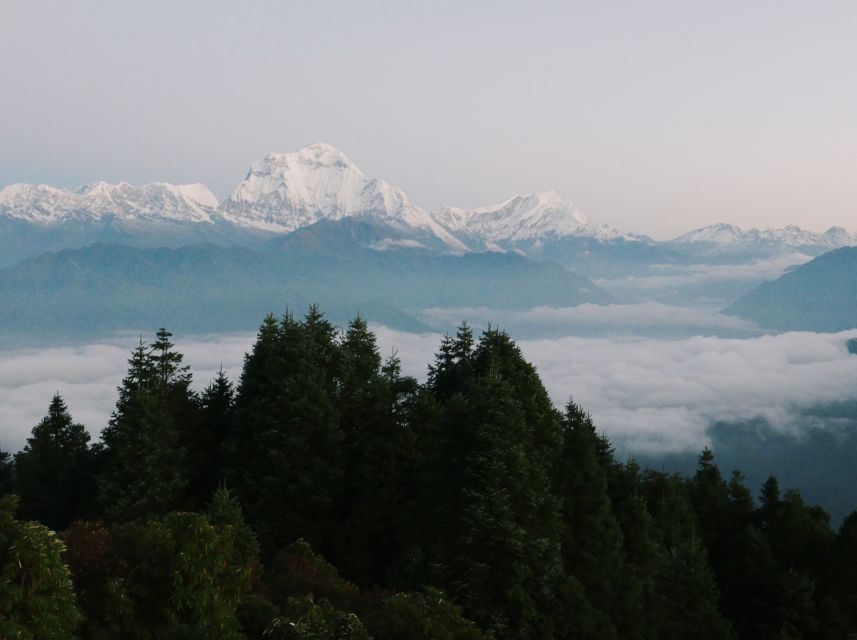
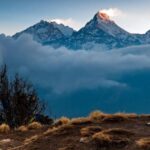
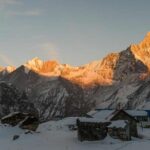
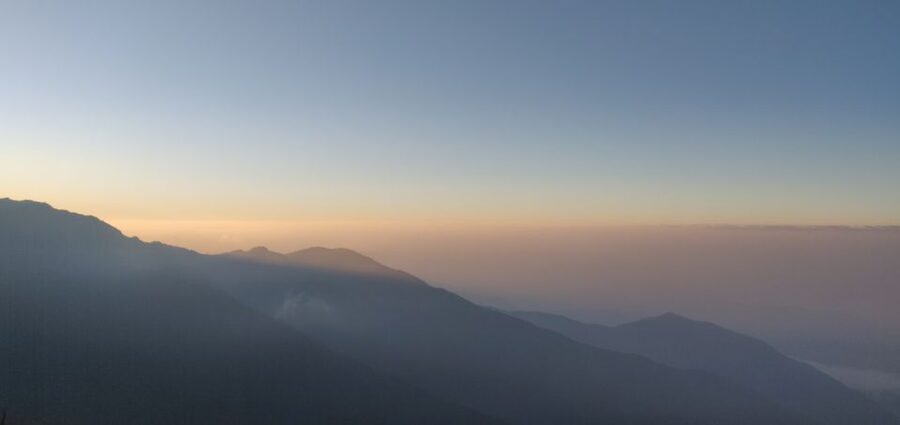
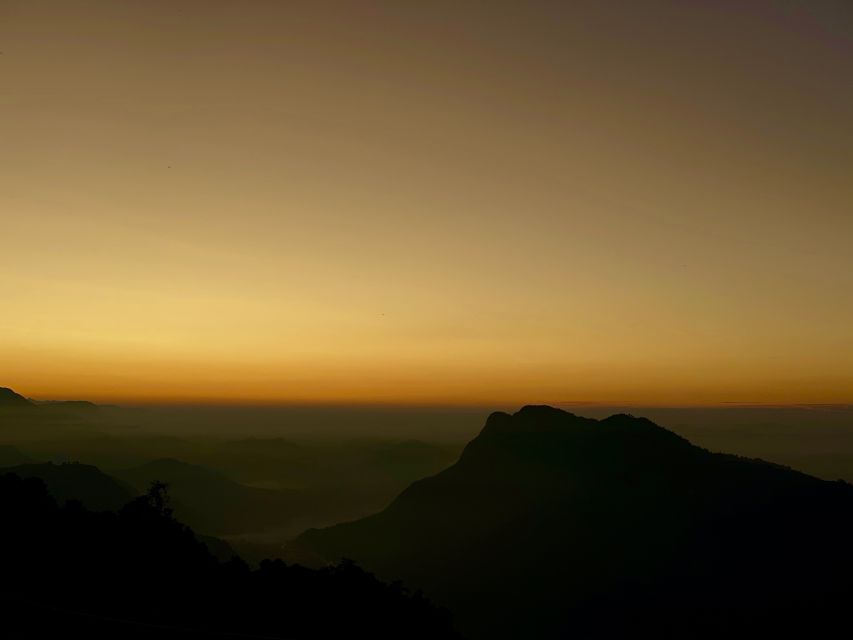
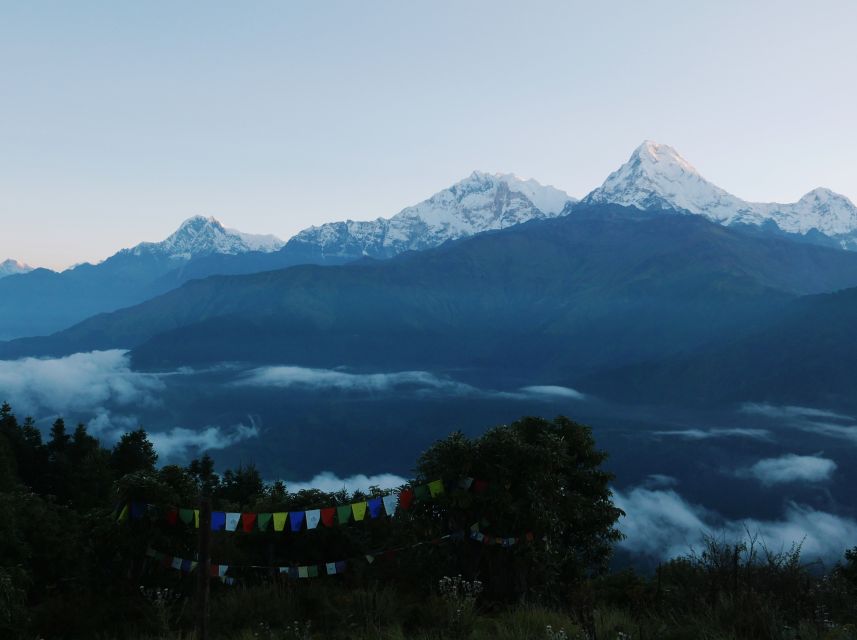
Day 4 begins early. You’ll hike up to a viewpoint around Ghandruk and explore the village area, with the goal of catching sunrise over the Himalayas. This is where the trek’s altitude story comes full circle: the sunrise highlight is tied to the high viewpoint experience often associated with Poon Hill, with a target height around 3,210m.
Here’s the honest part: sunrise conditions can be inconsistent. Some people find that clouds or weather can spoil the clean reveal at first light, but the day still tends to offer rewarding mountain views once conditions shift. So plan for sunrise, then also trust that you’ll get more chances to see peaks from different angles during the morning.
After breakfast back at the hotel, you descend toward Nayapul and then drive back to Pokhara, where the trek ends. The return drive is also when you’ll feel the trek physically—in a good way, like your body knows it did something.
A smart expectation for day four: don’t schedule anything intense later that evening. Even if the hike ends early, you’re still coming off two nights at altitude (even if sleeping altitude varies).
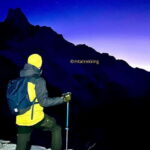
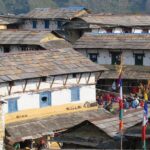
The guide difference: patient coaching and real flexibility
This is a guided trek, and the guide is not just a rule-enforcer. The standout theme in the experience is how guides adapt to you. Prakash is specifically noted for being nice and understanding, especially with someone whose fitness wasn’t great. Ghanshyam is praised for being patient and kind, including support for a 60-year-old.
That matters because trekking success isn’t only about fitness. It’s about pacing strategy, knowing when to slow down, and having the confidence to ask questions. If you’re traveling with mixed fitness levels, this private setup is a big advantage compared with being stuck behind a faster group.
Also, the organizer seems easy to reach before you go. People report having a WhatsApp contact to clarify questions ahead of time. If you like to iron out details (what to pack, how meals work, what the hiking rhythm looks like), that kind of contact can remove stress.
Meals, tea houses, and the real food budget question
Meals are included only in the full package version. If you’re on the full package, the trek includes breakfast, lunch, and dinner during the trek. If you’re not, you’ll be buying meals along the way.
Either way, expect that tea house food is a little more expensive than in Pokhara. One key note people share: meal pricing along the trek can feel higher than you expect, so if you’re weight-conscious or cost-conscious, confirm what’s actually included in your package before you commit.
What to do with this info:
- If you want predictable costs, choose the full package that covers meals during the trek.
- If you’re okay paying as you go, bring some flexibility and keep cash handy.
And don’t forget drinks. Soft and hard drinks are not included, so if you like frequent iced drinks or caffeinated extras, budget for it.
Price and logistics: where the $153 value comes from
At $153 per person for 4 days, the value depends on what package level you’re choosing. What’s clearly covered includes key “you’d otherwise have to organize yourself” items: trekking permits and paperwork (including a TIMS-fee style component), the Trekker’s Information Management System portion, a medical kit, and accommodation during the trek.
You also get guide support and guide costs handled by the operator, including meals, salary, equipment, insurance, and transportation. That’s a real cost center if you were planning independently.
Then there’s transport. Hotel pickup and drop-off is included, and the trekking company provides deluxe transportation as per the itinerary for the full package, while shared bus transport applies for non-full packages. That means your total experience cost can change based on which transport option you’re assigned.
So the best way to judge value is simple: check whether your option includes meals and the more comfortable transportation level. If it does, $153 starts to look like a fair deal for a guided trek with permits and lodging lined up.
Packing for 3,210m sunrise conditions without overthinking
The packing list for this trek is practical, and you should treat it as a minimum checklist, not a wish list. Key items include:
- Hiking shoes (non-negotiable)
- Long pants and a jacket (morning temps can be cold, especially at viewpoint height)
- Sunglasses, sunscreen, and a hat
- Socks and change of clothes
- Towel
- Sleeping bag and trekking gear
Even though a medical kit is included, bring your own basics if you use them—especially anything personal. Also, water is your responsibility. The tour notes water plus personal gear, and bottles/boiled water fall under personal expenses, so plan for that cost.
One simple trick: pack warmer layers for sunrise. Even if the daytime hiking feels mild, early-morning wind at higher points can be noticeably harsher.
Weather, footing, and how to avoid common day-to-day problems
This trek is “moderate in concept, serious in execution.” The altitude and step-heavy day mean you should plan for:
- Slower pace than you expect
- More breaks than you expect
- More knee strain than you expect on descent days
If weather at the sunrise viewpoint is not perfect, your best move is to keep your attitude flexible. Some people find that they see more later once clouds shift. So don’t treat sunrise as a single do-or-die moment.
Footing matters, too. The route includes forests and steep descents. Wear shoes that grip and break in beforehand if possible. If you tend to get blisters, handle it early with clean socks and a quick check during stops.
Finally, remember this is a private-group trek with an English/Hindi guide option. That means you can ask for pace changes and stop timing. Use that. The goal is to finish feeling proud, not wrecked.
Who should book this trek (and who should skip it)
This is a great fit if you want:
- Classic Annapurna views
- A short 4-day commitment
- Forest scenery plus village nights
- A guide who can adjust pace in a private group
It’s also a solid choice if you’re traveling with someone who needs patience and reassurance during climbs, since guides like Prakash and Ghanshyam are specifically noted for being kind and understanding.
It’s not suitable for pregnant women, based on the activity notes. If you have medical concerns about altitude, you should talk to a qualified provider before booking, and you’ll also want proper travel and rescue insurance, since that’s not included in the package.
Should you book this 4-day Ghorepani Poon Hill Guided Trek via Ghandruk?
I’d book it if you’re excited by the mix of rhododendron hiking, a stair-heavy challenge day, and a sunrise viewpoint payoff, and you want a guided setup that handles permits and logistics.
Don’t book it (or adjust expectations) if you’re easily stressed by early mornings or steep descents. This route asks for leg stamina and knee management, especially on days two and three.
Best decision tip: confirm whether your $153 option includes the full package meals and the transport level you want. Then pack for cold sunrise air, and go into day two with a calm, patient pace. If you do that, you’ll spend four days earning some of the most memorable mountain views in Nepal.
FAQ
What’s the start point of the trek?
You’ll be driven to Nayapul after being picked up in Pokhara. Nayapul is the trekking start.
Where do you sleep during the trek?
You sleep in tea houses on Day 1 in Tikhedhunga and Day 2 in Ghorepani. On Day 3, you sleep in a hotel in Ghandruk.
How difficult is the trek?
It includes a steep climb with over 3,000 steps up to Ulleri village on Day 2, and a steep descent via Tadapani on Day 3. You should be ready for both uphill effort and downhill impact.
Is sunrise included?
Yes. On the final morning, you’ll wake early for a hike to a viewpoint and aim to see sunrise over the Himalayas.
Are meals included?
Meals during the trek are included only for the full package option: breakfast, lunch, and dinner during the trekking days. Drinks are not included.
What’s included in the price beyond the hiking?
Included items cover hotel pickup and drop-off, trekking permits and required paperwork, a medical kit, accommodation during the trek, and a guide (including guide insurance and all guide expenses).
Do I need a porter?
A porter is available for purchase, but it is not included as part of the default package.
What language will the guide speak?
The tour offers a live English and Hindi guided experience. An authorized English-speaking guide is included for the trek.
Is this trek suitable for pregnant women?
No. The trek is listed as not suitable for pregnant women.