REVIEW · MARRAKECH
3 Days Desert Tour From Marrakech To Merzouga Dunes & Camel Trek
Book on Viator →Operated by My Travel Morocco · Bookable on Viator
Three days in Morocco’s Sahara feels unreal.
This 3-day trip from Marrakech to the Merzouga dunes mixes mountain roads, UNESCO-level architecture, and real time with the Erg Chebbi sands. It’s built around a camel trek at sunset and sunrise plus a night in a Berber-style camp, with stops like Ait Ben Haddou and the Todra Gorge that keep the days from turning into one long drive.
I love how the pace gives you both famous sights and desert time. The camel rides are a highlight for me, especially the fact you get a ride at sunset and sunrise (one camel per person in both directions). I also love the human side of the trip—guides like Driss and Kamal show up again and again in the best feedback, with a calm, organized feel and lots of small explanations along the way.
One possible drawback: this is not a set-and-forget budget tour. You’ll still want to plan for meals you bring on your own (like lunches and drinks), plus tips, and the desert plan needs good weather to run smoothly.
In This Review
- Key highlights at a glance
- Marrakech to Merzouga: the road trip that actually matters
- Tizi n’ Tichka to the kasbah world: Ait Ben Haddou and beyond
- The Tinerhir hotel night: a smart reset before the sand
- Erg Chebbi camel trek at sunset and sunrise: the moment you came for
- Sandboarding in the dunes: included fun, with a little common sense
- Berber camp night in Merzouga: dinner, music, and real sky time
- Guides like Driss and Kamal: why the human touch shows up
- Value and price: is about $144.49 actually a good deal?
- Practical considerations that can affect your comfort
- Should you book the Marrakech to Merzouga 3-day tour?
- FAQ
- How much does the 3-day desert tour from Marrakech to Merzouga cost?
- How long is the tour?
- Where does the tour start?
- What’s included in the price?
- What is not included?
- Is pickup offered?
- What language is the tour offered in?
- How many travelers are on the tour?
- Are the camel rides included, and when do they happen?
- What if the weather is bad for the desert?
Key highlights at a glance
- High Atlas crossing via Tizi n’ Tichka on the way from Marrakech to the south
- UNESCO Ait Ben Haddou plus the Todra area and Tinghir oasis scenery
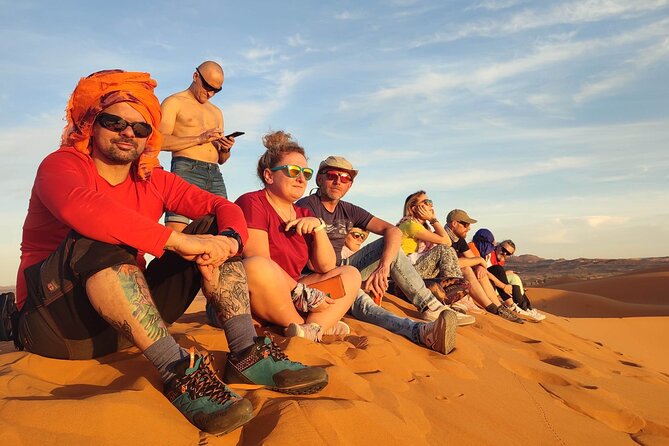
- Erg Chebbi camel trek timed for the dunes’ sunrise and sunset color change
- Sandboarding included as part of the desert fun
- Overnights done right: a hotel night in Tinerhir, then a Berber camp in Merzouga
- Small group limit of 25 for a more manageable experience
Marrakech to Merzouga: the road trip that actually matters
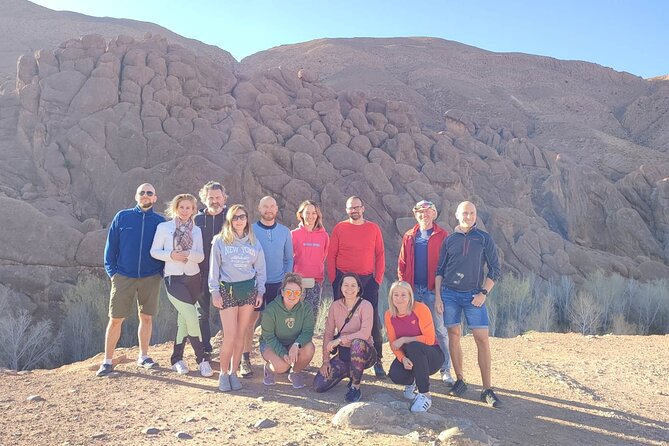
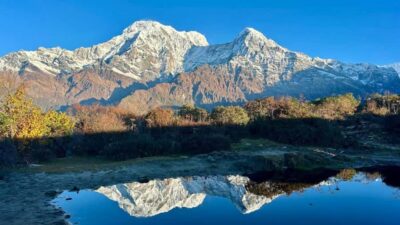
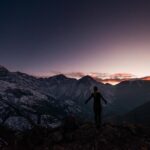
A desert tour can either feel like a bus ride that accidentally reaches sand—or like a route that tells you something as you go. This one leans toward the second option. The drive takes you across the High Atlas, including the Tizi n’ Tichka pass, which is the kind of mountain segment that makes the whole “from city to dunes” story feel real instead of sudden.
Logistically, you start in the Medina, Marrakesh (40000), with a pickup-style meeting approach tied to daily hours from 7:00 AM to 11:30 PM (Mon–Sat). The vehicle is a climatized minibus, with WiFi on board—not essential in the desert, but genuinely helpful on long travel days when you’re waiting between stops.
There’s also a practical upside to the maximum 25 travelers cap. Bigger groups often mean longer waits and less personal attention. With this limit, the trip tends to move with less friction, which is one reason the “very well organized” praise keeps showing up.
You can also read our reviews of more tours and experiences in Marrakech.
Tizi n’ Tichka to the kasbah world: Ait Ben Haddou and beyond
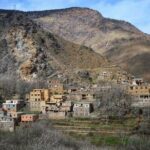
Once you’re moving away from Marrakech, the itinerary shifts from “getting there” to “seeing why it’s worth it.” A major anchor stop is Ait Ben Haddou, a World Heritage site that’s famous for its kasbah architecture and the way it looks like it was built to blend into desert light.
One thing to note: a local guide for Ait Ben Haddou isn’t included, listed as 2 euros per person. That small cost can be worth it because the value of a place like this is in the details—who lived here, how the kasbah system worked, why the walls and layout matter. If you want the history without hunting for it yourself on the spot, budget that 2 euros.
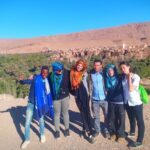
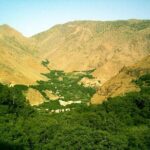
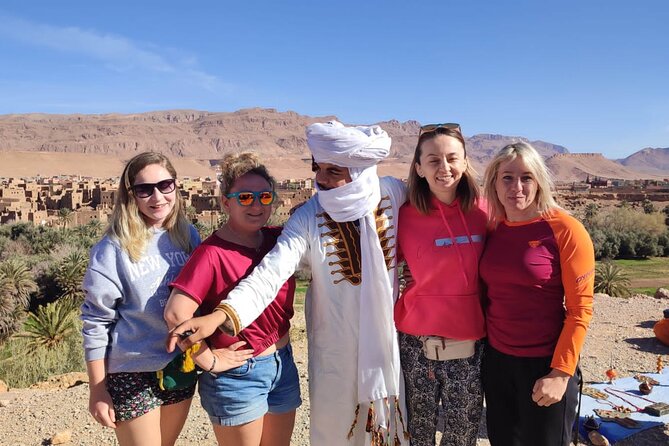
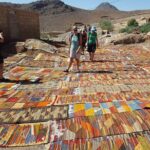
After that, you head into the Todra area. The route includes the Todra Gorge and the oasis around Tinghir. These stops work because they break the desert trip into layers: stone canyon walls one moment, green oasis another. It’s a nice change of scenery before you commit to the dunes.
The Tinerhir hotel night: a smart reset before the sand
Between Marrakech and Merzouga, sleep can make or break the experience. Here, the plan includes a hotel stay in Tinerhir, so you’re not jumping straight from road-travel exhaustion into the full desert night.
That hotel night matters for two reasons. First, it gives you a chance to shower and recover before the camel trek. Second, it helps you actually enjoy the desert evening instead of feeling like you’re running on fumes. The tour includes dinner, so you won’t be scrambling for food late in the day, and you also get breakfast included.
Will the hotel be perfect for everyone? No tour can promise that. But the feedback on accommodations has been strongly positive, with people calling the places “beautiful” and “well chosen.” For you, the takeaway is simple: this tour tries to keep the desert segment from becoming a suffering contest.
Erg Chebbi camel trek at sunset and sunrise: the moment you came for
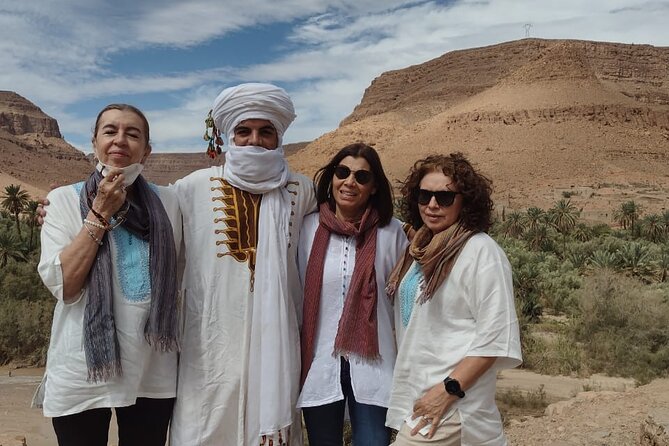
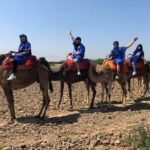
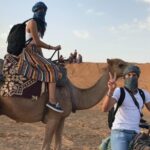
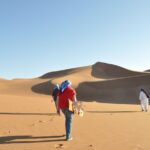
If you’re doing this tour, the camel trek is the emotional center. The experience includes camel rides at both sunset and sunrise, with one camel per person for each ride. That detail matters. You don’t want the desert night to turn into a “share your ride time” situation, and this format keeps it straightforward.
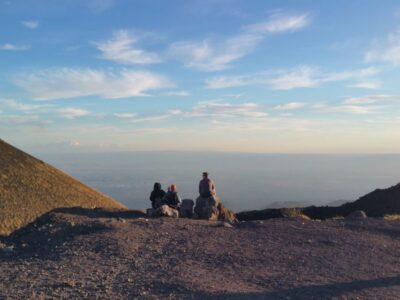
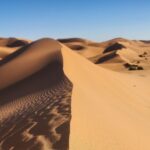
The payoff is the dunes of Erg Chebbi. The tour is built around the color shift people come for—the way the sand changes as the light moves. Timing is everything here. Sunset is that warm, golden wash; sunrise can be sharper and cooler, with the horizon looking wide enough to breathe.
Practical consideration: comfort. Camel rides feel fun, but you still want to dress for shifting desert temperatures—layers beat one thin outfit. Also, expect to hold on a bit more than you would on a city stroll. If you’re sensitive to bumps, keep your expectations flexible and plan for a slow rhythm.
Sandboarding in the dunes: included fun, with a little common sense
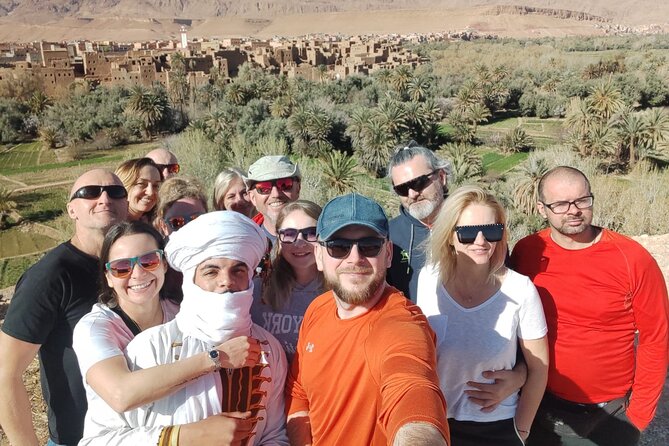
This tour includes sandboarding and even notes admission ticket free for the activity. That means you’re not paying extra just to get on the board once you’re in the right area.
How to make it enjoyable: keep your stance relaxed, don’t fight the sand, and wear something you don’t mind getting sandy. If you’re the type who wants to take control of every second, sand can humble you fast—but that’s part of the charm. The best moments usually come when you stop treating it like a skill test and more like a sliding break from sitting in vehicles all day.
Also, don’t underestimate how long desert activities can feel when you’re outside. Even when the activity is “just one thing,” the waiting, gearing up, and walking back to the pickup point can stretch the clock. Built into this tour, it’s part of the day rather than a rushed add-on.
Berber camp night in Merzouga: dinner, music, and real sky time
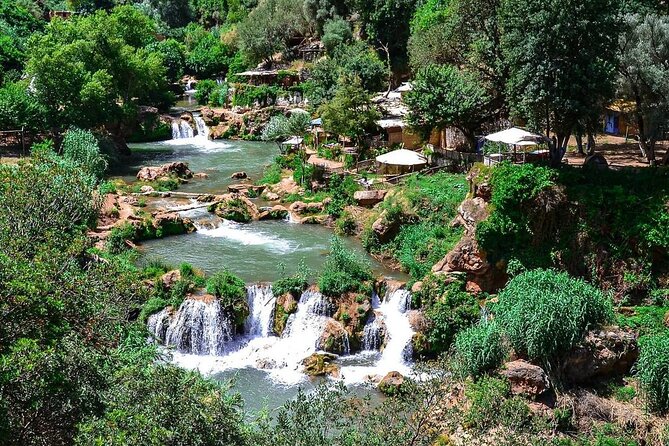
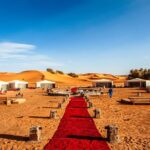
Then you reach the heart of the experience: sleeping in a camp under Berber tents in Merzouga.
The tour includes the desert camp accommodation plus dinner. Based on the strong repeat praise in feedback, the night can include a typical dinner under the stars and a campfire social vibe with live folk music. That’s the kind of atmosphere that’s hard to recreate by yourself if you don’t know where to go.
What should you expect from the camp setting? Less “hotel comfort,” more atmosphere. This is the desert. You’re there for the stars, the firelight, the calm rhythm, and the feeling of being far from city noise.
One smart move: ask questions when you’re there—about the music, the camp routines, or anything you’re curious about. The tone from guides in the feedback is often warm and friendly, with people sharing facts about daily life and culture rather than just driving you from one photo spot to the next.
Guides like Driss and Kamal: why the human touch shows up
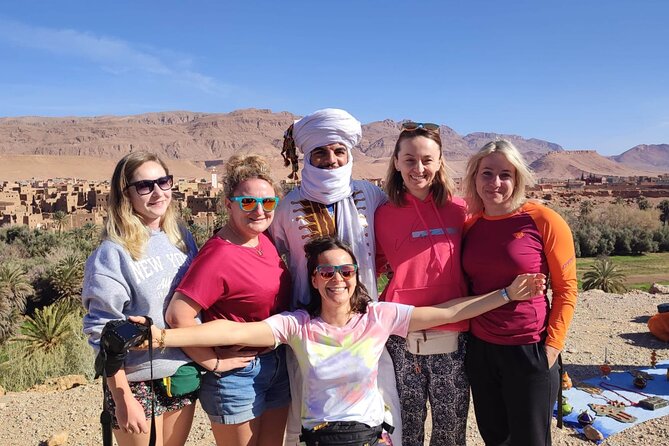
A desert tour lives or dies by how it’s guided. The best feedback points to guides such as Driss and Kamal as a big reason the trip feels safe and smooth—people describe them as attentive, friendly, and able to explain what you’re seeing at a comfortable pace.
You’ll also see other names associated with standout moments, including Issan and Brahim, which suggests the agency uses a team approach rather than one person doing everything. That tends to matter because deserts are full of little variables—timing, weather shifts, getting people situated. A team that stays calm helps.
Here’s what you should take into your own decision-making: if your biggest travel fear is feeling stuck in a rigid schedule, this kind of guide-led flexibility is usually a good sign. The trip is also run with a respect-first tone in feedback, which is exactly what you want when you’re dealing with rural settings and shared spaces.
Value and price: is about $144.49 actually a good deal?
Let’s talk value in plain terms. The price is listed at $144.49 per person, and while that’s not a luxury-city rate, the inclusions are doing real work.
Included items you’re paying for through the package:
- Air-conditioned minibus transport (with WiFi on board)
- Accommodation: hotel in Tinerhir plus the Merzouga desert camp
- Camel rides at sunset and sunrise
- Sandboarding
- Dinner (and breakfast)
- Merzouga desert entrance
- All fees and taxes
What’s not included:
- Lunches and drinks
- A local guide fee at Ait Ben Haddou: 2 euros per person
- Tips and gratuities
When I look at value, I ask one question: does your “big cost” day (the desert night and camel time) feel covered? Here, it is. Many cheaper options cut corners by making you pay for major pieces later. This one includes the sleeping and the core activities, which usually makes the overall experience feel less stressful on the ground.
So yes, for most people, this feels like a fair deal—especially if you’re happy with a shared group pace and you want a structured route rather than DIY travel.
Practical considerations that can affect your comfort
This kind of desert tour has a few variables you should plan around.
First: weather matters. The tour notes that it requires good weather. If conditions aren’t right, you may be offered a different date or a full refund. That doesn’t mean you’ll be disappointed—it means the operator isn’t trying to force unsafe conditions.
Second: budget for the basics you carry yourself. Lunches and drinks aren’t included, and you’ll want some cash ready for optional extras like the 2 euros per person local guide at Ait Ben Haddou. Also, tips are not included, which is common in Morocco but still worth acknowledging early.
Third: think about your comfort on long movement days. Even with an AC vehicle, you’re spending time traveling and switching locations. If you prefer frequent stops and lots of free time, you might find the day structure tighter than you’d like. If you prefer a guided plan that maximizes “see the right things” without logistics headaches, you’ll likely feel at home here.
Should you book the Marrakech to Merzouga 3-day tour?
Book it if you want a guided 3-day desert experience that mixes major sights with the actual Merzouga dunes—without turning desert life into a scavenger hunt. This is especially a good fit if you care about:
- Camel rides at sunset and sunrise
- A real night in the desert camp
- Included sandboarding
- A route that covers Ait Ben Haddou and the Todra/Tinghir area on the way
Skip it (or ask more questions first) if you’re the type who hates extra small fees for context (like the Ait Ben Haddou local guide) or you know you’ll feel stressed if weather forces adjustments. The desert can’t be bullied by schedules.
If you’re flexible, this tour is one of those Morocco trips where the “worth it” part shows up fast—mountains first, then kasbah and gorge, and finally the dunes with a calm night under Berber tents.
FAQ
How much does the 3-day desert tour from Marrakech to Merzouga cost?
The price is $144.49 per person.
How long is the tour?
The duration is listed as 3 days (approx.).
Where does the tour start?
The meeting point is the Medina, Marrakesh 40000, Morocco.
What’s included in the price?
Included are dinner, breakfast, air-conditioned vehicle transport, WiFi on board, hotel accommodation in Tinerhir, desert camp accommodation in Merzouga, camel rides at sunset and sunrise, sandboarding, Merzouga desert entrance, and all fees and taxes.
What is not included?
Lunches and drinks are not included, and a local guide in Ait Ben Haddou Kasbah is listed as 2 euros per person. Tips and gratuities are also not included.
Is pickup offered?
Yes, pickup is offered.
What language is the tour offered in?
The tour is offered in English.
How many travelers are on the tour?
The tour has a maximum of 25 travelers.
Are the camel rides included, and when do they happen?
Yes. Camel rides are included at sunset and sunrise, with one camel per person for each ride.
What if the weather is bad for the desert?
The experience requires good weather. If it’s canceled due to poor weather, you’ll be offered a different date or a full refund.