REVIEW · MARRAKECH
Mount Toubkal Trek 2 days from Marrakech with a Guide
Book on Viator →Operated by Atlas Mountain Travel · Bookable on Viator
Toubkal turns a quick hike into a story. This 2-day trek from Marrakech is built for strong first-timers who want the sunrise summit of North Africa’s highest peak without mountaineering gear. I like the way the plan mixes scenic valley walking with that high-altitude moment at 4167m, and I like the practical support: an experienced guide plus mules carrying your bags. The one drawback to be honest about: this is still a tough effort with steep sections and big walking time on day two, so you should take the moderate-fitness note seriously.
What really made it click for me is how smoothly the day-one start sets you up for the next day. You’re driven from Marrakech to Imlil (1740m), then you hike up through mountain villages and natural stops before settling into the Toubkal refuge for the night (at 3207m). You’re not doing this to stroll. You’re doing it to climb—and to do that well, you’ll want to keep your pace steady and your expectations realistic.
One more thing to plan around: sleeping bags aren’t included, and you’ll be spending the night at a refuge at altitude. If cold nights affect you, bring what you need to feel comfortable.
In This Review
- Key Highlights You’ll Care About
- Why Jebel Toubkal’s Highest-Point Status Matters in Real Life
- Price and What Feels Like Good Value at $339.45
- Marrakech Pickup to Imlil: The Part You’ll Be Glad Is Taken Care Of
- Day 1: Imlil (1740m) to the Toubkal Refuge (3207m)
- The Valley Route: Aït Mizane to Aremd
- Sidi Chamarouch and a Waterfall Stop
- Final Push to the Refuge
- Day 2: Sunrise Summit of Jebel Toubkal (4167m) and the Descent
- The Ascent: Streams, Rocks, and a Slow Build to the Plateau
- The View: Marrakesh Plain North, Anti-Atlas and Sahara South
- The Return: Back Down to Imlil
- Guides, Mules, and Pace: What Makes This Trek Feel Doable
- What’s Included vs. What You’ll Need to Bring
- Included
- Not Included
- Fitness and Who This Trip Suits Best
- Logistics That Matter: Private Group, Mobile Ticket, and Planning Ahead
- Should You Book This 2-Day Toubkal Trek?
- FAQ
- How long is the trek on each day?
- What’s the highest elevation you reach?
- Do I need mountaineering experience?
- Is accommodation included?
- What meals are included?
- What should I bring since sleeping bags are not included?
Key Highlights You’ll Care About

- Sunrise summit focus: you start early on day two to reach the top of Jebel Toubkal at the best time of day
- Refuge sleep at 3207m: you don’t need to rush all 2 days without stopping
- Mule support for your bags: you carry yourself, but your pack is handled
- Local-route expertise: guides such as Rachid and Mohammed are known for knowing the terrain and pacing
- Big-panorama payoff: views can include the Marrakesh plain, High Atlas, Anti-Atlas, and toward the Sahara
- A true 2-day express climb: longer than a day trip, but shorter than multi-day treks
Why Jebel Toubkal’s Highest-Point Status Matters in Real Life

Jebel Toubkal (4167m) is the highest peak in North Africa. That sounds like a big, distant fact—until you’re on the mountain and the air starts to feel thinner with every step. The reason this matters for your experience is simple: you’re not hiking a random trail. You’re doing a goal hike with a clear endpoint, and that helps you stay motivated when the route turns rocky.
This is also a “challenge with guardrails” kind of climb. The trek is described as challenging, but it doesn’t require mountaineering experience. That’s important if you’re drawn to altitude and views but you don’t want to spend time learning ropes, crampon technique, or technical climbing moves.
And the timing is the other big reason Toubkal works as a 2-day trip. The second-day push is set up for the top at sunrise. From the top, the scenery isn’t just pretty—it’s dramatic. On a clear morning you can see multiple parts of Morocco’s mountain ranges in one sweep.
You can also read our reviews of more tours and experiences in Marrakech.
Price and What Feels Like Good Value at $339.45

At $339.45 per person for 2 days, the cost isn’t low in the way a casual group day hike is low. But it’s also not just you and a trail. You’re getting a bundle of items that add up fast when you price them separately:
- Air-conditioned vehicle pickup and transport between Marrakech and the trail area
- Guided climb with an experienced mountain guide
- Refuge accommodation for the night
- Mules for carrying your bags
- Meals and drinks (2 lunches, 1 dinner, 1 breakfast, plus mineral water, coffee, and tea)
- Seasonal gear like an ice ax in winter
For many people, the “value” part is the logistics. Marrakech to the Atlas can feel intimidating if you’re trying to coordinate transport, food, and a safe route by yourself. Here, you’re paying to remove that friction.
The only extra costs you should expect are the ones that are not included: tips for the guide and driver, plus soda/pop. Also, you’ll need to handle your own sleeping bag.
If you want the shortest, most structured way to reach Toubkal, this price can make sense—especially since it’s a private experience for your group, not a free-for-all.
Marrakech Pickup to Imlil: The Part You’ll Be Glad Is Taken Care Of
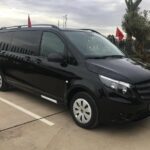
Your day starts in Marrakech with pickup from your accommodation. You ride in an air-conditioned vehicle, which is genuinely helpful on travel days in Morocco, especially if it’s hot.
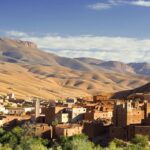
The drive brings you toward Imlil, a trailhead area around 1740m. Why it matters: you’re not just “arriving and walking.” You’re starting your first hiking day already at a high elevation, and you’re positioned for the gradual climb toward the Toubkal refuge.
Also, this is a private tour/activity, meaning only your group participates. That matters on a short trek. When time is tight, you don’t want to wait around for a big group schedule.
Day 1: Imlil (1740m) to the Toubkal Refuge (3207m)
Day one is about building altitude without burning out. You leave Imlil and work your way up the valley.
The Valley Route: Aït Mizane to Aremd
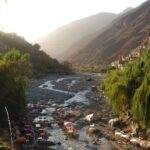
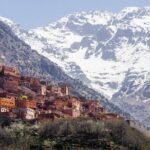
From Imlil, you trek into the valley of Aït Mizane, then continue toward the village of Aremd. This is the kind of hiking that feels like travel through real mountain life, not just a track in the wilderness. You’ll be walking for about 4–5 hours on day one, so it’s a solid start, but still manageable for people with moderate fitness.
The best part of this approach is that your body gets a chance to adjust. Instead of jumping immediately into the hardest-looking terrain, you climb steadily toward higher ridgelines.
Sidi Chamarouch and a Waterfall Stop
Next comes the sanctuary of Sidi Chamarouch and a nearby waterfall. Stops like this do more than break up the walking. They give you natural moments to catch your breath, refocus, and take in what the mountains look like when you’re not yet at the top.
If you’re the type who loves little “why does this place exist here” details, this is a good day for that. Religious sites and local landmarks often become part of the trail story.
Final Push to the Refuge
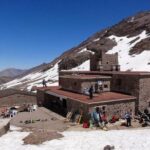
From there, the hike turns steeper as you go toward the Toubkal refuge at 3207m. You’ll spend the night in the refuge, which is a huge part of making a 2-day summit realistic. Without that stop, you’d be pushing too hard to fit the schedule safely and comfortably.
Practical tip: day one can feel deceptively busy because you’re climbing and stopping. Save your biggest energy for tomorrow’s early summit attempt.
Day 2: Sunrise Summit of Jebel Toubkal (4167m) and the Descent

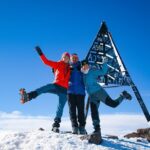
Day two starts early. That’s not just for romance; it’s part of how you manage energy and temperature at high altitude. You’ll head from the refuge to the summit of Jebel Toubkal at 4167m.
The Ascent: Streams, Rocks, and a Slow Build to the Plateau
The route includes crossing streams and moving over rocky sections. The key here is not speed—it’s rhythm. On steep terrain, the person who wins is usually the one who keeps stepping evenly even when the body wants to rush or stop too often.
You’ll then reach the plateau, where you can take a break and start letting the day shift from effort to reward.
The View: Marrakesh Plain North, Anti-Atlas and Sahara South
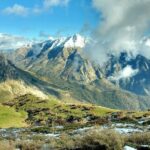
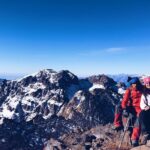
When you’re up near the summit, you get broad visibility over the region. The plan highlights views including the plain of Marrakesh and the High Atlas to the north, plus the Anti-Atlas and toward the Sahara to the south.
This is one of those moments where a summit height number becomes a visual experience. You’ll understand quickly why people make this climb a bucket list item.
The Return: Back Down to Imlil
After reaching the summit, you start down gently toward the refuge, then continue down to Imlil (1740m) and on back to Marrakech.
Expect around 9 hours of walking plus about 1.5 hours of driving connected with the overall day and return. In other words, day two isn’t just “summit and done.” It’s a long trek day with one big payoff.
Guides, Mules, and Pace: What Makes This Trek Feel Doable

A lot of people assume summit hikes are purely about grit. Yes, you need determination. But what often makes or breaks your experience is how the trek is paced and organized.
This trip relies on a mountain guide and mules to carry your bags. That mule support is more than convenience. It affects fatigue. When your hands are free of heavy pack weight, you’re more likely to keep steady movement on rocky sections.
Guide quality matters too. The feedback includes experiences with guides such as Rachid and Mohammed/Muhammad, with emphasis on route knowledge and not rushing people when they’re tired. That’s exactly what you want on a tight 2-day plan. If the guide pushes too hard, you’ll pay for it at altitude.
If you’re thinking about skills: you don’t need mountaineering experience. Still, you should be ready for footwork, uneven terrain, and a “walking for hours” mindset.
What’s Included vs. What You’ll Need to Bring
This is where you can quickly judge whether the trek fits your style and comfort level.
Included
You’ll have:
- Accommodation in the Toubkal refuge
- Experienced mountain guide
- Mules for bag carry
- Ice ax in winter
- Meals: 2 lunches, 1 dinner, 1 breakfast
- Mineral water, plus coffee and tea
- Air-conditioned vehicle transport
Not Included
You’ll need to handle:
- Tips for the guide and driver
- Soda/pop
- Sleeping bags
That last item deserves attention because you’re sleeping at 3207m. Even if the day is warm, high-altitude nights can feel sharp. If you’re sensitive to cold, don’t wait until arrival to figure out what you’ll use.
Fitness and Who This Trip Suits Best
This trek is listed for moderate physical fitness. That’s a useful line because it’s not claiming this is easy. It’s challenging, with steep sections and a long day two.
It also suits people who:
- want a high, iconic climb without technical mountaineering training
- prefer a structured plan with a guide and meals handled
- like sunrise experiences and big panoramic viewpoints
- want a shorter trip than multi-day treks but still want a real summit day
If you struggle with long steep hikes or you’re unsure how altitude affects you, you should think carefully before booking. A 2-day summit is fast by design, and your body won’t get much time to ease in.
Logistics That Matter: Private Group, Mobile Ticket, and Planning Ahead
A few practical points can save you stress:
- It’s private: only your group participates. Less waiting, more control over your pace.
- You’ll use a mobile ticket. Keep your phone charged.
- Service animals are allowed (if that’s relevant for your group).
- It’s near public transportation, which can help if you’re adding extra days in Morocco.
- This trek gets booked far ahead on average, so it’s smart to plan early rather than assume last-minute space.
Free cancellation up to 24 hours in advance is offered, so you have some flexibility if your plans change.
Should You Book This 2-Day Toubkal Trek?
Book it if you want the most direct, organized way to reach the top of Jebel Toubkal in two days, with guide-led pacing, mule support, and the refuge night handled for you. The combination of sunrise summit timing plus a realistic ascent schedule is what makes this itinerary work.
Skip it—or at least pause and reassess—if you know you hate long steep walks, or if the idea of a chilly refuge night and a heavy hiking day two sounds miserable. This trek isn’t “just a hike.” It’s a serious mountain day with a single, high reward.
If you’re the type who likes clear goals, dramatic views, and a plan that takes care of the hard logistics, this is a strong choice.
FAQ
How long is the trek on each day?
Day 1 includes about 4–5 hours of walking from Imlil to the Toubkal refuge. Day 2 is a longer summit day, with around 9 hours of walking plus about 1.5 hours of driving for the overall return.
What’s the highest elevation you reach?
You’ll reach the summit of Jebel Toubkal at 4167m.
Do I need mountaineering experience?
No. The trek is described as challenging, but it does not require mountaineering experience.
Is accommodation included?
Yes. You stay overnight at the Toubkal refuge.
What meals are included?
The package includes 2 lunches, 1 dinner, and 1 breakfast, plus mineral water and coffee and tea.
What should I bring since sleeping bags are not included?
You’ll want to plan for a cold night at the refuge since sleeping bags aren’t provided. The trip also doesn’t include soda/pop, and tips for the guide and driver are not included either.