REVIEW · KATHMANDU
Explore The Beauty Of Langtang Valley In 8-Days Trek
Book on Viator →Operated by Bold Himalaya Treks and Travels Pvt Ltd · Bookable on Viator
Langtang Valley feels big, but not complicated. I like how this trek mixes real mountain time with flexible pacing that lets you stop for photos and catch your breath. You also get an experienced, friendly guide who shares Himalayan culture and nature while keeping the group moving at a realistic speed.
I especially value the teahouse nights and included meals that take decision-making off your plate. The main drawback is the effort: even on a 8-day plan, you will climb day after day, so beginner-friendly pacing matters and you should plan to walk slowly and acclimate.
In This Review
- Key highlights worth knowing
- Langtang Valley in 8 Days: what this trek gets right
- Getting from Kathmandu to Syabrubesi (and why the day 1 drive matters)
- The climb to Lama Hotel: suspension bridges and your first altitude lessons
- Langtang Village at 3,430m: forests, meadows, and steady gains
- Kyanjin Gompa (3,870m): short hike, big feeling, real mountain views
- Tserko Ri option: choosing your extra challenge
- Heading back to Lama Hotel and Syabrubesi: retracing with better perspective
- Teahouses, meals, and the comfort level you can count on
- The guide experience: why names like Sorbit and Garap matter
- Cultural show and farewell dinner: one night that adds meaning
- Price and value: is $270 actually a good deal?
- Who this trek suits best (and who might want a different plan)
- Practical tips before you go
- Should you book this Langtang Valley trek?
- FAQ
- How long is the Langtang Valley trek?
- Where does the trip start?
- What is the price per person?
- Is pickup and drop-off included?
- What kind of accommodation will I get during the trek?
- What meals are included?
- Will I have a guide?
- Can beginners join this trek?
- Is there an optional hike?
- What is not included in the price?
- What is the cancellation policy?
Key highlights worth knowing
- Syabrubesi to Lama Hotel starts with a long scenic jeep ride, then a classic first trek across suspension bridges
- Langtang Village to Kyanjin Gompa gets you above the tree line into dramatic, high-valley views
- Optional Tserko Ri (4,984m) gives a 360-degree payoff without forcing everyone to go for it
- Teahouses + meals included keeps costs predictable and reduces logistics stress
- Strong operator support shows up in real-life problem-solving in the reviews, including help when luggage goes missing
Langtang Valley in 8 Days: what this trek gets right
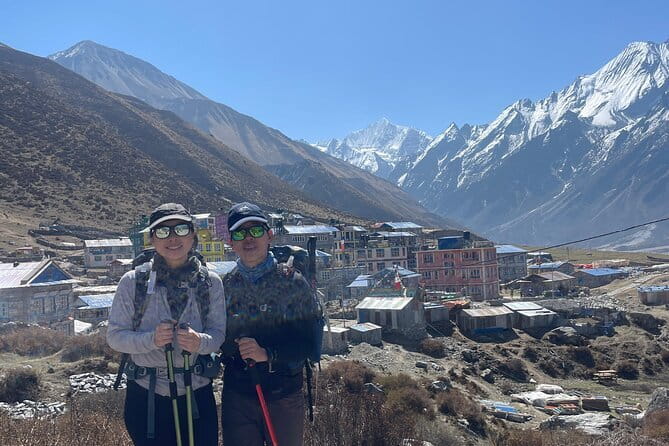
Langtang Valley is the kind of trek that rewards you for consistency. You do not just sprint from viewpoint to viewpoint. You work your way up from Syabrubesi through forests, overbridges, and settlements, then spend real time around Kyanjin Gompa where the mountains feel close.
This particular 8-day structure is built to suit different comfort levels. The plan is flexible, which matters more than most people expect. If you need extra breaks for photos, snacks, or slower acclimation, you do not feel like you are fighting a clock.
The other big win is comfort without turning the trek into a tour bus. You stay in teahouses along the route, and meals are included. That means you can focus on walking and scenery, not price comparisons and where you will eat tonight.
You can also read our reviews of more tours and experiences in Kathmandu.



Getting from Kathmandu to Syabrubesi (and why the day 1 drive matters)
Day 1 is mostly travel, with a scenic jeep ride to Syabrubesi that takes about 6 hours. You leave Kathmandu and watch the terrain change: valleys, villages, rivers, and waterfalls along the way. It is a long start, but it also sets expectations. The trek begins when your body is already warmed up to the motion of traveling.
If you are the type who gets stiff in the car, this is where you can prepare. Pack a small stretch routine for after the ride, and use the first teahouse evening to settle in early. You will climb the next day, so sleeping earlier can make a difference.
Also, note the overall rhythm: you are not doing a quick in-and-out trek. This is a serious mountain trip with full days of walking, balanced by rest built into the schedule.
The climb to Lama Hotel: suspension bridges and your first altitude lessons
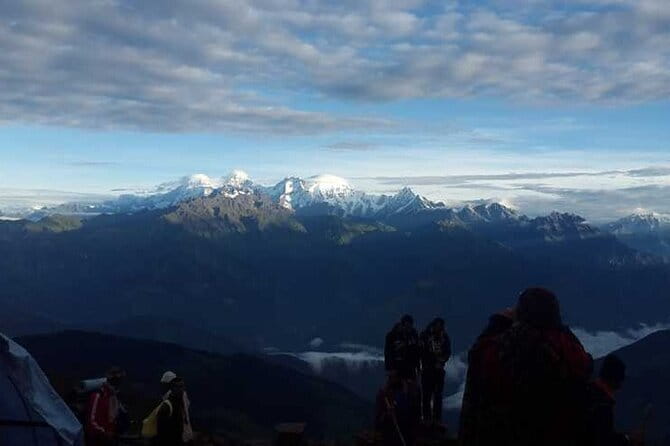
On Day 2, you start from Syabrubesi and trek to Lama Hotel (2,380m). The walk takes about 5.5 hours. The trail climbs from the start, and one of the most memorable early moments comes from crossing suspension bridges over the Bhote Koshi and Langtang rivers.
Those bridges do two useful things for first-timers. They break up the hike into manageable chunks, and they give you a feel for the valley’s power and geography right away. You get a sense of why this area is so dramatic.
The practical side: plan your energy for a steady pace rather than a fast push. Even if you feel good early, the day 3 climb will ask for that patience again.
Langtang Village at 3,430m: forests, meadows, and steady gains
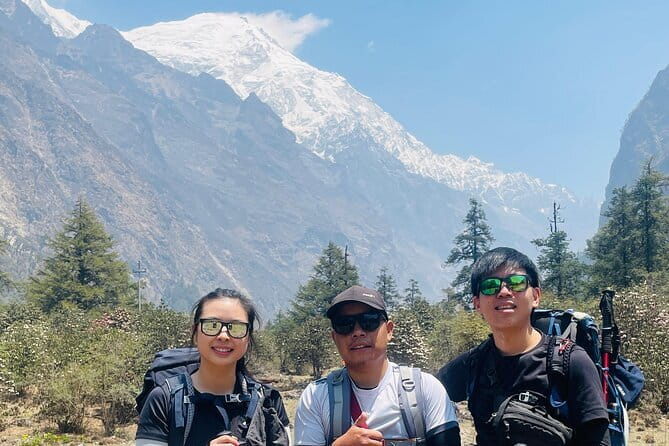
Day 3 is where the trek starts to feel noticeably higher. You trek from Lama Hotel to Langtang Village (3,430m), about 6 hours. The route ascends through forests and meadows, and you move from darker woodland sections into more open stretches where views start to show up more often.
This is the day where pacing becomes your best tool. If you go out too quickly, you pay for it later. If you keep your effort steady, you can enjoy the walking more and save energy for Kyanjin Gompa.
If you are traveling with mixed abilities, this is also where the group format helps. The plan is designed to work for beginners and experienced trekkers by allowing breaks and adjusting speed, rather than forcing everyone into one pace.
Kyanjin Gompa (3,870m): short hike, big feeling, real mountain views
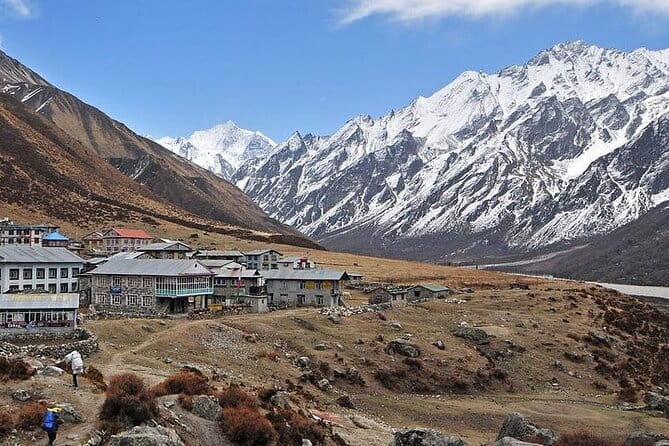
Day 4 takes you from Langtang Village to Kyanjin Gompa (3,870m) in about 4.5 hours. It is a shorter day than Day 3, but the reward is strong: panoramic vistas of surrounding peaks, plus the sense that you have reached a focal point of the region.
Kyanjin Gompa is not about ticking boxes. It is about settling in. You will have time to explore and take in the views from different angles, which can make the entire trek feel more personal.
This is also the day to pay attention to how your body is responding to altitude. If you are feeling fine, you can keep your energy up. If you are not, you will want to keep things calm and avoid extra exertion.




Tserko Ri option: choosing your extra challenge
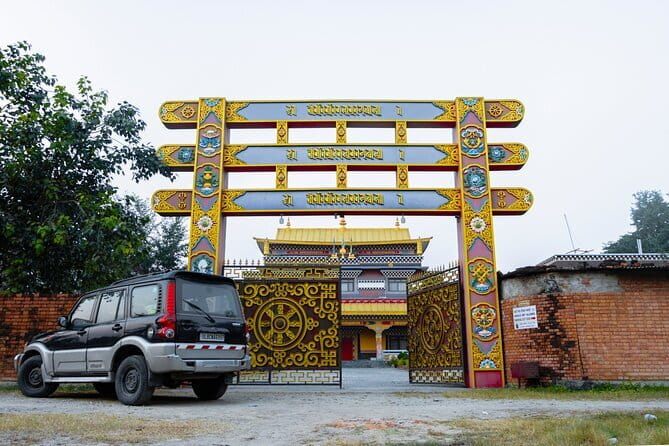
Day 5 is built around a major option. You wake up for a 360-degree view experience around Kyanjin Gompa, then you have the choice to take an optional hike to Tserko Ri (4,984m). The plan lists the optional day as up to about 7 hours total.
If you go for Tserko Ri, it is not a casual stroll. It is the kind of hike where you benefit from conservative pacing and staying focused on breathing. The pay-off is the altitude and the view reach—often the part of the trek people remember most.
If you do not go, you are not stuck. You still spend time at Kyanjin Gompa enjoying the area and letting your legs recover before the return trek.
Heading back to Lama Hotel and Syabrubesi: retracing with better perspective
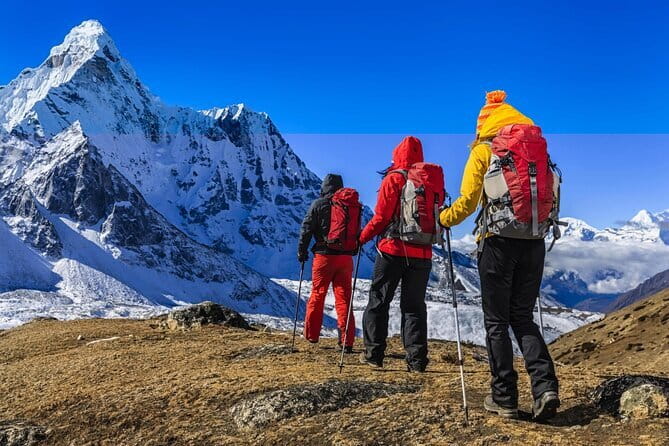
Day 6 takes you back down from Kyanjin Gompa to Lama Hotel (2,380m), around 6 hours. Retracing steps can sound boring, but it usually feels different on the way down. You notice details you missed on the way up, and your body often moves with more confidence.
You will also pick up an important lesson: downhill can be as tough as uphill for your knees. Take shorter steps when needed, and do not treat the descent like a victory lap.
Day 7 continues the return to Syabrubesi (the plan notes about 5 hours), passing through lush green forests and rolling hills. The softer terrain helps you unwind and enjoy the sounds of rivers and the shift back toward lower elevations.
Finally, Day 8 drives you back to Kathmandu in about 6 hours. It is a long finish day, but it gives closure: you leave the trekking pace behind and carry the mountain views into city life.
Teahouses, meals, and the comfort level you can count on
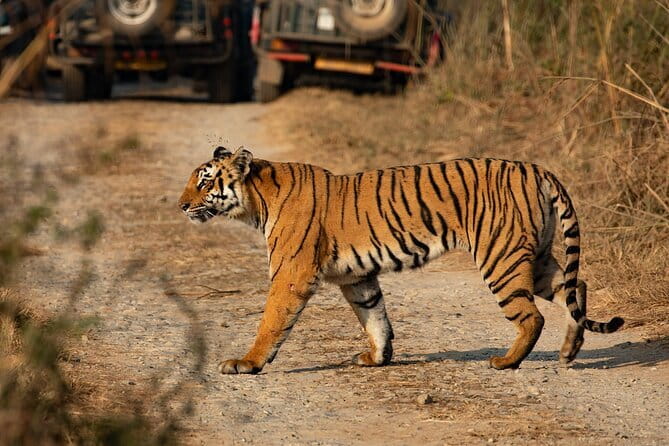
This trip includes accommodation in teahouses along the route. That usually means basic but cozy rooms, with you paying attention to warmth and layers rather than luxury.
Meals are included in a clear pattern: breakfast is included for 7 days, and lunches and dinners are included for the full trekking schedule (the plan notes 8 lunches and 7 dinners, with some seasonal fruits during the trek). This is one of the strongest value points because you do not need to guess your food budget every day.
You will also get regular breaks and refreshments during the trek. That matters because it supports steady walking, rather than pushing you to snack only when you are already out of energy.
What is not included is also straightforward: bar bills and personal expenses. In other words, you should plan your spending based on non-meal choices, not core trip costs.
The guide experience: why names like Sorbit and Garap matter
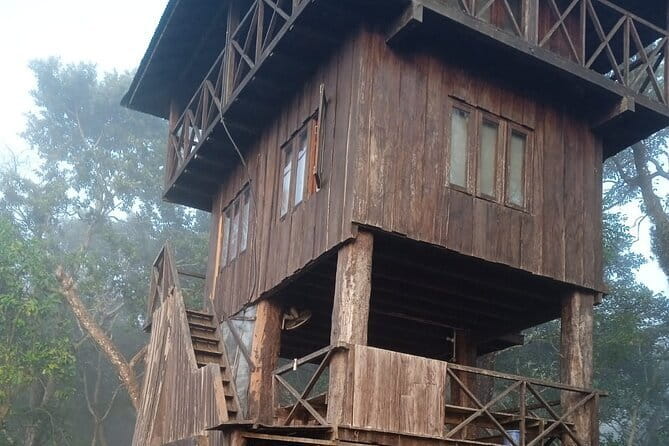
The operator behind this trek is Bold Himalaya Treks and Travels Pvt Ltd, and the reviews highlight two things that can seriously change the quality of your trip: personal attention and calm problem-solving.
One review calls out Sorbit by name for being warm and for staying engaged when things went off plan, including helping with a luggage issue after arrival in Kathmandu and escorting the traveler while sorting out necessities in Thamel. That is not a small detail. When a trek starts, being able to handle stress without chaos is worth a lot.
Another review describes a solo trek and credits guide Garap as outstanding, especially for support during a first time high-altitude trek. If you are nervous about doing this kind of trip alone, this kind of guide support is a reassuring signal.
Even the more general benefits in the plan point the same direction: an English-speaking guide, plus guidance on Himalayan culture and nature. You are not just walking; you are learning what you are passing.
Cultural show and farewell dinner: one night that adds meaning
This trip includes one special cultural show and a farewell dinner program. That is not just entertainment. It is a moment to slow down after the physical work, eat well, and connect the trek to the people and traditions of Nepal.
For many trekkers, this is also the easiest night to remember clearly when you think back on the entire trip. The mountains do the heavy lifting visually, but cultural moments help the trip feel complete.
Price and value: is $270 actually a good deal?
$270 per person for an 8-day Langtang Valley trek is priced like a budget-to-midrange adventure, not a premium expedition. The value comes from what is bundled:
- teahouse accommodation along the trek route
- guide salary, insurance, and their own meals and lodging
- most meals (breakfast, lunch, dinner) across the trekking days
- pick-up and drop-off support in Kathmandu
- a cultural show and farewell dinner
Because these items are included, you are not constantly adding cost in the middle of the trip. That makes budgeting easier and reduces the chance that one surprise expense derails your plans.
One caution: you still need to budget for personal expenses and anything beyond included meals, like bar bills. Also, if you want a specific hotel level in Kathmandu, the plan notes accommodation options from 3-star to 5-star can be arranged at an extra cost.
Overall, the $270 price makes sense if you want the core trek experience without getting nickel-and-dimed for logistics.
Who this trek suits best (and who might want a different plan)
You will likely love this trek if you want:
- a classic route into Langtang Valley
- steady daily structure with built-in breaks
- teahouse comfort and included meals
- a clear optional challenge with Tserko Ri
This plan is also designed for beginners, with the recommendation to walk at your own pace to acclimate effectively. If you are coming in as a first-time trekker, the option to go slower without feeling like you are falling behind is a real advantage.
If you are an ultrafast hiker who wants long mileage with minimal stops, you might find the schedule more relaxed than you expect. But that relaxation is exactly what makes the trek more manageable for most people.
Practical tips before you go
A few small things can make the trip smoother:
- Get a local SIM card after you arrive in Kathmandu (the plan recommends it).
- Be ready to send a copy of your passport after booking for document preparation.
- Pack layers for temperature swings, especially as you climb higher.
- For Tserko Ri day, keep your mindset flexible. If you feel off, it is fine to choose the safer option.
If you treat the trek like a steady rhythm rather than a race, you will enjoy more of what is happening on the trail.
Should you book this Langtang Valley trek?
If you want a well-paced 8-day Langtang Valley experience with included meals, teahouses, and an English guide who supports first-timers, this is a solid choice. The flexible pacing and the strong guide reputation are the deciding factors for me, especially if this is your first high-altitude trek or you are traveling solo.
I would only think twice if you hate long travel days or you want a purely fast, high-intensity itinerary. Otherwise, this is the kind of practical trek that turns effort into payoff—one day at a time.
FAQ
How long is the Langtang Valley trek?
The trek is about 8 days (approx.).
Where does the trip start?
You meet near Tribhuvan International Airport in Kathmandu, Nepal.
What is the price per person?
The listed price is $270.00 per person.
Is pickup and drop-off included?
Yes, pick-up and drop-off services in Kathmandu are offered.
What kind of accommodation will I get during the trek?
You’ll stay in teahouses along the trek route.
What meals are included?
Breakfast, lunch, and dinner are included on the trekking days (with breakfast included for 7 days and lunch/dinner included as noted in the plan), plus some seasonal fruits during the trek.
Will I have a guide?
Yes. You’ll have an in-person English-speaking trekking guide, with guide salary, accommodation, meals, and insurance included.
Can beginners join this trek?
Most travelers can participate. If you are a beginner, the plan recommends walking at your own pace to acclimate better.
Is there an optional hike?
Yes. There is an optional hike to Tserko Ri (4,984m) from Kyanjin Gompa for more adventurous trekkers.
What is not included in the price?
Bar bills and personal expenses are not included.
What is the cancellation policy?
You can cancel for a full refund up to 24 hours before the experience starts. Less than 24 hours before start time is not refundable.