REVIEW · MARRAKECH
3 Day Trek in the Atlas Mountains and Berber Villages from Marrakech
Book on Viator →Operated by Targa Travel & Trekkinginmorocco · Bookable on Viator
Three days, and the Atlas takes over. I love stopping for mint tea in a traditional Berber home and hiking between villages toward high passes with big mountain scenery. One thing to keep in mind: communication can be spotty, and a few people reported pickup or day-plan confusion, so confirm details early.
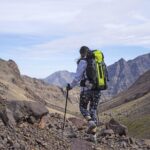
This trek is at its best when you treat it like a culture trip as much as a hike. You’ll eat with local families, sleep in guesthouses or gites, and learn what you’re walking through with a guide who keeps the pace human—sometimes even adjusts for comfort levels. Bring solid hiking shoes and expect cold nights.
In This Review
- Key things that make this Atlas trek worth it
- Getting out of Marrakech: your private ride to Imlil
- Day 1: Imlil to Tizi n’ Tamatert, then on to Tachdirt or Tinghourine
- Day 2: Oudit Pass hiking, Ikkis and Aguersiwal, ending with hamam in Ait Aissa
- Day 3: The Toubkal National Park waterfall, Mzik Pass views, and down to Imlil
- Price and value: why $145 can make sense (and where costs creep in)
- Guides and pacing: what you should look for on the ground
- Where you sleep: guesthouses, gites, and the reality of mountain nights
- What to pack for this High Atlas walk
- Should you book this Atlas Mountains trek?
- FAQ
- What time does the trek start, and where does it start?
- Is pickup from my Marrakech hotel included?
- How long is the trekking each day?
- What meals are included?
- Are lunches included?
- Does the tour include soft drinks?
- How is luggage handled during the trek?
- What should I bring?
- Is there a minimum age?
Key things that make this Atlas trek worth it
- Berber home tea stop with a family-style welcome early in Day 1
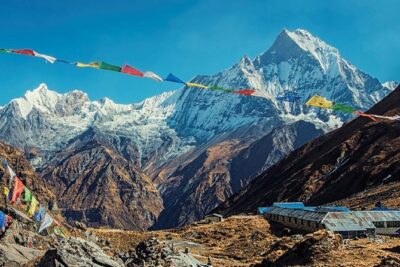
- High Atlas pass routes with passes reaching about 2,300–2,500m
- Mule carry for your baggage, so your hike feels more like a trek than a pack-march
- Ait Aissa gite stay with an optional evening hamam (steam bath)
- Meals built around breakfast and dinner, while lunches may be extra depending on the day
- Private-tour promise, but plan to double-check exact pickup timing so your first hours go smoothly
Getting out of Marrakech: your private ride to Imlil
This tour starts from Marrakech around 9:00am, with pickup offered from your hotel. The goal is simple: get you out of city noise and up into the High Atlas where life changes from street-level hustle to village paths and mountain passes.
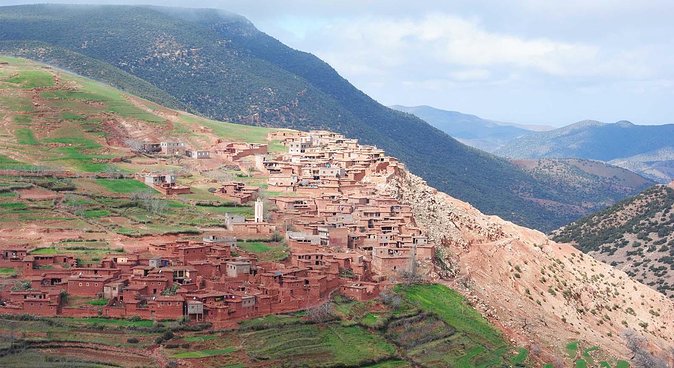
You’ll be taken to the Imlil area, which is the usual jumping-off point for treks in this region. The value of the private transport is that it buys you time—less time sorting logistics, more time learning the rhythm of the villages you’ll pass.
You can also read our reviews of more tours and experiences in Marrakech.

Day 1: Imlil to Tizi n’ Tamatert, then on to Tachdirt or Tinghourine
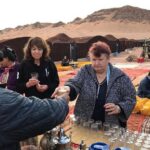
Day 1 is where you start to feel the real switch—from Marrakech streets to Berber village walking. After you leave Imlil, you’ll begin with a steady start: about 1 hour of walking leads you to a traditional Berber home for mint tea. This isn’t just a photo stop; it’s the kind of moment that sets expectations for the next two days. You see how hospitality works here before you even reach the passes.
Next comes the big viewpoint moment of the day: the route climbs to Tizi n’ Tamatert (about 2,300m). After reaching the pass, you’ll have lunch on the pass, then continue toward your final village for the night—Tachdirt (Tachddirt) or Tinghourine—where you sleep in a guesthouse.
What I like about Day 1 is the flow. You get walking, a local welcome, a pass summit, and then a village finish without it feeling like one long slog. The possible catch? Since lunches aren’t consistently listed as included, budget extra for food on the trail, especially if your group is charged at meal stops.
Day 2: Oudit Pass hiking, Ikkis and Aguersiwal, ending with hamam in Ait Aissa
Day 2 is the day with the clearest time-on-foot expectations: plan for about 4–5 hours of trekking. You start from Tinghourine or Tachdirt and head toward Ikkis, Aguersiwal (around 2,100m), and Matat, then continue on to Ait Aissa.
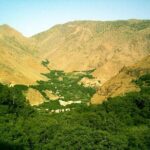
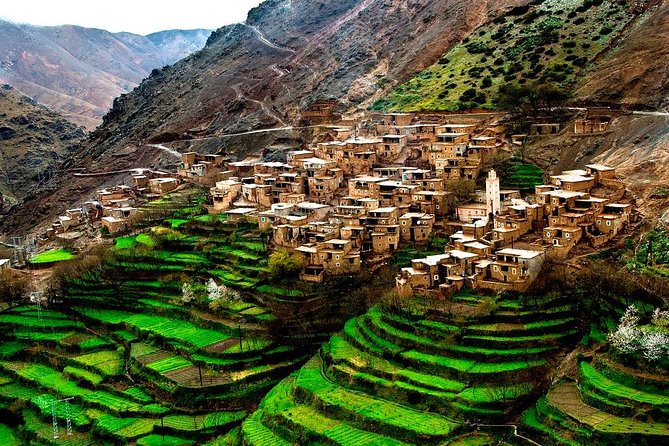
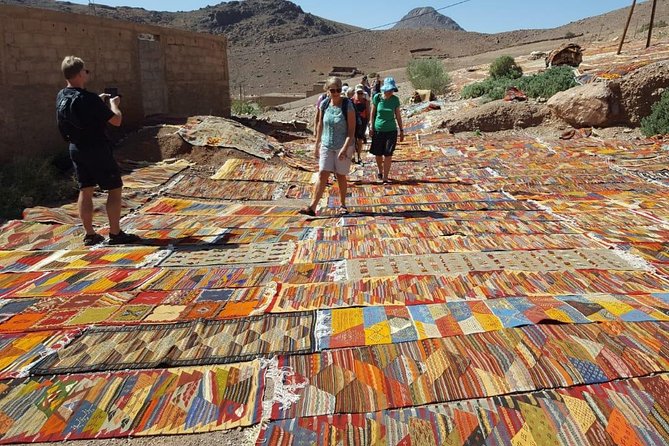
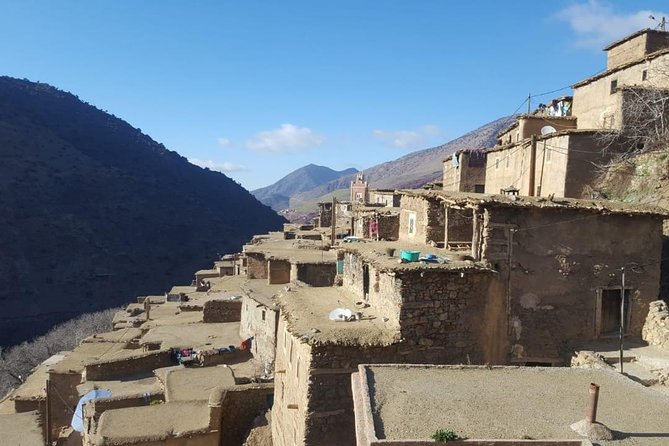
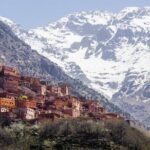
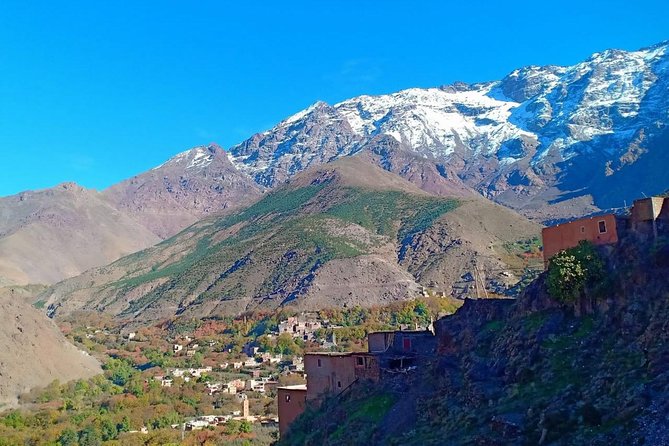
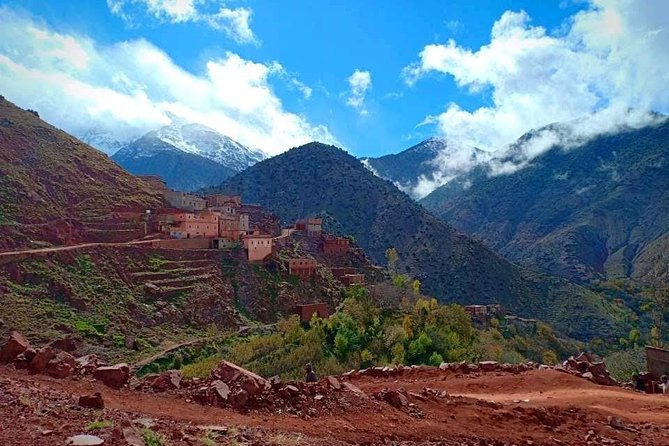
The route follows along the Oudit Pass (around 2,200m), which matters because passes are where you get the best sense of scale in the High Atlas. You’ll see how villages sit on slopes, how valleys open up, and how the walking path becomes the community’s road.
By evening, you arrive at Ait Aissa for a gite stay. There’s an optional hamam (steam bath) if you want to use it. This is a practical quality-of-life detail: after hours of walking, a warm steam helps reset your legs and makes the night feel less rough.
One realistic consideration: some past guests reported that organization and communication weren’t always tight, including pacing and what they received on the ground. You can protect yourself by asking your guide to confirm the next day’s timing before you settle in.
Day 3: The Toubkal National Park waterfall, Mzik Pass views, and down to Imlil
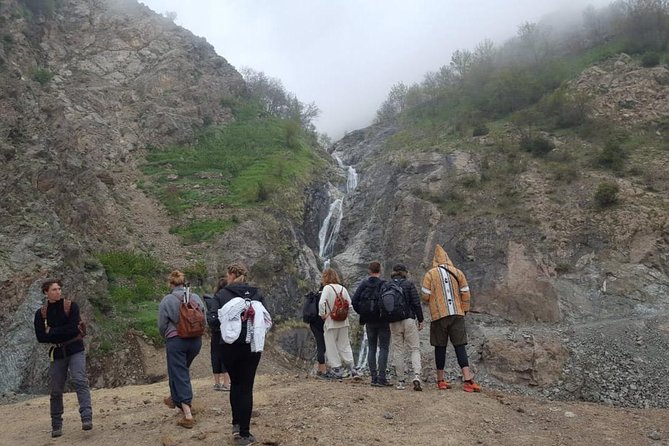
Day 3 starts with a highlight that’s easier than it sounds. You’ll visit the biggest waterfall in Toubkal National Park, which is a nice change of pace from constant climbing.
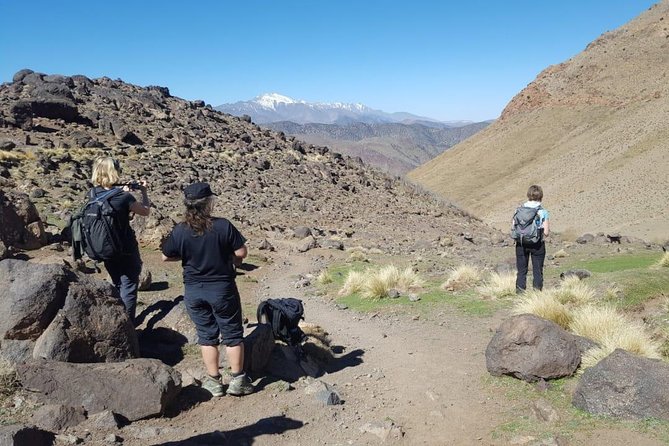
After that, you move onto the path over Mzik Pass (about 2,500m). This is the high point of the trip and the moment where the trail earns its reputation. From the pass, you get views over the Ait Mizan valley, and the whole hike starts to feel more like watching than rushing—especially if your guide sets a steady pace.
Then comes lunch in Mzzik, followed by the descent down to Imlil, where the trek ends. From there, you’ll be transferred back to Marrakech.
Day 3 is about balance: a must-see natural moment (the waterfall), a big elevation viewpoint (Mzik Pass), and then a descent that lets your body recover before you’re back in Marrakech traffic.
Price and value: why $145 can make sense (and where costs creep in)
At $145 per person for a 3-day trek, the big value is what’s included. You get private transport between Marrakech and the trekking area, a local guide, accommodation, and mule support for baggage. You also get food for 3 days: breakfast and dinner.
Where costs can creep in is lunch and drinks. The tour description lists soft drinks as not included, and the meals included are breakfast and dinner. Yet on the ground, multiple people reported paying for lunch at meal points (for example, figures like 60 or 70 dirham per meal show up in past experiences). Plan for that.
Also, bring extra cash or card backup for snacks and water. Even though the trekking is supported by a guide and mule carry for your bags, a few past guests said they had to buy their own water. The safest move is to treat water and lunches as your flexible budget items.
Guides and pacing: what you should look for on the ground
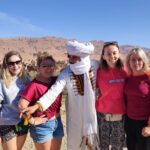
This tour is guide-led, and the difference is noticeable. Names that came up in past experiences include guides like Hossain, Idris, Mohamed, Marwan, Omar, Hassan, Larbi, Abdul, Abraham, and Driss. While every guide has a personal style, the best ones tend to do two things well: keep your walking pace realistic and explain what you’re seeing in the villages.
Pacing is especially important here because the tour offers options based on fitness level, including a gentler plan that may involve a mule ride. Even if you’re comfortable hiking, you’ll appreciate that flexibility if someone in your group needs to slow down.
One practical way to make this smoother: ask your guide early—on the first morning—how the day timeline will work and what route adjustments are possible if weather or energy levels shift.
Where you sleep: guesthouses, gites, and the reality of mountain nights
The lodging is part of the cultural trade-off. Day 1 is typically a guesthouse in the village you reach. Day 2 is a gite in Ait Aissa, and you may be able to use the hamam.
From past experiences, accommodations are often basic rather than hotel-comfy. Some people noted hot water in certain stays, and others emphasized warmth and blankets for cold evenings. The consistent message: nights in the Atlas can feel freezing, even when daytime is fine.
Bring warm layers. A down jacket or thick insulation is a smart call. If you run cold, pack extra gloves or a hat. This is the kind of trek where comfort at night makes the next morning easier.
What to pack for this High Atlas walk
The tour recommends walking shoes, plus sunglasses, sun cream, and a camera. That’s the minimum.
Here’s what I’d add based on what tends to matter on these passes:
- Warm layers for evening and morning (the 2,000m+ air can bite)
- A down jacket if you feel cold easily
- Enough water for your pace (don’t rely on last-minute purchases)
- A small daypack so you’re not constantly digging for essentials
If your plan includes hamam, you might also want a small towel or quick-dry item, though the tour doesn’t specify gear for it.
Should you book this Atlas Mountains trek?
Yes, if you want a short Morocco escape that mixes Berber village life with real time on mountain trails. This is also a good fit if you like guided hikes where you don’t have to figure out routes or logistics yourself—private transport and a local guide do the heavy lifting.
I’d hesitate or at least prepare carefully if you hate uncertainty in the first few hours. Some past guests reported communication gaps and day-plan confusion on arrival, so confirm pickup timing and ask exactly where you’ll meet your guide.
If you’re an average hiker who enjoys villages, passes, and mountain days, this trek is likely a strong match. And if plans change, you may have flexibility: the experience allows free cancellation up to 24 hours in advance.
FAQ
What time does the trek start, and where does it start?
The start time is 9:00am, and the meeting point is in Marrakech. The tour departs from Marrakech and later returns to the same meeting point.
Is pickup from my Marrakech hotel included?
Yes. Private transport to and from your hotel in Marrakech is included.
How long is the trekking each day?
Day 2 is listed as 4–5 hours of trekking. Day 3 is listed as about 4 hours of trekking. Day 1 includes walking segments up to the pass, but the exact total hiking hours aren’t stated.
What meals are included?
The tour includes food for 3 days, specifically breakfast and dinner.
Are lunches included?
Lunches are part of the day’s described route (like lunch on the pass), but lunch isn’t listed under included meals. In practice, you may need to pay for lunch, so plan for that.
Does the tour include soft drinks?
No. Soft drinks are not included.
How is luggage handled during the trek?
Your baggage is carried by mule, which is included.
What should I bring?
The tour recommends walking shoes, plus sunglasses, sun cream, and a camera. It’s also wise to bring warm layers for cold mountain nights.
Is there a minimum age?
Yes. The minimum age is 3 years.