REVIEW · MARRAKECH
3 Days Desert Tour From Marrakech To Merzouga dunes & camel trek
Book on Viator →Operated by ADVENTURE MOROCCO TRIPS · Bookable on Viator
A Sahara night is the main event here. You’ll get a fast jump from Marrakech to the Atlas Mountains, then down to Erg Chebbi for a guided camel trek and a Berber-style bivouac under the stars. It’s a lot of driving, but the route hits the big-name highlights without feeling like you’re on a bus tour all day.
I really like that this tour is set up around the essentials: air-conditioned transport plus a true overnight in the desert with a camel ride built in. I also like the pace on Day 1 and Day 2, because you don’t just “pass through” the sights—you stop for real time at Aït Benhaddou and Todra Gorge.
One thing to consider: hotel details and meal stops can feel variable. A few comments point to mismatches with what people expected and extra costs for add-ons that aren’t listed as included (like sandboarding), so you’ll want to stay clear on what’s actually covered.
In This Review
- Key points before you go
- From Marrakech to Erg Chebbi: what this 3-day route delivers
- Day 1: Tizi n’Tichka, Aït Benhaddou, and the Dades/Tinghir stopover
- Day 2: Todra Gorge, Merzouga hotels, then the Erg Chebbi camel trek
- The desert night: bivouac on the dunes and what to expect
- Food, meals, and the money side of dinner
- Price and value: is $117.25 a smart deal?
- Group size, guides, and how to avoid pickup headaches
- Practical planning tips that actually help on this tour
- Who this Marrakech to Merzouga tour suits best
- Should you book this Marrakech to Merzouga desert tour?
- FAQ
- What does the tour price include for the 3 days from Marrakech to Merzouga?
- Are lunches and drinks included?
- How long is the tour and what route does it cover?
- Is pickup offered, and where is the meeting point?
- What’s included about the camel experience?
- What happens if weather is bad?
Key points before you go
- Tizi n’Tichka pass views with stops through High Atlas Berber villages and scenic valleys
- Aït Benhaddou UNESCO site plus a lunch stop in the same area
- Todra Gorge and oases en route to Merzouga, before you switch gears to desert time
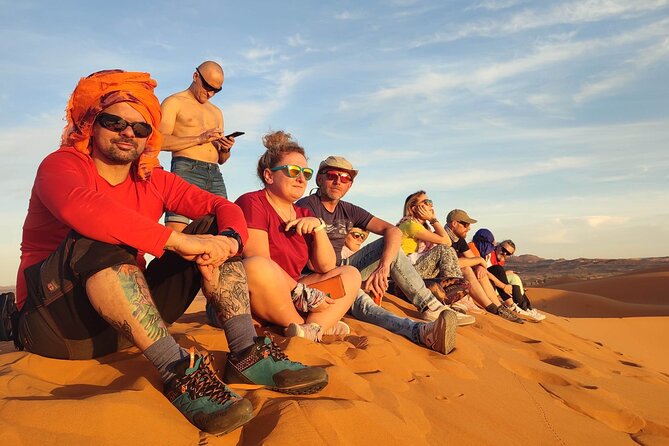
- Erg Chebbi camel trek with sunset/sunrise timing opportunities
- Berber-style bivouac included, with two breakfasts and two dinners
- Small group size (activity notes up to 18, with a max of 15 travelers)
From Marrakech to Erg Chebbi: what this 3-day route delivers
This is a classic “see Morocco fast, sleep in the Sahara” format, and it works if you’re the type who likes big scenery days followed by a real night somewhere unusual. Your base jump is from Marrakech to the High Atlas, then down to Merzouga to meet the Erg Chebbi dunes. The tour doesn’t try to do everything; it aims to connect the dots between some of the most recognizable places in Morocco.
I like that the trip includes the desert overnight and the camel crossing as part of the same experience chain. Many tours sell the dunes, but you end up doing extra steps to make the night happen. Here, you’re meant to reach camp by camel and then return your focus to the road again.
The driving days are long on paper, so treat the comfort level as part of the value. The vehicle is air-conditioned, and pickup is offered. If you’re prone to travel fatigue, you’ll feel it most on Day 1 and Day 3, but the itinerary is also designed around key stop windows rather than nonstop transit.
You can also read our reviews of more tours and experiences in Marrakech.
Day 1: Tizi n’Tichka, Aït Benhaddou, and the Dades/Tinghir stopover
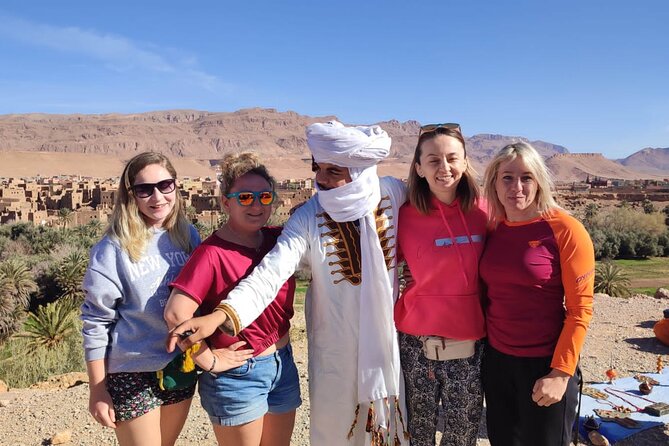
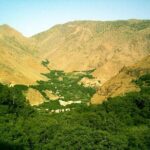
Day 1 starts early, around 7:00 am pickup, then you roll out toward the High Atlas pass of Tizi n’Tichka. This is the part of the trip where you’re mostly collecting views, mountain villages, and that sense of Morocco stretching upward before it drops into valleys.
Your route includes traditional High Atlas Berber villages, and then you move to Kasbah Aït Benhaddou, a UNESCO World Heritage site. You’ll visit the kasbah and have lunch in the Aït Benhaddou area, which matters because it’s not just a photo stop. You’re given time to actually walk the place and take in why it’s protected.
After that, you pass through Ouarzazate and stop at a supermarket before continuing toward Tinghir through the roses and Dades Valley area. The night is spent in a hotel (listed as Hotel Saghro) in the Dades/Tinghir region.
A practical note: overnight towns on this route can be “good enough” for a single night, but that’s the one area where expectations can clash with reality. If you care a lot about hotel standards, I’d confirm the exact property name before you go and be ready for a simple stopover rather than a resort night.
Day 2: Todra Gorge, Merzouga hotels, then the Erg Chebbi camel trek
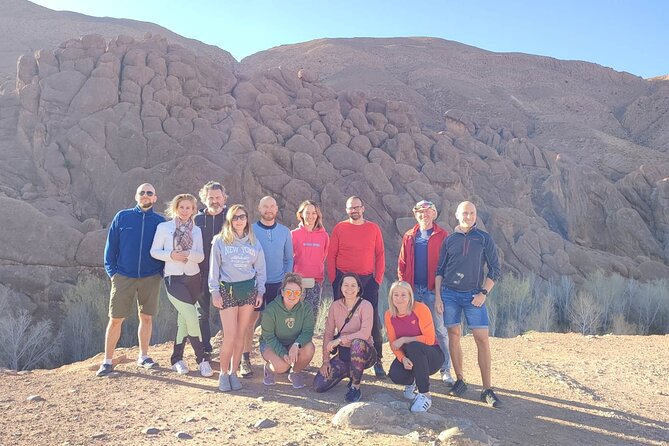
Day 2 switches from mountains to desert approach. After breakfast, you travel into the Merzouga area toward Erg Chebbi. Along the way you pass through villages and key stops that build the “why here” story of southern Morocco: Todra Gorges, an oasis, Tinjdad, Jorf, and Erfoud, and then the broader Tafilalet region.
The Todra Gorge stop is one of those moments that feels like a breath between road time and dunes. It’s visually dramatic, and you also get a sense of how water and agriculture shape where people live in this part of the country. Even if your main goal is the dunes, this stop gives your eyes a different kind of wow than sand does.
Once you reach Merzouga, you’ll head to a hotel to relax briefly. Then you sort your luggage: you take only a small bag with what you need for the desert night, while the rest stays back at the hotel. That’s useful because your camel experience is meant to be about the dunes, not carrying everything on your back.
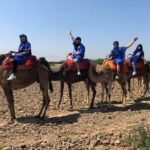
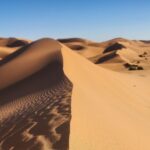
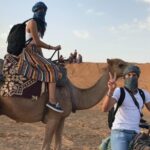
Then the main show begins: the camel ride across the Erg Chebbi sand dunes, with a great chance for photos around sunset or sunrise. The camel trek is the heart of this tour. If you’re expecting “easy,” remember you’ll be sitting on a camel for a while. It’s a memorable ride, but it’s still a ride, and your comfort level depends on your tolerance for bumps.
The desert night: bivouac on the dunes and what to expect
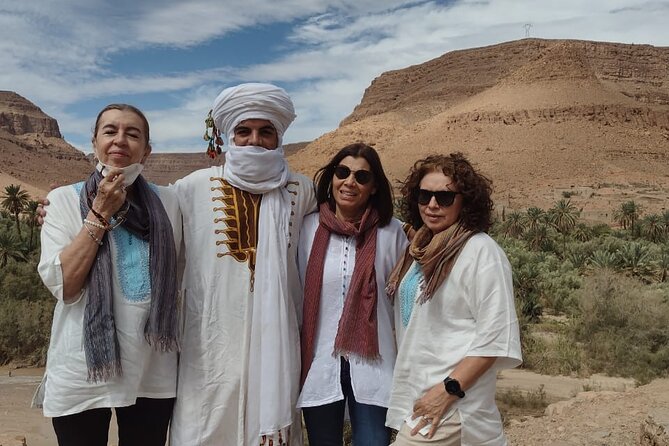
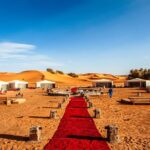
Once you reach camp, you leave the camels and transition to the bivouac. This is a Berber-style camp setup, included in the price, and it’s the part of the experience most people remember long after the route details blur.
The itinerary promises dinner at camp, and your schedule includes two dinners total across the trip. You also get breakfast twice, which helps you avoid the common “desert tours where meals are a guessing game” problem. Dinner being included matters because camp food becomes part of the evening rhythm rather than an extra quest.
What I’d call out: your desert night experience is shaped by timing. If your arrival is early enough, you’ll have a smoother path from dunes to camp and a better chance to settle in. If timing runs tight, the desert still happens, but you may have less time for wandering around the camp area. That’s why the sunrise/sunset part is so important—your body will feel the schedule.
Food, meals, and the money side of dinner
This tour includes two breakfasts and two dinners, but it does not include lunches or drinks. That’s normal for Morocco road trips, but it changes how you budget day by day.
On a practical level, you have two meals “covered” on paper each day: breakfast and dinner. Lunch becomes your responsibility, which is why you’ll want cash and small change. The tour’s approach includes lunch stops during Day 1, and then Day 2 and Day 3 follow the driving schedule around your inclusions.
One more money reality check: the tour includes meals, but some stops may feel more expensive than what you’d pay if you hunted around on your own. If you hate surprise spending, I suggest you plan for snacks, drinks, and any optional activity costs beyond the listed inclusions.
Also remember gratuities aren’t included. That doesn’t mean you have to overspend, but it does mean you should keep a little extra budget for people who work hard during long days.
Price and value: is $117.25 a smart deal?
At $117.25 per person for an approximately 3-day journey, the value comes from bundling four expensive-in-time things together: air-conditioned transport, UNESCO site entry coverage as listed, camel trek, and an included desert night bivouac with dinners and breakfasts.
A cheap tour that skips the desert overnight will often feel like you’re paying extra later for the missing experience. This one includes the pieces up front, so you’re paying for the structure. The tradeoff is that optional extras (and hotel standards) may not match every expectation.
The “good value” version of this tour looks like this: you treat lunch and drinks as extra, you keep some cash for optional activities, and you accept that hotel stops are mostly functional rather than luxury. If that sounds like your travel style, this price is a bargain for the route you’re getting.
Group size, guides, and how to avoid pickup headaches
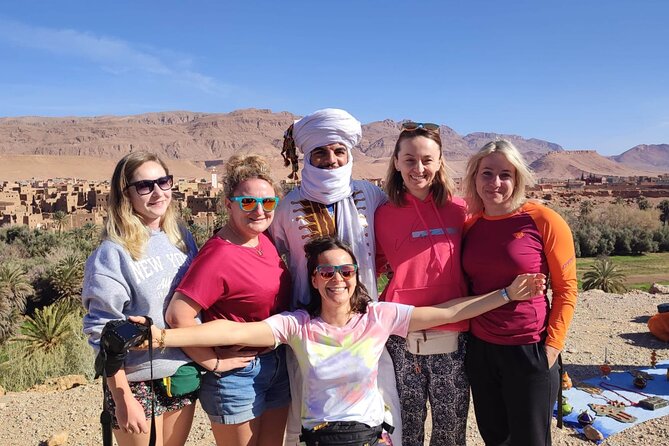
This activity is meant for a small group, with the notes stating a maximum of 15 travelers, while also mentioning acceptance up to 18. Either way, you’re not in a massive crowd, and that usually makes the camel and desert logistics easier.
You’re also meant to have pickup offered, with a clear meeting point at the start: Hôtel Restaurant Café de France, Rue des Banques, Marrakech (in the J2G7+G2G area). The biggest practical advice I can give is simple: confirm your pickup timing the day before and have the exact pickup location ready if your accommodation is outside the main pickup zone.
Some experiences on the road can go sideways when pickup is assumed rather than confirmed. For you, that means stay reachable, watch for messages, and be ready at the door at the agreed time. If you prefer a smooth start, a quick check-in call or WhatsApp confirmation can save a lot of stress.
Practical planning tips that actually help on this tour
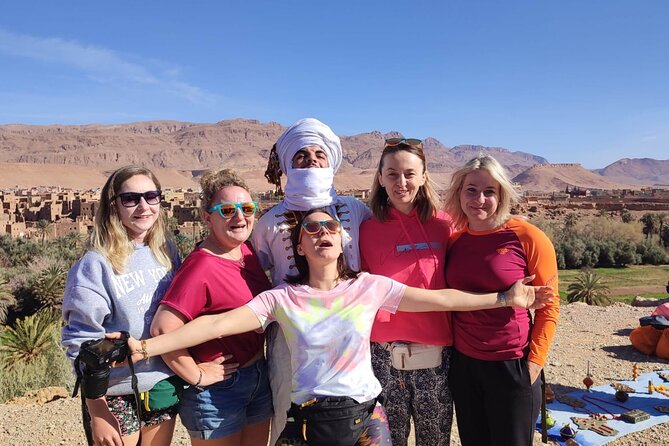
This trip is all about timing and managing what you carry.
- Keep your day-one focus on getting through the long drive without getting cranky. The pass and kasbah stops are why you’re here.
- On Day 2, expect that you’ll move luggage down to a small bag for the dunes night, and you’ll leave the rest at the Merzouga hotel. Pack only what you need for that night.
- Bring cash for lunches, drinks, and any optional add-ons. Even if the camp includes dinner, you’ll still run into costs throughout driving days.
If you want the camel trek to feel less uncomfortable, choose supportive footwear and dress for sitting. You won’t be walking a lot during the camel crossing, but comfort matters when the ride is the whole point.
Who this Marrakech to Merzouga tour suits best
This tour fits best if you want Morocco highlights without planning your own route day by day. You also need to be okay with a schedule that prioritizes big visual stops, then moves on. If you’re chasing a calm, slow desert stay with lots of free time, you might find the hotel and road segments reduce the leisure.
It also suits couples, small friend groups, and solo travelers who like a guided structure. The group size is small enough to feel human, and the camel trek + bivouac makes it easy to connect with the people beside you.
Should you book this Marrakech to Merzouga desert tour?
Book it if you want the essentials in one package: the Tizi n’Tichka drive, Aït Benhaddou, Todra Gorge, and then the real Sahara moment at Erg Chebbi with a camel ride and a bivouac.
Skip or ask tougher questions before booking if you care a lot about hotel standards on the overnight in the Dades/Tinghir area, or you hate add-on costs that aren’t clearly listed. Also double-check anything optional at the dunes, since the included items list focuses on transport, bivouac, camel ride, and the two breakfasts and dinners.
If you’re flexible, this price is a solid way to reach the dunes without spending days organizing the route yourself. Just go in with your eyes open about lunch, drinks, and any extras that may appear once you’re in the desert zone.
FAQ
What does the tour price include for the 3 days from Marrakech to Merzouga?
It includes transport by an air-conditioned vehicle, the bivouac, the tour de chameau (camel ride), two breakfasts, and two dinners. Admission tickets are listed as included for the key stops (as stated for Day 1 and Day 2).
Are lunches and drinks included?
No. Lunches and drinks are not included in the tour package.
How long is the tour and what route does it cover?
The duration is approximately 3 days. The route runs from Marrakech to the Merzouga dunes via the Atlas Mountains (including Tizi n’Tichka), with stops such as Aït Benhaddou and Dades/Tinghir, then Todra Gorge and oases on the way to Merzouga and Erg Chebbi.
Is pickup offered, and where is the meeting point?
Pickup is offered, and the meeting point listed is Hôtel Restaurant Café de France, Rue des Banques, Marrakech (J2G7+G2G area). The activity ends back at the meeting point.
What’s included about the camel experience?
The tour includes the tour de chameau, and the schedule is arranged so you can take photos during sunset and sunrise opportunities. You also take only a small bag for the desert night and leave the rest at the hotel in Merzouga.
What happens if weather is bad?
This experience requires good weather. If it’s canceled due to poor weather, you’ll be offered another date or a full refund.