REVIEW · KATHMANDU
12 Days Everest Base Camp Kala Patthar Trek
Book on Viator →Operated by Trekking Guide Team Adventure · Bookable on Viator
Everest, minus the stress. What I like most about this private 12-day plan is the door-to-trail support—pickup in Kathmandu, an experienced guide, meals, and lodge stays—so you can focus on walking and acclimatizing. I also like the family-run tea house feel on the trek, with real Sherpa hospitality and a Tengboche Monastery visit that feels human, not packaged. The one drawback to weigh up front: Lukla flights can be delayed or canceled, and if things go sideways you may need to sort extra hotel nights yourself.
Because this is private, your group moves with your guide and your rhythm, not a shuffle with strangers. Based on past trip notes, guides like Shambu (also written Shambhuji/Shambu Basnet), Ram, and Deepak Gurung have been praised for patient, caring daily support, and a Kathmandu coordinator named Kabi has handled monitoring and communication while you’re on the move. One more reality check: you’ll need strong fitness, and you’ll bring (or rent) a lot of your own cold-weather gear—hot showers during the trek are not included.
In This Review
- Key Highlights That Actually Matter
- Everest Base Camp and Kala Patthar: the Big Moment, Explained Simply
- Kathmandu to Lukla: Logistics That Can Save Your Trip (or Stress It)
- Tengboche Monastery and Sherpa Culture: Where the Trek Feels Personal
- Tea Houses and Lodges: What You’re Really Paying For
- Your Guide and Porters: The Human Part of a Mountain Trip
- The 12-Day Trek Rhythm: What Your Days Feel Like
- Price and Logistics: Is $1,799 Good Value?
- What You Need to Know Before You Go (So You Don’t Pay Twice)
- Should You Book This Everest Base Camp and Kala Patthar Trek?
- FAQ
- What’s included during the trek?
- Do I get a porter if I’m traveling solo?
- Is the Nepal visa included?
- How does baggage work for the Lukla flight?
- Is hot shower available during the trek?
- What happens if my Lukla flight is canceled?
- Is the trip refundable if I cancel?
Key Highlights That Actually Matter
- Private guided trekking with a named, experienced guide plus porters for your group size
- Family-run tea houses and lodges for 10 nights, with outside toilet setups on trek nights
- Tengboche Monastery visit, where Sherpa culture is part of the journey, not a stopover
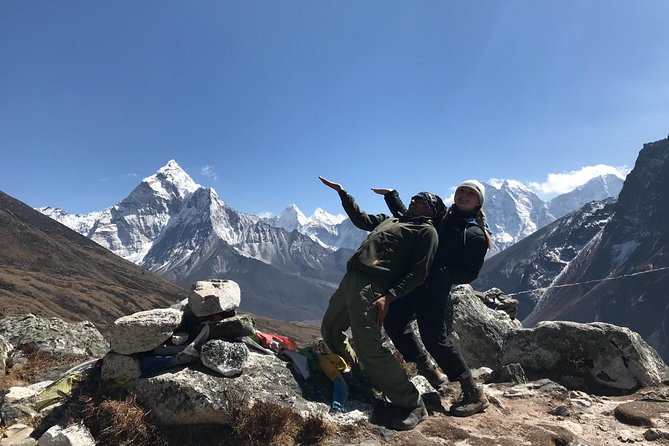
- Everest Base Camp and Kala Patthar as the twin goals, with a typical “go high, then go see” arc
- Meals included (breakfast, lunch, dinner) during the trek, so you’re not hunting food daily
- Kabi-style Kathmandu monitoring is part of the safety net, based on prior feedback
Everest Base Camp and Kala Patthar: the Big Moment, Explained Simply
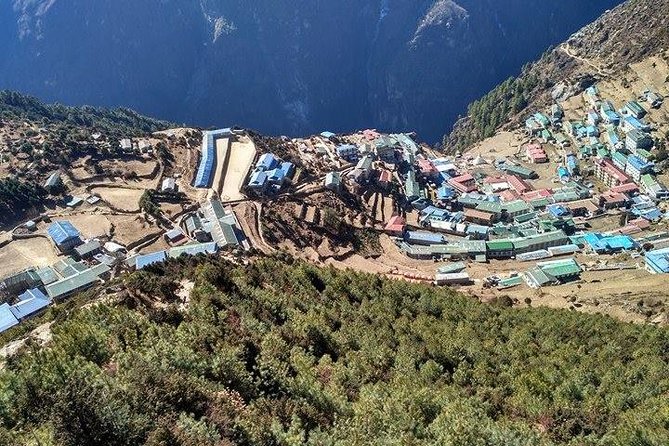
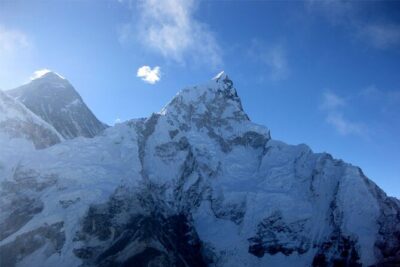
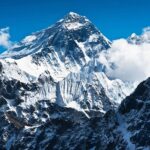
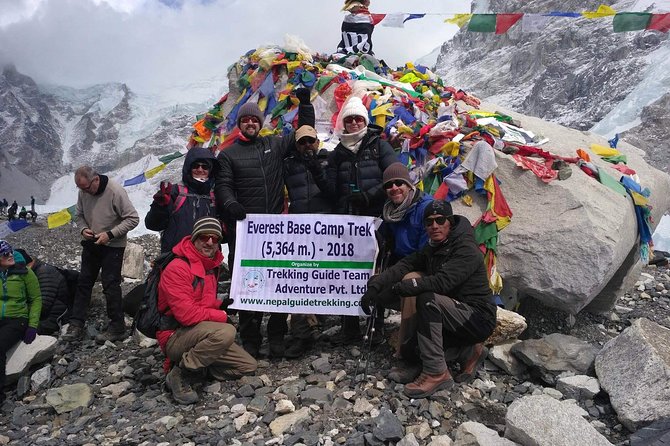
Everest Base Camp is one of those destinations where the scale hits you like physics. The air gets thinner, the walking turns into steady effort, and then the reward is right there—an environment built around the Everest dream, mountain crew life, and that strange mix of quiet focus and big energy.
Kala Patthar adds a different kind of payoff. Instead of only the Base Camp scene, you get a summit-adjacent viewpoint that’s all about watching the peaks and wrapping your day around the light. Even if you’re not chasing sunrise, the “earn the view” feeling is the point.
This trek also fits a common high-altitude rhythm: you’re moving upward over days, then spending time at the highest highlights. If you’re the type who likes clear goals—Everest Base Camp, then Kala Patthar—this route structure makes sense.
You can also read our reviews of more tours and experiences in Kathmandu.
Kathmandu to Lukla: Logistics That Can Save Your Trip (or Stress It)
Your trek starts with Kathmandu, where you’ll get pickup and handle what you need before flying onward. You also get permits included, which is a big deal in Nepal—less admin for you, and fewer chances for delays caused by paperwork gaps.
Then comes the Lukla flight. This is the make-or-break leg. The good news: your trip includes transport as per the plan and domestic flight handling from Kathmandu. The tricky part: Lukla weather can change fast, and the flight can be delayed or canceled.
Here’s the practical risk you should plan around:
- If your Lukla flight is canceled, you might need to return to the hotel and that extra night’s cost/arrangements are not included.
- Your trip includes only one time airport transfer to and by Lukla, so if weather forces repeated trips back to the airport, you’ll pay extra yourself.
- In a worst-case scenario, helicopter options exist, but costs aren’t fixed. One estimate given is around $300 USD total, with airlines quoting on the day. The airlines use your flight ticket and you pay an additional amount (often about $150–200 USD on top).
That helicopter number matters because it’s your “keep going” escape hatch. Just don’t assume it’s cheap or pre-bookable.
Tengboche Monastery and Sherpa Culture: Where the Trek Feels Personal
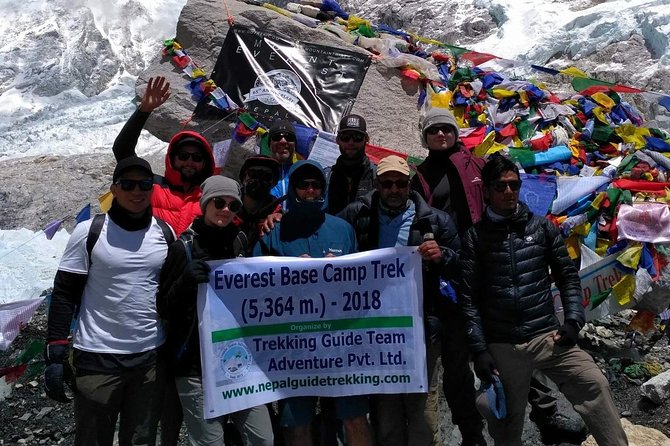
Most people picture Everest as purely views and altitude. This trek also builds in culture, especially through Tengboche Monastery.
Tengboche is a meaningful stop because monasteries there aren’t staged photo sets. They’re places people live with day-to-day. You’re there as part of a trekking corridor, so you’ll feel the calm, the routine, and the way mountain life and faith coexist.
The Sherpa culture angle shows up beyond the monastery, too. Past trip notes include language about warm guidance and real care on the trail. For example, guides such as Shambu and Ram were repeatedly described as patient and attentive, and porters like Mahes and Keshab were credited with keeping belongings safe so trekkers can focus on hiking rather than worrying about gear.
And on the last day, you’ll have a typical Nepali cultural dinner, which is a nice send-off when you want something more than just a checkmark after 10 days on foot.
Tea Houses and Lodges: What You’re Really Paying For
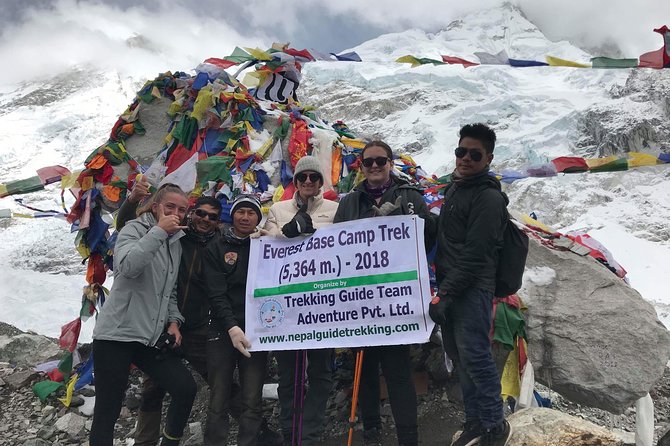
On paper, “lodges/tea houses” can sound generic. In practice, what you’re buying here is the ability to travel light and still be fed, rested, and looked after.
You’ll stay in tea houses and lodges for 10 nights on a twin-sharing basis during the trek. These are typically simple mountain rooms with outside toilet setups during trek nights. That’s the trade-off for being close to the trail and living at walking speed.
Also pay attention to what’s not included:
- No hot showers during the trekking (this is common on higher routes, and here it’s clearly spelled out).
- Alcoholic and non-alcoholic drinks like coffee and tea are not included, so your daily spend may surprise you if you’re a big drinker.
The flip side is reassuring: breakfast, lunch, and dinner are included during the trek. That means fewer decisions each day, fewer cash issues, and you can keep your energy steady.
Your Guide and Porters: The Human Part of a Mountain Trip
Guides can make or break a high-stress trekking plan. Here’s why I’d take the guide details seriously.
This is a private trek, and you’ll travel with an experienced guide plus porters for your group size (stated as 1 porter for 2 people). If you’re traveling solo, a porter is not included, but one is available for an additional cost of $250 USD.
Why this matters: on an Everest trek, your body isn’t just hiking; it’s recovering. A porter helping with luggage can reduce fatigue and help you keep a consistent pace—especially on cold, steep sections.
Based on previous trip notes, guides such as Shambu (including Shambu Basnet), Ram, and Deepak Gurung have been praised for being patient and caring. One account even highlighted a guide with an ex-military Sergeant Major background, which is exactly the kind of reassurance that reduces anxiety when you’re dealing with thin air and tight schedules.
Porters also come up with real names—Mahes, Gyayen, Keshab, and others—often credited with keeping gear safe and supporting smooth day-to-day travel. That’s not fluff. With outside toilet setups and limited storage, safe gear is peace of mind.
The 12-Day Trek Rhythm: What Your Days Feel Like
Even without listing every single village name, you can understand the pace: you’ll spend most of your time trekking, with 10 nights out of Kathmandu in mountain lodges/tea houses, plus a couple of days for Kathmandu logistics and the travel legs.
A common rhythm looks like this:
- Day 1–2: Kathmandu setup and pre-trek energy
You’ll get pickup and then handle what you need before flying onward. This is when you should sort shoes, layers, and any last-minute packing so you’re not doing it in transit.
- Flight to Lukla, then your upward start
Once in the mountain world, you’ll keep a steady hiking schedule with included meals and lodging. Your guide sets the pace to help you acclimatize.
- Middle trek with cultural and acclimatization focus
Tengboche Monastery becomes a highlight here, and the goal is to keep moving without burning out.
- Everest Base Camp and then Kala Patthar
This is your peak effort zone. Expect long, cold-feeling stretches, careful breathing, and lots of “pause and look” moments.
- Return down with tired legs and a satisfied mindset
By the time you’re back to Kathmandu, you’re usually ready for a normal bed and a hot meal that doesn’t come with “mountain tea house limits.”
The big takeaway: with meals and lodging handled, you’ll spend your energy on the one task that matters—walking and managing altitude gradually.
Price and Logistics: Is $1,799 Good Value?
Let’s break down what you’re paying for, because $1,799 can be either a steal or a rip-off depending on what’s included.
Included value that reduces risk:
- Private guide and porter support (based on group size)
- 10 nights lodge/tea house stays during the trek (twin sharing)
- Meals included: breakfast, lunch, dinner during trekking
- Permits and all transportation as per the itinerary
- Domestic flights from Kathmandu
- A Nepali cultural dinner on the last day
- Guide and porter insurance, plus their salary and the logistics that come with staffing
What you’re likely to pay separately:
- Nepal entry visa (on arrival): $30 USD per person plus 2 passport photos
- Travel insurance for you (including helicopter rescue and medical bills—this is not optional in practice)
- Kathmandu accommodation
- Most cold-weather gear (sleeping bag around -15, down jacket, trekking shoes, layers, and basics like torch/gloves)
- Tips for guide and porter
- Extra baggage fees on the Lukla flight (your included baggage is 12 kg; extra is Rs 100 per kg)
So is it good value? For most people, yes—because you’re buying peace of mind and manpower, not just a booking. Where it can stop being good value is if you end up needing extra hotel nights due to Lukla flight cancellations, or if you travel solo and need the optional porter. Still, the included meals and lodge support usually keep your daily stress low.
What You Need to Know Before You Go (So You Don’t Pay Twice)
Here are the practical gotchas I’d plan for:
Gear expectations: Your packing list is spelled out for a reason. You’re responsible for bringing or arranging key cold-weather items like a sleeping bag rated to about -15, down jacket, trekking shoes, gloves, warm clothes, and basic first-aid items. A torch and trekking stick are also in your responsibilities.
Insurance reality: Your trip explicitly notes that your personal travel insurance should cover helicopter rescue and medical bills. That’s not a nice-to-have. In a place like this, it’s the difference between a bad day and a financial crisis.
Heat and comfort limits: No hot shower during trekking. Outside toilets during trek nights. If you need creature comforts to sleep, bring realistic expectations.
Spending control: Alcohol and many drinks aren’t included. Also consider that Lukla baggage limits can push costs upward if you pack too heavy.
Flight chaos plan: Weather problems are rare, but not imaginary. If a flight is canceled, the extra night and transport back to your hotel are not included—so you should be financially flexible.
Should You Book This Everest Base Camp and Kala Patthar Trek?
If you want a private, guided Everest trek where meals and lodge stays are handled and you’d rather not wrestle with permits, food logistics, and day-to-day decisions, this is a strong match. The guide support—highlighted by names like Shambu, Ram, and Deepak Gurung in past feedback—plus porter help for shared groups, is exactly the kind of structure that makes high-altitude travel feel calmer.
I would also consider booking if you like clear goals: Everest Base Camp first, then Kala Patthar. This itinerary design suits hikers who like a purposeful arc.
Skip it (or reconsider) if:
- you’re not ready for the weather reality of Lukla flights
- you don’t want to carry or arrange cold-weather gear
- you need hot showers and full-service hotel comfort during the trek
- you’d be financially strained by extra nights in Kathmandu caused by flight delays
FAQ
What’s included during the trek?
Meals are included during the trek: breakfast, lunch, and dinner, plus lodging for 10 nights in lodges/tea houses on a twin-sharing basis. Your guide, porters (based on group size), permits, and all transportation as per the itinerary are also included.
Do I get a porter if I’m traveling solo?
Porters are included at a ratio of 1 porter for 2 people. If you’re a solo traveler, a porter is not included, but you can add one for an additional $250 USD.
Is the Nepal visa included?
No. You’ll need to pay the Nepal entry visa fee yourself, issued on arrival at Tribhuvan International Airport in Kathmandu. It requires 2 passport size photos and $30 USD per person.
How does baggage work for the Lukla flight?
Your included luggage for the Lukla flight is 12 kg. Extra baggage costs Rs 100 per kg.
Is hot shower available during the trek?
No. Hot shower during the trekking is not included.
What happens if my Lukla flight is canceled?
Weather can cause delays or cancellations. If your Lukla flight is canceled, you may need to return to the hotel, and the transportation back to the hotel and accommodation that night are not included. If weather improves, you’ll get a later flight. A helicopter option may be available with costs quoted by the airline on the day.
Is the trip refundable if I cancel?
No. This experience is non-refundable and cannot be changed for any reason.