REVIEW · CHIVAY
3-day trek to the Colca Canyon from Arequipa ending in Puno
Book on GetYourGuide →Operated by Exploor Trip E.R.L · Bookable on GetYourGuide
Condor wings and canyon trails in three days ending in Puno. What makes this trek special is the one-way route: you start from Arequipa, descend into Colca Canyon, walk to the Sangalle oasis, and finish in Puno.
I like how the itinerary gives you both the big sights (like Cruz del Cóndor) and the human scale—staying overnight in San Juan de Chuccho at a local family home. The main drawback to consider is pacing and timing: early starts and the chance of schedule slips can shrink how long you spend at key viewpoints, so pack smart and be ready for a hard day of walking on Day 3.
In This Review
- Key Things I’d Watch for on This Colca Canyon to Puno Trek
- Arequipa to Puno in 3 Days: The Route That Changes the Scenery Fast
- Day 1: Cruz del Cóndor, Cabanaconde, and Overnight in San Juan de Chuccho
- Day 2: Morning Walk to Sangalle Oasis, Towns Along the Way, and Pool Time
- Day 3: 5:00 a.m. Ascent to Cabanaconde, Then Thermal Baths and Viewpoints to Puno
- Price and Logistics: Is $175 Worth It?
- Comfort, Food, and the Local Lodging Trade-Off
- Who This Trek Fits Best (and Who Might Prefer Shorter)
- Packing and Timing Tips That Actually Matter
- Should You Book This Arequipa to Colca Canyon to Puno Trek?
- FAQ
- How long is the trek and when does it start?
- Where do I meet the group?
- What meals and lodging are included?
- Do I need to pay entrance fees?
- Is there a guide, and what languages do they speak?
- What’s the cancellation policy?
Key Things I’d Watch for on This Colca Canyon to Puno Trek
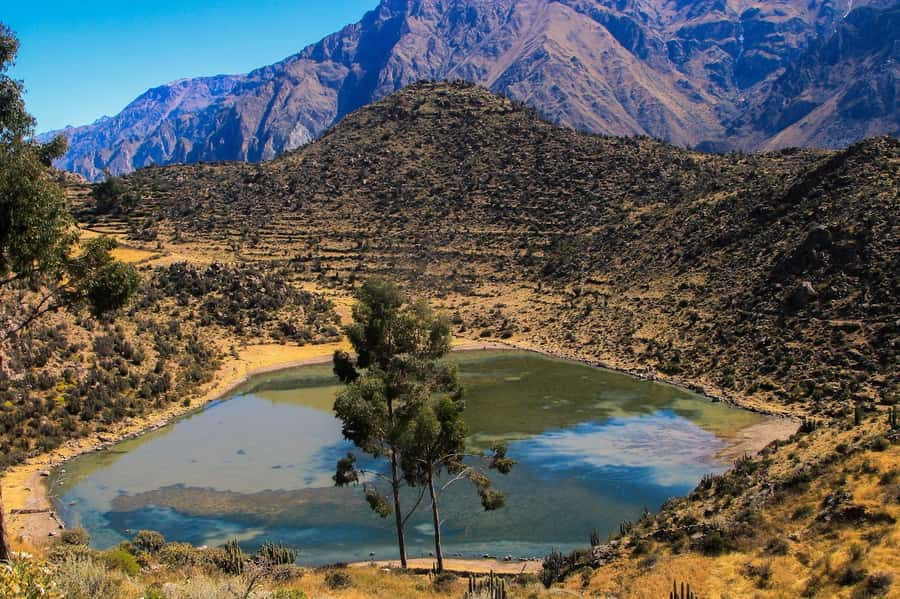
- Cruz del Cóndor condor timing: The best bird-watching window is short, so the day’s schedule really matters.
- San Juan de Chuccho homestay reality: It’s cultural and memorable, but expect basic dorm-style lodging.
- Sangalle oasis pools on Day 2: The pools are part of the reward for a long walk and some town-hopping.
- A 5:00 a.m. climb on Day 3: You’ll be hiking up for about 3 hours before you get breakfast.
- Entrance fees on top of the $175: The Colca tourist ticket is mandatory and can add cost.
- Altitude means packing matters: Bring snacks and water to avoid a rough patch when meals are delayed.
Arequipa to Puno in 3 Days: The Route That Changes the Scenery Fast
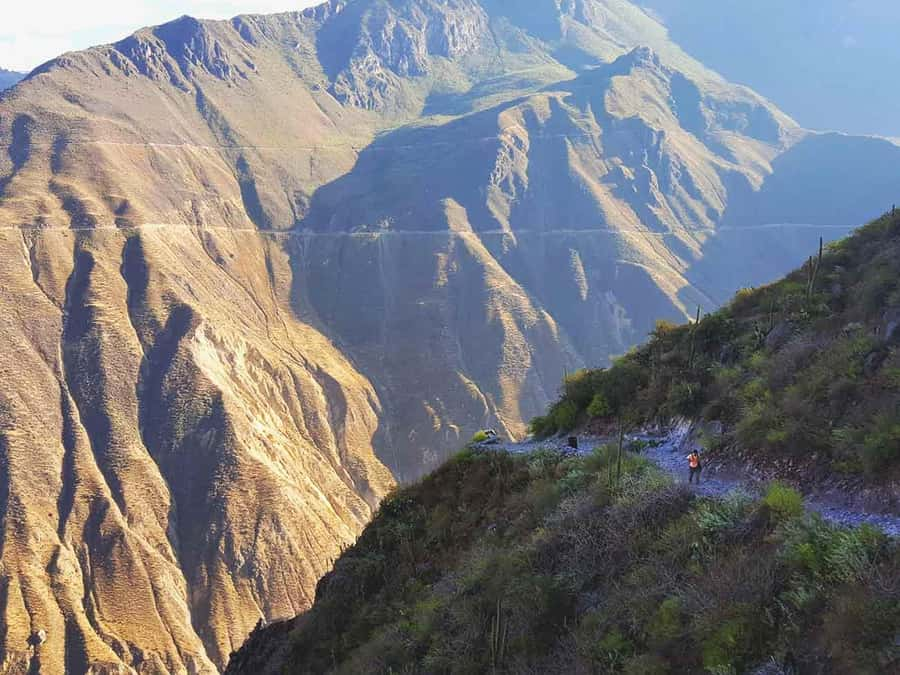
This trek is built for travelers who want the Colca experience without backtracking. You’ll leave from Arequipa, spend time walking inside Colca Canyon, and then you’ll end in Puno after transfers and viewpoint stops.
The value here is in how much ground you cover with the basics handled for you: round-trip tourist transport, a professional official guide, and meals across the three days (3 breakfasts, 2 lunches, 2 dinners). You’re paying for organization plus two nights of lodging in the middle of the trek, not just a walk with a map.
One more thing: this route mixes canyon hiking with high-Andes sightseeing. By the time you’re done, you’ve gone from terraced canyon towns and condors, to thermal baths and big panorama viewpoints before you roll into Puno.
You can also read our reviews of more tours and experiences in Chivay.
Day 1: Cruz del Cóndor, Cabanaconde, and Overnight in San Juan de Chuccho
Day 1 starts with an early pickup from your hotel in Arequipa (you meet the group at the main square and you’ll wait about half an hour so you don’t miss the departure). You’ll ride toward Chivay for breakfast, then continue to the Cruz del Cóndor viewpoint.
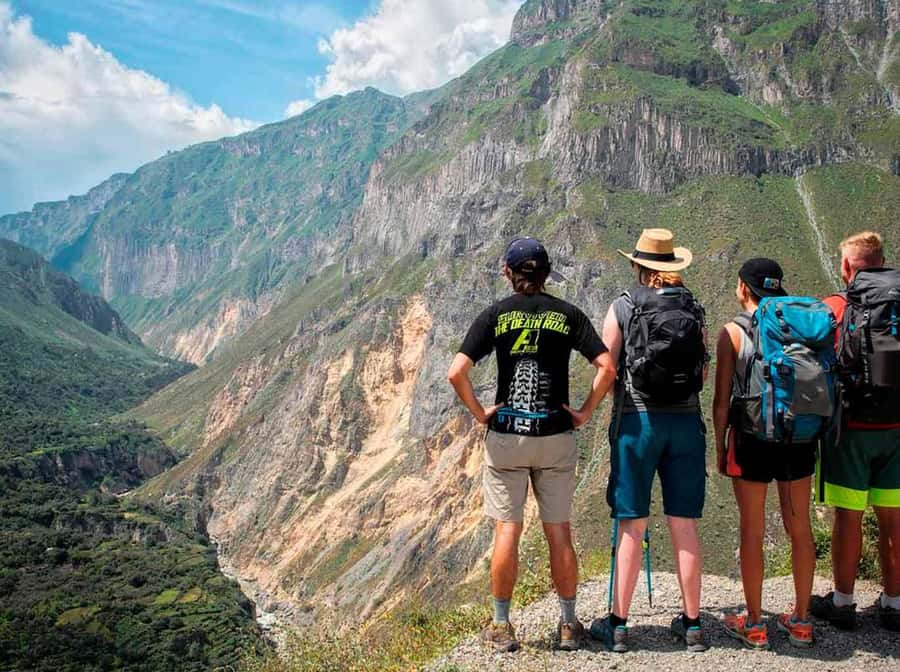
Why this stop matters: Cruz del Cóndor is where many people first understand how huge Colca really is. The canyon is famous for deep drop-offs, and this viewpoint is one of the places where you can see condors riding the air currents. You’re not looking for a single moment—you’re watching a whole pattern of flight.
From Cruz del Cóndor, the route continues by car to Cabanaconde, where the trek begins on foot toward the canyon. You’ll arrive at San Juan de Chuccho, and then you’ll get time to explore local terraces and meet the rhythm of the canyon towns.
The standout part of Day 1 for me is the overnight stay: you’ll sleep at a local family home with basic dormitory-style accommodations, followed by dinner. This is one of those travel trade-offs. You give up some comfort, but you gain the real Colca feel—smaller-scale life, not just a scenic stop.
What to consider: Night 1 lodging is basic, so bring what you need to sleep comfortably. Also, if you’re prone to getting cold quickly, plan for it—canyon nights can feel chilly compared to Arequipa.
Day 2: Morning Walk to Sangalle Oasis, Towns Along the Way, and Pool Time
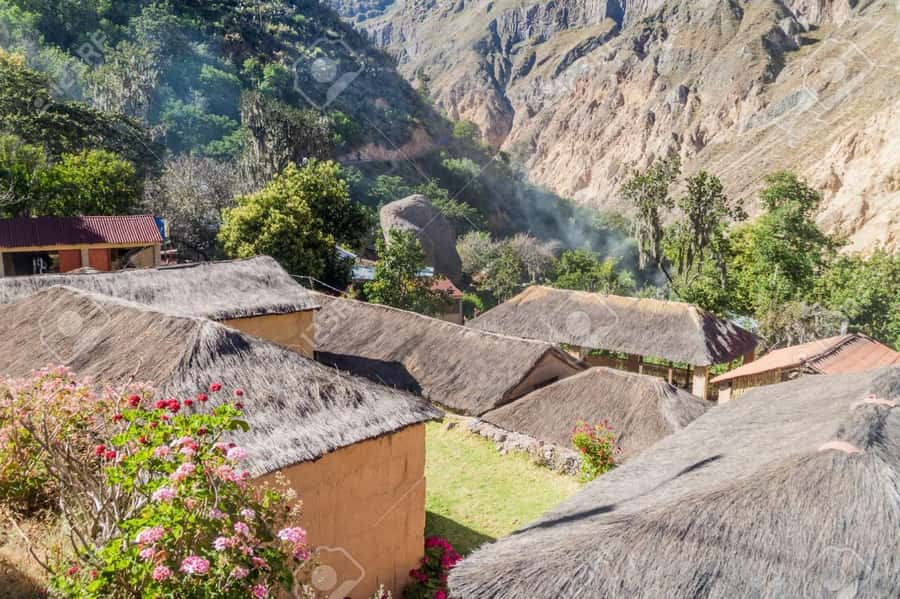
Day 2 is the “walk and recharge” day. After breakfast, you head out on the hike toward Sangalle (oasis). Along the way, you visit towns including Cosñirhua and Malata before reaching Sangalle.
This matters because it breaks up the walking. Instead of one long, unbroken trail, you’re moving through communities that shape how people live at the canyon’s edge. Even if you don’t speak Spanish fluently, you’ll feel the difference between a viewpoint-and-photo day and an on-foot day that keeps touching real places.
When you arrive at Sangalle, you’ll have about 3 hours there: lunch, time to enjoy the rejuvenating pools, and then free afternoon time. This is the reward for the effort. The pools give you a chance to loosen up before your final push on Day 3.
The meals are included here (breakfast and dinner are covered, and Day 2 includes lunch), which is a big deal on a trek. It keeps the day from turning into a scavenger hunt.
What to consider: The schedule can leave you tired after a full day of walking. Your free afternoon is valuable, but don’t spend it racing around if your body is asking for rest.
Day 3: 5:00 a.m. Ascent to Cabanaconde, Then Thermal Baths and Viewpoints to Puno
Day 3 starts early. You’ll begin the walk at 05:00 a.m. from the oasis area back up to Cabanaconde, and the ascent takes about 3 hours. After arriving, you get breakfast.
This is the hardest part of the itinerary, not because it’s technically described as extreme, but because early mornings + uphill hiking can be brutal if you arrive with empty energy. One practical move: bring snacks you can grab during breaks, because the timing of meals—especially on a day like this—can feel tight.
After breakfast, you’ll transfer back toward Chivay and make several stops:
- Thermal baths at Chacapi: You’ll have about 40 minutes in the hot springs. The entrance cost is listed as optional, so plan around that if you want to soak.
- Chivay lunch stop: Lunch is included only up to the point of what’s stated; the last lunch on the final day is not included.
- High viewpoint stops: You’ll visit Pampas Apachetas from Patapampa, a higher point for seeing mountains and volcanoes.
- Toccra Pampa: A place to watch alpacas and vicuñas in their natural area.
- Patahuasi health facilities: This is listed as a stop, so think of it as a brief waystation rather than a full attraction.
- Lagunillas Lagoon: Time to see migratory birds.
Then the tour ends with the transfer to Puno, with arrival around 7:00 p.m.
Why I like this ending: you don’t just teleport from trekking into a city. You get one last series of Andes highlights—hot springs for recovery, animal sightings for scale, and birdlife at the lagoon—before you settle into Puno.
What to consider: This final day can feel like a checklist after a tough ascent. If you know you’re sensitive to long travel days, keep your expectations realistic. You’ll be arriving late, so you’ll want an easy plan for dinner and an early sleep in Puno.
Price and Logistics: Is $175 Worth It?
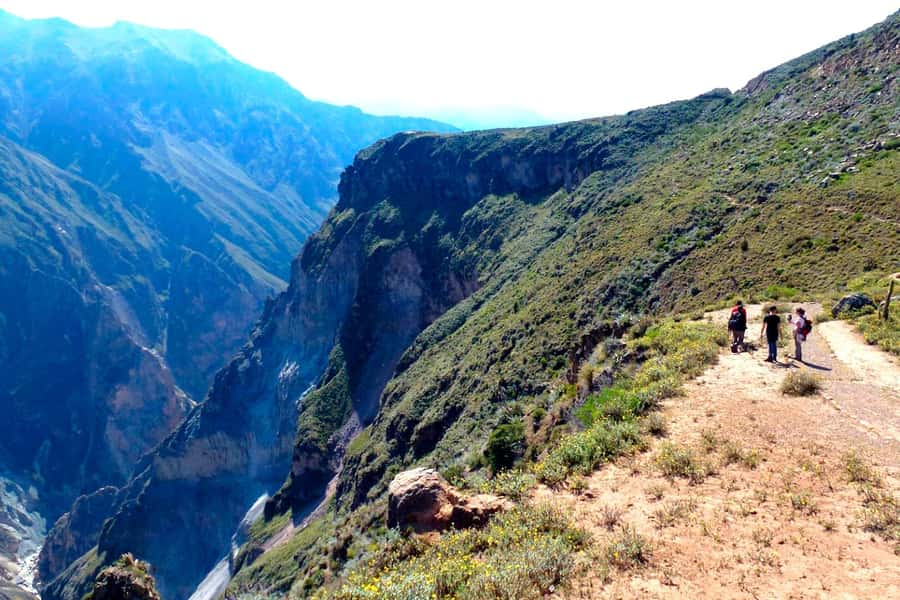
At $175 per person, the base price covers a lot of real costs: round-trip tourist transport, a professional official guide, and food (3 breakfasts, 2 lunches, 2 dinners) plus two nights of lodging (San Juan and Sangalle).
What’s not included is where you should budget carefully:
- The Colca tourist ticket (mandatory) is 70 soles.
- Lunch in Chivay on the last day is not included.
- Hot springs entrance is listed as optional (15 soles).
When you add it up, you’re really paying for: someone to handle routing and timing, the guide to keep you moving through canyon towns, meals on the trek, and two nights with beds where you’d otherwise need to sort logistics yourself.
The value check for you: If you already know you hate planning transport between towns and you want a guided, meal-included trekking rhythm, this price structure tends to make sense. If you’re a confident independent hiker and you’re happy doing homestay logistics on your own, the “guided + meals + lodging” portion is what makes the deal.
Comfort, Food, and the Local Lodging Trade-Off
This trek doesn’t promise luxury. It promises location and access: you get to stay overnight in San Juan de Chuccho at a local family home, in basic dormitories.
The upside of this is authenticity. You’re inside the canyon’s human world, not just outside it. You also get dinner with the rhythm of local hosting.
The downside is simple: basic means basic. Sleep can be affected by bedding, temperature, and noise. If you’re the type who needs a quiet, soft bed to recover, consider how much you value the cultural swap.
On food: meals are planned around the hike. You get breakfast on Day 1 (via Chivay), then breakfast Day 2, and breakfast again after the Day 3 ascent. Lunch appears twice, including lunch in Sangalle and another lunch stop later in the route.
Smart tip: even with included meals, bring small snacks. That way, if your energy dips before breakfast or you have a long gap between stops, you won’t feel stranded.
Who This Trek Fits Best (and Who Might Prefer Shorter)
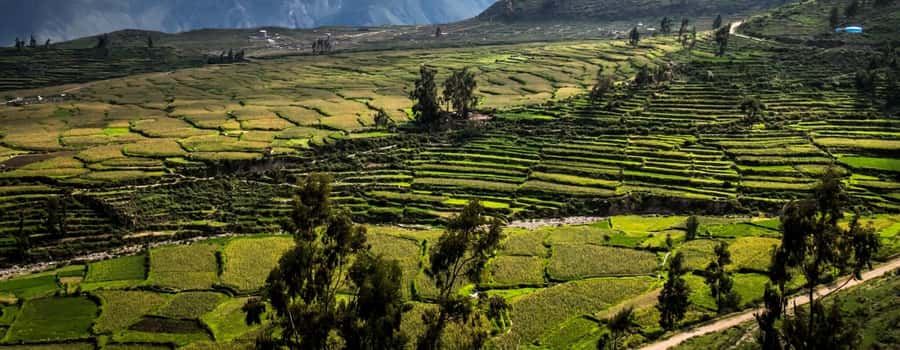
This trip is a good match if you:
- Want one-way trekking from Arequipa toward Puno
- Like a mix of hiking + town visits + viewpoints
- Don’t mind early mornings if the payoff includes condors and Sangalle pools
- Appreciate a local family overnight in a canyon town
It may not fit as well if you:
- Prefer slower, less intense walking. The itinerary includes a real Day 3 climb that starts at 05:00.
- Are very sensitive to schedule changes. The best bird-viewing spots and viewpoint time are time-dependent in canyon country.
A practical point: if you’re the kind of hiker who thinks in terms of “time on trail,” you might feel that a full three days is more than you need. But if you want the whole arc—from condors to Sangalle pools to Puno viewpoints—three days is the right length.
Packing and Timing Tips That Actually Matter
If you do one thing right, do this: prepare for early mornings and canyon walking.
Bring:
- A light daypack for water and snacks
- Layers for changing temperatures (canyon mornings can be cooler)
- Sun protection (high altitude + open viewpoints)
- Snacks you can eat quickly if meals run late
Water: the itinerary doesn’t spell out water availability along every stop. In canyon trekking, that can vary by location. Plan as if you’ll want to carry water and maybe buy extra once you’re settled.
Timing: the itinerary is built around viewpoints and walking blocks. If something shifts—pickup delays, group pacing—you’ll notice it most at the tight viewpoint windows. So don’t plan other activities that depend on exact time once you start the trek.
Should You Book This Arequipa to Colca Canyon to Puno Trek?
I’d book it if you want a guided, structured way to experience one of Peru’s most dramatic canyon settings—complete with Cruz del Cóndor, a Sangalle oasis break, and an ending in Puno without extra coordinating.
I’d think twice if you’re chasing maximum time at the very top viewpoints and you hate early mornings. This is a hike-first itinerary with sightseeing layered around it, not the other way around.
If you book, go in with the right mindset: you’re paying for access, food, lodging, and a guide who keeps you moving between canyon towns. Pack snacks, be ready for 05:00 start energy, and you’ll get a trek that feels like Colca Canyon from the inside—not just from one lookout.
FAQ
How long is the trek and when does it start?
It runs for 3 days. Pickup begins early from Arequipa, and the first day is organized around transport to Chivay, then the Cruz del Cóndor area before the canyon walk.
Where do I meet the group?
You should wait in the main square about 30 minutes before pickup so the team can collect you and depart smoothly.
What meals and lodging are included?
You get 3 breakfasts, 2 lunches, and 2 dinners, plus 2 nights: one at a lodge/family home in San Juan de Chuccho and one at the Oasis of Sangalle.
Do I need to pay entrance fees?
Yes. The Colca tourist ticket is mandatory and listed at 70 soles. Hot springs entrance is optional: Chacapi Thermal Baths are listed as 15 soles.
Is there a guide, and what languages do they speak?
There is a professional official tourist guide, and the tour is offered in Spanish and English.
What’s the cancellation policy?
You can cancel up to 24 hours in advance for a full refund.