REVIEW · CHIVAY
From Arequipa Trek : 2-Days of Hiking in the Colca Canyon
Book on GetYourGuide →Operated by AREQUIPA EXPLORER Y ACTIVIDADES TURISTICAS · Bookable on GetYourGuide
Colca Canyon changes fast when you’re walking it. This 2-day trek brings you to Cruz del Cóndor for Andean condors, then drops you to the canyon floor and back up again, with a night at Sangalle Oasis and time to soak in hot springs.
I especially like the mix of big views and real “on the trail” moments: the descent gives you canyon depth and changing flora, and the local lunch at San Juan de Chuccho adds a human touch to all that stone and sky. The trade-off is that this hike is not gentle. It involves steep, uneven paths (with some exposed sections), early starts, and heat, so you’ll want to match the effort to your fitness and comfort level.
In This Review
- Key highlights to know before you go
- The Big Picture: Why This 2-Day Colca Trek Feels Like Two Worlds
- From Arequipa to Chivay: That 3 a.m. Start (And Why It Matters)
- Cruz del Cóndor Viewpoint: Condors at the Right Time, Not Just a Random Stop
- Down to San Juan de Chuccho: Canyon Flora, Bridge Crossings, and a Real Lunch
- Sangalle Oasis: The Pool, the Night, and the Reality of Simple Lodging
- Sunrise Climb and Cabanaconde: When the Second Day Gets Serious
- If you’re struggling on the climb
- Antahuilque Viewpoints, Terraces, and the Hot Springs of Chivay
- Price and Logistics: The Real Cost and What $21 Usually Means Here
- Guide, Safety, and What to Bring for Exposed Steps
- Who Should Book This Trek (and Who Should Skip It)
- Should You Book This 2-Day Colca Canyon Hike?
- FAQ
- How long is the Arequipa to Colca Canyon hiking experience?
- What does it cost, and what do I pay in cash?
- What’s included in the tour price?
- Is the trek difficult?
- What should I bring?
- What key places will I visit during the two days?
Key highlights to know before you go
- Condors at 3,600 m with a dedicated stop at Cruz del Cóndor, planned for viewing and photos
- A true canyon-floor day: descent to San Juan de Chuccho and lunch with a local family
- Sangalle Oasis pools: you get time to relax at the end of Day 1
- Sunrise during the second-day climb as you work your way back up toward Cabanaconde
- Terrace country: viewpoints tied to Andean cultivation, plus a chance to see the landscape from above
- Hot springs in Chivay so your legs get a recovery moment after the hard part
The Big Picture: Why This 2-Day Colca Trek Feels Like Two Worlds
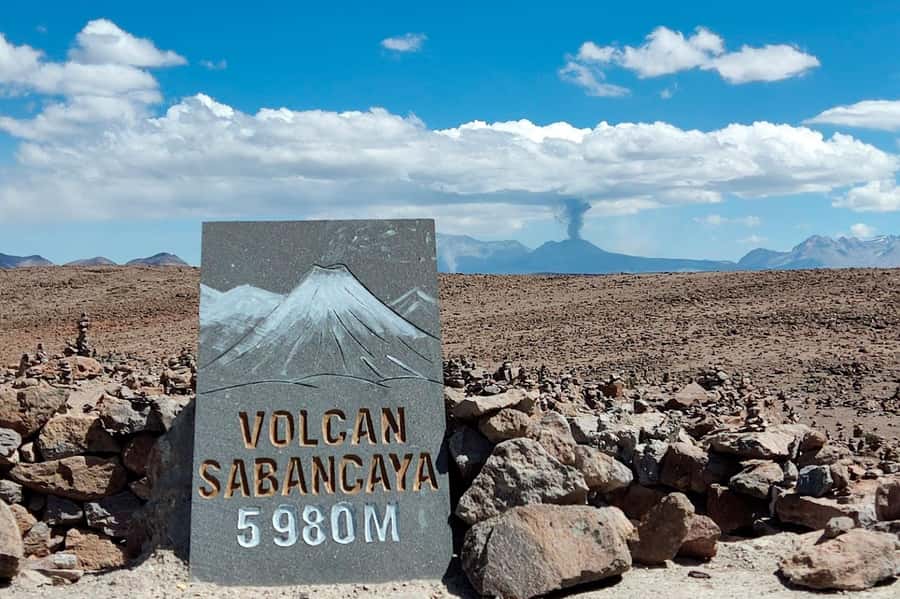
What makes this trek work in just 2 days is the shape of the route. Day 1 is all about going down—slowly at first, then more seriously—so you feel the canyon open up around you. Day 2 flips the script with a steep climb that’s timed for sunrise, so the “Colca canyon light show” happens while you’re actually earning the view.
It’s also a good format for people who want the canyon highlights without turning the trip into an all-week ordeal. You’re not just stopping at viewpoints; you’re moving through the communities and farmland that make the Colca more than a postcard.
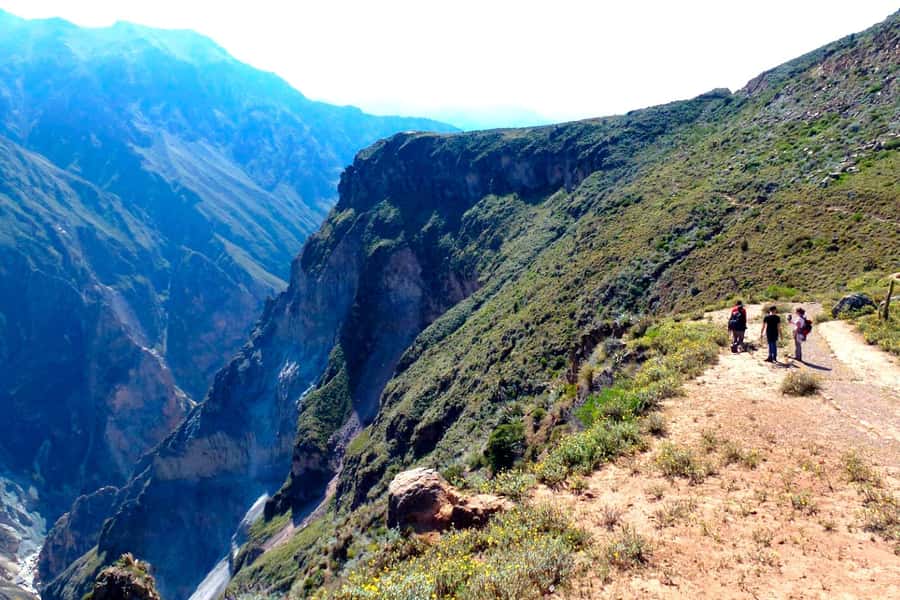
The downside is physical reality. This is not a flat walk with a scenery break every 10 minutes. Expect uneven ground, altitude changes, and long hiking chunks. If you’re the type who gets nervous on steep slopes or has vertigo, you’ll want to skip this one.
You can also read our reviews of more tours and experiences in Chivay.
From Arequipa to Chivay: That 3 a.m. Start (And Why It Matters)
Your day starts early. You’ll be picked up in Arequipa at 03:00, then travel about 3.5 hours to Chivay, where breakfast is served for about 50 minutes. This matters because the canyon schedule is built around visibility—especially for condors and sunrise.
At around 3,600 m near Cruz del Cóndor, you’ll also feel altitude quickly. Not everyone gets hit the same way, but it’s smart to go in with a little acclimatization if your itinerary allows it. The trek also isn’t designed for slow pacing. You need to be ready to move.
Once the early drive is done, the rest of the day is fairly straightforward: condors, then a vehicle transfer, then a real descent into the canyon. That “break between the drive and the hiking” is your one chance to get your backpack organized and check you have what you need—especially water and sunscreen.
Cruz del Cóndor Viewpoint: Condors at the Right Time, Not Just a Random Stop
Cruz del Cóndor is set up for condor watching, and the itinerary gives you nearly an hour on site (about 40–50 minutes, including guided time and free time). The viewpoint sits at roughly 3,600 m, which helps with wide visibility over the canyon.
Here’s the practical part: condors aren’t guaranteed to circle on command, but the route plan is built around your time window. So when you arrive, don’t treat it like a quick photo line. Take a few minutes to scan and re-scan. Bring your camera, and be ready to adjust angles fast.
If you’re hoping for that classic scene—birds gliding over the canyon edge—this is where the trek pays off. It also helps psychologically. After staring at canyon depth from a platform, you’re about to descend into that same terrain on foot. That mental map makes the rest of the trek feel more intentional.
Down to San Juan de Chuccho: Canyon Flora, Bridge Crossings, and a Real Lunch
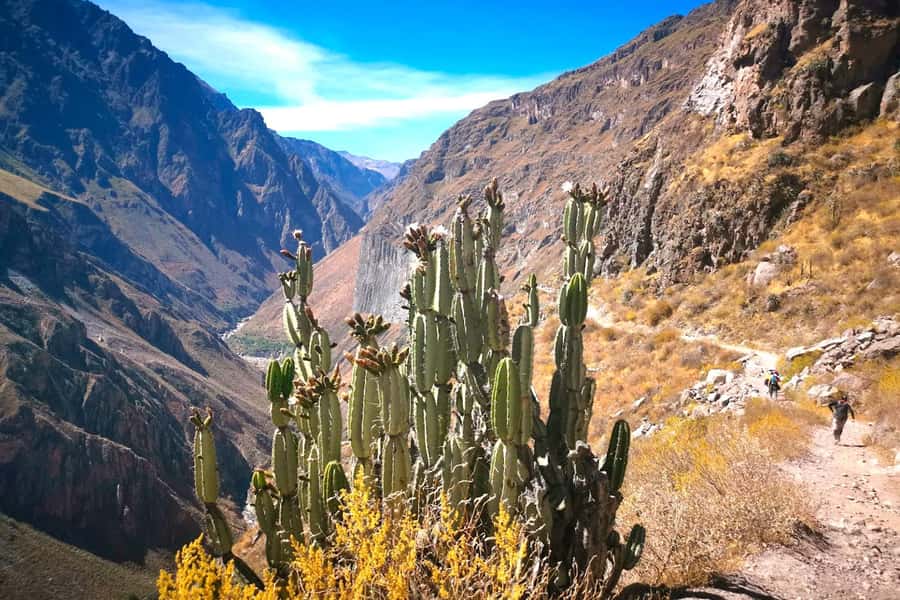
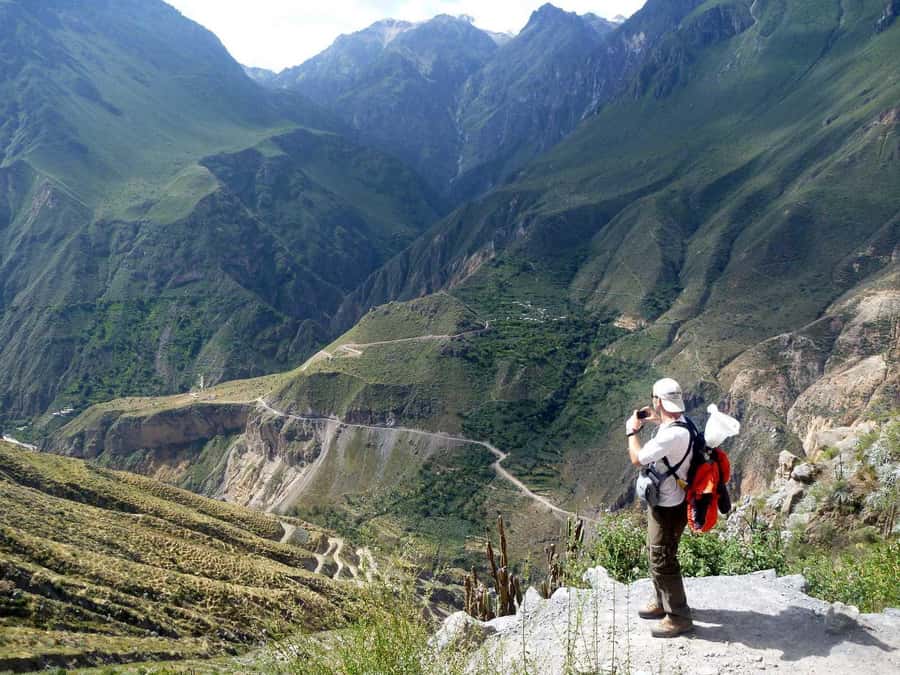
After a short vehicle transfer to the starting point near San Miguel (around 3,200 m), you begin the descent. The trail drops through areas with changing flora and fauna, which is one of those details that often gets lost when people only talk about the canyon depth.
You’ll hike for a few hours, then cross a bridge before reaching San Juan de Chuccho at around 2,230 m. The best part here isn’t just the geography—it’s the way the day is structured. You get lunch at the home of a local family, which gives you a sense of how everyday life fits into the canyon economy. It’s also a good energy reset before the final stretch to Sangalle.
One warning: the descent is long enough that your feet and lungs will notice. Comfortable trekking shoes matter. Even if you’re fit, don’t underestimate how uneven ground can sap energy.
Sangalle Oasis: The Pool, the Night, and the Reality of Simple Lodging
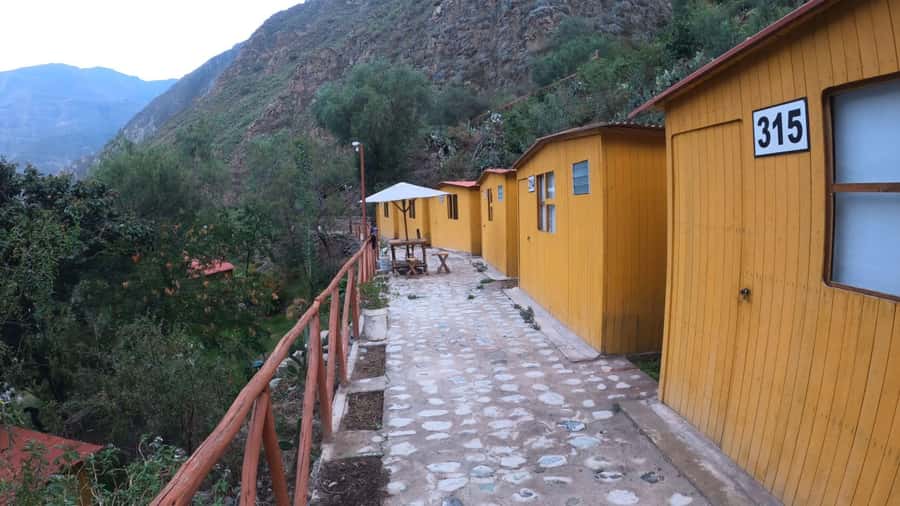
By the end of Day 1, you reach Sangalle Oasis at about 1,900 m. The route has you hiking roughly 3 hours after lunch, and then you get time to rest and enjoy the oasis area, including pool time.
This is the evening you want to make practical choices. You’ll likely be tired, your legs will feel the descent, and the pool becomes more than a nice-to-have—it’s recovery. Plan to slow down after you arrive. You’re not supposed to rush through this part.
The lodging, though, is very simple. Some rooms have been described as lacking basics like toilets or bathroom space and having limited outlets. That doesn’t mean the night is bad, but it does mean you should go in with clear expectations. If you need private bathroom comforts, you may find Sangalle frustrating for the price range.
Still, Sangalle is a key ingredient. It breaks the trek into two manageable days. Without that oasis stop, the route would feel harsher and more punishing.
Sunrise Climb and Cabanaconde: When the Second Day Gets Serious
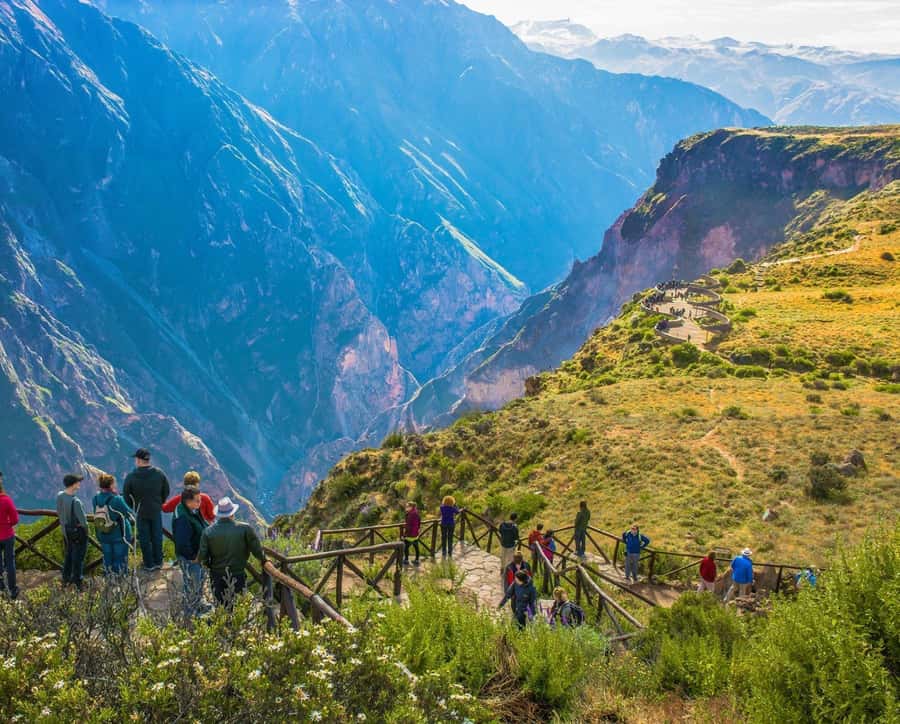
Day 2 starts very early again. You’ll climb back toward the canyon’s higher points—roughly 3 to 4 hours of uphill effort. The trek is timed so you can see sunrise as you hike, and that shifting light does something to the whole canyon view.
At the highest point, you’ll get time to rest and take in the scene. Then you continue down a bit toward Cabanaconde (about 3,300 m), where you’ll have breakfast.
This is also where I’d be most direct about planning: snacks and water make or break this day. One strong piece of advice from recent experience is to bring extra snacks for the climb because breakfast happens after the heavy ascent. If you rely on one meal to fuel a long uphill push, you’ll likely feel it—especially in heat.
Also, hydration isn’t optional. This region can get hot during the daytime climb. Carry enough water, drink steadily, and use sunscreen and a hat. The trek notes make this clear, and the reality of how you feel on the slope confirms it.
If you’re struggling on the climb
You may find options to shorten the hike by arranging a mule on the second day if needed. Don’t treat this as a plan A, but it’s a helpful safety net if your legs or breathing can’t keep up. The key is to tell your guide early rather than waiting until you’re already cooked.
Antahuilque Viewpoints, Terraces, and the Hot Springs of Chivay
After the climb, you’ll take transport to sightseeing stops and recovery time. One part that stands out is the Antahuilque viewpoints, where you can see cultivation terraces carved into the canyon surroundings. This isn’t just scenic trivia—it helps you understand how people have worked this landscape for generations.
From there, the itinerary includes thermal baths for relaxation. And it doesn’t stop at one soak. The schedule also includes hot spring time in the Chivay area, with a dedicated break that includes a visit. This is where you get your legs to calm down after all the down-and-up stress.
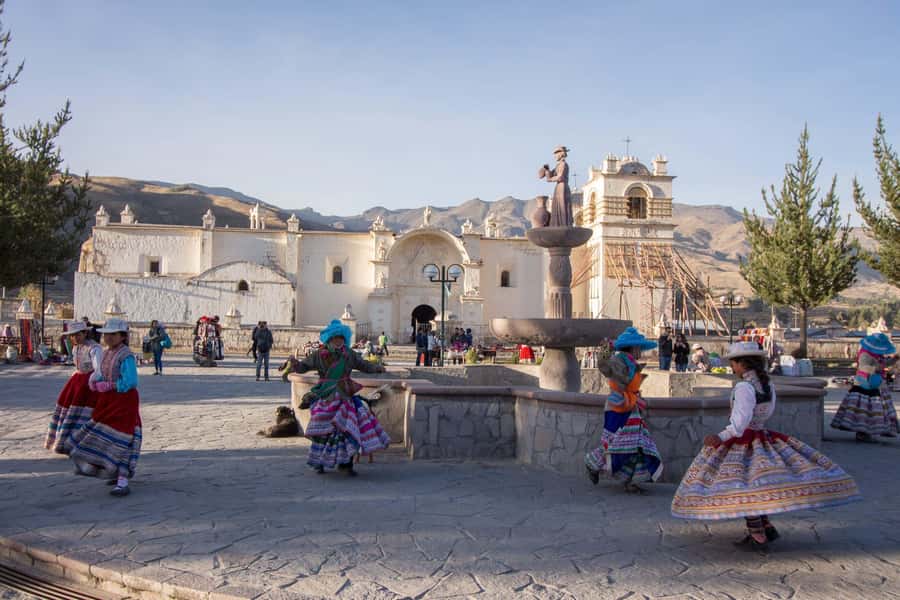
There are also return stops for views and local atmosphere. You’ll have photo opportunities from a viewpoint near 4,190 m (a volcano viewpoint), plus time for a stop connected to a traditional village. These pauses matter because they give you a moment to re-balance after hiking.
Just remember: those viewpoint stops still happen after the work. If you saved energy by moving carefully on Day 2, you’ll enjoy the final sightseeing more.
Price and Logistics: The Real Cost and What $21 Usually Means Here
This trek lists a low headline price—$21 per person—but there’s an important reality check. You’re required to pay $90 (or 320 soles) in cash at the start of the tour to cover food, lodging, and the entrance ticket. The hot spring entrance may be optional (listed as about $5 or 15 soles).
So what’s the value? In practical terms, you’re paying for two full days of structured movement: transport from Arequipa, a guide team in English and Spanish, time at key canyon viewpoints, an overnight at Sangalle Oasis, and recovery with thermal baths.
The value gets better if you like guided organization and don’t want to DIY the timing. The value gets worse if you’re expecting a fully inclusive price or high-comfort lodging. With Sangalle being simple, you should treat the trip as a trekking experience first, not a resort weekend.
Also, consider group size. The trek is limited to 18 participants. A smaller group usually means you get more workable pacing, and it’s easier for the guide to manage the trail sections.
Guide, Safety, and What to Bring for Exposed Steps
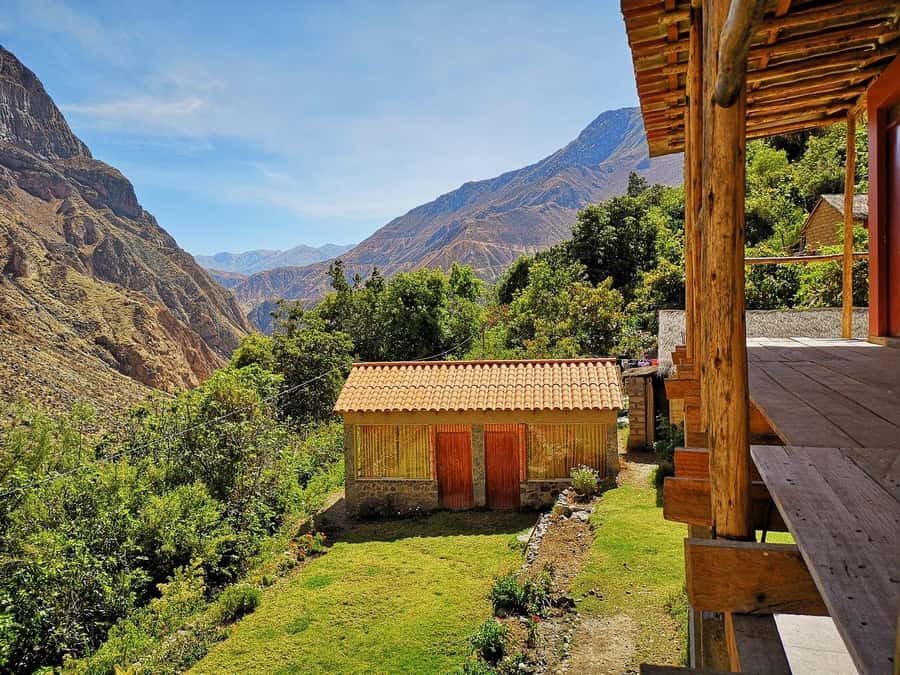
This trek is led by a professional guide in English and Spanish, and you’ll have guided segments at the key stops. That said, guides can’t fix bad footwear or a lack of preparation. One review detail that hits hard: the route can include steep and uneven sections, and some areas feel exposed. That’s why the “what to bring” list matters and why I’m emphasizing it.
Bring what the trek asks for: comfortable shoes, hat, camera, snacks, sunscreen, and water. Then add what the real-world advice suggests: a head light and toilet paper. The head light makes sense with early starts and low-light hiking or pre-dawn timing. Toilet paper is a smart backup when comfort facilities are limited.
If you’re a careful planner, also ask your guide for a clear explanation of how steep certain parts feel and what your options are if you need to take it slower. A couple of people reported that difficulty wasn’t emphasized enough before they set out, so don’t wait until you’re already on the slope. Get clarity at the start.
Finally, watch the weather and ground conditions. The trek notes warn about varying weather conditions. Wind or heat changes how quickly you’ll get exhausted, and uneven ground makes that worse.
Who Should Book This Trek (and Who Should Skip It)
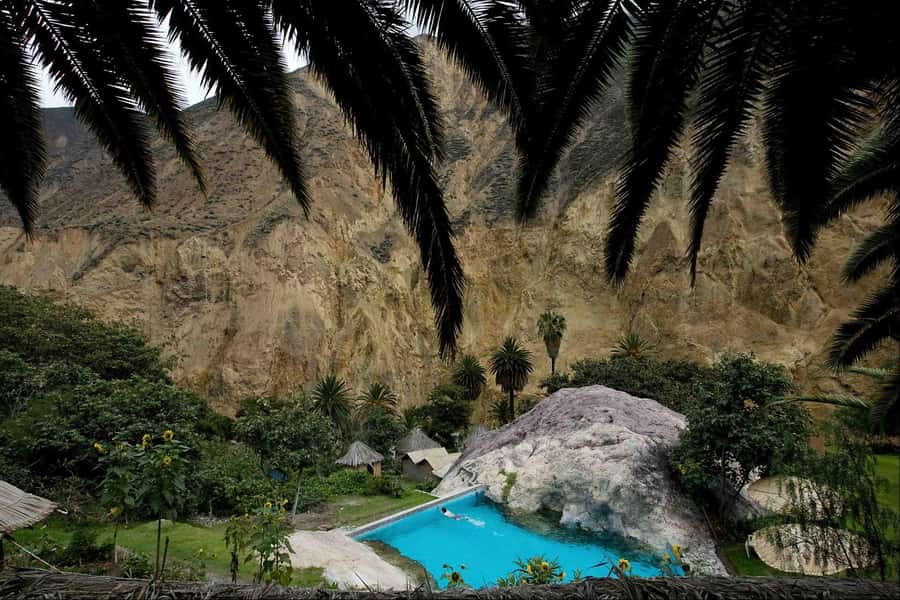
This experience is for you if you want the Colca Canyon from the inside: canyon floor walking, community lunch, pool recovery at Sangalle, and sunrise views. It also suits you if you’re comfortable with a challenging day—up and down—because the second day’s climb is the hardest moment.
It’s not a good fit if you have back problems, mobility impairments, vertigo, or low fitness. Those aren’t vague red flags; they’re the kinds of limits that matter when trails are steep and uneven.
If you’re an average hiker but prepared—good shoes, enough water, and realistic pacing—you’ll probably handle it. But if you tend to underestimate climbs, treat this as a “train before you come” trip.
Should You Book This 2-Day Colca Canyon Hike?
Book it if you want a guided trek that hits the canyon’s key emotional beats: going down, relaxing in Sangalle Oasis, then earning sunrise and terrace viewpoints on the way back up. The condor viewing at Cruz del Cóndor is also a strong reason to choose this route over a simple bus-and-photo day.
Think twice if you’re expecting comfort-first logistics or if you hate steep, exposed trail sections. The lodging is basic, and the hike is physically demanding enough that you should plan for it like a real workout.
If you decide to go, do yourself a favor: pack snacks for the second-day climb, carry plenty of water, and bring a head light plus toilet paper. You’ll move calmer, feel safer, and enjoy the views more.
FAQ
How long is the Arequipa to Colca Canyon hiking experience?
It’s a 2-day trek with pickup in Arequipa at 03:00 on Day 1 and ending in Arequipa around 17:30 on Day 2.
What does it cost, and what do I pay in cash?
The listed price is $21 per person, but you also need to pay $90 (or 320 soles) in cash at the start of the tour for food, lodging, and the entrance ticket. Optional hot spring entrance is listed at about $5 (or 15 soles).
What’s included in the tour price?
Included are round-trip transport between Arequipa and the Colca area, plus a professional guide who speaks English and Spanish.
Is the trek difficult?
Yes. The trek involves steep and uneven paths. It’s not suitable for people with back problems, mobility impairments, vertigo, or low fitness.
What should I bring?
You’ll want comfortable shoes, a hat, camera, snacks, sunscreen, and water. It also helps to bring a head light and toilet paper, based on recent on-the-ground advice.
What key places will I visit during the two days?
You’ll visit Cruz del Cóndor for condor viewing, hike down toward San Juan de Chuccho for lunch, spend the night at Sangalle Oasis, and later stop at Antahuilque viewpoints, thermal baths, plus additional viewpoints and a traditional village stop before returning to Arequipa.