REVIEW · INDONESIA
Mount Rinjani: 2-day 1-night Guided Summit Trek with Meals
Book on GetYourGuide →Operated by Star rinjani · Bookable on GetYourGuide
Two days to a real summit. This Mount Rinjani trek is built for people who want the big payoff of high altitude without the chaos, thanks to a small group (up to 4) and an English-speaking local guide on the trail.
What I like most is how much the trek is taken care of for you. You get meals during the climb (breakfast, lunch, dinner) plus extra snacks, water, and the kind of steady support that matters when your legs start negotiating.
Here’s the deal-breaker to respect: the final ascent is seriously hard. If your fitness level is low or you’re not used to altitude, you may not make the summit, and that’s not a failure of the tour—it’s just Rinjani being Rinjani.
In This Review
- Key things that make this trek worth your attention
- Mount Rinjani Summit Trek: What this is really like
- Getting picked up in Lombok and starting from Senaru
- Day 1: The long uphill, plus the snacks and meals you need
- Overnight on Rinjani: sleeping arrangements and real-world comfort
- Summit night vs. summit morning: the final push
- Descending: legs get a rest, but you still earn your reward
- Guide and porter team: names you might see and why it matters
- What’s included vs. what you must bring
- Price and value: is $126 a fair deal?
- Weather, safety, and the closure months you must respect
- Who should book this trek, and who should not
- Getting to Bangsal Port and onward travel after the hike
- Should you book this Mount Rinjani summit trek?
- FAQ
- What does the price include on this Mount Rinjani trek?
- Is this trek a full 2 days with 1 night on the mountain?
- How big is the group?
- Do I need my own trekking poles and headlamp?
- What months is the Rinjani summit trek closed?
- Who should avoid booking this trek?
Key things that make this trek worth your attention
- Small group pace: Limited to 4 participants, so you’re not lost in a crowd.
- Meals and water included: Breakfast, lunch, dinner, plus extra snacks to keep energy steady.
- Overnight on the mountain: You’ll sleep on-site with tents and mattresses provided.
- Guides you can understand: English-speaking guidance from start to finish.
- Strong team setup: Local porters and staff handle a lot so you can focus on walking.
- Value for the package: For $126, you’re getting more than just a guide and a route.
Mount Rinjani Summit Trek: What this is really like
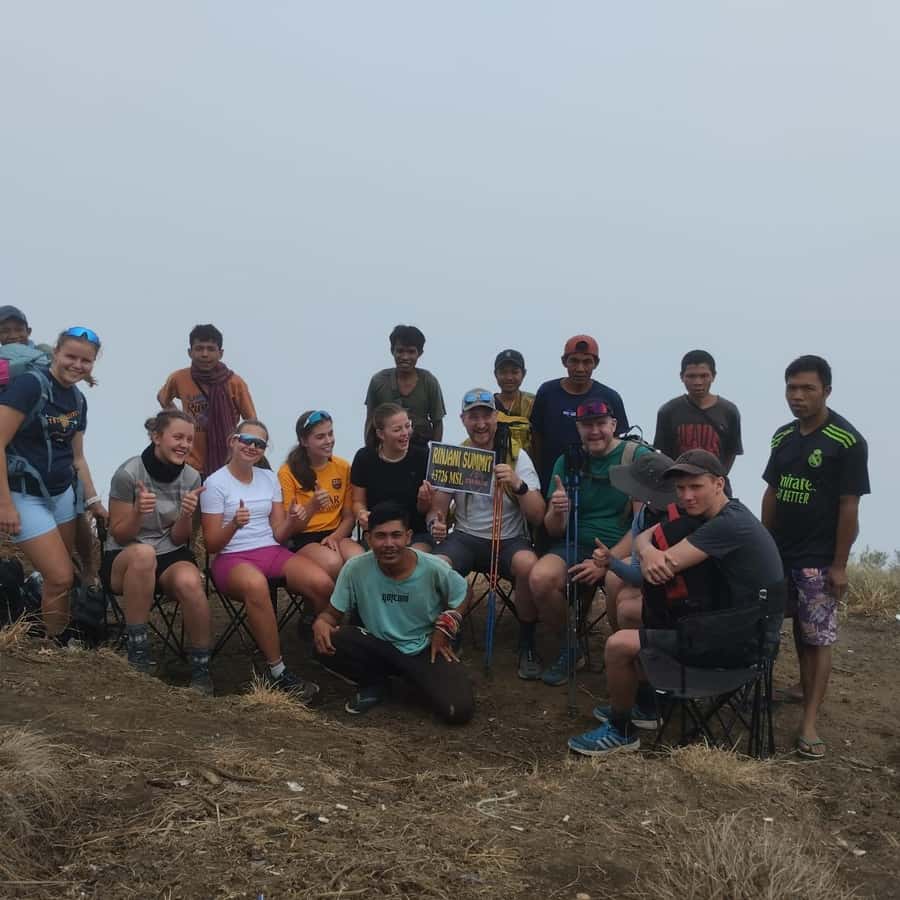
This is a guided two-day, one-night summit-style hike of Mount Rinjani, starting from the Senaru area. The rhythm is pretty simple: hike hard, sleep on the mountain, then push for the summit before turning around to descend.
The tour company behind this is Star Rinjani, and their focus is safety and practical support. That shows up in the included items like tents, toilet tents, mattresses, cooking gear, and even trekking insurance. You’ll still need to bring your own clothing and basic gear, but the “big logistics” are handled.
Also, keep an eye on the wording you see when booking. Some listings summarize duration in a way that can look confusing. The real expectation here is clearly two days and one night because overnight stay on the mountain is included.
You can also read our reviews of more tours and experiences in Indonesia.
Getting picked up in Lombok and starting from Senaru
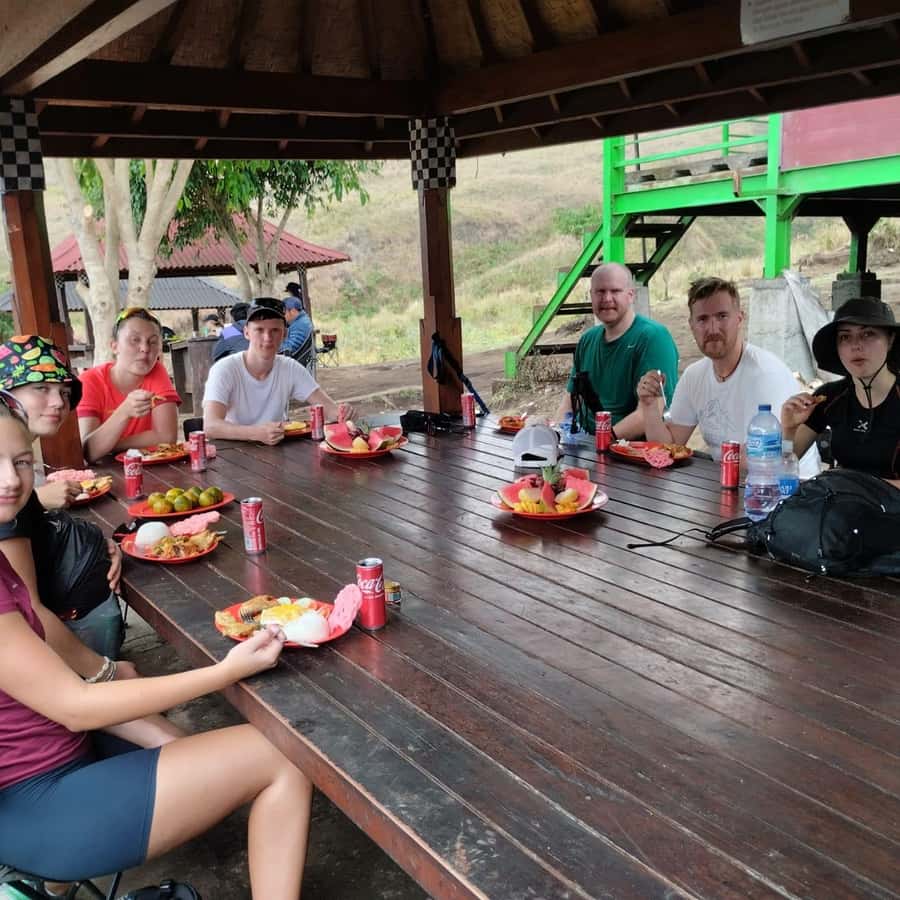
You’ll get pickup from selected hotels, and you’re also covered for transportation pick up from Senaru. In practice, that means less hassle on your side the morning you start climbing—no wandering around trying to find the right driver or meeting point.
One detail I appreciate: the ride to and from the trail area is part of the experience, but it can be a bumpy one. Expect a truck-style transfer and keep your back in mind. I’d also bring a small daypack with the essentials so you’re not constantly digging through a larger bag once you’re on the move.
If you’re planning onward travel, it helps to know that some bookings have mentioned free shuttles arranged after the trek (including Bangsal Port connections). Your specific ride may depend on timing, so it’s smart to ask before you finalize plans.
Day 1: The long uphill, plus the snacks and meals you need
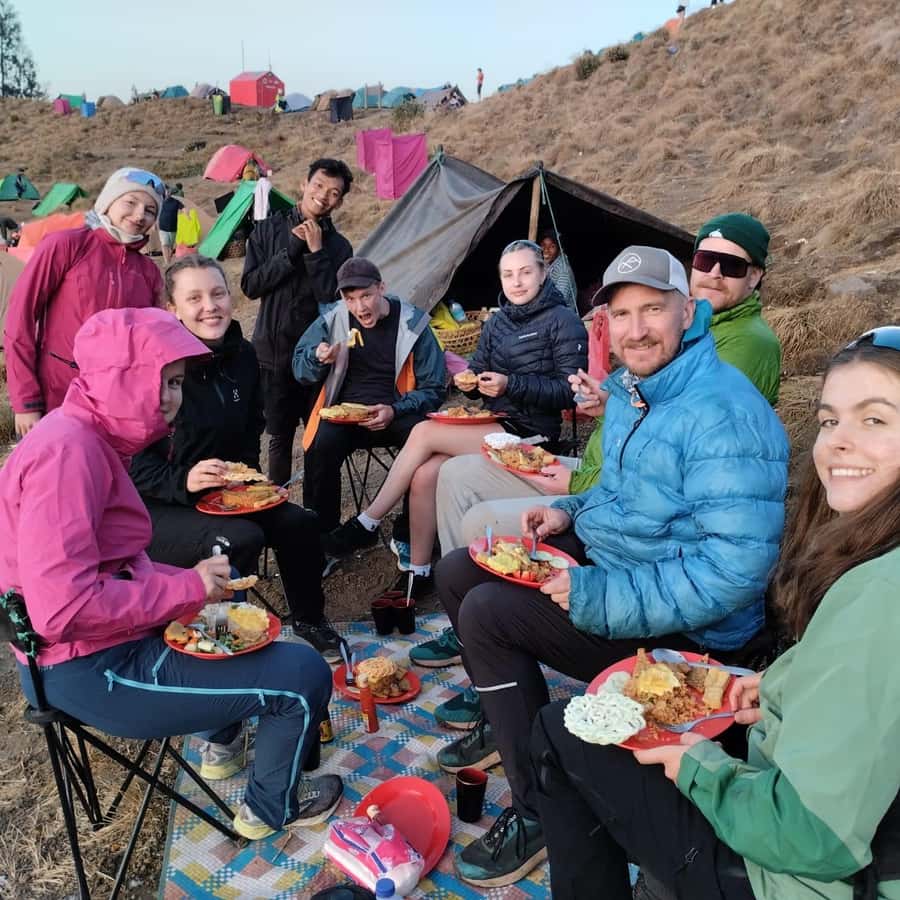
Day one is about earning your altitude. You’ll hike with a local English-speaking guide and a porter team that supports camp setup and gear carrying. The key here is pacing. A summit trek can’t be sprinted without paying for it later, so your guide’s job is to keep you moving in a way that gives you a shot the next morning.
You’ll also be fed properly along the way. Meals included during the trek are breakfast, lunch, and dinner, and you’ll get extra snacks, meals, and water between meals. That part matters more than people expect. When you’re climbing, the difference between a hungry day and a fueled day is often the difference between surviving the ascent and feeling like you’re glued to the mountain.
From the on-trail support side, you’ll feel how hard the team works. Guides mentioned by name include Apok, Ijan, and Arif, and several people highlighted how the crew kept them well fed and kept water coming when they needed it. That kind of rhythm helps you stay mentally calm when the trail turns steep.
Overnight on Rinjani: sleeping arrangements and real-world comfort
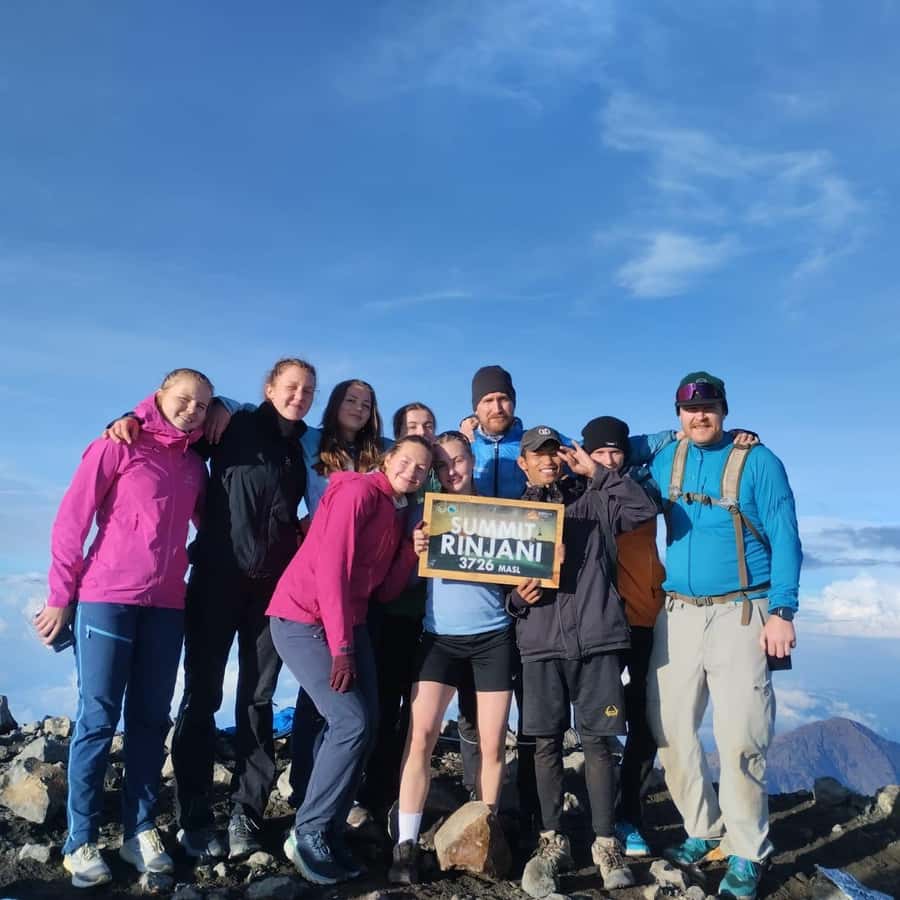
The night is the bridge between “I hope I can do this” and “I did it.” You’ll have an overnight stay on the mountain, with tents and toilet tents provided. Mattresses are included too, which is great because a cold, rocky surface can drain you fast.
Still, don’t expect hotel comfort. Mountain sleeping usually means you’ll layer up and get used to your surroundings. Bring clothes that can get dirty, plan for cool air, and keep the gear you’ll need at night easy to reach.
One practical note from experience reports: sometimes tent zippers or closures can be a little stubborn in the field. The guide’s focus should be fixing problems when they happen, but you should also pack the mindset that mountain conditions aren’t like a tidy campground back home.
Summit night vs. summit morning: the final push
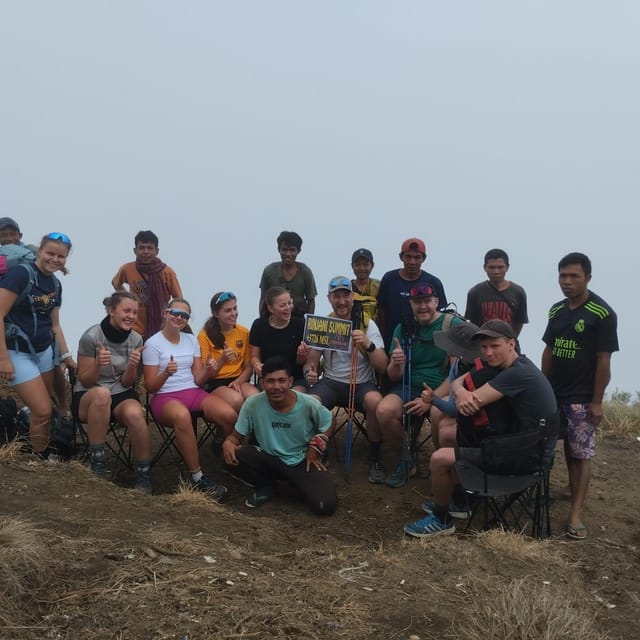
The summit portion is the hardest part of this entire trip. The tone from real experiences is consistent: the last ascent is really hard, and not everyone makes it. That’s true even when the tour team does everything right.
This is where your preparation matters most:
- You need decent baseline fitness.
- You should understand altitude can slow you down and make breathing feel harder.
- If you’re prone to altitude sickness, this is not a “try it anyway” situation.
Guides like Salma, and teams guided by Ijan and his father (in some groups) are known for being helpful and encouraging. That matters because summit day can feel like a long sequence of small battles—short pauses, slow steps, and keeping yourself steady when your legs complain.
Even so, the goal is safety first. The guide team will decide how to manage pace and who can continue based on conditions and how people are responding. If you’re the type of person who needs a 100% guarantee, you may find summit treks tough emotionally. If you’re the type who values the attempt and the experience of being on Rinjani, you’ll understand the point.
Descending: legs get a rest, but you still earn your reward
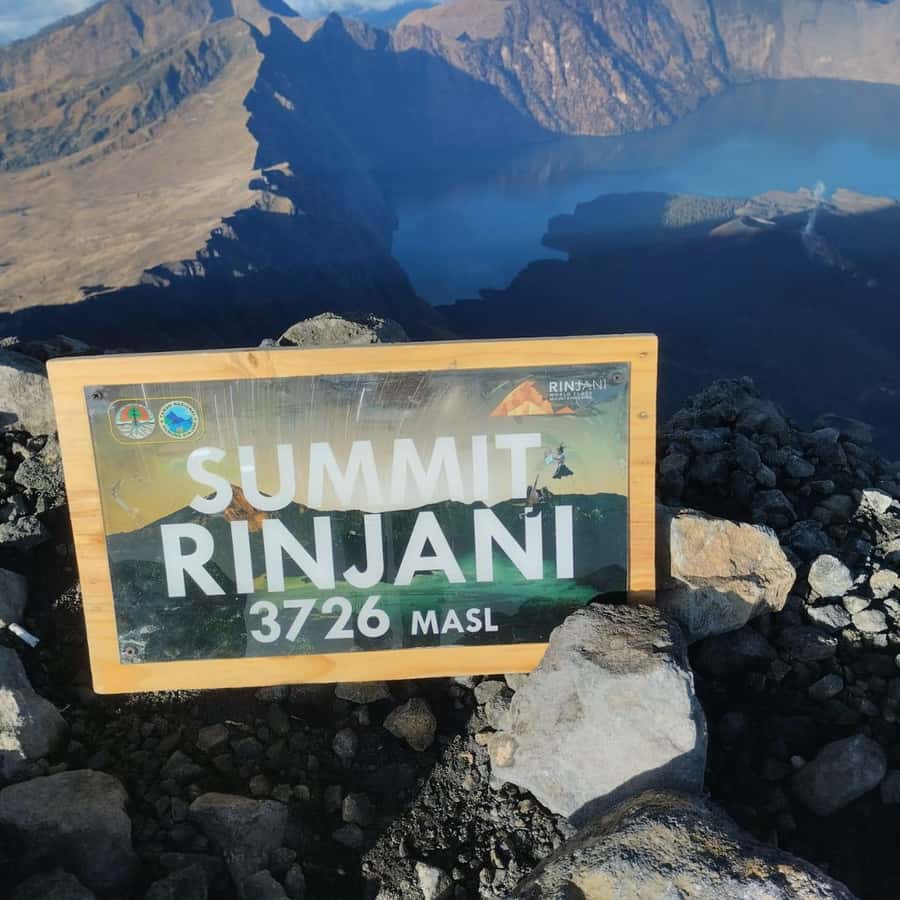
After the summit attempt (or after the day’s turnaround point), you’ll come down. And descending is its own challenge. Your quads will work, your knees will negotiate, and your concentration has to stay switched on because footing matters on uneven volcanic trails.
The payoff is the views from higher ground—people describe the summit day as breathtaking and unforgettable, with a big sense of achievement. But don’t treat the view as the only reward. A real value of this trek is that you’re moving through multiple “moods” of the mountain: strenuous climb, focused overnight, then a concentrated push to high altitude.
The team support still matters on the way down. Because meals and snacks are built into the schedule, you don’t arrive feeling like you got through the hard part on empty.
Guide and porter team: names you might see and why it matters
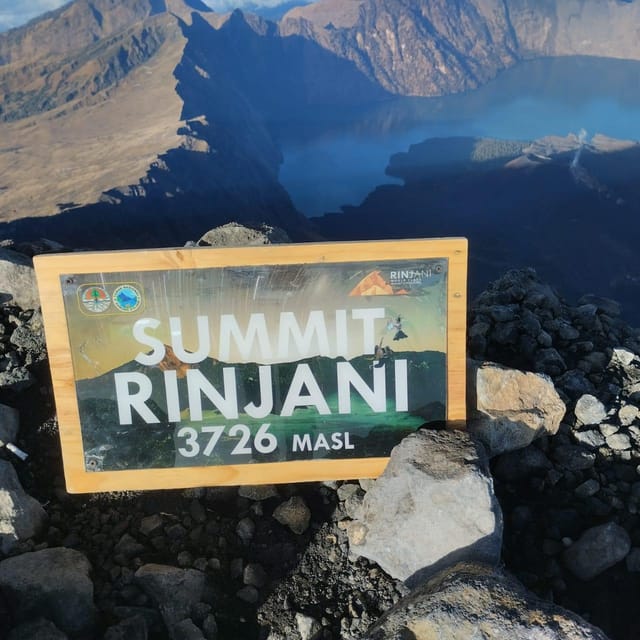
This trek is small group, which means your guide and porters aren’t just background. They shape how the experience feels.
Some guides named in real experiences include:
- Apok (fun, attentive, and guiding with a lot of care)
- Ijan, and his father (described as sweet and helpful)
- Arif (working to solve issues on the mountain setup)
- Salma (praised as a perfect/helpful leader)
Here’s the practical takeaway: a good summit guide does three things. They manage pace, answer questions, and keep morale steady when you hit the hard parts. A strong porter team reduces your load and improves camp quality, which is what lets you sleep and recover instead of improvising.
If you’re doing your first big hike, that “someone’s got it handled” feeling is part of the value you’re paying for.
What’s included vs. what you must bring
This package includes a lot of the equipment and on-mountain operations:
- Pickup from selected hotels
- Trekking insurance
- Local English-speaking guide
- Local porter
- Tents, toilet tents, mattresses
- Cooking gear
- Meals (breakfast, lunch, dinner) + extra snacks, meals, and water
- Transportation pick up from Senaru
- Overnight stay on the mountain
- Parking area and storage room
- Trekking equipment (plus mountain or any requested gear, depending on what you need)
What’s not included is where you can save money by packing smart or by budgeting for rentals. The big exclusions:
- Trekking poles
- Head light/flashlight
- Jacket and clothing
- January–March closures due to rainy season
- Transportation drop-off after the trek
Bring list essentials from the provided guidance:
- Comfortable shoes
- Change of clothes
- Camera
- Cash
- Clothes that can get dirty
- Flashlight
- Daypack
- Charged smartphone
Two small practical tips:
- Pack a daypack that can handle dust and cold mornings without you babying it.
- Bring clothing you’re willing to get grimy. Volcanic hikes have a way of turning “clean” into a memory.
Alcohol and drugs aren’t allowed, so don’t plan on treating the summit with a celebratory buzz. You want your judgment sharp on steep trails.
Price and value: is $126 a fair deal?
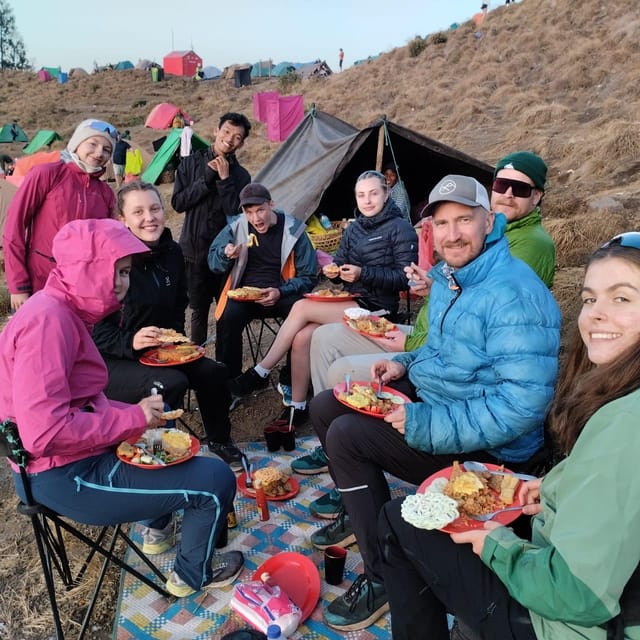
At $126 per person, you’re paying for more than a walk. You’re paying for:
- an English-speaking guide and porter support
- food twice or more daily with snacks and water
- mountain camping setup (tents, toilet tents, mattresses)
- trekking insurance
- the core logistics from the Senaru starting area
That’s why this price feels reasonable for many people. A summit trek like this usually costs more once you factor in guides, staff, food, and camp gear. Here, the package bundles those components.
That said, your own costs can still creep in if you forget essentials. Plan for trekking poles rental (if you need them), a flashlight/headlamp, and proper cold-weather layers since jacket and clothing are not included. If you show up unprepared, it can turn from a good value into a stressful shopping errand.
Also watch your travel timing. The trek is closed in January, February, and March due to rainy season, so you need to align your dates before you count the trek into your budget.
Weather, safety, and the closure months you must respect
Mount Rinjani has a rainy-season rhythm, and this affects access. The tour information calls out closure in January, February, and March because trekking is closed.
Outside closure months, weather can still change quickly, especially with altitude. That’s why the “bring a flashlight” and “have clothes that can get dirty” advice isn’t casual. A cold, dark, wet trail needs gear that works.
Safety rules are also pretty clear. This trek isn’t suitable for:
- pregnant women
- people with altitude sickness
- people with low level of fitness
If any of those apply to you, I’d strongly recommend picking a different plan—because summit attempts don’t forgive weak prep.
Who should book this trek, and who should not
This is a great fit if:
- you can handle steep walking and sustained effort
- you’re comfortable with the idea that summit success depends on conditions and how your body responds
- you want a guided experience with small group attention and built-in meals
It’s a poor fit if:
- you’re pregnant
- you have any altitude-sickness history or major concerns about altitude
- your fitness level is low and you haven’t built stamina first
If you’re unsure where you stand, be honest. The difference between “I can do it” and “I can’t do it” on Rinjani is often cardiorespiratory fitness plus a willingness to go slow.
Getting to Bangsal Port and onward travel after the hike
This package includes pickup to start, but it doesn’t explicitly list drop-off after the trek. That’s why it’s smart to plan onward transport in advance.
Some people have reported that the company offered a free ride to Bangsal Port after the trek, and others mention connections from Sembalun to Bangsal. If your next stop depends on a specific boat schedule, message the operator before you arrive so your timing isn’t a last-minute scramble.
In general, I treat this part as logistics insurance: confirm the plan for after you descend, especially if you’ve got a flight or ferry booked.
Should you book this Mount Rinjani summit trek?
Book it if you want a high-impact trek with a small group, English-speaking guidance, and real support—meals, snacks, water, plus camping gear—so you’re not carrying the whole burden yourself. At $126, it’s one of the more practical ways to chase the Rinjani summit goal without DIY chaos.
Skip it (or switch to a gentler option) if you’re worried about altitude, you’re pregnant, or your fitness isn’t ready. Also, align your dates: January through March are closed.
If you do book, pack like a grown-up: flashlight, proper shoes, dirty-ready clothes, and a daypack you can reach in the dark. Then show up with patience for a hard ascent. When the summit day clicks, the achievement feels earned—because it is.
FAQ
What does the price include on this Mount Rinjani trek?
The package includes hotel pickup (from selected hotels), trekking insurance, a local English-speaking guide, a local porter, tents and toilet tents, mattresses, cooking gear, meals during the trek (breakfast, lunch, dinner), plus extra snacks, meals, and water. It also includes transportation pick up from Senaru and overnight stay on the mountain, plus parking and storage room.
Is this trek a full 2 days with 1 night on the mountain?
Yes. Even if some listings show duration as 1 day, the setup here includes an overnight stay on the mountain and is described as a 2-day, 1-night guided summit trek.
How big is the group?
It’s a small sharing group limited to 4 participants.
Do I need my own trekking poles and headlamp?
Yes. Trekking poles and head light/flash light are not included, so you should plan to bring or rent them. Jacket and clothing are also not included.
What months is the Rinjani summit trek closed?
The information provided notes closure in January, February, and March due to the rainy season.
Who should avoid booking this trek?
It’s not suitable for pregnant women, people with altitude sickness, or people with low level of fitness. Alcohol and drugs are also not allowed on the trek.