REVIEW · KATHMANDU
Manaslu Circuit Trek
Book on Viator →Operated by Ace the Himalaya · Bookable on Viator
Manaslu Circuit feels like Nepal with fewer people. You’ll walk a controlled trekking route around Manaslu, where the mountains sit beside Tibetan-influenced culture and you still get that wild, quiet feeling. If you’re lucky with your team, guides like Janu or Sushanta Neupane are the kind who help you understand what you’re seeing, not just where to step next.
What I like most is the support and logistics built around you. You get a licensed English-speaking guide, and the porter setup is generous: 1 porter for every two clients, plus down jacket and sleeping bag provided for the trek. Another win is how the itinerary protects your legs and your head with natural pacing—especially around Samagaon and the acclimatization day.
One thing to consider: the route is serious. The Larkya La day has a steep climb and a steep, moraine-heavy descent, and the whole trek depends on weather for safe, enjoyable mountain views.
In This Review
- Key highlights you’ll feel on the Manaslu Circuit
- Manaslu Circuit Trek: why this route feels quieter and more real
- Price and what you really get for $1,900 (and what you don’t)
- Before you start walking: Kathmandu setup and the pre-trek meeting
- Getting to the trail: Kathmandu roads, Machha Khola, and Tatopani
- Day-by-day walking rhythm: from villages to monasteries
- Days 3–5: forests, terraces, and the Gandaki valley’s personality
- Days 6–7: Namrung, Lho, and the mountain views that start to dominate
- Day 8: Samagaon acclimatization day (and why it’s more than a break)
- Day 9: Samdo and the feeling of distance
- Day 10: Dharmashala (Larke Phedi) and basic comfort
- Larkya La: your long pass day and the mountain panorama hour
- Days 12–13: Tilje and Tal, plus the Annapurna Circuit connection
- Day 14–15: the drive out to Kathmandu and the final send-off
- Who should book this Manaslu Circuit Trek (and who should think twice)
- Should you book the Manaslu Circuit Trek with Ace the Himalaya?
- FAQ
- Do I need a visa or airfare?
- What trekking gear is included?
- Is travel insurance required?
- How many people are in the group?
- What kind of accommodation will I have on the trek?
- What happens if weather prevents the trek?
Key highlights you’ll feel on the Manaslu Circuit
- Controlled access, fewer trekkers: A permit-based route keeps crowds down and makes the trek feel more local.
- Acclimatization that actually makes sense: A full day in Samagaon gives you time for monasteries and hikes.
- The Larkya La payoff: On a long day, you’re rewarded with huge panoramas at the snowy pass.
- Culture shows up every few hours: Gompas, villages, and everyday stops like Tatopani hot springs.
- True team travel: Porters, guide, and 4WD support mean you spend energy on walking, not logistics.
Manaslu Circuit Trek: why this route feels quieter and more real
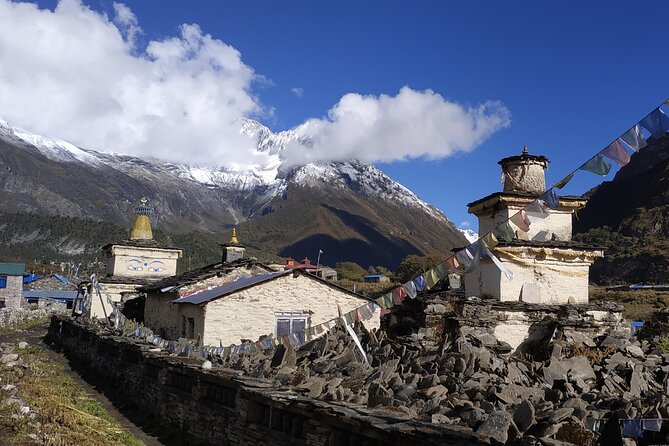
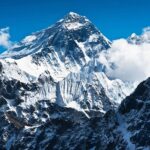
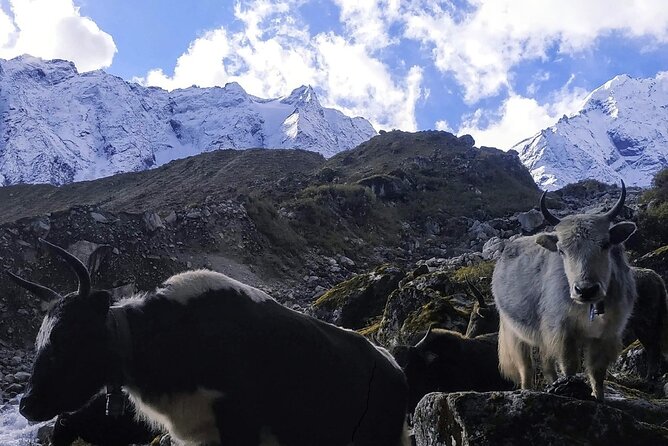
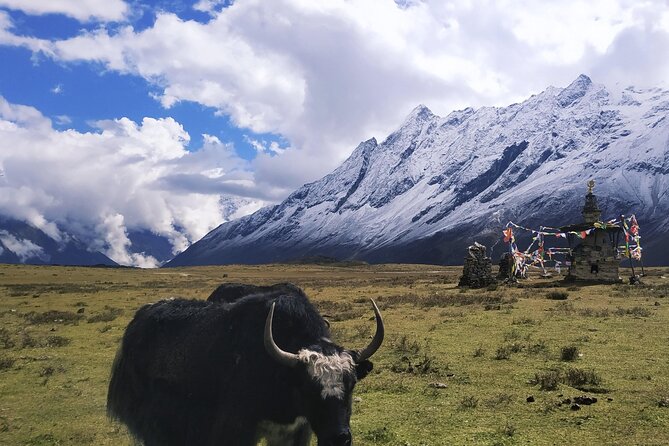
Manaslu (8,150 m) isn’t just another “Himalaya photo” trek. This circuit sits in a part of Nepal that’s been kept on a controlled trekking basis, so you don’t get the conveyor-belt feeling you see on some famous routes. The practical result is simple: more time with locals, fewer crowded guesthouses, and a trail vibe that feels lived-in rather than staged.
You’ll also notice how quickly the place changes. Early on, you’re moving through forests and river valleys; later you’re in wide, open stretches with plateaus and harsher weather potential. That mix is part of why the circuit stands out—your day-to-day view doesn’t stay the same for long.
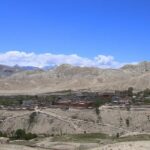
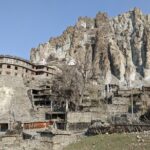
If you care about getting more than landmarks, the culture elements matter too. Ribung Gompa appears in your rhythm, villages like Lho and Samagaon feel distinctly Tibetan-influenced, and you’ll pass religious sites that aren’t just “drive-by.” The trek’s controlled nature doesn’t just reduce numbers; it keeps the journey grounded in small communities.
You can also read our reviews of more tours and experiences in Kathmandu.
Price and what you really get for $1,900 (and what you don’t)
At $1,900 per person for ~15 days, this package is priced like a trekking trip that covers the hard-to-manage stuff: permits, staff, logistics, and part of your meals. That’s the key to judging value here. You’re not just buying a map route—you’re buying an organized system for a restricted area.
Here’s what’s included:
- Airport transfers in Kathmandu
- 2 nights in a three-star hotel in Kathmandu (twin-share/double)
- Guided sightseeing in Kathmandu (with entrance fees)
- Licensed English-speaking trekking guide
- 12 nights on trek: guesthouses with twin-share/dormitory-style rooms
- 1 porter for every two clients
- Trek permits, including restricted-area requirements
- Down jacket and sleeping bag for the trek (returned afterward)
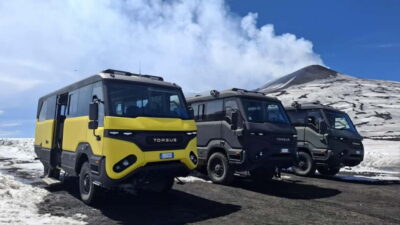
- Transfers by 4WD from Kathmandu to Soti Khola and again from Tal back to Kathmandu
- Government taxes and official charges
- Meals: breakfast (14), lunch (13), dinner (13)
What’s not included (and you should plan for):
- Travel insurance that covers emergency high-altitude rescue/evacuation
- Nepal entry visa and international airfare
- Alcohol and soft drinks
- Personal trekking equipment
- Tips for staff and drivers
- Lunch and dinner in Kathmandu
In plain terms: the cost feels reasonable if you want a “done-for-you” trek with permits handled, staff paid, and key gear provided. If you already own all cold-weather gear and you’re comfortable managing permits and logistics yourself, then the value calculus changes. Most people doing the Manaslu Circuit end up preferring the organized approach—mainly because restricted access is not a DIY vibe.
Before you start walking: Kathmandu setup and the pre-trek meeting
Your trip begins with an airport representative meeting you at Tribhuvan International Airport. You’ll transfer to your Kathmandu hotel in a private vehicle, and there’s a pre-trek meeting scheduled either on Day 1 or Day 2.
That meeting is more than paperwork theater. You’ll:
- Meet your trek leader/guide
- Review the legally binding trip form and non-liability disclaimer
- Sign off on the essentials
- Bring your passport, three copies of passport-size photos, and a readable copy of your travel insurance policy
That “insurance policy copy” detail is worth taking seriously. The trek is in a high-altitude environment where evacuation planning matters.
Also, group size stays controlled. The tour caps at 15 travelers, and in practice your experience can feel even more intimate depending on how many people book your departure. The guides and porters are part of the reason trekking experiences here get such positive feedback—people consistently mention safety, friendliness, and smooth logistics.
Getting to the trail: Kathmandu roads, Machha Khola, and Tatopani
Day 2 is a long travel day, and it sets expectations for what the rest of the trek will feel like. You start with a 3–4 hour drive on concrete from Kathmandu to Dhading Besi, then swap to a slower, winding dirt road to Machha Khola. The total day driving time is roughly 8–10 hours.
This matters because it changes your “first-day energy.” You’re not trekking yet—you’re resetting. You’ll be thankful to have a private 4WD vehicle and experienced driver, especially with roads that can be bumpy depending on conditions.
On Day 3, the trail picks up after crossing the Machha River area, and you’ll have that classic Nepal transition moment: hot spring air at Tatopani, then up through forest into a valley where the big river presence becomes obvious. When the elevation rises, the rapids and scenery change fast. It’s the sort of shift that makes you adjust your pace without realizing it.
Day-by-day walking rhythm: from villages to monasteries
Here’s how the trek “feels” as the days roll forward—what each stage gives you, and what you should watch for.
Days 3–5: forests, terraces, and the Gandaki valley’s personality
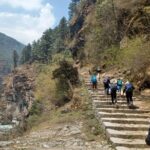
After Tatopani, you’ll follow the trail into Dovan and alongside the Budi Gandaki. Even if you don’t measure distances, you’ll feel the valley tighten and steepen as you gain altitude.
Day 4 takes you toward Deng, and the terrain becomes more dramatic: terraced hills, bamboo forest, and the sense that the valley walls are steering you. You end in a tiny village called Deng, which helps you understand why this circuit feels authentic—the end of the day is often small and quiet.
Day 5 is a harder, longer day, and it includes a memorable mix: flowering mustard fields, then arrival at Ghap (2,660 m) with the sound of a waterfall and ancient writings and art carved into stones. That’s one of those details that makes the walk feel connected to people who’ve lived here for generations.
Days 6–7: Namrung, Lho, and the mountain views that start to dominate
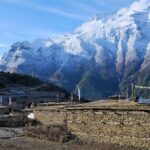
On Day 6, you trek to Namrung and eat with mountain views—then continue toward Lho. You walk past rivers connected to glaciers, including Hinan River originating from Linda Glacier. This is where the “Himalaya system” starts to click: glaciers feed the rivers, rivers shape the trail, and your elevation choices control what you can see.
Day 7 brings you to Samagaon, and the morning viewpoint possibilities are part of the reason trekkers remember this section. From above, you can look toward peaks like Manaslu North and Manaslu. There’s also Ribung Gompa up on the hill, giving you a cultural stop that feels natural rather than forced.
Day 8: Samagaon acclimatization day (and why it’s more than a break)
Day 8 is your acclimatization day in Samagaon, and you’ll use it wisely because the trek is heading toward the high pass later. You can explore at a slower pace, including options like:
- Pungyen Gompa and glacial Lake Birendra Tal (4–5 hours)
- A walk to Manaslu Base Camp and back (7–8 hours)
If you’re trying to choose based on effort, think like this: acclimatization days aren’t about conquering. They’re about giving your body time while still letting you enjoy the views and culture.
The fact that the itinerary offers multiple options is practical too. Not every trekker wants the same level of uphill grind on a rest day.
Day 9: Samdo and the feeling of distance
Day 9 pushes you toward Samdo, described as a remote permanent settlement. You’ll climb a terraced hill across the opposite bank of the Budhi Gandaki River. This is one of those days that can feel both physically demanding and emotionally quiet—like you’re walking farther into the “edge” of the region.
Day 10: Dharmashala (Larke Phedi) and basic comfort
On Day 10, you reach Dharmashala, also known as Larke Phedi. Expect very basic lodging: a small stone guest house with dormitory-style rooms. The day itself is only around 5 hours, but the location matters because it sets you up for the big pass day soon after.
If you’re the type who likes comfort, don’t fight the reality here. Plan to keep your evening low-key. The best way to get value from this stage is to rest early, eat what you can, and keep your gear organized for a long climb the next day.
Larkya La: your long pass day and the mountain panorama hour
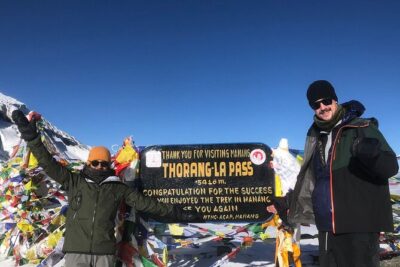
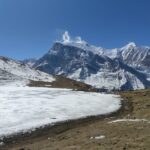
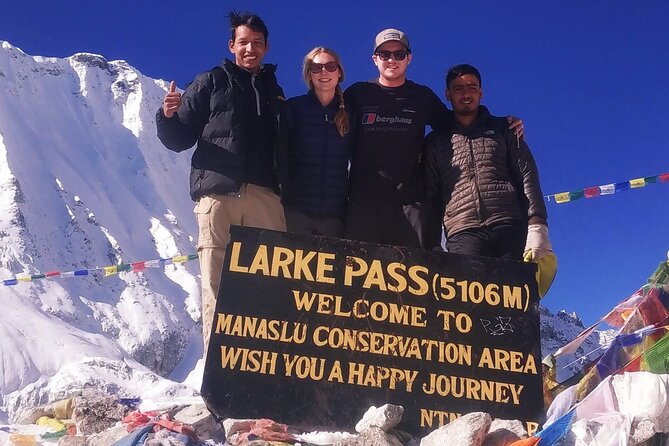
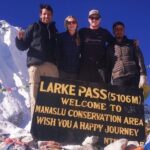
Day 11 is the star day for many people: a long trek with a steep uphill toward the snowed-up pass. The route takes you first toward Cho Chanda, then gradually to steep snow pass conditions. From the top, the panoramic list is impressive: Himlung Himal, Cheo Himal, Gyagi Kung, Kang Kuru, and Annapurna II.
The practical point: you’re walking longer than most days, and the descent afterward is steep through moraines toward Bhimtang. Moraines can feel loose and uneven, and your knees will notice. So if you’re choosing trekking pole use, this is a great day to commit to good form.
If weather plays along, this is where your photos make sense. If clouds roll in, you still get the satisfaction of crossing one of the circuit’s main high points, and the relief of getting the hard section done.
Days 12–13: Tilje and Tal, plus the Annapurna Circuit connection
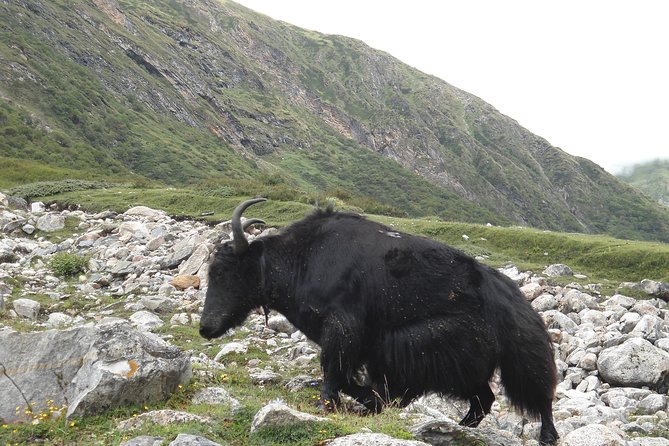
Day 12 shifts to easier terrain. You move through paddy fields, pass Karcha La Pass, and descend through fig trees and rhododendron forests to Tilje. That change from high pass energy to forest and farms is a nice psychological shift. Your body starts to feel like it can reset.
Day 13 continues onward to Tal, passing through villages with denser population and reaching Dharapani for lunch. After that, you enter the Annapurna Circuit section. You’ll cross a suspension bridge over the Marshyangdi River, then arrive in Tal on the river bank with a large waterfall you can enjoy.
This part is valuable because it gives you contrast: you go from remote pass terrain into a more populated trekking corridor. That means food options and social energy can feel different, and you’ll feel the trek is moving toward “finish mode.”
Day 14–15: the drive out to Kathmandu and the final send-off
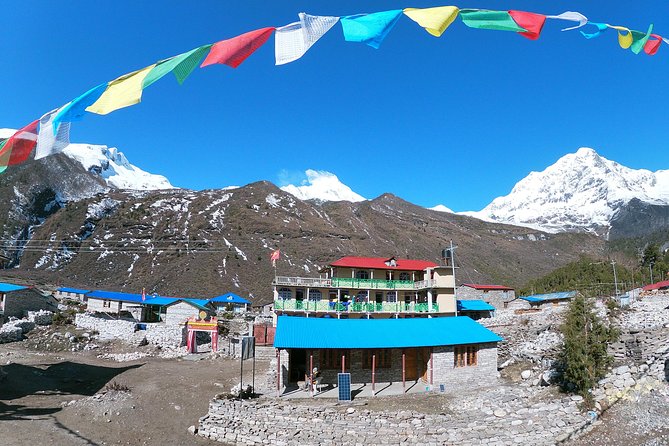
Day 14 brings 4WD travel back to Kathmandu via Besisahar. The road is rough and bumpy up to Besisahar and smoother after. You’ll get 8–9 hours of driving while hills and rivers slide past. It’s not glamorous, but it’s a payoff moment: you’re back in civilization after the circuit’s quiet.
Day 15 ends with an airport drop-off for your departure from Kathmandu. The whole timing closes the loop neatly: your start day includes meeting and setup; your finish day includes only the final transfer.
Who should book this Manaslu Circuit Trek (and who should think twice)
This trek is a strong fit if:
- You want a less-crowded, controlled trekking experience
- You’re comfortable with long days and at least one big mountain pass day
- You like cultural stops (gompas, villages, monasteries) woven into the walk
- You value good organization: permits handled, guide and porters arranged, key gear included
You might think twice if:
- You’re looking for an easy walk with frequent comfort upgrades. Some stages are basic guesthouses and dormitory-style rooms.
- You dislike long travel days and rough roads. Day 2 and Day 14 are both big driving days.
- You’re not ready for the Larkya La day’s long effort and steep descent.
The good news is the itinerary is built around acclimatization and pacing. The Samagaon day gives you breathing room, and the plan gives you structured progression toward the pass rather than a chaotic scramble.
Should you book the Manaslu Circuit Trek with Ace the Himalaya?
If you want a real Manaslu Circuit trek—focused on the region’s authenticity, with a controlled route that keeps things calmer—this is a smart booking choice. The package value is strongest when you appreciate what’s included: permits (including restricted areas), a licensed English guide, a porter ratio of 1:2, and cold-weather trekking gear.
I’d book it if you can handle a high, long pass day and you take weather seriously. If you’re chasing a low-effort stroll, you’ll feel that this is serious trekking, not a casual hike.
FAQ
Do I need a visa or airfare?
Nepal entry visa and international airfare are not included. The trip does include airport transfers and Kathmandu hotel nights, so your travel planning mainly needs to cover your own entry documents and flights.
What trekking gear is included?
The trek includes a down jacket and sleeping bag for use during the trek, and they are returned after. Personal trekking equipment is not included, so you’ll still want to bring your own basics.
Is travel insurance required?
Travel insurance is not included, and you should have a policy that covers emergency high-altitude rescue and evacuation. For the pre-trek meeting, you’re asked to bring a readable copy of your travel insurance policy.
How many people are in the group?
This activity has a maximum of 15 travelers. The trek is described as less crowded, and the structure supports a small-team feel.
What kind of accommodation will I have on the trek?
Kathmandu includes twin-share/double rooms at a three-star hotel for two nights. On the trek, you stay in guesthouses with twin-share and dormitory-style rooms; Dharmashala (Larke Phedi) is noted as a small stone guesthouse with basic facilities.
What happens if weather prevents the trek?
This experience requires good weather. If it’s canceled due to poor weather, you’ll be offered a different date or a full refund.