REVIEW · KATHMANDU
Kathmandu: 6-Day Limitless Langtang Trek
Book on GetYourGuide →Operated by Himalayan Nomad Treks Pvt. Ltd. · Bookable on GetYourGuide
Langtang feels like Nepal without the crowds. I like how this trek threads Tamang village life into the day, especially around Kyanjin Gompa where monasteries and a cheese factory are part of the routine.
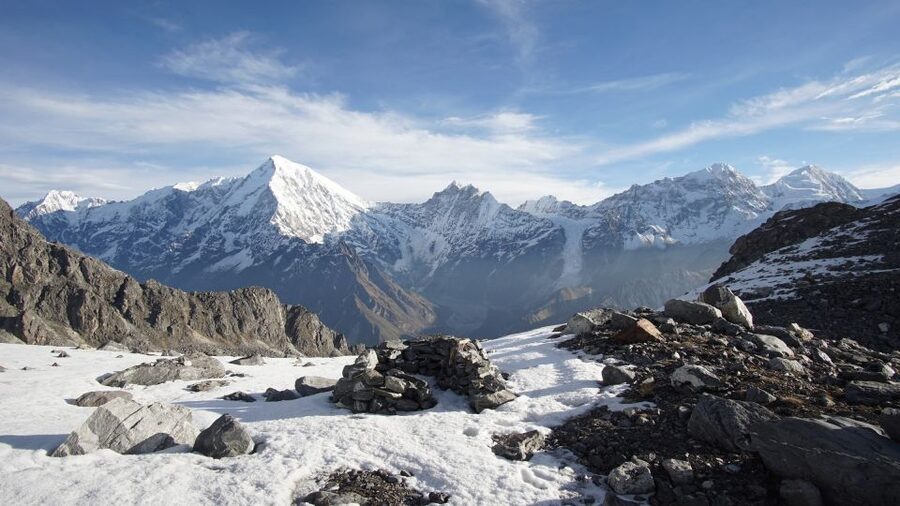
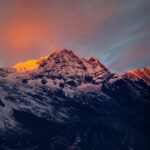
I also love that you’re not just walking for views. You’ll spend long hours hiking through forest and along the Langtang river, then earn big mountain panoramas that keep getting better as you gain altitude.
My only caution is the effort level. The route is described as moderate, but you can still face steep paths and a high point around 4,770m, and nights can feel cold in the mountains.
In This Review
- Key things that make this Langtang trek worth it
- Langtang Valley feels quieter because the days are built around people
- Kathmandu to Syabrubesi: your first taste of mountain travel
- Day 2 to Ghoda Tabela (2,900m): forest, waterfalls, and a real altitude jump
- Day 3 to Kyanjin Gompa (3,870m): Tamang culture and monasteries in one village
- Day 4: Kyanjin Ri is the optional test, and that’s the smart design
- Day 5 to Syabrubesi: descent by the river means tired legs, calmer mind
- Day 6 back to Kathmandu: transport your body rests, your mind keeps hiking
- Lodges and meals: what the package covers (and what you still pay for)
- Gear that matters on this route (based on what you’re told to bring)
- Price and value: $181 can work, but budget what’s not included
- The guides: why the names you see matter for your comfort
- Who should book the Langtang 6-day trek, and who should skip
- Should you book this Langtang Valley trek?
- FAQ
- How long is the Langtang Valley trek?
- What’s the highest altitude on this itinerary?
- Where does the trek start and end?
- What’s included in the price?
- Are meals included?
- Are drinks included?
- Do I need trekking permits?
- Is a porter included?
- What languages will the guide speak?
- Is travel and rescue insurance included?
- What should I bring for the trek?
- Is the trek suitable for pregnant women?
- Can I cancel for a refund?
Key things that make this Langtang trek worth it
- Tamang culture in everyday places: You’ll visit a village area with monasteries and get a close look at local life.
- Kyanjin Gompa focus: Expect spiritual stops plus the distinctive cheese factory experience.
- Optional Kyanjin Ri viewpoint: A tough climb on Day 4, but it’s the kind of payoff that sticks in memory.
- A first-trek friendly rhythm: Moderate, rewarding hiking that works for many first-time trekkers and couples.
- Support that makes a difference on steep days: Guides such as Niraj, Bipin, Mahesh Aryal, Dipesh, and Ghanshyam are repeatedly praised for being attentive and practical.
Langtang Valley feels quieter because the days are built around people
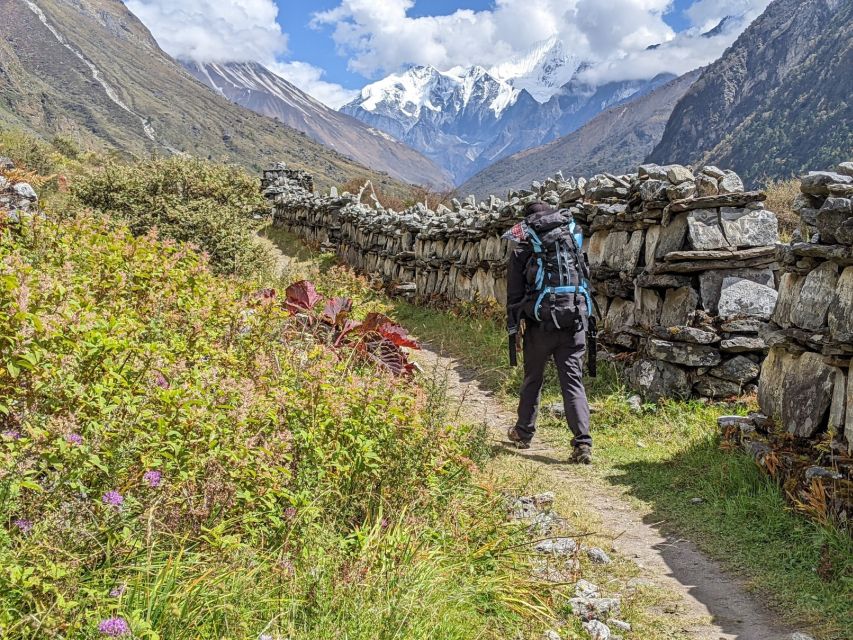
If you want the Himalayas without the nonstop circus feeling, Langtang is a smart pick. The trek centers on small villages and simple lodge life, so the experience stays human-scale. You’re not rushing from one photo spot to another; you’re moving through places where Tamang hospitality and everyday routines matter.
The spiritual side is real here. Sacred monasteries and quiet retreats show up as part of the route, especially when you reach the Kyanjin Gompa area. That mix of nature and calm is one reason many trekkers end up saying they felt their stress drop—not because trekking is easy, but because your brain finally stops multitasking.
You can also read our reviews of more tours and experiences in Kathmandu.
Kathmandu to Syabrubesi: your first taste of mountain travel
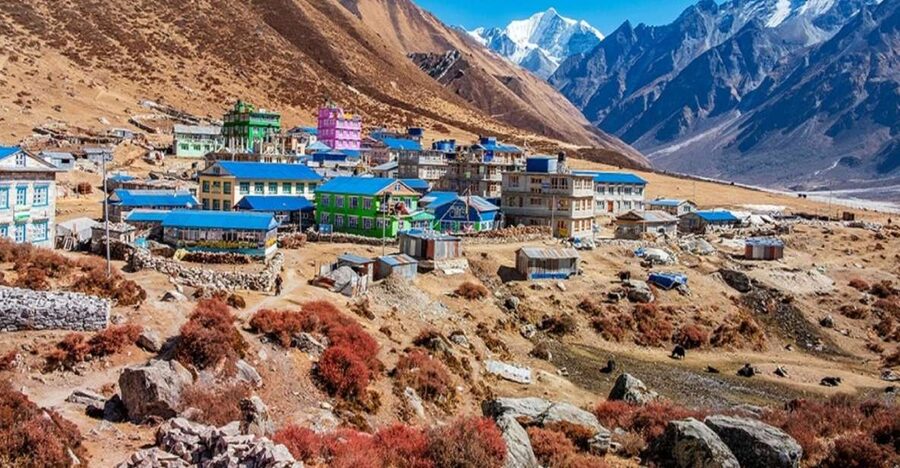
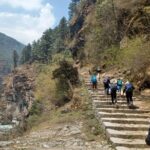
You start in Kathmandu with hotel pickup and drop-off, then set off toward Syabrubesi. Day 1 is a long day: about 6 hours driving plus roughly 2 hours trekking to Pahiro (1,550m). You’ll ride winding roads through mountain terrain, then transition into forest hiking beside a Langtang river.
Pahiro at 1,550m is a good warm-up. The hiking follows the water, which makes the walking feel steadier and easier to pace. I like this kind of opening day because you arrive with your energy mostly intact, not smashed.
Practical note: since the trek starts with a vehicle transfer, you’ll want to pack your essentials within reach—layers, sunscreen, and a light flashlight for evening.
Day 2 to Ghoda Tabela (2,900m): forest, waterfalls, and a real altitude jump
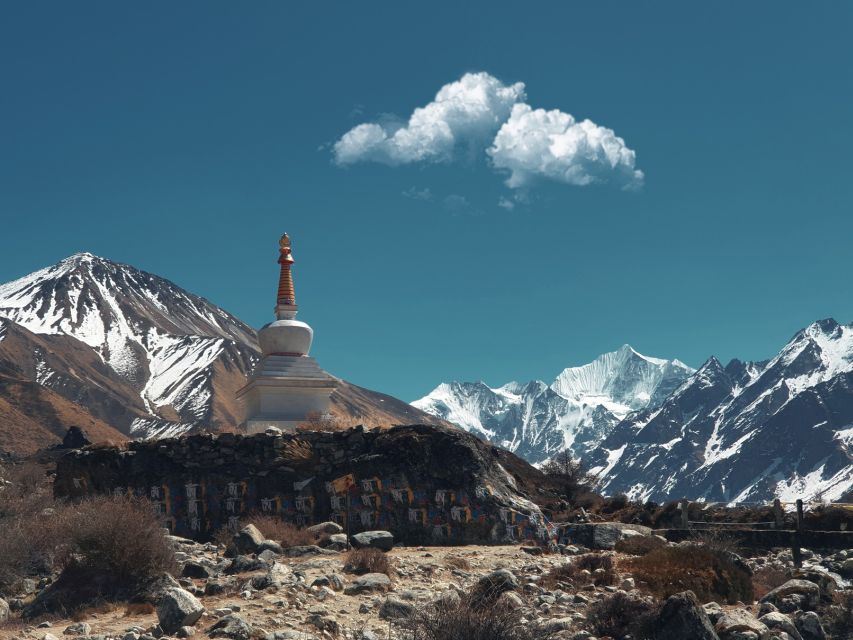
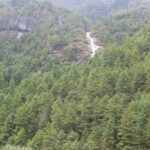
Day 2 moves you up to Ghoda Tabela (2,900m) on a hike around 6 hours. The route is known for lush green forest, charming villages, and cascading waterfalls along the way. This is where your body starts understanding the work-to-reward ratio of trekking in Nepal: steady effort, then nice breaks at places that feel lived-in.
This is also a day where a good guide helps you feel less uncertain. When you know the plan and why you’re stopping, it takes the mystery out of the climb. In the stronger groups I’ve met, you’ll notice people using a consistent pace and not sprinting between stops—exactly the kind of approach praised for guides like Niraj and Bipin.
That night you sleep in Ghoda Tabela. It’s not the end of the world if you feel a little tight in your legs. Expect it, stretch gently, and keep moving smoothly the next morning.
Day 3 to Kyanjin Gompa (3,870m): Tamang culture and monasteries in one village
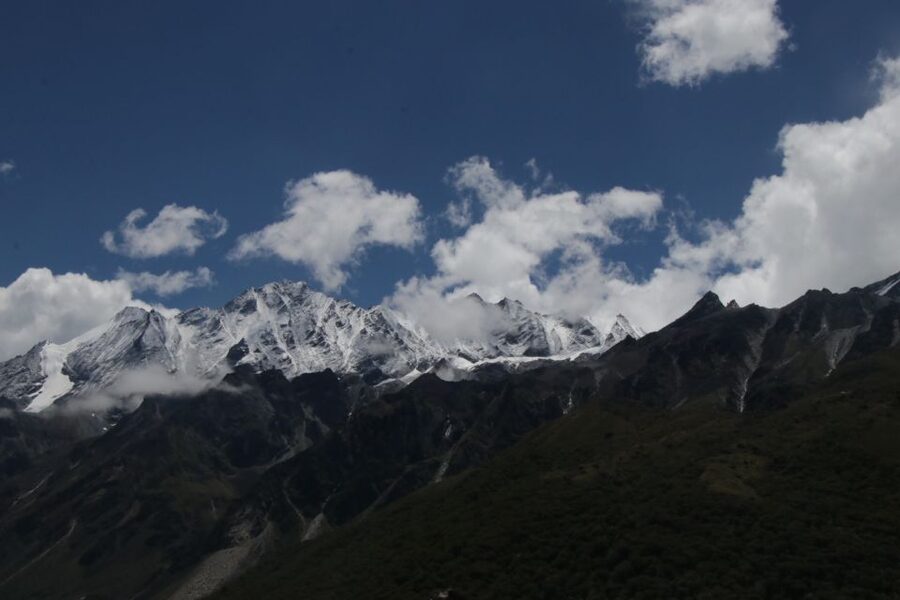
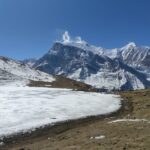
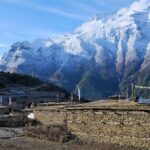
Day 3 is the emotional center for a lot of people, even though the altitude is still climbing. You’ll trek from Ghoda Tabela to Kyanjin Gompa (3,870m) in about time-intensive hiking, and you’ll be rewarded with major mountain views along the way.
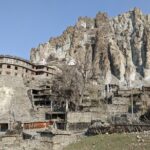
Once you reach Kyanjin Gompa, the experience shifts from walking to meeting. You explore the village area, including a cheese factory, monasteries, and chances to interact with friendly locals from the Tamang community. It’s not just sightseeing. You get a taste of how people live when the seasons and snowfall shape everything.
If you’re traveling solo, this is a good day for reassurance. Several guides mentioned—Mahesh Aryal and Dipesh, for example—were credited with checking in regularly and keeping the day’s progress understandable. That matters when you’re tired, when you’re cold, or when you’re simply not sure what comes next.
You spend the night in Kyanjin Gompa, which also gives you a chance to settle in before the bigger altitude decision on Day 4.
Day 4: Kyanjin Ri is the optional test, and that’s the smart design
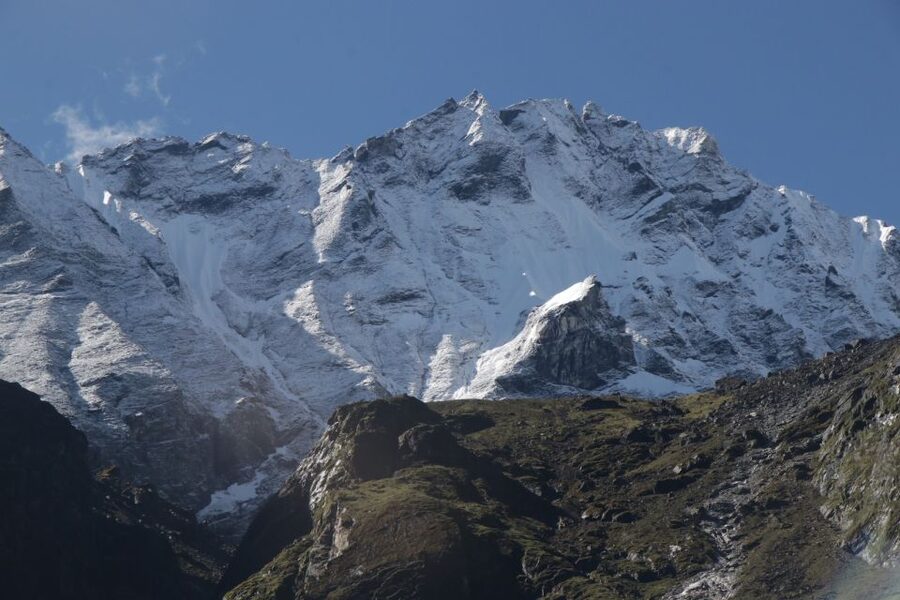
Day 4 starts with Kyanjin Gompa and moves toward Thangsyap (3,200m). The route includes an uphill climb toward Kyanjin Ri (4,770m), and this portion is noted as optional for some trekkers because it can feel hard.
Here’s why this setup is valuable. Instead of forcing everyone to the same summit goal, you get a choice. If you’re feeling strong and your breathing is stable, you can go for the viewpoint. If you’re not, you still get a meaningful day—views, spiritual atmosphere, and the chance to hike without turning it into a suffering contest.
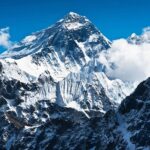
When you reach the peak, the payoff is the panoramic mountain outlook. You’ll also spend time back in the spiritual mood after returning along the same route. If you go in cooler months, you might find the lodge atmosphere especially comforting after the climb—one trek anecdote mentioned a fire going in the dining room during winter conditions.
The hiking decision on Day 4 is also a great place to learn your limits. A good guide will help you gauge whether to continue, and they’ll help you set a pace you can actually sustain.
Day 5 to Syabrubesi: descent by the river means tired legs, calmer mind
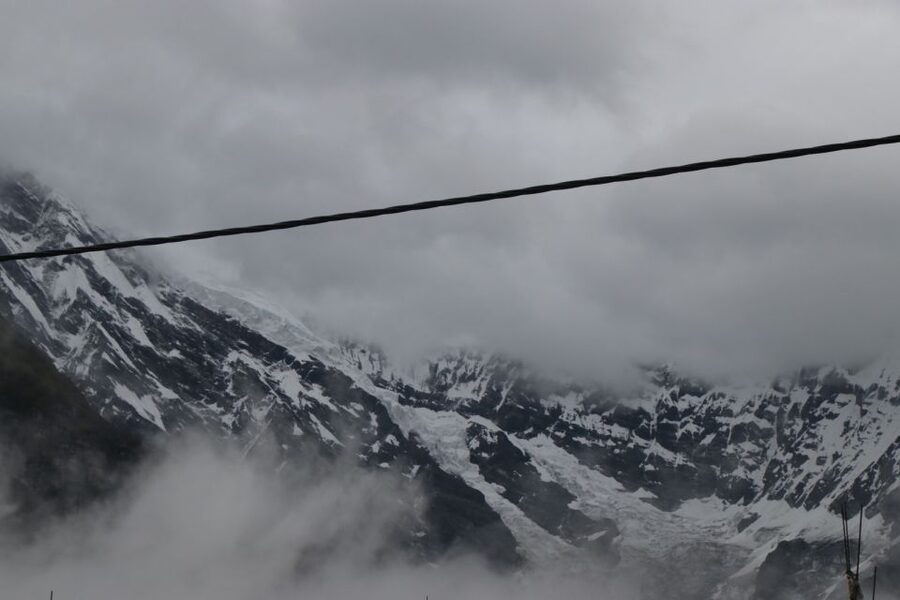
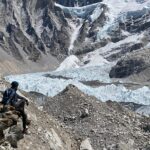
Day 5 brings the altitude back down. You’ll trek from Thangsyap to Syabrubesi (about 1,550m) by retracing steps and descending along the scenic trail beside the Langtang river. The route is described as descending through beautiful sections, which sounds lovely until you remember your knees are doing the work.
So plan for it. Take your time on downhills. Shorten your stride. Use trekking poles if you have them. This is one of those days where you’ll be tempted to hurry because you’re excited about finishing, but slow feet protect your body.
Before heading back, you also have time to explore the surroundings of Thangsyap. That pause helps you wrap your mind around what you just did. The viewpoint moments on the way down can still feel big, even though you’re not gaining altitude anymore.
You sleep in Syabrubesi again.
Day 6 back to Kathmandu: transport your body rests, your mind keeps hiking
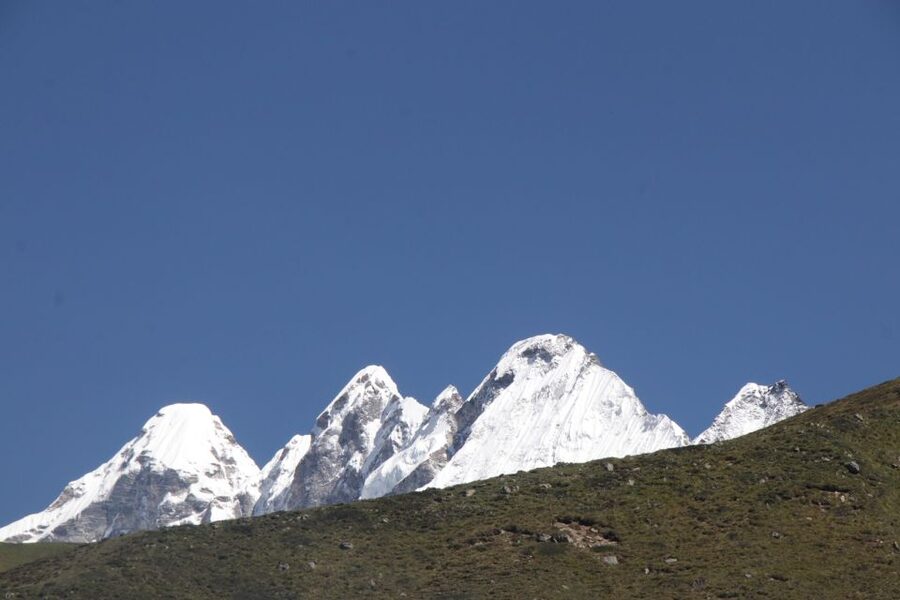
Day 6 is a drive back to Kathmandu from Syabrubesi in a shared bus. After the hills and lodge life, the road feels surprisingly fast—but you’ll still want to keep water and snacks handy for the ride since you’re traveling after the trek.
Once you’re back in Kathmandu, you’ll have time to reflect on the experience: the villages, the monasteries, the optional summit effort, and the steady rhythm that makes Langtang feel personal.
Lodges and meals: what the package covers (and what you still pay for)
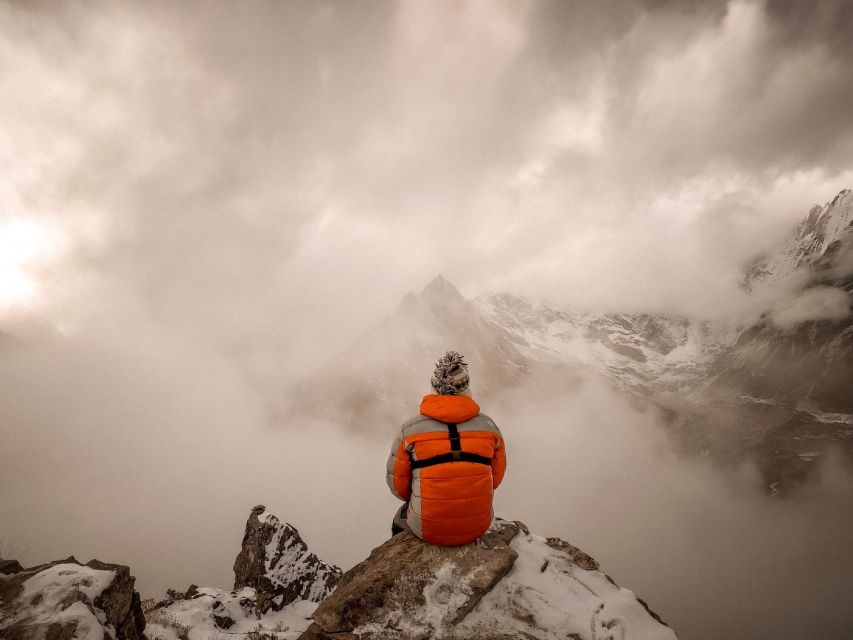
This trek includes private comfortable accommodation for five nights during the trek. Meals are included as part of the full package: breakfast, lunch, and dinner during the trek. That’s a big deal in the Himalayas because finding food every day, and figuring out costs on the spot, is the kind of stress you don’t want.
Soft and hard drinks are not included. Personal expenses are not included too—things like phone calls, laundry, bar bills, battery recharge, shower-related costs, and extra porters.
A helpful detail: you get luggage storage. That means you can keep your main pack managed and focus on what you truly need for each day’s hike.
In colder months, lodge life becomes cozy in a practical way. One winter trek experience mentioned a fire in the dining area, which is exactly what you want after a steep push. You won’t be dining like a chef; you’ll be eating hearty mountain food and getting your body warm again.
Gear that matters on this route (based on what you’re told to bring)
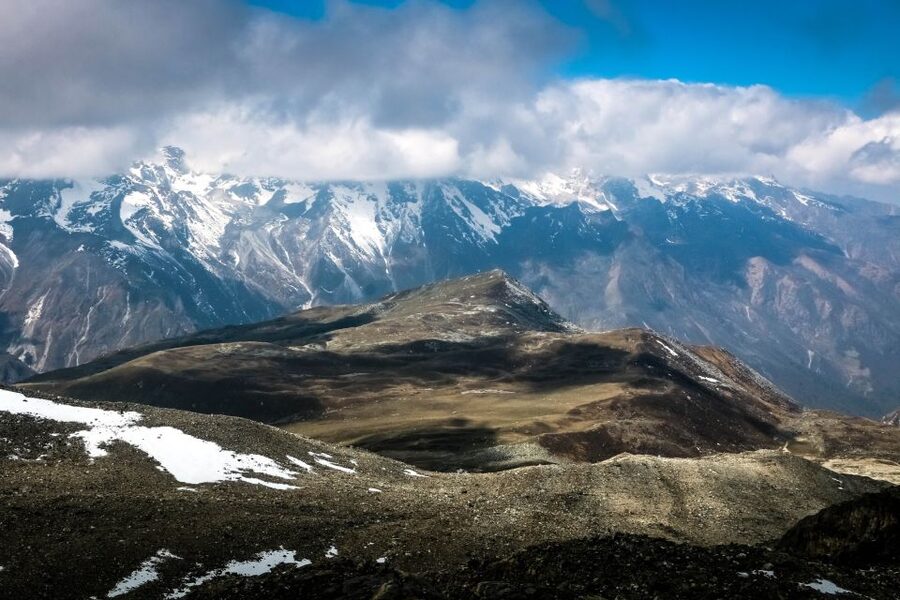
You’ll want hiking shoes, and you’ll also want the insulating layers to match mountain nights. The recommended packing list includes:
- sleeping bag
- jacket, hat, gloves
- sunscreen, sunglasses
- trekking gear
- flashlight
It’s also worth packing a calm, functional mindset. Trekking gear isn’t just about comfort. It’s about safety. Good footwear prevents slips on downhills, warm gloves keep you from losing feeling in your hands, and a flashlight makes lodge nights easier.
If you’re going in winter, bring warm clothes even if you think you will tough it out. Cold nights were specifically called out in winter feedback.
Price and value: $181 can work, but budget what’s not included
At $181 per person for 6 days, this trek can feel like a strong value—if you understand what’s included and what’s extra. Included costs cover hotel pickup and drop-off, the guide, permits/paperwork (including TIMS), accommodation during the trek, and transportation as per the itinerary for the number of people.
Also included are all staff expenses: meals, accommodation, salary, equipment, insurance, and transportation for the trek team. That helps explain why the trek can stay fairly priced without you managing every moving part.
What’s not included is where you should plan ahead:
- travel and rescue insurance
- international flights and Nepalese visa fee
- soft and hard drinks
- personal expenses like water, shower, laundry, phone calls
- bottle or boiled water
- extra porters (porter charges are extra)
My practical take: if you add travel insurance and your personal daily costs, the real budget becomes clearer. Still, with guided logistics and permits handled, you usually spend less time worrying and more time walking.
The guides: why the names you see matter for your comfort
This trek is built around a guide, and guide behavior can make or break steep days. You’re working with an authorized English-speaking guide, and the live guide languages listed include English, Hindi, and Nepali.
From the standout guide feedback attached to this trek, names like Niraj, Bipin, Mahesh Aryal, Dipesh, and Ghanshyam show up with consistent themes: supportive pacing, checking in, explaining the next day’s plan, and helping when backpacks get too heavy.
If that sounds small, it isn’t. On mountain days, confidence matters. When someone helps you keep your pace and gives you a clear sense of the schedule, your trekking feels smoother and your energy lasts longer—especially around the Kyanjin Ri decision.
Who should book the Langtang 6-day trek, and who should skip
This is a solid match if you want:
- a true Himalayan trekking experience with culture and monastery visits
- moderate trail effort and a manageable 6-day rhythm
- fewer crowds than many high-traffic routes
- an itinerary that includes an optional peak challenge rather than forcing everyone to summit
It also suits couples and solo hikers who like a guided structure. Families may like it too, as long as everyone is comfortable with hiking hours and steep sections.
One clear skip: it’s not suitable for pregnant women.
Should you book this Langtang Valley trek?
If you want Langtang Valley with real Tamang culture, monastery visits, and a reasonable chance to chase a major viewpoint via Kyanjin Ri, I’d say this is a smart book—especially if you prefer a guided setup that handles permits, meals (full package), and daily planning.
Don’t book it if you’re trying to avoid altitude discomfort entirely or if steep hiking days would be a problem for you. The route can feel physically demanding, and the high point around 4,770m means you’ll need patience and pacing.
If you’re the type who enjoys village interaction, spiritual quiet, and earned views, this trek matches that mood. And if you pick a guide who checks in and sets a realistic pace, your legs and your mind should both come home grateful.
FAQ
How long is the Langtang Valley trek?
It’s a 6-day trek.
What’s the highest altitude on this itinerary?
The itinerary includes hiking up to Kyanjin Ri peak at 4,770m (15,649 ft).
Where does the trek start and end?
You travel from Kathmandu to Syabrubesi to start, and you return from Syabrubesi to Kathmandu on Day 6.
What’s included in the price?
The price includes hotel pickup/drop-off, an authorized English-speaking guide, trekking permits and required paperwork (including TIMS fee(s)), government tax, private comfortable accommodation for five nights during the trek, transportation as per the itinerary, and all staff expenses.
Are meals included?
All meals (breakfast, lunch, dinner) are included during the trek for the full package.
Are drinks included?
Soft and hard drinks are not included.
Do I need trekking permits?
Trekking permits and all necessary paperwork are included.
Is a porter included?
An authorized English-speaking guide is included. Porter charges are extra.
What languages will the guide speak?
The guide is listed as English, Hindi, and Nepali.
Is travel and rescue insurance included?
No. Travel and rescue insurance is not included.
What should I bring for the trek?
Bring passport or ID card, towel, sunscreen, gloves, sleeping bag, flashlight, hiking shoes, jacket, hat, trekking gear, and sunglasses.
Is the trek suitable for pregnant women?
No, it is not suitable for pregnant women.
Can I cancel for a refund?
You can cancel up to 24 hours in advance for a full refund.