REVIEW · HANOI
From Hanoi: 3-Day Sapa Trek with Guide, Homestay and Meals
Book on GetYourGuide →Operated by VIETNAM GOLF PACKAGE · Bookable on GetYourGuide
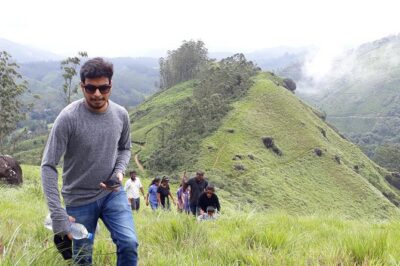
Sapa hits you fast with mountains, rice paddies, and real village life. I especially love the Cat Cat Village waterfall area and the way the Muong Hoa Valley trek puts you right on the trails. One thing to consider: this is a walking trip, and the total hike can run roughly 9–15 kilometers, so you’ll want decent stamina and shoes.
Also, I like that you get both a village-focused day and an overnight with a local family, not just a quick photo stop and back to town. The homestay is basic, and weather can swing fast in Sa Pa, especially fog from December through March.
In This Review
- Key takeaways before you go
- Why this 3-day Sapa trek feels worth the effort
- Price and logistics: where your $138 actually goes
- Day 1: Hanoi to Sapa, then Cat Cat Village and the waterfall area
- The short trek to start your legs
- Cat Cat Village: valley walking with power-station history
- Day 2: Muong Hoa Stream and rice terraces from Lao Chai to Ta Van
- The longer hike
- Lunch with a family meal
- Afternoon arrival in Ta Van: check-in and family time
- Evening option: local bar time
- The homestay part: simple comfort, meaningful access
- Day 3: bamboo forest, Giang Ta Chai photos, then back to Hanoi
- Timing and pacing
- Fitness reality check: distances, cold, and who should think twice
- What to pack so the trek doesn’t turn annoying
- Meals: included, local, and part of the cultural rhythm
- Guide quality: English support that makes small things easier
- Who this Sapa trek suits best
- Should you book this 3-Day Sapa Trek from Hanoi?
- FAQ
- What trek distances are involved on the 3 days?
- Are meals included?
- Is a homestay part of the itinerary?
- Do I need to arrange transportation from Hanoi to Sapa?
- What should I bring for the trek?
- Is fog a problem in Sa Pa?
Key takeaways before you go
- Cat Cat Village trek: Black H’mong village life plus the waterfall linked to a French-built hydraulic power station area
- Muong Hoa Valley hiking: rice terraces along Muong Hoa Stream, moving between Lao Chai and Ta Van
- Real homestay time in Ta Van with family meals and a chance to join local cooking (when the schedule allows)
- Giang Ta Chai day: bamboo forest, bridge walk, and panorama photo stops before heading back
- English-speaking guidance: praised guides include Su and Mu, with a helpful, caring approach
Why this 3-day Sapa trek feels worth the effort
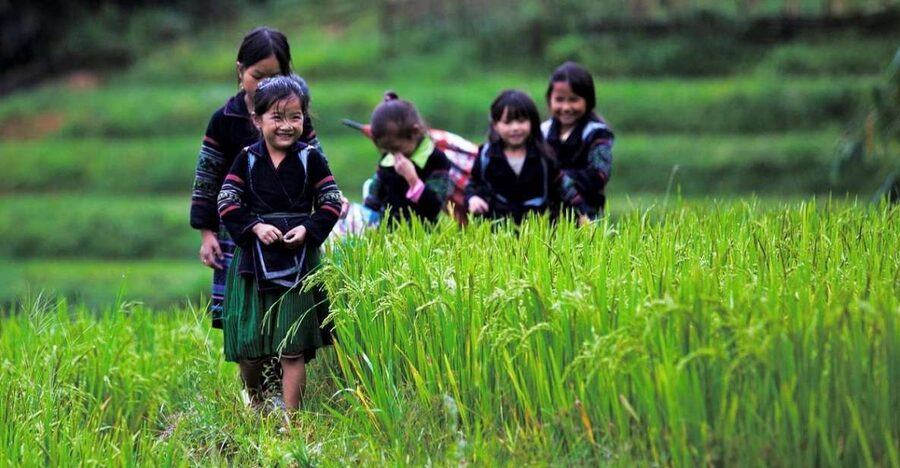
This tour is built for people who want more than viewpoints. You get rural walking around Sapa town, you sleep in the villages, and you eat with families along the way. That combination matters because Sapa can be very “tour town” if you only stay in the center. Here, the best moments happen on the trail and in the homestay evenings.
You’ll also get a clear sense of ethnic communities around the region. The itinerary specifically calls out H’mong, Dao(z)/Dzay, Tay, plus references to Black H’mong and Red Dao(z). And the walking route is designed to move you through different pockets of valley scenery rather than repeating the same path.
The other big reason it works: the group is guided start-to-finish with village entrance fees handled. So you’re not trying to figure out gates, permissions, or how to get from one trail section to the next.
You can also read our reviews of more tours and experiences in Hanoi.
Price and logistics: where your $138 actually goes
At $138 per person for 3 days, this price looks reasonable if you compare what’s included versus what most independent plans would cost you.
Here’s what the price includes:
- All meals
- English-speaking tour guide
- Transportation in Sapa
- Village entrance fees
- 1 night at a homestay
- 1 night at a hotel
What’s not included:
- The Hanoi–Sapa–Hanoi bus/limousine option (listed as a shuttle for $15 per person each way, or limousine for $20 per person each way)
- Drinks
- Single supplement if you want a private room ($30 extra for solo travelers)
- Anything not explicitly mentioned
So the value question is simple: if you want a guided, meal-included trek with an overnight homestay and you don’t want to plan transport between village areas, the package pricing makes sense. If you’re the type who enjoys DIY logistics and already has bedding, meals, and a guide lined up, you might save money on paper. But you’d spend time figuring out the same moving parts this trip organizes for you.
Day 1: Hanoi to Sapa, then Cat Cat Village and the waterfall area

Day 1 starts early and that’s part of the deal. You’re picked up in central Hanoi (Old Quarter) if you book the bus option. The schedule gives you a couple of rest stops en route, so it’s not nonstop grinding.
Once you arrive in Sapa town, you’ll see a mix of ethnic styles right away—H’mong, Dzao, and Tay are referenced in the plan. Then it’s lunch with local Vietnamese dishes, followed by your first trek segment.
The short trek to start your legs
The day’s trekking distance is about 3.5 km and takes around 2 hours. It’s labeled as a short walk, which matters because it sets expectations: this isn’t a “max out on day one” situation.
Cat Cat Village: valley walking with power-station history
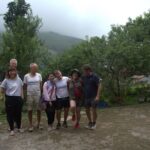
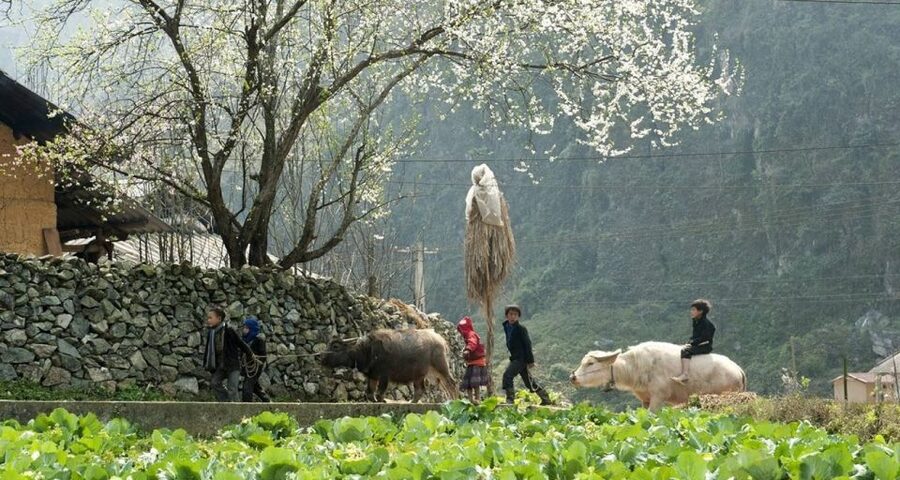
Next you head toward the gate area of Cat Cat Village, home to Black H’mong people. The village sits near the bottom of a deep valley near the foot of Fansipan Peak. Your local guide shows daily life activities of locals—then you trek down toward the valley bottom, with a stop at the waterfall area.
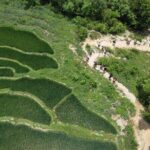
One unique detail: the waterfall area is connected to a French-built hydraulic power station (you’ll see the bridge and waterfall photo spots tied to that). That gives the scenery a bit of historical context without turning the day into a museum tour.
You finish this Cat Cat section by walking back uphill toward where the bus meets you, then you return to Sapa town around 16:30 for dinner and overnight. The plan also mentions night activities in town, so you’ll have some time to wander around Sapa’s evening scene at your own pace.


Day 2: Muong Hoa Stream and rice terraces from Lao Chai to Ta Van
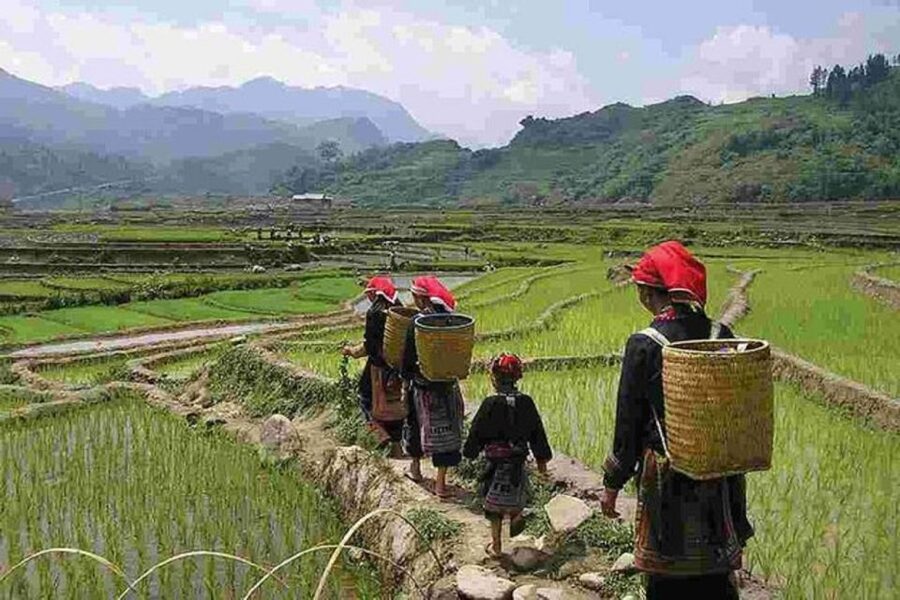
Day 2 is the main trekking day. Breakfast happens in Sapa town, then you check out and start walking through terrace country.
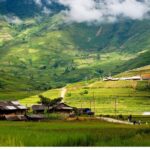
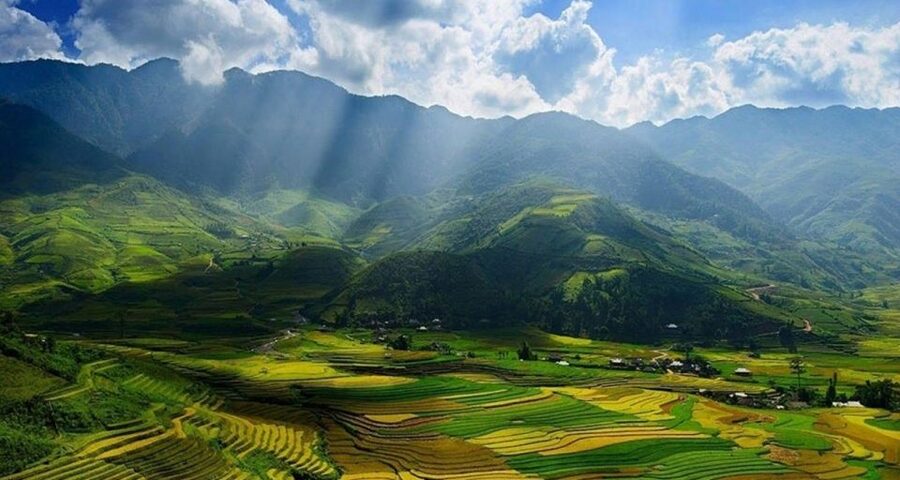
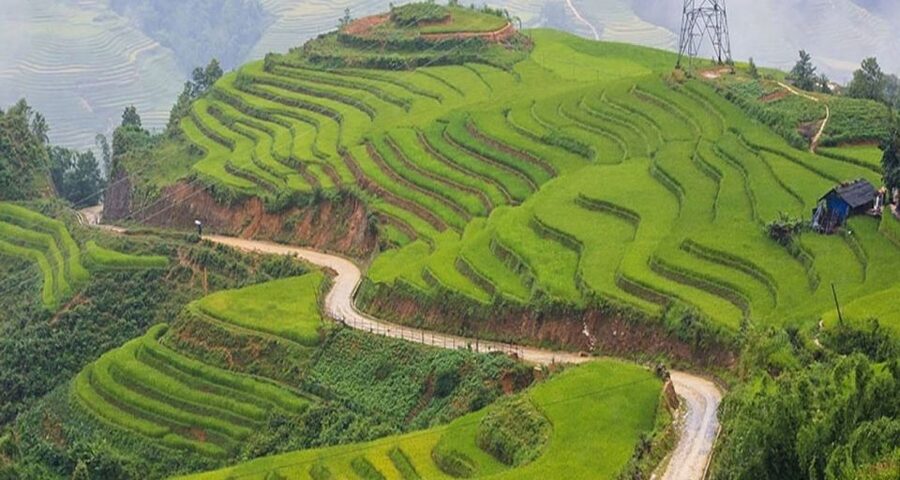
The itinerary routes you through rice terraces and alongside Muong Hoa Stream to reach Lao Chai, a Black H’mong village, with big views across the Hoang Lien Son mountain area. If you came for the classic Sapa trekking images, this is where they show up.
The longer hike
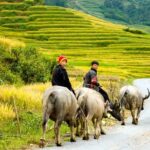
The trekking distance is about 12 km and takes around 4 hours. That’s the day to treat as your workout day. The pace feels manageable because you’re moving through valleys rather than flat country, but you’ll want water, proper shoes, and a scarf for cool air.
Lunch with a family meal
Lunch is included and specifically described as being made by a family. That’s a key part of why this tour feels different from “walk + transfer.” You get a break that’s tied to the community you’re walking through—not just a restaurant stop.
Afternoon arrival in Ta Van: check-in and family time
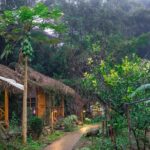
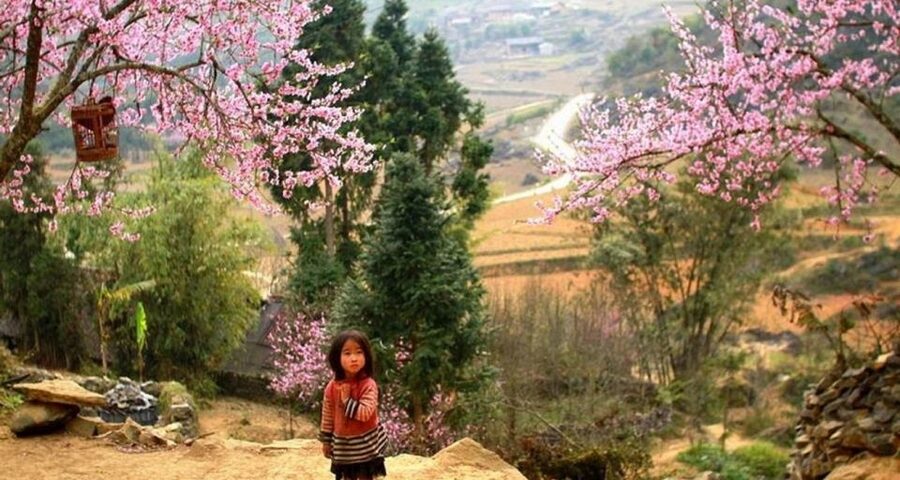
In the late afternoon, you arrive in Ta Van Village, home of the Dzay ethnic group. You check in to bungalows, meet the family, and get time to enjoy mountain life on sunset.
You may also have the option to participate in cooking local dishes with the family. Even when the cooking plan is informal, it’s still the kind of evening that makes the homestay feel real instead of staged.
Evening option: local bar time
After dinner, the plan includes the option to join a local bar nearby with music and socialize with other tourists, then sleep in the bungalow in Ta Van. This is one of the few built-in “social” elements. If you’re traveling solo, it’s often a nice way to break the day’s walking energy.
The homestay part: simple comfort, meaningful access

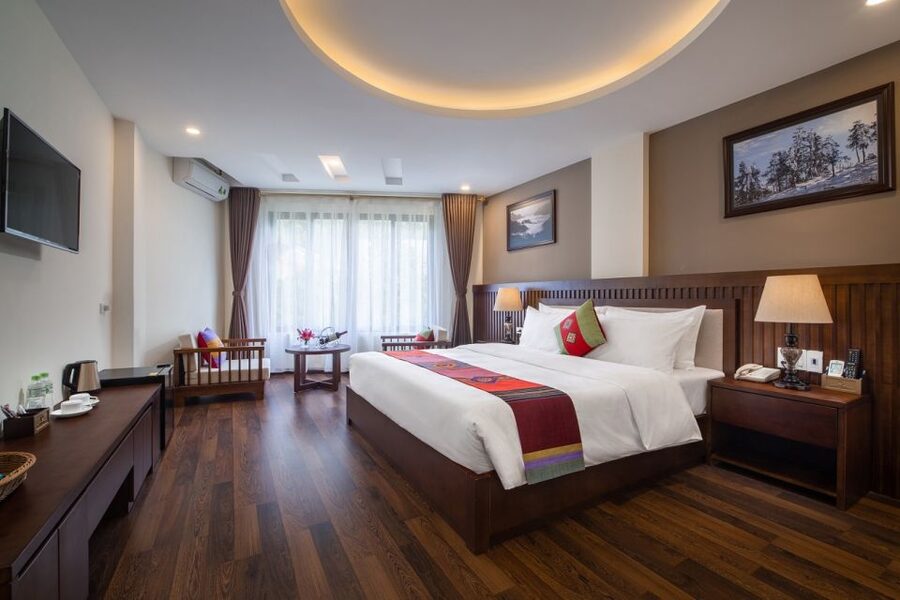
The homestay is described as basic with simple facilities. That’s not a warning sign; it’s a clarity sign. If you expect hotel standards, you’ll be disappointed. If you’re okay with simple and clean, you’ll likely find it charming.
What you’re really paying for here is access:
- spending the evening with the family
- a family-prepared meal at some point during the day
- the feeling of being in the village after the day-trippers leave
Also, there’s a practical tip baked into the tour guidance: bring warm layers and the right head/face coverage. In a valley and at village height, temperatures can feel different than in the center of Sapa town.
Day 3: bamboo forest, Giang Ta Chai photos, then back to Hanoi
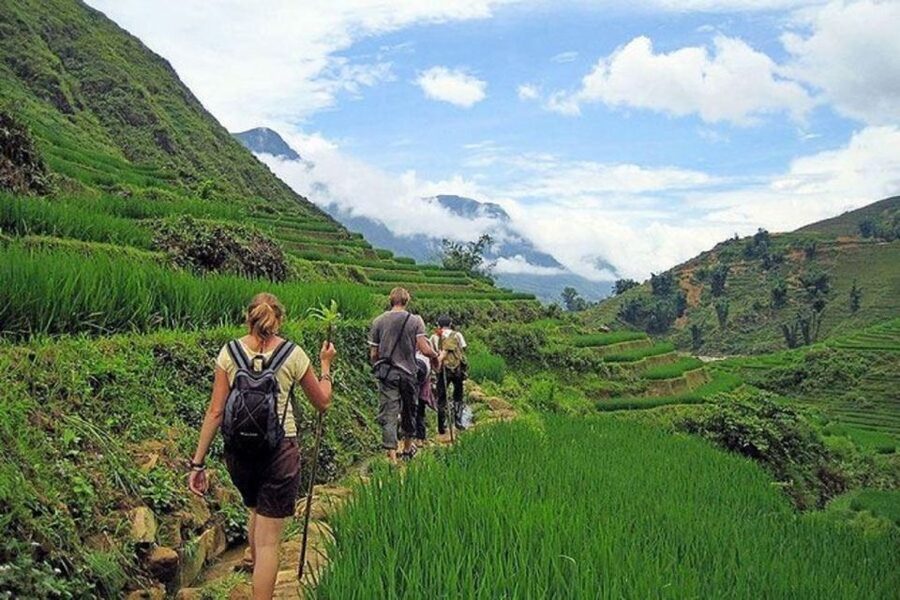
On the final day, breakfast is prepared by the family—then you start walking again.
This day is shorter than day two but still active. You go through rice paddies with a photo session, then head through a bamboo forest area. You’ll also stop at a panorama view point for Giang Ta Chai village, home of the Red Dzao people.
Timing and pacing
Trekking distance is about 3 km and takes around 3.5 hours. That’s a nice balance: enough walking to feel accomplished, but not a repeat of day two’s length.
After the panorama section, you trek through Giang Ta Chai Bridge to reach the main road. A bus picks you up to return to Sapa town.
Lunch happens around 12:30–13:30, and then you get relaxation time. In the mid-afternoon, you meet your group at the hotel to prepare for the ride back to Hanoi. The bus includes two rest stops, and you’re expected to arrive back in Hanoi around 21:30–21:45.
Fitness reality check: distances, cold, and who should think twice
This tour is for people who like walking, not just looking. It’s not described as extreme, but the trek totals can add up. The note says the 9–15 km range is not recommended for senior citizens. The plan also says handicapped people and children under 6 should not take part, and it’s not suitable for wheelchair users.
If you’re an active walker, you should be fine. If you’re returning from an injury, have weak ankles, or hate uneven trails, I’d be cautious. Even when distances look short on paper, valley footing and steps can slow you down.
Weather is the other reality check. It can be foggy in Sa Pa from December through March. Fog can cut visibility for views, and it also affects how cold it feels on the trail. This doesn’t ruin the trek, but it changes the experience—less dramatic skyline, more quiet valley walking.
What to pack so the trek doesn’t turn annoying
Your kit matters on this route. The tour guidance is practical and worth following.
Bring:
- Warm clothes, plus a scarf
- Hat and cap
- Trekking shoes
- Sunglasses
- Sunscreen
- Insect repellent
Also:
- Bring passport or ID card.
- Bring cash in Vietnamese Dong. Banking can be unreliable in Sa Pa.
- The tour notes that US dollars, euros, and Australian dollars are accepted.
- There are pharmacies in Sa Pa, but you should bring any meds with you.
This is one of those places where the right shoes are not optional. Slippery patches can happen, and the ground gets uneven once you leave the main roads.
Meals: included, local, and part of the cultural rhythm
All meals are included. That includes lunch during treks and breakfast in Sapa town and with the family in Ta Van. It also includes dinners during the overnight parts.
What I like about this setup is the rhythm:
- walk → eat with locals → walk again
You’re not constantly searching for food mid-hike, and it prevents that common “we’re tired and hungry, so we settle” problem.
Drinks aren’t included, so you may want to plan water and extra sips for the trail. The tour notes drinks are not part of the package.
Guide quality: English support that makes small things easier
A big reason Sapa treks work (or don’t) is the guide. You’re dealing with village paths, timing, and cultural context. This trip is designed around an English-speaking tour guide.
The highest praise in the feedback you have here points to guides like Su and Mu for being genuinely caring and attentive. That lines up with what you’d want on a trek: someone who watches the pace, explains what you’re seeing, and keeps the group on track without rushing.
The tour also states village entrance fees are covered. That’s a small detail, but it saves you from awkward pauses at gates and checkpoints.
Who this Sapa trek suits best
You’ll probably love this tour if:
- you want a guided trek with a real homestay night
- you’re okay with simple accommodations
- you enjoy learning about ethnic minority communities as you walk
- you want classic valley scenery from multiple viewpoints
You should reconsider if:
- you need wheelchair access or you’re traveling with limited mobility
- you don’t like walking 4+ hours in a day, especially day two
- you’re traveling with small children under 6
Also, it’s worth knowing that pets aren’t allowed.
Should you book this 3-Day Sapa Trek from Hanoi?
If your goal is authentic Sapa time—treks with village visits, family meals, and an actual night in Ta Van—then yes, this is a strong choice. The mix of Cat Cat, Lao Chai/Ta Van, and Giang Ta Chai keeps it from feeling repetitive, and the meal inclusion removes stress.
I’d only hesitate if you’re sensitive to cold and fog, dislike uneven trails, or expect hotel-style comfort in the homestay. If you go in with the right shoes and warm layers, the tradeoff is worth it: you’re not just passing through Sapa. You’re walking through it.
FAQ
What trek distances are involved on the 3 days?
Day 1 includes about 3.5 km of trekking (around 2 hours). Day 2 is the long day with about 12 km (around 4 hours). Day 3 is about 3 km (around 3.5 hours).
Are meals included?
Yes. The tour includes all meals, including lunch during trek days and breakfast prepared in the places you stay.
Is a homestay part of the itinerary?
Yes. You have 1 night at a homestay in Ta Van Village, plus 1 night at a hotel in Sapa town.
Do I need to arrange transportation from Hanoi to Sapa?
Transportation in Sapa is included, but Hanoi–Sapa–Hanoi is not included in the base price. The option listed is a shuttle bus or limousine as an extra add-on.
What should I bring for the trek?
Bring warm clothes, a scarf, hat and cap, trekking shoes, sunglasses, sunscreen, and insect repellent. You should also bring your passport or ID card.
Is fog a problem in Sa Pa?
It can be foggy in Sa Pa from December through March. That can affect visibility, so warm layers and appropriate head coverage help keep the day comfortable even when the views are reduced.