REVIEW · POKHARA
2 Days Australian Camp Trek from Pokhara
Book on Viator →Operated by Welcome Nepal Treks P.ltd · Bookable on Viator
It’s one of the fastest ways to see Annapurna up close. This 2-day Australian Camp trek from Pokhara packs big mountain moments into a short hike, with forest paths, Sherpa village flavor, and tea-house nights. I especially like how the schedule sets you up for clear views and mountain-time without needing days off work.
My other favorite part is the human touch: guides like Dahal Tanka are friendly and know their way around the area, which makes the walking feel smoother and the viewpoints feel more meaningful. One thing to consider is that even though it is short, it’s still a real hike with uphill to start and a full downhill the second day.
Key points worth knowing before you go
- Australian Camp (2100m) is the payoff spot, built for jaw-dropping Annapurna views.
- Day 1 moves from Pokhara to Kande, then climbs through forestry to the camp area.
- Day 2 starts with a sunrise window, then you hike down to Phedi via Dhampus village.
- You get a guide and porter, with porter luggage limited to 25kg.
- Group size stays small, with a maximum of 16 travelers, which helps the pace feel manageable.
In This Review
- Why This 2-Day Australian Camp Trek Feels Like a Shortcut (Not a Compromise)
- Arrival from Pokhara: The Drive via Sarangkot or Phedi Sets the Tone
- Day One Climb: Kande to Australian Camp Through Forest and Viewpoints
- Day One at Australian Camp: Why This Spot Is the Real Reason You Came
- Day Two: Sunrise, Breakfast, and the Downhill to Phedi via Dhampus
- The Mountains You’ll Be Watching For (And How to Spot Them)
- What You Pay for: Value, Not Just Price
- Guides, Group Size, and the Pace You’ll Feel
- Carry Smart: Luggage Limits and What to Pack
- Transport and Timing: Why the Start Time Matters
- Tips That Improve Your Experience on a Short Trek
- Should You Book This 2-Day Australian Camp Trek?
- FAQ
- What time does the trek start?
- Do I get picked up from my hotel in Pokhara?
- What is included in the trek meals?
- Where do we stay overnight?
- Is a guide and porter included?
- What permits or paperwork are covered?
- What fitness level do I need?
- Is there a free cancellation option?
Why This 2-Day Australian Camp Trek Feels Like a Shortcut (Not a Compromise)
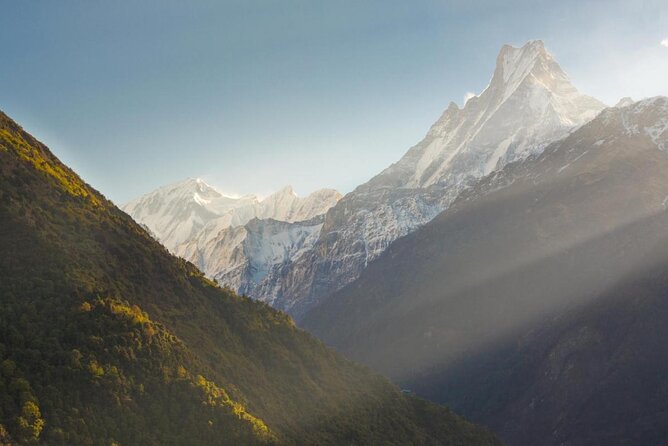
If you only have a couple of days, the trick is choosing a trek that gives you the view without wasting your whole trip in transit. This one does that. You start from Pokhara, drive up to the hiking zone, and spend your limited time where the mountains show up best—around Australian Camp at 2100m.
What makes it interesting is the mix of scenery and pacing. You’re not just trudging uphill for a single photo. You walk through forest, pass through village areas like Dhampus and potentially Pothana (there’s an excursion option), and you get a mountain sunrise moment on the second day. It’s the kind of plan that helps you feel like you did more than survive a schedule.
Two details stand out right away. First, the sightseeing list is specific: you’re looking out for Annapurna South, Machhapuchhre (Fishtail), Hiunchuli, Annapurna II and IV, and Lamjung Himal. Second, the itinerary is built around a real trekking rhythm: drive, hike, tea-house overnight, hike down, then drive back to Pokhara.
The only drawback I’d flag is this: because it’s only two days, you’ll want to go in with realistic expectations. You are gaining altitude and moving daily, so you cannot treat it like a casual stroll. The good news is that it’s designed for moderate physical fitness, not extreme endurance.
Arrival from Pokhara: The Drive via Sarangkot or Phedi Sets the Tone
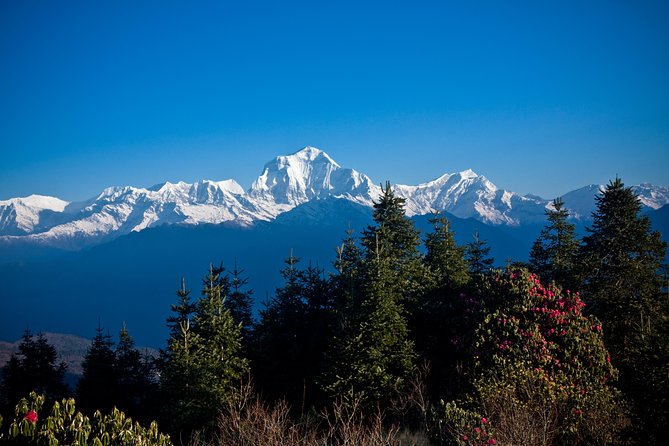
Your trek starts with logistics done for you. Pickup is offered from your hotel in Pokhara, and the start time is 9:15am. From there, you drive up toward Kande, with the route typically going via Sarangkot or Phedi, and the ride takes about 1.25 hours.
This matters more than it sounds. Getting to the trailhead quickly means you spend your energy on the trek itself, not on hours of waiting and winding roads. It also helps you begin your first climb feeling like you’re already in the mountains, not still stuck in city life.
If you like having a plan that feels organized, you’ll appreciate this part. Your operator handles the land transportation, and you also have permits and paperwork included. You are traveling with a guide and porter from the start, which makes the transition from car to trail feel straightforward.
One practical note: the tour is described as near public transportation. That can be useful if you’re building extra days in Pokhara before or after, and you want flexible movement around town.
You can also read our reviews of more tours and experiences in Pokhara.
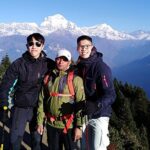
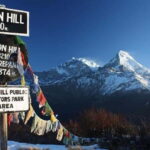
Day One Climb: Kande to Australian Camp Through Forest and Viewpoints
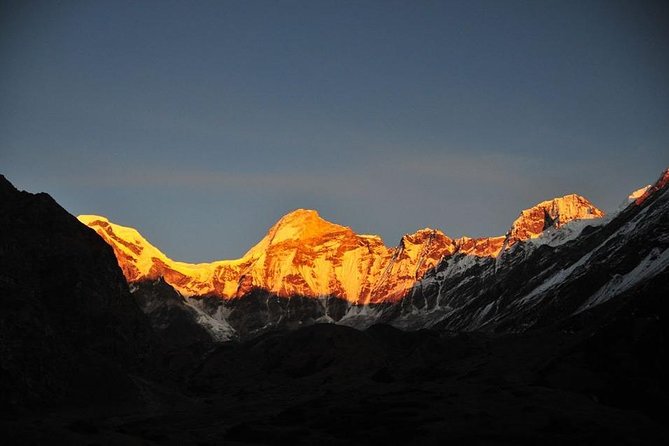
Day 1 begins after breakfast in Pokhara. You drive to Kande, then hike up to Australian Camp. The uphill walk takes about 1.5 to 2 hours, and you reach the camp area at 2100m.
This is a manageable mountain start. It is enough climbing to feel like you did trekking, but not so much that you’re wrecked before the best viewpoint time. Along the way, the route is described as forestry uphill, which usually means a cooler, greener feel than bare ridges—plus it breaks the monotony of steep steps.
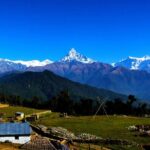
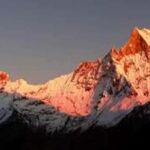
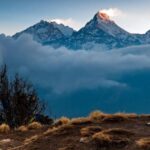
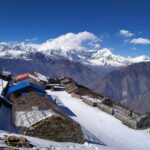
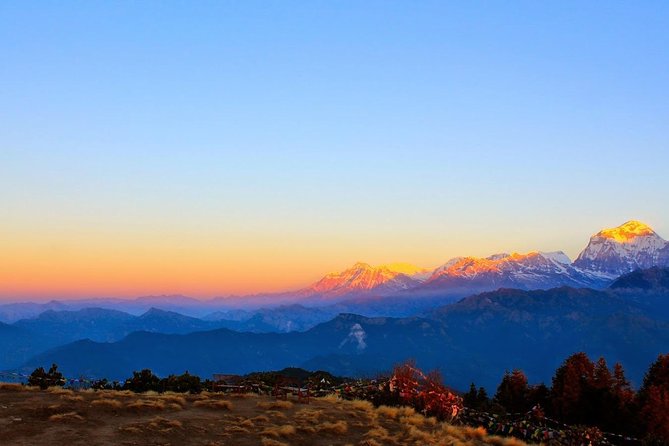
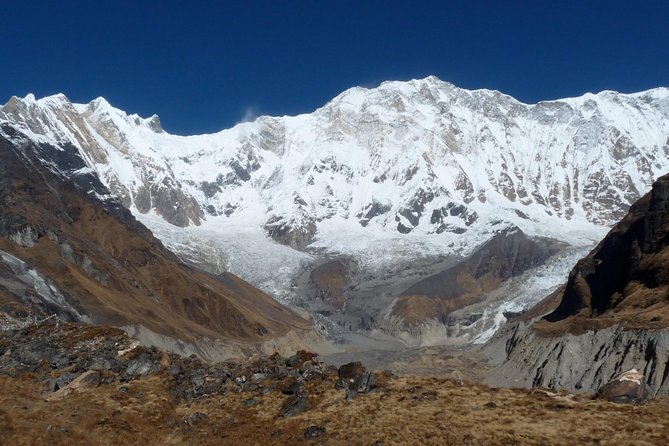
Then comes the view payoff. As you walk, you can see major peaks in the Annapurna region, including Machhapuchhre (Fishtail) and Annapurna South, plus Hiunchuli and Annapurna II and IV, along with Lamjung Himal. Even if weather shifts, the fact that you’re walking through multiple vantage points helps. You are not betting everything on a single clearing.
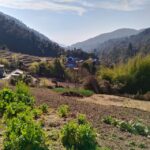
There’s also a built-in cultural option: you can take an excursion to Pothana. That’s a nice way to balance the mountain focus with a sense of village life. The trek overall is framed as giving you a closer look at local communities, including Sherpa villages and scenic trails.
For the night, you stay in a tea house lodge in the mountains. Expect mountain-style lodging and the practical rhythm that comes with it: dining at set hours, shared spaces, and a simple base while you plan for sunrise.
Day One at Australian Camp: Why This Spot Is the Real Reason You Came
The reason this trek is popular is simple: Australian Camp is made for short trips with big-view goals. You get there early enough to enjoy the area, and the timing supports mountain viewing on your first day without making Day 1 overly exhausting.
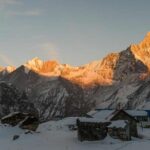
The most praised aspect here is the view—especially around the Annapurna region—and it’s directly tied to the camp’s position. In other words, you’re not trekking for hours hoping the mountains show up. The plan is built around being in the right area for the right scenes.
Another detail that gets mentioned in positive experiences is the sunrise and sunset setup. People highlight that you can enjoy both sunrise and sunset views from Australian Camp. That’s important because sunrise viewing usually means early mornings, and sunset means you can relax after your hike and still catch a final glow.
If you’re a photographer, this is the kind of place where a short walk to a viewpoint can turn into a long sit with hot tea and a stubborn desire to keep watching the clouds.
Day Two: Sunrise, Breakfast, and the Downhill to Phedi via Dhampus
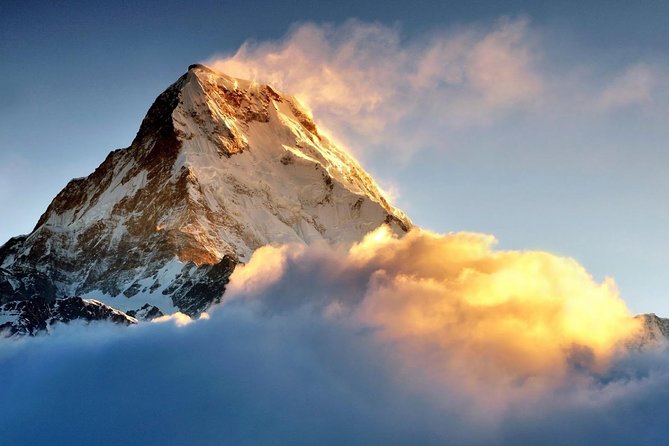
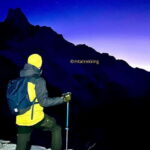
Day 2 is where the trek earns its second half. You get up for sunrise to see the Himalayas. After that, you have breakfast at the lodge, then you hike down from Australian Camp to Phedi.
The route goes via Dhampus village, and it’s described as a downhill trail the whole way to Phedi. That means the second day can feel easier than the climb, but don’t ignore it. Downhill hiking can still be tough on knees and ankles, especially after a Day 1 climb. The best approach is slow steps and steady pacing.
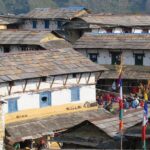
Dhampus is the kind of village stop that changes the tone from pure mountain watching to everyday mountain living. It helps break the trek into moments, not just a single continuous descent.
Once you reach Phedi, you get transported back to Pokhara and to your hotel. That final ride is part of the appeal: you end with comfort and don’t get stuck planning extra transport after you finish the hiking.
The Mountains You’ll Be Watching For (And How to Spot Them)
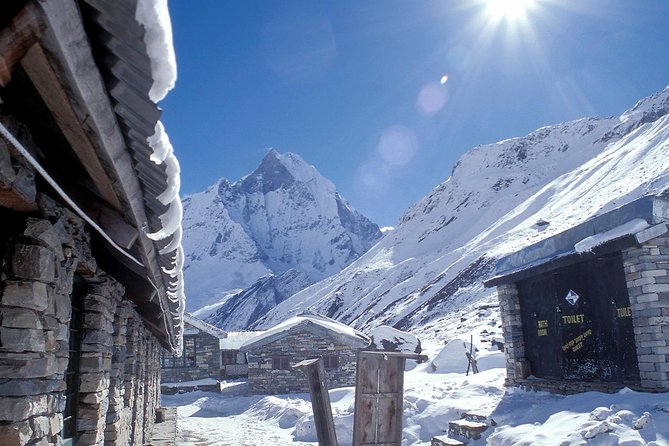
When a trek lists peaks, you should treat it like a checklist. This one names several highlights you’ll want to look for: Annapurna South, Machhapuchhre, Hiunchuli, Annapurna II and IV, and Lamjung Himal.
Here’s a practical way to think about it. On a short trek, your success depends on spotting the mountains at the times when the light and visibility are best. The schedule here supports that with a sunrise morning and mountain viewing time around Australian Camp.
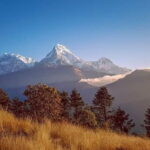
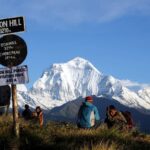
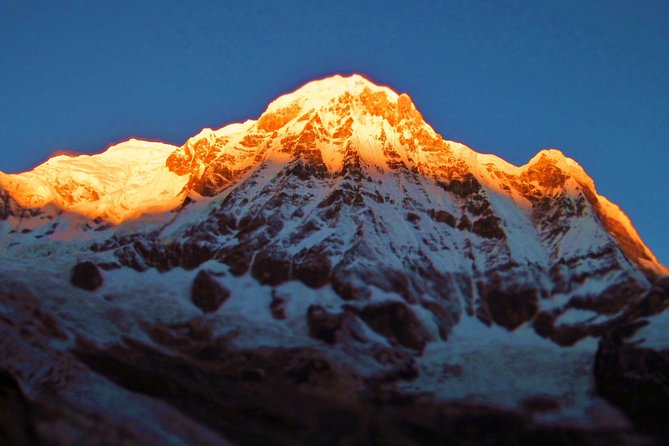
Machhapuchhre (Fishtail) is the one many people recognize instantly because it has that distinctive shape. Annapurna South and Hiunchuli often appear as prominent massifs with the ridges catching morning light. Lamjung Himal can look different depending on the angle and the cloud cover, but it’s part of the wider Annapurna panorama that makes the region feel huge.
If visibility is limited on your dates, you’ll still benefit from the fact that the itinerary is designed around viewpoints during walking and at camp—not just one final moment.
What You Pay for: Value, Not Just Price
At $256.42 per person, this trek is priced like an all-in short experience rather than a basic DIY hike. The key is what you get bundled in.
Included items:
- Tea house lodge accommodation for the trekking night
- All meals during the trek (breakfast, lunch, dinner)
- All land transportation in the trekking flow
- Pickup from your hotel in Pokhara to the trek start point
- 1 guide and 1 porter, with the porter limited to 25kg
- Conservation entry permits / necessary paper works
- VAT and service charge covered
- Guide and porter salary, accommodations, and meals covered
When you look at it this way, the price starts to make sense. You’re not just paying for a route. You’re paying for logistics, food, and the people who keep the trek running.
What’s not included:
- Personal expenses
- Tipping
- Any items you treat as extra beyond the listed inclusions
My practical take: if you’re someone who wants a short trek with support and minimal planning, this is strong value. If you already know the area, enjoy DIY route planning, and can organize permits and food yourself, you might find cheaper options. But for most first-timers, the bundled support is exactly what makes the trek enjoyable.
Guides, Group Size, and the Pace You’ll Feel
This tour keeps things on the smaller side, with a maximum of 16 travelers. That typically helps the flow: fewer people to manage on narrow paths and less chaos around meal timing.
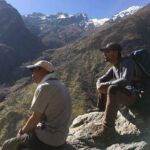
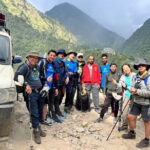
The guide/porter structure is also a big deal for comfort and sanity. You get 1 trekking guide and 1 porter. In at least one account, the guide named Dahal Tanka stands out as friendly and knowledgeable, and people highlight how easy he made the experience. Another name that appears is Hari as an excellent service point, along with Sumeet in one positive experience.
Even without focusing on names, the practical effect is clear: you’re less likely to lose time figuring out details, and you can focus on walking and looking.
The tour also states you should have moderate physical fitness. That doesn’t mean you need to be athletic. It does mean you should be comfortable with uphill and downhill hiking within a couple of days.
Carry Smart: Luggage Limits and What to Pack
Because the porter max is 25kg, you have a clear target for what should go on your main load. If you keep your own essentials light, the trek becomes more enjoyable.
The tour also includes all meals and the tea house lodge, so you usually only need to plan for personal items. Since personal expenses aren’t included, you should budget for anything extra you might want at tea houses or along the way.
I’d also suggest packing for changing mountain conditions, even on a short trek. The plan includes sunrise, and sunrise mornings can feel colder than midday. The specific temperature isn’t listed, so you’ll want to use your own judgment and local advice from Pokhara for what to bring.
Transport and Timing: Why the Start Time Matters
The start time is 9:15am, and the first day includes a drive before your hike. That affects your energy. You aren’t waking up at midnight to catch the first cable or the first flight. You start with breakfast first, then you move.
Also, because you return to Pokhara after the Day 2 hike, the schedule is tightly connected. You’ll want to keep your next day in Pokhara clear enough to avoid feeling rushed right after finishing the trek.
If you’re planning extra activities around Pokhara, treat this as a two-day commitment in the middle of your trip rather than something you tack on half-way through.
Tips That Improve Your Experience on a Short Trek
This is a short trek, so small choices matter.
- Pace yourself on Day 1. It’s only 1.5 to 2 hours of uphill from Kande, but going too fast can ruin your enjoyment once you reach Australian Camp.
- Plan to slow down on the downhill. Day 2 is described as all the way down to Phedi via Dhampus, so control your steps.
- Bring a light rain layer even if the forecast looks fine. Mountain weather can shift fast.
- Take a moment before sunrise to get your eyes ready. Sunrise viewing is a big part of why people choose this trek.
- If you’re curious about peaks and routes, ask your guide questions early. That’s where a friendly, knowledgeable guide like Dahal Tanka becomes more than support.
Should You Book This 2-Day Australian Camp Trek?
Book it if:
- You want Annapurna views and sunrise without a long trek
- You prefer a supported trip with guide and porter
- You like a clear plan: drive, hike to camp, tea house night, then a downhill finish back to Pokhara
- You’re okay with a moderate fitness level and you want your two days to feel focused
Skip it or consider alternatives if:
- You want lots of hiking days for acclimatization or deeper trekking immersion
- You’re dealing with mobility limits for uphill and downhill hiking, even if the distance is short
- You hate early mornings, because sunrise is part of the plan
For most people traveling through Nepal and trying to make their time count, this trek hits a sweet spot: big mountain scenery in a tight schedule, with the kind of organization that lets you enjoy the trail instead of managing it.
FAQ
What time does the trek start?
The start time is 9:15am.
Do I get picked up from my hotel in Pokhara?
Yes. Pickup is offered from your hotel in Pokhara and you’re transferred to the trekking starting point.
What is included in the trek meals?
All meals during the trek are included, including breakfast, lunch, and dinner.
Where do we stay overnight?
You stay overnight at a tea house lodge in the mountains.
Is a guide and porter included?
Yes. The trek includes 1 trekking guide and 1 porter. The porter can carry up to 25kg of luggage.
What permits or paperwork are covered?
The tour includes the necessary conservation entry permits and paper works.
What fitness level do I need?
You should have moderate physical fitness for this trek.
Is there a free cancellation option?
Yes. You can cancel up to 24 hours in advance for a full refund.