REVIEW · KATHMANDU
Everest Base Camp Trek 12 Days – Best Himalayan Adventure
Book on Viator →Operated by Scenic Nepal Treks Expedition Pvt. Ltd · Bookable on Viator
Everest Base Camp feels real fast, even before you land in Nepal. This 12-day private trek is built around a Sherpa-guided route, scenic flight to Lukla, and that classic high-point payoff at Kala Patthar.
I especially like that the trip package targets the practical parts that can go wrong on EBC: safety-minded guidance for altitude days and a clear plan for permits, lodging, and domestic flights.
Two things I really appreciate are the experienced Sherpa support (with guides like Dipendra, Shankar, Binod, and Santosh showing up in the feedback) and the straightforward tea-house style accommodations during the hike. The trade-off? The trek is physically demanding, and you’ll be operating at high altitude for multiple days, with cold nights and basic mountain comforts.
In This Review
- Key things that matter on this Everest Base Camp trek
- What you’re really buying with a private EBC trek in Nepal
- Kathmandu start: where the trip becomes real
- The Lukla flight: a highlight that can also set the tone
- Namche Bazaar: acclimatization that doesn’t feel like a chore
- Tengboche: the monastery stop that feels like a reset
- Dingboche: where you start to notice your body changing
- Everest Base Camp and the higher view days: the payoff section
- The descent and return to Kathmandu
- Guides, Sherpa team, and porter support you actually feel
- Tea-house accommodations: comfortable enough to keep moving
- What’s included (and what you’ll need to handle yourself)
- Price and value: $1,439 is not just a number
- Fitness and gear: what the trek expects of you
- Should you book this Everest Base Camp trek?
- FAQ
- How long is the Everest Base Camp trek?
- Where does the trek start and end?
- Is this trek private?
- What are the limits on group size?
- Are flights included, and where might they depart from?
- How many nights will I sleep in tea houses?
- Is a porter included?
- Is there a vegetarian option?
- What trekking permits do I need?
- What’s the cancellation policy?
Key things that matter on this Everest Base Camp trek
- Sherpa-led safety focus, including acclimatization days for altitude
- Lukla flight included on the route (and it may depart from Ramechap)
- Tea-house trekking with twin sharing for 11 nights during the hike
- Permits handled so you’re not scrambling paperwork mid-trip
- Porter support included (2 hikers share 1 porter), with an option to add more
- Small group size, with limits listed up to 15 and also noted as a maximum of 10 for this activity
What you’re really buying with a private EBC trek in Nepal
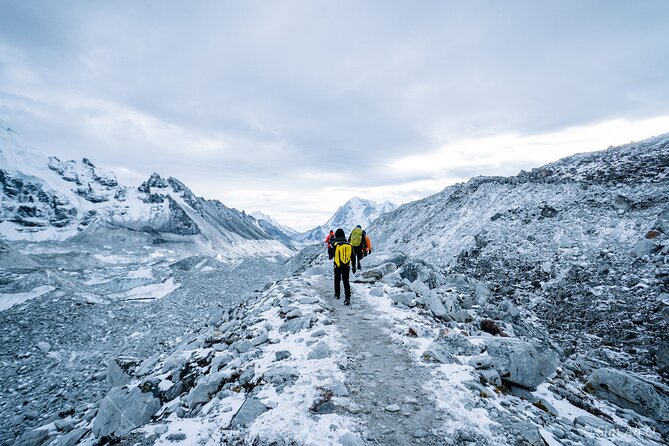
This is one of those trips where “private” can mean different things. Here, private mainly means your trek is guided and managed in a more focused way than a chaotic walk-in crowd. You’re also meeting your crew in Kathmandu and staying with the same team as you move through the Khumbu region.
At the price point ($1,439 per person), what you’re paying for is the whole system: domestic flights, trekking permits, guides, lodging setup in tea houses, and a functioning logistics chain that’s been repeated many times. You’re not paying extra just for sightseeing. You’re paying so you can spend your energy walking, resting, and managing altitude without guessing.
One value note: the package lists meals as included in the overall description, and it includes first-aid support and staff insurance. That matters because on EBC you’re not just buying scenery. You’re buying less uncertainty.
You can also read our reviews of more tours and experiences in Kathmandu.
Kathmandu start: where the trip becomes real
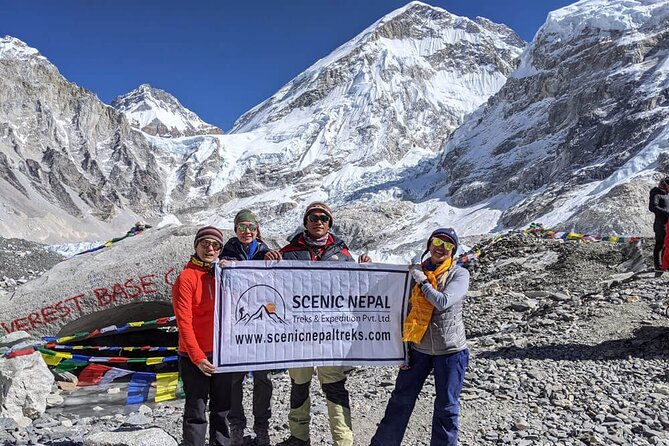
Your trek starts at Scenic Nepal Treks & Expedition Pvt. Ltd. on Bhagwati Marg in Kathmandu. That matters because it’s where you get to align your expectations, confirm the gear situation, and get a quick handle on what happens next. The listing also notes pickup offered and that the office is near public transportation, so you should be able to get there without drama.
You’ll also be asked for passport details at booking (name, number, expiry, country). On the ground, that’s what keeps permits and transport moving smoothly. If you’ve traveled a lot, you know this is the kind of paperwork that can slow a trip if it’s sloppy.
Also pay attention to the gear guidance: this trek assumes you’ll be hiking with proper cold-weather layers and footwear. It lists warm hat, scarf, gloves, waterproof jacket, thermal underwear, a down jacket (minimum -10C depending on season), and a sleeping bag/liner arrangement provided by the company.
The Lukla flight: a highlight that can also set the tone
Getting to the Khumbu region usually means one key thing: a flight to Lukla. This trek includes return domestic flights, and it specifically notes the flight may fly from Ramechap Airport. If you’re planning your travel days around this trek, you’ll want enough buffer time to handle that transfer.
Why I’d treat the flight as a big deal: weather and altitude already start shaping your day the moment you leave Kathmandu. Even if the flight itself goes smoothly, you’ll be adjusting to thinner air and a different rhythm fast.
Once you’re in the Lukla start area, the rest of the trek becomes a steady climb through mountain villages and ridgelines—slow enough to function, steep enough to remind you you’re not in Kansas anymore.
Namche Bazaar: acclimatization that doesn’t feel like a chore
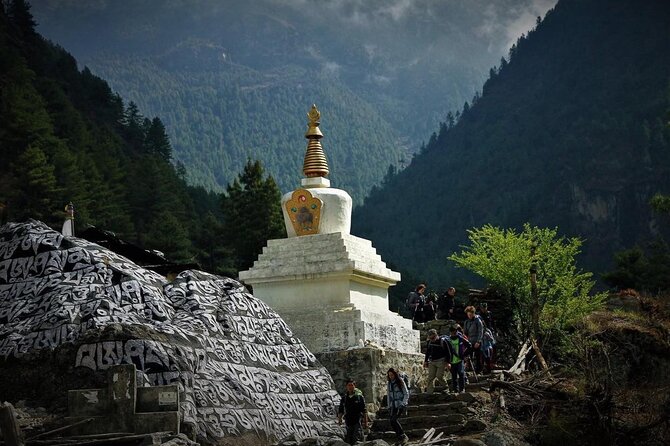
Namche Bazaar is the altitude anchor most people remember. It’s also a smart place to build confidence because you’re in the middle of the trekking route, surrounded by villages, tea houses, and frequent chances to gauge how you’re feeling.
This trek includes acclimatization days for safety. That’s not just a box-check. On EBC, acclimatization is what helps you get to the higher parts of the trail without turning the whole trip into a stress test. You’ll still feel the altitude, but you’re doing it on a timeline designed for the Khumbu.
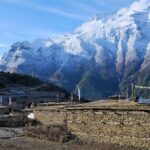
This is also one of the better stages for the “mountain culture” side of the trek. You’re walking through Sherpa communities and seeing daily life up close—not in a museum way, but in the way people still live, trade, and host trekkers in the tea-house economy.
Tengboche: the monastery stop that feels like a reset
Tengboche is often a turning point day on an EBC trek because it’s tied to spiritual and community life in the Khumbu. Practically, it’s also a place to breathe for a moment: you’re climbing, but you’re not just climbing into fatigue.
Expect dramatic views when the weather plays along. And even when visibility is limited, the route still feels different here because you’re moving near a cultural center of the region.
The tour’s strength is having an experienced Sherpa guide to help you understand what you’re seeing and how to pace the day. Guides like Shankar and Binod appear in the feedback with consistent notes about keeping people safe and comfortable—exactly what you want on a day that can be both cold and inspiring.
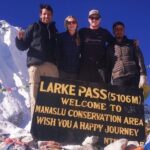
Dingboche: where you start to notice your body changing
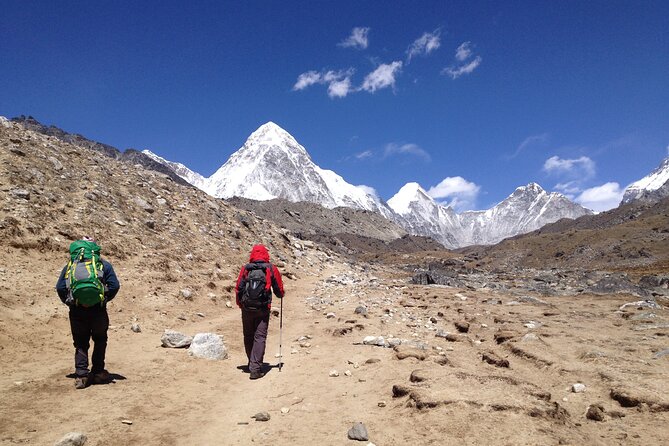
Dingboche is higher and it tends to be the point where many people really feel the altitude. This is where acclimatization becomes more than advice. Your pace, hydration, and rest start to matter more than your motivation.
This trek’s structure supports that reality. You’re not pushed like a boot camp. You’re walking a route that’s designed for a gradual climb, with time built in for your body to adapt.
What I like here is the clarity of the tea-house rhythm. Twin sharing tea-house accommodation is included for 11 nights during the hike. That means you’ll know what you’re getting: a warm, simple bed at the end of a day, food in a common area, and a routine that helps you manage the next day.
Everest Base Camp and the higher view days: the payoff section
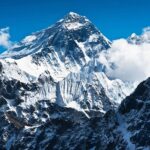
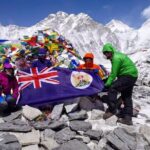
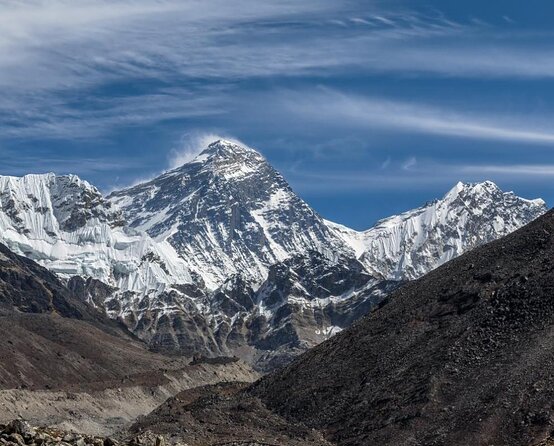
The heart of the trek is Everest Base Camp, listed at 5,364m. The tour also highlights panoramic viewpoints like Kala Patthar, which is the famous spot for seeing Everest, Lhotse, Nuptse, Ama Dablam, and Pumori when skies cooperate.
You’ll also see a stop labeled Mount Everest and another labeled Gorak Shep. In practice, that means you’re reaching the high, exposed zone where the trip turns from “walking route” into “serious altitude.” Gorak Shep is where many trekkers base their final push toward viewpoints like Kala Patthar. Even if you don’t get perfect conditions, you’ll still feel the change: colder air, more physical effort, and a sense of being on the edge of the map.
A practical note: tea houses at these altitudes are functional, not luxurious. You’ll be grateful for the included support items and the guide’s pacing, especially on cold early starts. The trek package includes staff first-aid support and guidance, which is one reason this kind of trip is worth doing with a real operator instead of improvising.
The descent and return to Kathmandu
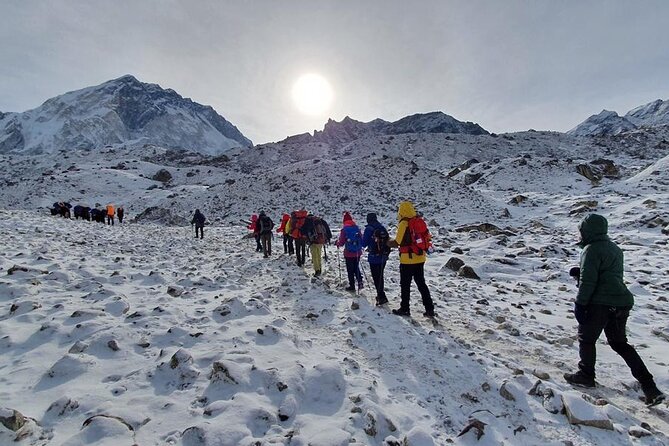
After the high point days, the main job is recovery: walking down safely, keeping hydrated, and enjoying the slower scenery shift. The good news is that going down usually feels more manageable than the climb. The tricky part is that your attention can slip when you think you’re past the hard part. Your guide helps keep the pace sensible.
When you finish, the activity ends back at the meeting point in Kathmandu. This is the moment to let your body settle. Even if your legs feel okay, altitude effects can lag a bit.
Guides, Sherpa team, and porter support you actually feel
This trek is led by an experienced Sherpa trekking guide. The feedback you provided points to multiple guide names: Dipendra, Shankar, Binod, Ramjee, Santosh, plus others like Kumar and Krishna mentioned in positive context. The consistent theme across names is care: answering questions, keeping you safe, and making sure you’re comfortable.
That matters because on EBC, problems are often simple: you go too fast, don’t drink enough, or don’t dress right for the cold. A good guide keeps you from turning those into bigger issues.
You also have porter support. The included details say porter to carry your bags, with a note that 2 hikers get 1 porter. The highlights also mention an option to add on a porter, so if you’re carrying extra gear or want a lighter load, you’ll likely have flexibility. Either way, this is one of the biggest practical differences between a painful, slow trek and one where you can still enjoy each day.
Tea-house accommodations: comfortable enough to keep moving
This is a tea-house trek, not a lodge-hopping hotel tour. Included is twin sharing tea house accommodation during the hike (11 nights).
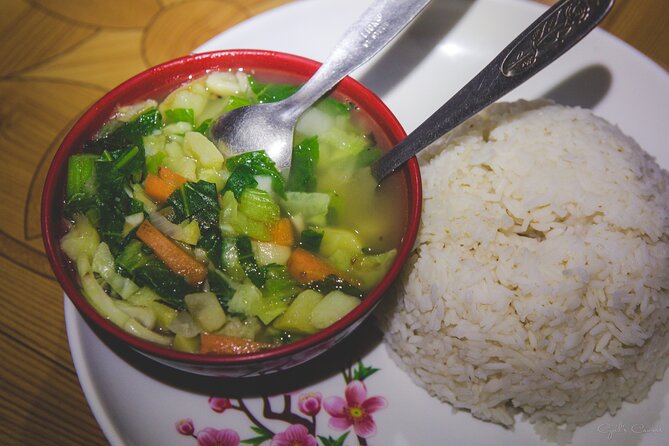
What you can expect: basic rooms, shared spaces, and food that’s designed for trekkers. It’s not where you come for luxury. It’s where you come for routine: sleep, warm meals, and a chance to reset between walking days.
The listing also recommends bringing layers and cold-weather items like a down jacket (depends on timing), fleece tops, a waterproof jacket, warm hat, and gloves. If you show up with cold gaps in your kit, the tea house won’t magically fix that.
What’s included (and what you’ll need to handle yourself)
Included items that change the trip experience:
- Experienced Sherpa trekking guide
- Return domestic flights (with possible departure from Ramechap Airport)
- All necessary trekking permits
- Twin sharing tea house accommodation during the hike (11 nights)
- Porter support (2 hikers per porter)
- First aid kit, plus staff insurance and included medication/equipment support
- Vegetarian option available if you request it at booking
What’s not included (plan for it):
- Personal travel and trekking insurance
- International airfare
- Nepal entry visa
- Personal expenses and meals during the trek (note: the overview mentions meals included; if you’re confirming with the operator, ask exactly which meal plan is covered)
- Personal trekking equipment
- Tips/gratuities for trekking staff and drivers
This is a good place for a reality check. If you’re building your budget, don’t just compare the base price. Compare what the package covers versus what you’ll pay anyway once you arrive.
Price and value: $1,439 is not just a number
For $1,439 per person, this trek is charging for the structure. You’re paying for:
- organization in Nepal (guides, permits, meals setup)
- the high-cost logistics of flying into the Khumbu region
- the trekking support system that helps you stay safe in altitude conditions
If you try to DIY EBC, the math usually flips against you once you count permits, guide/porter costs, and the time and stress of coordinating flights and lodging on short notice. You might find cheaper options, but you’ll trade off certainty and safety planning. Here, the package is set up to reduce that uncertainty.
Still, the value depends on you. If you’re physically unprepared or you skip the gear and acclimatization basics, no package can “buy back” the lost recovery. This trek rewards people who show up ready to hike, rest, and follow guidance.
Fitness and gear: what the trek expects of you
The tour indicates a moderate physical fitness level is recommended. That usually means you should be comfortable walking for several hours on uneven trails, tolerating steep sections, and handling cold nights.
Gear guidance is detailed in the provided list. You’ll want to follow it closely:
- Proper trekking boots and spare laces
- Warm hat, scarf, gloves
- Waterproof jacket
- Fleece layers and thermal underwear
- Down jacket (minimum -10C depending on when you trek)
- Sunscreen and lip warm balm
- Polarizing sunglasses and a sun hat
- Water purification tablets
- Backpack, duffel bag (the duffel bag is provided by Scenic Nepal)
- Sleeping bag and silk liner are provided by Scenic Nepal, along with a few support items like a torch/flash light and water bottle guidance (the list includes these items as part of your kit)
If you like to pack smart: bring less than you think, but bring what keeps you warm and hydrated. Cold legs and dehydrated lungs are what make EBC feel cruel.
Should you book this Everest Base Camp trek?
I’d book it if you want a guided, permit-sorted, logistics-covered Everest Base Camp experience with Sherpa leadership and porter help, and you’re okay with tea-house simplicity. This is a strong fit for fit beginners to experienced hikers who want the iconic route without playing coordinator on your own.
I’d think twice if you’re hoping for a low-effort walk, luxury accommodations, or a totally flexible plan with no altitude schedule. This trek includes acclimatization days for safety, but the mountains still do what the mountains do.
If you’re the type who enjoys authentic village life along the trail, wants to understand what you’re seeing (not just stare at peaks), and likes having capable people handling the details, this is a solid way to chase Everest without losing your mind in the planning.
FAQ
How long is the Everest Base Camp trek?
The trek is listed as 12 days (approx.).
Where does the trek start and end?
It starts at Scenic Nepal Treks & Expedition Pvt. Ltd. on Bhagwati Marg, Kathmandu 44600, Nepal, and ends back at the meeting point.
Is this trek private?
Yes. It’s described as a private guided trek, with a minimum of 2 people per booking.
What are the limits on group size?
The info lists a maximum of 15 people per booking, and it also notes a maximum of 10 travelers for this activity.
Are flights included, and where might they depart from?
Return domestic flights are included, and the flight may depart from Ramechap Airport.
How many nights will I sleep in tea houses?
The package includes twin sharing tea house accommodation for 11 nights during the hike.
Is a porter included?
Yes. A porter is included to carry your bags, with the note that 2 hikers get 1 porter. There’s also an option to add-on a porter.
Is there a vegetarian option?
Yes. Vegetarian options are available if you advise at the time of booking.
What trekking permits do I need?
All necessary trekking permits are included.
What’s the cancellation policy?
Free cancellation is available. You can cancel up to 24 hours in advance for a full refund (cut-off times are based on local time). If you cancel less than 24 hours before the start time, the amount paid is not refunded.