REVIEW · KATHMANDU
Annapurna Base Camp Trek
Book on Viator →Operated by Nepal High Trek & Expedition Pvt. Ltd · Bookable on Viator
Your legs earn the Annapurna sunrise. This 7-day trek is built around reaching Annapurna Base Camp and then soaking up the famous sunrise views from a ring of peaks and glaciers. I like that the route also threads through real villages and forests, not just a straight line to the finish.
The second thing I really like is how much the trip seems to run on solid people and clear planning. Guides such as Suraj, Anos, and Laku show up in the feedback as friendly, attentive, and focused on the basics: meals, accommodation, and keeping your day moving.
One possible drawback: the start is early. Meeting at 4:45 am means you’ll feel the pace fast, and you should be ready for long walking days even though the trek is listed as moderate.
In This Review
- Key things to know before you go
- Annapurna Base Camp in 7 Days: What You Really Get
- Getting Started: Kathmandu, Pokhara Nights, and a 4:45am Launch
- Ghandruk to Chhomrong: Village Trails and Ridge Views
- From the Modi Gorge to the Bamboo Area: Long Days Under Forest Canopy
- Hinko Cave and the Himalaya Hotel Area: Approaching the Base Camp Wall
- Annapurna Base Camp Day: Sunrise, Glaciers, and Real Accomplishment
- Jhinu Hot Spring and the Return to Pokhara
- Price, Permits, and the Stuff You Still Pay Yourself
- Guide Quality and Small-Team Feel (Suraj, Anos, Laku)
- What to Pack and How to Stay Comfortable at Altitude
- Should You Book This Annapurna Base Camp Trek?
- FAQ
- How long is the Annapurna Base Camp trek?
- Where does the trek start?
- What time does the trek start each day?
- Is pickup offered?
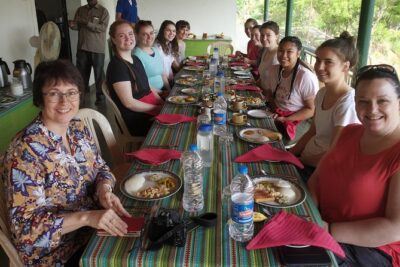
- What meals are included during the trek?
- Are permits included in the price?
- How many nights of accommodation are included?
- What’s not included that I should budget for?
- What fitness level do I need?
- Is this private, and can service animals come?
- What happens if the weather is poor or I cancel?
Key things to know before you go
- 4:45 am start with pickup available: you begin your trek day early, so plan your sleep the night before.
- Meals and overnight stays are handled: three meals during the trek and 7 nights of accommodation are included, plus seasonal fruits.
- Permits are included: you get the Annapurna Conservation Area Permit (ACAP) and the TIMS card with the package.
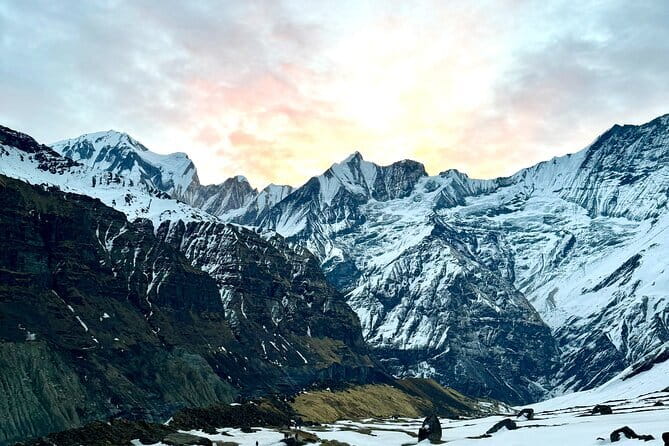
- Base Camp is the main moment: reaching the base camp area is the highlight, and sunrise is part of the big payoff.
- Jhinu Hot Spring sits on the return: you’ll finish with time at Jhinu, where the hot spring stop helps reset sore legs.
- Guides/porters matter here: people praise dedicated guides and porters (including Sonam and Necha), and suggest requesting names in advance during peak trekking season.
Annapurna Base Camp in 7 Days: What You Really Get
This is a serious trek, but it’s built for people who want the Base Camp goal without turning it into a multi-week project. Over about a week, you’ll move through terraced farmland, rhododendron forests, and Gurung village areas as the terrain gradually lifts you into the Annapurna region.
The structure is practical: your hardest climbing is spread across multiple days, with rest days not guaranteed, so you’ll earn your break points. By the time you reach the base camp area, you’re not just walking in the mountains—you’re walking through changing ecosystems and communities.
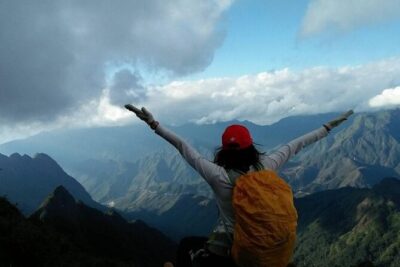
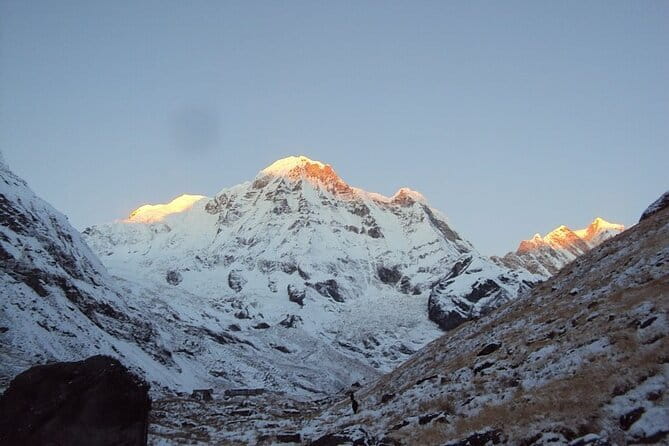
And yes, the “I can’t believe I’m here” feeling is part of the design. Base camp gives you that moment where the mountains stop being a picture and start being a view you can stand in front of at sunrise.
You can also read our reviews of more tours and experiences in Kathmandu.
Getting Started: Kathmandu, Pokhara Nights, and a 4:45am Launch
You’ll start from Kathmandu as the main base, but the trek itself runs through the Annapurna foothills with Pokhara as a key stepping stone. One day includes an overnight in Pokhara, and then you drive beyond Pokhara to begin the walking portion.
The meeting time is 4:45 am, and that matters more than people think. Early starts help you beat weather and daylight limits, but they also mean you’ll be disciplined about bedtime. If you’re the type who needs slow mornings, this trek will train you fast.
Good news: the trip includes ground transportation for the major stretches, including getting to the trekking start area and returning to Pokhara. That takes pressure off your schedule so your energy goes toward hiking, not sitting in transit all day.
Ghandruk to Chhomrong: Village Trails and Ridge Views
Day 1 and Day 2 are all about easing into the rhythm. You start with walking that follows terraced fields, then transitions into forests and village scenery as you climb.
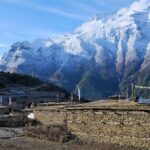
Ghandruk is your first big village stop. It’s a classic base for feeling how Annapurna regions live—farm terraces, local homes, and mountain views that look close enough to touch. Then you move onward to the Chhomrong area, which is another village hub and a common staging point for treks in this region.
What I like here is the mix of hiking styles: some gradual walking, some climbing, and natural pauses where you can adjust your pace. Chhomrong and nearby points also set you up mentally for the days ahead, because once you’ve seen the ridges from here, the next climbs feel less mysterious.
From the Modi Gorge to the Bamboo Area: Long Days Under Forest Canopy
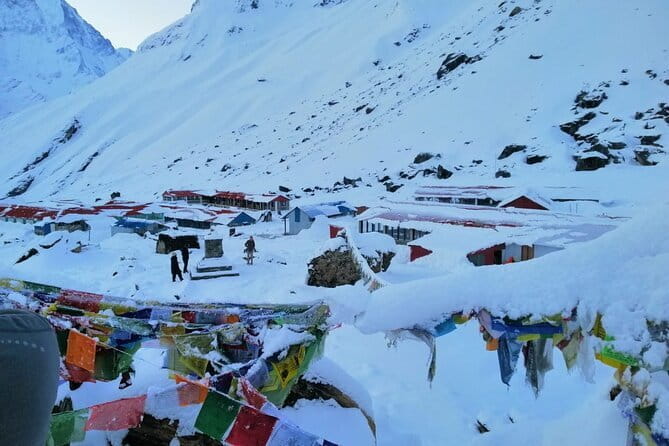
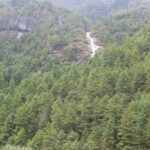
As you push deeper, the route leans more heavily into ups and downs through forest. One of the days includes a long walking effort that takes you through deeply forested trails and winding terrain.
You’ll also pass through areas around the Modi River gorge, which tends to feel like a more enclosed kind of hiking. That’s not always bad. Forest travel can be cooler and easier on the eyes, and it helps break the monotony of ridge-walking.
The Bamboo stop is important because it marks the kind of transition you’ll feel throughout this trek. After the forest sections, you’re slowly working your way toward the more dramatic base camp approach, where the mountains start to dominate your entire line of sight.
So here’s the practical consideration: this is the point where you should start pacing like a pro. Take short breaks, drink steadily, and don’t sprint just because you feel good. If you save your energy now, base camp day won’t feel like a trap.
Hinko Cave and the Himalaya Hotel Area: Approaching the Base Camp Wall
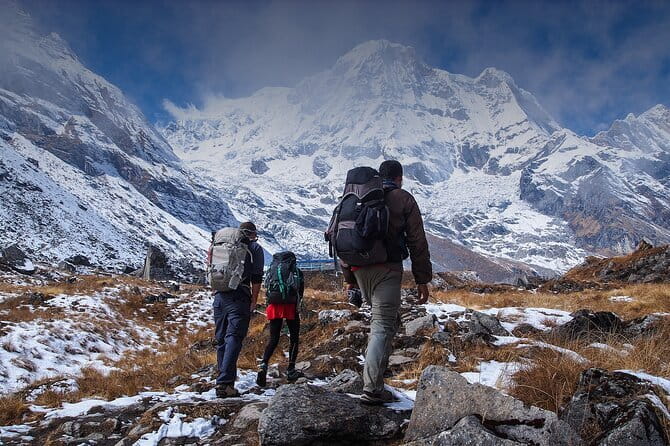
Once you’re near the highlight, the trek gets more intense in a good way. You’ll walk close to the Annapurna range zone, passing through forest and stopping near notable markers like Himalaya Hotel and the area by Hinko cave.
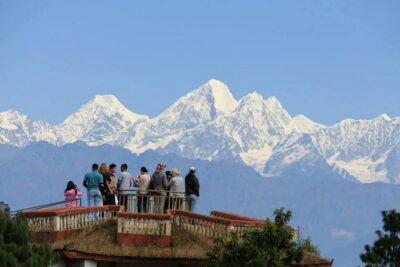
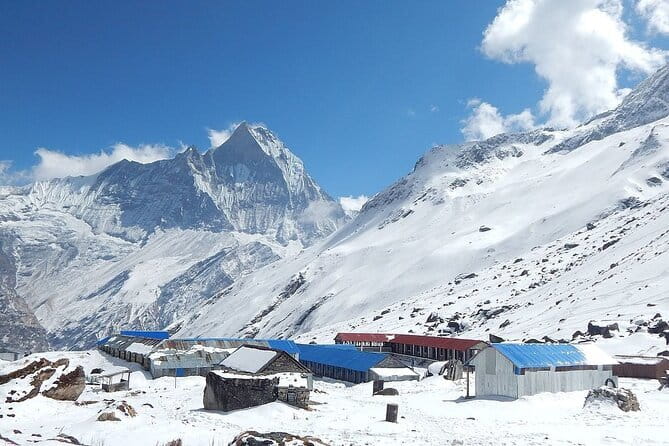
This is where the scenery starts changing from “nice mountain views” to “major mountain presence.” The day’s walking keeps you moving under that mountain shadow while still giving you chances to pause and look out at Annapurna South, Machhapuchhre, and Hiunchuli.
The practical value of this part of the trek is that it reduces the shock factor. Instead of jumping straight from low elevations into big altitude feelings, you spend days stepping into the region’s character.
Also, the pacing matters. The itinerary style keeps you hiking for a long stretch on approach days, then continues the descent-and-rise rhythm that helps your body adapt without you needing a full rest day.
Annapurna Base Camp Day: Sunrise, Glaciers, and Real Accomplishment
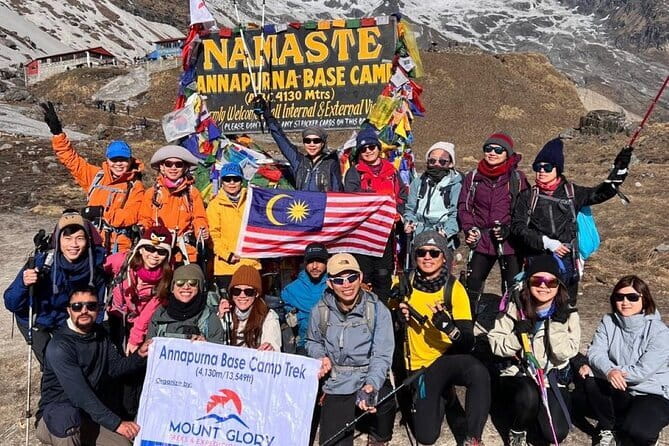
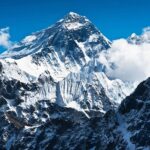
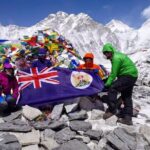
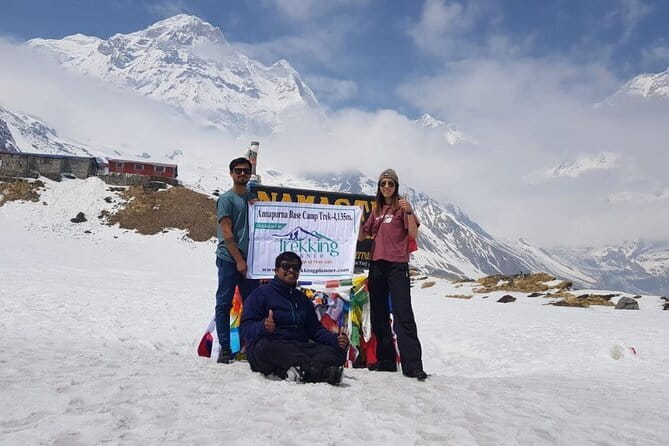
The core moment is reaching the base camp area. This trek’s description makes the payoff clear: you arrive surrounded by towering peaks and glaciers, and the sunrise views add a layer of emotion that’s hard to fake from a photo.
I like that base camp isn’t treated like just another stop on a checklist. It’s the highlight where the whole week makes sense. You’ll also get a long enough walking push to make the achievement feel earned, but not so long that it turns into a suffering-only day.
After base camp, you head downhill with some shorter ups while returning toward Bamboo and the lush vegetation zones. That return matters because it keeps you from ending the week only on the emotional high. You also get the chance to move your legs and regain confidence after the main effort.
If you’re the kind of person who needs your days to be structured, this is the built-in structure: push up, reach the moment, then come down in a way your body can handle.
Jhinu Hot Spring and the Return to Pokhara
Day 6 is a welcome change of pace in spirit, even if the legs still work. You go back along the route toward Chhomrong, then divert to reach Jhinu, a hill village with grand mountain scenery and a hot spring stop.
Hot springs aren’t a guarantee of instant miracle recovery, but they do give you a real reward. And this stop is also practical: you’re finishing the toughest emotional day (base camp) and then using warm water as a reset before the final travel day.
On the last day, you trek down toward Siwai and then drive back to Pokhara. The itinerary includes a short Pokhara Museum stop, which is a nice way to end the trip without needing another big adventure. It’s also a helpful emotional landing—your body is tired, but you’re not rushing into a chaotic schedule right away.
Price, Permits, and the Stuff You Still Pay Yourself
The price is $699.67 per person for the 7-day experience. For many people, the value is less about the number and more about what’s handled for you: guide support, permits, meals, and the big ground transportation pieces.
Included with the package:
- Three meals during the trek (breakfast, lunch, dinner)
- A government licensed mountain guide
- Annapurna Conservation Area Permit (ACAP) and TIMS card
- 7 nights of accommodation on the trek
- Seasonal fruits during the trek
- Ground transportation (Pokhara to start segments and the return to Pokhara)
What’s not included is where you need to plan:
- Your travel and rescue insurance
- Bar bills, phone calls, laundry
- Battery recharge
- Bottle of water
- Hot water and shower
- Tips for the guide
Here’s how I think about this: the package covers the core logistics so you can focus on walking and acclimating. But the small day-to-day extras—water, hot water, shower access, and tipping—can add up if you don’t budget.
If you like knowing your costs in advance, it’s worth mentally adding a buffer for those items so you don’t feel surprised when you’re tired and your convenience spending goes up.
Guide Quality and Small-Team Feel (Suraj, Anos, Laku)
This is where the feedback really concentrates: people praise guides for being professional, friendly, and attentive to details. Suraj shows up as especially helpful in keeping meals and accommodation on track, while Anos is described as considerate and dedicated. Laku is also highlighted as friendly and effective, with porters Sonam and Necha noted for taking good care of the group.
What I think you’re buying with a good guide here is not just information. It’s pacing decisions, practical problem-solving, and the ability to keep you comfortable on long days. One of the strengths mentioned is flexibility—adjusting the itinerary when needed and listening to what the group wants.
Also, communication seems to matter. Before the trip, Anjan is named as a key contact for making planning easy, and that can be a big deal when you’re trying to get your gear ready and your questions answered.
One smart tip: if you have a guide or porter name you’d like, ask in advance. During peak trekking season, specific pairings can get harder to secure.
What to Pack and How to Stay Comfortable at Altitude
Even with a package that includes meals and lodging, you still need to be self-sufficient for comfort. The trek starts very early and moves through forests, ridges, and base camp area conditions that can swing fast. Bring layers you can adjust quickly, plus rain protection.
Because hot water and showers aren’t listed as included, plan to manage hygiene with wipes or basic wash options when needed. Also budget for bottled water since it’s specifically not included.
For footwear, prioritize traction and comfort over looks. This trek includes downhill and uneven terrain, and your ankles will have an opinion by day three.
Finally, pace yourself like you’re training. The trek is described as moderate with a moderate physical fitness level requirement, but “moderate” still means real effort. If you treat every uphill like a race, you’ll feel it later.
Should You Book This Annapurna Base Camp Trek?
Book it if you want the Annapurna Base Camp goal in about a week and you’d rather spend your time hiking than juggling permits, meals, and transport. The included ACAP and TIMS coverage, the guided support, and the full meal plan make it a cleaner, more predictable experience.
Don’t book it if early mornings and long walking days will stress you out. The 4:45 am start is a serious factor, and the trip also isn’t promising luxury comfort like hot showers.
If you’re aiming for an organized trek with real mountain payoffs, this one fits well—especially if you care about guide support and getting your timing right for sunrise at base camp.
FAQ
How long is the Annapurna Base Camp trek?
It’s listed as 7 days (approximately).
Where does the trek start?
The trek starts from Nayapul, and the walking route follows onward through the Annapurna region.
What time does the trek start each day?
The meeting start time is 4:45 am.
Is pickup offered?
Yes, pickup is offered.
What meals are included during the trek?
The trek includes breakfast, lunch, and dinner during the trek period.
Are permits included in the price?
Yes. The Annapurna Conservation Area Permit (ACAP) and the TIMS card are included.
How many nights of accommodation are included?
Accommodation is included for 7 nights on the trek.
What’s not included that I should budget for?
Not included are travel and rescue insurance, bar bills, phone calls, laundry, battery recharge, a bottle of water, hot water, shower, and tips for the guide.
What fitness level do I need?
The trek notes a moderate physical fitness level is recommended.
Is this private, and can service animals come?
It’s listed as a private tour/activity where only your group participates, and service animals are allowed.
What happens if the weather is poor or I cancel?
The trek requires good weather. If it’s canceled due to poor weather, you’ll be offered a different date or a full refund. You can cancel up to 24 hours in advance for a full refund.