REVIEW · KATHMANDU
12 Days Everest Base Camp Trek
Book on Viator →Operated by Himalayan Scenery Treks and Expedition - Private Day Tours · Bookable on Viator
A Lukla flight sets the tone for Everest dreams. This 12-day trek takes you from Kathmandu to Lukla and up to Everest Base Camp (5,364m) and the Kalapatthar viewpoint at 5,545m, with Sherpa villages, monastery mornings, and the ever-present Dudhkoshi River. I especially like how the program is built for real acclimatization, not just brute effort.
Two things I love about this trek are the included planning tools and the included high-altitude support. You travel with a Government Licensed and High-Altitude Trained Guide, plus an oximeter and first-aid kit for altitude checks, which makes the whole experience feel more controlled.
The one big consideration: you’re still climbing to very high altitudes. Even with rest days and gradual elevation, you’ll want solid hiking fitness and the right mindset for a demanding mountain itinerary, and you’ll also need to bring personal gear and your own travel insurance.
In This Review
- Key highlights worth packing for
- Why Everest Base Camp feels “classic,” not chaotic
- Lukla to Phakding: the start that already feels like an adventure
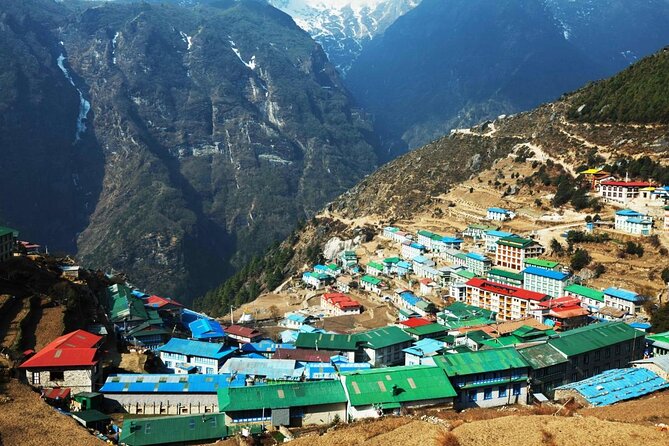
- Namche Bazaar: where the Dudhkoshi valley teaches you pace
- Everest View Hotel and the Syangboche airstrip: the view that sets your expectations
- Tengboche and Deboche: monastery morning energy
- Dingboche rest day and Nagarjuna hill: acclimatization that feels worth it
- Lobuche to Gorakshep and Everest Base Camp: the day your legs finally earn it
- Kala Patthar at first light: the highest-view payoff (and steep work)
- The descent back through Namche and Lukla: finishing with confidence
- The human support: why guides like Rajesh Magar and Gopal get remembered
- What’s included (and why it’s a big value)
- Price breakdown: where your money goes, and what you must handle
- It’s more than the summit: the Khumbu villages and wildlife details
- Timing and season: when the route tends to work best
- Who should book this trek
- Should you book this Everest Base Camp trek?
- FAQ
- Where does the trek start in Nepal?
- How high will I go on this trek?
- How long is the trek?
- Are flights included?
- What’s included during the trek?
- Is there porter support?
- What kind of guide support do I get?
- What’s not included?
- FAQ
- What’s the cancellation rule if plans change?
Key highlights worth packing for
- Kalapatthar sunrise: a steep, rocky early hike timed for the best Everest views
- Acclimatization built in: Namche rest time plus Dingboche and Nagarjuna hill help your body catch up
- Everest Base Camp time: the moment you reach camp includes glacier scenery and the classic payoff
- High-altitude guide support: a licensed guide and altitude tools like an oximeter
- Porter help: porter service (1 for 2 trekkers) so your pack stays reasonable
- Flights and permits included: Kathmandu–Lukla–Kathmandu, Sagarmatha National Park entry, and TIMS
Why Everest Base Camp feels “classic,” not chaotic
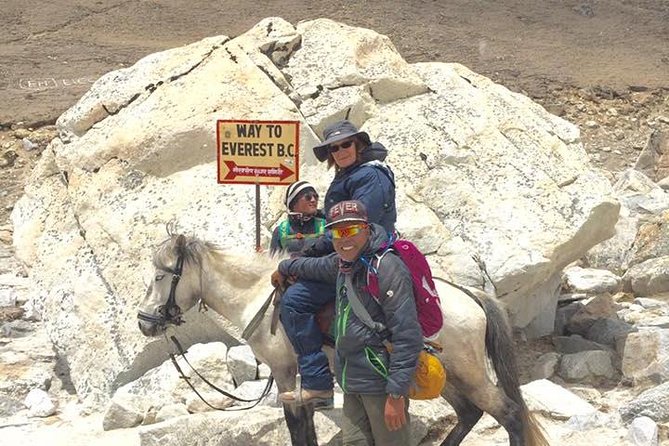
Everest Base Camp is one of the world’s most famous treks, but it can still feel personal if the logistics are handled well. In this package, the trekking rhythm is clear: Lukla gets you into the Khumbu quickly, then you work upward step-by-step with acclimatization days that actually have a purpose.
What I like is that the trek mixes big moments with gentler stretches. You get the dramatic payoff of Everest View Hotel, Tengboche monastery, and Base Camp itself, but you also get breathing room through rest days and village walking that lets you enjoy the people, not just the altitude.
You’re also not doing this alone in a practical sense. The group size is capped at 20 travelers, you get a trekking map and poles/hat/duffel bag kit, and your leader and team handle the key logistics like park permits and flight connections.
You can also read our reviews of more tours and experiences in Kathmandu.
Lukla to Phakding: the start that already feels like an adventure
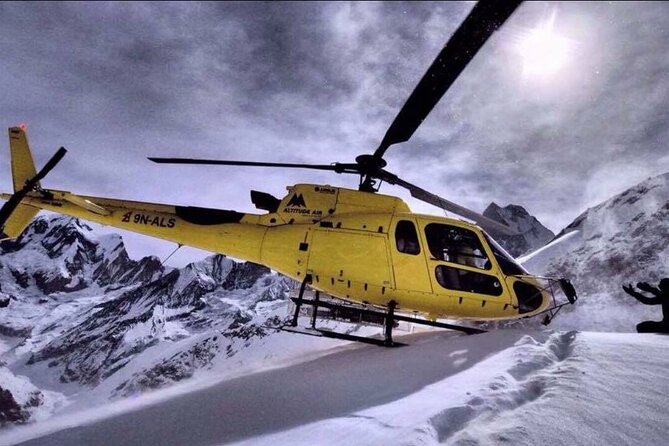
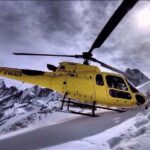
Day 1 begins with the flight into Tenzing-Hillary Airport at Lukla, about 45 minutes. That jump from Kathmandu to the mountains is short, but it’s memorable, and it gives you your first real preview of what you’re walking toward.
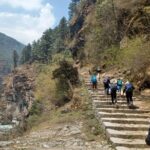
From Lukla, you descend to Phakding along the trail network that follows the Khumbu river corridors. This is where the trek starts to feel like travel, not training: lodge-lined paths, small settlements, and that constant sense that the bigger views are coming.
A practical note: today is about settling in. Don’t treat it like a speed march, even if you feel good after the flight. Let your legs adjust and use the first night to get your breathing and pace dialed in.
Namche Bazaar: where the Dudhkoshi valley teaches you pace
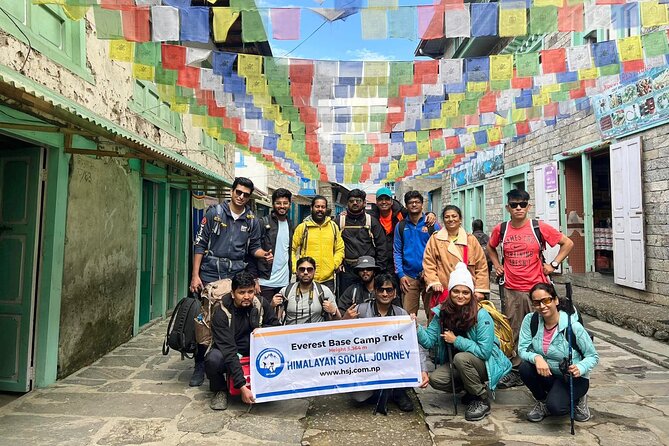
Namche Bazaar is the altitude “checkpoint” that most people remember for more than one reason. On the way there, you’ll spend a long day moving along and near the Dudhkoshi River, crossing the river’s curves as the scenery opens and the trekking becomes more dramatic.
Why Namche matters is simple: it’s a place to acclimatize without losing momentum. You’re not just stuck sitting around. The plan builds your next hiking day around a reset that prepares you for the higher villages and viewpoints.
Another reason I like this stage is how it supports different hikers. Your itinerary includes flexibility through acclimatization and rest, so even if you’re moving slower or need extra breaks, you’re still moving forward with structure.
Everest View Hotel and the Syangboche airstrip: the view that sets your expectations
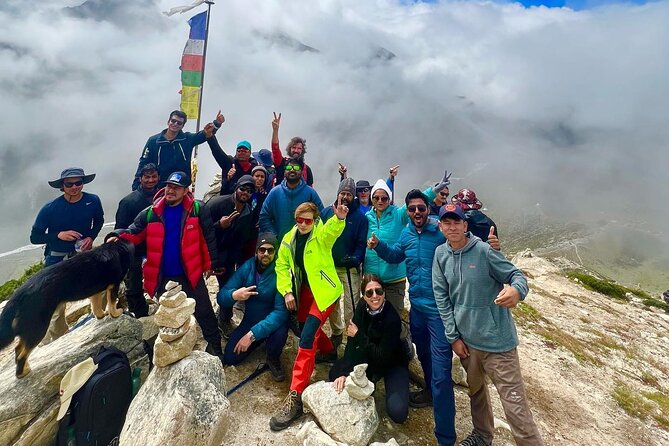
One of the easiest “wow” days is the acclimatization hike to Everest View Hotel via the Syangboche airstrip. Even though the hike isn’t described as a big climbing push, it’s positioned as a full day of recovery and adjustment.
That matters because Everest Base Camp isn’t only a physical climb; it’s a rhythm climb. If you can spend your early high-altitude day comfortably, you’ll be able to enjoy the later days instead of spending them bracing for discomfort.
If you’re the kind of trekker who likes sunrise and photo timing, this is also where your expectations get trained. You’re already seeing Everest-area views, so when the trek escalates, you know what you’re aiming for.
Tengboche and Deboche: monastery morning energy
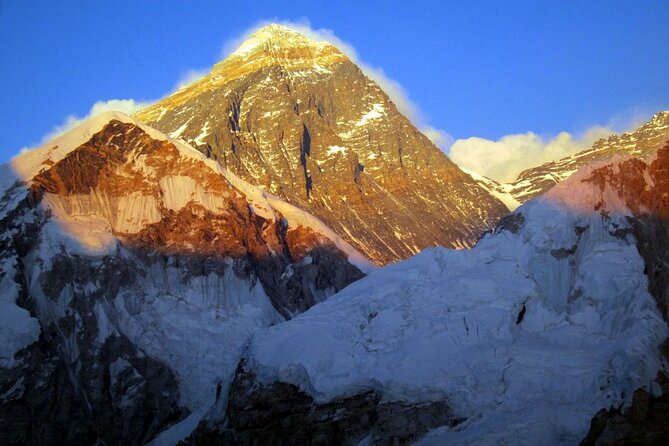
Tengboche is a classic stop for a reason: it blends scenery with spiritual “morning energy.” The plan is designed so you can be up early for the sunrise from Tengboche monastery, which is the kind of moment that turns altitude work into meaning.
From there, you move toward Deboche, with the route going through a rhododendron forest. That detail matters because it tells you this isn’t just granite and glacier. You’ll walk through forest shade and seasonal color potential, which can make the hike feel less punishing.
One consideration here: monastery mornings mean early starts. If you’re sensitive to cold mornings or you dislike very early wake-ups, plan to make the trip work by preparing sleep and clothing choices the night before.
Dingboche rest day and Nagarjuna hill: acclimatization that feels worth it
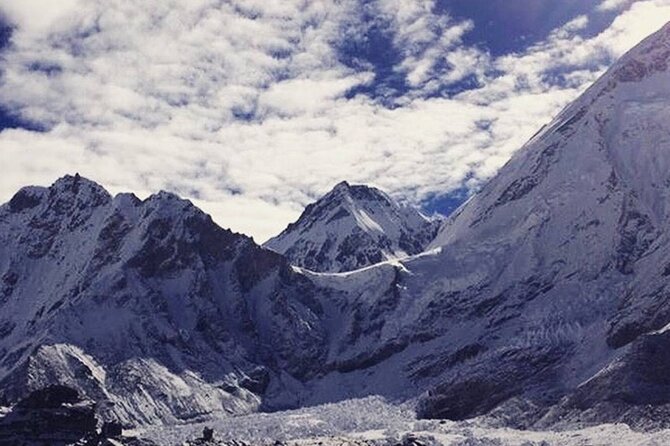
At Dingboche, you’re already above 4,400 meters, so the itinerary pauses to let your body catch up. Day 6 is intentionally lighter, with a hike to Nagarjuna for acclimatization and views.
This is the part I call “smart hard work.” You’re still hiking, but you’re not crushing yourself. The point is to help your body adapt so later days to Lobuche, Gorakshep, and eventually Base Camp are safer and more enjoyable.
It also improves your experience quality. When your body adapts well, you can actually notice details like village life, trail patterns, and how the mountains shift behind each ridge. That’s where the trek becomes memorable beyond the famous goal.
Lobuche to Gorakshep and Everest Base Camp: the day your legs finally earn it
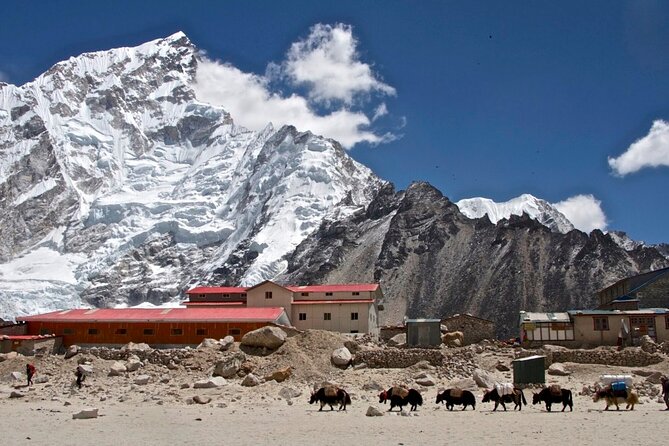
The trek pushes higher toward Lobuche, following the main path through a wide valley under peaks such as Cholatse and Tawache. The route detail here signals big mountain walls and a more rugged walking feel, which is exactly what most trekkers want after acclimatization days.
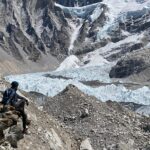
Then comes the Base Camp day structure: from Lobuche to Gorakshep, you’ll do a rocky ascent along the Khumbu glacier, with the International Pyramid area referenced along the way. After that, the plan continues alongside the glacier on a rocky downhill-and-uphill trail to reach Everest Base Camp.
Why this segment matters is emotional and practical at the same time. You’ve spent days building altitude tolerance, so when Base Camp finally appears, your brain can actually process it instead of just trying to endure it. And the glacier-adjacent walking gives you that close-up sense of place that trekking brochures can’t fully explain.
Kala Patthar at first light: the highest-view payoff (and steep work)
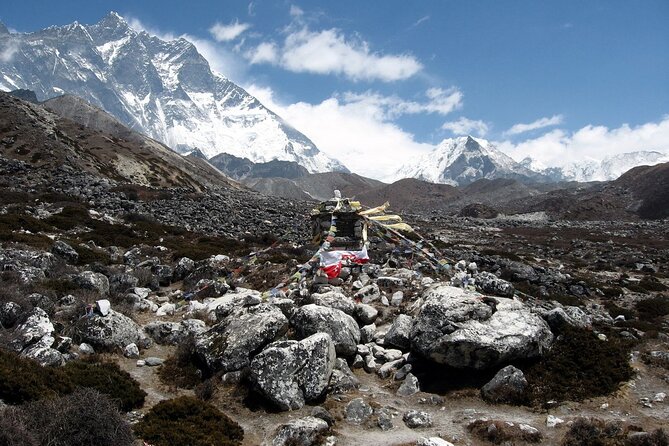
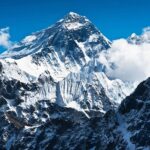
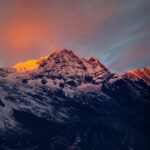
Kala Patthar is the viewpoint that delivers the clearest “Everest is right there” feeling. You’ll wake up very early and hike to Kala Patthar for sunrise, and the plan flags that it’s a steep and rocky route.
This day is long and physical, but it’s built around timing. Sunrise gives you the best odds of crisp views, and the itinerary is clearly organized around that payoff.
A helpful strategy: start out calm. Early steep hikes can tempt you to rush, especially when you’re excited. Controlled pacing helps you avoid the slow grind later, when energy fades and the rocky terrain feels harsher.
The descent back through Namche and Lukla: finishing with confidence
After the high point, the itinerary brings you down with a clear plan toward Namche Bazaar again. You start trekking back from the higher areas toward Namche, and the day is described as long but comparatively easier because elevation drops as you walk.
The return path retraces familiar corridors through remote villages, with bridges and streams along the way. That’s one of the nicest parts of a guided EBC trek: you get to revisit areas you saw earlier, which makes the whole journey feel like a complete story.
Finally, you fly back from Lukla to Kathmandu, with the return flight listed at around 35 minutes. Then you drive to your hotel and get the rest of the day to recover.
The human support: why guides like Rajesh Magar and Gopal get remembered
In a trek this famous, the guide is more than a “lead person.” You need someone who manages pace, helps you make good decisions at altitude, and keeps the group moving without creating panic or chaos.
The program includes one high-altitude trained guide and also uses a team setup that includes a porter (1 for 2 trekkers). That means you’re not stuck carrying everything yourself, and it reduces the risk of shoulder fatigue that can mess with your hiking rhythm.
From past trips connected with this experience, guides such as Rajesh Magar are highlighted for competence and upbeat energy. Narayan Ntc also shows up for being helpful and making the trek feel well-managed. And names like Gopal and Bikram are praised for pacing choices, including early starts and adjusting the day to match the group’s hiking style.
If you’re a faster hiker, you’ll probably appreciate the way the leader can handle timing and pace. If you’re slower, you’ll appreciate the way a leader can keep you from feeling rushed while still progressing.
What’s included (and why it’s a big value)
At $605 per person, the price looks simple, but the value comes from what’s bundled in. This isn’t only a guide and a few meals. It includes domestic flights (Kathmandu–Lukla–Kathmandu), the Sagarmatha National Park entry permit and TIMS card fee, three meals a day during the trek, and lodge accommodation on a twin-sharing basis.
You also get trekking essentials that reduce last-minute shopping stress: a trekking map, a trekking hat, a duffel bag, and trekking poles included. That’s practical if you don’t already own poles or if you’re trying to travel light.
On top of that, you get real safety and monitoring tools for the altitude challenge. The inclusions list a first aid kit and an oximeter for checking pulse and oxygen saturation at higher altitude, plus walkie-talkies for group trekkers.
Price breakdown: where your money goes, and what you must handle
Here’s the honest way to look at it: a trek like this usually has big costs stacked together. You pay for altitude leadership, permits, meals, lodging, and the logistics of getting to Lukla by air.
This package covers many of those “heavy” items. What it does not include is just as important: personal travel insurance, snacks and drinks, personal trekking gear, and tips for the team.
So the value is strong if you’re okay with bringing your own personal items and arranging travel insurance. It’s weaker value if you expected full insurance coverage and full gear provided.
It’s more than the summit: the Khumbu villages and wildlife details
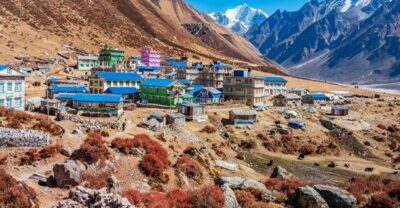
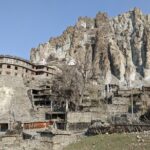
The Khumbu region is often described as dramatic, but part of why EBC works is the village texture. Your trek goes through Sherpa communities, and you’ll get to walk among familiar mountain-life rhythms instead of feeling like you’re only walking through empty trails.
The trip also flags a unique wildlife detail: keep an eye out for the Danphe, an endangered bird and Nepal’s national symbol. That kind of detail turns the walk into observation mode, not just endurance mode.
And because the plan includes both higher viewing days and lower-village days, you’ll get moments where you can slow down and notice the human side of the Himalaya.
Timing and season: when the route tends to work best
The overview notes favorable conditions for a good eight months each year. That’s a broad window, and it suggests you’re choosing from a season when the trail and lodge network are likely to be functioning well.
If you’re trying to pick exact dates, focus on two things you can control: your ability to hike through early mornings and your willingness to handle cold and wind exposure at higher points. The itinerary is built around sunrise efforts, especially for Tengboche and Kala Patthar.
Who should book this trek
This trek is described as suitable for trekkers of different levels, including seniors and beginners, as long as you have moderate physical fitness. The structure is built around acclimatization, which helps people succeed who might struggle with a faster, less controlled itinerary.
It’s also a good fit for couples or small groups who want a guided experience with practical support. The maximum group size of 20 keeps it social enough for teamwork but not so huge that you’re constantly stopping and waiting.
If you hate early starts, you may not love this. Sunrise days are part of the core experience, especially Tengboche monastery and Kala Patthar.
Should you book this Everest Base Camp trek?
Yes, if you want the classic Everest story with a plan that takes altitude seriously. The inclusion list is strong: flights to Lukla, permits, lodge nights, three meals a day, porter support, and real altitude tools like an oximeter. You’re paying for the hard-to-organize parts, which is usually where trekking gets stressful.
I’d skip it only if you’re not ready for the altitude challenge at all, or if you’re hoping for a fully hands-off gear and insurance setup. You’ll still need to handle personal travel insurance and bring personal trekking gear, and the highest viewpoint days are steep.
If your goal is to reach Everest Base Camp and then earn the view from Kala Patthar, this is the kind of trek that makes the payoff feel earned.
FAQ
Where does the trek start in Nepal?
You’ll meet in Kathmandu, and the trekking experience begins with the connection that includes flights to Lukla from Kathmandu. The meeting point is listed as Tribhuvan Airport, Kathmandu.
How high will I go on this trek?
The highest point is listed as Kalapatthar at 5,545m. Everest Base Camp is listed at 5,364m.
How long is the trek?
The trek duration is 12 days (approx.).
Are flights included?
Yes. Domestic flights (Kathmandu–Lukla–Kathmandu) are included, with the Lukla flight about 45 minutes and the return flight about 35 minutes.
What’s included during the trek?
You get three meals a day (breakfast, lunch, dinner) and lodge accommodation in twin-sharing rooms. The package also includes permits (Sagarmatha National Park entry and TIMS card fee) and a trekking kit with map, hat, duffel bag, and trekking poles.
Is there porter support?
Yes. A porter is provided (1 for 2 trekkers).
What kind of guide support do I get?
The trip includes one Government Licensed and High-Altitude Trained Guide, plus support items like a first aid kit and an oximeter for altitude monitoring.
What’s not included?
Personal travel insurance is not included, and neither are personal trekking gear, snacks and drinks, and tips/gratuities.
FAQ
What’s the cancellation rule if plans change?
You can cancel for a full refund up to 24 hours before the experience start time. Within 24 hours of the start time, the amount paid is not refunded.