REVIEW · KATHMANDU
Everest Base Camp Trek
Book on Viator →Operated by Nepal Hiking Adventure Company - Private Day Tours · Bookable on Viator
Kala Patthar makes you believe the hype. This 14-day Everest Base Camp trek strings together Lukla flights, Sherpa towns like Namche, and high viewpoints that feel almost too close to the giants. You’ll also spend time inside Sagarmatha National Park country, with monasteries, icefall glimpses, and the kind of day-by-day pacing that helps you keep going.
I especially like the built-in acclimatization day in Namche Bazaar, plus time to visit the Sherpa Museum. I also like how much the package handles for you: Kathmandu hotel nights, most meals, and the core flights so you can spend your energy on the trail instead of logistics and spreadsheets.
One real consideration: this trek leans on weather. Lukla flying is famous for cancellations, so you should be comfortable with schedule flexibility if conditions don’t cooperate.
In This Review
- Key highlights in plain terms
- Starting in Kathmandu near Thamel: your trek prep happens fast
- The Lukla flight: why that 40-minute hop sets expectations
- Phakding and the Namche approach: suspension bridges and quick culture wins
- Namche acclimatization day (3440m): the smartest pause on the route
- Tengboche and the monastery vibe: viewpoints with quiet moments
- Dingboche via rhododendron forests and Deboche
- Lobuche: memorials, glacier moraine, and the Everest mindset shift
- Everest Base Camp and Gorak Shep: where the route gets real
- Kala Patthar sunrise (5550m): the best kind of pain
- The return down: Pangboche monastery and the long fade from altitude
- Lukla again: the long walk to the final flight
- The flight back: Kathmandu vs Ramechhap contingency
- Kathmandu finish: a final day to breathe and plan your next stop
- Price and value for $1,300: what you’re really buying
- The human part: why the guides and support system matter
- Who this 14-day Everest Base Camp plan fits best
- Should you book this Everest Base Camp trek?
- FAQ
- How long is the Everest Base Camp trek?
- Where does the trip start and end?
- What is included in the $1,300 price?
- Are flights to Lukla included?
- How many nights do you stay in Kathmandu?
- What meals are provided during the trek?
- What fitness level do I need?
- What is the group size?
- If I cancel, how much notice do I need for a refund?
- Are drinks or tips included?
Key highlights in plain terms
- Lukla first day flight: The scenic jump-off that kicks the whole trek into gear
- Namche acclimatization day: Sherpa Museum time plus a slower rhythm at altitude
- Tengboche and Deboche monastery stops: Spiritual scenery on the way up
- Everest Base Camp + Khumbu Icefall views: Your big “we’re really here” day
- Kala Patthar sunrise: The highest-payoff viewpoint of the route
- Small-group size (up to 8): Less chaos, more personal attention
Starting in Kathmandu near Thamel: your trek prep happens fast
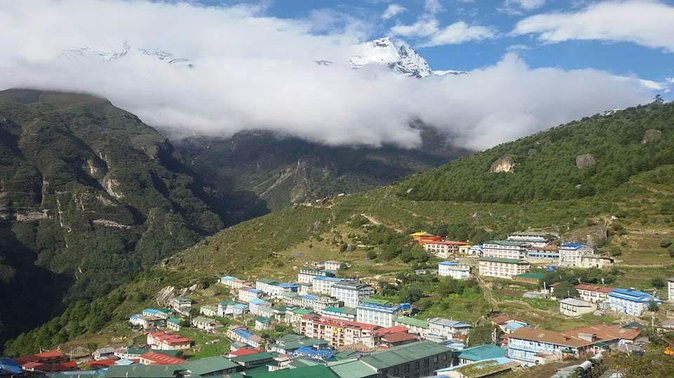
Kathmandu is where the body gets ready and the brain stops spinning. You land, then get picked up from the airport and driven to a hotel near Thamel, one of the city’s easiest areas to orient yourself. After you drop bags, the team runs a pre-trip meeting with your group. This is where you’ll get a feel for the trekking flow and what to expect the next morning.
I like that this start is practical. Instead of turning day one into a sightseeing marathon, you get set up for the big move: the flight to Lukla. You’ll also have time to settle into the Kathmandu routine—simple things like sleep, hydration, and packing checklists—before the mountains demand attention.
That said, Kathmandu is still Kathmandu. Traffic, noise, and altitude-from-the-city leftovers can make sleep a little harder than you expect. If you’re prone to overthinking travel details (I know the type), keep day one light and focus on rest.
You can also read our reviews of more tours and experiences in Kathmandu.
The Lukla flight: why that 40-minute hop sets expectations
On trek schedules, the day you fly to Lukla is often where everything either clicks or gets messy. Here, you take an early flight of about 40 minutes from Kathmandu or Ramechap to Lukla. The route note also reminds you that conditions and local factors can cause cancellations or delays. That’s not a side detail. It’s the heartbeat of this whole plan.
The good news: when flights run, it’s a quick, dramatic transition from city life to deep mountains. You’ll arrive and immediately begin walking toward Phakding, which keeps the momentum going. The not-so-fun part: if weather scrambles things, you may need patience later in the trek too—especially around your return flights.
Practical tip: even if you feel fine, treat the Lukla day as a warm-up. Don’t try to “make up for lost time” with extra effort. Save your legs for the long climb-and-acclimatize rhythm that follows.
Phakding and the Namche approach: suspension bridges and quick culture wins
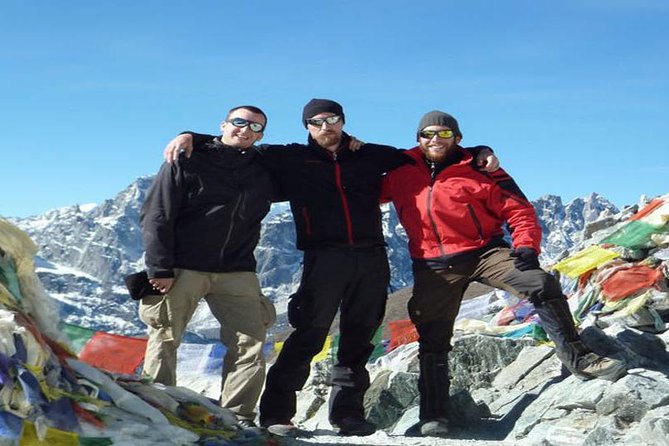
The first trekking night is at Phakding. You’ll take a short walk northwest of the village and spend the evening exploring the community if you want. This day is valuable because it gets you walking in mountain conditions without immediately throwing you into the hardest part of the climb.
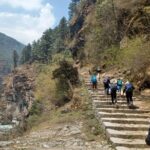
Then comes the real on-ramp: the walk toward Namche Bazaar. You’ll start after breakfast trekking along the western banks of the Dudh Koshi, crossing two tiny suspension bridges, and reaching Monjo before continuing onward. Why this matters: it gives you a sense of the valley’s scale and the trail’s rhythm right away. Also, suspension bridges are one of those “small things” that make your brain go, okay, this is for real.
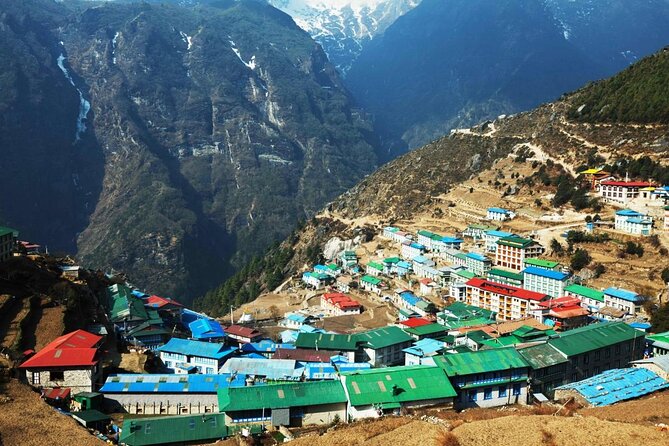
Namche itself is the entrance-and-hub type of place. You’re not just passing through villages—you’re entering a center where trade, tea houses, and Sherpa life orbit around trekking traffic.
For many people, Day 3 feels like the point where the trek becomes emotional. You’re tired, but you’re also starting to see the shape of the whole Khumbu region.
Namche acclimatization day (3440m): the smartest pause on the route
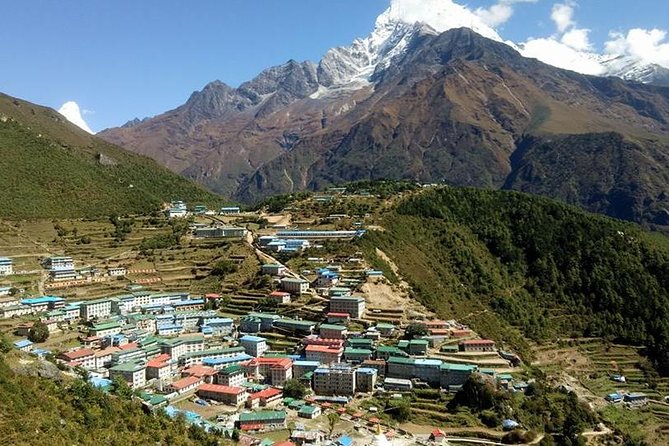
Day 4 is your acclimatization day in Namche Bazaar at 3,440m / 11,283ft. You don’t gain altitude the way the next days will. Instead, you adjust. This is one of the best-designed pieces of the schedule because it’s not just a rest day—it’s a breathing room day.
You can spend time visiting the Sherpa Museum, which is a standout option because it connects the scenery to the people and history behind it. And if you’d rather keep moving, you can explore locally—then return to your lodge and recover.
I like acclimatization days like this because they reduce the “panic climb” effect. When your body gets a chance to catch up with the altitude, you show up better for the steeper stages ahead. In plain terms: you’ll still work hard later, but you won’t start the high part already running on empty.
Tengboche and the monastery vibe: viewpoints with quiet moments
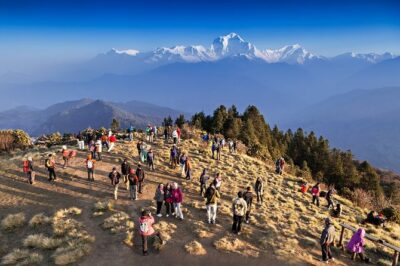
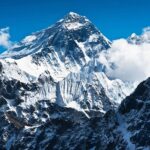
Moving higher, Day 5 heads toward Tengboche. The route stays above the Dudh Koshi on a high-level path, and you pick up serious mountain views along the way—Everest, Nuptse, Lhotse, Thamserku, and more.
Tengboche is famous for a reason: monasteries here don’t feel like museum stops. They feel like living places with atmosphere. You also get that pause in the day where your eyes can rest on something besides just the next step.
This is also a day where pace matters. The views can trick you into pushing harder than you should. Take the breaks you need. Let the mountains come to you.
Dingboche via rhododendron forests and Deboche
Day 6 brings you to Dingboche after a trek through rhododendron forests and meadows. The route also includes the Buddhist nunnery at Deboche before you arrive near the Imja Khola area. That mix—forest colors, then opening views—helps you feel the altitude transition in a more gradual way.
You’ll likely pass moments where the trail looks simple on paper but feels different on the ground. Rocky paths, thinner air, and the constant need to keep your effort steady add up.
Day 7 is set as another recovery day in Dingboche. You can relax or take a lighter walk if you feel good. This kind of flexible extra time is worth its weight because Dingboche sits in that zone where you start to feel how altitude changes your pace.
Lobuche: memorials, glacier moraine, and the Everest mindset shift
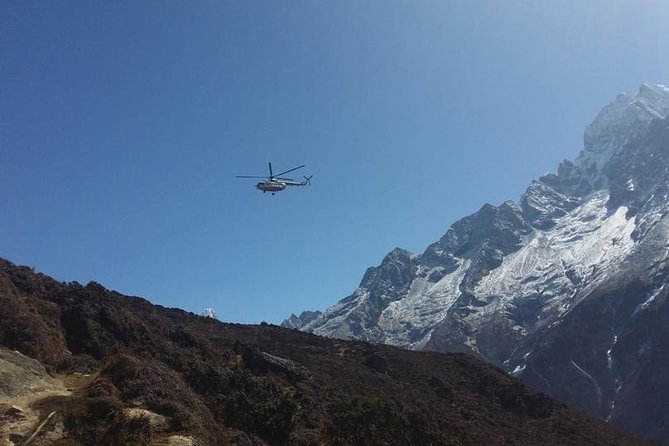
Day 8 is Lobuche, and it’s a day that adds weight to the journey. You’ll reach Dughla village and see memorials to Sherpas who lost their lives on Everest trips. It’s not a dramatic stop, but it’s a heavy one—and it changes how you look at the next stages.
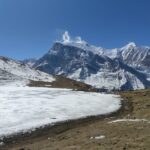
The trail also gives you views of Kalar Pattar and Pumori, and you continue along the Khumbu Glacier Moraine. By now, you’re not just seeing mountains. You’re moving through the geographic “story” of the Everest region—glacial debris, winds, and the way the land funnels you toward high points.
I’d go into this day prepared for slower walking and more frequent pauses for photos and breathing. You don’t need to rush. The goal is to arrive feeling steady.
Everest Base Camp and Gorak Shep: where the route gets real
Day 9 is your big day. After lunch, you head toward Everest Base Camp, trekking over stony dunes, moraines, and streams. The route description also mentions stopping at areas around the Khumbu Icefall, and you’ll tour base camp and glacier areas.
Then you continue on to Gorak Shep to check into your lodge. The pattern is important: base camp isn’t a quick roadside view. It takes time on legs already tired from previous days, and then you still have the evening logistics of arriving at a higher lodge area.
This is also when weather can remind you who’s in charge. Base camp can be brilliant or harsh depending on wind and visibility. I like having a proper plan after base camp too, rather than scrambling for an immediate descent. Sleeping at Gorak Shep sets you up for the next day’s push to the highest viewpoint.
Kala Patthar sunrise (5550m): the best kind of pain
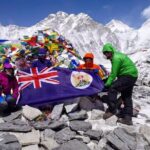
Day 10 is Kala Patthar at 5,550m / 18,209ft, described as the place for the most breathtaking Everest dawn views. Your guide will schedule time to climb it, and you’ll get there after a trek that can be around two hours.
This is the high moment of the entire itinerary. It’s steep, it’s cold, and the air can make every step feel like a negotiation. But the payoff—those early views over the Everest region—is the reason most people sign up for the Everest Base Camp trek in the first place.
After you enjoy the view, you’ll descend back toward Pheriche for the overnight. That descent is more work than you might expect because your legs are tired and the terrain demands balance. Use it as a recovery day in spirit, not a lazy day.
The return down: Pangboche monastery and the long fade from altitude
Day 11 takes you toward Namche Bazaar after visits along the way, including Pangboche monastery. The schedule notes it as the oldest monastery in the area and says it’s open for visits when you arrive. This adds meaning to the return trek: you’re going down, but the cultural stops still matter.
You’ll descend via Tangboche and continue trekking onward down toward Namche Bazaar for the night. This section is often mentally tricky for people. You’ve already faced the big highs. Now you need to keep your energy steady while the body wants to “just finish.”
The trick is to treat the descent like training. Walk carefully, keep a rhythm, and don’t let fatigue mess with your footing. The mountains are playful that way.
Lukla again: the long walk to the final flight
Day 12 returns you to Lukla. After breakfast, you trek at your leisure through Sherpa hamlets and mountain scenery, passing the Hilary suspension bridge, then continuing to Lukla. On arrival, your guide will confirm the details for the flight back.
This day is often underrated because it feels like you’re already done. But you still get mountain time, and you’re building confidence that you can finish. It’s also a good day to check in with yourself. If something feels off—knees, energy, sleep—this is the time to be honest rather than pushing through stubbornly.
The flight back: Kathmandu vs Ramechhap contingency
Day 13 covers the return flights. You’ll fly from Lukla by plane (about 30 minutes). The schedule then accounts for a second leg: in busy seasons, you fly to Ramechhap, with a drive to Ramechap of about four hours mentioned in the plan.
The itinerary notes that if weather allows, you take an early morning flight to Kathmandu or Ramechhap depending on available flights in main season. Translation: you’re following the options that daylight and conditions give you, not forcing a single fixed plan.
I like that this approach is acknowledged upfront. If you’re the kind of traveler who needs certainty, this trek teaches you flexibility fast.
Kathmandu finish: a final day to breathe and plan your next stop
Day 14 is the wrap-up day. You’ll be taken to Tribhuvan International Airport if you’re flying out, and you have time earlier in the day for any final plans.
After 14 days of altitude, trails, and tiny decisions like pace and warmth, this “easy day” feels earned. It’s also the time to think about what to do with photos and notes while your brain is still in mountain mode.
Small practical win: if you have energy, do a simple post-trek reset—shower, laundry plan, and a low-key meal. Your body will thank you.
Price and value for $1,300: what you’re really buying
At $1,300, this trek is priced like a premium “core logistics included” adventure. What’s inside matters.
You get:
- Airport pickup and final drop-off
- Flight tickets for your Lukla flights (KTM–Lukla–KTM or via Ramechap), plus the guide’s flight
- 2 nights in Kathmandu on a breakfast plan (Hotel Kailash Kutee or same category)
- Meals covering breakfast on 13 days, and lunch/dinner on 11 days
- All fees and taxes (as listed)
That’s a lot of cost wrapped into one price. The biggest value play here is the flights and Kathmandu setup. For many travelers, that’s the part that’s hardest to price, coordinate, and troubleshoot.
What isn’t included:
- personal expenses and beverages
- tips for guide/driver
- alcoholic beverages (only for those over 18, per the tour info)
So who gets best value? People who want a guided plan with flights handled, who don’t want to spend vacation time building an itinerary from scratch, and who are okay sharing the trail with a small group.
The human part: why the guides and support system matter
The most praised thing across experience stories around this trek tends to be the care. People talk about guides like Ram providing calm support, and porters like Amer helping with the practical reality of carrying gear. Other cited guides include Bishnu, Rajesh, Prakash, and Gore, with support staff such as Tilak, Binode, and Sanjay also mentioned.
You don’t need a perfect guide personality for a mountain trek. You need someone who makes the plan workable and keeps you steady when weather or terrain adds stress. The strongest reviews highlight practical problem-solving too—like helping with shoes and staying calm during surprises like snow.
That’s what you want in the Khumbu: competence plus emotional steadiness. The mountains don’t care about your plans, so your team has to.
Who this 14-day Everest Base Camp plan fits best
This trek is listed as for travelers with moderate physical fitness. That doesn’t mean “easy.” It means the route is built for people who can hike daily with effort, keep a steady pace, and follow acclimatization.
This fits you if:
- you want the classic Everest Base Camp experience in a structured 14-day format
- you prefer a small group (max 8) for less crowding and more attention
- you like a mix of big scenery days and culture stops like Sherpa Museum, Tengboche, Deboche, and Pangboche
- you’re comfortable with altitude and understand that weather can affect Lukla flights
If you’re brand-new to trekking, you might need more training before attempting this. If you’ve done hikes at elevation before, you’ll likely appreciate the clear acclimatization rhythm.
Should you book this Everest Base Camp trek?
I’d recommend booking it if you want a guided, efficient route with the key logistics handled—especially the flights, Kathmandu lodging, and the daily structure that keeps you from guessing. The small-group size and the repeated emphasis on guide support are exactly what you want for a trek where weather and altitude can turn minor problems into major ones.
Hold off if you need strict schedule certainty. This experience depends on conditions for Lukla flying, and the plan itself is built to handle that reality. If you can travel with flexibility and focus on the journey one careful step at a time, you’ll likely love it.
If you want my quick decision rule: book if you can accept weather-based timing changes, and if you want the mountains without the logistics headache. Skip if you want everything fixed to the minute.
FAQ
How long is the Everest Base Camp trek?
It’s listed as 14 days (approx.).
Where does the trip start and end?
It starts in Kathmandu, Nepal, and ends with transport to Tribhuvan International Airport on the final day (Day 14).
What is included in the $1,300 price?
The price includes airport pickup and final departure transport, all fees and taxes, Kathmandu lodging (2 nights), most meals (breakfast 13 days; lunch and dinner 11 days each), and flights for the client and guide connected to Lukla.
Are flights to Lukla included?
Yes. Flights are included for KTM–Lukla–KTM or the itinerary via Ramechap, plus the guide’s flights.
How many nights do you stay in Kathmandu?
You get 2 night accommodations in Kathmandu on a breakfast plan.
What meals are provided during the trek?
The package includes breakfast (13) and lunch (11) and dinner (11), as listed.
What fitness level do I need?
The tour notes that travelers should have moderate physical fitness.
What is the group size?
The maximum group size is 8 travelers.
If I cancel, how much notice do I need for a refund?
You can cancel up to 3 days in advance of the experience for a full refund. If you cancel less than 3 days before the start time, the amount paid is not refunded.
Are drinks or tips included?
No. Personal expenses and beverages are not included, and tips for the guide/driver are not included. Alcohol is only available to those over 18.