REVIEW · KATHMANDU
Kathmandu: 14-Day Everest Base Camp with Kala Patthar Trek
Book on GetYourGuide →Operated by Welcome Nepal Treks P.Ltd · Bookable on GetYourGuide
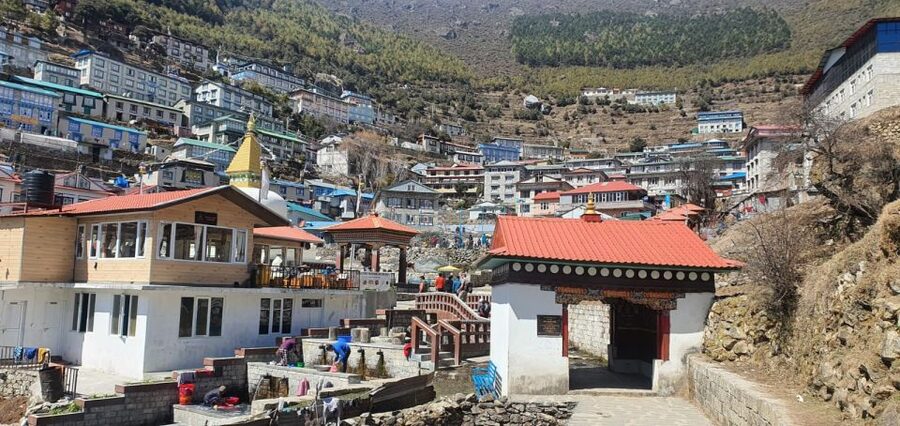
Altitude starts before the trail even begins. This Everest Base Camp and Kala Patthar trek is built for views and culture, from Tribhuvan Airport down to Sherpa towns in the Khumbu. The route puts you close to the world’s tallest mountain while you learn how people actually live and work up here, including time in Namche Bazaar.
I especially like the way the itinerary is staged for acclimatization with real rest days in Namche Bazaar and Dingboche. And I love that the trek includes the flight to Lukla and the big-ticket sights—Everest Base Camp and Kala Patthar—without you having to piece logistics together yourself.
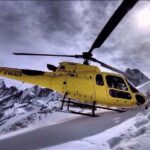
One thing to keep in mind: Lukla flights can be weather-sensitive, so if the plane doesn’t go, the team may need to adjust your days or even switch to an alternate trek plan.
In This Review
- Key Moments That Make This Trek Worth It
- From Tribhuvan to Lukla: how the journey gets real fast
- Phakding to Namche Bazaar: pacing uphill without burning out
- Namche acclimatization excursion: the small win that saves big suffering
- Tengboche and Dingboche: monasteries, thin air, and real character
- Lobuche to Gorak Shep to Everest Base Camp: walking toward the myth
- Kala Patthar at 5,545 meters: the hard climb with a serious view
- The return to Kathmandu: why the last days feel different
- What you’re really paying for: value, not just a price tag
- Gear, food, and comfort reality check (the parts that matter)
- Flight disruptions and how the best operators respond
- Who this trek fits best
- Should you book this Kathmandu to Everest Base Camp with Kala Patthar trek?
- FAQ
- How long is the trek?
- Do I fly to Lukla, and are flights included?
- Are permits included for Sagarmatha National Park?
- What kind of accommodation do you use on the trek?
- What gear is provided, and what should I bring?
- Are meals and hot showers included?
Key Moments That Make This Trek Worth It
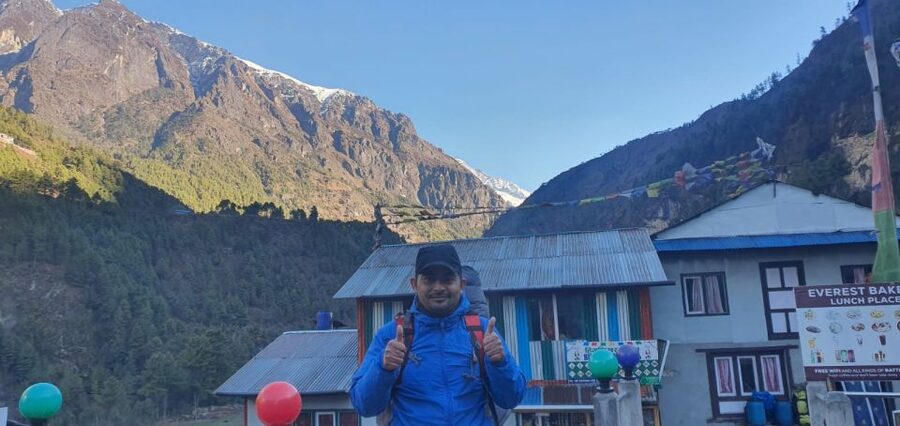
- Lukla: the world’s most-extreme airport experience, right at the start of your hiking life
- Namche Bazaar acclimatization day, with a 2–3 hour excursion for a smarter pace
- Tengboche and Dingboche passes, where mountain scenery comes with monastery-town energy
- Gorak Shep to Everest Base Camp, with the rare feeling of walking toward the myth
- Kala Patthar at 5,545 meters, for a payoff view of Everest and neighbors
- A guided plan with English-speaking support, plus gear like a jacket and sleeping bag if you need it
From Tribhuvan to Lukla: how the journey gets real fast
You start in Kathmandu with an airport pick-up and a transfer to a hotel, then the next day you fly to Lukla (2,850 meters). That first jump is the beginning of altitude adaptation, and it’s also where the trip feels different from “normal” trekking. Lukla is famous for being tricky, and this route treats that reality seriously by putting the trek on an achievable ladder of elevations afterward.
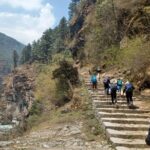
On day two, after landing, you trek to Phakding (2,640 meters) in about 4–5 hours. This part matters because it helps your body adjust while you get your feet under you and learn how your breathing changes on the move. You’re not going straight into the deep climbs; you’re warming up in the valleys.
If you’re the kind of traveler who likes clear structure, you’ll appreciate that domestic airport transfers are handled too. And since your guide speaks English, you should have an easier time asking questions about pacing, safety, and what to expect at each new elevation.
You can also read our reviews of more tours and experiences in Kathmandu.
Phakding to Namche Bazaar: pacing uphill without burning out
The walk from Phakding to Namche Bazaar (3,440 meters) takes about 6–7 hours. This is a long day, and the elevation gain is noticeable, so think of it as “steady effort” more than “push hard.”
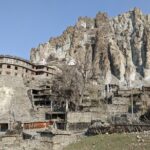
Namche Bazaar is the place where you feel the Sherpa heartland. It’s also where the trek transitions from valley trekking into the cultural and logistical center of the Khumbu. You’ll likely notice more activity, more visitors moving through, and more businesses designed around trekkers—plus the sense that this is home for people who have worked these routes for generations.
And then the itinerary does something smart: it gives you a rest and acclimatization day in Namche on day four, including a 2–3 hour excursion. That’s not idle time. It’s where you help your body catch up, lowering your odds of feeling crushed later. You’re still moving, just with more control.
Namche acclimatization excursion: the small win that saves big suffering
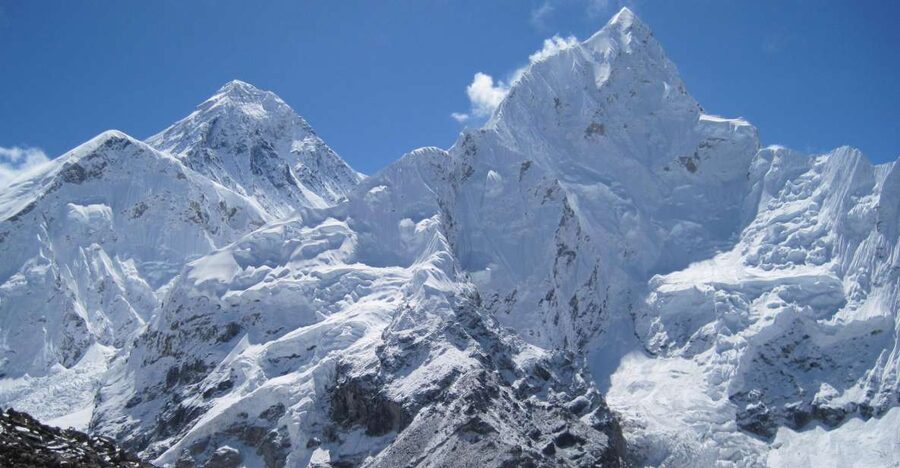
On day four, you stay at Namche Bazaar and do that 2–3 hour excursion as part of the altitude strategy. This is the kind of day that feels slow at first—until you realize why it exists.
Acclimatization works best when your schedule respects your body. With this trek, you’re not only gaining altitude; you’re also building time for it to adapt. That approach matters because later you’re headed toward higher places like Tengboche (3,870), Dingboche (4,410), and ultimately the Everest region.
If you’re traveling with a group, this day also creates breathing space socially. You can compare notes on weather, adjust your layering plan, and figure out how your energy is trending. The guide’s role here is useful: English guidance helps you interpret what’s normal fatigue versus what’s a warning sign.
Tengboche and Dingboche: monasteries, thin air, and real character
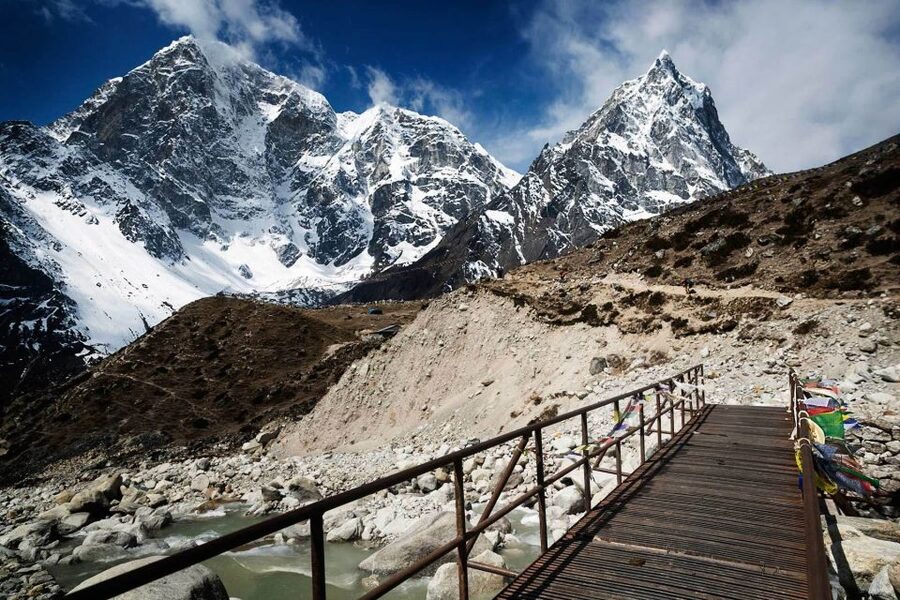
Day five takes you from Namche Bazaar to Tengboche (3,870 meters) in about 5–6 hours. Tengboche is known for its monastery setting, and even if you’re not planning on deep cultural visits, the town’s mood is different from pure hiking stops. This is where the trek starts to feel spiritual and scenic at the same time.
Day six continues from Tengboche to Dingboche (4,410 meters), again around 5–6 hours. The altitude climbs, and the pace needs to get even more careful. You’re trading quick wins for survival-friendly movement: short rests, slow steps, steady hydration.
Then day seven is another acclimatization day at Dingboche. That second acclimatization stop is a big reason this itinerary is popular. You’re not just “passing through”; you’re giving yourself time to reduce the chance of getting hit hard by altitude later.
Lobuche to Gorak Shep to Everest Base Camp: walking toward the myth
Day eight takes you from Dingboche to Lobuche (4,940 meters) over 5–6 hours. The scenery tends to get more dramatic as the trek nears the Everest region, but your biggest job is still internal: keep your breathing controlled and your effort consistent.
On day nine, you trek from Lobuche to Gorak Shep (5,170 meters). After that, you hike to Everest Base Camp (5,364 meters) and return to Gorak Shep. This is a tough day because you’re doing the “base camp push” at high elevation, and you’ll feel it in your legs and lungs.
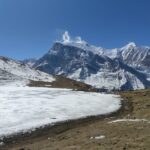
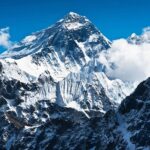
Here’s what makes this section special: you’re not just looking at Everest—you’re walking in the zone where expeditions begin. Even if Base Camp isn’t the same as standing near the summit, it’s still a powerful threshold. You also get a sense of scale: mountain walls, changing light, and the way the terrain forces you to focus on every step.
Lodges/tea houses are part of the route, so you’ll have a place to reset afterward—important at altitude, where sleep and recovery are everything.
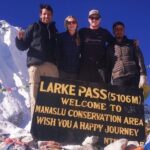
Kala Patthar at 5,545 meters: the hard climb with a serious view
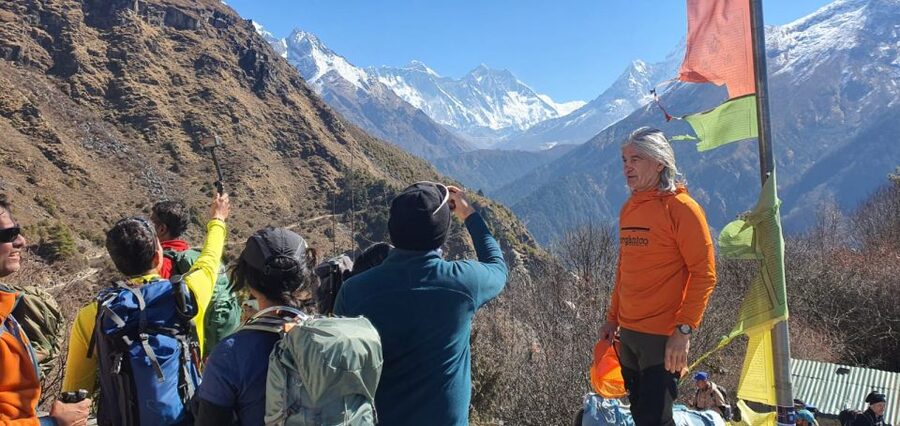
Day ten is the big one. You hike to Kalapathar (listed as 5,545 meters) from Gorak Shep, then trek down to Pheriche (4,371 meters). This is a long day with a steep goal, and the reason people aim for Kala Patthar is simple: the viewpoint is designed to show Everest’s neighbors in a way that makes the whole Khumbu feel tangible.
That climb is not just “for the view.” It’s also a personal test of pacing. At this altitude, the climb rewards steady effort and punishes rushing. Your guide matters here because they can help you keep your plan, especially if weather shifts.
After Kala Patthar, you descend to Pheriche for the next stage. The itinerary then continues downhill for the next three days before arriving back in Kathmandu on day thirteen. The descent is where you finally feel the benefit of all the careful acclimatization you did earlier.
The return to Kathmandu: why the last days feel different
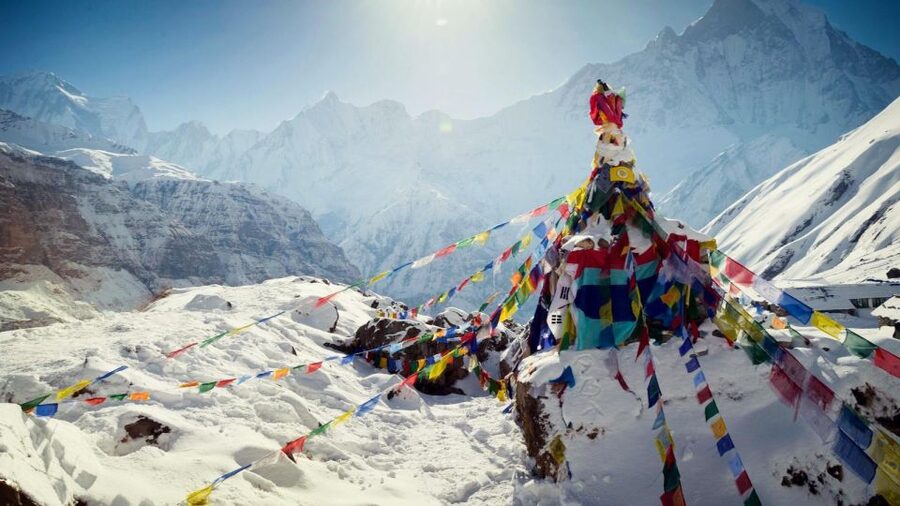
After reaching the high points, your body needs time to re-adjust to lower elevations. Days eleven through twelve are described as continued descent, and day thirteen brings you back to Kathmandu with a final evening before departure the next day.
That last stretch is a morale booster. You go from altitude fatigue into easier breathing, and the mountains shrink from “constant threat” into “constant memory.” It’s also the moment to think about what you learned about your own limits—how you paced, how you hydrated, and what helped you keep going.
Given that the trek includes two nights in Kathmandu at the start (with breakfast), you’ll also get more breathing room in the capital rather than being stuck in travel overwhelm the entire time.
What you’re really paying for: value, not just a price tag
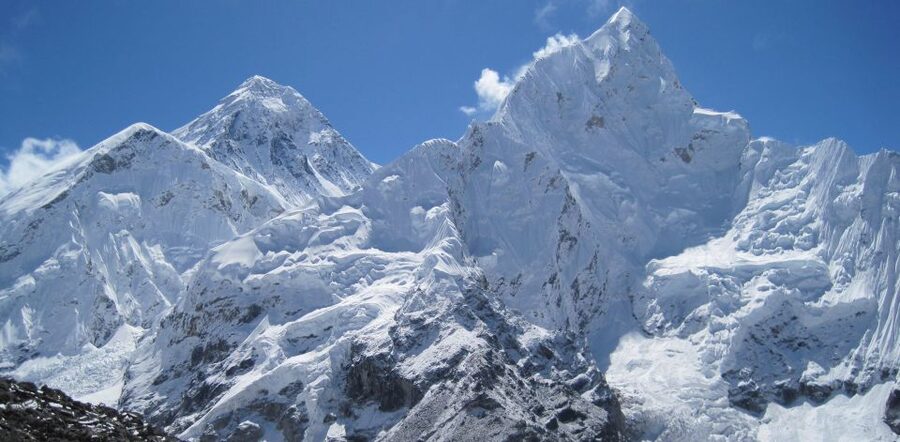
This trek is priced at $1,296 per person for 14 days. On paper, that’s a lot. In practice, value comes from three things you’d otherwise have to assemble yourself:
- Major logistics are included: Kathmandu to Lukla flights round-trip, plus airport transfers in Kathmandu.
- The guide and support are built into the plan: the tour includes an English-speaking experienced guide, and it covers salary/food/accommodation/transport/insurance for your guide and porter.
- Permits are handled: the Sagarmatha National Park entry permit and fees, plus paperwork.
That mix is what turns this from “a trek idea” into an organized expedition. You’re not just buying steps and scenery—you’re buying reduced stress around permits, transport, and decision-making at altitude.
One caution: the package states porters are not included, but also includes guide and porter support costs. In real life that usually means the porter arrangement depends on your exact booking terms. Before you commit, confirm whether porter services are included for your group size or if you’ll need to pay extra for porter coverage.
Gear, food, and comfort reality check (the parts that matter)
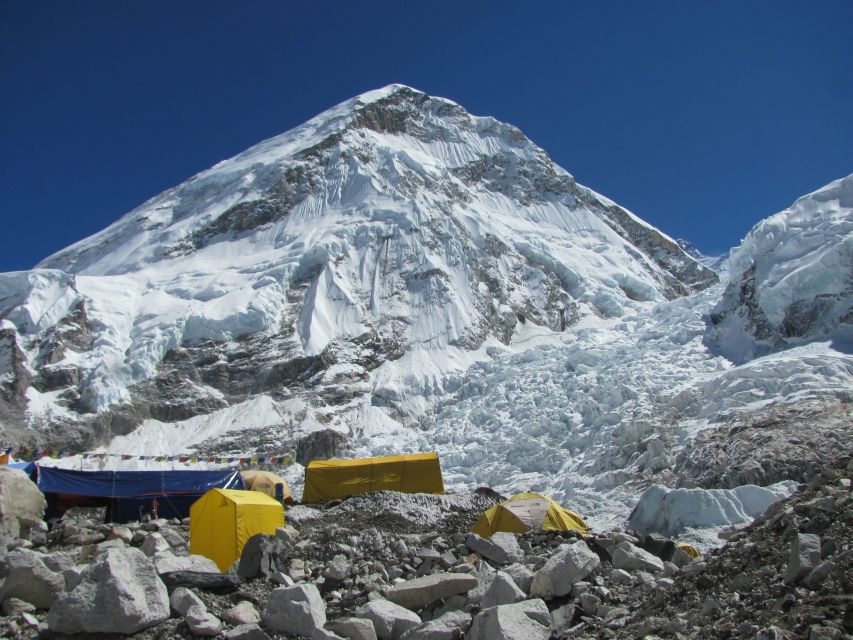
The trek includes jacket, sleeping bag, and duffle bag to use (if required). That can save real money if you don’t already own cold-weather gear. Even if you end up not using everything, knowing the trip provides core layering equipment is useful.
Food and comfort are more “choose your own” than “all-in luxury.” The package does not include breakfast, lunch, and dinner during the trek, and it also doesn’t include lunch and dinner in Kathmandu. Hot showers during the trek are not included either.
So you should plan for basics: warm clothes, good socks, and accepting that comfort is limited at high elevation. The upside is that tea houses are part of the route, so you have shelter and a place to recover even if the shower situation is not resort-style.
Also check your health and risk fit. This trip is not suitable for pregnant women, people with heart problems, or people with mobility impairments. Altitude trekking is serious medicine, even when the scenery is beautiful.
Flight disruptions and how the best operators respond
Because the plan relies on flying to and from Lukla, weather can interrupt the schedule. One key insight from past experiences is that when Lukla flights don’t run, a solid operator doesn’t just shrug—they tries to sort alternatives.
In at least one case tied to this trek’s team, the departure was delayed due to no flight, and the team worked for multiple days. The fallback plan involved an alternate base camp trek using the same English-speaking guide (with names including Hari as the reachable company contact and Anjan or Padam as guides, depending on the trip). The takeaway for you: build flexibility into your expectations, and keep your documents and patience ready.
Who this trek fits best
This is a great fit if you want a classic Everest route with Sherpa culture stops and a strong acclimatization rhythm. It works well for travelers who:
- Prefer an organized plan with an English-speaking guide
- Want the Everest Base Camp and Kala Patthar combination (not just one)
- Value time built for altitude adjustment over aggressive hiking
It’s less ideal if you hate uncertainty around high-mountain flights or if you need guaranteed “on-time” schedule certainty regardless of weather.
Should you book this Kathmandu to Everest Base Camp with Kala Patthar trek?
If you want a structured, high-altitude trek that mixes Everest-scale sights with meaningful Sherpa towns like Namche Bazaar, this package makes sense. The pacing—especially the acclimatization days—signals that the operator understands altitude risk. And the included flights, permits, and guide support are the kind of value that matters when you’re 5,000+ meters up.
Before you sign, do two checks: confirm the porter arrangement for your booking, and review whether you’re prepared for meals and limited comfort during the trek. If those boxes work for you, then yes—this is the kind of Everest trip that earns your money through planning, not luck.
FAQ
How long is the trek?
It’s listed as a 14-day experience from Kathmandu to Everest Base Camp with Kala Patthar.
Do I fly to Lukla, and are flights included?
Yes. The itinerary includes a flight from Kathmandu to Lukla and return to Kathmandu, and the flight ticket is included.
Are permits included for Sagarmatha National Park?
Yes. The Sagarmatha National Park entry permit and fees are included.
What kind of accommodation do you use on the trek?
You stay in lodges/tea houses during the trek. In Kathmandu, the package includes 2 nights in standard accommodation with breakfast.
What gear is provided, and what should I bring?
The trip includes a jacket, sleeping bag, and duffle bag to use if required. You’re also advised to bring trekking shoes, socks, a hat, sunglasses, sunscreen, insect repellent, long pants, shorts, and several T-shirts.
Are meals and hot showers included?
No. Breakfast, lunch, and dinner during the trek are not included, and hot showers during the trek are not included. In Kathmandu, lunch and dinner are also not included.