REVIEW · TANGIER
Tangier city break : Scenic Drive and Camel Trek
Book on Viator →Operated by JTT Morocco · Bookable on Viator
Tangier hits fast, even on a short visit. This 2 to 3 hour city break strings together the big sights: a bay-view drive through colonial Tangier, the La Montagne district tied to the king’s palace area, and then out to Cape Spartel and the Caves of Hercules.
What I like most is how the timing keeps things moving without feeling like a blur. You get an included camel ride on the Atlantic coast, plus a beach stop where riding is part of the plan. One thing to consider: this is a small-group tour (max 15) and there can be walking, so if you’re on a cruise schedule or you need very low walking, it’s smart to ask how the return timing and drop-off will work for your exact pier or ship location.
In This Review
- Key Points to Know Before You Go
- Tangier City Break: Why This Short Tour Works
- Getting Rolling: Coastal Drive and Colonial Tangier Vibes
- What to watch for
- La Montagne and the Writer-Lured Tangier Scene
- A practical tip
- Cape Spartel: The Big Gibraltar Entrance Moment
- How to enjoy it best
- Caves of Hercules: Natural Wonder, Timing Flexibility
- What I like here
- Achakar Camel Ride: The Included Trek on the Atlantic Coast
- A quick comfort reality check
- Plage de Tanger Beach Stop: Camel Option and Photo-Friendly Moment
- Timing, Walking, and Cruise-Day Reality
- Price and Value: Is $57 Worth It?
- Who This Tour Fits Best
- Practical Tips to Make It Feel Smooth
- Should You Book This Tangier City Break?
- FAQ
- How long is the Tangier city break tour?
- What is the price per person?
- Is this tour private?
- What is included in the tour price?
- What is not included?
- Where do I meet the tour?
- Will I be picked up from my hotel or the port?
- How is the ticket delivered?
- Is there a cancellation policy?
- Does the tour run in any weather?
Key Points to Know Before You Go
- Colonial Tangier + La Montagne: You pass through the early 20th-century feel of the city and the neighborhood linked to the king’s palace area.
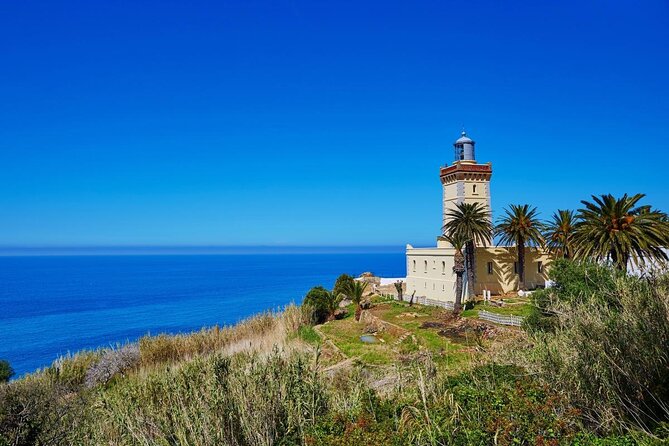
- Cape Spartel views: You go to the northernmost point of Africa and the western entrance to the Strait of Gibraltar.
- Caves of Hercules stop: The natural and historical site is built into the route, with entrance fees not included.
- Camel trek on the Atlantic coast: A real camel ride is included (and there’s another camel moment on the beach stop).
- Small group size: Up to 15 people, which usually means less waiting and a more human guide-chat pace.
- Pickup depends on where you start: Hotel or port/airport pickup is included, but you’ll want clarity on drop-off if you’re on a cruise.
Tangier City Break: Why This Short Tour Works
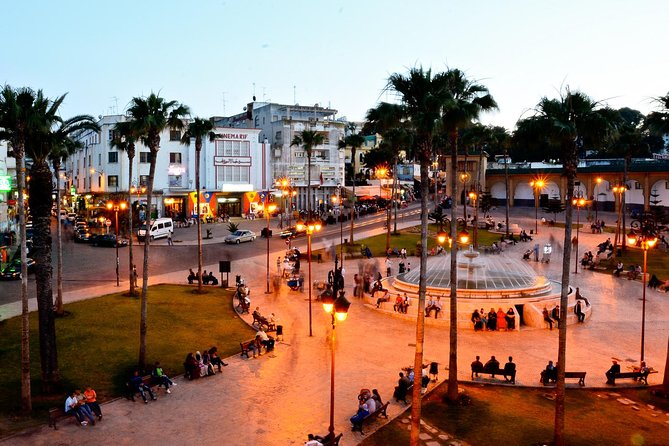
If you only have a few hours in Tangier, you need two things: a smart route and a guide who can translate the city quickly. This tour is built for that. You start with round-trip transfers from either your hotel or the port area, then you do the best type of Tangier sightseeing: viewpoints and meaningful neighborhoods, not just random stops.
The pacing is the key. A lot of Tangier tours go long, and then you spend your energy stuck in traffic or hunting for the next meeting point. Here, the plan is tight enough to give you a feel for the city—then still leave you with energy afterward for your own exploring (or getting back to your ship).
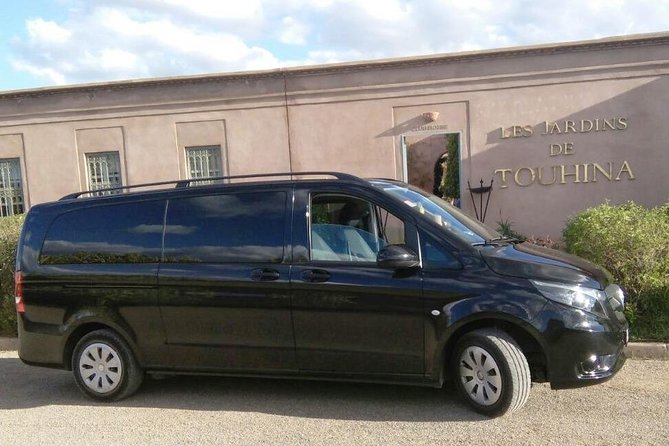
And you get the practical stuff covered. Transport is by air-conditioned minivan, and the driver is described as professional and bilingual. Small-group size matters too; up to 15 travelers is big enough to keep costs reasonable, but small enough that questions don’t disappear into the noise.
Getting Rolling: Coastal Drive and Colonial Tangier Vibes
You’ll be picked up at a clear meeting area (Port de Tanger Ville on Blvd. Mohamed VI) or from your hotel, depending on where you’re starting. After you meet your guide and get settled in the van, you head out along the bay of Tangier and into the colonial city area that dates to the early 1900s.
This part is underrated. From the road, you get the layered feel of Tangier fast: the Mediterranean air, the harbor energy, and the sense that this city has been a crossroads for a long time. It’s also a good way to get your bearings before you walk anywhere.
If you’ve read about Tangier as a literary magnet, you’ll feel the connection here. This is where the guide’s storytelling really helps—names and places become more than trivia. Guides like Aziz (mentioned in the feedback) are the kind of person who can turn street-level observations into a simple explanation you remember later.
What to watch for
If your day starts from a cruise port, be extra direct about timing. One set of feedback mentioned the tour leaving earlier than expected and the drop-off being farther than expected. That doesn’t mean it happens every time, but it does mean you should confirm the exact return point that matches your ship location.
La Montagne and the Writer-Lured Tangier Scene
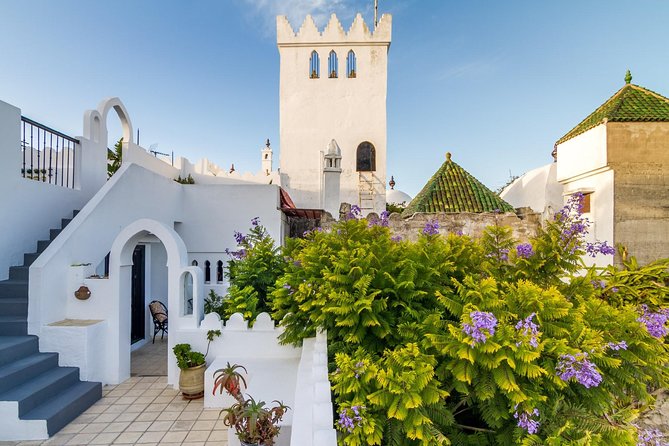
Next comes La Montagne, a residential neighborhood tied to the king’s palace area and to the homes of artists and writers who were drawn to Tangier. This is the stop that turns the tour from sightseeing into something more personal.
You’ll hear names connected with Tangier’s creative pull, including Barbara Hutton, Paul Bowles, William S. Burroughs, and others mentioned as having ties to the area. Even if you’re not a walking encyclopedia, it’s a strong match for Tangier’s reputation. The buildings and slopes give you the sense of a place people came to for atmosphere and work.
I also like that this stop is mostly about seeing and understanding rather than trying to cram in a long museum visit. The guide’s job here is to connect dots: why the neighborhood matters, what you’re looking at, and how Tangier’s past shaped the city you see today.
A practical tip
Wear something comfortable enough for short stretches. Even if you’re not expecting a full-walking day, feedback from people on cruise days points to the reality that there can be walking time during city-area parts.
Cape Spartel: The Big Gibraltar Entrance Moment

Cape Spartel is your next “wow, so that’s where we are” stop. You visit the northernmost point of Africa and the western entrance to the Strait of Gibraltar, where the Atlantic meets the Mediterranean.
This is the moment when the tour turns outward. The coastal drive sets the mood, but Cape Spartel gives you the physical geography. It’s also a great mental reset point: after a neighborhood stop full of names and stories, you shift to open views and the reality of the waterway between continents.
How to enjoy it best
This is a great spot to slow down. Spend a few minutes just looking, not photographing nonstop. If the wind picks up, stay warm enough—coastal weather can change fast.
Caves of Hercules: Natural Wonder, Timing Flexibility

After Cape Spartel, you head to the Caves of Hercules—a natural and historical site built into the tour route. The big catch: entrance fees for the monument are not included, even though the stop is part of the plan.
That means two things for you. First, you should budget a bit extra for entry if you want to go inside. Second, you can treat this like a choose-your-own-level-of-effort moment. If the line is long or conditions aren’t great, you can still enjoy the area from outside and move on with the rest of the day.
What I like here
Even when you don’t do a full inside visit, this stop connects Tangier to a wider myth-and-geography story. The name alone pulls people in, but the actual site is what makes it stick.
Achakar Camel Ride: The Included Trek on the Atlantic Coast
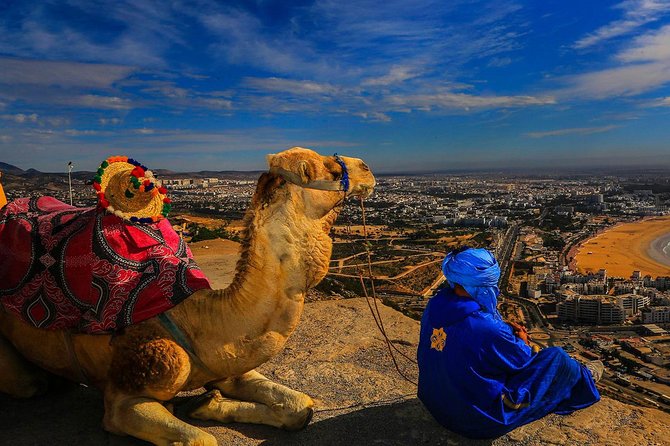
Now you get the hands-on part: a camel ride on the Atlantic coast of Tangier. This is one of the most “experience” elements on the itinerary, and it’s included in the tour package.
A camel ride changes the tone of the day. The city stops feel like learning; the camel ride feels like doing. And because you’re on the Atlantic side, the sense of space matters. You’re not just hopping onto an animal for a quick photo—you’re spending actual time with the pace and movement.
This is also where the guide’s approach matters. Several guides were praised for being personable and making the tour feel smooth, including Omar in airport pickup situations. If your guide is relaxed, your ride will feel that way too.
A quick comfort reality check
Camel rides can be bumpy. Bring patience and let the camel set the rhythm. If you have any concerns about balance or getting on/off, let your guide know early.
Plage de Tanger Beach Stop: Camel Option and Photo-Friendly Moment
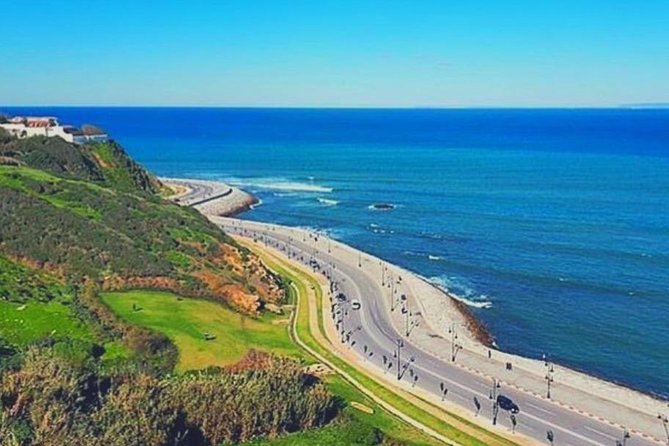
On the way back, there’s a beach stop at Plage de Tanger. The plan is simple: you can experience a camel ride alongside the beach, or at minimum get a few photos with the friendly animals.
This is a smart add-on. If you skipped the earlier camel ride or if you want more time with the animals, this is your second chance. If you already rode once, it’s still a relaxed way to end the day before returning to the meeting point.
One more reason I like this segment: it’s visually Tangier. People often think of Tangier as medina alleys and hilltop views. The beach stop reminds you that the coastline is part of the same story.
Timing, Walking, and Cruise-Day Reality
This is a short tour, but it’s not a zero-walking tour. Some people ended up doing a longer walking stretch through market areas and the medina area, even when they expected a mostly vehicle-based day. That’s worth flagging because it affects how you plan your footwear and how tight your ship schedule will feel.
Here’s how to stay in control:
- If you’re on a cruise, confirm the exact time you must be back onboard, then ask the guide how the return works relative to that.
- Ask if you’ll be walking through market lanes or just doing brief stops.
- If you need minimal walking, tell the provider ahead of time so the guide can steer your day.
If you get stuck or uncertain about finding your group after port exit, that’s also a real risk. One piece of feedback mentioned difficulty locating the provider after leaving the cruise port and needing to ask other tour groups. The simplest fix: save the meeting point details in your phone and plan to ask staff right away if you’re running late.
Price and Value: Is $57 Worth It?
At $57 per person for a 2 to 3 hour loop, the value depends on what you already planned to do in Tangier.
What you’re paying for here:
- Round-trip transfers from hotel or port/airport area
- A bilingual driver/guide setup
- Air-conditioned transport
- Cape Spartel and the Caves of Hercules stop (with entry not included)
- Camel ride on the Atlantic coast
- A second beach segment where camel time is part of the plan
If you’re comparing this to trying to piece together taxis plus guided explanation plus camel time, it stacks up pretty well. You’re buying convenience and context more than you’re buying a long museum day.
Where the cost can rise: monument entry fees (especially at Caves of Hercules). The tour also doesn’t include food and drinks, so you’ll spend a little extra if you plan to eat during the tour window or right after.
Who This Tour Fits Best
This is a good match if you:
- Have limited time in Tangier and want the main sights in one outing
- Like guided context—getting names and meaning tied to what you’re seeing
- Want an included animal experience without having to arrange it yourself
- Prefer a small-group setting (up to 15)
It may not be your best match if you need:
- Extremely minimal walking
- Very strict timing with no margin (cruise days require extra confirmation)
- A fully indoor, calm sightseeing pace (this includes outdoor viewpoints and a beach segment)
Practical Tips to Make It Feel Smooth
Here’s how you’ll get the best day out of it:
- Bring light layers for coastal wind, especially around Cape Spartel and the beach.
- Wear shoes you’re comfortable walking in, even if you expect mostly driving.
- Keep a small amount of cash or card handy for entrance fees where noted as not included.
- If you care about specific pacing, say it early. Several guides were praised for tailoring the day and avoiding crowds where possible.
And if you want to maximize the story side, ask the guide one real question on the ride to La Montagne or Cape Spartel. It’s where a good guide turns a checklist into a place you remember.
Should You Book This Tangier City Break?
I’d book it if you want a fast, well-shaped introduction to Tangier with two big outdoor anchors (Cape Spartel and the Caves of Hercules) plus an included camel moment. It’s one of the better ways to get a feel for Tangier when time is tight.
I’d hesitate or at least ask questions first if:
- You’re cruising and your return to the ship needs precision
- You have mobility limits or want to minimize walking through market lanes
- You’d rather spend time in one place deeply than bounce through multiple short stops
If you do book, do yourself a favor: message or ask ahead about where you’ll be dropped for cruise passengers and how much walking to expect. That one step turns a potentially stressful logistics day into a smooth Tangier day.
FAQ
How long is the Tangier city break tour?
The tour lasts about 2 to 3 hours.
What is the price per person?
The price is $57.00 per person.
Is this tour private?
No. It’s a small group tour, not private, with a maximum of 15 travelers.
What is included in the tour price?
Transport by air-conditioned minivan, a professional bilingual driver, all taxes/fees/handling charges, and camel ride(s) as part of the included stops.
What is not included?
Food and drinks, and entrance fees to monuments (including the Caves of Hercules).
Where do I meet the tour?
The start point is Port de Tanger and Blvd. Mohamed VI, Tanger, Morocco.
Will I be picked up from my hotel or the port?
Yes. Round-trip transfers are provided, with pickup from your hotel or the port (and the tour can also start from city port/airport areas).
How is the ticket delivered?
You’ll receive a mobile ticket.
Is there a cancellation policy?
Yes. You can cancel up to 24 hours in advance for a full refund.
Does the tour run in any weather?
The tour requires good weather. If it’s canceled due to poor weather, you’ll be offered a different date or a full refund.